





500 NEW MARIJUANA SEEDS RELEASED

Cannabis Heat Stress: Learning Effective Solutions for Optimal Cultivation


Cannabis cultivation is a constantly changing field. Heat stress on weed plants is a big problem that requires a deep understanding. As a cultivator, it’s important to know how the environment and the plant’s biology interact. This guide will teach you about heat stress weed plants and how to handle it. By following this guide, you can make sure your cannabis plants grow strong and potent and avoid cannabis heat stress.

Weed plant heat stress is more than just an inconvenience. It’s a physical reaction to high temperatures that can greatly affect your harvest. Picture your healthy cannabis plants suddenly dealing with intense heat, with their leaves curling up to protect themselves. This visual sign is just the beginning, showing that there’s a bigger problem happening within the plant’s cells. To truly understand heat stress cannabis, we need to uncover the complex biological processes that happen when temperatures rise.

Biological Mechanisms Behind Heat Stressed Weed Plant
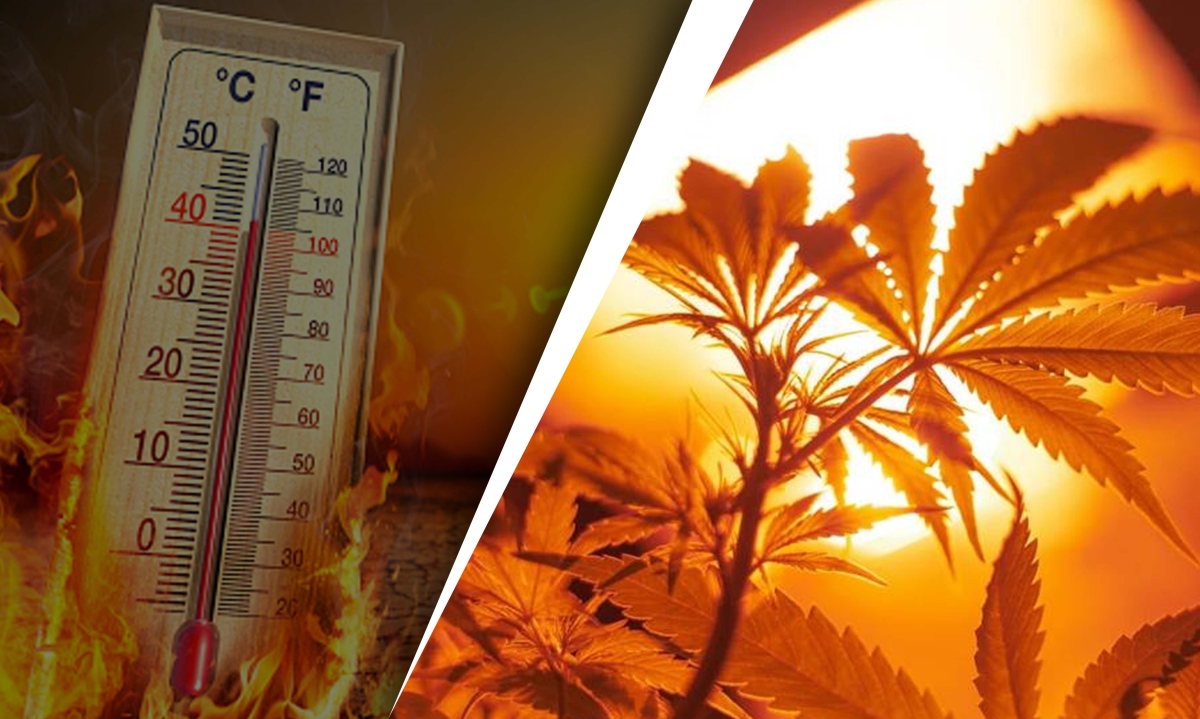
heat stress on weed plants

Cannabis plants have a way of dealing with excessive heat. When it gets too hot, the plant cuts back on water to prevent evaporation. But this survival tactic also means the plant can’t absorb important nutrients, which makes it less healthy overall.

Under the heat, important parts of the plant like chloroplasts can get damaged. To protect itself, the plant makes special proteins that act like armor against the high temperatures. But these proteins take away energy that could be used for growth and development, which affects the plant’s overall health.

Understanding how plants respond to heat stress helps us appreciate their ability to survive. It also shows how important it is to find ways to handle heat stress on weed plants when cultivating.

Key Causes of Cannabis Heat Stress
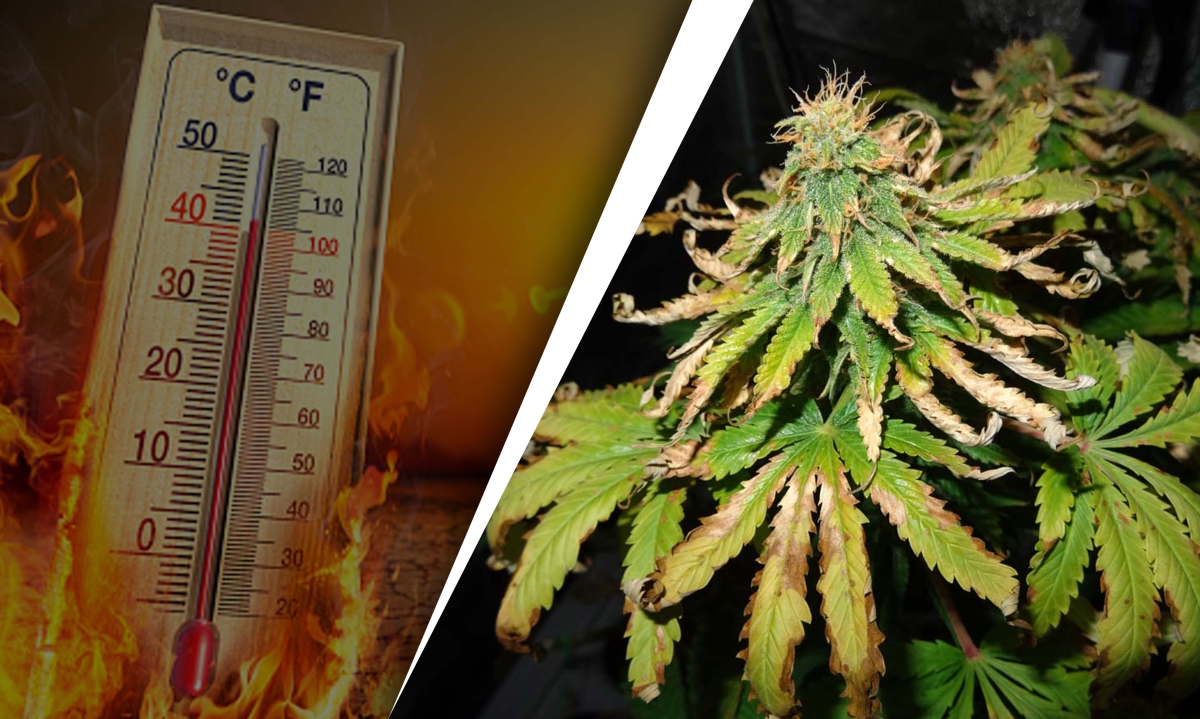
heat stress on weed plants

Excessive Light Intensity

Plants need sunlight for growth. But too much sunlight can hurt cannabis plants. It makes the plant’s temperature go up quickly and messes up important processes. This hurts the cells and stops the plant from growing well. Growers have to pick between LEDs and HIDs for light. LEDs are a good choice because they don’t make as much heat and their brightness can be changed. This helps stop heat problems and keeps the plant’s growth healthy.

Insufficient Ventilation

Imagine being in a room without any air moving around – a stifling experience that is similar to what cannabis plants go through when they don’t have proper ventilation. When the air is still and hot, it becomes difficult for the plant to cool down, so it has to use energy to try to regulate its temperature. This not only makes the plant uncomfortable, but it also creates a good environment for molds and pests to grow. Fans, air conditioners, and heat extractors are really important in this situation. They act like lifelines, making sure that fresh air keeps flowing and that heat doesn’t get trapped.

Incorrect Room or Outdoor Environment Design

Cannabis plants need a specific environment to grow well. If the environment isn’t right, they can get stressed. If they are grown outdoors or in a place without good ventilation, they may show signs of heat stress on weed plants earlier than expected. It’s really important to provide shade, good ventilation, and take care of the soil. In dry climates, the balance between the soil and how much water the plant has is very important. When the humidity is lower than 50-60%, the plant releases more water, which causes wilting. This is a sign that something is wrong and needs attention. Making sure the soil and plant have the right moisture levels is crucial to avoid the negative effects of heat stress.

Recognizing Symptoms of Cannabis Heat Stress

Leaf Symptoms

Heat stress on plants first shows on the leaves. These signs are important for growers to take action and protect the plants.

  • Leaf Curling: One sign of heat stress is when the edges of the leaves curl upwards. This helps the plant by reducing the amount of leaf exposed to intense light and heat.
  • Leaf Cupping: Another sign, called leaf cupping, is often seen in indoor cannabis setups. It happens closer to the light source and the leaves may look like they are cupped. Interestingly, the leaves lower down on the stem might not be affected, showing that heat stress is localized. This symptom can get worse during a heatwave and affect both upper and lower leaves
  • Discoloration: As heat stress continues, the green leaves can change color. They might start turning yellow at the tips and edges. This discoloration can progress to browning, and eventually the whole leaf may dry out and become crispy. The color change shows how severe and how long the plants have been exposed to heat.


Flowering Buds Symptoms

Heat stress not only affects plant growth but also affects the flowering stage, which can affect the quality of the final harvest.

  • THC and Terpene Production: Excessive heat can reduce the production of THC and terpenes, which are responsible for the potency and aroma of cannabis. This can make cannabis less effective and enjoyable for consumers.
  • Foxtailing: In strains that are prone to foxtailing, extreme heat can cause buds to grow elongated with unusual protrusions. These buds have spaced-out calyxes, which gives them a different appearance compared to normal, tightly packed buds.
  • Pistil Coloration: Heat stress can cause premature color changes in the pistils of cannabis buds. Normally, these pistils turn amber or brown towards the end of the flowering cycle. However, under heat stress, they might change color too early when the buds are still not fully developed. This premature coloration can affect the overall maturity and potency of the buds.


Solutions for Optimal Cultivation

Cultivating cannabis with resilience against heat stress requires a multifaceted approach, addressing both environmental factors and plant management strategies.

  1. First, you need to manage the light. It’s important to have the right amount of light for cannabis to grow well. Choosing LED lights instead of HIDs can help control the intensity of the light and reduce the risk of too much heat. You should also adjust the light schedule to match cooler times of the day to avoid heat-related problems.
  2.  Next, you need to have good ventilation. This is essential for preventing heat stress. Using fans, air conditioners, and heat extractors in the right places will keep the air flowing and prevent heat from building up. It will also help avoid mold and pests.
  3. Creating the right environment is also important. You want to mimic the natural habitat of cannabis. Providing shade, especially during the hottest parts of the day, will protect the plants from excessive heat. You should also pay attention to the soil and make sure it has the right amount of moisture. Adjusting your irrigation practices based on the plants’ needs and the current environmental conditions is crucial.
  4. Lastly, it’s important to monitor and make adjustments as needed. Keep a close eye on things like temperature, humidity, and soil moisture. This way, you can catch any problems early on and make changes to keep the plants healthy.

Conclusion

To master cannabis heat stress, you need to understand how the environment and plant physiology interact. As a cultivator, you must constantly adapt and be aware of what cannabis plants need. By understanding heat stress, recognizing its symptoms, and using targeted solutions, you can overcome its challenges. This guide will help you become a master of cannabis cultivation, leading to successful yields and strong, high-quality buds.

FAQs

1. Can humidity levels contribute to cannabis heat stress?
Yes, high humidity levels can exacerbate heat stress in cannabis. While the article emphasizes the impact of low humidity in arid climates, excessively high humidity can impede the plant’s ability to cool itself through transpiration, leading to increased susceptibility to heat stress.

2. Is there a specific temperature range ideal for cannabis cultivation to prevent heat stress?
Yes, maintaining a temperature range between 70-85°F (21-29°C) is generally optimal for cannabis cultivation. Beyond this range, plants may experience heat stress. However, individual strains may have slightly different temperature preferences, and growers should consider these hints.

3. How does the choice of potting soil influence cannabis heat stress?
The type of potting soil is crucial. In extremely dry climates, fast-draining soils can contribute to rapid moisture loss, intensifying heat stress. Conversely, in humid conditions, poorly draining soils can lead to waterlogged roots, compounding stress. Balancing soil moisture is essential for preventing heat stress.

4. Can excessive pruning worsen heat stress in cannabis plants?
Yes, extensive pruning, especially during periods of high temperature, can contribute to heat stress. Pruning reduces the overall leaf surface area, limiting the plant’s ability to cool itself through transpiration. Careful pruning practices and timing are essential to avoid undue stress during heat-sensitive phases.

5. Do certain strains exhibit higher resistance to heat stress?
Yes, some cannabis strains demonstrate better resilience to heat stress. Strains originating from warm climates may inherently possess adaptations that make them more tolerant to elevated temperatures. When selecting strains, considering their natural habitat and climate preferences can contribute to a more robust and heat-resistant cultivation experience.
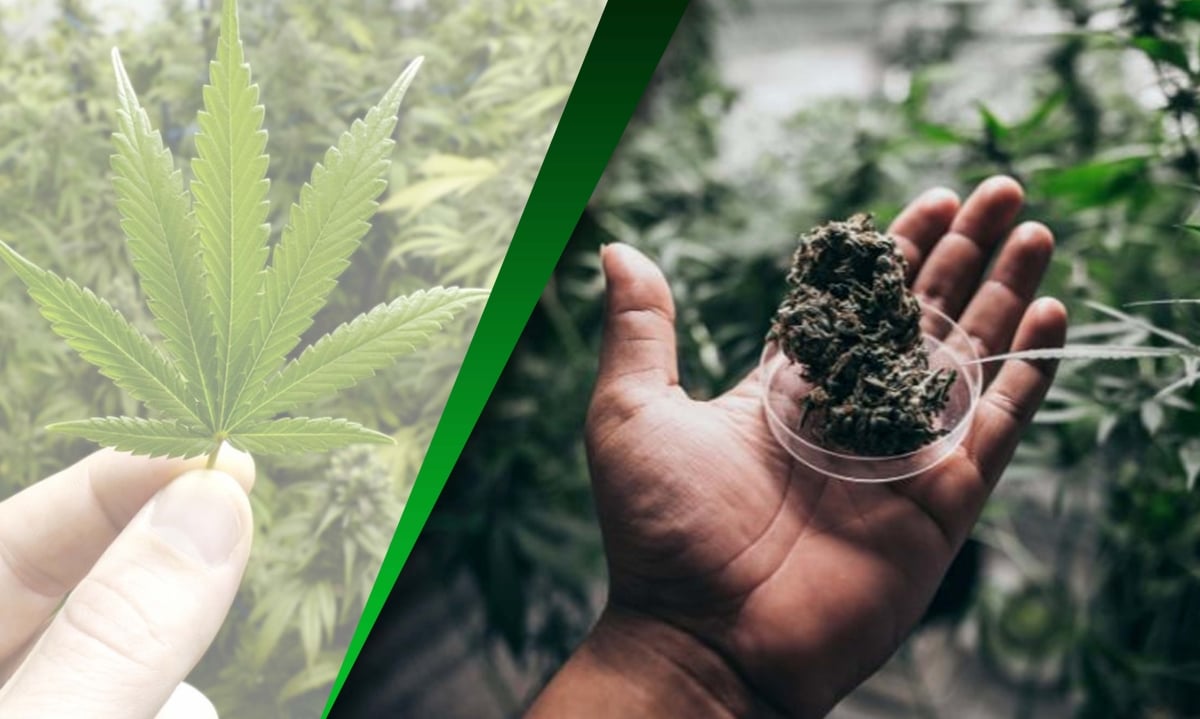
What Is Uncured Weed?


Cannabis consumption is the final step in the cannabis journey. It involves curing uncured weed to make it ready for smoking. The curing process is important because it ensures a better smoking experience. When cannabis is harsh and tastes like fresh grass, it can be disappointing. But proper curing can transform it into a more enjoyable state. This guide will walk you through the essential process of cannabis curing. It explains why smoking uncured weed can lead to a less-than-ideal experience. Explore the curing process and discover how it enhances your smoking journey.

What is Cannabis Curing?

Curing, a process that follows the initial harvest and drying stages, is akin to the aging of fine wine. It involves preserving the delicate balance of cannabinoids and terpenes. They contribute to the plant’s psychoactive and aromatic properties. Enthusiasts and commercial growers alike need to understand the nuances of this process. It influences the potency, longevity, aroma, and flavors of cannabis. It also affects the very essence of the cannabis experience.

Cured Weed vs. Uncured Weed

Uncured Weed

Potency Boost

The potency of cannabis is a pivotal factor for enthusiasts seeking a robust psychoactive experience. Curing plays a transformative role in enhancing this potency. Beyond the conversion of THCA into THC, it safeguards the entire spectrum of cannabinoids and terpenes, ensuring a refined and enduring impact. A deeper dive into the complex biochemistry reveals that curing allows for the synthesis of additional THC, contributing to a more potent final product.

Extended Lifespan

The longevity of cannabis is a critical consideration for both enthusiasts and commercial cultivators. Curing emerges as the guardian against the perils of mold, bacteria, and mildew, providing a shield that extends the lifespan of the cannabis buds. Commercial growers, in particular, benefit from the ability to store their product for extended periods without compromising its quality. The art of curing, therefore, becomes not only a matter of taste but also a strategic element in the cannabis industry’s supply chain.

Aroma Alchemy

The aromatic profile of cannabis is as diverse as the strains themselves. Curing, however, acts as an alchemist, transforming the pungent and overpowering scent of fresh weed into a mellow, inviting aroma. This olfactory evolution is not just about pleasant smoke; it is a testament to the preservation of terpenes, the organic compounds responsible for the distinctive scents of different strains. Uncured or improperly cured weed, on the other hand, may emit undesirable odors such as ammonia or the unmistakable scent of chlorophyll, signaling incomplete curing.

Flavor Symphony

Beyond the aroma, the flavor profile of cannabis is a symphony of terpenes and cannabinoids. Properly cured weed delivers a full-bodied experience, with each strain boasting its unique set of flavors. Terpenes, the aromatic compounds responsible for these flavors, are delicate and easily lost in the absence of proper curing. This emphasis on flavor is not just a matter of preference but a marker of quality and craftsmanship in the cannabis world.

The Smoke Test

Discerning cannabis quality can be as simple as inspecting the ash color after combustion. Properly cured cannabis yields a light gray or white ash, indicative of a clean burn and a smoother smoke. This visual cue is not just an aesthetic preference; it is a tangible sign of a well-cured product. On the contrary, improperly cured cannabis produces a darker ash, resulting in a harsh and abrasive smoking experience. Understanding this visual indicator is key for enthusiasts seeking a premium smoking experience.

Can You Smoke Uncured Weed

While the allure of immediate consumption may tempt some to smoke uncured weed, it’s essential to recognize the potential downsides. Smoking uncured cannabis often translates to a lackluster experience, devoid of the nuanced flavors and aromas that define quality cannabis. The absence of proper curing may lead to side effects, such as throat irritation and persistent coughing, attributed to the presence of chlorophyll and other undesired compounds.

Exception: Live Resin

An intriguing exception to the rule of avoiding uncured cannabis is found in the world of live resin. Live resin, a concentrated form of cannabis, is crafted by freezing fresh buds immediately after harvest, bypassing the traditional drying and curing process. This unconventional method preserves the live plant’s essence, capturing a unique spectrum of cannabinoids and terpenes. While live resin is an exception, it underscores the importance of alternatives for those seeking unconventional and potent experiences.

The Art and Science of Curing Weed

Uncured Weed

Curing cannabis is not a mere waiting game; it’s a delicate balance of art and science that demands attention to detail. The standard curing period of two to four weeks can be extended to six months by enthusiasts aiming for the pinnacle of taste, flavor, and potency.

Optimal Curing Conditions

Achieving optimal curing conditions is a multifaceted endeavor that encompasses several crucial factors:

  • Proper Storage: The choice of airtight containers made of glass, ceramic, metal, or wood is paramount. Avoiding plastic containers is advised to prevent undesirable smells that can compromise the final product.
  • Humidity Control: Maintaining a humidity level between 55%-65% is crucial for optimal moisture content. Striking this balance prevents microbial growth and ensures the ideal conditions for THC biosynthesis. Too high humidity can lead to mold, while too low humidity can compromise the potency of the buds.
  • Temperature: The curing environment should ideally be kept between 60-70 degrees Fahrenheit (15-21 degrees Celsius). This temperature range fosters the slow and controlled release of moisture, contributing to the development of rich flavors and aromas.
  • Jar Filling: Jars should be filled two-thirds full to manage moisture effectively. This allows the buds to breathe while preventing excess moisture buildup that can lead to mold or mildew.
  • Light Avoidance: To protect cannabinoids and terpenes from UV light damage, it is imperative to store curing jars in a dark room. This preventive measure ensures the preservation of the plant’s chemical integrity throughout the curing process.


The Crucial “Burping” Process

Central to the curing process is the “burping” of jars, a practice that involves opening them once or twice a day. This seemingly simple act plays a pivotal role in enhancing the overall quality of the cured cannabis. During the first week of curing, “burping” serves multiple functions:

  • Moisture and Gas Escape: Opening the jars allows built-up moisture and gases to escape into the air, preventing excess humidity within the container.
  • Aroma and Flavor Enhancement: Tossing the buds during “burping” not only evenly distributes moisture but also enhances the overall aromas and flavors of the cannabis.
  • Mold and Mildew Prevention: Regularly opening the jars helps detect and address any mold or mildew growth on the buds. This proactive approach ensures that the final product is free from contaminants.


The Bottom Line

In conclusion, the meticulous process of curing cannabis is not just a final step; it’s the crowning touch for an unparalleled smoking experience. Cured weed preserves the flavor, aroma, and chemical compounds of the buds, ensuring the final product is potent and of high quality. While it may seem tempting to bypass the curing process and indulge in uncured marijuana, the myriad benefits of patience and proper curing underscore its undeniable significance. To truly master the art of cannabis consumption, one must embrace the journey of cultivation, curing, and ultimately savoring the fruits of this extraordinary plant.

FAQs

1. Can I cure cannabis in plastic containers?
No, it’s recommended to avoid plastic containers during curing. Opt for glass, ceramic, metal, or wood to prevent the development of a plastic-like smell in your cannabis.

2. Why is “burping” jars crucial in the curing process?
“Burping” jars releases moisture, enhances aromas, and addresses mold or mildew issues. This process is vital, especially in the first week of curing, ensuring optimal conditions for your cannabis.

3. Can I cure cannabis for longer than six months?
Yes, some enthusiasts choose to cure cannabis for an extended six-month period to further enhance taste, flavors, and potency, resulting in a more refined end product.

4. What are the dangers of smoking uncured marijuana?
While not necessarily dangerous, smoking uncured marijuana can lead to an unpleasant experience, including throat irritation and coughing. The lack of desirable flavors and aromas contributes to this discomfort.

5. Does the curing process impact the color of the ash when smoking cannabis?
Yes, it does. Properly cured cannabis produces a light gray or white ash, indicative of a smoother and gentler smoke. Improperly cured cannabis, on the other hand, leaves a darker ash, resulting in a harsh and abrasive smoking experience.

Why Do I Green Out Every Time I Smoke


It’s important for both users and those around them to be aware of the reason on “why do I green out every time I smoke.” Even nevertheless this term might not be familiar to everyone, its importance is similar to that of alcohol-induced blackouts. This article aims to explore whats greening out, how many hits does it take to green out, the symptoms that come with it, how to prevent greening out, and how to fix greening out in order to respond and ensure a safe and well-informed cannabis experience. Understanding these aspects can make using cannabis a more straightforward and enjoyable experience for everyone involved.

Cannabis Components and Psychoactive Effects

Why Do I Green Out Every Time I Smoke pic copy

To understand greening out, it’s crucial to grasp the elements of cannabis and how they affect the mind. Cannabis has various compounds, and THC is the main one responsible for the happy feeling linked to using marijuana. On the other hand, CBD, a non-psychoactive compound, is getting attention for its therapeutic benefits. The interaction of over a hundred cannabinoids in the cannabis sativa plant leads to different effects on users.

Figuring out the limit for greening out is tricky and depends on individual factors like weight, exposure to cannabis, and the strength of the product. New users, who haven’t used cannabis much before, might be more likely to green out because their bodies aren’t used to THC’s effects. On the flip side, regular users might build up a tolerance, needing more THC to feel the negative effects of greening out. How you consume cannabis matters too – smoking makes THC kick in faster than slower-acting edibles. In a 2021 study about medical cannabis, the recommended daily THC doses varied from 2.5 to 40 mg, showing that everyone’s tolerance to cannabis is different. Understanding these factors can help people have a safer and more enjoyable experience with cannabis.

Greening Out Triggers

Why Do I Green Out Every Time I Smoke

Greening out happens for different reasons, each with its own risks. Smoking too much cannabis, which many people do for fun or for medical reasons, can lead to accidentally using too much and greening out. The strength of the cannabis matters too – higher levels of THC make the effects kick in faster, making greening out more likely. When cannabis is mixed with alcohol, a combo called cross-fading, it creates unpredictable reactions and increases the chances of greening out. Another risk comes from synthetic cannabis products in the market. These often have stronger effects than natural cannabis, making greening out happen more quickly. It’s important to be aware of these factors to have a safer experience with cannabis.

Symptoms of Greening Out

Spotting the signs of greening out is essential for taking quick action and lessening its impact. Feeling anxious, heavy limbs, dizziness, headaches, and nausea are common signals that someone might be greening out. In more serious situations, users might have panic attacks, feel disoriented, confused, or even experience mild hallucinations. Physically, it can lead to a faster heart rate, lower blood sugar, decreased blood pressure, and narrower blood vessels. It’s significant to know that symptoms can range from mild cases that go away in a few hours to severe instances that can cause prolonged delusions and hallucinations. Being aware of these signs helps in handling greening out more effectively.

Managing Greening Out 5 Things To Take Note Off

If someone is greening out, staying calm and offering support is crucial. Encourage them to take deep breaths, play calming music, and keep a reassuring attitude to ease their symptoms. It’s significant not to leave them alone, as greening out can cause mild hallucinations and confusion. Stay with the person and guide them to a safe place until they feel better, keeping an eye on them in case symptoms get worse. Drinking water or fruit juice can help reduce the severity of greening out symptoms, so it’s good to stay hydrated. In serious situations, it’s necessary to seek medical attention to manage psychological symptoms and prevent any potential health issues. Taking these steps can make a big difference in helping someone through a greening out episode.

Dangers of Greening Out Long-Term Risks

Knowing about the possible long-term risks linked to experiencing greening out often or intensely is really important for users and those around them. It’s not just about the immediate discomfort – there are other consequences to consider. This includes a higher chance of accidents, negative impacts on mental health, the possibility of getting poisoned or overdosing from cannabis edibles, and an increased risk of abusing or becoming addicted to marijuana. Understanding these potential risks is crucial for making informed decisions about using cannabis and maintaining overall well-being.

Risk of Accidents

Greening out can make it harder to control your body – affecting things like movement, coordination, how quickly you react, and your ability to make good decisions. This makes the risk of accidents or injuries go up, especially if you’re doing things like driving or using machinery. It’s important to be aware of these effects to avoid putting yourself and others in danger when using cannabis.

Adverse Effects on Mental Health

If greening out continues for a long time, it can cause ongoing psychological issues, feelings of not being connected to yourself (called depersonalization), and increase the chances of developing mental health problems. This includes conditions like anxiety disorders and psychosis, where someone might lose touch with reality. Being aware of these potential outcomes is important for making informed choices about cannabis use and taking care of your mental well-being.

Poisoning and Overdose

Eating cannabis edibles can be tricky because the effects take a while to kick in. This delay can make it easy to eat too much, which might result in poisoning or an overdose. It’s important to be aware that accidental marijuana poisonings have become more common, especially in cases where children mistake edibles for regular food. This emphasizes the need for caution and careful handling of cannabis-infused products, particularly when there are children around. Being cautious can prevent unintended health issues and ensure a safe cannabis experience.

Marijuana Abuse and Addiction

Many things play a role in marijuana abuse and addiction, such as how old someone is, how often and how much they use it, the way they consume it, the environment they’re in, and their personal history. Experiencing greening out increases the chances of building a tolerance to marijuana, abusing it, and becoming addicted. This connects to the larger problem of substance abuse, where people may struggle with controlling their use of various substances. Understanding these factors is important for making informed decisions about using marijuana and avoiding potential risks of abuse and addiction.

Conclusion

To sum up, having a detailed understanding of greening out is crucial for promoting safe cannabis use. Recognizing what can cause it, being aware of the signs, and taking steps to prevent it can help people enjoy the positive aspects of cannabis while reducing the potential risks. This encourages a well-rounded and informed approach to using cannabis, emphasizing the importance of balance and responsibility for a safer and more enjoyable experience.

FAQs

1. Can greening out occur with other forms of cannabis consumption, such as vaporizing or using cannabis patches?
Yes, greening out can occur with various forms of cannabis consumption, including vaporizing and using patches. The method of consumption influences the rate of THC absorption, contributing to the risk of greening out.

2. Are there long-term effects on memory or cognitive function associated with greening out, similar to alcohol-induced blackouts?
While greening out itself typically results in temporary symptoms, prolonged and frequent greening out incidents may have implications for memory and cognitive function over time. However, research on this specific aspect is limited.

3. Can someone build tolerance to greening out, similar to developing tolerance to THC with regular cannabis use?
Yes, individuals who frequently experience greening out may develop a certain level of tolerance over time. This tolerance, however, is specific to the adverse effects of greening out and does not necessarily correlate directly with THC tolerance.

4. Is there a specific age group more susceptible to greening out, and are there age-related factors influencing the severity of symptoms?
Age can influence susceptibility to greening out, with younger and less experienced cannabis users often being more vulnerable. However, the severity of symptoms is also impacted by various factors such as overall health, tolerance, and individual reactions to THC.

5. Can CBD products alone lead to greening out, or is it primarily associated with THC consumption?
CBD products, which lack the psychoactive properties of THC, are generally not associated with greening out. The phenomenon is primarily linked to the consumption of THC, the psychoactive compound in cannabis.

Cannabis Cup 2023 Winners Revealed!

In the cannabis industry, it’s crucial to stay attuned to the latest trends and uncover those exceptional strains recognized at the prestigious Cannabis Cup 2023. Well, guess what? The year 2023 brought a whirlwind of excitement, with numerous remarkable weed cups taking place across the United States. These events were far from ordinary gatherings; they resembled the cannabis world’s equivalent of the Oscars, shining a spotlight on the absolute best.

These contests are not just about boasting; they mirror the progress of the cannabis industry. They provide a platform for growers to showcase their expertise, where innovative products shine, and where consumers get a glimpse of what’s new and exhilarating. So, get ready, folks! We’re about to delve into some of the most extraordinary cannabis strains and products that created waves at the 2023 Cannabis Cup.

California

SoCal’s High Times Cannabis Cup

SoCal’s High Times Cannabis Cup 2023, one of California’s most esteemed cannabis competitions, attracted an impressive array of entries this year. Fig Farms, a renowned cultivator, clinched the top spot with their Blue Face strain, earning the title of Best Indica Flower. Known for its calming effects and distinctive aroma, Blue Face has earned a devoted following among cannabis enthusiasts. Fig Farms also impressed the judges with their Animal Face strain, which was crowned Best Hybrid Flower. This hybrid offers a harmonious blend of indica and sativa genetics, delivering a well-balanced experience.

In the fiercely competitive sativa category, Maven Genetics shone with their Orange Bellini strain. This zesty delight provides consumers with a burst of energy and creativity, making it a top choice for those in search of an uplifting experience. SoCal’s High Times Cannabis Cup represents the pinnacle of cannabis cultivation and serves as an invaluable resource for consumers seeking the finest strains in California.

Ego Clash Category

The Ego Clash category at the competition showcased distinctive and exotic strains that pushed the boundaries of cannabis cultivation. Top Shelf Cultivation’s Whoa Si Whoa truly distinguished itself with its remarkable flavors and effects. This strain dares to challenge conventional norms and leaves an indelible mark on those who experience it. Anudai Farms also left a notable impression with their Eddy’s Lemons strain, delivering a delightful burst of citrus goodness with each puff. These strains exemplify the creativity and innovation thriving within California’s cannabis community.

The Farmers’ Cup

The Farmers’ Cup, an event cherished by cannabis enthusiasts, declared Orange Banana by Wonderbrett as the champion. This strain not only delights the taste buds but also showcases the expertise of its cultivators. With an impeccable balance of flavor and potency, Orange Banana is a distinguished indica deserving of its title. Sense Cannabis also earned acknowledgment for their Pink Certz strain, which melds distinct flavors with a calming high. These victors at The Farmers’ Cup epitomize the commitment and skill of California’s cannabis growers.

California remains at the forefront of cannabis cultivation and innovation, with its competition victors establishing a high standard for the entire industry. Whether you seek relaxation, inspiration, or a distinctive experience, the strains recognized at these competitions offer a wide range of choices for cannabis enthusiasts.

Colorado

Denver’s Connoisseur Cup

The Connoisseur Cup in Denver is an annual event that highlights the finest strains from Colorado’s thriving cannabis community. In 2023, the competition showcased an impressive roster, featuring both perennial favorites and exciting newcomers. Among the victors, Super Lemon Haze emerged as a crowd-pleaser. This sativa-dominant strain is adored for its zesty lemon flavor and invigorating effects, making it a popular choice for those seeking a daytime boost of energy and creativity. Gelato, another standout, is renowned for its sweet and creamy taste, offering a delightful option for those with a sweet tooth. Animal Face Mints, with its unique flavor blend and a touch of mint, contributed to the rich tapestry of cannabis options in Colorado.

THC Classic

The THC Classic in Colorado is a competition dedicated to THC potency, and in 2023, Golden Leaf made an impressive impression. Lemonhead Delight, Black Maple #22, and Candy Fumez, all hailing from Golden Leaf, gained recognition for their high THC levels and exceptional quality. Lemonhead Delight, as its name implies, delivers a burst of citrusy delight with every inhale, paired with a potent high that’s certain to please even the most experienced cannabis aficionado. Black Maple #22, on the other hand, brings a distinctive blend of flavors and a hefty THC punch, making it a prime choice for those seeking an intense experience. Candy Fumez, with its sweet and sugary notes, offers a delightful and euphoric journey for consumers.

Colorado’s cannabis competitions not only showcase the state’s rich cannabis heritage but also underscore the dedication to producing top-notch strains that cater to a wide range of preferences and needs. Whether you’re a seasoned enthusiast or new to the world of cannabis, these champions have something special for everyone.

Oregon

Oregon Growers Cup

The Growers Cup in Oregon is a celebration of the state’s diverse cannabis cultivation methods, and the 2023 edition lived up to expectations. This competition honored outstanding strains grown in various environments, ranging from outdoor to indoor to greenhouse. Alter Farms’ Strawberry Fizz, an outdoor-grown strain, won hearts with its fruity aroma and natural charm. The essence of the outdoors is beautifully preserved in this strain, making it a favorite among those who cherish the connection between cannabis and nature. Artisan Grown’s Candy Rain, a top winner in the indoor category, delivers a premium cannabis experience thanks to its meticulous cultivation. Its pristine buds and rich flavors make it a top choice for those who value quality. Cannassentials’ Hash Burger, the winner in the greenhouse category, combines the best of both worlds. It thrives in a controlled environment while retaining the unique characteristics of outdoor cultivation. This strain exemplifies the innovation present in Oregon’s cannabis industry, where traditional and modern techniques seamlessly blend.

Oregon Leaf Bowl

The Oregon Leaf Bowl serves as another platform for recognizing the finest cannabis strains in the state. In 2023, strains like Trop Cherry and Ice Cream Cake by WM Ranch took center stage with their exceptional qualities. Trop Cherry, as its name implies, delivers a tropical fruit explosion with every inhalation, making it a delightful choice for those who favor fruity strains. Ice Cream Cake, on the other hand, provides a creamy and sweet experience reminiscent of its dessert namesake. Juicy Fruit by Left Coast Standard also earned accolades for its refreshing and fruity profile, highlighting the diversity of cannabis offerings in Oregon.

Oregon’s cannabis competitions underscore the significance of terroir and cultivation methods in producing distinctive and high-quality strains. Whether you appreciate the purity of outdoor cultivation, the precision of indoor growing, or the versatility of greenhouse production, Oregon offers something extraordinary for everyone.

Arizona

Errl Cups

Amidst the desert landscape, Arizona’s cannabis community was abuzz with excitement at the Errl Cups in 2023. This competition unveiled some extraordinary strains that truly captured the spirit of the region. Aeritz’s Peanut Butter Mintz emerged as a victor, offering a unique fusion of nutty flavors and minty undertones. This sativa strain is perfect for those in search of a refreshing and invigorating experience. Alien Labs’ Biskante, a standout in the indica category, provides a potent and soothing high, making it an excellent choice for unwinding after a long day. Genesis Bioceuticals’ Lemon Meringue, celebrated for its tantalizing citrus flavors, delivered a burst of energy and creativity that resonated with both judges and consumers. Furthermore, Super Boof by Mohave Cannabis Co left a lasting impression with its captivating aroma and effects. Arizona’s cannabis enthusiasts have access to an impressive variety of strains that cater to their diverse needs and preferences.

New York/Northeast

New York Growers Cup

The New York Growers Cup highlighted the increasing influence of the cannabis industry in the Northeastern United States. The competition showcased a diverse mix of strains that reflected the region’s rich cannabis culture. Notable varieties like Trop Cherry Gas and Tropical Trufflez in the Sweet category offered a delightful fusion of fruity and exotic flavors. These strains are perfect for those seeking a sensory journey with each inhalation. The Gas category saw the emergence of a Sherb x Biscotti x Animal Mints blend, combining the best of these strains to create a truly unique and flavorful experience. Green Haze, recognized for its haze characteristics, provided a cerebral high that sparked creativity and introspection. Sour Royale, as its name suggests, delivered a tangy and sour profile that added a refreshing twist to the competition. Kaboom, celebrated as the most Exotic, pushed the boundaries of flavor and effects, appealing to adventurous cannabis connoisseurs. The New York Growers Cup illustrated the evolving cannabis landscape in the Northeast, offering a wide range of strains that cater to diverse tastes.

The Zalympix

The Zalympix event on the East Coast showcased the innovation and creativity that define the region’s cannabis industry. Gotti’s Zkittles x Zoap emerged as the best in show, captivating judges with its unique blend of genetics and flavors. This strain reflects the commitment of East Coast cultivators to push boundaries and explore new possibilities. Blue Lobster by Maine Trees made a splash by winning in multiple categories, underscoring the quality and variety of strains cultivated in the Northeast. The Zalympix serves as a platform for East Coast cannabis enthusiasts to explore the cutting-edge strains and products developed in their region.

New Mexico

Growers Circle

New Mexico’s Growers Circle garnered acclaim for its outstanding strains in 2023. Varieties like Homage and Trop Cherries provided consumers with a taste of the region’s unique terroir and cultivation techniques. These strains stand as a testament to the dedication of New Mexico’s cannabis growers in delivering top-notch products. Seed Junky, a prominent player in the cannabis industry, achieved multiple top-three rankings with Pineapple Fruz and Purple Push Pop, showcasing the brand’s commitment to quality and innovation. These strains have become sought-after choices among cannabis enthusiasts. New Mexico’s cannabis scene continues to thrive, offering consumers a diverse array of strains to explore and savor.

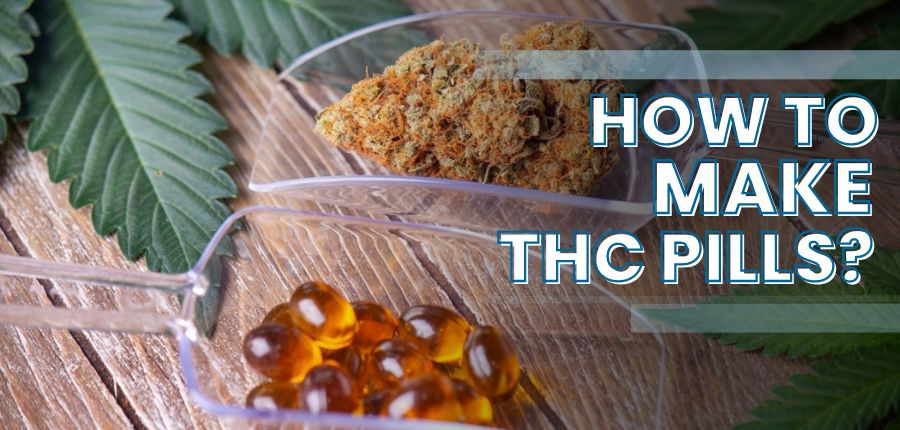
How To Make THC Pills

THC capsules have gained a reputation for their convenience in discreetly providing consumers with cannabinoids. However, due to the constant high demand for these manufactured cannabis products, many consumers frequently run out of supplies. Additionally, purchasing from a dispensary means paying additional taxes, which is why numerous consumers are now acquiring the knowledge of creating THC pills in their own homes.

But what exactly are THC capsules? For those accustomed to smoking cannabis, THC capsules offer an alternative. These capsules are filled with a preferred cannabis product mixed with a specific cannabis concentrate or oil. Rather than smoking cannabis, users simply ingest a pill, allowing for a convenient and enjoyable experience.

The capsules are processed in a way that enables non-smokers to partake in cannabis consumption. They contain extracts derived from ground cannabis as well as THC concentrate or oil, resulting in a potent and effective product.

Among the popular variants of these pills are Dronabinol and Nabilone, which are made from synthetic compounds designed to replicate the natural effects of cannabinoids. Although both Dronabinol and Nabilone do not originate naturally from cannabis, they are legal under federal government regulations, with the FDA overseeing their production.

Synthetic THC pills are currently utilized by individuals experiencing chemotherapy-induced nausea. However, despite their intended purpose, these synthetic capsules do not possess the same effects as natural compounds found in the cannabis plant. Moreover, they often produce various side effects, rendering them unsuitable for everyone.

Considering these factors, perhaps it is time for you to learn how to create THC pills in the comfort of your own home. This way, you can consume only the purest and most natural form of cannabinoids without any harmful effects.

To create THC pills at home, you will need the following ingredients and tools:

½ ounce of your preferred cannabis strain
Soy Lecithin
Gelatin Capsules (size 00)
Coconut oil (preferably organic)
Eyedropper or small syringe
Cooking pot (2 pieces)
Small and big glass bowls
Strainer
Cheesecloth with rubber bands
Parchment paper
Grinder
Capsule filling machine (optional, but recommended for a simpler process)
Baking tray

Ensure you have all these items ready before proceeding with the THC pill-making process.

Here is a step-by-step guide to creating THC Pills

Begin by preheating your oven to 220 degrees Fahrenheit and line a baking tray with parchment paper.

While waiting for the oven to reach the desired temperature, use a grinder to finely grind your preferred cannabis strain. Evenly spread the ground cannabis onto the parchment paper-lined baking tray.

Once the oven has preheated, place the baking tray with the ground cannabis into the oven and bake for 45 minutes. Be mindful not to exceed 250 degrees Fahrenheit, as higher temperatures can degrade the quality of the cannabis. Keep the oven on during this process.

While the cannabis is baking, take two separate cooking pots and heat them. One pot will be used to boil the soy lecithin, while the other will be used for the coconut oil.

In the pot for soy lecithin and the pot for coconut oil, add the respective ingredients and bring them to a boil.

Prepare a glass bowl and place it on top of a pot of boiling water. Combine the heated soy lecithin and coconut oil in the glass bowl, ensuring thorough mixing. Gradually add the baked ground cannabis to the mixture and continue stirring.

Remove the glass bowl from the boiling water and transfer the mixture into a larger cooking pot. Place the pot in the oven for an additional 45 minutes, stirring occasionally to prevent excessive thickening.

Once heated, set the mixture aside and prepare a strainer or cheesecloth to strain out the ground cannabis flower. Position the strainer or cheesecloth over another glass bowl and pour the mixture through it, squeezing out as much oil as possible.

Allow the mixture to cool to a safe temperature that won’t melt the capsules. However, ensure it is not too cool to prevent coagulation.

While the mixture is cooling, prepare the gelatin capsules by removing the tops and arranging them neatly. If you have a capsule filling machine, skip this step and proceed to the packaging instructions.

Once the mixture has sufficiently cooled, use an eyedropper or syringe to fill the capsules halfway with the mixture. Close the capsules tightly to prevent any spills. Repeat this process until all the capsules are filled. This recipe should yield approximately 50 to 60 capsules, but you can adjust the quantity based on your needs.

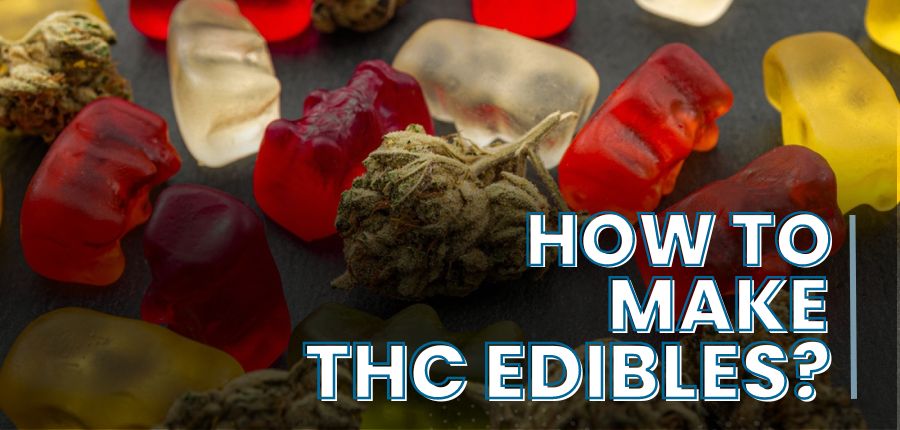
How to Make THC Edibles

Despite the legalization or ongoing legalization of marijuana consumption in certain countries, accessing marijuana THC edibles remains challenging. However, it is still possible to create homemade THC edibles using the appropriate ingredients. Making marijuana edibles can be a straightforward and enjoyable process, although it may be more challenging for first-time users. Having a comprehensive guide for first-time adventurers can be highly beneficial. One recommended edible for beginners to try making at home is marijuana cake. This article will provide instructions on making a marijuana cake and outline the necessary ingredients. Before diving into the process, it is important to choose the right strain as the initial step towards a delightful experience.

How does THC Edibles Work

THC Edibles, such as cannabis-infused foods and drinks, are extremely popular among cannabis enthusiasts. They offer an alternative for patients who prefer not to inhale smoke, require discretion, or seek a more potent high. To ensure the desired effect, we provide an edible dosage calculator to infuse food with the appropriate amounts of THC and CBD.

In contrast to inhaled or sublingual methods, which deliver cannabinoids directly into the bloodstream, traditional edibles require digestion, intestinal absorption, and liver metabolism before taking effect.

The unique nature of the high experienced from edibles can be attributed to the transformation of THC in the liver. After reaching the liver, THC converts into 11-Hydroxy-THC, which is more potent and has stronger psychoactive effects compared to traditional THC.

How to Pick Strain for THC Edibles

To begin making homemade THC edibles, you’ll need cannabis flower, which is the traditional method and offers a wide range of strain options. However, if you prefer a simpler approach, you can use homemade or store-bought cannabis tincture and add it to your recipe.

When selecting a strain for your edibles, it’s best to choose one that you are familiar with and has worked well for you in other consumption methods. Consider the specific benefits you seek from your THC edibles, such as pain relief, relaxation, increased energy, or other desired effects. You can search for strains based on the effect you desire, such as weight loss, anxiety/stress relief, migraine relief, chronic pain relief, energy/productivity, or nausea relief.

While Indica strains are commonly associated with sedation and Sativas with uplifting effects, it’s important to note that these classifications are becoming outdated. Instead, focus on cannabinoid ratios (THC:CBD) and terpene profiles to achieve the desired effect. For example, a strain with high CBD and linalool or myrcene terpenes will have calming properties, while a strain with high THC and limonene terpenes will offer a more euphoric experience.

How to Make THC Edibles Cake

To make a marijuana cake, you will need the following ingredients:

8 grams of decarbed weed (buds)
Cannabutter (optional)
1 ¾ cups of flour
1 egg
1 teaspoon of vanilla extract
1 cup of chocolate pieces
½ teaspoon of salt
½ can of chocolate icing
½ cup of freeze-dried fruits
¼ cup of white sugar
¾ teaspoon of baking soda
¾ cup of brown sugar
You will also need the following equipment:

Mixer (manual or electric)
Mixing spatula
Mixing bowl
Parchment paper
Baking tray
Baking pan
Knife

Here are the instructions:

Begin by decarbing the weed as mentioned previously.

Melt the chocolate chips and mix them in a mixing bowl with the egg and sugar. Use a mixer (manual or electric) to combine the ingredients until soft and fluffy. Add the salt and flour, mixing thoroughly until the batter becomes smooth.

Add the decarbed weed and freeze-dried fruits to the mixture. Optionally, you can also add cannabutter if desired. Blend the ingredients together using a mixing spatula or mixer.

Line a baking tray with parchment paper and spread the mixture evenly on it. Place it in the oven and bake for 30 minutes.

After 30 minutes, check the cake’s readiness by inserting a knife. If it comes out clean, the marijuana cake is ready. If not, bake for an additional 5 minutes, keeping a close eye to avoid burning the top.

Allow the cake to cool for 20 minutes, then decorate it with chocolate icing.

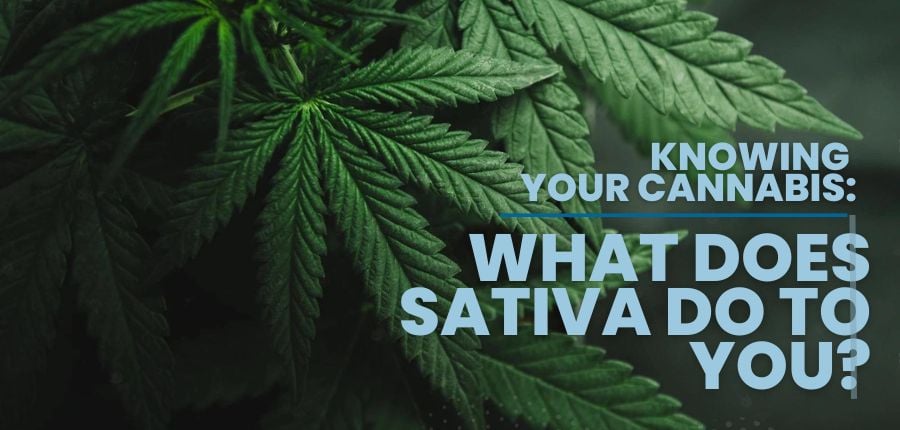
Knowing Cannabis: What Does Sativa Do To You

Before answering the question on what does sativa do to you we shall first delve into what sativa truly is to ensure a complete knowledge in knowing this type of cannabis.

The Sativa strain of cannabis is known for its distinctive physical characteristics, which include a tall and slender growth structure. The plants tend to reach greater heights compared to Indica strains, often soaring well above six feet. This vertical development is accompanied by thin, elongated leaves that resemble fingers, giving the plants a graceful and delicate appearance.

In addition to their unique physical attributes, Sativa strains have specific traits that set them apart from their Indica counterparts. One notable difference is the duration of the flowering phase. Sativas typically have a longer flowering period, extending from 10 to 16 weeks on average. This extended timeframe allows the plants to develop their buds more gradually and fully.

When it comes to the buds themselves, Sativa strains tend to produce flowers that are less dense and more airy in comparison to Indicas. The buds exhibit a lighter and fluffier composition, with a looser structure that provides a distinct texture. This characteristic gives Sativas a more open and spacious appearance, often with visible gaps between the individual calyxes. As a result, the buds may appear less compact and more spread out along the stems.

Another noteworthy feature of Sativa strains is their aroma and flavor profiles. Sativas often display a diverse range of fragrances, ranging from citrusy and fruity notes to earthy and spicy undertones. The terpene profiles of Sativas contribute to these aromatic complexities, which can vary significantly depending on the specific strain. Similarly, Sativa strains offer a wide spectrum of flavors, from zesty and tropical to herbal and woody, providing a diverse sensory experience for cannabis enthusiasts.

Due to their taller stature and longer flowering phase, Sativa strains are well-suited for outdoor cultivation, especially in regions with longer growing seasons and ample sunlight. Their ability to reach impressive heights and produce a higher yield makes them popular among growers who prefer larger plants with a more energetic and uplifting effect.

So What Does Sativa Do To You?

In terms of the psychoactive and medicinal effects, Sativa strains are generally associated with a cerebral and uplifting high. The effects of Sativas are often described as more energetic, creative, and euphoric, providing a stimulating and invigorating experience. Many individuals favor Sativa strains for daytime use, as they can enhance focus, productivity, and sociability. Additionally, Sativa strains are sometimes sought after for their potential therapeutic properties, such as relieving symptoms of depression, boosting appetite, and alleviating chronic pain.

More About The Sativa Strain

The Haze variety of marijuana stands as a remarkable branch within the Sativa family, often categorized as a Sativa-dominant strain due to its characteristics. However, Hazes possess several distinctive properties that set them apart. These strains owe their genetic lineage to a blend of Sativas originating from diverse regions such as Mexico, Colombia, Thailand, and India, resulting in a unique combination of traits.

One notable aspect of Haze strains is their reputation for inducing psychedelic and uplifting effects. When consumed, Haze varieties tend to offer a cerebral high that stimulates creativity, boosts mood, and enhances focus. The euphoric and energizing qualities of Hazes make them popular among individuals seeking a more stimulating cannabis experience.

Furthermore, Haze plants have played a crucial role in the development of several renowned strains in the cannabis world. Their genetic contributions have been instrumental in the creation of popular hybrids such as Super Lemon Haze, Northern Light, and Jack Herer. These strains inherit some of the exceptional qualities and characteristics of Hazes, including their potent effects and aromatic profiles.

In terms of cultivation, Haze strains are known for their relatively long flowering periods. Typically, Hazes require a significant amount of time to mature and produce their resinous buds. The flowering phase of Haze strains can range from 10 to 14 weeks or even longer, depending on the specific phenotype and growing conditions. This extended duration demands patience and dedication from growers, as they need to carefully manage the plants throughout the flowering process to ensure optimal development.

Despite the prolonged flowering phase, Haze plants tend to exhibit a more manageable height and structure compared to pure Sativas. This characteristic makes them relatively easier to cultivate indoors, as they require less vertical space and can be trained or pruned to control their growth. Indoor growers can utilize techniques such as low-stress training (LST) or screen of green (SCROG) to optimize the growth of Haze strains and maximize their yield potential.

What does Thailands legalization of marijuana mean?

If you’ve heard that cannabis is now fully legal in Thailand, you’re sort of right, sort of wrong.

Yes, it’s true that Thailand has become the first Asian country to officially decriminalize the sacred herb and allow residents to grow and sell their own cannabis products, primarily for medical needs. The country previously allowed the sale of medical cannabis in 2018.

This latest move makes it easier and safer for customers seeking health and wellness remedies to legally acquire and possess cannabis, as well as for restaurants to put it in food and drinks without facing any legal risks.

But it’s also true that you are not allowed to light up anywhere or anytime you want: public smoking can lead to a fine of 25,000 Thai baht, about $780 USD, and/or up to three months in jail. Non-medical use is also discouraged.

Extracted products like oil available for sale also can’t contain more than 0.2 percent of THC, the main natural compound that causes temporary physical and mental changes when smoked or eaten. So, this means people seeking legendary high-potency Thai sticks and other ganja products, at least legally, may be disappointed.

Government officials have made it clear that the country’s reversal of previous strict cannabis laws is more for health and commerce reasons, and they require that anyone who wants to grow and sell their own products legally – up to six plants per person — must register for a permit.

Patients are also encouraged to go to licensed clinics to acquire their cannabis.

Public Health Minister Anutin Charnvirakul told NPR that the government is initially treading lightly with these new policies, and he prefers that citizens first demonstrate better awareness and cooperation in this new legal marketplace, rather than the country trying to create a regimented, strict approach and levying penalties for those who abuse these new privileges.  

Charnvirakul also emphasizes that, if the country performs well with these new changes, it could mean more reforms and permissiveness toward cannabis in the future, such as more laws allowing recreational use. If there are abuses, he said the Public Health Ministry can easily bring back earlier restrictions.


Historical Uses

The announcement of decriminalization in June included the info that more than 1 million cannabis seedlings were going to be given away nationwide to residents interested in exploring the benefits of growing the plant for health or financial reasons.

This news was accompanied by the word that more than 4,000 people now in jail for cannabis crimes will be released, and any money and cannabis that was confiscated from them will be returned.

All of this reverses a general push against the plant that has been in place to some degree for nearly a century.

The country has good natural growing conditions for the plant, and many believe it was brought from India long ago, where it thrived in the tropical climate. It was used ritually, in food, and for hemp products.

But as part of the international prohibitions led by the U.S. in the 1920s and 1930s, it joined many other countries from around the world in making the exporting of cannabis illegal to countries where the plant is illegal. However, an underground marketplace never quite went away.

Since then, Thailand has generally followed the U.S policies and trade agreements in terms of cracking down on cannabis production and sales.

However, unlike the U.S., which continues to classify cannabis in the same highly dangerous category as heroin and LSD (no accepted medical use and high potential for abuse), Thailand puts the plant in the ‘least serious’ category that includes natural kratom leaves and psychedelic mushrooms.  

Still, the U.S. Drug Enforcement Agency maintains active offices in Bangkok and major cities, which it has maintained since the Vietnam War.

For many soldiers in this war, Thailand was a popular place to take leave, and strong cannabis was considered of the country’s luxurious local offerings. Soldiers returning from the war also brought back seeds and plants from some of the stronger Asian strains, which accelerated the country’s underground cannabis activity.

Interestingly, in 2002, the country’s Prime Minister even suggested legalizing cannabis and other less dangerous narcotics, so more resources could be put into combatting more serious threats like methamphetamine and heroin. His proposal failed but still emphasized that cannabis, while acknowledged as illegal, rarely received the full attention of local law enforcement.

In fact, whatever laws say, it remains popular in folk medicine and in recipes. Some restaurants have learned to use parts of the plants that aren’t psychoactive, and hemp remains a useful textile.


Thailand Today  

With the approval of decriminalization, Thailand joins Canada, Mexico, Georgia and four other countries that permit cannabis to some degree at a national level, although Thai officials stress that medical cannabis must be a prime focus rather than full adult-use/recreational.

Officials hope that by making cannabis more accessible for health-focused consumers, it could lead to an increase in tourism as well as stimulate local agricultural businesses to get involved in a new potentially lucrative commodity.

They envision more visitors to the country – and even Thai tourists — seeking local strains, as well as food fans visiting restaurants and cafes to sample infused cannabis in local cuisine, especially curry dishes.

At the same time, releasing those serving time and not making further arrests could reduce the populations of already-overcrowded prisons.

Since other countries in the region still have strict cannabis laws in place, Thailand’s openness could be a draw for those seeking cannabis – no fear of getting caught, provided you don’t partake in public, and don’t try to take it back home if you live in a country or state where strict laws are in place.  


Top 10 Strongest Marijuana Strains

Experienced cannabis advocates may reach for their favorite strains to address anxiety, pain or even depression. With literally countless strains available in the world and new phenotypes constantly being developed, it can help to have the strongest marijuana strains curated for your ease of access.

Today, we are going to take a closer look at ten of the strongest cannabis strains currently available.

First, however, we must learn exactly what makes cannabis strong or weak.

What Makes a Strain ‘Strong’?

We’ve all experimented with cannabis strains that have left us glued to the couch or racing through the halls with bursts of energy. While much of cannabis research is focused on THC % as an indicator of cannabis strength, it shouldn’t be the only indicator looked at. As it turns out, THC content is only one aspect of what makes your cannabis so powerful.

Let’s take a closer look at a few different elements that can impact the strength of your favorite marijuana strains.

  • THC: While THC isn’t the only number worth monitoring for cannabis strength, it is an important one. THC content can range from close to 0% in CBD-dominant plants to north of 30% in high-THC grows. THC affects many of the psychoactive elements that users know and love, though high THC strains are also commonly associated with paranoia and anxiety.
  • Terpene Content: Terpenes are compounds within cannabis (as well as many other plants!) that impact the way our weed smells, tastes and feels. Terpenes are naturally occurring chemicals and they add unique elements to the consumption experience.
  • Genetics: More than anything, the genetics of a strain will impact the overall strength and potency during your experience. Certain strains impact our bodies in certain ways and that is determined by the mother and the father plant, or by whatever seeds you choose to grow with!

Another thing to consider when analyzing different cannabis strains is just how far things have come since the ’60s. The average cannabis potency in pot during the ’60s and ’70s was roughly 3.5%, at least according to reports by the U.S. federal government. Cannabis strains today can eclipse 30%.

What Should I Consider When Picking a Strain?

Plant genetics are the rhyme and the reason for the strength of cannabis today. Within the genetics of each plant, we can find the origins of its taste, odor, THC and CBD levels, as well as the physical characteristics that we know and love.

Cannabis cultivators today focus on curating seeds from reputable seed banks so that they can acquire steady genetics. Steady genetics mean that a landrace will always grow like a landrace, imparting similar characteristics with every grow.

Top 10 Strongest Marijuana Strains

While there are as many unique strains as potential Cannabis Seeds, finding the right strength for your needs can be difficult.

Today, we are going to outline ten of the most commonly accepted super-strength strains on the market. Keep in mind that everybody will react differently to cannabis, so use this information as a guideline rather than an almanac.

Bubba Kush

Bubba Kush is an indica strain best known for its stress-reducing capabilities. With average THC content in the mid-to-high 20s, consumers can expect an experience that is as relaxing as it is therapeutic, ideal for both daytime and nighttime use.

Bubba Kush rose to prominence despite its mysterious genetic background, rising to the top of the industry with strong effects and vibrant purple hues. Growers can bring home Bubba Kush hybrid Cannabis Seeds to develop their heavy plants packed with resinous flower.

Sour Diesel

Also known as Sour D, Sour Diesel has been a popular part of cannabis smoking circles since it first gained ground in the early ’80s. Sour Diesel provides invigorating relief that can turn a smile upside down while giving the consumer a reason to get moving in the morning.

Sour Diesel can range in THC percentage depending on the grow, though it is most commonly found around the 18.5% mark. Sour Diesel will impart a unique blend of Diesel, fruit and citrus directly to the nose.

Sour Diesel remains a top-tier strain thanks to its punchy effects that both energize and uplift, making it an ideal choice for individuals with bipolar disorder or depression.

Grandaddy Purple

Revered for its pure indica lineage, Grandaddy Purple looks as impressive as it feels. GDP grows well in humid climates where it can expand outdoors to truly thrive. Grandaddy Purple averages around 23% THC with notable sedating effects.

Grandaddy Purple is known for offering individuals notes of euphoria alongside deep bouts of physical relaxation.

Chemdawg #4

A soaring high greets every Chemdawg #4 consumer. Packed with fuel and brimming with pain relief, this Indica-dominant hybrid will expand your mind while melting your body into the couch. Chemdawg is revered by cultivators and celebrities alike as it was named by Seth Rogen as one of his favorite strains. Chemdawg can feature THC levels exceeding 25%.

Bruce Banner

If you’ve ever seen The Incredible Hulk, you know what to expect from Bruce Banner. Also known as OG Banner, this hybrid strain is powerful with euphoric notes that send consumers into space with a heady, relaxing and creative high. Bruce Banner can be found with THC levels exceeding 29%.

Bruce Banner requires roughly 8 to 10 weeks to flower. Bruce Banner is available in several phenotypes with another edition making our list later on.

Gorilla Glue #4

Also known as the Original Glue or GG4, Gorilla Glue #4 is a world-famous hybrid strain that provides as much euphoria as it does relaxation, and it brings about plenty of both. Gorilla Glue is a cross between Sour Dubb, Chocolate Diesel and Chem’s Sister.

Smoking Gorilla Glue can leave consumers comfortably ensconced in their favorite blanket while waves of relaxation undulate over them.

Strawberry Banana

A 70/30 hybrid, Strawberry Banana is also known as Strawnana in some markets. Strawberry Banana is a world-class hybrid strain that provides notes of fruit with a deep strawberry smell. Growers will appreciate the high resin production of this strain, which leads to powerful highs that are as creative as they are sensory-filled.

Blue Dream Feminized

One of the mainstays of the cannabis cultivation world, Blue Dream Feminized cannabis is a hybrid strain with Sativa dominant notes known for its high levels of THC. A cross of Blueberry and Haze, Blue Dream provides giant beautiful buds that are easy to cultivate due to their natural pest and disease immunity.

Blue Dream Feminized cannabis can be grown both indoors and outdoors, though a lot of space is required to accommodate the large canopy the plant creates.

Bruce Banner

Also known as BB, Bruce Banner is a famous hybrid that gets its name from the alter ego of The Incredible Hulk. As one of three phenotypes from the famous Bruce Banner strain, #3 provides bursts of euphoria that slowly transition into waves of relaxation.

With a Diesel undertone and a sweet finish, Bruce Banner #3 is an ideal strain for mindful relaxation as well as our creative pursuits.

Lemon Kush

Lemon Kush is a fascinating strain brought forth by Lemon G and South American to provide a 50:50 hybrid that perfectly balances both its Sativa and indican characteristics. Heralded for its unique flavor and cerebral high, Lemon Kush is commonly sought after by artists and other creative individuals that want to wake up as they create.

Lemon Kush can be grown both indoors and outdoors with an average flowering time of roughly 10 weeks while cultivated under a roof. THC levels range between the low teens and the low 20s with minimal, if any, amounts of CBD.

Rocket Seeds Will Be Joining Space X on a Mission

On Apr 1, 2022 Rocket Seeds announced their partnership with Space X. The two companies have set forth the first ever space exploration mission focused on Cannabis Cultivation. Although Rocket Seeds and Space X navigate different realms of the universe, one thing united them: marijuana legalization. Ever since they two met, the CEOs have been discussing a partnership and it is finally here. 

“We will be looking into ways where space grow can help save the planet,” said a Rocket Seeds spokesperson. “This is all very nuanced and exciting. We can’t wait to share our findings with the world.” 

Space X representatives shared similar views, adding that this may be the most innovative mission the world has ever seen to date. 

“No one has ever attempted studying other planets for growing cannabis,” a Space X representative said. “This is definitely a first for any industry.” 

Cannabis cultivation has become more and more accepted in American culture, and with this new scientific questions arise. Cannabis is a wild and natural plant, and despite not being commonly harvested, seems to be adaptable to almost any weather or climate. This is what RKS and Space X will be focusing on: just how far this plant can go.

We will continue to update the public on this project as the month progresses. 

How To Find Seeds in Weed: A Useful Guide for Growers

When it comes to cannabis, most growers don’t focus on breeding and fertilizing their plants. It is common practice to only grow what you smoke, however, breeding your weed is also an essential and exciting part of the process.

Whether you’re new to growing or want to branch out into breeding, here’s everything you need to know about how to find seeds in weed.

Why Grow Cannabis Seeds?

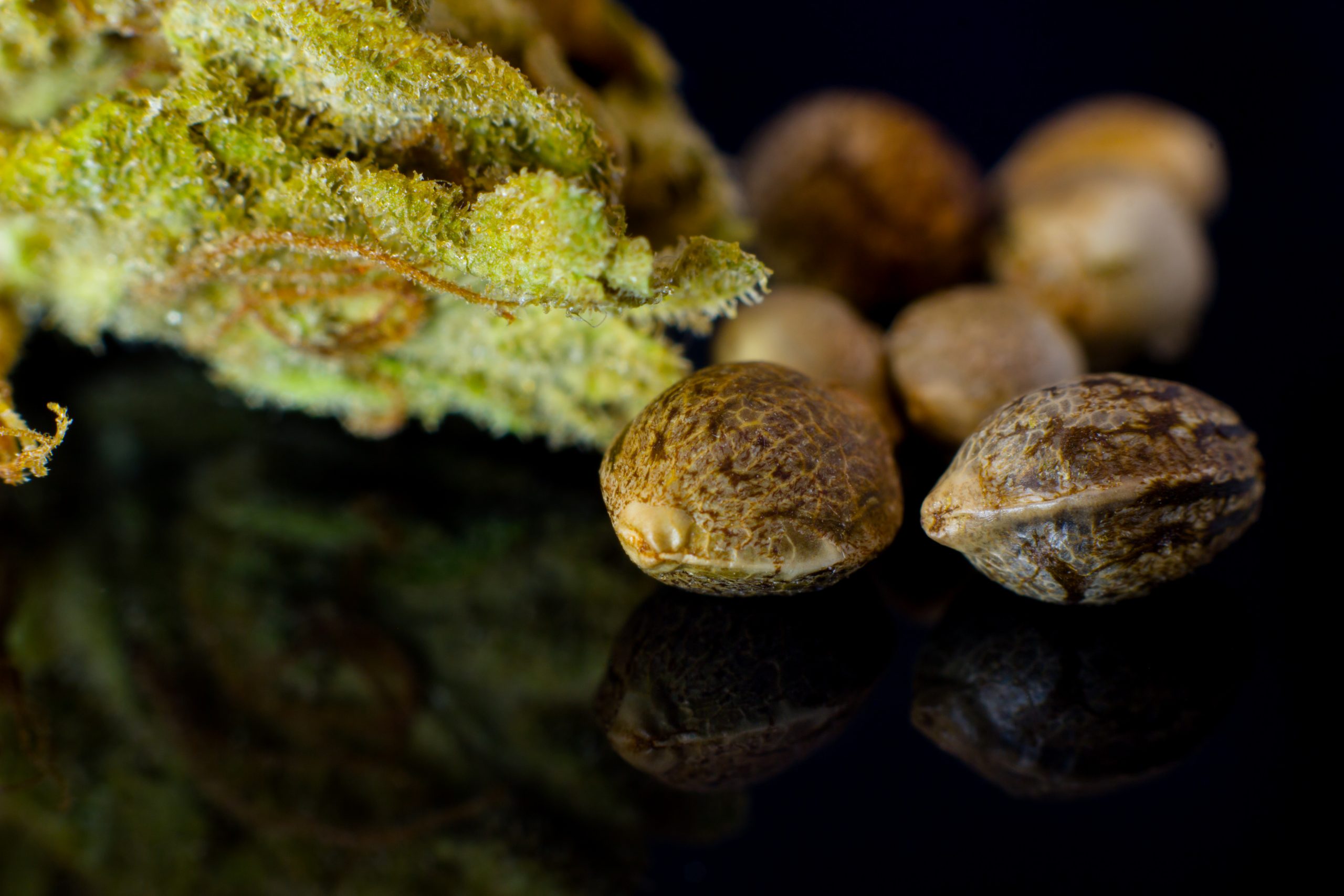
The first step to understanding weed seeds is to know why they’re important. Cannabis plants, just like many flowers and crops, come in both male and female varieties. Female plants get pollinated and grow buds for consumption, while male plants produce seeds and pollen. 

These seeds are essential for creating new plants, through which you can continue to grow your own. Since regular plants have a 50/50 chance of being male or female, by continuing the pollination of only a few plants you still gain new buds to smoke. So the constant growth will be beneficial for avid smokers. 

Oftentimes, however,  non-pollinated weed is considered best since the plant will have more cannabinoids in each bud. Because of this, most growers toss male plants once they’re identified.

“So if you are growing to smoke why keep male plants?” You may ask yourself. Well, the answer is quite simple: so you can continue to grow your own supply at home. Additionally, breeding creates new strains, and as any weed enthusiast will tell you, new strains are awesome. 

Breeding can be an engaging process from start to finish, allowing you to have full control over what strains you grow and how many seeds you have to begin your production. Male plants also allow you to continue enhancing your grow, rather than waiting for your new seeds to ship.

How To Find Seeds in Your Marijuana: A Step by Step Guide

Step One: Identify Your Plants

Male plants grow the pollen while the females grow the buds. Despite what some people may say online, it’s impossible to tell whether a seed will be a male or female until a few weeks after sprouting. Once your plants are growing, look for these indicators:

  • Stalk Width – Males have longer, thicker stalks than females since these plants grow taller.
  • Leaf Density – Male plants pretty much only exist to pollinate the females. So, less energy and resources are spent on creating leaves and buds. As a result, female plants will have thicker leaves and more of them.
  • Pollen Balls – A quick way to determine the sex of your plant is to look at the joint between branches. Males will have pollen sacs, and females will have tiny white hairs growing in the same spot.

If you’re using feminized seeds, most of your plants will be female. However, some of them may become hermaphrodites, meaning they can self-pollinate. In this case, you’ll notice both sex organs on the plant. If you are growing solely for consumption, this can become a problem. Luckily, you can read up on hermies and how to prevent them from creating seeds here.

Step Two: Allow for Pollination

There are two ways you can do this, depending on what you’re trying to achieve. You can take a surgical or a natural approach to pollination. The surgical option means:

  • Isolating your males
  • Harvesting pollen
  • Fertilizing specific female plants

This process works well to test a few new strains before committing to a new crop. Most high-end growers will recommend this method because it offers so much control over the situation.

The natural option means just letting your marijuana do its thing. Male plants produce a lot of pollen, and if you have fans blowing (or grow outdoors), a single male can pollinate many females. This method requires far less effort but may mean that your entire crop will wind up with seeds, so plan accordingly.

Step Three: Check the Buds

Males only produce pollen, while females create the seeds. The bud is where you’ll find the seed, and it takes about two to six weeks after pollination to develop. You can look at your buds to see if seeds are growing inside.

Step Four: Harvest the Seeds

If you are a grower, you should already know how to harvest and dry buds, so that process is still the same. Simply crack open each bud and take out the seeds inside. They should be ready to grow within a month after drying.

However, if you are new to growing marijuana plants, this step-by-step guide can help you understand the entire process of harvesting and drying buds. 

Tips and Tricks for Getting Seeds From Your Cannabis

Once you start making new strains, it’s easy to grow more and see which combinations you can create. Also, as you go through different crops, you may discover some that you want to cross-pollinate with others. So, here are some tips to keep in mind when trying to get seeds:

  • Use One or Two Males – Fortunately, you don’t need a whole crop of males to pollinate your plants. In fact, you don’t even need a complete specimen. Males are easy to clone, and you don’t need a large stalk to get lots of pollen.
  • Keep Meticulous Records – As you start breeding your plants, you’ll want to keep track of different strains and seeds. Detailed records help ensure you never lose a golden opportunity for a new strain.
  • Start Small – Pollinate and collect seeds from a few plants first. Once you see how the process goes, you can expand to a larger crop if necessary.
  • Avoid Accidental Pollination – Cannabis pollen is tiny and floats in the air easily. Even something as simple as handling males before females can lead to accidental fertilization. Also, be sure to turn off all fans before pollinating.
  • Use Regular Cannabis Seeds – When growing for cannabinoids, you might want to use autoflowering or feminized seeds. In this case, regular Cannabis Seeds ensure you’ll get both male and female plants to continue the pollination process. 


Gorilla Glue Strain Profile: The Most Powerful Sticky Marijuana Plant

Gorilla Glue is a full-bodied, earthy hybrid strain that is as known for its pungent aroma as it is for the strong and calming sensation that the strain provides. Also known as Gorilla Glue #4, Gorilla Glue strains are known as sativa-driven hybrids with elevated THC levels. When shopping from reputable seed banks, this strain can be acquired as Feminized, Regular, or Autoflowering seeds.

Gorilla Glue Plant Genetics

Gorilla Glue is considered a legendary strain thanks to its award-winning history. A powerful triumvirate of plant genetics, Gorilla Glue seeds grow into knock-out champions thanks to buds overflowing with resin and trichome production. As strong in flavor as it is in scent, Gorilla Glue features a three-way cross between Chocolate Diesel, Sour Dubb, and Chem’s Sister.

First arriving on the cannabis scene in late 2016, Gorilla Glue has grown (quite literally) into a crowd favorite. More than a traditional hybrid, Gorilla Glue brings about high levels of potency as well as a full range of experiential effects.

Primary Flavors and Effects

High levels of THC turn Gorilla Glue into one of the more potent and prominent hybrid strains on the current market. Thanks to percentages ranging from 20% THC to 32% THC, experienced users can enjoy effects that are almost instantaneous while lasting for hours at a time.

The primary effects of Gorilla Glue are reported to include high levels of happiness, euphoria, and an engaging yet calming sensation. Users report that the uplifting euphoria of Gorilla Glue can transition into a cerebral high that is as blissful as it is calming. Users of Gorilla Glue find that it can bring relaxation that borders on couch lock, leaving consumers with a long-lasting and comfortable high.

With a family tree brimming with gassy strains, consumers of Gorilla Glue will find some notable notes that repeat through every experience. Sour and chemical flavors mix well with gas and a nutty coffee taste.

Medical Benefits of Gorilla Glue

Due to the intense physical relaxation provided by Gorilla Glue, the strain has become a favorite among both medicinal and recreational users alike. Providing significant levels of relief as an analgesic, Gorilla Glue is ideal for helping to moderate pain levels throughout the day. Gorilla Glue can also help to mitigate some of the pain caused by migraines, muscle spasms, and chronic body aches. Gorilla Glue strains also contain small levels of CBD, which can help fight against inflammation.

As far as psychological benefits go, Gorilla Glue is a popular hybrid strain for individuals struggling with anxiety and depression. With high levels of THC and a calming terpene profile, Gorilla Glue helps ease individuals with troubled minds by putting them into a calmer and more positive mental space.

Additionally, Gorilla Glue is a strain that assists and aids with hunger levels. Individuals struggling to eat regularly will find that this strain assists them in the battle against their eating disorder.

As with all strains, individual users will find that their experiences may vary. Consult a physician with any medicinal concerns you may have.

Growing Gorilla Glue

Gorilla Glue is an ideal strain for beginners to try and cultivate their cannabis. Individuals will not need any special tools, nor will they require extensive gardening experience to find success.

Ready for Any Environment

Gorilla Glue is a notoriously easy strain to cultivate because it can adapt to just about any environment. Thanks to its Indica heritage, Gorilla Glue has a relatively small plant structure that does not require extensive amounts of space. Hydroponic and outdoor growers alike will be able to cultivate Gorilla Glue in relative comfort.

Gorilla Glue grows best when it is kept in a warm and humid area with plenty of available light. Take care to moderate both temperature and humidity to maximize your potential yield. Rocket Seeds reports that grows of Gorilla Glue can yield up to 600g of resinous buds per square meter.

From start to finish, Gorilla Glue regular seeds will finish flowering indoors in roughly 10 weeks. A short and bushy plant, Gorilla Glue will grow increasingly top-heavy as resin-filled mugs begin to adorn the plant. Regularly trimming your plant will keep the grow contained while improving overall production.

The first yield of Gorilla Glue was manifested by accident when a hermaphrodite was pollinated. As a result, growers advocate checking and inspecting all pollen sacs during the flowering stage even if you acquire feminized seeds.

Growing Profile for Gorilla Glue

Gorilla Glue is an Indica-dominant hybrid with parents Chocolate Diesel x Chem’s Sister x Sour Dubb. The strain grows best in sunny and temperate climates where it reaches its flowering period within 10 weeks.

Average #s for Gorilla Glue grows:

  • THC 24 30%
  • CBD 0.8%
  • Height 190cm
  • Difficulty Easy

While terpenes are hard to track and will vary from one grow to the next, Gorilla Glue is most closely associated with BCP, Limonene, Myrcene, and Humulene.

Individuals can acquire GG as feminized, autoflowering, and regular seeds in 5-, 10-, and 25-count packages.

Potential Benefits

As we alluded to above, the possible benefits provided by a strain will vary from one individual to the next. Factors that may determine your response to a strain include age, physical profile, activity level, and genetics.

With that said, Gorilla Glue has been turned to frequently to address the symptoms and conditions below:

  • Chronic Pain
  • Inflammation
  • Arthritis
  • Parkinson’s Disease
  • Ulcerative Colitis
  • Crohn’s Disease

Gorilla Glue Seeds From Rocket Seeds

Growing cannabis shouldn’t feel like an uphill and unwinnable battle. Rocket Seeds provides its clients with access to the finest auto-flowering, feminized, regular, and CBD-dominant strains on the market. Brimming with THC and medically supportive terpenes, Gorilla Glue is an easy-to-grow strain that can be added to any cultivation corner with relative ease.

Start shopping today to learn how to bring Gorilla Glue to life in your garden. The team at Rocket Seeds is ready to help you become the cannaseur of your dreams!