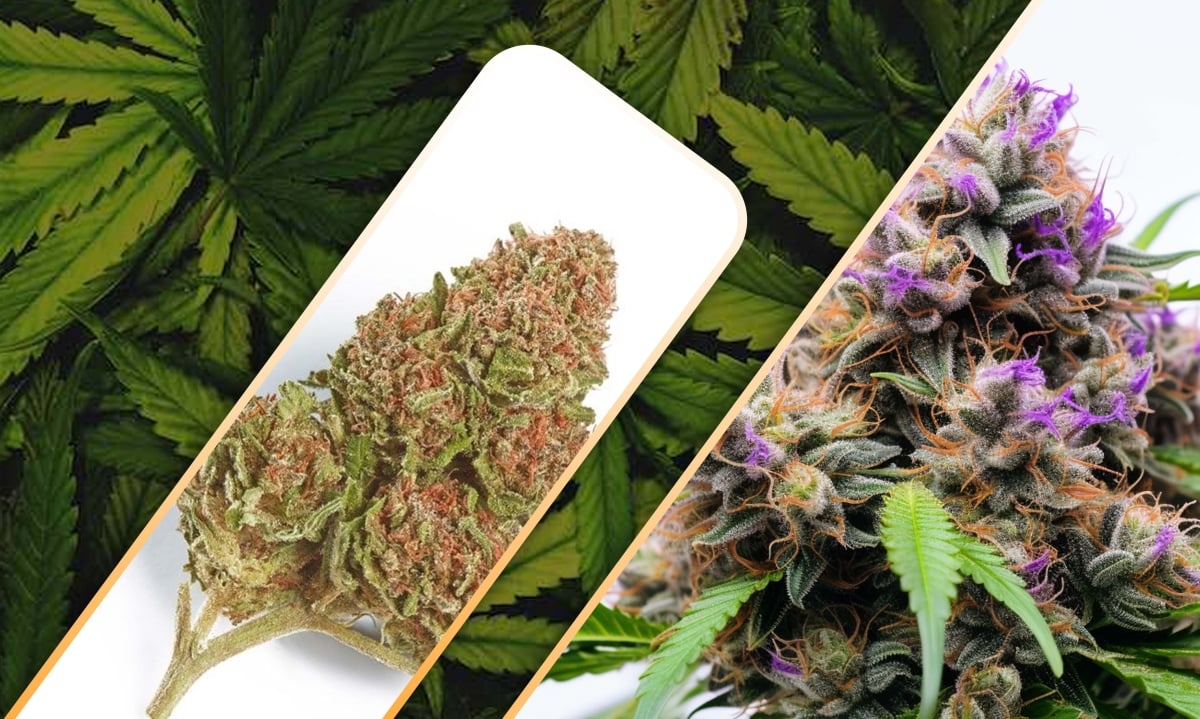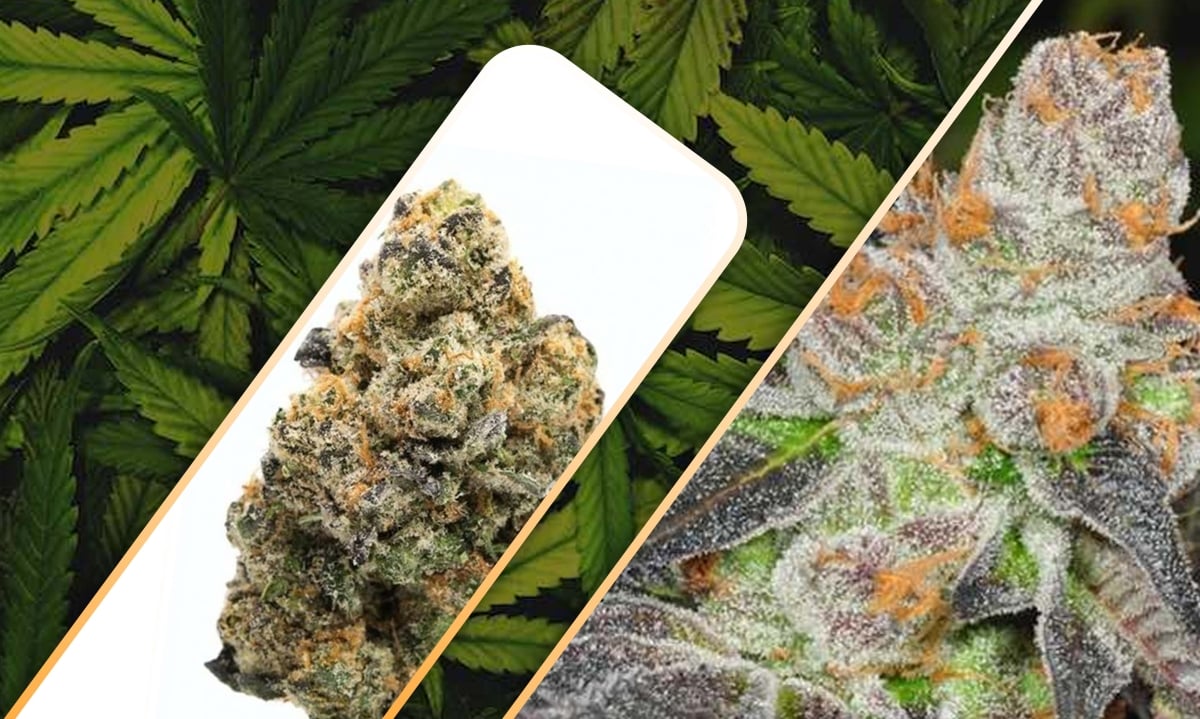






500 NEW MARIJUANA SEEDS RELEASED

Strain Breakdown: Trainwreck Genetics


Nestled in Northern California is a famous cannabis strain loved by many—Trainwreck genetics. People who enjoy cannabis adore this hybrid, which is mostly made of sativa. It’s loved for its strong effects and unique smell. Back in the 1970s, a group of smart growers called “The Trainwreck Crew” first grew it. Since then, Trainwreck strain genetics has become super popular because it’s special and can be used in many ways.

People really like Trainwreck pot not just because it makes them feel good, but also because it has a cool family history. When we look into where it comes from, we can understand it better. Trainwreck strains has roots in Mexico and Afghanistan, places with different climates. Each of these places adds its own taste, smell, and feeling to Trainwreck weed strain, making it a mix of many things.

Genetic Lineage and Historical Origins
trainwreck genetics

The background of Trainwreck shows how clever and creative the cannabis experts in Northern California were. This strain comes from mixing different types of cannabis plants: Mexican and Thai sativas, along with Afghani indicas. The result is a mix that doesn’t fit into any one category easily. Even though we’re not exactly sure where Trainwreck came from, it appeared during the 1970s when many people were exploring new ideas and ways of doing things, especially in the cannabis world.

Mexican Sativa

Including Mexican Sativa in Trainwreck’s genes brings out many special qualities. This type of cannabis originally comes from the lush areas of Mexico. It’s known for being tough and able to grow well in different places. Mexican Sativa gives Trainwreck a unique smell that’s sweet and flowery. It also adds a happy and uplifting feeling to the mix, making the experience exciting and joyful.

Thai Sativa

Heading further towards the east, Thai Sativa adds more complexity to Trainwreck’s genetic mix. This kind of cannabis comes from the warm jungles of Thailand. People really like it because it’s strong and has a unique taste. Thai Sativa smells spicy and citrusy, giving Trainwreck a feeling of happiness and creativity. It makes the whole experience more interesting and makes you think in new ways.

Afghani Indica

Completing the trio of genetic influences is Afghani Indica, a strong and tough strain that comes from the rough land of Afghanistan. It’s famous for making you feel calm and sleepy. Afghani Indica balances out Trainwreck’s mostly energetic effects, making them less intense and more relaxing. It smells earthy and spicy, adding layers of flavor to Trainwreck’s overall taste. This mix of different flavors and effects creates a nice blend of opposites that work well together.

Aromatics and Flavor Profile
trainwreck genetics

One of the things that make Trainwreck stand out is how amazing it smells and tastes. It’s like a delightful surprise for your senses, making you feel curious and interested. When you breathe it in, you get a mix of smells, like sweet lemon and spicy pine, with just a touch of flowery and earthy scents. This mix of smells comes from Trainwreck’s special mix of terpenes, like terpinolene, myrcene, and pinene.

Terpinolene

One of the main terpenes in Trainwreck gives it a scent that’s like wood, flowers, and herbs, with just a little bit of pine and citrus. This terpene is found in lots of different plants, not just Trainwreck, like sage, rosemary, and cumin. It’s what makes Trainwreck’s smell so interesting and complex.

Myrcene

Another important terpene in Trainwreck has a smell that’s like the earth, with a bit of musk and herbs, and hints of citrus and tropical fruit. This terpene is well-known for making you feel calm and relaxed. It helps balance out Trainwreck’s strong effects, making them feel less intense and more peaceful.

Pinene

Pinene gives Trainwreck its special smell of fresh pine, with just a little hint of citrus and wood. It’s one of the most common terpenes found in plants, and it’s known for helping in many ways. It can help you focus better, make it easier to breathe, and reduce swelling in your body. In Trainwreck, pinene reminds us of where the strain comes from, making us think of sunny forests and big mountains.

Potency and Effects
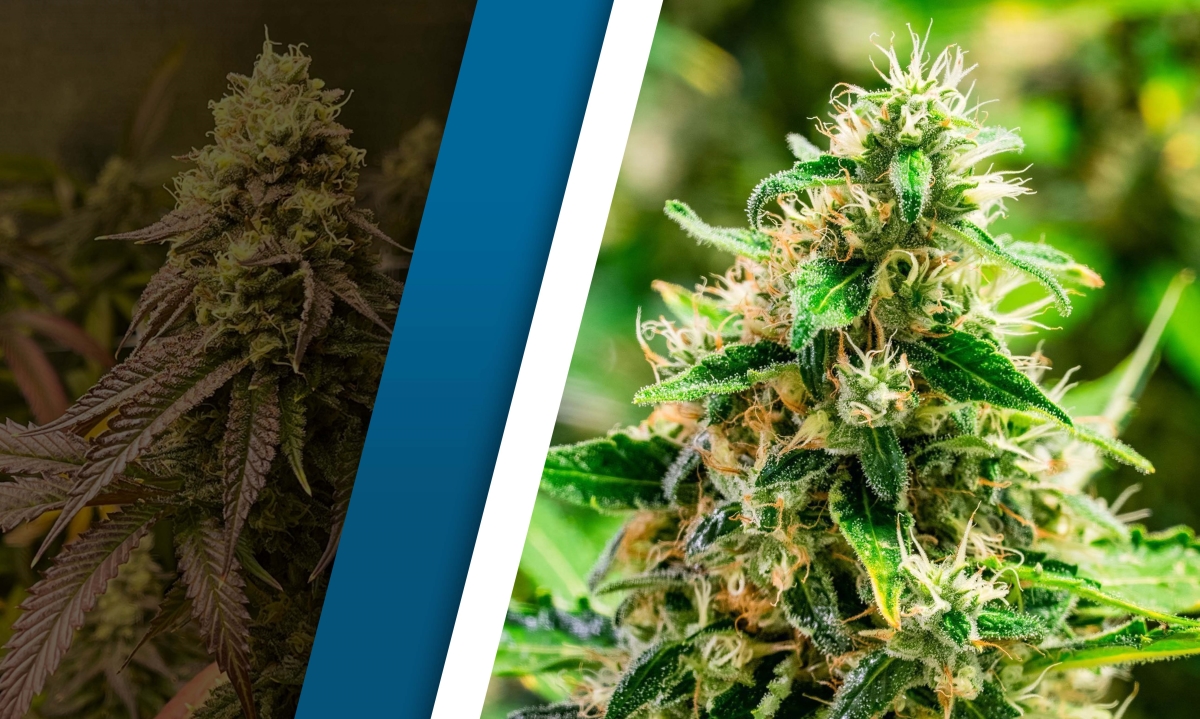
trainwreck genetics

Trainwreck is famous for being a really strong strain, with THC levels usually between 18% to 25%. Because it has a lot of THC and not much CBD, it gives you a really strong experience that messes with your mind, making you feel really happy, creative, and relaxed. People who use it say they feel a burst of energy and excitement at first, and they can think really clearly. Then, they start feeling really relaxed and all their stress goes away. Even though Trainwreck is really powerful, it’s liked because it gives you a mix of different feelings, making you feel both awake and calm at the same time.

Cultivation Insights

Indoor Growing Tips

To grow Trainwreck indoors successfully, you need to pay close attention to the environment and how you grow it. Make sure there’s enough space and light for the plant to grow well and produce a lot of buds. Some techniques like Sea of Green (SOG) or Screen of Green (SCROG) can help you use space better and make sure the plant grows evenly. It’s also important to give the plant the right nutrients and water throughout its life so it grows strong and makes good buds. If you follow these steps, you can get a lot of high-quality Trainwreck cannabis when you harvest.

Outdoor Growing Tips

Growing Trainwreck outdoors has its own challenges that you need to think about carefully. You have to choose the right spot and manage the environment well. It’s important to pick a place that gets lots of sunlight and has soil that drains water well. Trainwreck can handle bugs and mold pretty well, so it’s good for growing outside in places with good weather. Make sure the plants get at least six hours of sunlight every day to help them grow and make flowers. Also, keep an eye on the weather and protect the plants from frost and too much water. If you work with nature and take care of the plants well, you can grow really good-quality and strong Trainwreck cannabis outdoors.

Conclusion

Trainwreck’s lasting fame as a much-loved cannabis strain shows just how great it is. Its strong effects, interesting genetics, and important role in culture all contribute to its popularity. Starting in Northern California and spreading around the world, Trainwreck keeps on impressing people from different generations. When you look at things like where it comes from, how it smells and tastes, what it does to you, and how to grow it, you start to understand why people love it so much. Whether you use it for fun, for health reasons, or just because it feels nice, Trainwreck is a big part of the cannabis world. It’s all about trying new things, coming up with new ideas, and bringing people together.

FAQs

Q: What are some common side effects of consuming Trainwreck cannabis?
A: Possible side effects may include dry mouth, red eyes, increased heart rate, and heightened anxiety in some individuals.

Q: How long does it take for Trainwreck cannabis to start showing its effects?
A: The effects of Trainwreck cannabis typically begin within minutes after consumption and may peak within 30 to 60 minutes.

Q: Can Trainwreck cannabis help with chronic pain?
A: Some users report relief from chronic pain when using Trainwreck cannabis due to its potent analgesic properties, but individual experiences may vary.

Q: Is Trainwreck cannabis legal to grow and consume?
A: The legality of growing and consuming Trainwreck cannabis varies depending on local laws and regulations. It’s important to research and adhere to applicable laws in your area.

Q: How should Trainwreck cannabis be stored to maintain freshness?
A: Trainwreck cannabis should be stored in an airtight container in a cool, dark place away from direct sunlight and moisture to preserve its potency and flavor.

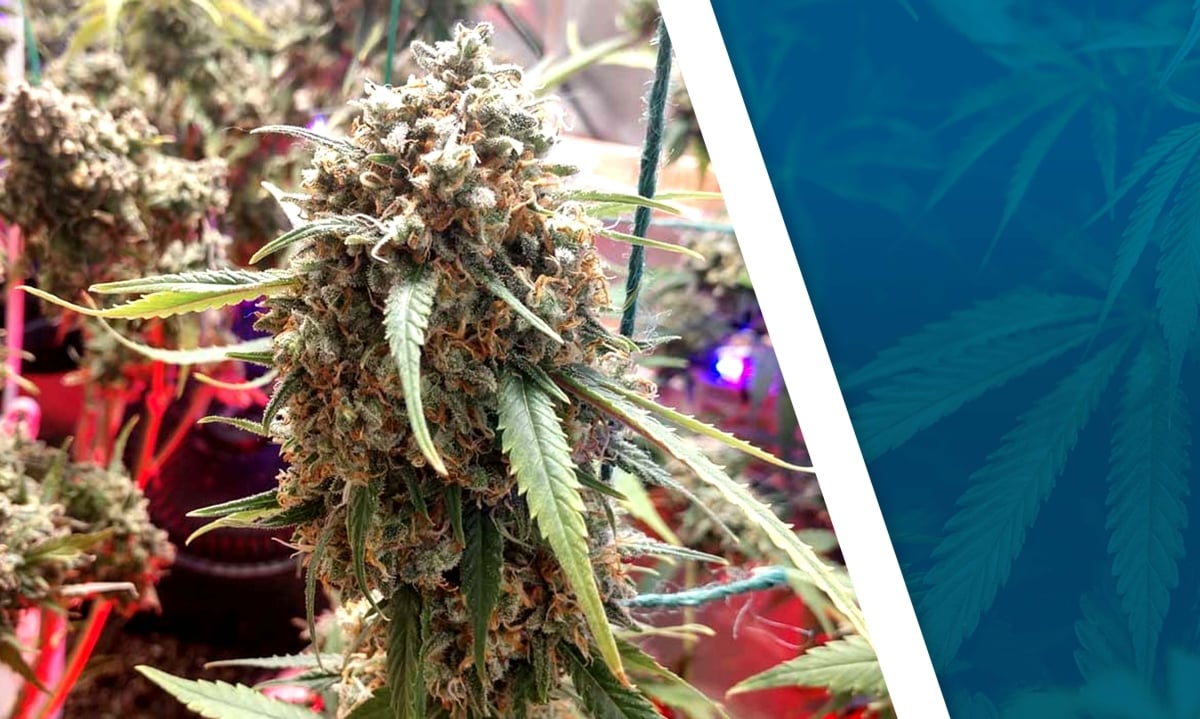
Girl Scout Cookies Autoflower Grow Guide


Girl Scout Cookies Autoflower is a famous type of cannabis that many people want. It’s known for having a mix of flavors and making you feel strong effects. This kind of cannabis is made by mixing Durban Poison and OG Kush, creating a taste that’s both sweet and earthy with hints of mint and chocolate. One special thing about it is that it grows on its own, changing from growing leaves to making flowers without needing any specific light schedule. This makes it easier for people who grow it and makes it faster too. But, if you want a full blown experience here is a Girl Scout Cookies Autoflower grow guide for you to indulge in.

Benefits of Growing Girl Scout Cookies Autoflower

Girl Scout Cookies Autoflower Grow Guide

Growing Girl Scout Cookies Autoflower has many good points for people who like cannabis. One big advantage is that it doesn’t take too long to grow flowers. Normally, it only takes about 8 to 10 weeks from when you plant the seed until you can harvest the buds. This fast growth means you can have more harvests in a year compared to other types of cannabis that need specific light timings. This is great for people who want to grow lots of crops. Also, it’s not too big and can handle tough situations, so it’s perfect for growing indoors, especially if you don’t have a lot of space. Plus, it makes lots of sticky resin and is very strong, which is why people who like strong and tasty buds really like it.

Choosing the Right Growing Environment

Girl Scout Cookies Autoflower Grow Guide

Indoor vs. Outdoor

When people decide where to grow Girl Scout Cookies Autoflower, they need to think about a few things: how much space they have, the weather, and how much they can control the environment. If they choose to grow indoors, they can watch closely and change things like the temperature, how damp it is, and the light, which helps the plants grow better and make more buds. But if they grow outside, they get sunlight, which can make the buds bigger and taste better. So, the decision between growing indoors or outdoors depends on what the grower likes, what they have, and the weather where they live.

Climate Considerations

Girl Scout Cookies Autoflower likes it when it’s warm and a bit damp. It’s best when the temperature is between 68 and 85°F (20 to 29°C) during the day and a little cooler at night. To keep the plants healthy, it’s important to have enough air moving around to stop it from getting too hot and to avoid problems like mold and mildew caused by too much dampness. In places where it’s colder, people growing outside might need to use things like greenhouses or extra heating to keep the temperature just right. Also, it’s important to keep an eye on how the temperature and dampness change during the growing season and change how you’re growing the plants if needed to keep them strong and healthy.

Selecting the Right Genetics

Choosing good seeds is really important for growing Girl Scout Cookies Autoflower well. When you’re buying seeds, it’s smart to go to places that are well-known for selling good seeds or people who are known for making seeds that always turn out well. Think about things like how strong the THC and CBD are, what flavors the buds have, and how much you want to get from each plant when you’re picking seeds that match what you like and what you want to do. Also, it can be helpful to choose seeds that are “feminized” because that way, you’re more likely to get plants that make buds instead of seeds during the flowering part. When you spend a little more on really good seeds, it can make growing them easier and more rewarding in the end.

How To Grow Girl Scout Cookies

Germination and Seedling Stage

The beginning stage of growing cannabis, called germination and seedling stage, is super important. This is when the plants start to grow and get strong. First, you need to pick good seeds and start them growing using whatever method you like, such as using a paper towel or planting them straight into the soil. Once the seeds start to sprout, carefully move them into small pots filled with soil that drains well. Make sure they’re in the soil at the same depth they were before. Water them gently and keep the temperature and dampness steady to help the roots grow and keep the plants from getting stressed. At this stage, it’s really important to watch the plants closely for any signs that they’re not getting enough nutrients, too much water, or bugs bothering them. If you see any problems, fix them right away to help the plants grow their best.

Vegetative Stage Care

The vegetative stage is when cannabis plants grow really fast and get strong. During this time, they focus on making their roots and leaves strong so they can be ready to make flowers later on. To help them grow well during this stage, make sure they have plenty of light, nutrients, and water so they have everything they need to be healthy. If you’re growing them indoors, use strong lights that give off the right kind of light for this stage of growth and keep them on for about 18 to 24 hours every day. If they’re outside, they should get at least 6 to 8 hours of direct sunlight each day, and if they don’t, you might need to give them some extra light. Also, make sure there’s enough air moving around them to keep them from getting too hot and to stop mold and mildew from growing. While they’re growing, keep an eye on them for any signs that they might not be getting enough of the things they need, and change how you’re feeding them if you need to so they stay healthy and strong.

Flowering Stage Care

The Girl Scout Cookies Strain flowering time is really important when you’re growing cannabis because this is when the plants start making the part that people want—the flowers that are full of cannabinoids and terpenes. For Girl Scout Cookies Autoflower, this stage usually starts about 3 to 4 weeks after the seeds start growing, no matter how much light they get. During this time, it’s crucial to give the plants what they need to make good buds. That means changing how you feed them to help them make the best flowers. You’ll want to give them less nitrogen and more phosphorus and potassium to help the buds grow big and dense. Keep a close eye on the environment too—make sure they’re getting enough light, air, and the right amount of dampness for making flowers. Also, watch out for any signs that they’re not getting enough nutrients, bugs bothering them, or if anything else is stressing them out. If you see any problems, fix them right away so it doesn’t affect how much bud you get or how good it is.

Harvesting and Curing Techniques

When you’re growing cannabis, harvesting and curing are really important steps that affect how strong, tasty, and good the final product is. Girl Scout Cookies Autoflower is usually ready to be harvested about 8 to 10 weeks after the seeds start growing, when the trichomes—tiny crystals on the buds—turn white with a little bit of amber color. To harvest, use sharp scissors to carefully cut the buds from the plant, getting rid of any extra leaves. Hang the buds upside down in a dark room where there’s good airflow and the temperature is about 60 to 70°F (15 to 21°C), and the dampness is between 45 to 55%. Let them dry slowly until they feel dry to the touch and the stems snap easily. Then, put them in glass jars to cure. During curing, open the jars often to let out extra moisture and stop mold from growing. This helps the buds get a nice taste and smell. Curing usually takes about 2 to 4 weeks, but if you wait longer, it can make the buds taste even better when you smoke them.

Common Pests and Diseases Management

Dealing with bugs and sickness can be a big problem when you’re growing cannabis because they can mess up how much you get and how good it is if you don’t take care of them. Some bugs that might bother Girl Scout Cookies Autoflower are spider mites, aphids, whiteflies, and thrips, and there are also diseases like powdery mildew and botrytis that can be a problem, especially if it’s really damp where you’re growing. To stop bugs from causing trouble, try using a mix of different ways like checking the plants often, planting other things nearby that bugs don’t like, and bringing in bugs that eat the bad bugs or using tiny living things that help fight off the bad ones. Also, make sure the place where you’re growing is clean and doesn’t have old plant bits lying around, and there’s enough air moving around to stop fungus from growing. If you see any bugs or sickness, try to fix it quickly using natural bug killers or things that kill fungus so it doesn’t make the plants sick or make you lose out on how much you get.

Tips for Maximizing Yield and Potency

  • Optimize Growing Conditions: Ensure plants receive adequate light, nutrients, and airflow throughout the cultivation cycle to maximize growth and yield potential.
  • Utilize Training Techniques: Implement training methods such as topping, low-stress training (LST), or screen of green (SCROG) to promote lateral branching and increase bud sites, resulting in higher yields.
    Monitor Environmental Variables: Regularly monitor and adjust temperature, humidity, and pH levels to maintain optimal growing conditions and prevent stress-related issues.
  • Practice Proper Feeding: Use high-quality nutrients tailored to each stage of growth, adjusting feeding regimens based on plant requirements and responses to prevent nutrient deficiencies or toxicity.
  • Harvest at the Right Time: Harvest Girl Scout Cookies Autoflower when trichomes are milky white with a hint of amber for optimal potency and flavor, ensuring buds reach their full potential before harvesting.


Conclusion

For people who love cannabis, growing Girl Scout Cookies Autoflower can be really satisfying. It gives you the chance to grow really good buds that taste great and are super strong. If you follow the steps in this guide and make sure you’re taking care of this strain’s special needs, you can make sure you get lots of good buds when it’s time to harvest.

FAQs

Q: How long does it take to grow Girl Scout Cookies Autoflower?
A: Girl Scout Cookies Autoflower typically takes around 8-10 weeks from seed to harvest, depending on environmental conditions and cultivation practices.

Q: Can I grow Girl Scout Cookies Autoflower outdoors in a colder climate?
A: While Girl Scout Cookies Autoflower prefers warm temperatures, it can still be grown outdoors in cooler climates as long as temperatures remain above freezing and plants receive adequate sunlight and protection from frost.

Q: What nutrients are best for Girl Scout Cookies Autoflower?
A: Look for balanced fertilizers specifically formulated for cannabis cultivation, with higher nitrogen levels during the vegetative stage and increased phosphorus and potassium levels during flowering to support healthy growth and bud development.

Q: How do I know when to harvest Girl Scout Cookies Autoflower?
A: Harvest Girl Scout Cookies Autoflower when trichomes are predominantly milky white with a hint of amber, indicating peak cannabinoid and terpene production for optimal potency and flavor.

Q: Is Girl Scout Cookies Autoflower suitable for medicinal use?
A: Yes, Girl Scout Cookies Autoflower is known for its potent and therapeutic effects, making it suitable for managing various medical conditions such as chronic pain, stress, anxiety, and insomnia.

Are Electric Dab Rigs Worth It?


Electric dab rigs, also known as e-rigs, have become very popular for consuming cannabis. But, are electric dab rigs worth it? These special devices use electricity to heat up concentrates, turning them into vapor that you can breathe in. Even though they can cost more than regular vapes, electric dab rigs are getting more attention because they offer a lot of advantages. In this guide, we’ll take a closer look at electric dab rig kits, talking about why people like them better than traditional rigs.

Advantages of Electric Dab Rig Kits

Are Electric Dab Rigs Worth It

Portability and Discretion

The small size of electric dab rig kits makes them different from traditional ones. Unlike big dabbing rigs that look like scientific equipment, e-rigs are compact and similar in size to an inhaler. This makes them easy to carry around discreetly in backpack pockets or clothing, so you can use them while you’re on the move without attracting unwanted attention. Also, because they’re not very noticeable, you can use them without people noticing, which is good for anyone who wants to keep their dabbing sessions private.

Beginner-Friendly Usage

Using traditional dabbing rigs can be tricky for people who aren’t familiar with cannabis tools. You have to know how to handle things like water, heat, and putting in the concentrate, and it’s also important to control the temperature just right. On the other hand, electric dab rig kits are made to be easy to use. They come with features that are simple for anyone to understand, like built-in systems that keep an eye on the temperature, so you don’t have to worry about overheating. Because of this simplicity, e-rigs are great for beginners and don’t require as much time to learn compared to traditional rigs.

Compatibility with Accessories

Electric dab rig kits can work with lots of different accessories, so you can make your vaping experience even better with extra features. There are all kinds of accessories available, like special glass parts and advanced filters, that let you customize your e-rig however you like. Whether you want smoother hits, better flavor, or you want to try out new vaping techniques, electric dab rigs are really versatile and can work with lots of different accessories to fit what you want.

Customizability Options

Experienced dabbing fans who want to make their experience even better can do a lot with electric dab rig kits. These kits offer many ways to customize your setup. You can change parts like coils, atomizers, and heating cups to match exactly what you like. Plus, there are accessories like e-nails that give you even more options to personalize how you vape. Traditional dabbing rigs also let you customize, but they can be bulky and hard to work with, which makes electric rigs a better choice if you’re into trying out different setups.

Production of High-Quality Vapor

The main difference between electric dab rigs and regular vaporizers is how they make vapor. Both use conduction to create vapor, but e-rigs are made specifically for using marijuana concentrates, which gives a strong vaping experience. Concentrates like wax and crumbles have a lot of active ingredients in them, so they make a lot of vapor without losing flavor or strength. With their advanced technology, electric dab rig kits give you really good vapor quality compared to regular vape devices, which is why a lot of people who care about quality prefer them.
Environmental Impact

As the cannabis world changes, more people are thinking about how to take care of the environment. Electric dab rigs are a greener choice compared to traditional ways of smoking because they make less waste and pollution. When you use an e-rig, it vaporizes concentrates without burning them, so there’s less harmful stuff going into the air. Also, a lot of e-rigs have rechargeable batteries, so you don’t have to throw away batteries as often, which helps the environment too.

Cost-Effectiveness

Getting an electric dab rig kit can save money in the long run for fans. When you buy a complete kit or bundle, it’s often cheaper than getting all the parts separately. E-rig kits are priced competitively, so you can save a lot without sacrificing quality. Plus, electric dab rigs are versatile and last a long time, which makes them a smart investment. By choosing e-rig kits, people can get the most out of their money and have more to spend on cannabis stuff later on.

Self-Heating Dab Rigs – Another Option

Are Electric Dab Rigs Worth It

Self-heating dab rigs are a big step forward in how we vaporize things, putting heating parts right inside the device for super easy and efficient use. With these rigs, you don’t need anything else to heat them up, so you can dab without any hassle and with the temperature just right every time. They come with features like settings you can adjust and built-in safety measures, making them really easy and safe to use compared to regular rigs. When you’re picking out a self-heating dab rig, think about things like how well you can control the temperature, how big it is, what it looks like, and if the brand is known for making good stuff, so you can be sure you’ll have a great vaping experience.

Safety and Maintenance

It’s really important to keep your electric dab rig kit safe and make it last as long as possible so you can enjoy vaping for a long time. Most e-rigs have safety features like automatic shut-off and protection from overheating to prevent accidents and damage. But it’s also crucial to clean your device regularly and follow maintenance steps. This helps stop dirt from building up and keeps it working properly. When you’re not using your e-rig, store it in a safe, dry place away from water and extreme temperatures to ensure it stays in good condition for as long as possible.

Conclusion

In summary, electric dab rig kits are a great option for cannabis fans who want something that’s easy to use, works well, and doesn’t cost too much. Their small size, easy-to-understand features, and ability to customize make them a good choice for all kinds of people, whether they’re new to vaping or have been doing it for a while. With their high-quality vapor and money-saving benefits, e-rigs show how cannabis consumption is changing for the better. As the market keeps growing, electric dab rigs are set to make vaping even better by giving you a device that’s both useful and a good deal.

FAQs

Q: Are electric dab rigs safe to use?
A: Yes, electric dab rigs are generally safe to use when operated according to the manufacturer’s instructions. They often include safety features such as automatic shut-off mechanisms to prevent overheating.

Q: Can I travel with an electric dab rig?
A: Yes, many electric dab rig kits are portable and suitable for travel. Their compact size allows for easy transportation, making them convenient for on-the-go use.

Q: Do electric dab rigs produce strong odors?
A: No, electric dab rigs produce minimal odor compared to traditional smoking methods. Since concentrates are vaporized rather than burned, there is less smoke and residual smell.

Q: Can I use different types of concentrates with an electric dab rig?
A: Yes, most electric dab rigs are compatible with various types of concentrates, including wax, shatter, and crumble. Users can experiment with different concentrates to find their preferred vaping experience.

Q: How do I clean an electric dab rig?
A: Cleaning an electric dab rig is relatively simple. Typically, you can disassemble the components and soak them in isopropyl alcohol to remove any residue. Regular cleaning helps maintain the rig’s performance and prolong its lifespan.

How To Recover From Edibles Quickly


Knowing how to recover from edibles quickly is an important aspect for everyone in using cannabis, whether you’re just starting out or you’re already familiar with them. Edibles give you a different kind of high compared to smoking or vaping because they’re processed differently by your body. In this guide, we’ll explain the science behind how edibles work, share tips on how to recover from an edible quickly if you’ve had too much, and give you some important advice to make sure your cannabis experience goes smoothly.

How Long To Recover From Edibles

How To Recover From Edibles

When you eat cannabis edibles, the body processes the cannabinoids, like THC (tetrahydrocannabinol), in the liver. This changes THC into 11-hydroxy-THC, which is stronger and can lead to longer-lasting and stronger effects from edibles. Knowing about this process is important for users to predict when the effects will start and how long they might last.

The effects of edibles can vary based on things like how much you take, how your body breaks it down, how used to it you are, and if there are other cannabinoids like CBD (cannabidiol) present. Unlike smoking or vaping, where the cannabinoids go straight into your bloodstream, edibles take longer to kick in, often around 90 minutes or more. Plus, the effects can stick around for over six hours, so it’s crucial to plan when you consume them.

Strategies for Quick Recovery

How To Recover From Edibles

Hydration and Edibles

Keeping yourself properly hydrated is really important for reducing the strong effects of THC. Drinking hydrating liquids like water, electrolyte drinks, coconut water, or herbal teas helps replace the fluids your body loses when you consume cannabis. This also helps your body get rid of toxins naturally. Good hydration can ease symptoms like a dry mouth and discomfort that often come with eating cannabis edibles.

Balanced Nutrition

Eating edibles when your stomach is full can make you feel less nauseous and uncomfortable in your stomach. Choosing foods that are full of nutrients, like fruits, veggies, whole grains, and nuts, helps your body absorb and break down the cannabinoids from the edibles. These foods give your body important vitamins, minerals, and antioxidants that help it recover and stay healthy. Having a balanced diet with lots of fiber and healthy fats can also help keep your blood sugar levels steady and prevent big changes in your mood and energy.

Incorporate Exercise

Doing some moderate exercise can help you recover faster by boosting your blood flow and releasing natural pain-relieving chemicals called endorphins. Activities like walking, yoga, or stretching can make you feel better and improve your mood. But it’s important to pay attention to how your body feels and not push yourself too hard. Doing too much exercise could make your symptoms worse or leave you feeling tired. Finding a good balance between resting and being active is important for helping your body heal and keeping you healthy overall.

Restorative Sleep

Getting good sleep is really important for recovering from the effects of edibles and staying healthy overall. Cannabis can help you fall asleep and make your sleep better because it has properties that make you feel sleepy. When you take a nap in a comfy place, it can help your body feel better and make symptoms like feeling uncomfortable or tired go away. It’s a good idea to make sure you get enough rest and do things that help you sleep well, like going to bed at the same time every night and having a relaxing bedtime routine. Doing these things can make it easier for your body to recover and make your cannabis experience better.

Consider CBD or Detox Pills

Besides drinking enough, eating well, staying active, and getting good sleep, some people might think about using extra help like CBD (cannabidiol) or detox pills. CBD is a part of cannabis that doesn’t make you feel high. It can help make the strong effects of THC less intense and make you feel more relaxed. CBD works with the body’s natural systems to help it feel balanced and reduce feelings of discomfort or worry. Detox pills or drinks are also available and are made to help your body break down cannabinoids faster. These can be helpful if you’ve had too much cannabis. But it’s really important to talk to a doctor before you try any new supplements or detox products to make sure they’re safe and work well.

Additional Tips for Responsible Consumption

In addition to recovery strategies, adopting responsible consumption habits is crucial for maximizing the benefits of cannabis edibles while minimizing the risk of adverse effects. Consider the following tips to enhance your cannabis experience:

Start Low and Go Slow

When trying edibles for the first time or experimenting with new products, it’s essential to start with a low dose and gradually increase as needed. This approach allows you to gauge your tolerance level and sensitivity to cannabinoids without risking overconsumption. Remember that edibles can have a delayed onset of effects, so be patient and avoid consuming more before the initial effects manifest.

Know Your Limits

Understanding your personal limits and respecting them is key to enjoying a positive cannabis experience. Pay attention to how your body responds to different dosages and strains, and be mindful of any signs of discomfort or distress. If you’re unsure about a particular product or dosage, err on the side of caution and start with a smaller amount.

Educate Yourself

Stay informed about the various types of edibles available, including their potency, ingredients, and recommended dosages. Familiarize yourself with cannabis laws and regulations in your area to ensure compliance and safety. Additionally, seek out reputable sources of information on cannabis, such as medical professionals, cannabis educators, and trusted websites.

Store Safely and Securely

Proper storage of cannabis edibles is essential for preserving their potency and freshness while preventing unauthorized access. Store edibles in a cool, dry place away from direct sunlight, heat, and moisture. Keep them out of reach of children and pets, preferably in child-resistant packaging or locked containers.

Practice Open Communication

Communication is key, especially when consuming cannabis with others. Be transparent about your experience, preferences, and boundaries with friends, family, or caregivers. Establishing open and honest communication can help ensure a safe and enjoyable experience for everyone involved.

Seek Support if Needed

If you find yourself in a challenging situation or experiencing discomfort from consuming cannabis edibles, don’t hesitate to reach out for support. Whether it’s a trusted friend, healthcare professional, or helpline, there are resources available to assist you. Remember that you’re not alone, and seeking help is a sign of strength and self-awareness.

Conclusion

Getting back to normal after eating cannabis edibles takes time, patience, and knowing how to take care of yourself. If you understand how edibles work and use different ways to feel better quickly, you can feel more confident and reduce the chance of bad effects. Whether you’re new to this or you know what you’re doing, it’s important to drink enough, eat well, move around, sleep well, and maybe try other things to help you feel better. Following the recommended amounts, taking care of yourself, and staying safe are really important. With these tips, you can enjoy the good parts of eating cannabis edibles while avoiding the bad stuff.

FAQs

Q: Can I recover from consuming too many edibles by drinking coffee or energy drinks?
A: No, caffeine-containing beverages like coffee or energy drinks may worsen the effects of consuming too many edibles, leading to increased anxiety and discomfort.

Q: Is it safe to take over-the-counter pain relievers like ibuprofen or aspirin to alleviate the effects of edibles?
A: It’s not recommended to take over-the-counter pain relievers to alleviate the effects of edibles, as they may interact with cannabinoids and exacerbate symptoms.

Q: Can I drive or operate heavy machinery after consuming edibles?
A: No, it’s unsafe to drive or operate heavy machinery after consuming edibles, as they can impair coordination, reaction time, and judgment, increasing the risk of accidents.

Q: Will drinking alcohol help me recover from the effects of consuming too many edibles?
A: No, consuming alcohol after consuming edibles can amplify the effects of THC and increase the risk of adverse reactions, including nausea, dizziness, and impaired judgment.

Q: Can I mix different types of edibles, such as gummies and brownies, to recover from overconsumption?
A: Mixing different types of edibles is not recommended, as it can lead to unpredictable effects and make it challenging to gauge dosage, potentially exacerbating discomfort and adverse reactions.

Discovering Strains With Highest Terpenes


Terpenes are natural compounds found in plants, including cannabis, responsible for their distinct aromas and flavors. These compounds not only contribute to the sensory experience but also play a significant role in the therapeutic effects of cannabis that is why we laid out the strains with highest terpenes and some tips on how to utilize them. Understanding terpenes is essential for anyone looking to explore terpene rich strains.

Terpenes interact with other compounds in cannabis, such as cannabinoids, to produce a wide range of effects. For example, myrcene, a common terpene found in many cannabis strains, is known for its sedative properties and potential pain relief. Limonene, another prevalent terpene, may contribute to uplifting and mood-enhancing effects. By learning about terpenes and high terpene strains, individuals can better tailor their cannabis experience to suit their needs and preferences.

What Strains Have The Highest Terpenes

strains with highest terpenes

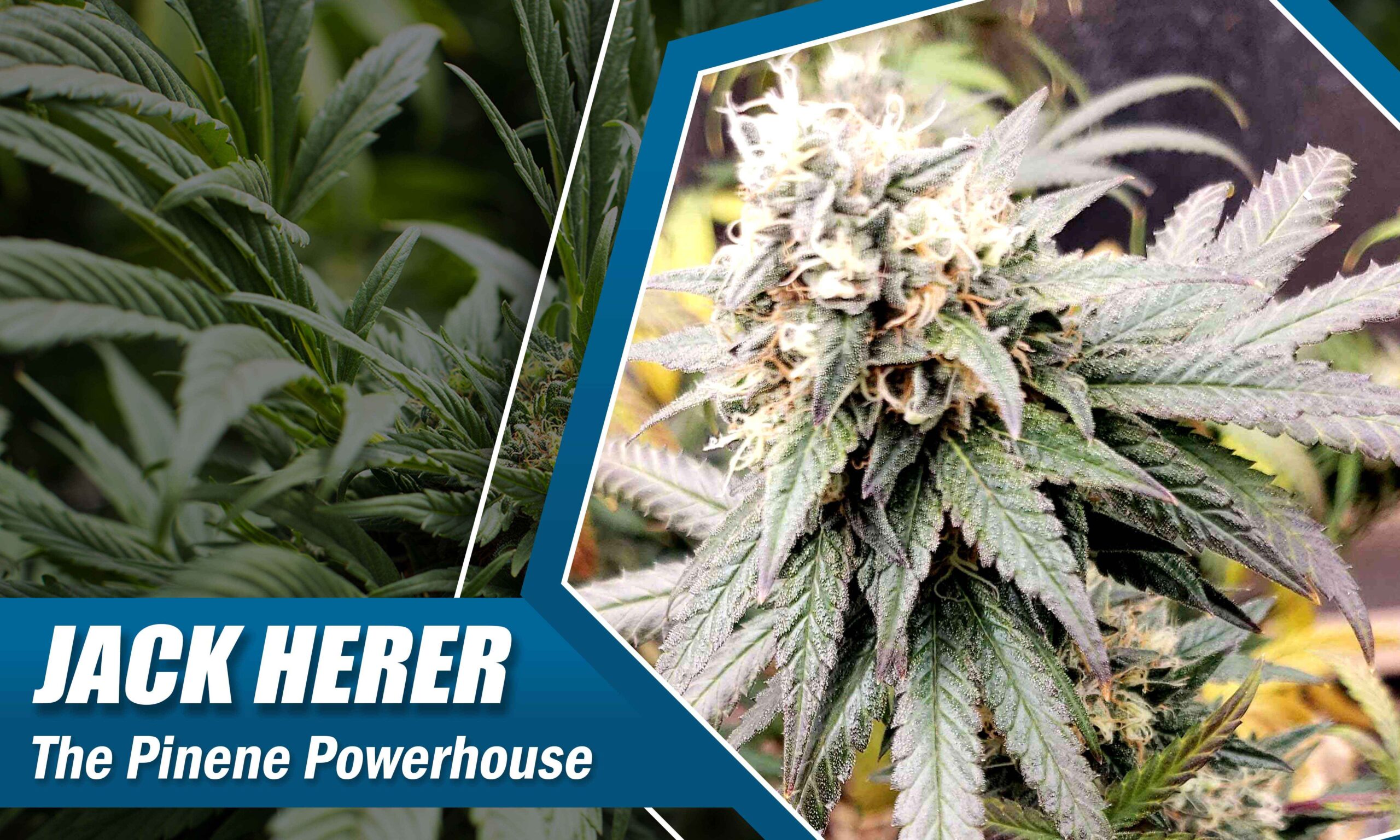
Jack Herer: The Pinene Powerhouse

strains with highest terpenes

Jack Herer stands out as the highest pinene strain, offering significant levels of this terpene. Pinene, with its distinctive piney aroma, is recognized for potential anti-inflammatory and bronchodilator properties. As a result, Jack Herer not only delivers a unique sensory experience but also may provide additional therapeutic benefits. Whether seeking relief from inflammation or simply enjoying the refreshing scent of pine, Jack Herer offers a potent blend of terpenes that enhances the overall cannabis experience.

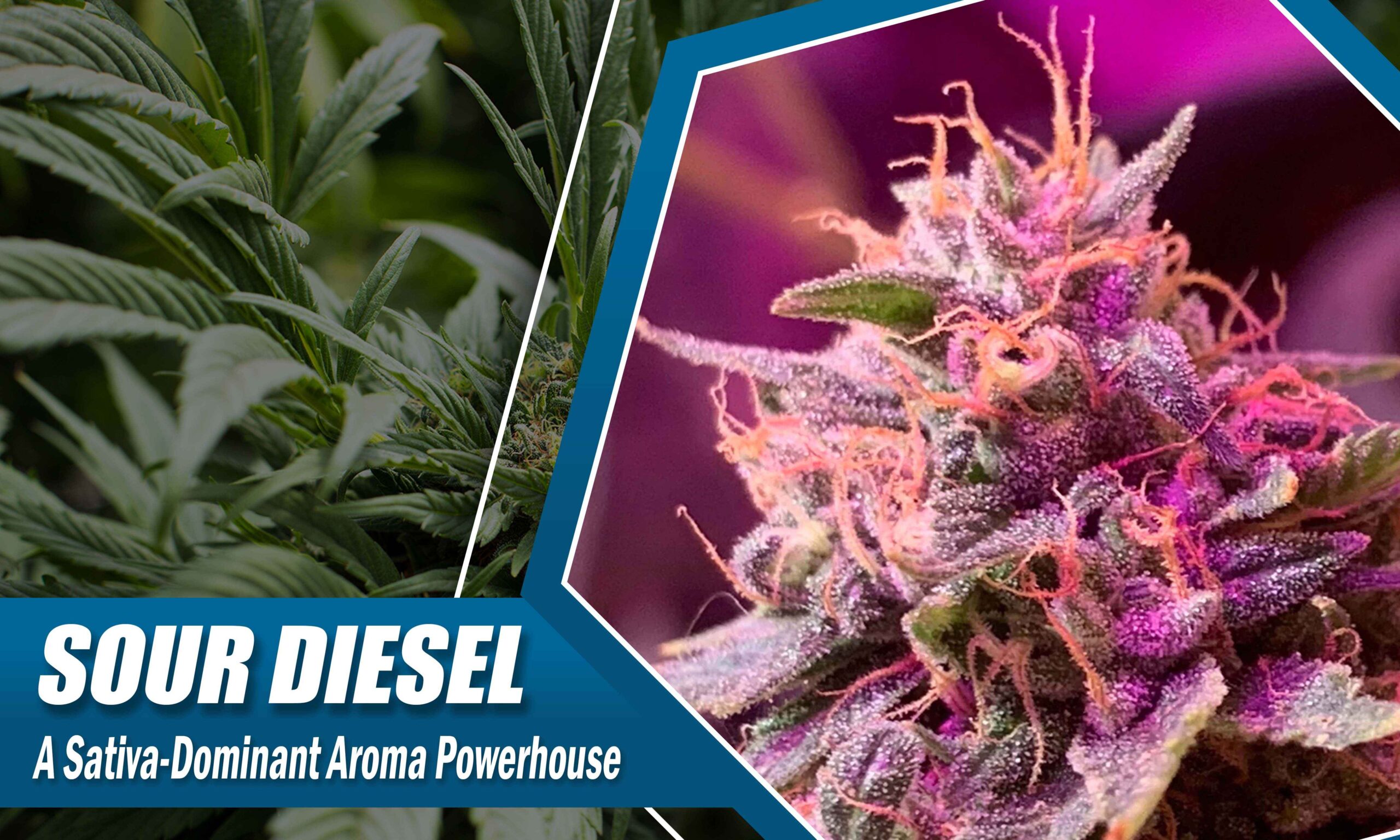
Sour Diesel: A Sativa-Dominant Aroma Powerhouse

strains with highest terpenes

Sour Diesel is revered for its potent aroma, attributed to its high terpene content, particularly myrcene and limonene. As a sativa-dominant hybrid, Sour Diesel offers uplifting and energizing effects, making it a popular choice among those seeking daytime relief. Additionally, its caryophyllene content may contribute to its unique properties, including potential reductions in alcohol intake. It is also one of the humulene dominant strains. With Sour Diesel, users can enjoy a flavorful and invigorating cannabis experience.

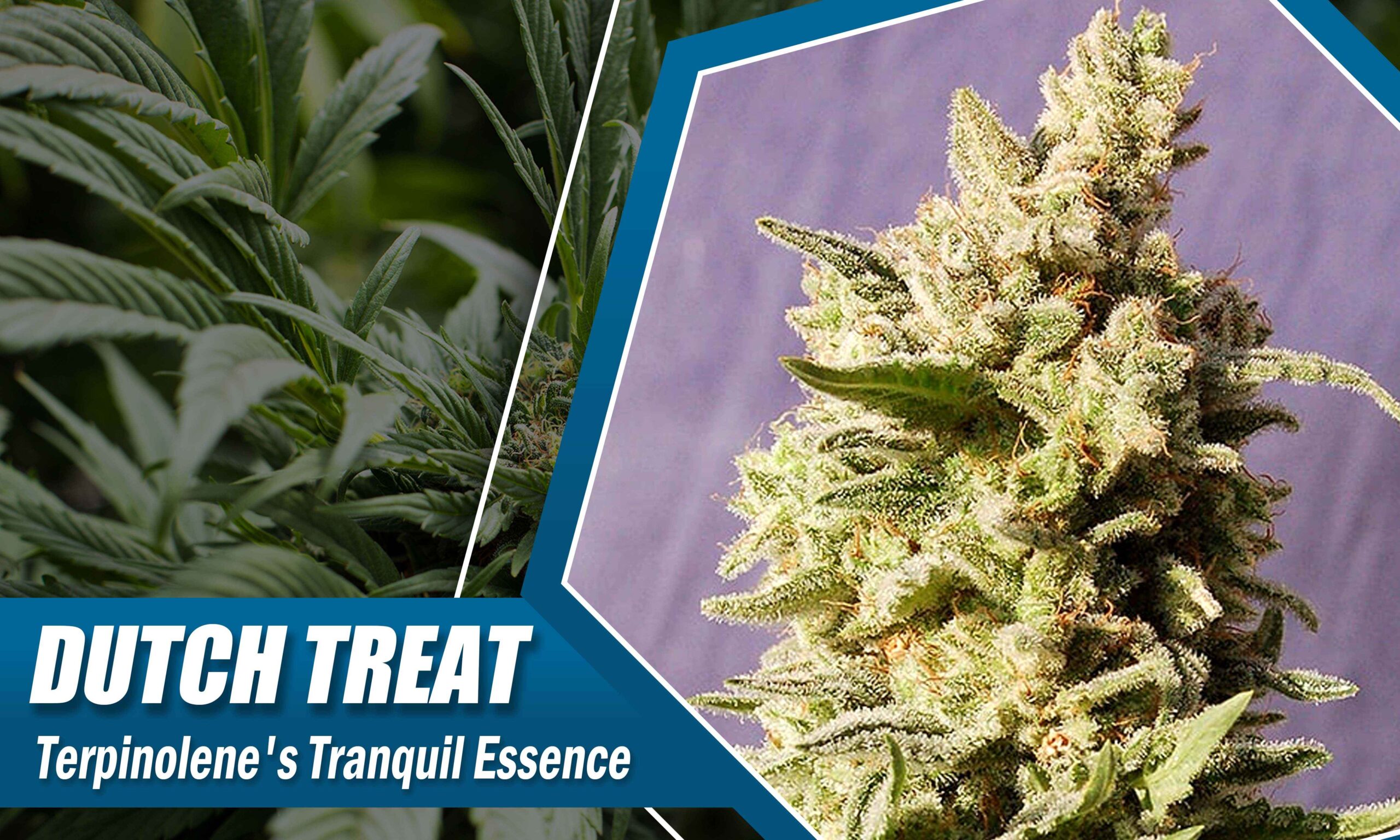
Dutch Treat: Terpinolene’s Tranquil Essence

strains with highest terpenes

Dutch Treat stands out for its terpinolene-rich profile, offering a piney and floral scent reminiscent of fresh herbs. This strain’s terpinolene content may provide soothing effects for the central nervous system, making it ideal for relaxation and stress relief. Combined with notable levels of myrcene and ocimene, Dutch Treat offers a harmonious blend of terpenes, creating a well-balanced cannabis experience for users seeking tranquility.

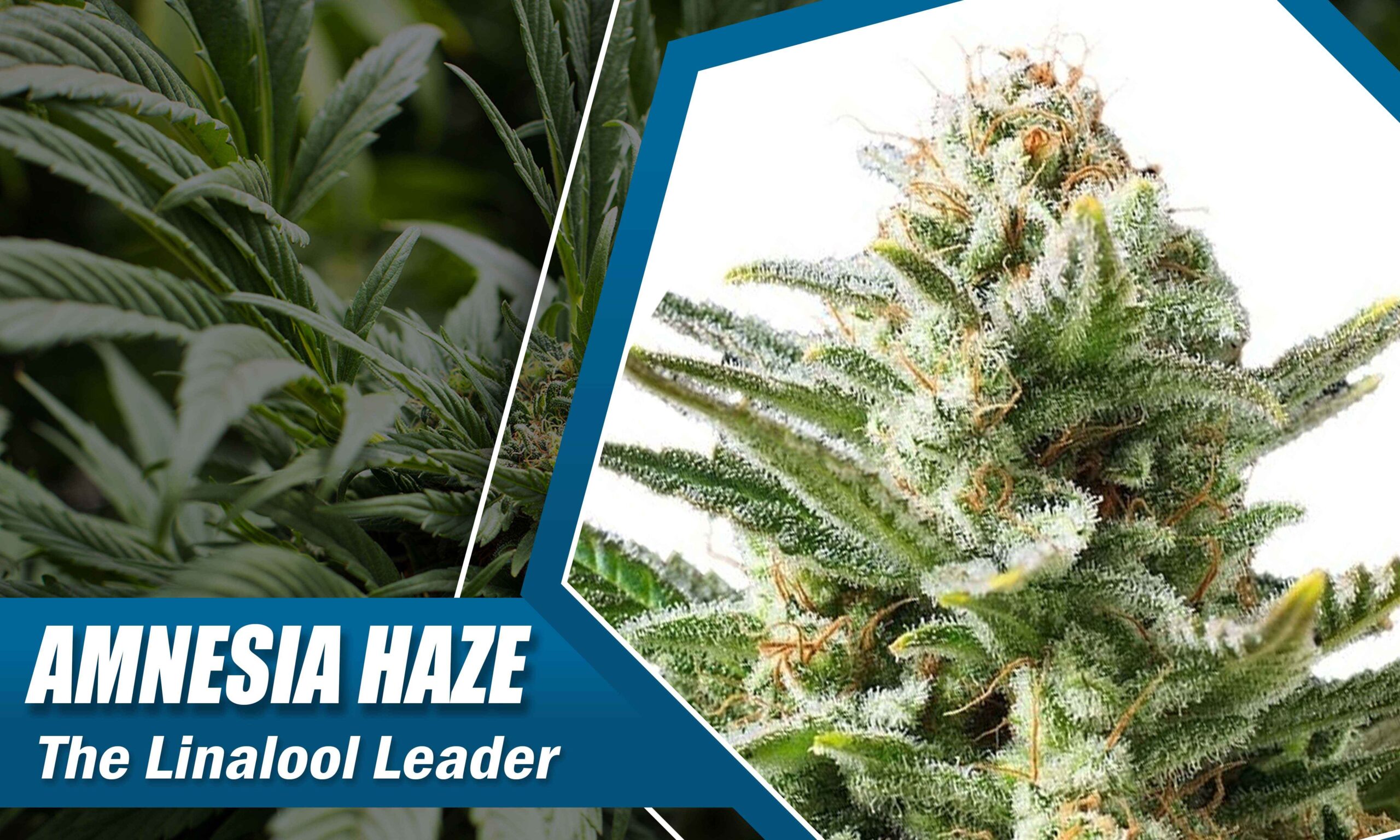
Amnesia Haze: The Linalool Leader

strains with highest terpenes

Amnesia Haze shines as one of the highest linalool strains available. Linalool, known for its floral scent reminiscent of lavender, is believed to have calming and soothing properties, making it a sought-after terpene for relaxation and stress relief. With Amnesia Haze, users can enjoy the tranquil effects of linalool alongside its delightful aroma. Whether unwinding after a long day or seeking relief from tension, Amnesia Haze offers a premium cannabis experience enriched by its high linalool content.

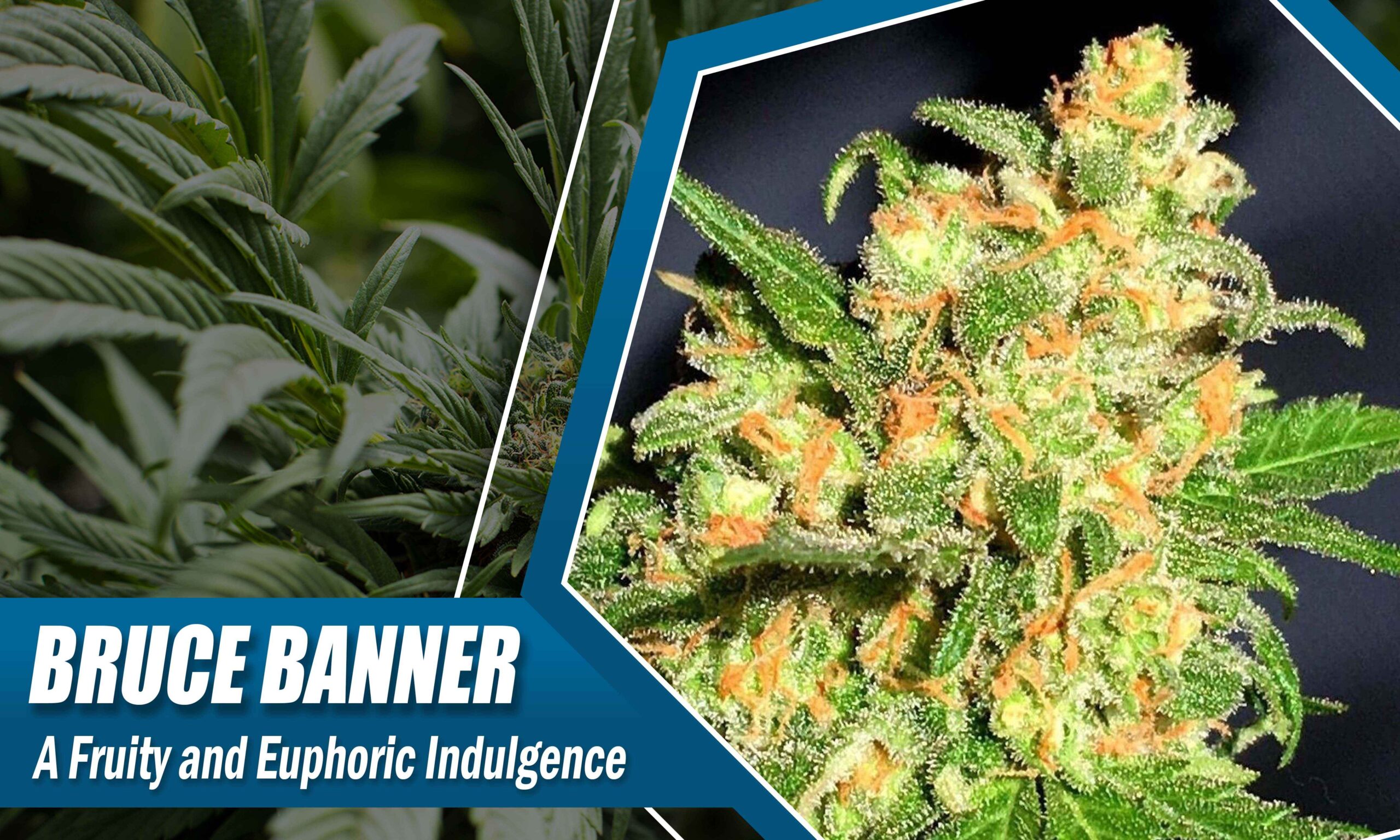
Bruce Banner: A Fruity and Euphoric Indulgence

strains with highest terpenes

Bruce Banner delights the senses with its sweet and fruity aroma, thanks to its myrcene, limonene, and linalool content. With origins in OG Kush and Strawberry Diesel, this hybrid strain offers potent euphoric effects, making it a favorite among recreational users. By harnessing the power of terpenes, Bruce Banner delivers a flavorful and uplifting cannabis experience that leaves users feeling blissful and content.

Harnessing Terpenes for Enhanced Cannabis Products

strains with highest terpenes

Terpenes can be incorporated into a wide range of cannabis products, from edibles to topicals, to enhance their flavor, aroma, and effects. Whether creating custom blends or using terpenes to complement existing formulations, manufacturers can elevate the quality and potency of their products. By harnessing the diverse properties of terpenes, consumers can enjoy a more tailored and enjoyable cannabis experience, whether seeking relaxation, pain relief, or mood enhancement.

Utilizing Terpenes in Various Applications

Terpenes are not limited to cannabis; they are widely used in other industries, including cosmetics, food, and aromatherapy. Their aromatic properties make them valuable ingredients in perfumes, lotions, and household cleaners. In the food industry, terpenes contribute to the flavors of fruits, herbs, and spices, enhancing the taste of various dishes and beverages. Additionally, terpenes are utilized in aromatherapy for their potential mood-enhancing and stress-relieving effects. By incorporating terpenes into everyday products, individuals can enjoy their benefits beyond the realm of cannabis.

The Entourage Effect

Terpenes, along with cannabinoids, contribute to the entourage effect, a phenomenon where the combined effects of various compounds produce a more significant impact than individual components alone. By understanding how terpenes interact with cannabinoids, users can maximize the therapeutic benefits of cannabis. Whether enjoying cannabis for recreational or medicinal purposes, harnessing the entourage effect ensures a more holistic and enjoyable experience.

For consumers, understanding terpenes can enhance their cannabis experience by enabling informed strain selection and consumption methods. By identifying the terpene profiles that align with their desired effects, individuals can make more educated choices when purchasing cannabis products. Additionally, experimenting with different consumption methods, such as vaping, edibles, or topical applications, can yield varying terpene effects due to differences in bioavailability and metabolism. By exploring the diverse world of terpenes and cannabis consumption, users can personalize their experience to suit their preferences and needs.

Conclusion

In conclusion, terpenes play a crucial role in shaping the aroma, flavor, and effects of cannabis strains. By understanding the diverse terpene profiles of various strains, individuals can make informed decisions when selecting cannabis products. Whether seeking relaxation, pain relief, or mood enhancement, harnessing the power of terpenes allows users to customize their cannabis experience to achieve their desired outcomes. As research into terpenes continues to expand, so too will our understanding of their potential therapeutic applications, paving the way for enhanced cannabis products and experiences in the future.

FAQs

Q: What are some common terpenes found in cannabis?
A: Some common terpenes found in cannabis include myrcene, limonene, linalool, caryophyllene, and terpinolene.

Q: Do terpenes only affect the smell and taste of cannabis?
A: No, terpenes also contribute to the effects of cannabis, influencing factors like relaxation, mood enhancement, and pain relief.

Q: Can terpenes be found in other plants besides cannabis?
A: Yes, terpenes are found in various plants, including fruits, herbs, and spices, where they contribute to flavors and aromas.

Q: How do terpenes work together with cannabinoids in cannabis?
A: Terpenes work synergistically with cannabinoids in what’s known as the entourage effect, enhancing the overall therapeutic effects of cannabis.

Q: Can terpenes be used in products other than cannabis?
A: Yes, terpenes are utilized in a wide range of products, including perfumes, lotions, food, beverages, and aromatherapy, for their aromatic and potentially therapeutic properties.

What Is Pheno Hunting?


Pheno Hunting plays a crucial role in the world of cannabis breeding. It’s like searching for the perfect ingredient to make the best dish. When breeders create a new strain by combining two parent plants, they end up with a bunch of seeds, each holding a potential new variation of the strain. These variations, called phenotypes, are like different flavors of ice cream – some might be sweet and creamy, while others are fruity or nutty. Pheno Hunting helps breeders find the most delicious flavor, or in this case, the best combination of traits, from all the seeds they’ve grown.

Understanding Pheno Hunting

pheno hunting

Let’s break down Pheno Hunting into simpler terms. Imagine you’re a gardener planting different types of flowers. Each flower grows in a unique way, with different colors, shapes, and scents. Similarly, when cannabis breeders grow different phenotypes, they’re essentially observing how each “flower” (or phenotype) turns out. They look at things like how tall the plants grow, what colors they are, how strong they smell, and how much “good stuff” they contain (like the cannabinoids THC and CBD). By carefully studying these characteristics, breeders can decide which phenotype is the best fit for what they’re trying to achieve.

How To Pheno Hunt

pheno hunting

Step 1: Growing the Seeds

To start Pheno Hunting, breeders plant the seeds from their newly created strain. Pheno hunters give each seed the right amount of water, light, and nutrients to help it grow into a healthy plant. It’s like giving a baby everything it needs to grow big and strong.

Step 2: Checking the Plants

Once the plants start growing, breeders keep a close eye on them. They look at things like how the leaves are shaped, what colors they turn, and how they smell when you give them a little squeeze. It’s kind of like being a detective, searching for clues to find the best phenotype.

Step 3: Choosing the Best

After observing all the different pheno weed, breeders pick the one that stands out the most. It’s like finding a shiny diamond in a pile of rocks. This chosen phenotype has all the qualities they’re looking for – it might be tall, with vibrant colors, a delightful aroma, and high levels of cannabinoids. Once they’ve found the perfect phenotype, they can clone it to make more plants with the exact same traits.

Conclusion

In conclusion, Pheno Hunting is like a treasure hunt for the perfect cannabis strain. By carefully selecting the best phenotype from a pool of options, breeders can create new and exciting varieties that meet the demands of consumers. With patience and dedication, Pheno Hunting unlocks the potential of cannabis genetics, paving the way for innovative and high-quality strains that delight enthusiasts around the world.

FAQs

Q: Why is pheno-hunting important in cannabis breeding?
A: Pheno-hunting helps breeders find the best traits in new cannabis strains, like taste, smell, and potency.

Q: How long does pheno-hunting usually take?
A: Pheno-hunting can take several months to a few years because breeders need to grow, observe, and test many different plants.

Q: Can anyone do pheno-hunting?
A: Yes, anyone with the right knowledge and equipment can try pheno-hunting, but it requires patience and attention to detail.

Q: What happens to the phenotypes that aren’t chosen?
A: The phenotypes that aren’t chosen might not be as strong or desirable, so they’re usually not used for further breeding.

Q: Is pheno-hunting only done for cannabis?
A: No, pheno-hunting is also done for other plants and animals to find the best traits for breeding purposes.

Top 5 Weed Strains From The 2000s


The cannabis industry underwent significant changes in the 2000s, as people’s views on marijuana shifted. In exploring the top 5 weed strains from the 2000s, it’s important to consider the larger context in which these strains became popular. The 2000s marked the start of a movement challenging the negative perceptions associated with cannabis. The effort to legalize medical marijuana gained strength, leading to a better understanding of the plant’s potential benefits.

Weed Culture Evolution

The story of weed’s cultural transformation in the 2000s is intriguing. Moving beyond its countercultural origins, cannabis started being seen from a medical perspective. The rise of medical marijuana as a viable treatment sparked discussions about its therapeutic uses. This change not only affected how the public viewed cannabis but also opened doors for exploring a wider range of weed strains in a more sophisticated way. It was a time of transition when cannabis shifted from the outskirts of society to a more accepted and integrated position.

Understanding this shift is important in recognizing the variety of strains that emerged in the 2000s. As societal attitudes changed, there was a growing interest in a more refined cannabis experience. Exploring and appreciating different strains became more than just a recreational activity; it became a nuanced journey into the potential therapeutic benefits of each strain’s unique combination of cannabinoids and terpenes.

Importance of Weed Strains

The significance of weed strains lies in the complex interaction of compounds within the plant. Each strain is like a botanical orchestra, where cannabinoids and terpenes work together to create the overall effects and characteristics. As users looked for a more personalized experience, the demand for specific strains increased. This growing understanding of each strain’s subtleties played a major role in the revival of cannabis in the 2000s.

Factors such as flavor, aroma, and the unique combination of cannabinoids became crucial factors in determining a strain’s popularity. During this time, there was a rise in cannabis enthusiasts becoming connoisseurs, similar to wine lovers appreciating the nuances of different grape varieties. The importance of weed strains went beyond just recreational use; it became a cultural and medicinal exploration, contributing to the diverse offerings in the cannabis market.

Top 5 Weed Strains from the 2000s

OG Kush: Paving the Way

OG Kush

OG Kush holds a monumental position in the world of cannabis. Originating in California, it serves as a symbol of the West Coast’s impact on the industry. Besides its legendary reputation, OG Kush played a crucial role in shaping today’s cannabis culture. Its journey from hidden beginnings to widespread acknowledgment mirrors the overall transformation of weed in the 2000s. The rise of OG Kush exemplifies how the cannabis landscape evolved, influenced by the West Coast’s unique contributions to the industry during that era.

Sour Diesel: The Diesel Powerhouse

Sour Diesel Strain

Sour Diesel, renowned for its strong scent and invigorating effects, became the dominant force in the diesel category during the 2000s. Its unique characteristics made it a cultural symbol, celebrated not only for its recreational uses but also for its ability to boost creativity. Exploring the journey of Sour Diesel offers insights into the dynamic connection between strains and the prevailing cultural spirit. This strain played a significant role in shaping the cultural landscape of the 2000s, influencing how people perceived and embraced cannabis during that era.

Blue Dream: A Soaring Sensation

Blue Dream Strain

Blue Dream, a seamless combination of sativa and indica genetics, rose to fame for its well-balanced effects. Not only cherished by cannabis enthusiasts, but Blue Dream also mirrors the industry’s move toward hybrid strains. Examining its traits reveals the intricate craftsmanship behind strain development and the increasing desire for a variety of experiences. The popularity of Blue Dream signifies a broader trend in the cannabis world, showcasing the demand for hybrids that offer a harmonious blend of uplifting and relaxing effects.

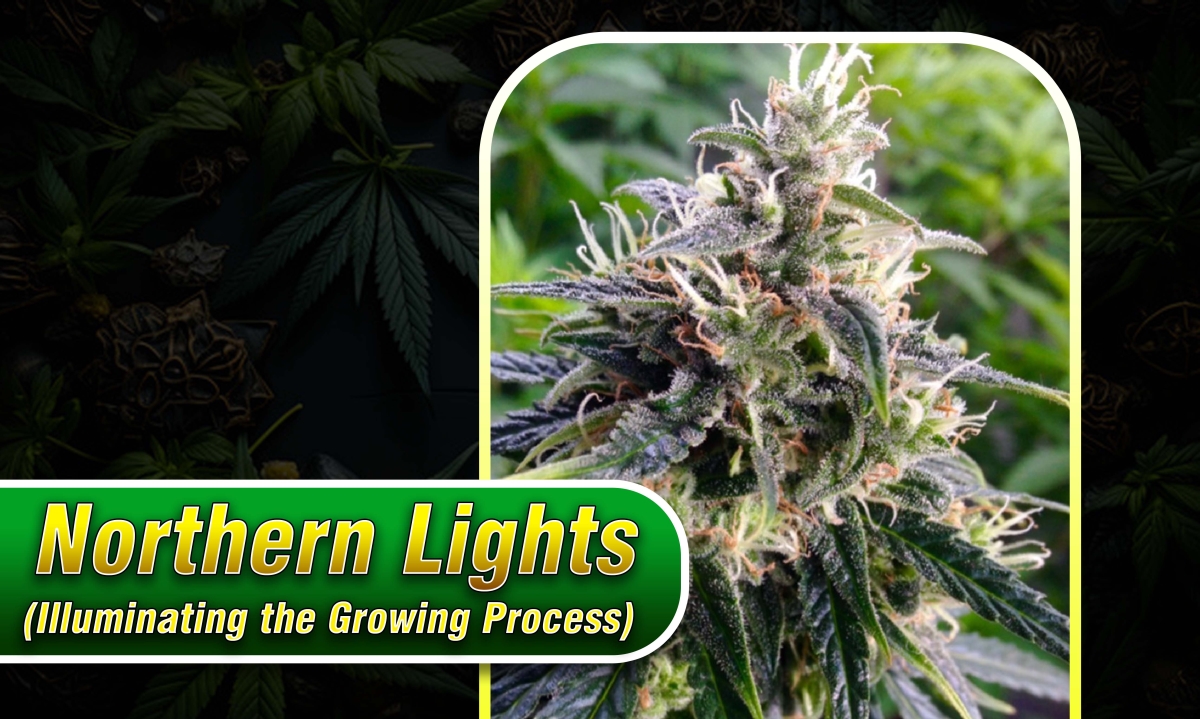
Northern Lights: Illuminating the Decade

Northern Lights Strain

Northern Lights, with its calming effects and sweet, earthy taste, stands out as a guiding light in the cannabis world. Originating in the ’80s and maintaining its significance in the 2000s, Northern Lights showcases the enduring charm of traditional strains. Its journey over the decades underscores the timeless quality of certain varieties in the constantly changing cannabis market. The enduring popularity of Northern Lights illustrates how classic strains can maintain their relevance, offering a consistent and reliable experience for cannabis enthusiasts across generations.

Girl Scout Cookies: Sweet Success

Girl Scout Cookies Strain

Girl Scout Cookies, a hybrid wonder with a delightful blend of sweet and earthy flavors, enjoyed notable success in the later part of the 2000s. Its ascent to fame reflects the period’s exploration of hybrid strains, aiming to cater to a diverse range of preferences. Examining the journey of Girl Scout Cookies offers a peek into the market dynamics that influenced the cannabis industry. This strain’s popularity showcases the industry’s adaptability, responding to the varied tastes of cannabis users and contributing to the diverse landscape of hybrid strains available in the market today.

Conclusion

The top 5 weed strains from the 2000s have etched their place in the history of cannabis. From the groundbreaking OG Kush to the sweet success of Girl Scout Cookies, each strain contributed to the rich tapestry of the cannabis culture. As we reflect on the past, it’s evident that these strains have not only stood the test of time but have also paved the way for the diverse and dynamic cannabis landscape we know today.

FAQs

Q: Are these strains still popular today?
A: The popularity of these strains varies, with some maintaining a strong presence, while others have given way to newer favorites. OG Kush and Sour Diesel, with their iconic status, continue to be highly sought after.

Q: Can I grow these strains at home?
A: Yes, you can grow these strains at home, but it’s essential to research their specific cultivation requirements. OG Kush and Sour Diesel, for instance, thrive in controlled environments, while Blue Dream may require additional space for its expansive growth.

Q: Are there any legal considerations when cultivating these strains?
A: Legal regulations regarding cannabis cultivation vary by region, so it’s crucial to be aware of and comply with local laws. Understanding the legal landscape ensures a responsible and compliant approach to cultivation.

Q: What makes these strains unique from each other?
A: Each strain has its unique combination of cannabinoids, terpenes, and effects, contributing to its distinct characteristics. OG Kush’s earthy and piney flavor sets it apart, while Sour Diesel’s pungent aroma and invigorating effects distinguish it from others.

Q: How has the perception of cannabis changed since the 2000s?
A: The 2000s marked a shift in societal attitudes towards cannabis, with increased acceptance and the emergence of medical marijuana contributing to a more positive perception. This shift has paved the way for a more diverse and informed understanding of the plant’s potential benefits.

Does Dry Shampoo Get Rid of Weed Smell and Other Solutions For Weed Smell


Does Dry Shampoo Get Rid of Weed Smell? Yup, it sure can! Check out our guide to getting rid of that persistent marijuana scent from your skin and clothes. We spill all the details, offering up some useful insights and simple solutions. In this guide we will help you in battling that weed smell, so that you can live a life that’s not just fresh but totally scent-free. Grab some control over your surroundings with our practical tips, and voila, enjoy a scent-free vibe without breaking a sweat!

Dry Shampoo and Other Solutions

does dry shampoo get rid of weed smell

Does Weed Smell Stick to Skin?

The smell of weed tends to stick around on the skin because of the way its compounds work. To deal with this, it’s important to grasp the science behind why it lingers. THC, the main active compound in weed, likes to stick to the oils on the skin. Surprisingly, dry shampoo, made for hair, can be a huge help for weed-scented skin because it’s great at soaking up oils. Not only does it make the skin feel fresh, but it also gets rid of the smell by tackling the source.

The Science Behind Weed Smell on Skin

Going deeper into the science of it, THC, being lipophilic, easily attaches itself to the oils on the skin. This connection leads to a lasting smell that regular washing might not completely get rid of. Dry shampoo, made with main ingredients like starches or clays, soaks up extra oils, breaking the bond with THC. This scientific knowledge is why dry shampoo works well as an unusual yet effective solution for getting rid of the weed smell on the skin.

DIY Remedies for Weed-Scented Skin

  • Dry Shampoo: Dry shampoo takes the lead in battling weed odor on the skin. It’s a versatile solution known for its effectiveness in absorbing oils and neutralizing smells.
  • Citrus-Based Scrubs: These scrubs leverage natural acids found in citrus fruits to break down the bonds of THC, the main compound in weed. By complementing the dry shampoo method, citrus-based scrubs enhance the overall effectiveness of the odor removal process.
  • Activated Charcoal Masks: Activated charcoal masks play a role in the process by absorbing impurities from the skin. They help in refreshing the skin and contribute to the elimination of weed odor.
  • Combining Remedies: When you combine these DIY solutions with dry shampoo, you create a holistic and comprehensive approach to tackle weed odor on the skin. The dry shampoo handles oil absorption and smell neutralization, while the citrus-based scrubs and activated charcoal masks work synergistically to break down THC bonds and refresh the skin. This combined strategy ensures a more thorough and effective elimination of weed odor.


Does Weed Smell Stick to Clothes?

does dry shampoo get rid of weed smell

Dealing with weed smell on clothes brings its own set of challenges. Fabrics have a tendency to soak in and hold onto scents, requiring a different approach. Surprisingly, dry shampoo, typically linked to hair care, turns out to be a versatile solution for this issue as well.

How to Get Weed Smell Out of Clothes

Step 1: Choose the Right Dry Shampoo
Selecting the appropriate dry shampoo is key to eliminating weed smell from your clothes. Consider specific factors, opting for a fragrance-free variant to prevent conflicting scents. Ensure the dry shampoo is suitable for your fabric type. Reading product labels and reviews will guide your decision, maximizing the effectiveness of this unconventional method.

Step 2: Prepare Your Garment
Before applying dry shampoo, ensure the garment is clean and free from visible dirt. This sets the stage for optimal results in tackling weed odor.

Step 3: Apply Dry Shampoo Evenly
Spray or apply the chosen dry shampoo evenly on the garment, paying extra attention to areas with a strong weed smell. This application technique allows the product to work its magic in breaking down the odor compounds.

Step 4: Let the Dry Shampoo Work
Follow the specific instructions provided on the dry shampoo product. Allow the dry shampoo some time to work its magic on the weed smell before proceeding to wash the clothes as usual.

Step 5: Wash Clothes as Usual
After the dry shampoo has had time to work, launder the clothes following your regular washing routine. This simple yet effective guide ensures the best results, leaving your wardrobe not only clean but also free from any lingering weed odor.

Conclusion

In summary, dealing with the challenge of weed smell on skin and clothes calls for a well-rounded approach. Dry shampoo, with its surprising versatility, takes the spotlight in this problem. From understanding the science behind weed odor to taking preventive actions and exploring other solutions, this guide equips you with a comprehensive strategy. Bid farewell to weed scent, embrace a fresh lifestyle, and feel confident knowing you have control over unwanted odors.

FAQs

Q: Can I use any dry shampoo to eliminate weed smell from clothes?
A: Certainly! However, opt for a fragrance-free dry shampoo to ensure it doesn’t clash with the weed scent.

Q: How often should I apply dry shampoo to my clothes?
A: Frequency depends on usage. For occasional exposure, once every few wears may suffice. Increase the frequency for regular exposure.

Q: Are there any side effects to using dry shampoo on clothes?
A: No, dry shampoo is safe for fabrics. Ensure proper application and follow the product’s instructions for optimal results.

Q: Can I make my own dry shampoo at home?
A: Absolutely! DIY dry shampoo recipes abound. Experiment with ingredients like cornstarch, baking soda, and essential oils for a personalized touch.

Q: Is dry shampoo suitable for all fabric types?
A: In general, yes. However, it’s wise to test on a small, inconspicuous area first to ensure compatibility with the fabric.

Q: Are there any alternatives to dry shampoo for eliminating weed smell from clothes?
A: Certainly! Explore alternatives such as vinegar, activated charcoal, or specialty odor-removing sprays.

KNF Growing For Cannabis


KNF Growing For Cannabis or Korean Natural Farming is a unique approach to sustainable farming, with its roots in the idea of swapping out harsh chemicals for traditional Japanese and Korean farming methods. It all began in the 1960s, and KNF has been gaining attention for its focus on using indigenous microorganisms (IMO) to boost the health of both soil and plants. Over time, KNF cannabis growing has started to get some traction. Developed by Cho Han-kyu, KNF farming combines Japanese and Korean farming wisdom with fermentation techniques, offering a more environmentally friendly option for today’s farmers.

What Is KNF and Its Principles?

knf growing

KNF focuses on the “nutritive cycle theory,” which means using specific inputs at particular growth stages. This overall method includes nourishing seeds with nutrients, supporting indigenous microorganisms, unlocking genetic potential through occasional inputs, and steering clear of synthetic fertilizers and tilling. The approach flourishes by promoting the growth of beneficial bacteria and fungi, creating a healthy and organic environment. KNF recipes, made up of nine core solutions, provide a versatile toolkit for growers. This toolkit covers everything from indigenous microorganisms to fermented plant juice and water-soluble calcium phosphate.

The Global Impact of KNF

knf growing

In 1995, Cho Han-kyu’s journey between Korea and Japan, blending traditional farming with new techniques, gave rise to the Natural Farming Life School. The global impact of KNF became clear as Cho and his son hosted seminars worldwide, teaching over 18,000 individuals at the Janong Natural Farming Institute by 2014. KNF’s influence extends globally, from doubling crop productivity in Hawaii to overcoming challenging conditions in Mongolia’s Gobi Desert and addressing odor concerns in China during the Beijing Olympics. KNF isn’t just a farming technique; it’s a transformative approach that delivers real, positive results.

Importance of Indigenous Microorganisms (IMO) in KNF

A cornerstone of KNF lies in manipulating ecosystems using indigenous microorganisms (IMO). These aerobic microorganisms play diverse roles, including:

  • Yeast: Ventilates soil, eliminating foul odors and supporting microorganisms in their functions.
  • Purple bacteria: Thrives in oxygen-depleted water, performing photosynthesis and absorbing carbon through alternative means.
  • Lactic acid bacteria (LAB): Improves soil ventilation, promoting rapid growth and enhancing trichome and terpene production in cannabis.
  • Mycorrhizal fungi: Dramatically increases root system size, transforms soil nutrients, and enhances cannabis yield quality and quantity.
  • Purple bacteria: Thrives in oxygen-depleted water, performing photosynthesis and absorbing carbon through alternative means.


Pros and Cons of KNF

While KNF brings a groundbreaking approach to farming, it requires careful attention and effort. Getting the hang of it means grasping and creating the inputs, underlining the importance of dedication. Nevertheless, the advantages surpass the difficulties, offering lower expenses, less demanding practices, robust and healthier crops, and eco-friendly results. KNF’s thorough care and personal touch make it an excellent choice for those dedicated to sustainable, high-quality cultivation.

KNF Recipes – A Comprehensive Toolkit

KNF maintenance formulas consist of nine core solutions that, when used in various dilutions, aid plant and microorganism health. These include:

  • Microbes — Indigenous Microorganisms (IMO)
  • Police — Lactic Acid Bacteria (LAB)
  • Minerals — Diluted Seawater (SEA)
  • Food — Fermented Plant Juice (FPJ)
  • Cleanser — Brown Rice Vinegar (BRV)
  • Medicine — Oriental Herbal Nutrient (OHN)
  • Fuel — Fish Amino Acid (FAA)
  • Structure — Water-Soluble Calcium Phosphate (WCP)
  • Reproduction — Water-Soluble Calcium (WCA)


Integrating KNF Throughout the Cannabis Life Cycle

KNF’s adaptability shines through as it seamlessly fits into every stage of the cannabis life cycle. From using Indigenous Microorganisms (IMO) during seed soaking and clone dipping to applying Fish Amino Acid (FAA) for robust vegetative growth, KNF adjusts to the plant’s changing needs. Oriental Herb Nutrients (OHN) stand by as a constant supporter, enhancing resilience and growth. When it comes to the flowering stage, the significance of calcium and phosphorus takes center stage, with choices like Fermented Fruit Juice (FFJ) or Water-Soluble Calcium Phosphate (WCP) ensuring optimal bud development.

Application Techniques – Soil Enrichment and Foliar Feeding

KNF’s techniques go beyond just improving the soil; they also include foliar feeding, giving growers more flexibility. Soil enrichment involves gently spreading microbes and IMO, with LAB added in a diluted ratio to make phosphate soluble. The addition of Fermented Mixed Compost (FMC) becomes a valuable soil enhancer, boosting it with nutrients. Additionally, foliar feeding directly provides essential elements to plants, encouraging quick absorption and acting as a non-toxic pest repellent. When combined with the principles of no-till farming, these techniques create a complete approach that optimizes both soil health and nutrient cycling.

Conclusion

KNF stands out as a vital player, promoting sustainable and less wasteful cultivation methods. Beyond being just a farming technique, KNF broadens our outlook on nature and agriculture. Its role in cannabis cultivation becomes crucial, guiding us on a transformative journey toward living in harmony with our surroundings. The essence of KNF goes beyond its principles; it becomes a guiding philosophy for those who seek a thoughtful and environmentally responsible approach to marijuana cultivation.

FAQs

Q: How does KNF differ from traditional farming methods?
A: KNF differs by emphasizing natural inputs like indigenous microorganisms, avoiding synthetic chemicals, and promoting a holistic approach.

Q: Can KNF be used in small-scale gardens?
A: Yes, KNF is adaptable to various scales, making it suitable for small gardens with its DIY and cost-effective methods.

Q: Why is foliar feeding important in KNF?
A: Foliar feeding directly provides essential nutrients to plants, supporting rapid absorption and acting as a non-toxic pest repellent.

Q: How does KNF contribute to environmental sustainability?
A: KNF promotes eco-friendly practices by avoiding synthetic fertilizers, emphasizing local ingredients, and encouraging mindful cultivation.

Q: Is KNF only for cannabis cultivation?
A: No, while KNF gained popularity in cannabis, it is versatile and applicable to various crops, offering benefits like lower costs and healthier yields.

Is Weed Witchcraft: An Old Age Question Answered


Is Weed Witchcraft? The captivating charm of Witchcraft brings to mind spooky images like ghosts, skeletons, and enchanting sorceresses. The classic witch, with her broomsticks and cackling laughter, might seem like a fantasy, but the reality of practicing witchcraft has a history spanning thousands of years. We uncover the fascinating connection between cannabis and witchcraft—a historical partnership filled with rituals, ceremonies, and magic. This combination has been part of human traditions for a long time, weaving a tale of ancient practices and mystical experiences.

Historical Context

is weed witchcraft

Going on this passage through time, it’s important to grasp the broader historical context of cannabis and witchcraft. In ancient civilizations, like the Gaddi people in India, cannabis found its place in rituals, serving purposes of divination. Norse mythology introduces the goddess Freya, highlighting the cultural importance of cannabis in magical practices. Germanic Pagans took it a step further, regarding hemp as spiritually essential. They even crafted clothes from it as gifts for the departed, emphasizing the vital role of cannabis in their belief systems. This deep connection between cannabis and ancient traditions unveils a rich tapestry of cultural practices across diverse societies.

Global Perspectives

Zooming out globally, the way cannabis was used in ancient Greece and China showcases its diverse cultural roles. In ancient Greece, Pythia, the Oracle of Delphi, breathed in smoke from hallucinogenic plants for divination, offering a unique glimpse into the early links between mind-altering substances and spiritual rituals. Simultaneously, ancient Chinese writings acknowledge marijuana’s medicinal properties and its potential to trigger spiritual experiences, adding depth to our comprehension of cannabis in different cultural contexts.

Middle Ages – The Turning Point

The Middle Ages become a crucial turning point when the Pope’s ban on marijuana results in its demonization, creating a lasting stigma that stretches across centuries. This change in perception not only reshapes how society views cannabis but also establishes the foundation for linking it with witchcraft. This intertwining of the plant with notions of the occult and dark arts becomes a defining aspect, casting a shadow over marijuana’s reputation for generations. The ban by the Pope shapes the narrative around cannabis, associating it with mysterious and forbidden practices that echo through history.

How and Why Modern Witches Use Cannabis

is weed witchcraft

Fast-forwarding to the present day, the psychoactive effects of THC establish cannabis as a contemporary tool in witchcraft. In today’s practice, modern witches use cannabis for meditation, purifying spaces before rituals through Smoke Cleansing, and offering it to deities for blessings and protection. Some even take the extra step of blessing their cannabis before use, seeking divine favor in their spiritual endeavors. The current role of cannabis in witchcraft reflects a blend of ancient traditions and modern practices, where the plant takes on new significance in the pursuit of mystical experiences and spiritual connections.

Ritualistic Practices

In today’s world of modern witchcraft, cannabis plays a role in various ritual practices. A common prelude to spellwork is Smoke Cleansing, where the smoke from burning cannabis is used to purify spaces by dispelling negative energies. Witches, drawing inspiration from offering practices in other religious traditions, symbolically place cannabis on altars as a gesture to seek favor and protection from deities. The careful blessing of cannabis before use emphasizes the deep respect modern witches have for the plant, highlighting the spiritual importance woven into every aspect of its application.

Meditative and Transformative Properties

Going further into the effects on consciousness, many modern witches turn to cannabis as a tool for meditation. Elizabeth DeCoursey’s understanding of reaching altered states through cannabis reflects ancient practices, connecting the past with the present. The purpose-driven essence of witchcraft aligns seamlessly with the trance-like states induced by cannabis, enabling communication with spirits from other realms. This merging of tradition and contemporary approaches highlights the enduring fascination with cannabis in the realm of witchcraft, emphasizing its timeless appeal.

Why Cannabis is Valued in Modern Witchcraft

The elemental link of cannabis holds a crucial position in witchcraft, symbolizing Earth, Fire, Water, and Air. This connection fosters a profound grasp of nature, resonating with the spiritual beliefs of numerous modern witches. The plant’s association with these elemental forces becomes a key aspect, deepening the connection between witchcraft and the natural world.

Elemental Significance

The elemental symbolism of cannabis in witchcraft reveals a profound link to the natural world. According to Aura of the Forest, cannabis embodies all four elements – Earth in the plant itself, Fire when it’s lit, Water in its growth process and when used with water pipes, and Air in the marijuana smoke. This intricate connection to the elements not only aligns with the fundamental principles of witchcraft but also enhances the spiritual journey for practitioners, deepening their bond with the forces of nature.

Ritual Applications

The thoughtful utilization of cannabis in healing spells, incantations, and crafting tinctures for others’ well-being showcases the plant’s versatility in modern witchcraft. Indica strains, known for promoting relaxation and meditation, play a role in rituals centered on healing and nurturing. On the flip side, sativa strains, celebrated for elevating consciousness, become the choice for spells aimed at attracting fortune and abundance. The adaptability of cannabis across various ritual settings highlights its significance as a versatile tool for modern witches, catering to diverse aspects of their spiritual practices.

Modern Perspectives on Ancient Practices

As modern witches tap into ancient wisdom, the significance of cannabis in witchcraft becomes increasingly clear. Its incorporation into healing rituals, love spells, and transformative meditative practices indicates a growing recognition of the plant’s potential. Carrying forward these age-old traditions into a contemporary setting strengthens the enduring charm and versatility of cannabis within the ever-changing landscape of witchcraft.

What Witches Use Cannabis for in Ritual

Witches strategically use cannabis in various ways, incorporating it into healing spells, personal health incantations, and the crafting of tinctures for others’ well-being. Its aphrodisiac qualities also make it a preferred choice for love spells and sex magic, with both indica and sativa strains selected for specific ritual purposes. The intentional use of cannabis in these practices reflects the careful consideration modern witches give to the unique properties of different strains, tailoring them to specific aspects of their craft.

Healing Rituals

Within the domain of healing, cannabis assumes a central role owing to its medicinal attributes. Modern witches acknowledge its potential in easing physical and mental ailments, incorporating the therapeutic essence of the plant into their rituals. The intentional act of smoking cannabis during incantations blends the mystical with the medicinal, creating a deliberate synergy for overall well-being. This practice reflects the understanding among contemporary witches of the dual nature of cannabis, where its healing properties intertwine seamlessly with the spiritual aspects of their craft.

Aphrodisiac Properties in Love Spells

The love-centric qualities of cannabis take center stage in the casting of love spells and sex magic. Witches, adopting a ‘horses for courses’ approach, thoughtfully opt for indica strains known for their relaxation and meditative attributes. This choice enhances the sensual and emotional dimensions of love-oriented rituals. On the other hand, sativa strains, renowned for elevating energy levels, become the favored option for manifestation rituals. This intricate selection process establishes a harmonious interplay between different cannabis varieties and the specific outcomes desired in the casting of spells.

Ritual Personalization

The individualized approach to cannabis in witchcraft goes beyond its mere use; it extends to the ritual of blessing the plant before consumption. Witches call upon the divine, seeking blessings from gods and goddesses, infusing a layer of spirituality into the process of preparing and partaking in cannabis. This personal touch not only strengthens the sacred essence of the ritual but also establishes a direct connection between the practitioner and the spiritual realm. This intentional act of seeking divine favor adds a profound dimension to the interaction between the witch and the plant, emphasizing the spiritual significance inherent in the practice.

Conclusion

In summary, the intertwined history of cannabis and witchcraft unveils a diverse tapestry of cultural, spiritual, and medicinal importance. The modern witch’s incorporation of cannabis reflects the continuation of long-standing practices, blending tradition with contemporary insights. As cannabis gains wider acceptance, its mystical connection with witchcraft endures, serving as a reminder that, when used responsibly, it can truly be a magical force in the hands of those practicing the ancient art. This enduring relationship between cannabis and witchcraft showcases a harmonious coexistence of the past and present, emphasizing the plant’s enduring role in magical traditions.

FAQs

1. Can cannabis be used by witches in all rituals?
No, the use of cannabis in witchcraft varies. Some witches use it for meditation and cleansing, while others incorporate it into healing spells or love rituals. It depends on the practitioner’s intent and the nature of the ritual.

2. Is cannabis essential for modern witchcraft practices?
No, it’s not essential. While some modern witches find value in using cannabis for its meditative and transformative properties, many others choose not to incorporate it into their practices. Witchcraft is diverse, and individuals have different preferences for ritual tools.

3. Can any strain of cannabis be used in witchcraft rituals?
Different strains have different effects. Indica strains are preferred for relaxation and meditation, while sativa strains are chosen for higher consciousness and manifestation rituals. Witches often select strains based on the desired outcome of their specific ritual.

4. Why is cannabis associated with the elements in witchcraft?
Cannabis is linked to Earth, Fire, Water, and Air in witchcraft due to its elemental symbolism. The plant itself represents Earth, the act of lighting it is associated with Fire, its growth involves Water, and smoking it releases Air. This connection deepens the spiritual experience for practitioners.

5. Is the use of cannabis in witchcraft a recent phenomenon?
No, the historical use of cannabis in witchcraft dates back centuries. Ancient civilizations, including the Gaddi people in India and Germanic Pagans, integrated cannabis into their rituals. The plant’s association with spiritual practices has endured through different cultures and time periods.

Chicken Manure for Cannabis And Other Potential Organic Fertilizers


When growing cannabis, making your plants reach their full potential needs a smart approach. Using chicken manure for cannabis and other organic fertilizers in your gardening is a key step for great results. Unlike what some might think, manure isn’t just a pile of waste; it’s a strong fertilizer for pot plants for making the soil rich, boosting organic matter, and ensuring your cannabis plants grow well. In this guide, we’ll talk about the many benefits of using manure as a weed soil and fertilizer. We’ll look at how it helps the soil, especially as a fertilizer for cannabis plants, keeping your plants healthy, and making your harvest better.

Why Choose Manure for Cannabis Growth?

chicken manure for cannabis

Enhancing Soil Structure

As outdoor growers move into the spring months, taking care of the soil becomes really important. Manure is a big helper during this time because it makes the soil much better as a fertilizer for weed plants. Whether you’re someone who likes to dig a lot or prefers not to dig much, putting a layer of manure on top is like giving your soil a strong shield. This shield stops the soil from washing away and gives a solid base for your cannabis plants. Knowing how to make the soil better is key for growers who want their gardens to stay healthy and strong.

Increase Water-Holding Capacity

When aiming for the best cannabis growth, managing water becomes super important. Manure plays a big role in this because it helps the soil hold onto water better. This is a real game-changer. By making the soil stronger, manure keeps water in, so you don’t have to water your plants as much. This not only saves water but also keeps your plants from getting too stressed out because of not having enough water. For cannabis growers, figuring out the right amount of water is crucial, and manure is like a trusty friend helping to keep that balance just right.

Nurturing Beneficial Microbes

The teamwork between manure and helpful tiny microbes is a cool part of making cannabis grow well. The special carbon in manure gives these tiny friends a lot of energy. For growers, knowing how these tiny helpers make plants healthy is super important. Manure sets up an environment where bacteria and fungi can do their jobs, like fixing nitrogen and breaking down organic stuff. This helps a lot in keeping the plants strong. Exploring how all this teamwork happens gives growers the know-how to build healthy cannabis gardens.

Providing Key Nutrients

Manure is like a gold mine of nutrients for cannabis plants. It’s full of important stuff like nitrogen, phosphorus, potassium, and tiny nutrients that plants need. This gives your cannabis a constant and natural supply of the things it really craves for growing well. Unlike fake fertilizers, manure slowly lets out organic nitrogen over time. This helps your plants grow steadily and strong. To get top-notch yields, growers need to look into what nutrients cannabis plants want, and how manure does a great job fulfilling those needs.

Determining the Right Amount of Manure

chicken manure for cannabis

Knowing Your Garden’s Needs

How much manure you use in your garden really matters for success. In the beginning, using around 317.5 – 458.6 ounces per 9m² isn’t just a random amount. It’s a smart way to set up your beds, get the tiny life in the soil going, and give your cannabis plants the necessary nutrients. As you get more into gardening, you can take it easy. Charles Dowding, a pro at no-dig gardening, suggests putting on 0.8 – 1.2 inches of manure or compost each winter. This helps slowly mix in nutrients, making your soil better over time.

Precision in Manure Application

Knowing how to use manure is like becoming a master at a craft. Being accurate is super important. In the winter, putting the right amount on your beds gets the soil ready for the upcoming growing season. But, it’s not a one-size-fits-all thing. You have to adjust how much manure you use based on how dense or loose your soil is. If your soil is dense, use a bit less; if it’s loose, use a bit more. Being precise with manure is a crucial skill. It makes sure your cannabis plants get just the right nutrients without the risk of using too much or too little.

Choosing the Best Manure for Cannabis

While we can’t deny how great manure is, choosing the right type needs some careful thinking. There’s this thing called aminopyralid (AP), a herbicide that can mess up manure and hurt your crops big time. It’s super important to get manure from trusted sources and check it well to avoid this problem. Knowing the differences between manure types, what they’re made of, and the risks they might bring is a must. This helps you pick the best option for your cannabis garden without any issues.

Chicken Manure: A Nitrogen-Rich Powerhouse

Looking closely at chicken manure, we find a nutrient-packed powerhouse with huge benefits for cannabis growers. It’s loaded with high amounts of nitrogen, phosphorus, and potassium, making it a great choice for those wanting a complete nutrient package. What’s special about chicken manure is you can turn it into a nutrient-rich mix by fermenting it in water. This gives you a quick way to get those nutrients into your plants, and you can use it in different ways. It adds a lot of flexibility to how you give your cannabis the nutrients it needs.

Rabbit Manure: Swift Nutrient Boost

Choosing rabbit manure is a smart move for growers who want nutrients to hit their plants fast. Not only does it work quickly, but rabbit manure is also packed with a bunch of nutrients like nitrogen, phosphorus, potassium, calcium, magnesium, and zinc. What makes it stand out is you can put it straight on top of the soil without having to do the hot composting thing. This makes it super easy and efficient for cannabis plants that need to gulp down nutrients in a hurry.

Horse and Cow Manure: Texture and Fertility Enhancement

Looking into the benefits of horse and cow manure, we find a valuable tool for making the soil better and richer. With about 1–2% nitrogen and 1–3% potassium, this type of manure gives your cannabis a mix of nutrients that works well. But, be careful. You need to do hot composting to get rid of possible germs. When you think about using horse and cow manure, think about how much it costs to bring it to you and the chance of finding AP. Taking these things into account is crucial.

Pig Manure: A Historical Option with Modern Considerations

Once a top pick for growing cannabis, pig manure needs extra care now because of higher risks of contamination. As pig farming methods changed, there’s more E. coli, salmonella, and parasites in pig manure. Growers have to be careful. You can either turn fresh pig manure into compost to get rid of germs, or get well-rotted pig manure from trusted suppliers to make sure it’s safe and works well for growing cannabis.

Sheep Manure: The Nitrogen-Rich Alternative

Choosing sheep manure is a smart move since it beats cow and horse manure with more nitrogen, phosphorus, and potassium. It’s not just about the nutrients – sheep manure is also full of stuff that brings good bacteria to the soil, making it better. But, there’s a rule to follow. Before using fresh sheep manure, make sure to compost it. This gets rid of any seeds and makes sure your cannabis plants won’t get burned.

Alpaca Manure: Quick Fertilization Without Composting

Alpaca manure is a top pick for growers wanting a quick fertilizer that doesn’t need composting. It’s packed with a lot of nitrogen and potassium, making it a fast and efficient way to give your cannabis plants the nutrients they need. While it doesn’t have as much organic stuff as some other choices, you can use it directly on top of the soil. This makes it a great option for certain cultivation needs because it’s easy and convenient to apply.

Tips for Optimal Cannabis Growth with Manure

  • Precise Application: When putting on manure, make sure to spread it evenly and precisely across the area you want to cover. This helps cannabis plants take in nutrients evenly and lowers the chance of uneven growth.
  • Thorough Checking: Before getting manure, thoroughly check out the suppliers. Read reviews online, ask experienced growers for advice, and talk directly to suppliers to make sure the manure is good quality and doesn’t have any bad stuff in it.
  • Regular Checking: Keep an eye on how manure affects your cannabis plants during the growing season. Watch for signs that your plants either don’t have enough nutrients or have too much. Change how you put on manure if needed and adjust the amount based on what your garden specifically needs.
  • Adaptation to Soil: Adjust how you use manure based on how your soil changes. Do soil tests now and then to see how many nutrients are in there, check the pH, and see how healthy your soil is overall. Change the type and amount of manure you use to keep a good balance between the soil and your cannabis plants.


Conclusion

To sum it up, adding manure as a weed fertilizer outdoors in your cultivation routine isn’t just a random choice; it’s a smart move that brings big benefits to your soil, plants, and overall harvest success. Following the tips in this guide gives your gardening efforts a boost with the amazing power of manure. Learn about the different types of manure, get good at putting it on just right, and see your cannabis plants grow better than ever. Happy growing!

FAQs

1. Can I use any type of manure for my cannabis plants?
Not all manures are created equal. Opt for well-rotted manure from trusted sources, avoiding herbicide-contaminated varieties. Popular choices include chicken, rabbit, and alpaca manure.

2. Is manure safe for my cannabis plants, or could it harm them?
While manure offers valuable nutrients, ensure it’s well-rotted to avoid burning your plants. Fresh or “hot” manure may contain high levels of nitrogen and salts, potentially harming cannabis, especially young seedlings.

3. How often should I apply manure to my cannabis garden?
For initial bed establishment, apply 317.5 – 458.6 oz per 9m². As your garden matures, consider a more laid-back approach, following no-dig gardening practices, and applying a 0.8 – 1.2 inches layer each winter.

4. Can I mix different types of manure for my cannabis plants?
Yes, you can mix manures for a balanced nutrient profile. However, ensure all manures are well-rotted. Avoid mixing fresh manure, as it may have different nutrient levels and pose a risk to your cannabis plants.

5. Is there a risk of pests or diseases with manure in cannabis cultivation?

Proper composting and sourcing from reputable suppliers minimize the risk. Pig manure, in particular, may carry pathogens, so ensure it’s well-rotted or sourced from trusted providers to mitigate potential issues.

Top 10 Easiest Weed Strain to Grow

Thinking about getting into growing marijuana? It’s a pretty rewarding experience for beginners, not just because you get a bunch of quality buds but also because you can learn a ton. The secret to a successful cultivation journey is choosing the right strains. So, in this guide, we’ll break down the top ten easiest weed strain to grow for beginners. It’s all about making the growing process easy and productive. Follow this guide, and you’ll be on your way to a successful and enjoyable marijuana cultivation adventure with our selection of the easiest weed to grow.

1. Blue Dream: The Pinnacle of Ease and Yield

Blue Dream Strain

Blue Dream is popular among cultivators for a good reason. It comes from a mix of Blueberry and Haze, making it a favorite. This strain has a lot of sativa and grows well in different climates. Beginners enjoy the Screen of Green (Scrog) technique, which helps maximize yields. Blue Dream is forgiving of mistakes, making it a great choice, especially for those who might forget to water or add nutrients sometimes.

This strain is versatile and does well indoors and outdoors in different climates. Its genetic makeup promotes strong growth and high yields of potent buds. Whether you’re new to cultivation or experienced, adding Blue Dream to your lineup promises rewarding and easy strains to grow. Understanding the SCROG technique is important for successful cultivation. By placing the plant’s branches through a screen or net, growers can take advantage of Blue Dream’s natural vertical growth. This helps the canopy develop and maximizes light exposure to lower branches, leading to higher yields.

2. Wedding Cake: A Sweet Symphony of Growth

Wedding Cake Strain

We are transitioning to Wedding Cake, which is a new strain in the cannabis community. It has become popular . When we grow Wedding Cake, it has a delightful and aromatic twist. Wedding Cake comes from breeding different strains of Cookies. It creates a new group of strains called cake strains. Each strain has its own characteristics. Wedding Cake is indica, so it grows shorter and more compact. The buds are dense, but we need to prune and top the plant to manage the leaves and prevent mold.

Wedding Cake is a beautiful plant that looks like it’s covered in frost. It has lots of trichomes, making it even more stunning. This strain smells like sweet citrus with a hint of vanilla, just like a delicious dessert. Growing it is a sensory pleasure. If you’re new to growing and want something that looks nice and smells good, Wedding Cake is a great choice. It’s not too hard to take care of, but you still need to pay attention. One important thing to know is that pruning and topping are essential. Wedding Cake is a small plant, so it benefits from removing extra leaves. This lets more light in and helps with air circulation. Topping the plant also helps control its height and encourages it to grow sideways, which increases how much you’ll get in the end.

3. Super Lemon Haze: Citrusy Elegance in Your Garden

Super Lemon Haze

Super Lemon Haze is a citrusy strain that is a result of crossbreeding Super Silver Haze and Lemon Skunk. It is mostly sativa and does well in warm and humid climates. But it can adapt to different environments. It is easy to grow and is a great choice for beginners because it requires minimal attention but still produces tall and impressive plants.

It is important to understand that Super Lemon Haze likes space. It grows tall, so it needs room to stretch during cultivation. The Screen of Green (SCROG) technique can help control its height and get more light. Super Lemon Haze takes about nine weeks to flower, but the citrusy smell and taste make it a great choice for growers.

4. GMO Cookies: Unleashing Unique Aromas

GMO Cookies Strain

GMO Cookies is a strain that combines GSC and Chemdog. It’s called “Garlic Cookies” because of its unique scents. This strain has a special smell that sets it apart from other cannabis strains. GMO Cookies have dense, sticky, light green buds with orange hairs. It looks good and is great for making DIY hash because it has a lot of trichomes.

GMO Cookies is a strain that grows well in different climates, whether indoors or outdoors. But it takes a longer time to flower, about nine to ten weeks. But still the wait is worth it because the buds are potent, flavorful, and unique, which adds something special to your garden.

5. Sour OG: A Twist of Complexity for Beginners

Sour OG Strain

Sour OG is a hybrid strain that comes from OG Kush and Sour Diesel. It adds complexity to the growing process. This strain has a mix of scents like skunk, spice, fuel, pine, and lemon. Sour OG is a challenge for beginners who want to discover different cannabis aromas.

Sour OG is a strain that has dense buds like OG Kush. It grows well in slightly humid conditions and benefits from trellising or the Screen of Green technique. It takes about eight weeks to flower. Sour OG is known for its potency and unique flavor, making it a great choice for anyone looking for something different.

6. Northern Lights: Illuminating the Growing Process

Northern Lights Strain

Northern Lights is a classic indica strain that is one of the easiest cannabis strain to grow. It is loved for its calming effects and is great for beginners. It only takes about seven to eight weeks to flower, making it a great choice for your first harvest.

Northern Lights is a great option for growing indoors and outdoors because of its compact structure. It is popular among beginners because it is tough and can adapt to different climates. Northern Lights is known for its resinous buds, which make the cultivation process easier and lead to a satisfying harvest. This strain is an important milestone for novice cultivators.

7. White Widow: A Web of Resilience and Potency

White Widow Strain

White Widow is a well-known hybrid that combines Brazilian sativa and South Indian indica. It is popular among cultivators who want a balanced mix of strength and potency. This strain has a moderate flowering time of about eight to nine weeks, which strikes a good balance between efficiency and reward. White Widow can thrive in temperate climates and produce resinous buds. This makes it a top choice for those who want a well-rounded hybrid experience.

White Widow is a balanced hybrid that grows well. It produces resinous buds that show how strong it is. Beginners have many options to choose from when growing cannabis. It can be grown in different climates.

8. AK-47: Rapid Fire Growth and High Yields

AK-47 Strain

The AK-47 is a hybrid that grows quickly and produces a lot. It’s a good choice for beginners who want efficiency and productivity. It takes about eight to nine weeks to flower. This strain is mostly sativa and is both fast and strong. It can grow well in different environments, which makes it popular for beginners who want to see their plants grow quickly.

When exploring how to cultivate AK-47, we can see that it grows quickly, just like its name suggests. Cultivators will find that spacing the plants properly helps them grow better by letting in more light and allowing air to circulate. Beginners who start cultivating AK-47 will not only get a lot of harvest but also learn how to balance growth to increase yields.

9. Green Crack: Energizing Cultivation with Vibrancy

Green Crack Strain

Moving on to Green Crack. It’s a type of marijuana that’s mostly sativa. It’s known for its vibrant growth patterns. It doesn’t take too long to flower, only about seven to nine weeks. This makes it a good choice for beginners who want to see their results quickly. Green Crack is also resistant to pests and diseases, so it’s easy to grow. It’s a rewarding experience for people who are new to marijuana cultivation.

Green Crack grows quickly and needs little care, so it’s a good choice for new growers who want a strain that’s both lively and easy to manage. It’s also resistant to pests and diseases, which is helpful for beginners. Green Crack has a short flowering period and brings energy to any garden, so it’s a great strain for beginners to have.

10. Girl Scout Cookies: Sweet Delights with Potency

Girl Scout Cookies Strain

Concluding our beginner-friendly strains, Girl Scout Cookies (GSC) stands out as a hybrid blend of OG Kush and Durban Poison, promising a delightful mix of sweetness and potency. It has a nice combination of sweetness and strength. GSC takes about eight to nine weeks to grow flowers. It is a good choice for indoor growing because it is compact. This makes GSC versatile and appealing.

GSC’s cultivation dynamics help us understand its special flavor and high resin content. This hybrid strain is sweet and perfect for cultivators who want a tasty and strong plant. As beginners get better at growing GSC, they make their cannabis cultivation journey more enjoyable.

Conclusion

Concluding this detailed guide on mastering marijuana cultivation, we’ve explored a variety of top 10 strains crafted for beginners. Each strain presented has its unique traits, growth patterns, and cultivation details, adding richness and diversity to your marijuana garden. By including these strains in your cultivation routine and applying recommended techniques, beginners can establish the groundwork for a successful, rewarding, and refined cannabis cultivation. May your gardens thrive, and your harvests be abundant!

FAQ

1. Are these strains suitable for both indoor and outdoor cultivation?
Yes, all the mentioned strains are adaptable to both indoor and outdoor environments, providing flexibility for cultivators with different preferences.

2. Do these strains require specialized nutrients or care?
While each strain has its unique preferences, the selected strains are generally forgiving and require standard care. However, understanding the specific needs of each strain can enhance overall plant health and yield.

3. Can I grow these strains in a small space or limited environment?
Yes, several strains, such as Girl Scout Cookies and Northern Lights, are well-suited for cultivation in confined spaces. However, ensuring proper ventilation and space management techniques may be necessary.

4. Do I need to worry about legalities when growing these strains?
Cultivating marijuana is subject to legal regulations that vary by location. It’s crucial to be aware of and comply with local laws regarding the cultivation of cannabis to avoid legal consequences.

5. Can beginners successfully cultivate these strains without prior experience?
Yes, the selected strains are chosen for their suitability for beginners. While some may require specific care considerations, the overall characteristics of these strains make them accessible to novice cultivators. However, it’s essential to research and understand each strain’s unique requirements for optimal results.