

Table of Contents
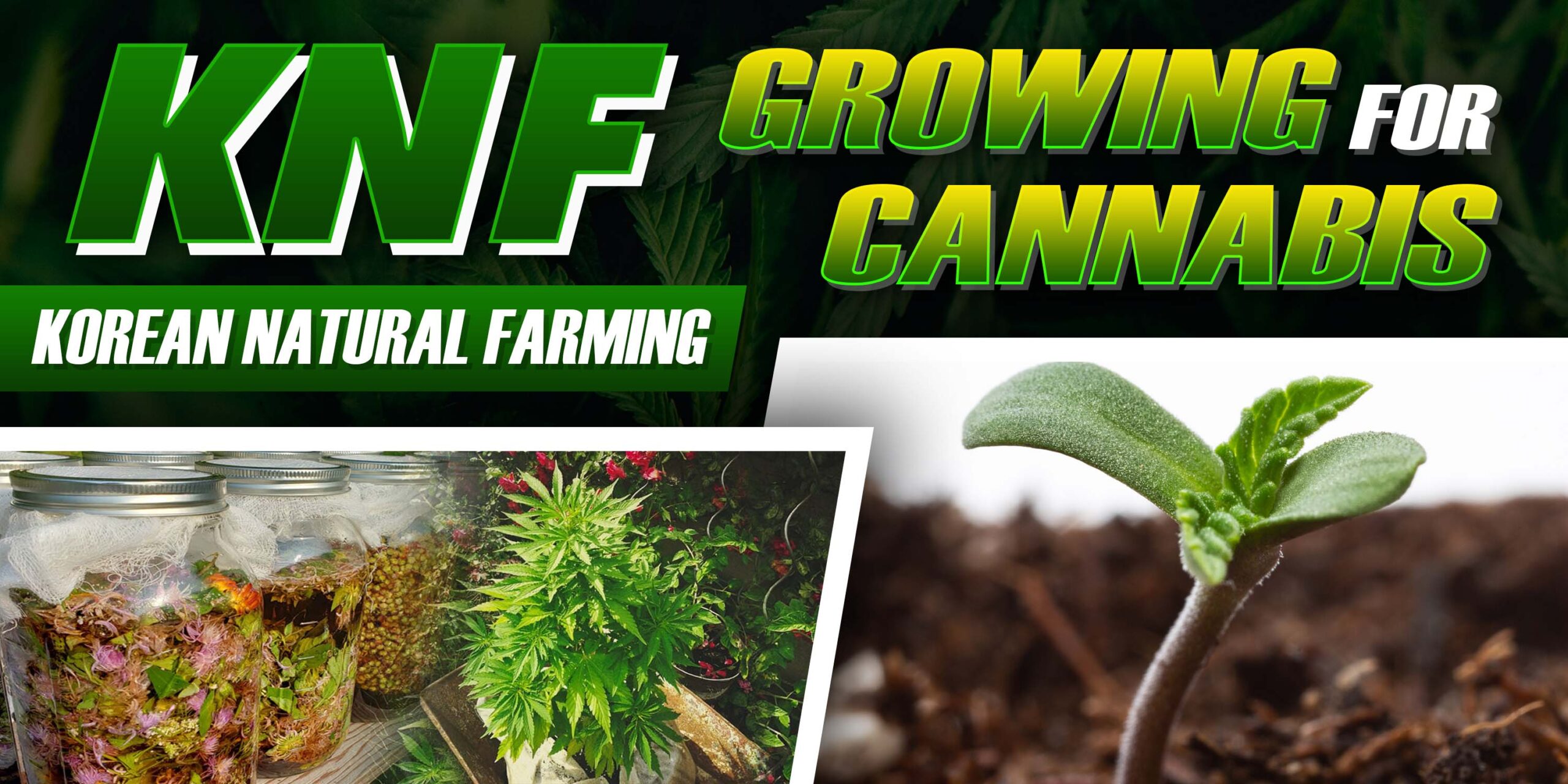
KNF Growing For Cannabis or Korean Natural Farming is a unique approach to sustainable farming, with its roots in the idea of swapping out harsh chemicals for traditional Japanese and Korean farming methods. It all began in the 1960s, and KNF has been gaining attention for its focus on using indigenous microorganisms (IMO) to boost the health of both soil and plants. Over time, KNF cannabis growing has started to get some traction. Developed by Cho Han-kyu, KNF farming combines Japanese and Korean farming wisdom with fermentation techniques, offering a more environmentally friendly option for today’s farmers.
What Is KNF and Its Principles?

KNF focuses on the “nutritive cycle theory,” which means using specific inputs at particular growth stages. This overall method includes nourishing seeds with nutrients, supporting indigenous microorganisms, unlocking genetic potential through occasional inputs, and steering clear of synthetic fertilizers and tilling. The approach flourishes by promoting the growth of beneficial bacteria and fungi, creating a healthy and organic environment. KNF recipes, made up of nine core solutions, provide a versatile toolkit for growers. This toolkit covers everything from indigenous microorganisms to fermented plant juice and water-soluble calcium phosphate.
The Global Impact of KNF

In 1995, Cho Han-kyu’s journey between Korea and Japan, blending traditional farming with new techniques, gave rise to the Natural Farming Life School. The global impact of KNF became clear as Cho and his son hosted seminars worldwide, teaching over 18,000 individuals at the Janong Natural Farming Institute by 2014. KNF’s influence extends globally, from doubling crop productivity in Hawaii to overcoming challenging conditions in Mongolia’s Gobi Desert and addressing odor concerns in China during the Beijing Olympics. KNF isn’t just a farming technique; it’s a transformative approach that delivers real, positive results.
Importance of Indigenous Microorganisms (IMO) in KNF
A cornerstone of KNF lies in manipulating ecosystems using indigenous microorganisms (IMO). These aerobic microorganisms play diverse roles, including:
- Yeast: Ventilates soil, eliminating foul odors and supporting microorganisms in their functions.
- Purple bacteria: Thrives in oxygen-depleted water, performing photosynthesis and absorbing carbon through alternative means.
- Lactic acid bacteria (LAB): Improves soil ventilation, promoting rapid growth and enhancing trichome and terpene production in cannabis.
- Mycorrhizal fungi: Dramatically increases root system size, transforms soil nutrients, and enhances cannabis yield quality and quantity.
- Purple bacteria: Thrives in oxygen-depleted water, performing photosynthesis and absorbing carbon through alternative means.
Pros and Cons of KNF
While KNF brings a groundbreaking approach to farming, it requires careful attention and effort. Getting the hang of it means grasping and creating the inputs, underlining the importance of dedication. Nevertheless, the advantages surpass the difficulties, offering lower expenses, less demanding practices, robust and healthier crops, and eco-friendly results. KNF’s thorough care and personal touch make it an excellent choice for those dedicated to sustainable, high-quality cultivation.
KNF Recipes – A Comprehensive Toolkit
KNF maintenance formulas consist of nine core solutions that, when used in various dilutions, aid plant and microorganism health. These include:
- Microbes — Indigenous Microorganisms (IMO)
- Police — Lactic Acid Bacteria (LAB)
- Minerals — Diluted Seawater (SEA)
- Food — Fermented Plant Juice (FPJ)
- Cleanser — Brown Rice Vinegar (BRV)
- Medicine — Oriental Herbal Nutrient (OHN)
- Fuel — Fish Amino Acid (FAA)
- Structure — Water-Soluble Calcium Phosphate (WCP)
- Reproduction — Water-Soluble Calcium (WCA)
Integrating KNF Throughout the Cannabis Life Cycle
KNF’s adaptability shines through as it seamlessly fits into every stage of the cannabis life cycle. From using Indigenous Microorganisms (IMO) during seed soaking and clone dipping to applying Fish Amino Acid (FAA) for robust vegetative growth, KNF adjusts to the plant’s changing needs. Oriental Herb Nutrients (OHN) stand by as a constant supporter, enhancing resilience and growth. When it comes to the flowering stage, the significance of calcium and phosphorus takes center stage, with choices like Fermented Fruit Juice (FFJ) or Water-Soluble Calcium Phosphate (WCP) ensuring optimal bud development.
Application Techniques – Soil Enrichment and Foliar Feeding
KNF’s techniques go beyond just improving the soil; they also include foliar feeding, giving growers more flexibility. Soil enrichment involves gently spreading microbes and IMO, with LAB added in a diluted ratio to make phosphate soluble. The addition of Fermented Mixed Compost (FMC) becomes a valuable soil enhancer, boosting it with nutrients. Additionally, foliar feeding directly provides essential elements to plants, encouraging quick absorption and acting as a non-toxic pest repellent. When combined with the principles of no-till farming, these techniques create a complete approach that optimizes both soil health and nutrient cycling.
Conclusion
KNF stands out as a vital player, promoting sustainable and less wasteful cultivation methods. Beyond being just a farming technique, KNF broadens our outlook on nature and agriculture. Its role in cannabis cultivation becomes crucial, guiding us on a transformative journey toward living in harmony with our surroundings. The essence of KNF goes beyond its principles; it becomes a guiding philosophy for those who seek a thoughtful and environmentally responsible approach to marijuana cultivation.
FAQs
Q: How does KNF differ from traditional farming methods?
A: KNF differs by emphasizing natural inputs like indigenous microorganisms, avoiding synthetic chemicals, and promoting a holistic approach.
Q: Can KNF be used in small-scale gardens?
A: Yes, KNF is adaptable to various scales, making it suitable for small gardens with its DIY and cost-effective methods.
Q: Why is foliar feeding important in KNF?
A: Foliar feeding directly provides essential nutrients to plants, supporting rapid absorption and acting as a non-toxic pest repellent.
Q: How does KNF contribute to environmental sustainability?
A: KNF promotes eco-friendly practices by avoiding synthetic fertilizers, emphasizing local ingredients, and encouraging mindful cultivation.
Q: Is KNF only for cannabis cultivation?
A: No, while KNF gained popularity in cannabis, it is versatile and applicable to various crops, offering benefits like lower costs and healthier yields.