

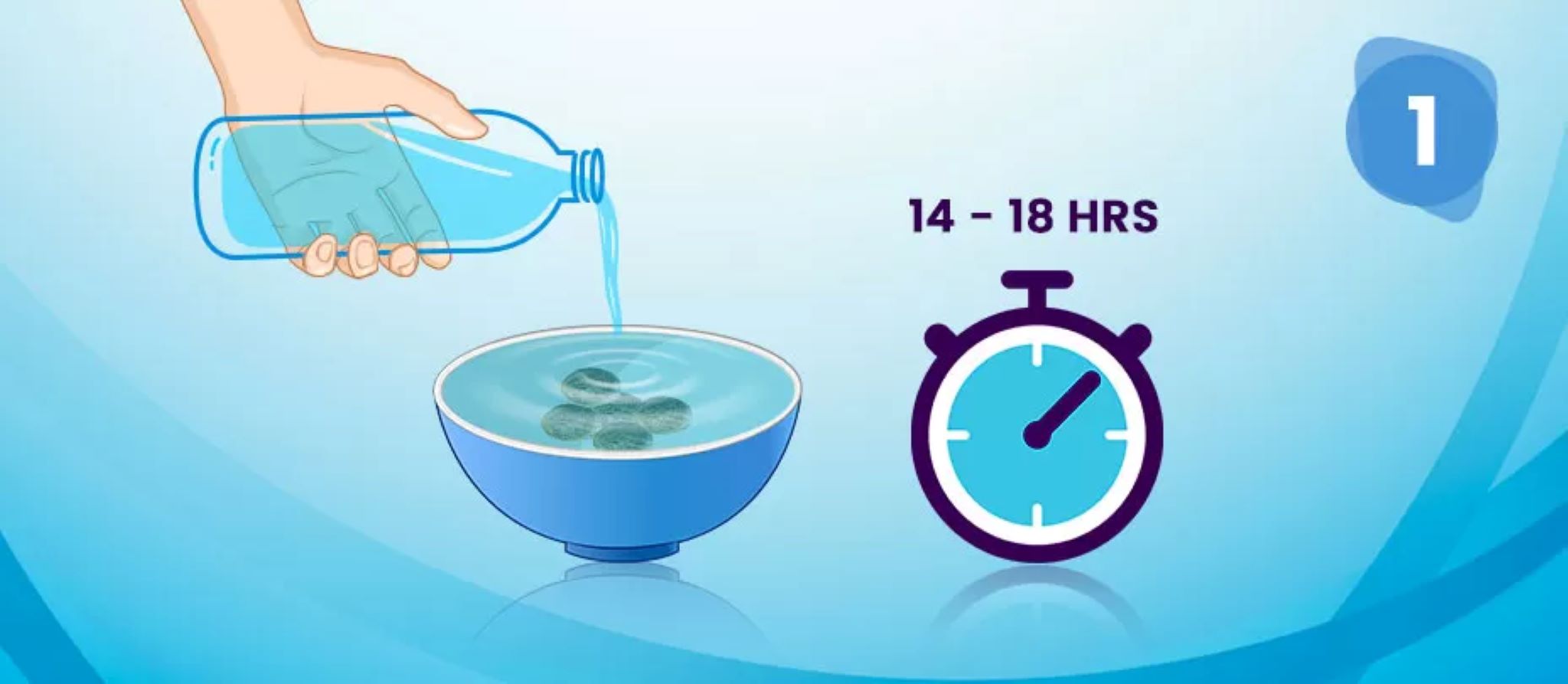
Step 1 – Place your seeds in bottled spring water at a comfortable temperature.
- Activate a timer and place the seeds in water for 14 to 18 hours, but not more, to keep the seeds from harm.
- You can proceed further with the next step no matter how the seeds are after soaking. This is crucial to remember.
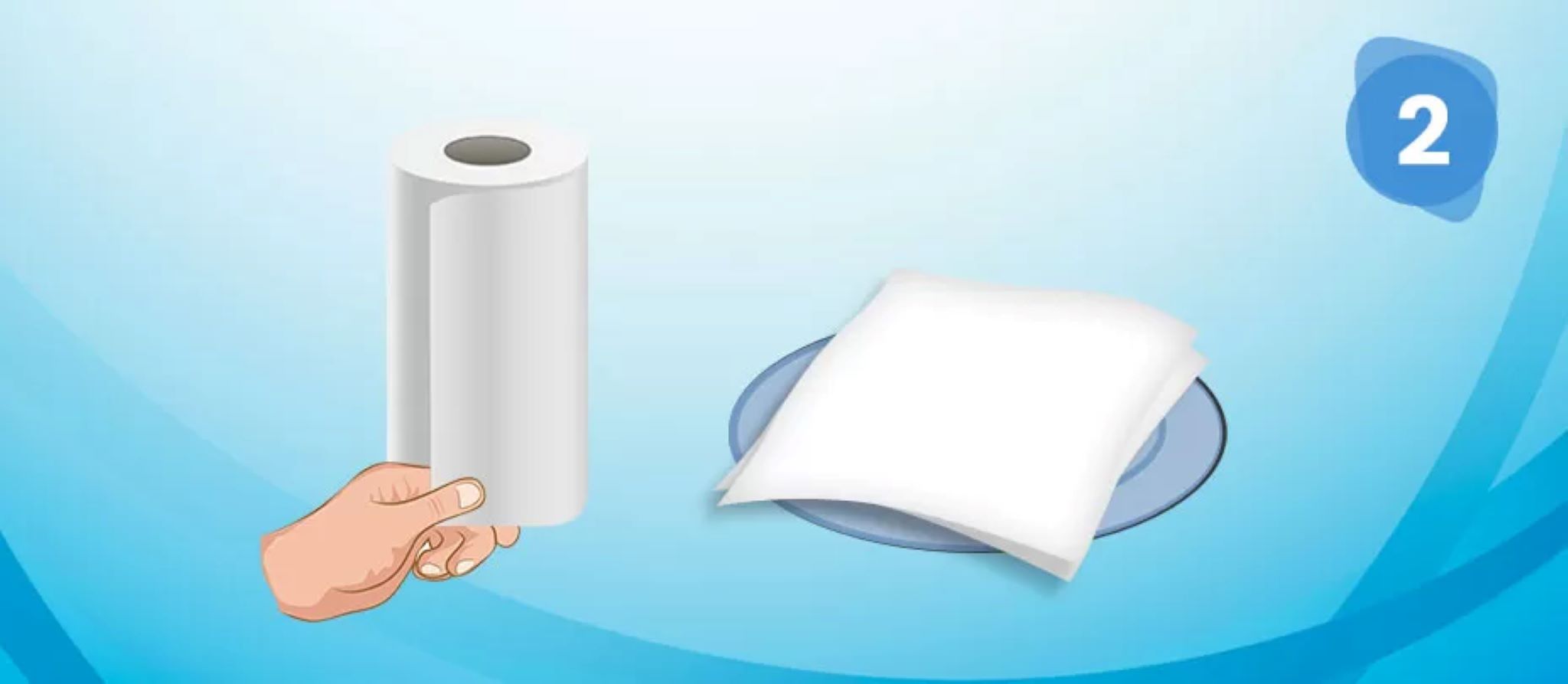
Step 2 – Set two paper towels that are thick on a ceramic dinner plate.

Step 3 – Fold over the paper towels on top of the seeds like a burrito after spilling the water and seeds on them.
- Avoid covering the plate with anything and discard any leftover water.
- Heat, water, and air are the basic needs of the seeds for growing well.

Step 4 – Place the plate in a room that is warm, dark and airy with a temperature between 75 and 80 Fahrenheit. Ensure sufficient moisture for the seeds by moistening the paper towel regularly. The seeds should not be immersed in water.
- They should avoid small, closed spaces like cupboards or drawers that can obstruct their sprouting. The seeds need oxygen for successful germination.

Step 5 – Transfer them to plain potting soil when the seeds have a 1/2 to 3/4 inch long taproot and have split open.
*Each strain may take between 2 and 7 days to split open.
For optimal storage for up to two years, the seeds should be in a glass jar with a tight lid and at 41 to 45 Fahrenheit. Keep them in a dark and cool place, such as a garage or basement.
WHAT’S NEXT?
When your seedling’s dominant root expands to 1/2 inch (2 cm), you can change to a new medium like soil. Steer clear of any nutrients or fertilizers for the first three weeks since the seedlings are very soft and defenseless then.
Make a small hole in the soil with your finger and set the seedling in it with the taproot directed down. Topple it with soil and furnish it with a light source, either natural or artificial. Hydrate the soil lightly and let the seedling flourish by itself.