500 NEW MARIJUANA SEEDS RELEASED

Understanding PMDD and Weed


Welcome to a detailed look at how weed, also known as marijuana, might help ease symptoms of PMDD (Premenstrual Dysphoric Disorder). In this article, we’ll explore what PMDD is, how it affects people, how weed could be a natural solution, and how PPMD and weed are related.

Understanding PMDD

PMDD and Weed

Premenstrual Dysphoric Disorder, or PMDD for short, is a serious type of premenstrual syndrome (PMS). It affects a small number of people who menstruate, causing intense changes in mood, physical symptoms, and disruptions to daily life. PMDD symptoms usually show up in the time between ovulation and the start of menstruation, and they usually go away once menstruation begins.

Identifying PMDD Symptoms

PMDD and Weed

PMDD symptoms can differ in how severe they are, but they often include:

  • Strong mood swings
  • Extreme irritability or anger
  • Feelings of sadness or hopelessness
  • Tiredness or low energy
  • Trouble focusing
  • Changes in appetite or strong cravings for food
  • Physical symptoms like bloating, tender breasts, and pain in joints or muscles

Impact on Daily Life

PMDD doesn’t just cause physical discomfort—it affects many parts of life, like work, relationships, and mental health. People with PMDD might find it hard to stay productive, have trouble with relationships, and struggle to handle everyday tasks.

Exploring Weed as a Remedy

PMDD and Weed

In the search for better ways to manage PMDD, some people are trying marijuana. Although scientists are still studying this, stories from individuals suggest that marijuana might help with PMDD symptoms for some people. Marijuana has cannabinoids like THC and CBD, which work with the body’s endocannabinoid system. This system helps control many things in the body, like mood, pain, and swelling.

PMDD and Weed Potential Benefits

While scientific proof is scarce, some people claim to notice these advantages when using weed to handle PMDD symptoms:
Mood Stability: Some types of weed might help keep mood swings in check and ease feelings of anxiety or sadness linked to PMDD.
Pain Reduction: Weed’s ability to ease pain could offer relief from physical symptoms like cramps and muscle soreness.
Enhanced Sleep: Certain weed varieties that induce relaxation might assist in achieving better sleep, which PMDD symptoms often disrupt.

Conclusion

PMDD presents significant challenges for those affected by it. While weed holds potential as a solution for certain PMDD symptoms, it’s crucial to approach its usage cautiously. Seeking guidance from healthcare providers and being mindful of legal and personal considerations is essential. With informed decision-making and empathy, individuals with PMDD can explore treatment options and work towards improving their quality of life.

Frequently Asked Questions (FAQs)

Q: How does weed alleviate PMDD symptoms?
A: Weed may alleviate PMDD symptoms through its interactions with the endocannabinoid system, which regulates mood, pain perception, and inflammation.

Q: Is weed legal for treating PMDD?
A: The legal status of weed varies by region. It’s essential to research and adhere to local laws and regulations regarding its use.

Q: What are the potential risks of using weed for PMDD?
A: Risks associated with weed use include legal implications, variability in individual responses, and potential adverse effects on mental health.

Q: Can weed worsen PMDD symptoms?
A: While some individuals report benefits from using weed for PMDD, others may experience adverse effects or exacerbation of symptoms. It’s essential to monitor your response carefully and seek professional guidance if needed.

Q: Are there alternative treatments for PMDD?
A: Yes, alternative treatments for PMDD include lifestyle modifications, therapy, hormonal interventions, and other medications. It’s essential to explore various options and find what works best for you.

Q: How can I find reliable information about weed and PMDD?
A: Seek information from credible sources, such as healthcare professionals, reputable websites, and scientific publications. Be cautious of misinformation and anecdotal claims.

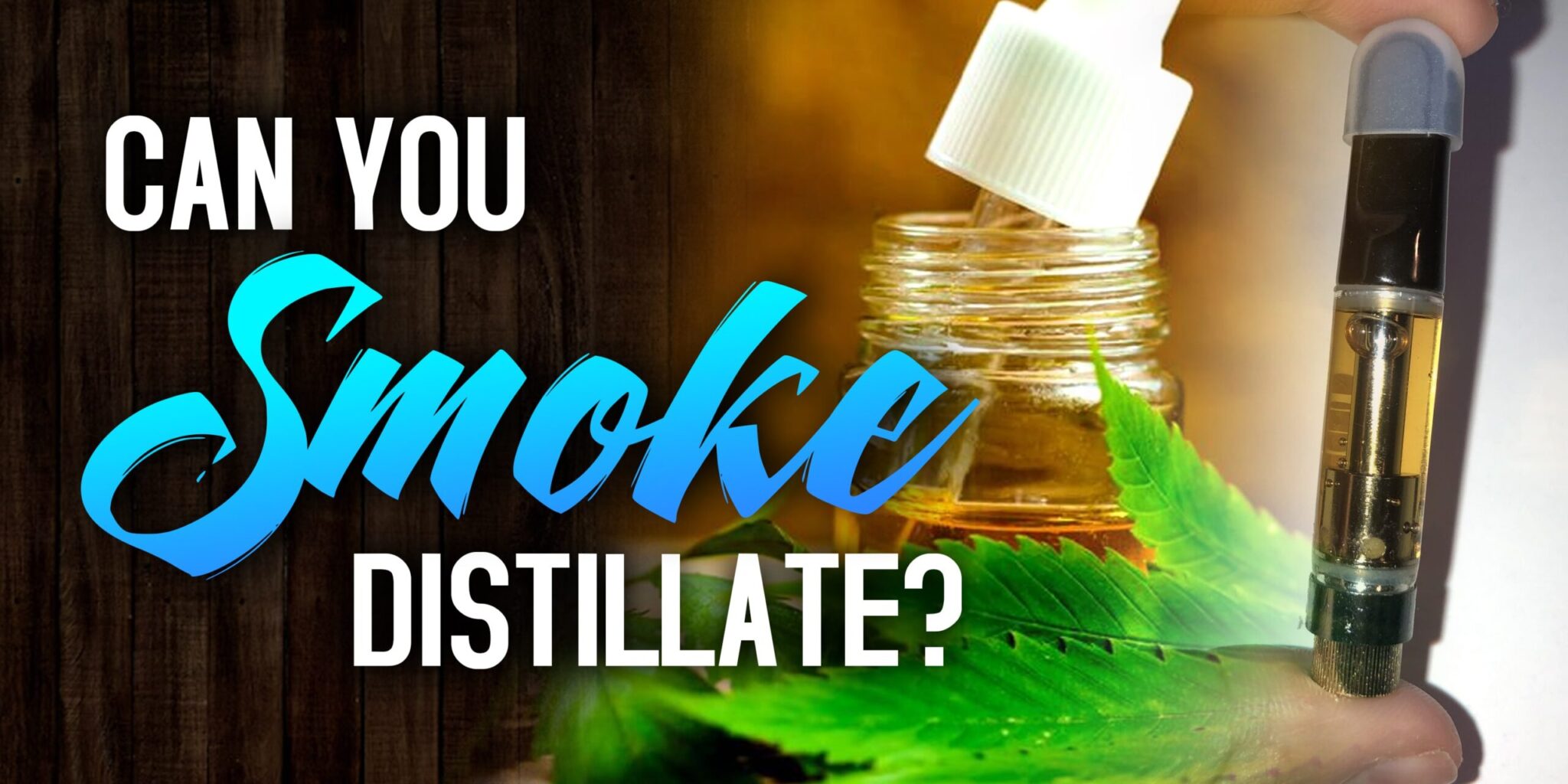
Can You Smoke Distillate?


Different cannabis products give different feelings. One popular product is distillate because it’s strong and can be used in many ways. People often wonder if you can smoke distillate. Let’s talk about this learn more about distillate and answer the question can you smoke distillate, so everyone can understand it better.

What is Distillate?

Distillate, sometimes called “the pure,” is one of the strongest cannabis extracts you can find. Making it is a careful process that takes out anything that’s not needed, leaving a very strong and pure product. People like distillate because it can be used in many different ways. It’s used to make things like edibles, creams, and liquid drops, giving a consistent and strong effect every time.

Can You Smoke Distillate?

Can You Smoke Distillate

Certainly, distillate can be smoked, providing a special experience for those who love cannabis. Because distillate is very strong, it can be used in different ways, like vaping, dabbing, and yes, smoking. When you smoke distillate, you get a strong and quick high because it has a lot of THC in it. But if you’re new to it, be careful because it might be too strong for you.

Exploring Smoking Distillate

Can You Smoke Distillate

1. How to Smoke Distillate

Smoking distillate can be done in different ways, each giving its own special feeling and strength. One way is using a dab rig or vaporizer made for concentrates. This way, the distillate is vaporized efficiently, keeping its strength and flavor. It makes inhaling smooth and intense. Another way is mixing distillate with cannabis flower or rolling papers to make a joint or blunt. This gives a more usual smoking feeling, mixing the strong distillate with the flavors of cannabis flower. Whether you vaporize it or burn it, smoking distillate lets you choose what you like best.

2. Benefits of Smoking Distillate

Smoking distillate has many benefits besides being strong. One big advantage is that it’s discreet, so you can use it without people noticing. This makes it great for using when you’re out and about or when you need to keep things quiet. Also, smoking distillate gives you quick effects, which is good if you need fast relief from things like pain, stress, or trouble sleeping. Plus, because distillate is so strong, you get a powerful and reliable feeling every time you inhale, so you don’t have to use it often.

3. Considerations Before Smoking Distillate

Before you start smoking distillate, it’s important to think about a few things to make sure you have a safe and good time. First, it’s important to know how much you’re taking and how strong it is, especially if you’re new to it. Starting with a small amount and slowly using more helps you understand how much you can handle and reduces the chance of bad effects. Also, getting distillate from trusted makers is really important to make sure it’s pure and strong. When you focus on quality, you get the most out of smoking distillate while avoiding any possible problems from things that shouldn’t be there. Lastly, being responsible when you use it, like drinking water and not using too much, helps make sure you have a good time and take care of yourself.

Conclusion

To sum up, the answer to whether you can smoke distillate is a definite yes. This strong extract gives cannabis fans a flexible and powerful way to enjoy it, whether by vaping, dabbing, or smoking. If you know how to use it right and are careful, you can get the most out of distillate and have a good time safely.

FAQs

Q: How potent is distillate?
A: Distillate boasts high potency, often surpassing other cannabis products in THC concentration.

Q: Can you vape distillate?
A: Absolutely! Vaping is one of the most popular methods of consuming distillate, offering a clean and discreet experience.

Q: Is smoking distillate safe?
A: When consumed responsibly, smoking distillate is considered safe. However, excessive consumption may lead to adverse effects.

Q: Can you mix distillate with flower?
A: Yes, blending distillate with flower enhances the smoking experience, providing a balanced high and robust flavor profile.

Q: What’s the difference between distillate and other extracts?
A: Unlike other extracts, distillate undergoes extensive purification, resulting in a product with unparalleled purity and potency.

Q: How do you store distillate?
A: To preserve its potency and flavor, store distillate in a cool, dark place away from direct sunlight and heat sources.

What is Cannabis Assisted Therapy


In recent times, people have started to see cannabis in a new light. Instead of just using it for fun, more folks are realizing it can actually help with health problems. One way it’s being used is in cannabis assisted therapy. This type of therapy is becoming popular among those looking for relief from different kinds of issues, like physical pains or feeling down. This article will talk about cannabis-assisted therapy, looking at why it’s helpful, how it’s used, and the big changes it’s making in many people’s lives.

Understanding Cannabis-Assisted Therapy

cannabis assisted therapy

Cannabis assisted therapy harnesses the therapeutic properties of cannabis to alleviate symptoms associated with a range of medical conditions. From chronic pain and anxiety to PTSD and insomnia, cannabis has shown promise in providing relief where traditional treatments fall short. By leveraging the synergistic interaction between cannabinoids and the body’s endocannabinoid system, this form of therapy offers a holistic approach to wellness.

The Benefits of Cannabis-Assisted Therapy

cannabis assisted therapy

Holistic Healing

Cannabis-assisted therapy doesn’t just focus on fixing one problem at a time, like many regular medicines do. Instead, it looks at the whole body and tries to fix any imbalances that might be there. This means that cannabis doesn’t just help with one symptom—it helps with lots of things all at once. This way of thinking fits in with integrative medicine, which says that everything in our body is connected, including our mind and spirit.

Managing Chronic Conditions

People dealing with long-term problems like arthritis, multiple sclerosis, or fibromyalgia can find hope in cannabis-assisted therapy. Cannabis has properties that reduce inflammation and relieve pain, which can make it easier to move around and feel better. This can really improve the lives of people who have these tough conditions.

Applications and Modalities

Tailored Treatment Plans

Cannabis-assisted therapy stands out because it can be customized to fit each person’s needs. Unlike regular medicines that are made for everyone, cannabis therapy can be adjusted to match what each patient needs and how much they can handle. Whether someone prefers to take it as drops under the tongue, breathe it in as vapor, or put it on their skin as cream, there are different options available to suit their likes and what works best for them.

Addressing Mental Health

Besides helping with physical problems, cannabis-assisted therapy has a lot of potential for mental health issues too. Things like anxiety,
depression, and PTSD can really affect how someone feels every day. But the treatments usually used for these problems often have bad side effects. Cannabis can help without causing as many problems because it can calm nerves and stabilize moods. This makes it a kinder option for people who are struggling with mental illness and looking for some relief.

Conclusion

Cannabis-assisted therapy brings hope to people dealing with all sorts of medical issues. Whether it’s chronic pain, anxiety, PTSD, or more, cannabis provides a natural way to heal that fits with how our bodies naturally work to find balance and get better. As we learn more about this old plant, we’re moving towards a future where cannabis-assisted therapy isn’t just okay—it’s seen as a really important part of how we treat illnesses nowadays.

FAQs

Q: Is cannabis-assisted therapy legal?
A: Yes, cannabis-assisted therapy is legal in many regions where medical cannabis has been legalized. However, laws vary, so it’s essential to consult local regulations.

Q: What conditions can cannabis-assisted therapy treat?
A: Cannabis-assisted therapy has shown efficacy in treating a wide range of conditions, including chronic pain, anxiety, PTSD, insomnia, and neurological disorders.

Q: Are there any side effects associated with cannabis-assisted therapy?
A: While generally well-tolerated, cannabis-assisted therapy may cause side effects such as dry mouth, dizziness, and increased appetite. It’s essential to consult a healthcare professional before initiating treatment.

Q: How does cannabis-assisted therapy differ from recreational cannabis use?
A: Cannabis-assisted therapy involves the controlled use of cannabis under medical supervision to address specific medical conditions. Recreational use, on the other hand, is purely for leisure or enjoyment.

Q: Can cannabis-assisted therapy replace traditional medications?
A: While cannabis-assisted therapy shows promise as an alternative or adjunct to traditional medications, it’s essential to consult with a healthcare provider to determine the most appropriate treatment approach.

Q: Is cannabis-assisted therapy suitable for everyone?
A: Cannabis assisted therapy may not be suitable for everyone, particularly individuals with certain underlying health conditions or those at risk of substance abuse. It’s crucial to undergo a thorough evaluation before embarking on this form of treatment.

5 Surprising Ways Hypothyroidism and Marijuana Interaction Affect Your Health


Living with hypothyroidism has many challenges. Symptoms need managing, and understanding their impact on health is important. In recent years, people have been looking into hypothyroidism and marijuana for potential treatments. This article talks about the connection between hypothyroidism and marijuana and answers the question “Does THC affect thyroid?”

What is Hypothyroidism?

Hypothyroidism, also known as an underactive thyroid, happens when the thyroid gland doesn’t make enough hormones to control important body functions. This can cause many symptoms like tiredness, gaining weight, feeling sad, and having trouble thinking clearly. Treating hypothyroidism usually means taking hormone replacement medicine and making changes to your lifestyle.

The Role of Marijuana

Marijuana is derived from the Cannabis sativa plant. It contains compounds known as cannabinoids, which interact with the body’s endocannabinoid system. Two prominent cannabinoids found in marijuana are THC (tetrahydrocannabinol) and CBD (cannabidiol). They influence pain perception, mood regulation, and inflammation in the body.

Exploring the Interaction

Although there isn’t much research on how marijuana affects hypothyroidism, some stories from people suggest there might be a connection. Some folks with hypothyroidism say they use marijuana to feel better, especially for things like pain, worry, and trouble sleeping. But we need more research to really understand how marijuana and hypothyroidism might work together.

Impact on Thyroid Function

Influence on Hormone Levels

hypothyroidism and marijuana

Using marijuana might change the levels of thyroid hormones, but studies don’t all agree on this. Some research shows that THC could lower thyroid function, which might make hypothyroidism symptoms worse. On the other hand, CBD might help reduce inflammation in the thyroid. This could be helpful for autoimmune thyroid problems like Hashimoto’s thyroiditis.

Modulation of Symptoms

hypothyroidism and marijuana

People with hypothyroidism often have ongoing pain, tiredness, and mood changes. Marijuana can help with pain and mood swings, which might make them feel better overall. But it’s important to be careful because using too much marijuana could make someone depend on it too much and make mental health problems worse.

Health Considerations

Impact on Medication Efficacy

hypothyroidism and marijuana

Managing hypothyroidism usually means taking synthetic thyroid hormones to replace what the body isn’t making enough of. Using marijuana might change how well these medicines work, which could affect hormone levels. It might mean needing to adjust the dose of the medicine. People should talk to their doctor before using marijuana along with thyroid medication.

Cardiovascular Effects

hypothyroidism and marijuana

Both hypothyroidism and using marijuana can affect heart health. Hypothyroidism is linked to high cholesterol levels and a higher chance of heart disease. Similarly, using marijuana can briefly speed up the heart and raise blood pressure, which could be risky for people who already have heart problems.

Lifestyle Implications

Lifestyle Factors

hypothyroidism and marijuana

Besides how it affects the body, the connection between hypothyroidism and marijuana involves lifestyle choices too. It’s important to exercise regularly, eat well, and handle stress to keep the thyroid working well and stay healthy overall. If someone wants to use marijuana as part of their lifestyle, they should think carefully about how it might help or hurt them.

Conclusion

The connection between hypothyroidism and using marijuana is complex. It involves how the body works, how drugs affect it, and lifestyle choices. While marijuana might help with symptoms for some people with hypothyroidism, it’s important to think about how it might change thyroid function and interact with medicines. Talking openly with doctors and focusing on overall health can help people handle hypothyroidism well.

Frequently Asked Questions (FAQs)

Q: Can marijuana cure hypothyroidism?
A: While marijuana may alleviate certain symptoms of hypothyroidism, it is not a cure. Treatment typically involves hormone replacement therapy prescribed by a healthcare professional.

Q: Is it safe to use marijuana if I have hypothyroidism?
A: The safety of marijuana use in individuals with hypothyroidism depends on various factors, including overall health, medication regimen, and personal tolerance. Consultation with a healthcare provider is advisable.

Q: How does marijuana affect thyroid medication?
A: Marijuana use may influence the efficacy of thyroid medications, potentially necessitating adjustments in dosage. It is essential to communicate openly with healthcare providers about marijuana use when managing hypothyroidism.

Q: Can marijuana worsen hypothyroidism symptoms?
A: Excessive or prolonged marijuana use may exacerbate certain hypothyroidism symptoms, particularly cognitive impairment, anxiety, and sleep disturbances. Moderation and mindfulness are crucial.

Q: What are the risks of combining marijuana with thyroid medication?
A: Combining marijuana with thyroid medication may lead to unpredictable interactions and affect hormone levels. Patients should seek guidance from healthcare providers to ensure safe and effective management of hypothyroidism.

Q: Are there alternative treatments for hypothyroidism besides medication and marijuana?
A: Yes, various alternative treatments, including dietary supplements, acupuncture, and lifestyle modifications, are being explored for managing hypothyroidism. However, their efficacy and safety warrant further research.

Exploring the Science Behind Weed-Induced Twitching


Embarking on a journey of discovery, let’s unravel the intriguing question that some cannabis enthusiasts ponder: “Why do I twitch when I’m high?” Cannabis, a longstanding favorite among recreational substances, introduces a fascinating twist with its occasional side effect—weed-induced twitching. Fasten your seatbelts as we delve into the science, myths, and coping strategies associated with this phenomenon.

THC and Nervous System Interaction

At the core of the matter lies THC, the psychoactive compound in cannabis. THC possesses a unique ability to engage with our nervous system, particularly the endocannabinoid system. This interaction can lead to diverse effects, including altered perception and, intriguingly, muscle twitching. Let’s explore this connection further.

THC’s interaction with the endocannabinoid system is akin to a molecular dance, influencing the way neurons communicate. The endocannabinoid system plays a pivotal role in regulating various physiological processes, such as pain perception, mood, and motor control. When THC engages with this system, it can prompt changes in muscle tone and trigger involuntary movements, manifesting as muscle twitching.

Muscle Relaxation vs. Twitching

weed twitch

One perspective suggests that cannabis, especially high-THC strains, induces muscle relaxation. However, when this relaxation surpasses a certain threshold, it may manifest as twitching in some individuals. While sought after by users for unwinding and tension relief, excessive relaxation can result in discomfort due to muscle twitches or spasms.

To delve deeper, it’s essential to understand the delicate balance between muscle relaxation and twitching. Cannabis, as a muscle relaxant, eases tension and promotes a sense of calm. However, when the relaxation becomes disproportionately intense, it can evolve into twitching. This phenomenon highlights the nuanced nature of cannabis’s impact on muscle behavior and how individual responses may vary.

Anxiety and Twitching

weed twitch

Another factor at play is anxiety. For some, cannabis consumption can trigger anxious feelings, potentially leading to muscle twitching. The intricate relationship between anxiety and weed-induced twitching warrants a closer look.

Anxiety-induced twitching is not uncommon among cannabis users, and it’s crucial to recognize the psychological component of this phenomenon. Cannabis’s interaction with the nervous system can heighten sensitivity, and in the presence of anxiety, this heightened sensitivity may translate into muscle twitching. Understanding this interplay provides valuable insights for users aiming to manage anxiety-related twitching during their high.

The “Cannabis High” Spectrum

Not all cannabis highs are created equal. We categorize the cannabis high into different spectrums, examining which ones are more likely to lead to twitching.

  • Euphoric High: Sativa-dominant strains, known for uplifting and energetic effects, are less likely to induce twitching and are associated with increased creativity and sociability.
  • Relaxing High: Indica strains, with their relaxing and sedative effects, can cause muscle relaxation but are less likely to result in pronounced twitching.


Understanding the nuances of the “Cannabis High” Spectrum provides users with valuable information when choosing strains based on their desired effects. Recognizing that Sativa-dominant strains are more likely to induce euphoria and energy, while Indica strains lean towards relaxation, enables users to make informed decisions aligning with their preferences and minimizing the risk of unwanted twitching.

Individual Variability

Acknowledging that not everyone experiences twitching when high is crucial. Individual factors play a significant role in determining susceptibility.

  • Sensitivity to THC: Some individuals are more sensitive to THC, increasing the likelihood of experiencing muscle twitches.
  • Tolerance: Regular cannabis users may develop tolerance to THC’s muscle-relaxing effects, reducing the likelihood of twitching over time.
  • Pre-existing Conditions: Certain medical conditions, such as restless leg syndrome, may make individuals more susceptible to muscle twitches, even when using cannabis.


Understanding individual variability contributes to a personalized approach to cannabis use. Those sensitive to THC’s effects may opt for strains with lower THC content, while regular users might navigate their tolerance levels. Recognizing pre-existing conditions allows users to anticipate and manage potential twitching more effectively.

Coping Strategies

For those bothered by weed-induced twitching, fear not—practical tips and strategies are available to manage and reduce this sensation.

  • Moderation: Start with lower cannabis doses to minimize the risk of excessive relaxation and twitching.
  • Hydration: Staying well-hydrated can alleviate muscle twitches.
  • CBD: Consider strains or products with higher CBD content, as CBD can counteract some of THC’s muscle-relaxing effects.
  • Relaxation Techniques: Incorporate deep breathing or mindfulness to reduce anxiety-induced twitching.


These coping strategies form a holistic approach to enhancing the cannabis experience. Moderation ensures a balanced high, hydration supports overall well-being, CBD introduces a counterbalance to THC’s effects, and relaxation techniques mitigate anxiety-related twitching. Users can tailor these strategies to their preferences, creating a personalized toolkit for a more enjoyable and comfortable cannabis journey.

Debunking Common Misconceptions

Let’s dispel myths surrounding weed twitching and provide accurate information.

Myth: Twitching is Dangerous
Fact: While uncomfortable, muscle twitches are generally harmless and not cause for concern.

Myth: All Cannabis Causes Twitching
Fact: Strains and types of cannabis vary in their twitch-inducing effects.

Debunking these misconceptions contributes to a more informed and responsible cannabis culture. Understanding that twitching is a nuanced aspect of the cannabis experience and not inherently dangerous fosters a healthier perspective among users.

Conclusion

In conclusion, the question of “Why do I twitch when I’m high?” involves multiple factors. THC’s interaction with the nervous system, individual responses, and strain choices contribute to twitching. Understanding your body’s reaction, selecting suitable strains, and employing coping strategies can help you enjoy your high without unwanted twitching.

The journey into understanding weed-induced twitching is ongoing, and as cannabis research progresses, more insights may surface. For now, users can navigate their cannabis experiences with a well-rounded understanding, fostering a more positive and informed relationship with this beloved recreational substance.

FAQs

FAQ 1: Is twitching while high be dangerous?
Twitching when high is generally harmless. If severe or prolonged, consulting a medical professional is advisable.

FAQ 2: Are there strains less likely to cause twitching?
Yes, some strains, particularly Indica-dominant ones, are less likely to induce twitching compared to high-THC Sativa strains.

FAQ 3: Can anxiety worsen twitching when high?
Yes, anxiety can exacerbate twitching. Managing anxiety through relaxation techniques can help reduce this effect.

FAQ 4: Is there a way to prevent twitching when consuming cannabis?
While preventing twitching entirely may not be possible, choosing the right strain, practicing moderation, and staying hydrated can help minimize it.

FAQ 5: What if I enjoy the sensation of twitching when high?
If the twitching sensation is enjoyable and not bothersome, there’s no need for concern. Embracing individual preferences fosters a more inclusive and understanding cannabis community.

Why Does Weed Make Me Sneeze?


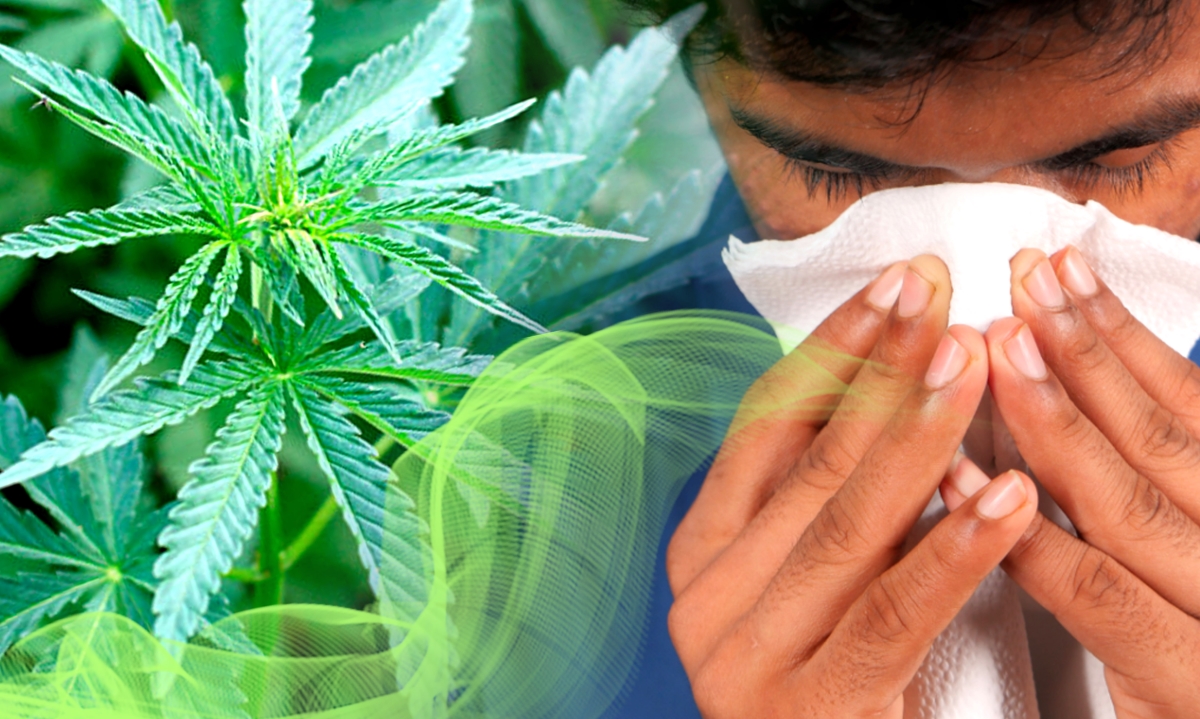
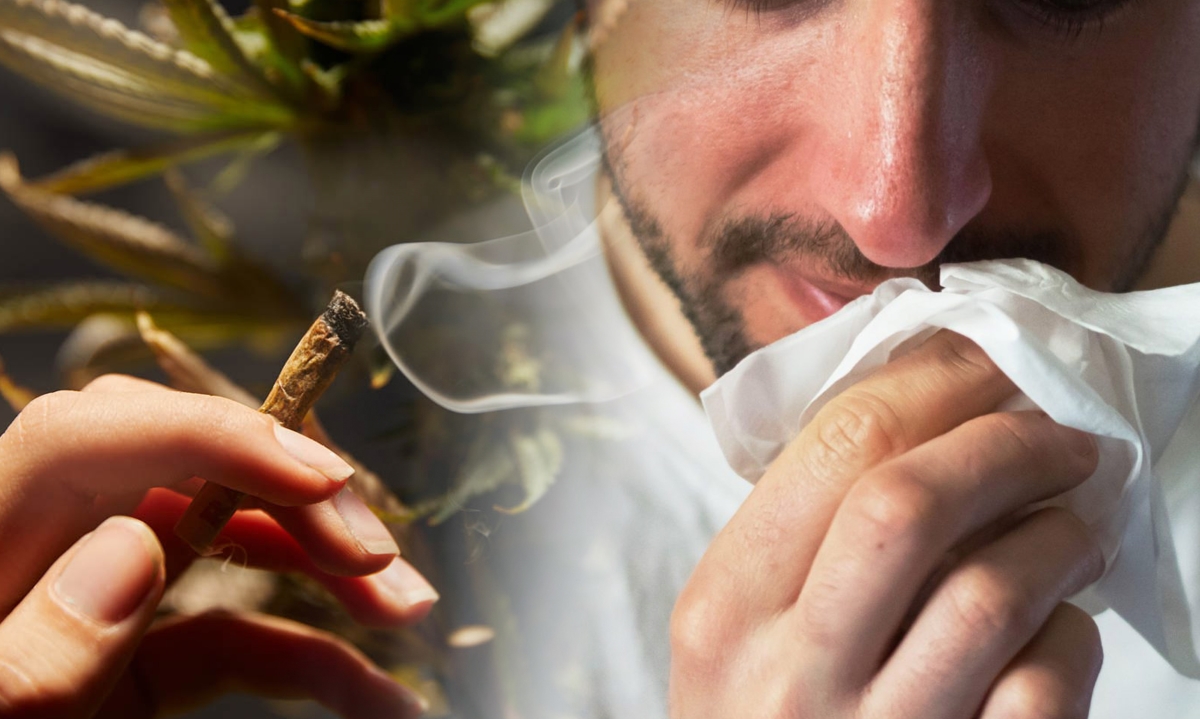
Sneezing, a common bodily reaction, can sometimes be triggered by unexpected factors. For those who indulge in cannabis, it’s not uncommon to wonder: why does weed make me sneeze? In this guide, we discover the science behind why weed make me sneeze, exploring various factors that may contribute to sneezing after smoking weed and can you be allergic to certain strains of weed?

The Science Behind Cannabis and Sneezing

Why Does Weed Make Me Sneeze

Sneezing is the body’s way of clearing irritants from the nasal passages. When it comes to cannabis, several factors can stimulate the sneeze reflex. One possible explanation is the presence of allergens in marijuana, such as pollen or plant matter, which can trigger allergic reactions in sensitive individuals.

Allergens in Marijuana

Marijuana plants produce pollen as part of their reproductive process. This pollen can contain allergenic proteins that may elicit an immune response in susceptible individuals. Additionally, other components of the cannabis plant, such as terpenes and cannabinoids, could also contribute to allergic reactions and sneezing.

Understanding Individual Sensitivities

Why Does Weed Make Me Sneeze

Not everyone experiences sneezing when using cannabis, indicating that individual sensitivities play a significant role. Factors such as genetics, immune system function, and past exposure to allergens can influence how the body reacts to marijuana.

Genetics and Allergic Reactions

Genetic predispositions can make certain individuals more prone to allergic reactions to cannabis. Variations in genes related to immune function and histamine response may increase the likelihood of experiencing sneezing or other allergic symptoms when exposed to marijuana.

Immune System Response

The body’s immune system plays a crucial role in identifying and neutralizing foreign substances. In some cases, the immune system may perceive components of cannabis as threats, leading to the release of histamines and other chemicals that trigger sneezing and other allergic symptoms.

Environmental Factors and Sneezing

In addition to individual factors, environmental elements can also influence whether cannabis induces sneezing. Factors such as pollen count, air quality, and exposure to other allergens can exacerbate allergic reactions in susceptible individuals.

Pollen Count and Allergies

During certain times of the year, pollen levels in the environment may be higher, increasing the likelihood of allergic reactions in sensitive individuals. For those prone to pollen allergies, exposure to cannabis during peak pollen seasons could lead to more frequent sneezing episodes.

Air Quality and Irritants

Poor air quality, such as exposure to smoke or pollutants, can irritate the nasal passages and exacerbate sneezing. When smoking or vaping cannabis, individuals may inhale irritants along with the active compounds, potentially triggering sneezing and discomfort.

Tips for Minimizing Sneezing While Using Cannabis

While sneezing due to cannabis consumption may be unavoidable for some individuals, there are steps that can be taken to minimize discomfort and reduce the likelihood of allergic reactions.

Choose High-Quality Products

Opt for cannabis products that have been tested for purity and potency, and avoid products that may contain contaminants or allergens.

Consider Alternative Consumption Methods

If sneezing is a persistent issue when smoking or vaping cannabis, consider alternative consumption methods such as edibles or tinctures, which bypass the respiratory system.

Pay Attention to Environmental Factors

Be mindful of environmental factors such as pollen levels and air quality, and try to consume cannabis in environments where exposure to allergens is minimized.

Consult with a Healthcare Professional

If sneezing and allergic reactions persist or become severe, consult with a healthcare professional for personalized advice and treatment options.

FAQs

Q: Can smoking weed make me sneeze even if I’m not allergic to it?
A: Yes, smoking weed can sometimes irritate the nasal passages, leading to sneezing, even in individuals who are not allergic to cannabis.

Q: Is it possible to develop a tolerance to sneezing from smoking weed?
A: While some individuals may become accustomed to the irritation caused by smoking weed and experience less frequent sneezing over time, it’s essential to be mindful of potential allergic reactions that can develop with repeated exposure.

Q: Can secondhand marijuana smoke make me sneeze?
A: Yes, inhaling secondhand marijuana smoke can irritate the nasal passages and trigger sneezing, similar to exposure to other types of smoke or pollutants.

Q: Are there any home remedies to relieve sneezing caused by smoking weed?
A: Drinking water or herbal teas, using saline nasal sprays, and practicing nasal irrigation with a neti pot can help soothe irritated nasal passages and reduce sneezing discomfort.

Q: Should I be concerned if I sneeze frequently after smoking weed?
A: While occasional sneezing after smoking weed is usually harmless, frequent or persistent sneezing could be a sign of underlying allergies or sensitivities that may warrant further evaluation by a healthcare professional.

How to Increase Terpene Production


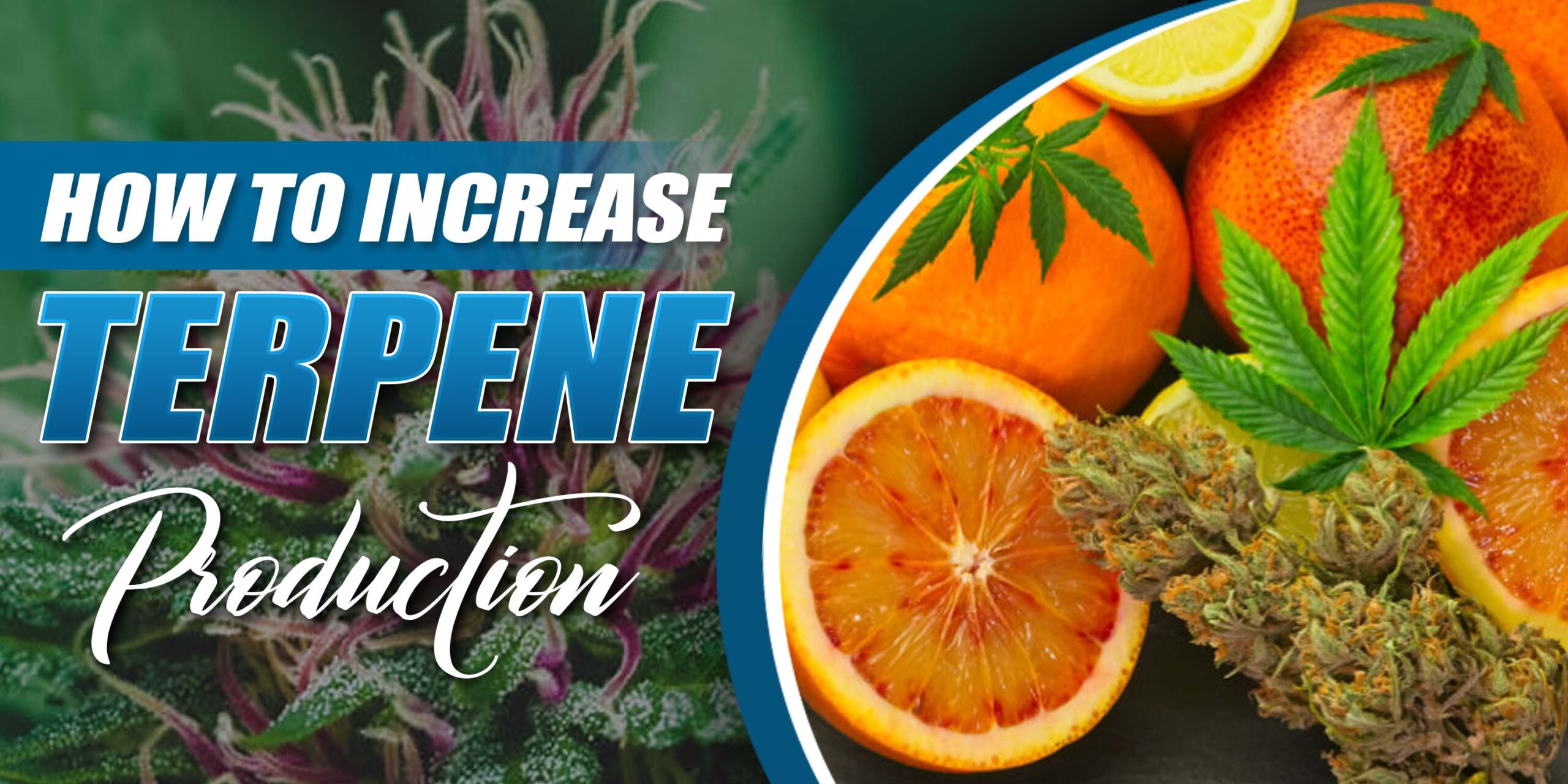
Terpenes, those fragrant compounds found abundantly in nature’s plants, do more than just make things smell nice and taste good. They have many health benefits. Their chemistry is complex but interesting, and they can be used for therapy. Learning how to increase terpene production is really important for farmers who want to improve the quality and effectiveness of their crops. Knowing about how to increase terpenes in cannabis helps farmers make great plants that not only smell and taste good but also make people healthier when they use them.

What are Terpenes?

How to Increase Terpene Production

Terpenes, often referred to as the building blocks of plant essential oils, are organic compounds synthesized in the resin glands of plants. These compounds serve multiple functions in the plant kingdom, including attracting pollinators, repelling pests, and protecting the plant from environmental stressors. In addition to their biological roles, terpenes contribute significantly to the sensory experience associated with plants, influencing their aroma, flavor, and therapeutic properties.

Understanding Terpene Production

The process of making terpenes is complicated and affected by many things like genes, the environment, and how plants are taken care of. Genes decide a lot about what kind of terpenes a plant will have, but things like temperature, humidity, light, and nutrients also change how many terpenes a plant makes. Also, the way plants are treated, like cutting them or training them to grow in a certain way, can make them produce more terpenes by making them defend themselves.

Tips for Increasing Terpene Production

How to Increase Terpene Production

A. Genetic Selection

The first thing to do to make a lot of terpenes is to pick plants with the right terpenes. People who breed plants often mix different types to make new ones that smell and taste different, so growers can find ones that work best for them. Also, scientists have figured out ways to change how plants make terpenes using genetics, so now there are plants that make a lot more terpenes than before.

B. Environmental Factors

Making sure plants have the right conditions to grow is really important for making lots of terpenes. Keeping the temperature and humidity steady while the plants are growing helps them work well and make more terpenes. Also, it’s important to have good airflow and ventilation so the air doesn’t get too wet, which can cause mold and hurt how many terpenes the plants make.

C. Nutrient Management

Making sure plants get the right nutrients is really important for them to grow well and make lots of terpenes. Giving plants all the different kinds of nutrients they need, like big ones, small ones, and really tiny ones, helps them stay healthy and make more terpenes. Also, adding natural stuff like compost, worm poop, and seaweed juice to the soil makes it better for plants and the tiny creatures that help them grow, which helps plants take in more nutrients and make more terpenes.

D. Stress Induction Techniques

Sometimes, gently stressing the plant can make it protect itself and produce more terpenes. Ways like gently bending it, taking some leaves off, or changing the temperature a bit can make the plant defend itself more, which means more terpenes. But it’s important to watch the plant closely and not stress it too much, or it might not grow well and won’t make as many terpenes in the end.

E. Harvesting and Curing Methods

Getting the timing right when harvesting and drying plants is super important to keep the terpenes and make the smell and taste as good as possible. Picking plants when they have the most terpenes saves all those special compounds, getting the most out of the plant. Then, drying and curing the flowers slowly and gently lets the terpenes develop fully, making the final product smell and taste really good.

Advanced Techniques for Maximizing Terpene Levels

A. Temperature and Humidity Control

Maintaining precise control over temperature and humidity levels in the growing environment is crucial for optimizing terpene production. Investing in climate control systems such as heaters, air conditioners, and dehumidifiers ensures that environmental conditions remain stable, minimizing stress and maximizing terpene synthesis.

B. Light Spectrum Optimization

Tailoring the light spectrum to match the plant’s natural lighting conditions can enhance terpene production. LED grow lights with customizable spectrums allow growers to adjust light wavelengths to promote terpene synthesis during different growth stages. Additionally, incorporating supplemental UVB lighting can stimulate terpene production and increase resin production, leading to higher yields and better quality flowers.

C. CO2 Enrichment

Supplementing carbon dioxide levels in the growing environment can stimulate photosynthesis and enhance terpene production. CO2 enrichment systems, such as generators or tanks, provide plants with additional CO2, promoting faster growth and increased terpene synthesis. However, it’s essential to monitor CO2 levels closely and ensure proper ventilation to prevent buildup and maintain a healthy growing environment.

D. Terpene Boosting Supplements

Using organic supplements containing terpene precursors can stimulate terpene production and enhance aroma and flavor. These supplements provide the plant with essential nutrients and compounds involved in terpene synthesis, such as amino acids, vitamins, and minerals. Additionally, incorporating beneficial microbes such as mycorrhizae and beneficial bacteria can improve nutrient uptake and promote terpene production.

The Importance of Proper Harvesting and Curing

Harvesting and curing are really important for keeping terpenes in the plant and making the final product as good as it can be. Picking plants when they’re just right makes sure they have the most terpenes, bringing out all their smell and taste. Then, drying the flowers slowly and curing them in a special place lets the terpenes develop fully, making the final product smell and taste even better.

Conclusion

Making more terpenes needs looking at a lot of things like genes, the environment, how plants are taken care of, and smart farming methods. If growers know what affects terpenes and use the right methods, they can make their crops better in smell, strength, and how well they sell. This way, they can meet the needs of picky customers and pros in the industry.

FAQs

Q: What are terpenes?
A: Terpenes are organic compounds found in various plants, responsible for their distinct aroma and flavor profiles.

Q: How do terpenes contribute to the aroma and flavor of plants?
A: Terpenes interact with other compounds to create the diverse range of aromas and flavors associated with different plant varieties.

Q: Can terpene production be increased naturally?
A: Yes, terpene production can be enhanced through genetic selection, environmental optimization, and stress induction techniques.

Q: Is terpene production affected by the plant’s growth stage?
A: Yes, terpene production varies throughout the plant’s lifecycle, peaking during the flowering stage.

Q: Are there any risks associated with increasing terpene production?
A: While increasing terpene production can improve the quality of the crop, growers must be mindful of potential risks such as nutrient imbalances, environmental stressors, and pest infestations.

How To Recover From Edibles Quickly


Knowing how to recover from edibles quickly is an important aspect for everyone in using cannabis, whether you’re just starting out or you’re already familiar with them. Edibles give you a different kind of high compared to smoking or vaping because they’re processed differently by your body. In this guide, we’ll explain the science behind how edibles work, share tips on how to recover from an edible quickly if you’ve had too much, and give you some important advice to make sure your cannabis experience goes smoothly.

How Long To Recover From Edibles

How To Recover From Edibles

When you eat cannabis edibles, the body processes the cannabinoids, like THC (tetrahydrocannabinol), in the liver. This changes THC into 11-hydroxy-THC, which is stronger and can lead to longer-lasting and stronger effects from edibles. Knowing about this process is important for users to predict when the effects will start and how long they might last.

The effects of edibles can vary based on things like how much you take, how your body breaks it down, how used to it you are, and if there are other cannabinoids like CBD (cannabidiol) present. Unlike smoking or vaping, where the cannabinoids go straight into your bloodstream, edibles take longer to kick in, often around 90 minutes or more. Plus, the effects can stick around for over six hours, so it’s crucial to plan when you consume them.

Strategies for Quick Recovery

How To Recover From Edibles

Hydration and Edibles

Keeping yourself properly hydrated is really important for reducing the strong effects of THC. Drinking hydrating liquids like water, electrolyte drinks, coconut water, or herbal teas helps replace the fluids your body loses when you consume cannabis. This also helps your body get rid of toxins naturally. Good hydration can ease symptoms like a dry mouth and discomfort that often come with eating cannabis edibles.

Balanced Nutrition

Eating edibles when your stomach is full can make you feel less nauseous and uncomfortable in your stomach. Choosing foods that are full of nutrients, like fruits, veggies, whole grains, and nuts, helps your body absorb and break down the cannabinoids from the edibles. These foods give your body important vitamins, minerals, and antioxidants that help it recover and stay healthy. Having a balanced diet with lots of fiber and healthy fats can also help keep your blood sugar levels steady and prevent big changes in your mood and energy.

Incorporate Exercise

Doing some moderate exercise can help you recover faster by boosting your blood flow and releasing natural pain-relieving chemicals called endorphins. Activities like walking, yoga, or stretching can make you feel better and improve your mood. But it’s important to pay attention to how your body feels and not push yourself too hard. Doing too much exercise could make your symptoms worse or leave you feeling tired. Finding a good balance between resting and being active is important for helping your body heal and keeping you healthy overall.

Restorative Sleep

Getting good sleep is really important for recovering from the effects of edibles and staying healthy overall. Cannabis can help you fall asleep and make your sleep better because it has properties that make you feel sleepy. When you take a nap in a comfy place, it can help your body feel better and make symptoms like feeling uncomfortable or tired go away. It’s a good idea to make sure you get enough rest and do things that help you sleep well, like going to bed at the same time every night and having a relaxing bedtime routine. Doing these things can make it easier for your body to recover and make your cannabis experience better.

Consider CBD or Detox Pills

Besides drinking enough, eating well, staying active, and getting good sleep, some people might think about using extra help like CBD (cannabidiol) or detox pills. CBD is a part of cannabis that doesn’t make you feel high. It can help make the strong effects of THC less intense and make you feel more relaxed. CBD works with the body’s natural systems to help it feel balanced and reduce feelings of discomfort or worry. Detox pills or drinks are also available and are made to help your body break down cannabinoids faster. These can be helpful if you’ve had too much cannabis. But it’s really important to talk to a doctor before you try any new supplements or detox products to make sure they’re safe and work well.

Additional Tips for Responsible Consumption

In addition to recovery strategies, adopting responsible consumption habits is crucial for maximizing the benefits of cannabis edibles while minimizing the risk of adverse effects. Consider the following tips to enhance your cannabis experience:

Start Low and Go Slow

When trying edibles for the first time or experimenting with new products, it’s essential to start with a low dose and gradually increase as needed. This approach allows you to gauge your tolerance level and sensitivity to cannabinoids without risking overconsumption. Remember that edibles can have a delayed onset of effects, so be patient and avoid consuming more before the initial effects manifest.

Know Your Limits

Understanding your personal limits and respecting them is key to enjoying a positive cannabis experience. Pay attention to how your body responds to different dosages and strains, and be mindful of any signs of discomfort or distress. If you’re unsure about a particular product or dosage, err on the side of caution and start with a smaller amount.

Educate Yourself

Stay informed about the various types of edibles available, including their potency, ingredients, and recommended dosages. Familiarize yourself with cannabis laws and regulations in your area to ensure compliance and safety. Additionally, seek out reputable sources of information on cannabis, such as medical professionals, cannabis educators, and trusted websites.

Store Safely and Securely

Proper storage of cannabis edibles is essential for preserving their potency and freshness while preventing unauthorized access. Store edibles in a cool, dry place away from direct sunlight, heat, and moisture. Keep them out of reach of children and pets, preferably in child-resistant packaging or locked containers.

Practice Open Communication

Communication is key, especially when consuming cannabis with others. Be transparent about your experience, preferences, and boundaries with friends, family, or caregivers. Establishing open and honest communication can help ensure a safe and enjoyable experience for everyone involved.

Seek Support if Needed

If you find yourself in a challenging situation or experiencing discomfort from consuming cannabis edibles, don’t hesitate to reach out for support. Whether it’s a trusted friend, healthcare professional, or helpline, there are resources available to assist you. Remember that you’re not alone, and seeking help is a sign of strength and self-awareness.

Conclusion

Getting back to normal after eating cannabis edibles takes time, patience, and knowing how to take care of yourself. If you understand how edibles work and use different ways to feel better quickly, you can feel more confident and reduce the chance of bad effects. Whether you’re new to this or you know what you’re doing, it’s important to drink enough, eat well, move around, sleep well, and maybe try other things to help you feel better. Following the recommended amounts, taking care of yourself, and staying safe are really important. With these tips, you can enjoy the good parts of eating cannabis edibles while avoiding the bad stuff.

FAQs

Q: Can I recover from consuming too many edibles by drinking coffee or energy drinks?
A: No, caffeine-containing beverages like coffee or energy drinks may worsen the effects of consuming too many edibles, leading to increased anxiety and discomfort.

Q: Is it safe to take over-the-counter pain relievers like ibuprofen or aspirin to alleviate the effects of edibles?
A: It’s not recommended to take over-the-counter pain relievers to alleviate the effects of edibles, as they may interact with cannabinoids and exacerbate symptoms.

Q: Can I drive or operate heavy machinery after consuming edibles?
A: No, it’s unsafe to drive or operate heavy machinery after consuming edibles, as they can impair coordination, reaction time, and judgment, increasing the risk of accidents.

Q: Will drinking alcohol help me recover from the effects of consuming too many edibles?
A: No, consuming alcohol after consuming edibles can amplify the effects of THC and increase the risk of adverse reactions, including nausea, dizziness, and impaired judgment.

Q: Can I mix different types of edibles, such as gummies and brownies, to recover from overconsumption?
A: Mixing different types of edibles is not recommended, as it can lead to unpredictable effects and make it challenging to gauge dosage, potentially exacerbating discomfort and adverse reactions.

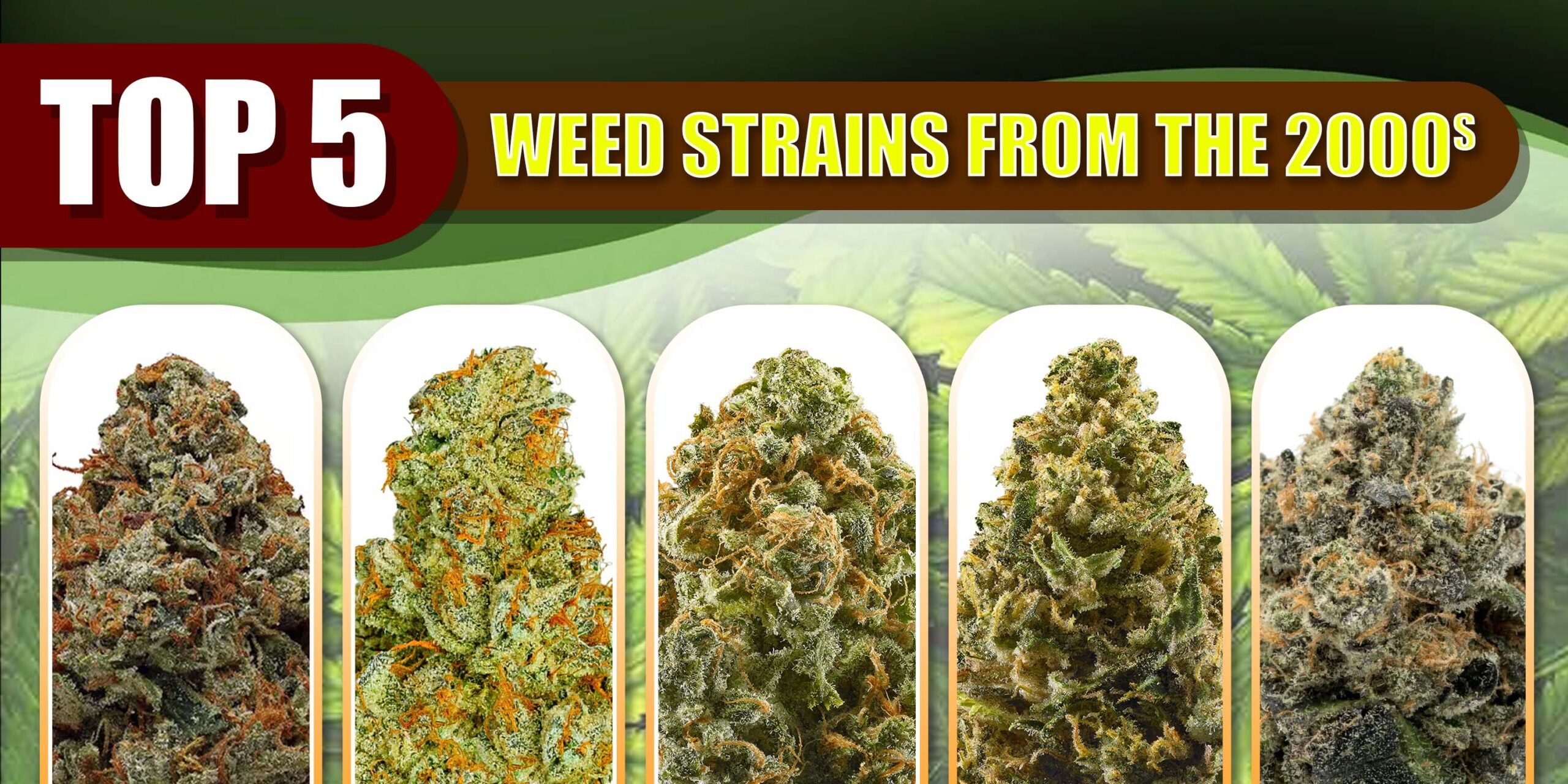
Top 5 Weed Strains From The 2000s


The cannabis industry underwent significant changes in the 2000s, as people’s views on marijuana shifted. In exploring the top 5 weed strains from the 2000s, it’s important to consider the larger context in which these strains became popular. The 2000s marked the start of a movement challenging the negative perceptions associated with cannabis. The effort to legalize medical marijuana gained strength, leading to a better understanding of the plant’s potential benefits.

Weed Culture Evolution

The story of weed’s cultural transformation in the 2000s is intriguing. Moving beyond its countercultural origins, cannabis started being seen from a medical perspective. The rise of medical marijuana as a viable treatment sparked discussions about its therapeutic uses. This change not only affected how the public viewed cannabis but also opened doors for exploring a wider range of weed strains in a more sophisticated way. It was a time of transition when cannabis shifted from the outskirts of society to a more accepted and integrated position.

Understanding this shift is important in recognizing the variety of strains that emerged in the 2000s. As societal attitudes changed, there was a growing interest in a more refined cannabis experience. Exploring and appreciating different strains became more than just a recreational activity; it became a nuanced journey into the potential therapeutic benefits of each strain’s unique combination of cannabinoids and terpenes.

Importance of Weed Strains

The significance of weed strains lies in the complex interaction of compounds within the plant. Each strain is like a botanical orchestra, where cannabinoids and terpenes work together to create the overall effects and characteristics. As users looked for a more personalized experience, the demand for specific strains increased. This growing understanding of each strain’s subtleties played a major role in the revival of cannabis in the 2000s.

Factors such as flavor, aroma, and the unique combination of cannabinoids became crucial factors in determining a strain’s popularity. During this time, there was a rise in cannabis enthusiasts becoming connoisseurs, similar to wine lovers appreciating the nuances of different grape varieties. The importance of weed strains went beyond just recreational use; it became a cultural and medicinal exploration, contributing to the diverse offerings in the cannabis market.

Top 5 Weed Strains from the 2000s

OG Kush: Paving the Way

OG Kush

OG Kush holds a monumental position in the world of cannabis. Originating in California, it serves as a symbol of the West Coast’s impact on the industry. Besides its legendary reputation, OG Kush played a crucial role in shaping today’s cannabis culture. Its journey from hidden beginnings to widespread acknowledgment mirrors the overall transformation of weed in the 2000s. The rise of OG Kush exemplifies how the cannabis landscape evolved, influenced by the West Coast’s unique contributions to the industry during that era.

Sour Diesel: The Diesel Powerhouse

Sour Diesel Strain

Sour Diesel, renowned for its strong scent and invigorating effects, became the dominant force in the diesel category during the 2000s. Its unique characteristics made it a cultural symbol, celebrated not only for its recreational uses but also for its ability to boost creativity. Exploring the journey of Sour Diesel offers insights into the dynamic connection between strains and the prevailing cultural spirit. This strain played a significant role in shaping the cultural landscape of the 2000s, influencing how people perceived and embraced cannabis during that era.

Blue Dream: A Soaring Sensation

Blue Dream Strain

Blue Dream, a seamless combination of sativa and indica genetics, rose to fame for its well-balanced effects. Not only cherished by cannabis enthusiasts, but Blue Dream also mirrors the industry’s move toward hybrid strains. Examining its traits reveals the intricate craftsmanship behind strain development and the increasing desire for a variety of experiences. The popularity of Blue Dream signifies a broader trend in the cannabis world, showcasing the demand for hybrids that offer a harmonious blend of uplifting and relaxing effects.

Northern Lights: Illuminating the Decade

Northern Lights Strain

Northern Lights, with its calming effects and sweet, earthy taste, stands out as a guiding light in the cannabis world. Originating in the ’80s and maintaining its significance in the 2000s, Northern Lights showcases the enduring charm of traditional strains. Its journey over the decades underscores the timeless quality of certain varieties in the constantly changing cannabis market. The enduring popularity of Northern Lights illustrates how classic strains can maintain their relevance, offering a consistent and reliable experience for cannabis enthusiasts across generations.

Girl Scout Cookies: Sweet Success

Girl Scout Cookies Strain

Girl Scout Cookies, a hybrid wonder with a delightful blend of sweet and earthy flavors, enjoyed notable success in the later part of the 2000s. Its ascent to fame reflects the period’s exploration of hybrid strains, aiming to cater to a diverse range of preferences. Examining the journey of Girl Scout Cookies offers a peek into the market dynamics that influenced the cannabis industry. This strain’s popularity showcases the industry’s adaptability, responding to the varied tastes of cannabis users and contributing to the diverse landscape of hybrid strains available in the market today.

Conclusion

The top 5 weed strains from the 2000s have etched their place in the history of cannabis. From the groundbreaking OG Kush to the sweet success of Girl Scout Cookies, each strain contributed to the rich tapestry of the cannabis culture. As we reflect on the past, it’s evident that these strains have not only stood the test of time but have also paved the way for the diverse and dynamic cannabis landscape we know today.

FAQs

Q: Are these strains still popular today?
A: The popularity of these strains varies, with some maintaining a strong presence, while others have given way to newer favorites. OG Kush and Sour Diesel, with their iconic status, continue to be highly sought after.

Q: Can I grow these strains at home?
A: Yes, you can grow these strains at home, but it’s essential to research their specific cultivation requirements. OG Kush and Sour Diesel, for instance, thrive in controlled environments, while Blue Dream may require additional space for its expansive growth.

Q: Are there any legal considerations when cultivating these strains?
A: Legal regulations regarding cannabis cultivation vary by region, so it’s crucial to be aware of and comply with local laws. Understanding the legal landscape ensures a responsible and compliant approach to cultivation.

Q: What makes these strains unique from each other?
A: Each strain has its unique combination of cannabinoids, terpenes, and effects, contributing to its distinct characteristics. OG Kush’s earthy and piney flavor sets it apart, while Sour Diesel’s pungent aroma and invigorating effects distinguish it from others.

Q: How has the perception of cannabis changed since the 2000s?
A: The 2000s marked a shift in societal attitudes towards cannabis, with increased acceptance and the emergence of medical marijuana contributing to a more positive perception. This shift has paved the way for a more diverse and informed understanding of the plant’s potential benefits.

Medical Marijuana: Its Acceptance in Asian Countries

Asia is home to the world’s most stringent drug laws that impose stiff punishment just like the mandatory death sentence for trafficking of illegal drugs.

With the assembly , distribution, and usage of illicit drugs thriving within the continent, especially within the notorious Golden Triangle, such laws show few signs of adjusting.

However, some medical advances have led to the invention of various benefits in marijuana. For the past decade, it had been utilized in western countries just like the U.S. to assist cancer, glaucoma, HIV/AIDS, and other patients deal with their symptoms.

While remaining conservative primarily to the thought of legalizing marijuana for recreational use, some Southeast Asian countries are on its thanks to catch up with western counterparts in legalizing the drug for medical purposes. Hence, other Asian countries already approved the utilization of marijuana for medicinal purposes.

Medical Marijuana and the Way it Works

Medical marijuana uses a marijuana plant to alleviate diseases or conditions. it is the same product as recreational marijuana, but it’s taken for medical purposes.

Medical marijuana is a huge industry, making up tens of billions of dollars in sales per annum . For entrepreneurs who can sell cannabis to patients for treatment, they will take advantage on the emerging trend. Success during this vertical requires that entrepreneurs can find the simplest suppliers of products and curate high-quality strains that meet the wants of both regulators and consumers.

This plant contains quite 100 different chemicals called cannabinoids. Delta-9-tetrahydrocannabinol (THC) and cannabinoid (CBD) are the first chemicals utilized in medicine. THC also produces the cerebral high people feel once they smoke marijuana or eat foods containing it.

Medical marijuana usage for various conditions includes:

  • Alzheimer’s
  • Appetite loss
  • Cancer
  • Crohn’s disease
  • Eating disorders
  • Epilepsy
  • Glaucoma
  • Schizophrenia
  • Posttraumatic stress disorder (PTSD)
  • Multiple sclerosis
  • Muscle spasms
  • Nausea
  • Pain
  • Wasting syndrome

This current year has been promising for medical marijuana in Asia since the governments across the continent have approved cannabis reforms as a way to realize new opportunities in health and wealth for his or her country.

Here are a number of the countries in Asia that made a promising move for medical marijuana.

  • South Korea made history when it chose to become the primary modern Asian country to legalize medicinal cannabis with the law effective in March 2019. The country was considered to be the primary to import specific THC and CBD-based medications.

Although approved products will remain tightly enclosed, the new law marks a crucial milestone in global economics and a turning point in how the drug is perceived in traditionally conservative societies.

  • Japan has approved the marijuana compound Epidiolex for clinical trials in epileptic patients with Dravet and Lennox-Gastaut syndromes last March 2019. The experiments were proclaimed recently by Japan’s Ministry of Health, Labor, and Welfare officials while on a conference of the research and development agency Okinawa-Northern Task Force.
  • Thailand. In August 2016, the Thai government said there have been by both the govt and personal organizations to deal with the likelihood of decriminalizing the utilization of medical marijuana.

Four associations with spokespeople at the conference were the Crime Suppression police unit, Drug Suppression Unit, National Agricultural Council, and Council of State. Three years later, the country legalized medical marijuana in February 2019.

  • Malaysia. Despite known for it’s for zero-tolerance on drug-trafficking, the country is considering legalizing medical marijuana. Declared in June that it might end the prosecution of drug users in what Health Minister Dzulkefly Ahmad described as a “game-changer policy.
  • Philippine. A lawmaker introduced a bill to legalize medical marijuana last September 2019. Despite President Rodrigo Duterte’s bloody war on drugs that claimed the lives of thousands since mid-2016, the Philippines committee on Health in March previous year endorsed the utilization of medical marijuana.Bill 180 orders the principles for the right use of medical marijuana, including the designation of a professional medical cannabis physician, a medical marijuana patient who shall be issued an identification card, a professional medical cannabis caregiver, and a professional medical cannabis compassionate center.
  • China. During 2017, the country gave permission to the Hanma Investment Group in 2017 to extract CBD. China generally permits the selling of hemp seeds and hemp oil and therefore the use of CBD in cosmetics; however, it’s not yet approved CBD to be used in food and medicines. China cultivates nearly half the world’s legal hemp.

During 2018 sales, mostly of textile fiber, totaled $1.2billion. Now global trade for its seeds, leaves, and flowers is growing. full of fulsome fatty acids, seeds enter snacks and oil.

The leaves and flowers of marijuana contain cannabinoid (CBD), a non-intoxicating compound that induces anxiety and inflammation. Hence, it’s being added as a supplement to food, drinks, and cosmetics across the West. In June, America approved the primary CBD medicine for epilepsy.

Medical Cannabis has Rapidly been Accepted

It didn’t take long for citizens in Thailand to permit the utilization of medical marijuana following the revealing of the primary legal cannabis greenhouse back in February. The media has published many information on the healthcare applications, benefits, and economic implications of the drug, and everyday citizens seem to get on board.

Thailand is probably the foremost influential of the South-eastern Asia countries to legalize medical marijuana, but it isn’t the primary . South Korea also surprised the planet by becoming the primary East Asian country to legalize the drug in November of 2018.

Malaysia, Japan, and a number of other other East Asian countries have also changed their legislation to become hospitable decriminalizing medical marijuana. The rapid success and acceptance of the drug across the region are astounding.

Investment opportunities in Asia

The plant remains unauthorized, mostly in the Asian nations. Still, Prohibition Partners estimated that Asia’s medicinal strain market could by 2024 be approximately worth $5.8 billion.

Recreational cannabis In Western markets is expected to outperform medicinal cannabis in market forecasts, but in Asia, the opposite is likely to happen.

Japan will very likely become a big consumer of medical cannabis.

Currently, Japan has the largest population of elderly people at 33.1%, and this is set to bring about an unusual rise in health expenses in the long term. The nation’s spending on healthcare is estimated to reach US$2.7 trillion at the beginning of 2020.

Moreover, Japan is not the only one faced with an aging population. Within 2030, 17.8% of China’s population is anticipated to be above 65 years old, base on The Economist Intelligence Unit. The statement added that Asia is on track to have the most aged population in the world very soon, and with old age appears many chronic diseases.

As for investment opportunities, many are still hesitant to actively bet on the products because of the social stigma around the plant, as said by Prohibition Partners. Nevertheless, Hong Kong saw it was the first-ever Cannabis Investor Symposium in November last year.

China is not only committed to the research but also slowly in production. Asia’s largest economy currently cultivates nearly half the world’s legal hemp, cannabis that includes almost no hallucinogens, base on China’s National Bureau of Statistics.

Medical Cannabis are going to be a $5.8 billion market in Asia

It’s predicted that by the year 2024, Asia will be one of the most significant contributors to the worldwide medical cannabis market with a potential U.S. $5.8 billion in revenue. To achieve this number, legalization will be required across the region, not including China.

If China entered the market, the financial implications for the cannabis economy would go through the roof. However, it’s not likely that China will give up its strict legislation within this next decade.

Momentum in the Asian Region

Canada and Uruguay currently are the only two countries that have fully legalized the recreational use of cannabis. However, the piecemeal legalization of medicinal cannabis has been spreading across the world, including, notably, countries such as Israel, Australia, and Germany.

In Asia, countries like Seoul and Bangkok tend to be leading the way in the normalization and legalization of medical strain with a government license. Thailand is that the only nation that has fully legalized medicinal cannabis with others actively looking into the plant’s healthcare applications, consistent with Prohibition Partners, a world marijuana industry consultancy.

South Korea stunned many by being the first East Asian country to legalize medical marijuana. The policy came to effect in March 2019 this year to expand treatment options for patients with epilepsy, chronic pain, and other conditions.

These recent changes represent a significant and broad-based shift in policy, but also represent a reclaiming of historical practices in the region. The use of weed can be traced back to China by documented medical texts over 2,000 years old, and in India through the tradition of Ayurvedic medicine, which is roughly 5,000 years old.

These developments also mark a significant commercial opportunity. Base on the research by Prohibition Partners, an international cannabis consultancy, only 2% of Asia’s population uses marijuana, which is about half the global average of nearly 4%. Still, even at that low percentage, that still represents 86 million potential consumers. Prohibition Partners estimates the Asian medical marijuana market alone will be worth over $5.8 billion by 2024, with the total Asian marijuana market, perhaps exceeding $8.5 billion.