

Table of Contents
Embarking on a journey of discovery, let’s unravel the intriguing question that some cannabis enthusiasts ponder: “Why do I twitch when I’m high?” Cannabis, a longstanding favorite among recreational substances, introduces a fascinating twist with its occasional side effect—weed-induced twitching. Fasten your seatbelts as we delve into the science, myths, and coping strategies associated with this phenomenon.
THC and Nervous System Interaction
At the core of the matter lies THC, the psychoactive compound in cannabis. THC possesses a unique ability to engage with our nervous system, particularly the endocannabinoid system. This interaction can lead to diverse effects, including altered perception and, intriguingly, muscle twitching. Let’s explore this connection further.
THC’s interaction with the endocannabinoid system is akin to a molecular dance, influencing the way neurons communicate. The endocannabinoid system plays a pivotal role in regulating various physiological processes, such as pain perception, mood, and motor control. When THC engages with this system, it can prompt changes in muscle tone and trigger involuntary movements, manifesting as muscle twitching.
Muscle Relaxation vs. Twitching

One perspective suggests that cannabis, especially high-THC strains, induces muscle relaxation. However, when this relaxation surpasses a certain threshold, it may manifest as twitching in some individuals. While sought after by users for unwinding and tension relief, excessive relaxation can result in discomfort due to muscle twitches or spasms.
To delve deeper, it’s essential to understand the delicate balance between muscle relaxation and twitching. Cannabis, as a muscle relaxant, eases tension and promotes a sense of calm. However, when the relaxation becomes disproportionately intense, it can evolve into twitching. This phenomenon highlights the nuanced nature of cannabis’s impact on muscle behavior and how individual responses may vary.
Anxiety and Twitching
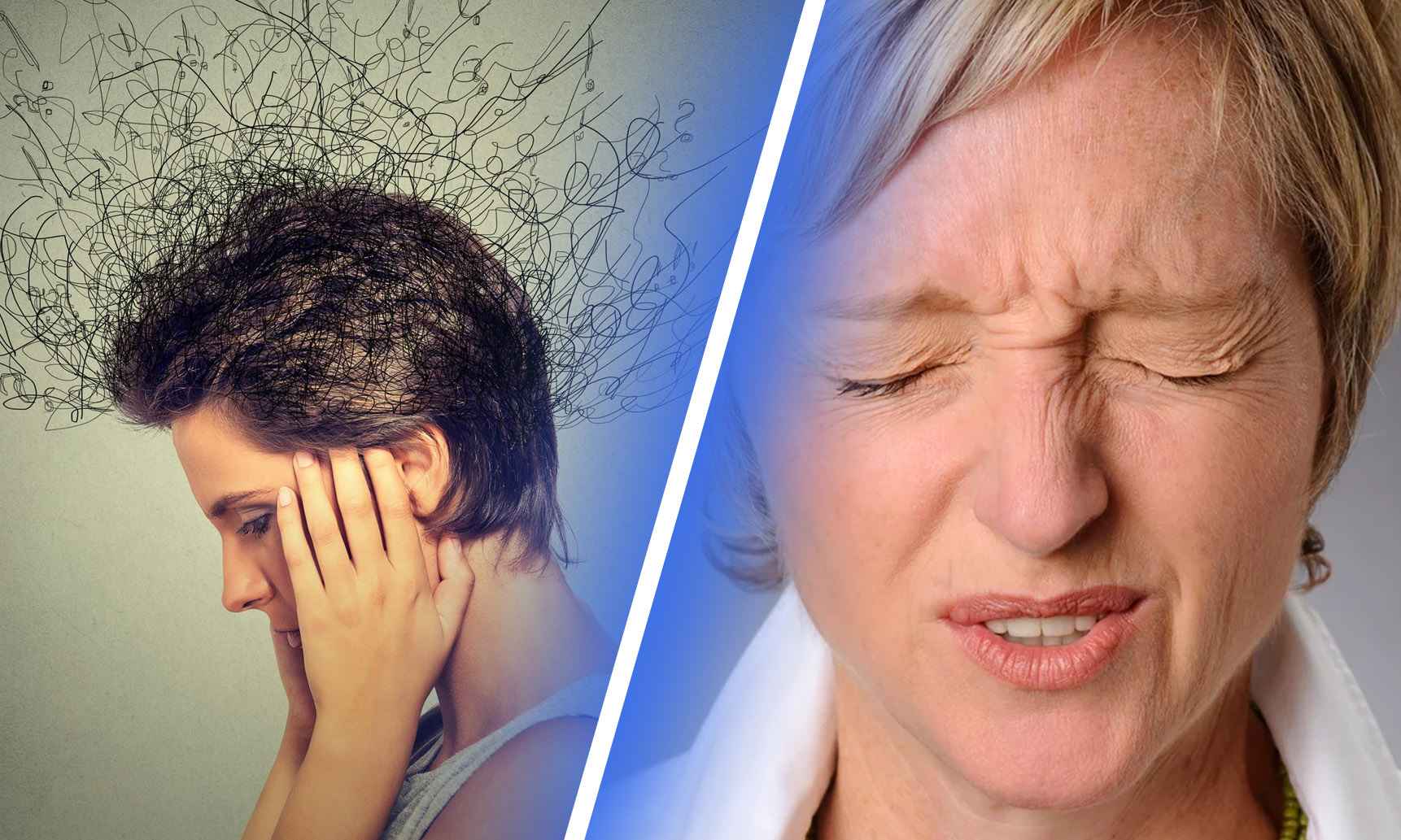
Another factor at play is anxiety. For some, cannabis consumption can trigger anxious feelings, potentially leading to muscle twitching. The intricate relationship between anxiety and weed-induced twitching warrants a closer look.
Anxiety-induced twitching is not uncommon among cannabis users, and it’s crucial to recognize the psychological component of this phenomenon. Cannabis’s interaction with the nervous system can heighten sensitivity, and in the presence of anxiety, this heightened sensitivity may translate into muscle twitching. Understanding this interplay provides valuable insights for users aiming to manage anxiety-related twitching during their high.
The “Cannabis High” Spectrum
Not all cannabis highs are created equal. We categorize the cannabis high into different spectrums, examining which ones are more likely to lead to twitching.
- Euphoric High: Sativa-dominant strains, known for uplifting and energetic effects, are less likely to induce twitching and are associated with increased creativity and sociability.
- Relaxing High: Indica strains, with their relaxing and sedative effects, can cause muscle relaxation but are less likely to result in pronounced twitching.
Understanding the nuances of the “Cannabis High” Spectrum provides users with valuable information when choosing strains based on their desired effects. Recognizing that Sativa-dominant strains are more likely to induce euphoria and energy, while Indica strains lean towards relaxation, enables users to make informed decisions aligning with their preferences and minimizing the risk of unwanted twitching.
Individual Variability
Acknowledging that not everyone experiences twitching when high is crucial. Individual factors play a significant role in determining susceptibility.
- Sensitivity to THC: Some individuals are more sensitive to THC, increasing the likelihood of experiencing muscle twitches.
- Tolerance: Regular cannabis users may develop tolerance to THC’s muscle-relaxing effects, reducing the likelihood of twitching over time.
- Pre-existing Conditions: Certain medical conditions, such as restless leg syndrome, may make individuals more susceptible to muscle twitches, even when using cannabis.
Understanding individual variability contributes to a personalized approach to cannabis use. Those sensitive to THC’s effects may opt for strains with lower THC content, while regular users might navigate their tolerance levels. Recognizing pre-existing conditions allows users to anticipate and manage potential twitching more effectively.
Coping Strategies
For those bothered by weed-induced twitching, fear not—practical tips and strategies are available to manage and reduce this sensation.
- Moderation: Start with lower cannabis doses to minimize the risk of excessive relaxation and twitching.
- Hydration: Staying well-hydrated can alleviate muscle twitches.
- CBD: Consider strains or products with higher CBD content, as CBD can counteract some of THC’s muscle-relaxing effects.
- Relaxation Techniques: Incorporate deep breathing or mindfulness to reduce anxiety-induced twitching.
These coping strategies form a holistic approach to enhancing the cannabis experience. Moderation ensures a balanced high, hydration supports overall well-being, CBD introduces a counterbalance to THC’s effects, and relaxation techniques mitigate anxiety-related twitching. Users can tailor these strategies to their preferences, creating a personalized toolkit for a more enjoyable and comfortable cannabis journey.
Debunking Common Misconceptions
Let’s dispel myths surrounding weed twitching and provide accurate information.
Myth: Twitching is Dangerous
Fact: While uncomfortable, muscle twitches are generally harmless and not cause for concern.
Myth: All Cannabis Causes Twitching
Fact: Strains and types of cannabis vary in their twitch-inducing effects.
Debunking these misconceptions contributes to a more informed and responsible cannabis culture. Understanding that twitching is a nuanced aspect of the cannabis experience and not inherently dangerous fosters a healthier perspective among users.
Conclusion
In conclusion, the question of “Why do I twitch when I’m high?” involves multiple factors. THC’s interaction with the nervous system, individual responses, and strain choices contribute to twitching. Understanding your body’s reaction, selecting suitable strains, and employing coping strategies can help you enjoy your high without unwanted twitching.
The journey into understanding weed-induced twitching is ongoing, and as cannabis research progresses, more insights may surface. For now, users can navigate their cannabis experiences with a well-rounded understanding, fostering a more positive and informed relationship with this beloved recreational substance.
FAQs
FAQ 1: Is twitching while high be dangerous?
Twitching when high is generally harmless. If severe or prolonged, consulting a medical professional is advisable.
FAQ 2: Are there strains less likely to cause twitching?
Yes, some strains, particularly Indica-dominant ones, are less likely to induce twitching compared to high-THC Sativa strains.
FAQ 3: Can anxiety worsen twitching when high?
Yes, anxiety can exacerbate twitching. Managing anxiety through relaxation techniques can help reduce this effect.
FAQ 4: Is there a way to prevent twitching when consuming cannabis?
While preventing twitching entirely may not be possible, choosing the right strain, practicing moderation, and staying hydrated can help minimize it.
FAQ 5: What if I enjoy the sensation of twitching when high?
If the twitching sensation is enjoyable and not bothersome, there’s no need for concern. Embracing individual preferences fosters a more inclusive and understanding cannabis community.