500 NEW MARIJUANA SEEDS RELEASED

How to Fix a Stunted Autoflower


Autoflowering cannabis plants grow fast and are easy to take care of. But sometimes they don’t grow well and give less yield. This guide will explain why this happens and teach you how to fix stunted autoflower, so your plants can grow better.

Understanding Stunted Autoflower Growth

Autoflowering cannabis plants have a set growth cycle, going from seedling to vegetative to flowering stages. Knowing these stages well helps diagnose and fix growth problems. Each stage has its challenges and needs for good growth. When growers understand these stages, they can take better care of their plants to make them healthier and more productive.

Identifying Stunted Autoflowers

The first thing to do when fixing stunted growth is to notice the signs. Apart from obvious slow growth and small plants, watch out for other signs like yellow leaves, short spaces between leaves, and weak plants. Keep a close eye on your plants all the time. If you see any issues, fix them quickly. This will help your autoflowers grow healthier and stronger.

Causes of Stunted Growth

Stunted growth in autoflowers can happen because of different reasons, like environment or genetics. Bad growing conditions, like not enough light, wrong humidity, or very hot or cold temperatures, can slow down growth. Also, some strains might be more likely to have stunted growth. Not having enough nutrients or having the wrong balance of them can also cause problems and stop the plant from growing well. When growers know why their plants aren’t growing well, they can find solutions to fix each problem.

How to Fix a Stunted Autoflower

Optimizing Growing Conditions
how to fix a stunted autoflower

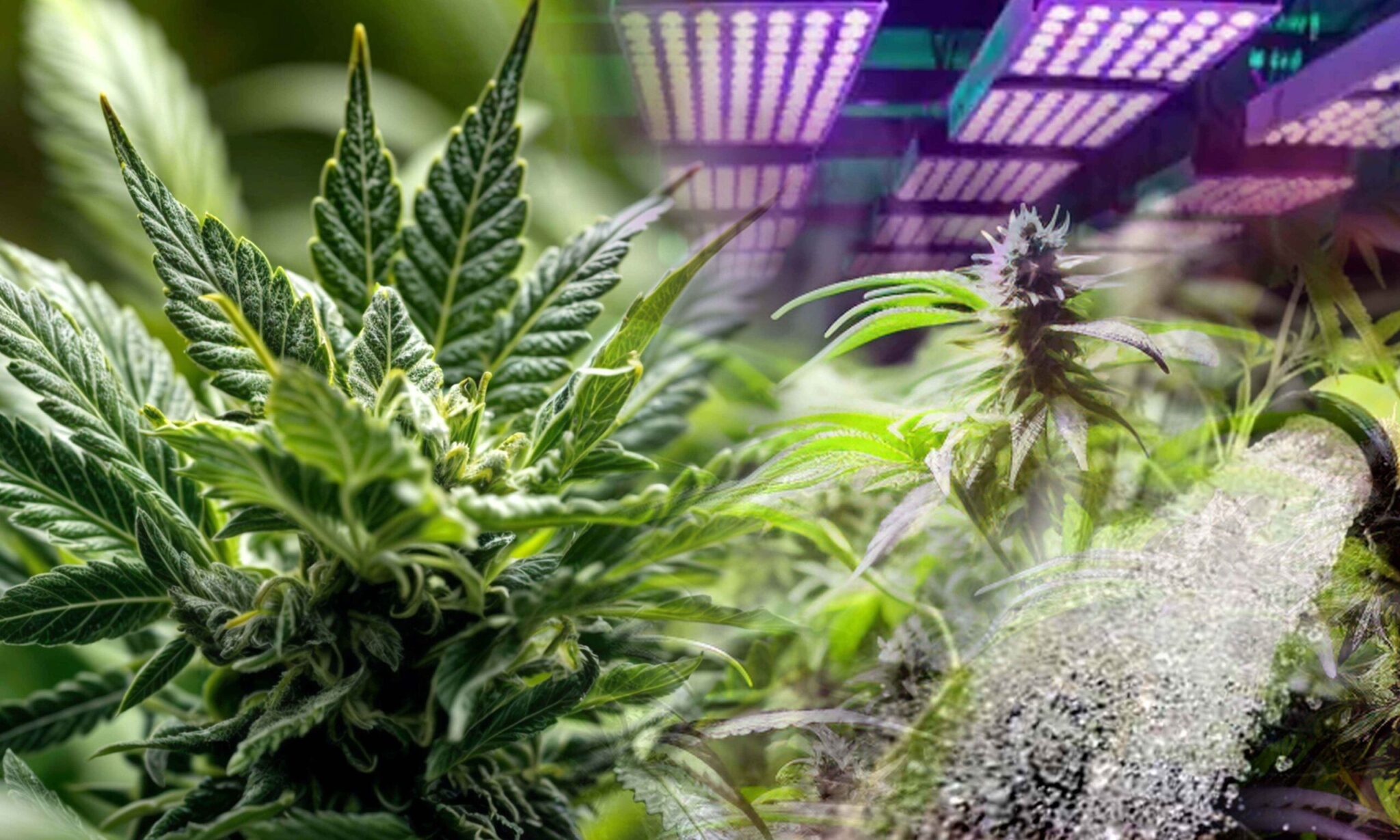
Making the right environment is crucial for healthy autoflower growth. Give your plants enough light, water, and air all the time. Keep an eye on temperature and humidity to keep them in good conditions and help them use sunlight well. Also, think about things like pH levels and what your plants are growing in, because these can affect how well they get nutrients. When you keep the conditions just right, your plants will grow well and you’ll get the most yield from them.

Nutrient Management
how to fix a stunted autoflower

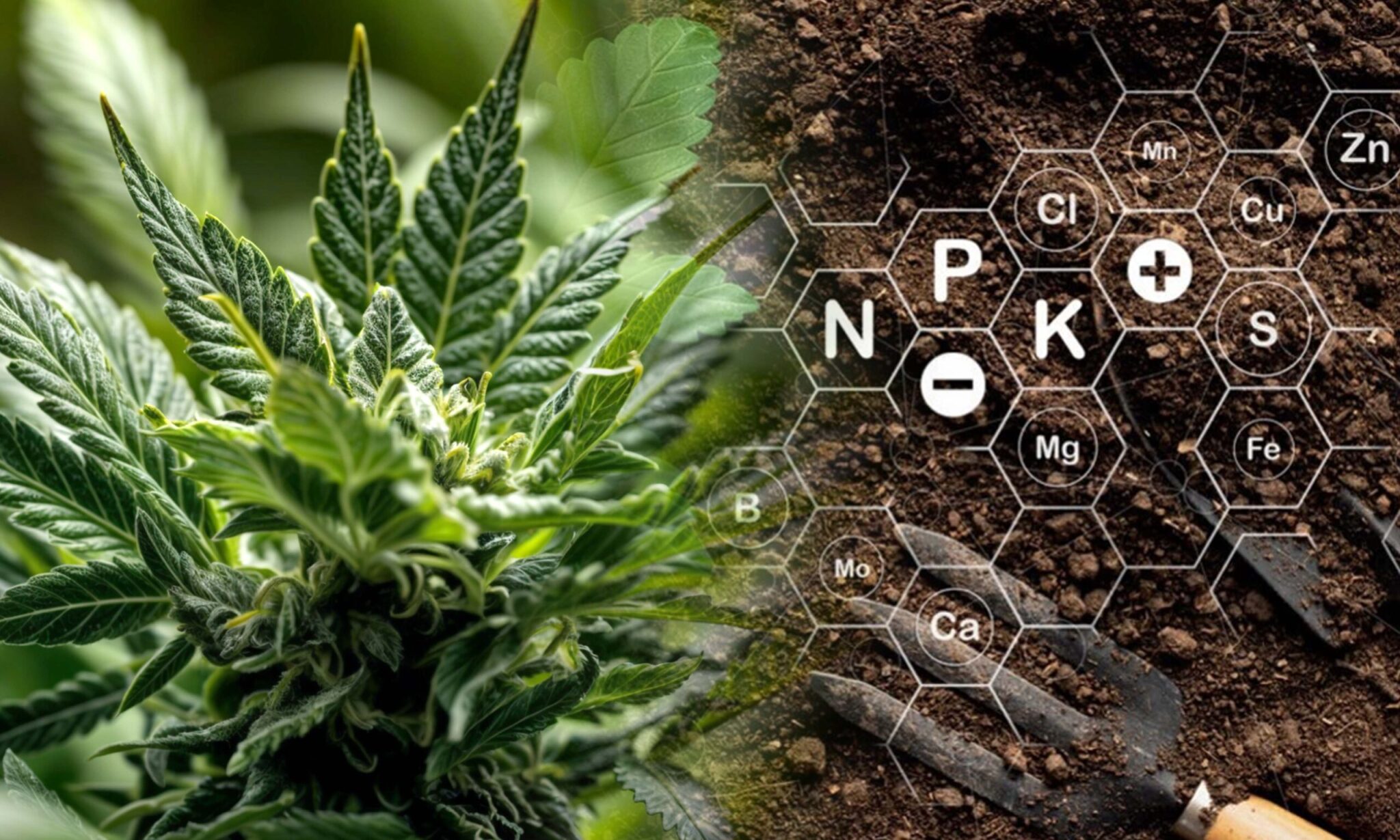
Giving autoflowers the right nutrients is key for strong growth. Use a balanced fertilizer that has all the important nutrients, both big and small. Test your soil often to see how many nutrients are in it, and change how you feed your plants based on the results. Watch how your plants use nutrients and fix any problems, like yellow or weird-looking leaves, quickly. You can also add natural stuff or extra things to your soil to make it better for your plants. When you take care of nutrients well, you’ll get the best harvest with good taste and strength.

Pruning and Training Techniques
how to fix a stunted autoflower

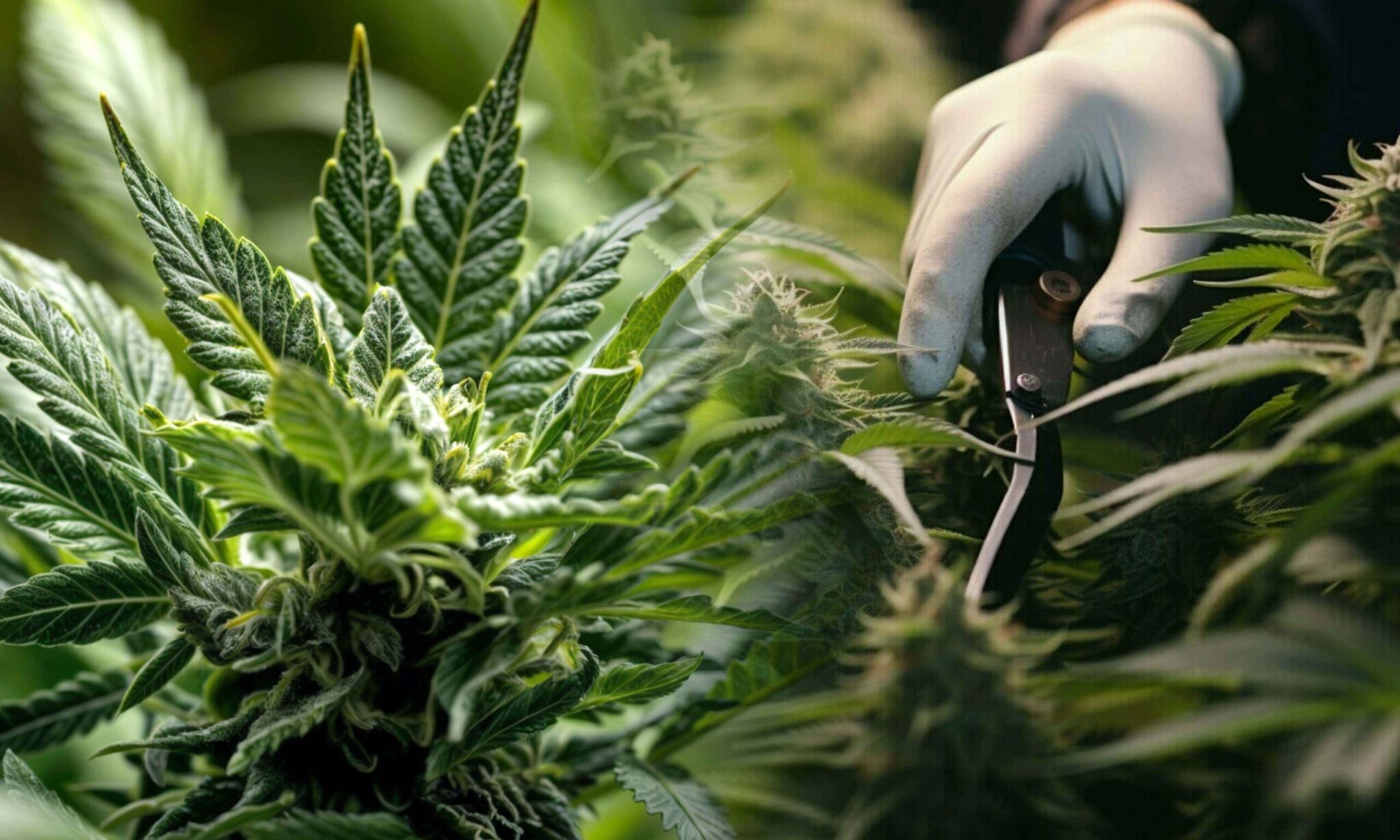
Trimming and shaping your plants can reduce stunted growth and make them grow more branches and buds. Try methods like cutting the top off, bending branches gently (called low-stress training), and taking off some leaves to let in more light and air. These tricks make your plant’s shape better and help buds grow more evenly. When you remove extra leaves and focus on making buds, your plants can make more buds and better-quality crops. Test out different ways to trim and see what works best for your plants, changing as needed to get the results you want.

Pest and Disease Control
how to fix a stunted autoflower

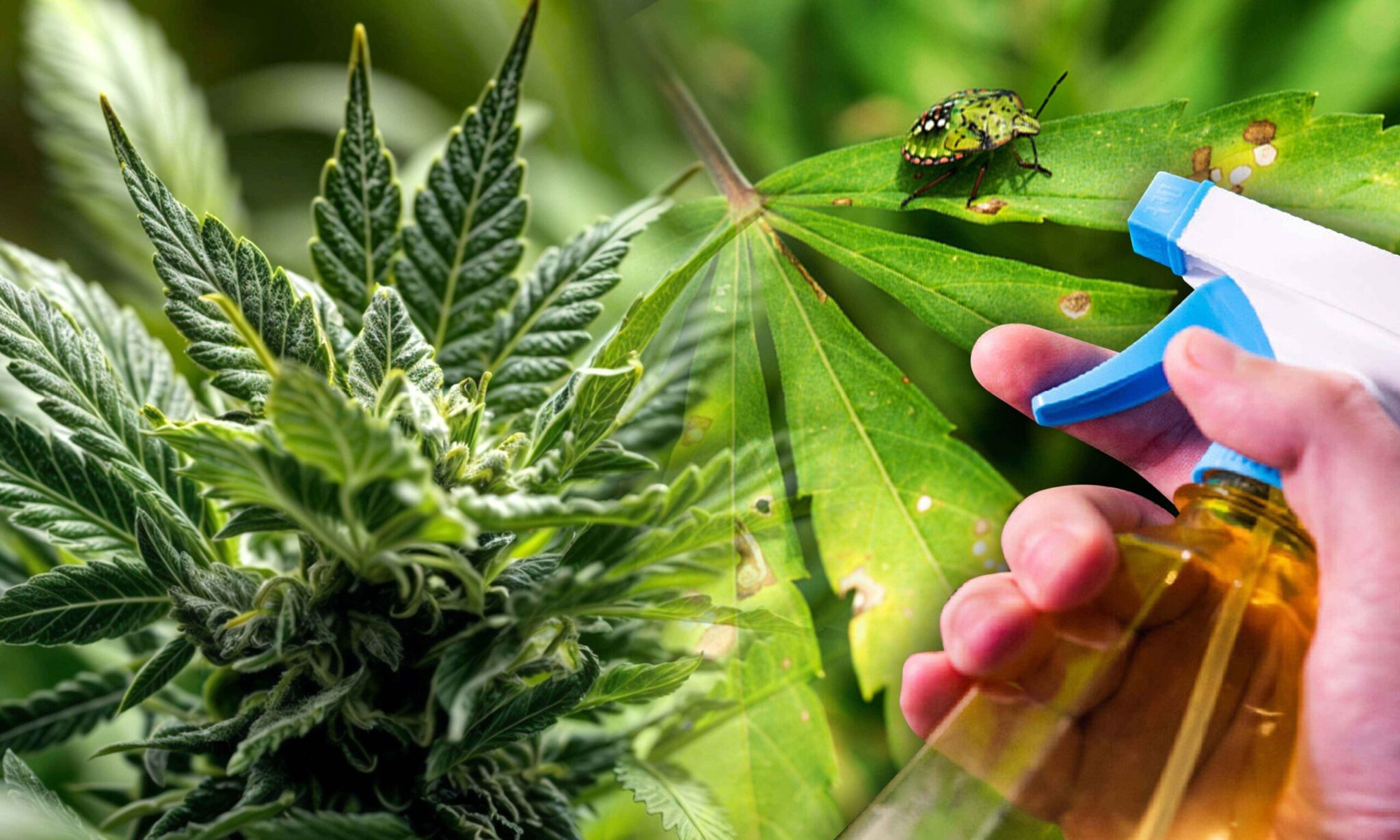
Bugs and diseases are big problems for autoflowers and can make them grow slowly if you don’t stop them. Do things like checking your plants often, keeping things clean, and using strategies that mix different ways to control pests (called integrated pest management). If you can, pick plants that bugs don’t like, and don’t bring in soil or plants that might have bugs or diseases. If your plants do get bugs, treat them quickly with natural or chemical methods to stop them from hurting your plants too much. When you keep a close watch on pests and diseases, you’ll keep your plants safe and get the best crops possible.

Conclusion

Dealing with stunted growth in autoflowers needs a comprehensive plan that looks at everything from the environment to genetics and nutrient care. By finding out why your plants aren’t growing well and fixing those problems, you can help them grow strong and give you more buds. Keep watching your plants closely and change how you take care of them as needed. With patience, hard work, and a focus on doing your best, you can overcome challenges and get great results from your autoflower cultivation.

FAQs

Q: How can I tell if my autoflower is stunted?
A: Signs of stunted growth include slow development, small stature, and pale or discolored leaves. Additionally, stunted autoflowers may exhibit reduced vigor, with undersized buds and sparse branching.

Q: What causes stunted growth in autoflowers?
A: Stunted growth can result from a combination of environmental stressors, genetic factors, and nutrient imbalances. Common culprits include inadequate lighting, extreme temperatures, poor soil quality, and insufficient or excessive nutrient levels.

Q: Can stunted autoflowers recover?
A: With proper care and intervention, stunted autoflowers can often recover and resume healthy growth. By addressing underlying issues such as nutrient deficiencies, environmental stress, or pest infestations, growers can facilitate recovery and encourage new growth.

Q: How can I fix nutrient deficiencies in my autoflowers?
A: To address nutrient deficiencies, start by conducting a soil test to identify specific imbalances. Then, adjust your fertilizer regimen accordingly, supplementing with appropriate nutrients to meet plant needs. Consider using organic amendments or foliar sprays for rapid nutrient uptake and absorption.

Q: Are there any natural remedies for pest control in autoflowers?
A: Yes, several natural remedies can effectively control pests in autoflowers without resorting to chemical treatments. Examples include neem oil, insecticidal soap, diatomaceous earth, and predatory insects such as ladybugs or lacewings. These eco-friendly alternatives help manage pest populations while minimizing harm to beneficial organisms and the environment.

Q: What is the optimal temperature range for autoflower growth?
A: Autoflowers thrive in temperatures between 70-85°F (21-29°C) during the day and slightly cooler temperatures at night. Maintaining consistent temperatures within this range promotes healthy growth, robust metabolism, and optimal resin production, resulting in high-quality harvests.

Autoflower Not Flowering After 8 Weeks: Troubleshooting Guide


Autoflowering cannabis strains have gained immense popularity among growers for their ease of cultivation and quick harvest times. However, it’s not uncommon for growers to encounter challenges, particularly when their autoflowers do not begin flowering as anticipated after 8 weeks. In this detailed guide, we will delve into common issues related to autoflowering plants not flowering on schedule and provide practical solutions to address autoflower not flowering after 8 weeks and ensure a successful harvest.

Understanding Autoflowering Cannabis

Before diving into troubleshooting, it’s essential to understand the unique characteristics of autoflowering cannabis. Unlike photoperiod strains, autoflowers transition from the vegetative stage to the flowering stage automatically, regardless of changes in light cycles. They typically have a shorter growth cycle, which is why many cultivators prefer them. However, this automatic transition can occasionally lead to unexpected delays in flowering, and that’s what we’ll address in this article.

Autoflowers usually have a predetermined flowering window, but external factors can influence this timeframe. Factors such as genetics, light, nutrients, and environmental conditions all play a crucial role in determining when your autoflowers will start flowering. By comprehending these factors and their impact, you’ll be better equipped to troubleshoot and optimize your cultivation.

Why Is My Autoflower Not Flowering – Troubleshooting Causes

Week 5 Unexpected Hiccups

autoflower not flowering after 8 weeks

Facing issues earlier in the growth cycle for your week 5 autoflower not flowering? Let’s address them head-on:

  • Disease and Pest Management: Vigilance is key in identifying and addressing disease or pest infestations promptly. Early intervention can save your plants from significant damage.
  • Watering Precision: Accurate watering is crucial for autoflowers not flowering. Overwatering or underwatering can stress your autoflowers and impact overall health. Establish a consistent watering routine based on the specific needs of your plants.
  • Optimal Lighting: Ensure that your light source is appropriate for the size of your growing area. Inadequate light can hinder growth and flowering. Consider upgrading your lighting setup if needed.


Week 6 No Signs of Flowering

autoflower not flowering after 8 weeks

Arriving at week 6 without any visible signs of flowering for your autoflower not flowering after 6 weeks can be disheartening for growers.

However, it’s essential to remain patient and consider the following factors:

  • Genetics: Autoflower strains vary in their flowering times. Some naturally take longer to initiate flowering, so consult the specific strain’s characteristics to determine if this is the case.
  • Light Intensity and Duration: Adequate lighting is crucial during the vegetative stage. Ensure your plants receive 18-20 hours of light daily to encourage healthy growth before flowering.
  • Nutrient Management: Over or underfeeding can significantly impact flowering. It’s essential to maintain a balanced nutrient regimen tailored to the needs of autoflowers.


Week 7 Still No Buds

autoflower not flowering after 8 weeks

If you reach week 7 without any signs of buds for your autoflower week 7 no buds, it’s time to take proactive steps to address the delay:

  • Environmental Stressors: High temperatures or excessive humidity levels can stall flowering. Maintain optimal conditions within the range of 70-85°F (21-29°C) and manage humidity levels accordingly.
  • Root Health: Check for signs of root-bound plants. If your autoflowers have outgrown their pots, transplant them to provide more space for root expansion, which is essential for flowering.
  • Light Control: Ensure complete darkness during the 12-hour dark period. Even slight light leaks during this phase can disrupt the flowering process.


Week 8 Pistils, but No Buds

autoflower not flowering after 8 weeks

Encountering pistils without developing buds for your autoflower pistils but no buds can be perplexing. To address this issue:

  • Pollination Concerns: If male plants are present nearby, they may have pollinated your female autoflowers, which can hinder bud development. Remove any male plants promptly.
  • Nutrient Imbalance: Incorrect pH levels in your growing medium can lead to nutrient lockout, affecting bud formation. Regularly monitor and adjust the pH to maintain optimal nutrient absorption.
  • Extended Patience: While most autoflowers start flowering within a specific timeframe, some may take longer due to genetic variations or environmental stressors. Be patient and give them up to 12 weeks if necessary.


Conclusion

Cultivating autoflowering cannabis can be both rewarding and challenging. When your autoflowers are not flowering as expected after 8 weeks, it’s essential to remain patient and methodically address potential issues. By carefully managing genetics that is why always choose Crop King Seeds, also manage the light, nutrients, and environmental conditions, you can increase the likelihood of a successful harvest. Remember that every cannabis plant is unique, and fine-tuning your cultivation techniques is key to achieving the best results. Happy growing!

FAQs

Q: Can I force my autoflowers to flower?
A: No, autoflowers will naturally transition to the flowering stage based on their genetic programming, typically within 2-4 weeks from germination.

Q: Is it normal for autoflowers to take longer to flower than stated in their genetics?
A: Yes, variations in environmental factors and stress can occasionally extend the flowering time beyond what is specified in the strain’s genetics.

Q: Should I prune my autoflowers to encourage flowering?
A: It’s advisable to limit pruning with autoflowers to avoid unnecessary stress. Minor defoliation may be performed, but extensive pruning is not recommended.

Q: What is the ideal pH level for autoflowers during flowering?
A: Maintain a pH level between 6.0 and 6.5 in your growing medium during the flowering stage to optimize nutrient absorption.

Q: Can I use bloom boosters to speed up flowering?
A: While bloom boosters can enhance flowering, they won’t drastically shorten the flowering time. Use them as directed for optimal results.

Q: Should I change the light cycle to 12/12 to induce flowering in autoflowers?
A: No, autoflowers do not require a change in light cycle. They will transition to flowering automatically, regardless of the light duration.

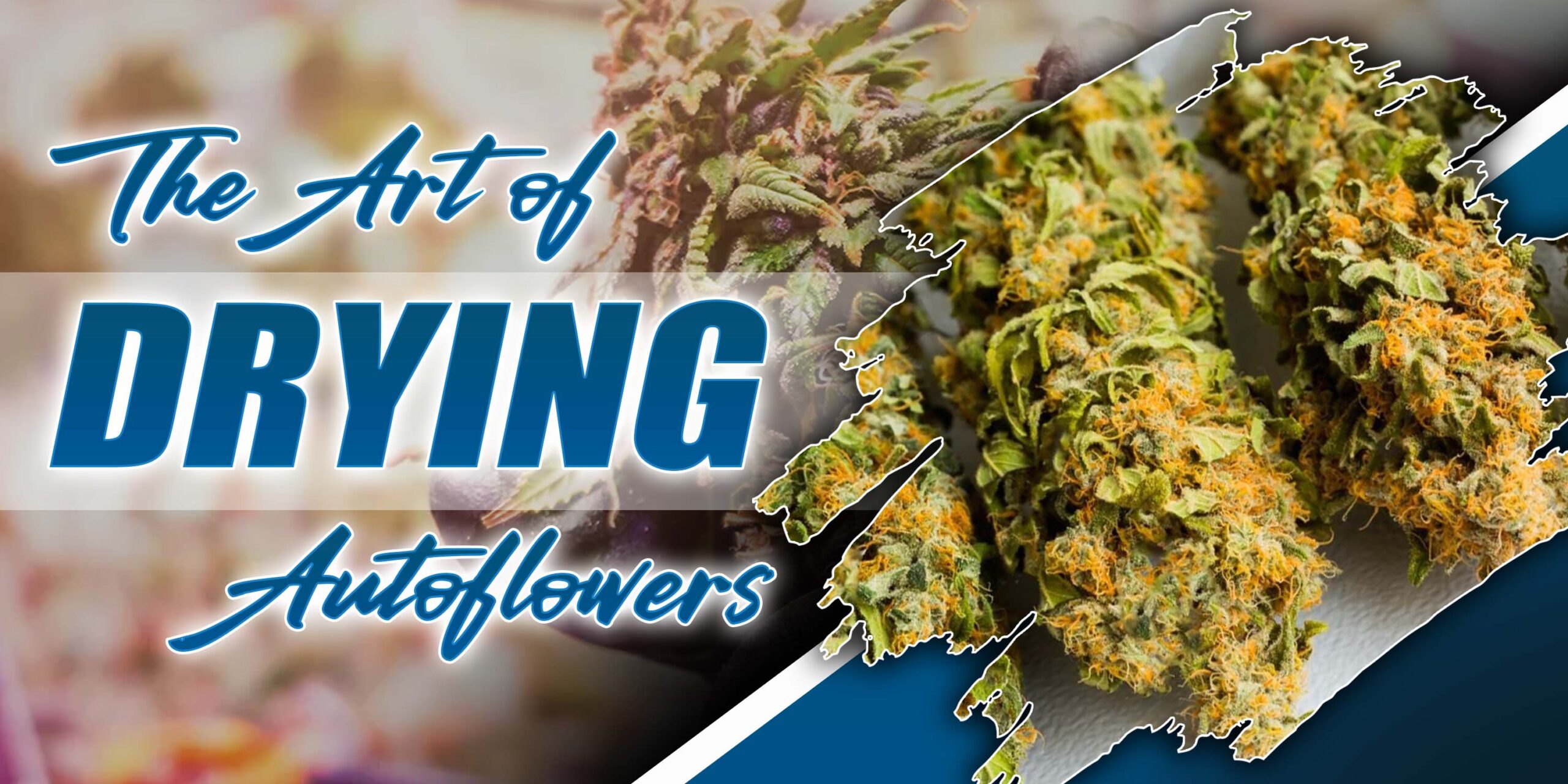
The Art of Drying Autoflowers


Welcome to the ultimate guide on drying autoflowers! As a grower, mastering the art of drying is crucial for preserving the potency, flavor, and aroma of your beloved autoflowering cannabis plants. In this article, we’ll delve into the intricacies of drying autoflowers, providing you with expert tips, insights, and techniques to ensure a successful harvest every time.

Understanding Drying Autoflowers

Drying Autoflowers

What are Drying Autoflowers?

Drying autoflowers refers to the process of carefully removing moisture from harvested cannabis buds to achieve optimal potency, flavor, and shelf life. It involves controlling environmental factors such as humidity, temperature, and airflow to create the perfect conditions for drying.

Why Proper Drying is Essential for Autoflowers

Proper drying is essential for autoflowers to preserve their cannabinoids, terpenes, and overall quality. Inadequate drying can result in mold, mildew, and a harsh taste, compromising the quality and value of your harvest.

The Importance of Slow Drying

Slow drying allows for a gradual evaporation of moisture from the buds, preserving their integrity and preventing mold formation. By allowing the buds to dry slowly, you can maintain their cannabinoid and terpene profiles, resulting in a more flavorful and potent end product.

Benefits of Slow Drying

  • Preserve Terpene Profile: Slow drying helps retain the delicate terpenes responsible for the unique aroma and flavor of each strain.
    Enhances Flavor and Aroma: By preserving the terpenes, slow drying enhances the overall flavor and aroma of the buds, providing a more enjoyable smoking experience.
  • Minimizes Risk of Mold: Slow drying reduces the risk of mold and mildew growth by creating an environment that is less conducive to microbial proliferation.

How To Dry Autoflowers

Drying Autoflowers

1. Timing is Key

Harvest your auto flowers when the trichomes are milky white with a hint of amber. This indicates peak potency and is the ideal time to begin the drying process. By harvesting at the right time, you can ensure that your buds are at their maximum potency and flavor potential.

2. Hang Them Upside Down

Hang your harvested plants upside down in a cool, dark, and well-ventilated space. This allows for optimal air circulation around the buds, promoting even drying and preventing mold growth. Additionally, hanging the plants upside down helps preserve the shape and structure of the buds, ensuring they dry evenly.

Why Hanging Upside Down?

  • Promotes Even Drying: Hanging the plants upside down allows air to circulate around the buds evenly, ensuring that they dry uniformly and preventing moisture buildup.
  • Prevents Buds from Touching Each Other: Hanging the buds upside down prevents them from touching each other, reducing the risk of mold and ensuring that they retain their individual shape and structure.
  • Facilitates Trichome Preservation: Hanging the plants upside down helps preserve the delicate trichomes on the buds, ensuring that they remain intact and contribute to the overall potency and flavor of the final product.

3. Maintain Ideal Humidity Levels

Keep humidity levels between 45% and 55% during the drying process. High humidity can lead to mold, while low humidity can cause the buds to dry too quickly, resulting in a harsh taste and diminished potency. By maintaining optimal humidity levels, you can ensure a slow and steady drying process that preserves the quality of your buds.

How to Measure Humidity
Invest in a hygrometer to monitor humidity levels accurately. Place the hygrometer in the drying area and check it regularly to ensure that humidity levels remain within the optimal range. If humidity levels are too high, consider using a dehumidifier to remove excess moisture from the air.

4. Monitor Temperature

Maintain a consistent temperature between 60°F and 70°F (15°C to 21°C) during drying. Avoid high temperatures, as they can degrade cannabinoids and terpenes, leading to a loss of potency and flavor. By controlling the temperature in the drying environment, you can ensure that your buds dry slowly and evenly, preserving their quality and integrity.

The Role of Temperature in Drying

  • Influences Terpene Retention: Temperature plays a crucial role in terpene retention, with lower temperatures generally preserving terpenes more effectively. By maintaining a moderate temperature in the drying environment, you can ensure that your buds retain their full flavor and aroma.
  • Affects Cannabinoid Potency: High temperatures can degrade cannabinoids such as THC and CBD, leading to a loss of potency in the final product. By keeping the temperature within the optimal range, you can preserve the potency of your buds and ensure a more enjoyable smoking experience.
  • Impacts Flavor Profile: Temperature also affects the flavor profile of the buds, with higher temperatures often resulting in a harsher taste. By controlling the temperature during drying, you can preserve the delicate flavors of your cannabis strains, ensuring a more enjoyable smoking experience.

5. Patience is a Virtue

Resist the urge to rush the drying process. Slow and steady drying results in superior-quality buds with enhanced flavor and potency. While it may be tempting to expedite the drying process to enjoy your harvest sooner, patience is key to achieving the best results. By allowing your buds to dry slowly and naturally, you can preserve their potency, flavor, and aroma, resulting in a more satisfying smoking experience.

6. Avoid Direct Light

Exposure to direct light can degrade cannabinoids and terpenes, leading to a loss of potency and flavor in your buds. To preserve the quality of your harvest, store your drying buds in a dark environment away from direct sunlight. By keeping your buds in a dark, cool place, you can ensure that they retain their potency, flavor, and aroma, providing you with a more enjoyable smoking experience.

7. Use a Fan if Necessary

In humid environments, using a fan can help improve air circulation and prevent mold growth. However, be cautious not to point the fan directly at the buds, as this can cause them to dry too quickly, resulting in a harsh taste and diminished potency. Instead, position the fan so that it circulates air around the drying area without directly impacting the buds. By using a fan to improve airflow, you can create a more conducive environment for drying, resulting in higher-quality buds with enhanced flavor and potency.

8. Check Buds Regularly

Inspect your buds daily during the drying process. Look for signs of mold, mildew, or overdrying, such as a musty odor, discolored spots, or brittle texture. If you notice any signs of mold or mildew, remove the affected buds immediately to prevent further contamination. Additionally, monitor the humidity and temperature in the drying environment regularly to ensure that conditions remain optimal. By checking your buds regularly, you can identify and address any issues early on, ensuring a successful drying process and a high-quality final product.

9. Opt for a Slow Cure

After drying, cure your buds in glass jars for 1-2 weeks. This further enhances flavor, aroma, and smoothness. Curing allows the buds to continue developing their flavor and aroma profiles while further removing any residual moisture. By curing your buds slowly in glass jars, you can ensure that they reach their full potential in terms of flavor, aroma, and smoothness, providing you with a more enjoyable smoking experience.

10. Trust Your Senses

When in doubt, trust your senses. The buds should feel slightly crispy on the outside and have a slight stickiness in the center when properly dried. Additionally, pay attention to the aroma of the buds, which should be rich, complex, and fragrant. By trusting your senses and using them to guide you throughout the drying process, you can ensure that your buds are dried to perfection, resulting in a high-quality final product that is full of flavor, aroma, and potency.

FAQs

Q: How Long Does It Take to Dry Autoflowers?
A: The drying process typically takes 7-10 days, depending on factors such as humidity, temperature, and airflow. However, it’s essential to monitor the drying process closely and adjust conditions as needed to ensure optimal results.

Q: Can I Speed Up the Drying Process?
A: While it’s possible to speed up drying, it’s not recommended, as it can result in inferior quality buds with diminished potency and flavor. Instead, it’s best to allow your buds to dry slowly and naturally to preserve their quality and integrity.

Q: What Happens if I Overdry My Autoflowers?
A: Overdrying can lead to harsh-tasting buds with decreased potency and aroma. It’s essential to monitor the drying process closely and remove the buds from the drying area as soon as they reach the desired level of dryness to prevent overdrying.

Q: Should I Trim Before or After Drying?
A: It’s best to trim your buds after drying but before curing. This allows for easier handling and enhances the overall appearance of the buds. However, some growers prefer to trim their buds before drying to streamline the process. Ultimately, the choice is yours, but it’s essential to handle your buds gently to avoid damaging them during trimming.

Q: Can I Dry Autoflowers in the Microwave or Oven?
A: Drying autoflowers in the microwave or oven is not recommended, as it can degrade cannabinoids and terpenes, resulting in an inferior product. Instead, it’s best to dry your buds slowly and naturally in a cool, dark, and well-ventilated space to preserve their quality and integrity.

Fast Flowering vs Autoflower: Which is the Best Option for Your Garden?


When you want a lively and thriving garden, picking the right plants matters a lot. There are many choices, but two are especially popular: fast flowering vs autoflower plants. Each type has its good points and things to think about for gardeners. In this article, we’ll compare fast flowering with autoflower plants in detail. We’ll look at what makes each type different, how they grow, and when they’re best for different gardening situations. Whether you’re an experienced gardener or just starting, knowing the differences between these types of plants can help you make smart choices and have a successful garden.

Understanding Fast Flowering vs Autoflower Plants

Fast Flowering vs Autoflower

Fast Flowering Plants:

Fast flowering plants refer to varieties that enter the flowering stage quickly after the vegetative phase. These plants have been selectively bred to accelerate the flowering process, allowing gardeners to enjoy blooms in a shorter time frame. With their rapid transition from vegetative growth to flowering, fast flowering plants offer several benefits for gardeners seeking timely harvests and consistent yields.

Fast flowering plants typically exhibit robust growth during the vegetative stage, developing sturdy stems and lush foliage. Once they transition to flowering, they undergo a rapid transformation, producing colorful blooms and setting fruits earlier than traditional varieties in the case of fruit-bearing plants. This accelerated flowering process is advantageous for gardeners with limited growing seasons or who wish to stagger their harvests throughout the year.

Autoflower Plants:

Autoflower plants, also known as automatic or auto-flowering plants, represent another category of cultivars prized for their unique characteristics. Unlike traditional photoperiod plants, which rely on changes in light cycles to initiate flowering, autoflower plants automatically transition from vegetative growth to flowering based on age. This inherent trait, derived from Cannabis Ruderalis genetics, offers several advantages for gardeners, particularly those seeking convenience and flexibility in their cultivation endeavors.

One of the primary benefits of autoflower plants is their ability to flower independently of light cycles. This means that gardeners can maintain a consistent lighting schedule throughout the growing season without needing to adjust the duration or intensity of light exposure to induce flowering. Additionally, autoflower plants typically have shorter life cycles compared to photoperiod varieties, allowing for quicker harvests and multiple crops in a single season.

Comparing Growth Characteristics

Fast Flowering vs Autoflower

Vegetative Growth:

In the vegetative stage, both fast flowering and autoflower plants focus on establishing robust root systems and developing foliage to support future flower production. However, there are differences in the duration and intensity of vegetative growth between these two types of plants.

  • Fast Flowering Plants: During the vegetative stage, fast flowering plants exhibit vigorous growth, with rapid stem elongation and leaf expansion. Gardeners may need to provide adequate spacing and structural support to accommodate the vigorous growth habit of these plants.
  • Autoflower Plants: Autoflower plants also undergo vegetative growth but for a shorter duration compared to fast flowering plants. The compact stature and rapid growth of autoflower varieties make them well-suited for small spaces or stealthy indoor grows.

Flowering Stage:

The flowering stage is a critical phase in the life cycle of plants, where the focus shifts from foliage production to the development of flowers, fruits, or seeds. Understanding the flowering characteristics of fast flowering vs autoflower plants is essential for optimizing yield and harvest timing.

  • Fast Flowering Plants: As the name suggests, fast flowering plants exhibit accelerated flower development, with shorter intervals between the onset of flowering and harvest. This rapid flowering trait makes them ideal for gardeners seeking quick turnaround times and multiple harvests per year.
  • Autoflower Plants: Autoflower plants enter the flowering stage automatically, typically after a predetermined period of vegetative growth. The transition to flowering is not influenced by changes in light cycles, allowing autoflower varieties to bloom under a wide range of lighting conditions.

Optimal Growing Conditions

Light Requirements:

Light is a crucial factor in plant growth and development, influencing various physiological processes, including photosynthesis, flowering, and fruit production. Understanding the light requirements of fast flowering vs autoflower plants can help gardeners provide optimal growing conditions for their crops.

  • Fast Flowering Plants: Fast flowering plants often thrive in environments with ample sunlight or artificial lighting. Providing sufficient light exposure during the vegetative and flowering stages is essential for promoting healthy growth and maximizing yields.
  • Autoflower Plants: Autoflower plants are renowned for their resilience and adaptability to different lighting conditions. While they can benefit from intense light during the flowering stage, autoflower varieties can also thrive in environments with less consistent or lower light intensity.

Nutrient Needs:

Proper nutrition is essential for supporting plant growth, vigor, and resilience against pests and diseases. Tailoring nutrient management practices to meet the specific needs of fast flowering vs autoflower plants is crucial for optimizing yield and quality.

  • Fast Flowering Plants: Fast flowering plants have relatively high nutrient demands, especially during periods of active growth and flowering. Providing a balanced fertilizer regimen rich in essential nutrients can promote vigorous growth and robust flower development.
  • Autoflower Plants: Autoflower plants may have more modest nutrient requirements compared to fast flowering varieties. However, maintaining optimal nutrient levels, particularly during the flowering stage, is essential for supporting healthy blooms and maximizing harvest potential.

Cultivation Tips for Success

1. Selecting the Right Varieties:

When choosing between fast flowering and autoflower plants, consider factors such as desired harvest times, available growing space, and environmental conditions. Select varieties that align with your gardening goals and preferences.

2. Providing Adequate Lighting:

Ensure that your plants receive sufficient light exposure during the vegetative and flowering stages. Consider using supplemental lighting, such as grow lights, to enhance growth and flower production, especially in indoor or low-light environments.

3. Monitoring Nutrient Levels:

Regularly monitor soil or hydroponic nutrient levels to ensure that your plants receive essential nutrients for healthy growth and development. Adjust fertilization practices based on plant growth stage and nutrient requirements.

4. Managing Environmental Variables:

Maintain optimal temperature, humidity, and airflow levels within your growing environment to promote plant health and minimize stress. Proper ventilation and climate control can help prevent mold, mildew, and other common issues.

5. Implementing Pest and Disease Management Strategies:

Stay vigilant against pests and diseases by regularly inspecting your plants and implementing appropriate management tactics, such as biological controls, cultural practices, or organic treatments.

Conclusion

In the debate between fast flowering vs autoflower plants, both options offer unique benefits and considerations for gardeners. Fast flowering plants excel in their rapid transition to the flowering stage, allowing for quicker harvests and multiple yields per year. On the other hand, autoflower plants offer convenience and flexibility, flowering automatically based on age rather than light cycles. By understanding the growth characteristics, optimal growing conditions, and cultivation tips for each type of plant, gardeners can make informed decisions to maximize their gardening success.

Remember, whether you choose fast flowering or autoflower plants, the key to a thriving garden lies in careful planning, attentive care, and a passion for cultivation.

FAQs

Q: Are fast flowering plants suitable for beginners?
A: Fast flowering plants can be suitable for beginners due to their robust growth and relatively short time to harvest. However, novice gardeners should still familiarize themselves with basic cultivation techniques and plant care principles.

Q: Do autoflower plants require special lighting schedules?
A: No, autoflower plants do not require specific lighting schedules to initiate flowering. Their ability to bloom automatically based on age makes them well-suited for growers seeking simplicity and convenience in their cultivation practices.

Q: Can I grow fast flowering and autoflower plants in the same garden?
A: Yes, you can grow fast flowering and autoflower plants together in the same garden, provided that you consider their specific needs and growth characteristics. Be mindful of spacing, lighting, and nutrient requirements to ensure optimal growth and yield for each variety.

Q: How long does it take for fast flowering plants to reach maturity?
A: The time to maturity for fast flowering plants can vary depending on the specific variety and growing conditions. However, many fast flowering cultivars are known for their quick turnaround times, with some reaching maturity in as little as 6-8 weeks after germination.

Q: What are the advantages of growing autoflower plants indoors?
A: Growing autoflower plants indoors offers several advantages, including greater control over environmental variables, increased privacy and security, and the ability to cultivate year-round without being limited by seasonal changes in daylight hours.

Girl Scout Cookies Autoflower Grow Guide


Girl Scout Cookies Autoflower is a famous type of cannabis that many people want. It’s known for having a mix of flavors and making you feel strong effects. This kind of cannabis is made by mixing Durban Poison and OG Kush, creating a taste that’s both sweet and earthy with hints of mint and chocolate. One special thing about it is that it grows on its own, changing from growing leaves to making flowers without needing any specific light schedule. This makes it easier for people who grow it and makes it faster too. But, if you want a full blown experience here is a Girl Scout Cookies Autoflower grow guide for you to indulge in.

Benefits of Growing Girl Scout Cookies Autoflower

Girl Scout Cookies Autoflower Grow Guide

Growing Girl Scout Cookies Autoflower has many good points for people who like cannabis. One big advantage is that it doesn’t take too long to grow flowers. Normally, it only takes about 8 to 10 weeks from when you plant the seed until you can harvest the buds. This fast growth means you can have more harvests in a year compared to other types of cannabis that need specific light timings. This is great for people who want to grow lots of crops. Also, it’s not too big and can handle tough situations, so it’s perfect for growing indoors, especially if you don’t have a lot of space. Plus, it makes lots of sticky resin and is very strong, which is why people who like strong and tasty buds really like it.

Choosing the Right Growing Environment

Girl Scout Cookies Autoflower Grow Guide

Indoor vs. Outdoor

When people decide where to grow Girl Scout Cookies Autoflower, they need to think about a few things: how much space they have, the weather, and how much they can control the environment. If they choose to grow indoors, they can watch closely and change things like the temperature, how damp it is, and the light, which helps the plants grow better and make more buds. But if they grow outside, they get sunlight, which can make the buds bigger and taste better. So, the decision between growing indoors or outdoors depends on what the grower likes, what they have, and the weather where they live.

Climate Considerations

Girl Scout Cookies Autoflower likes it when it’s warm and a bit damp. It’s best when the temperature is between 68 and 85°F (20 to 29°C) during the day and a little cooler at night. To keep the plants healthy, it’s important to have enough air moving around to stop it from getting too hot and to avoid problems like mold and mildew caused by too much dampness. In places where it’s colder, people growing outside might need to use things like greenhouses or extra heating to keep the temperature just right. Also, it’s important to keep an eye on how the temperature and dampness change during the growing season and change how you’re growing the plants if needed to keep them strong and healthy.

Selecting the Right Genetics

Choosing good seeds is really important for growing Girl Scout Cookies Autoflower well. When you’re buying seeds, it’s smart to go to places that are well-known for selling good seeds or people who are known for making seeds that always turn out well. Think about things like how strong the THC and CBD are, what flavors the buds have, and how much you want to get from each plant when you’re picking seeds that match what you like and what you want to do. Also, it can be helpful to choose seeds that are “feminized” because that way, you’re more likely to get plants that make buds instead of seeds during the flowering part. When you spend a little more on really good seeds, it can make growing them easier and more rewarding in the end.

How To Grow Girl Scout Cookies

Germination and Seedling Stage

The beginning stage of growing cannabis, called germination and seedling stage, is super important. This is when the plants start to grow and get strong. First, you need to pick good seeds and start them growing using whatever method you like, such as using a paper towel or planting them straight into the soil. Once the seeds start to sprout, carefully move them into small pots filled with soil that drains well. Make sure they’re in the soil at the same depth they were before. Water them gently and keep the temperature and dampness steady to help the roots grow and keep the plants from getting stressed. At this stage, it’s really important to watch the plants closely for any signs that they’re not getting enough nutrients, too much water, or bugs bothering them. If you see any problems, fix them right away to help the plants grow their best.

Vegetative Stage Care

The vegetative stage is when cannabis plants grow really fast and get strong. During this time, they focus on making their roots and leaves strong so they can be ready to make flowers later on. To help them grow well during this stage, make sure they have plenty of light, nutrients, and water so they have everything they need to be healthy. If you’re growing them indoors, use strong lights that give off the right kind of light for this stage of growth and keep them on for about 18 to 24 hours every day. If they’re outside, they should get at least 6 to 8 hours of direct sunlight each day, and if they don’t, you might need to give them some extra light. Also, make sure there’s enough air moving around them to keep them from getting too hot and to stop mold and mildew from growing. While they’re growing, keep an eye on them for any signs that they might not be getting enough of the things they need, and change how you’re feeding them if you need to so they stay healthy and strong.

Flowering Stage Care

The Girl Scout Cookies Strain flowering time is really important when you’re growing cannabis because this is when the plants start making the part that people want—the flowers that are full of cannabinoids and terpenes. For Girl Scout Cookies Autoflower, this stage usually starts about 3 to 4 weeks after the seeds start growing, no matter how much light they get. During this time, it’s crucial to give the plants what they need to make good buds. That means changing how you feed them to help them make the best flowers. You’ll want to give them less nitrogen and more phosphorus and potassium to help the buds grow big and dense. Keep a close eye on the environment too—make sure they’re getting enough light, air, and the right amount of dampness for making flowers. Also, watch out for any signs that they’re not getting enough nutrients, bugs bothering them, or if anything else is stressing them out. If you see any problems, fix them right away so it doesn’t affect how much bud you get or how good it is.

Harvesting and Curing Techniques

When you’re growing cannabis, harvesting and curing are really important steps that affect how strong, tasty, and good the final product is. Girl Scout Cookies Autoflower is usually ready to be harvested about 8 to 10 weeks after the seeds start growing, when the trichomes—tiny crystals on the buds—turn white with a little bit of amber color. To harvest, use sharp scissors to carefully cut the buds from the plant, getting rid of any extra leaves. Hang the buds upside down in a dark room where there’s good airflow and the temperature is about 60 to 70°F (15 to 21°C), and the dampness is between 45 to 55%. Let them dry slowly until they feel dry to the touch and the stems snap easily. Then, put them in glass jars to cure. During curing, open the jars often to let out extra moisture and stop mold from growing. This helps the buds get a nice taste and smell. Curing usually takes about 2 to 4 weeks, but if you wait longer, it can make the buds taste even better when you smoke them.

Common Pests and Diseases Management

Dealing with bugs and sickness can be a big problem when you’re growing cannabis because they can mess up how much you get and how good it is if you don’t take care of them. Some bugs that might bother Girl Scout Cookies Autoflower are spider mites, aphids, whiteflies, and thrips, and there are also diseases like powdery mildew and botrytis that can be a problem, especially if it’s really damp where you’re growing. To stop bugs from causing trouble, try using a mix of different ways like checking the plants often, planting other things nearby that bugs don’t like, and bringing in bugs that eat the bad bugs or using tiny living things that help fight off the bad ones. Also, make sure the place where you’re growing is clean and doesn’t have old plant bits lying around, and there’s enough air moving around to stop fungus from growing. If you see any bugs or sickness, try to fix it quickly using natural bug killers or things that kill fungus so it doesn’t make the plants sick or make you lose out on how much you get.

Tips for Maximizing Yield and Potency

  • Optimize Growing Conditions: Ensure plants receive adequate light, nutrients, and airflow throughout the cultivation cycle to maximize growth and yield potential.
  • Utilize Training Techniques: Implement training methods such as topping, low-stress training (LST), or screen of green (SCROG) to promote lateral branching and increase bud sites, resulting in higher yields.
    Monitor Environmental Variables: Regularly monitor and adjust temperature, humidity, and pH levels to maintain optimal growing conditions and prevent stress-related issues.
  • Practice Proper Feeding: Use high-quality nutrients tailored to each stage of growth, adjusting feeding regimens based on plant requirements and responses to prevent nutrient deficiencies or toxicity.
  • Harvest at the Right Time: Harvest Girl Scout Cookies Autoflower when trichomes are milky white with a hint of amber for optimal potency and flavor, ensuring buds reach their full potential before harvesting.


Conclusion

For people who love cannabis, growing Girl Scout Cookies Autoflower can be really satisfying. It gives you the chance to grow really good buds that taste great and are super strong. If you follow the steps in this guide and make sure you’re taking care of this strain’s special needs, you can make sure you get lots of good buds when it’s time to harvest.

FAQs

Q: How long does it take to grow Girl Scout Cookies Autoflower?
A: Girl Scout Cookies Autoflower typically takes around 8-10 weeks from seed to harvest, depending on environmental conditions and cultivation practices.

Q: Can I grow Girl Scout Cookies Autoflower outdoors in a colder climate?
A: While Girl Scout Cookies Autoflower prefers warm temperatures, it can still be grown outdoors in cooler climates as long as temperatures remain above freezing and plants receive adequate sunlight and protection from frost.

Q: What nutrients are best for Girl Scout Cookies Autoflower?
A: Look for balanced fertilizers specifically formulated for cannabis cultivation, with higher nitrogen levels during the vegetative stage and increased phosphorus and potassium levels during flowering to support healthy growth and bud development.

Q: How do I know when to harvest Girl Scout Cookies Autoflower?
A: Harvest Girl Scout Cookies Autoflower when trichomes are predominantly milky white with a hint of amber, indicating peak cannabinoid and terpene production for optimal potency and flavor.

Q: Is Girl Scout Cookies Autoflower suitable for medicinal use?
A: Yes, Girl Scout Cookies Autoflower is known for its potent and therapeutic effects, making it suitable for managing various medical conditions such as chronic pain, stress, anxiety, and insomnia.

Autoflower vs Photoperiod

In the ever-evolving landscape of cannabis cultivation, the debate rages on about the nuanced disparities between Autoflower vs Photoperiod seeds. Seasoned experts delve into harvest times, yields, effects, and growth ease, dissecting the dichotomy between these seed types. This comprehensive article will delve deeper into these aspects, providing you with the most up-to-date insights.

The Genesis of Autoflowering Cannabis Strains

The Genesis of Autoflowering Cannabis Strains

Our journey began in the early 1940s when a wild hemp strain, known as “Ruderalis,” was stumbled upon in Russia. Ruderalis paved the way for autoflowering cannabis strains, setting them apart from their “photoperiod” counterparts, necessitating specific solar signals to commence flowering, relying on meticulously timed light schedules. In stark contrast, Ruderalis plants commence flowering at the tender age of 3-4 weeks, irrespective of environmental cues, offering the prospect of harvesting buds within a few months from seed. Ruderalis, although petite with low THC content, possessed a short life cycle that suited Russia’s brief summers and lengthy winters.

An astute breeder recognized the potential of Ruderalis’ autoflowering trait and short growing period and thus began crossbreeding Ruderalis with photoperiod strains. This marriage of genetics led to the birth of autoflowering strains, initially coined as “Lowryders.” These strains have now increased, yielding buds that rival the potency of other cannabis strains through generations of careful breeding.

Autoflower vs Photoperiod Cannabis Strains: A Detailed Comparison

Autoflowering cannabis strains set themselves apart by their independence from specific light schedules to initiate flowering. Photoperiod strains, in contrast, mandate a minimum of 12 hours of uninterrupted darkness to trigger flowering. Outdoor cultivators must time their plantings to align with spring and the impending winter.

Indoor growers can exert control over the light schedule by employing timers, creating ideal conditions for flowering. Autoflowering plants, however, embark on their flowering journey within weeks, irrespective of the light regimen. This flexibility grants outdoor auto growers the advantage of planting at the optimal time or aligning their cultivation with the local time zone, relying solely on 2-3 months of sunny weather.

Time to Harvest: A Crucial Distinction

Time to Harvest

Autoflowering cannabis plants possess a shorter growth cycle, hastening the harvest time compared to their photoperiod counterparts. Following germination, autoflowering plants transition swiftly into bud production, typically within 2-3 months. Unlike photoperiod plants, autos continue growing vertically until they shift their focus entirely to developing dense, hefty buds. It’s worth noting that some auto strains may exceed the recommended harvest time, enhancing yields and potency with an additional week or two.

Photoperiod strains, on the other hand, demand patience, requiring 3-4+ months from seed to harvest, with variances based on cultivation methods and strain selection. These plants, characterized by their extended vegetative stage, are unsuited for expedited harvests.
Yield Discrepancies: Auto vs Photoperiod

Yield Discrepancies

The yield potential of autoflowering plants hinges on various factors, including cultivation setup, genetics, and grower experience. Typically, autos can yield up to 4 ounces per plant under optimal care, but this can fluctuate. Exceptional lighting is pivotal for maximizing yields, and seasoned growers have achieved as much as 6 ounces per plant in ideal conditions. The short life cycle of autos facilitates multiple annual harvests, augmenting overall yield potential.

Photoperiod strains respond favorably to growth techniques such as pruning, training, and topping, enabling growers to boost yields substantially. By benefitting from environmental control, indoor cultivators can fine-tune conditions for maximum yield. Conversely, outdoor photoperiod growers with ample space and optimal conditions can cultivate larger plants, yielding bountiful harvests. Ultimately, the yield of photoperiod strains hinges on genetics, cultivation techniques, environmental factors, and grower expertise.
Potency in Aroma and Flavor: An Equitable Standoff

Potency in Aroma and Flavor

Although autoflowering strains offer fewer options, their potency mirrors that of photoperiod cannabis plants. While auto strains tend to feature elevated CBD levels due to Ruderalis’ influence, contemporary auto strains have been meticulously bred to emulate photoperiod counterparts, exemplified by strains like “Blue Cheese.” Autoflowering strains also boast comparable aroma and flavor profiles, with the main visual distinction being their additional foliage among the buds. This characteristic may necessitate extra care during trimming but can also expedite bud growth in lower light conditions.

Light Scheduling: The Decisive Factor

Light Scheduling

Autoflowering strains operate on an internal timer, commencing flowering approximately 3-4 weeks post-germination. Depending on the specific strain, this timeline remains impervious to grower intervention, with flowering lasting 2-3 months from seed. Unlike photoperiod strains, autoflowering plants do not demand a specific light schedule to instigate flowering. They can thrive with as little as 12 or 8 hours of daily light, although increased light levels correlate with larger yields.

This internal clock imparts a unique advantage to autoflowering strains, enabling cultivation in well-illuminated urban settings where photoperiod plants may struggle. Additionally, they are ideal for warm climates, permitting cultivation beyond the standard growing season, with harvests as early as July. In contrast, photoperiod plants typically culminate in harvest during mid to late fall.

Ease of Cultivation: Navigating the Terrain

Ease of Cultivation

Autoflowering strains offer relative simplicity in cultivation but come with their own set of challenges. They are particularly vulnerable during their early growth stages, as they will commence flowering irrespective of their health status. Stunted growth early on can lead to reduced yields. While auto strains are resilient and will follow their internal schedule, growers must address any issues swiftly to secure a successful harvest.

Photoperiod strains afford more control over the growth cycle, with the vegetative stage offering room for recovery and intervention before transitioning to the flowering phase. This grants growers an opportunity to rectify any problems before the critical flowering stage begins. For novice growers, photoperiod strains may be a preferable choice, as they tolerate various growing challenges during the vegetative stage.

In summation, both autoflowering and photoperiod strains have their merits, catering to different cultivator preferences and skill levels. The choice ultimately hinges on factors such as available space, desired yield, and cultivation experience. The cannabis cultivation landscape continues to evolve, offering a diverse array of options to suit every grower’s needs.

Top 10 Best Autoflowering Cannabis Strains: Unveiling Nature’s Efficient Gems

Autoflowering cannabis strains have revolutionized the way people grow their favorite herbs. With the ability to flower automatically without dependence on light cycles, these strains are highly sought after by both novice and experienced growers. In this comprehensive guide, we’ll introduce you to the top 10 best autoflowering cannabis strains, each renowned for its fast growth, efficient cultivation, and impressive yields. Say goodbye to complicated light schedules and embrace the convenience of autoflowers.

Why Are These Strains Considered the Best Autoflowering Strains?

Autoflowering strains are chosen for their unique characteristics that cater to the needs of modern cultivators. The primary factor that sets autoflowers apart is their rapid growth cycle. Unlike photoperiod strains, autoflowers complete their life cycle in a shorter time frame, often ranging from 8 to 12 weeks from seed to harvest. This swift timeline is especially advantageous for growers seeking multiple harvests per year or those working with limited space.

Additionally, autoflowers thrive in diverse environments and require minimal care. Their ability to flower under any light conditions, including 24 hours, makes them ideal for indoor cultivation. Moreover, their compact size and resilience make them suitable for discreet outdoor growing, even in challenging climates.

Top 10 Best Autoflowering Cannabis Strains

1. Northern Lights Auto

The Classic Indica Gem

Enter the world of autoflowering cannabis, and Northern Lights Auto takes center stage as a beacon of accomplishment. Born from the legendary genetics of its photoperiod ancestor, this strain encapsulates the essence of classic Indica goodness while embracing the convenience of modern cultivation. With its robust stature and inherent vigor, Northern Lights Auto ensures a smooth journey from seed to harvest.

One of its most alluring features is the remarkable swiftness of its flowering phase, lasting merely 8-10 weeks. Within this compact timeframe, cultivators are rewarded with a symphony of resin-drenched blooms. This autoflowering gem stays true to its lineage, inducing the same serene relaxation that the original Northern Lights is renowned for. Whether you’re a seasoned cultivator or a novice seeking an approachable yet rewarding cultivation experience, Northern Lights Auto is a testament to the advancements within the autoflower cannabis arena, continuing the legacy with grace and potency.

2. Amnesia Haze Auto

Unforgettable Harvests

Step into the realm of autoflowering strains, and the spotlight turns toward Amnesia Haze Auto, an incarnation that channels the spirit of its iconic namesake. As a Sativa-dominant wonder, it carries the torch of Amnesia Haze’s famed legacy while embracing the perks of autoflowering genetics. This strain’s flowering cycle unfolds within 9-11 weeks, which, in the world of autoflowers, is a testament to its commitment to delivering the same memorable experiences in a more efficient timeframe.

Amnesia Haze Auto unfolds its bountiful gift of euphoria and creativity with each harvest. Its Sativa lineage shines through in the uplifting high it bestows upon its consumers. Enveloped in an aura of citrus, this strain’s aroma acts as a prelude to the zesty, invigorating effects it brings to the table. The fusion of Amnesia Haze’s revered reputation and the convenience of autoflowering genetics make Amnesia Haze Auto an unforgettable addition to any grower’s repertoire, captivating the hearts of Sativa enthusiasts with its undeniably potent allure.

3. Blueberry Auto

A Berrylicious Treat

In the panorama of autoflowering strains, Blueberry Auto emerges as a palate-pleasing masterpiece. As an Indica-dominant delight, it encapsulates the essence of relaxation with an added layer of autoflowering convenience. Sporting a compact flowering span of 8 to 10 weeks, this strain embodies the art of efficiency without compromising its rich aromatic and gustatory allure.

True to its name, Blueberry Auto entices an intoxicating symphony of sweet and fruity blueberry notes. With each inhalation, the senses are treated to a voyage through orchards of indulgence. Beyond its tantalizing flavor, growers can expect a visual spectacle – compact plants adorned with buds glistening in resin. It’s a sight and testament to the strain’s genetic finesse. Blueberry Auto isn’t just a strain; it’s a berry-infused reverie that culminates in sensory delight and cultivation triumph.

4. Sour Diesel Auto

Diesel Power on Autopilot

Sour Diesel Auto steps into the spotlight as a Sativa-dominant autoflower, preserving the very essence that makes its photoperiod predecessor a legend. The iconic amalgamation of fuel and citrus notes remains intact, a testament to its unwavering lineage. Within a compact flowering span of 8 to 10 weeks, this strain unveils a symphony of autoflowering excellence, delivering the same invigorating cerebral high that Sour Diesel is renowned for.

Beyond its aromatic dance of flavors, Sour Diesel Auto boasts a rewarding yield, bedecked in resinous blossoms. The culmination of autoflowering magic and the legacy of Sour Diesel results in a sensory and cultivational marvel. For those seeking the euphoria and focus that only a Sativa can provide, Sour Diesel Auto offers a journey into the heart of its iconic genetics, adorned with the convenience of modern autoflowering prowess.

5. Gorilla Glue Auto

Sticky and Strong

Gorilla Glue Auto, a hybrid autoflower, emerges as a titan in the cannabis realm, celebrated for its formidable THC content and a resin production akin to its adhesive moniker. The evolution of this strain unfolds in a mere 8 to 9 weeks, a testament to its autoflowering brilliance, delivering a profound and deeply relaxing experience that has earned it a cherished spot among the ranks of stress and pain relief seekers.

Drenched in the richness of its hybrid heritage, Gorilla Glue Auto is an embodiment of equilibrium, melding the euphoric euphony of relaxation with the soothing embrace of pain relief. As resinous trichomes enrobe the compact buds, a visual testament to the strain’s prowess takes form. With each inhalation, users are guided into a realm where stress and discomfort are left behind, replaced by an unrivaled sense of ease. Gorilla Glue Auto is not merely a strain; it’s an exemplar of the autoflowering revolution, encapsulating potency, convenience, and comfort in every cultivated bud.

6. Girl Scout Cookies Auto

Satisfy Your Sweet Tooth

Girl Scout Cookies Auto strides onto the stage as a manifestation of tradition and innovation, infusing the autoflowering realm with its photoperiod ancestor’s celebrated flavor and potency. In a compressed 8 to 10-week flowering period, this hybrid marvel weaves its magic, crafting resin-draped buds that mirror a harmonious dance between sweetness and earthiness.

Girl Scout Cookies Auto bridges the past and present as an embodiment of legacy. It inherits the unforgettable bouquet of flavors from its forebear, transporting users to a world of delightful confluence where sweetness and earthiness harmonize. With every inhalation, one is beckoned into a symphony of sensations that culminate in an elevated and euphoric embrace. The convenience of autoflowering genetics merges seamlessly with the time-honored allure of Girl Scout Cookies, resulting in a strain that is a tribute to cannabis evolution. Girl Scout Cookies Auto is more than just a strain; it’s a nod to the past, a salute to the future, and an experience that encapsulates the essence of cannabis craftsmanship.

7. Critical Auto

A Critical Choice

In the realm of autoflowering strains, Critical Auto emerges as an emblem of efficiency and satisfaction. As an Indica-dominant gem, it dons a cloak of relaxation within a remarkably brief flowering period of 8-10 weeks. The strain unfurls its magic within this compressed timeframe, rewarding cultivators with bountiful harvests of densely packed, frost-kissed buds.

Critical Auto stands as a testament to the marriage of convenience and potency. Its Indica lineage resonates through the relaxing effects it bestows upon its consumers. With each inhalation, a wave of tranquility envelops it, making it the perfect companion for unwinding and embracing a moment of reprieve. Beyond its therapeutic offerings, an earthy aroma accompanies the experience, transporting users to the heart of nature’s embrace. Critical Auto isn’t just a strain; it’s a brief symphony of convenience, yield, and relaxation that underscores the multifaceted beauty of cannabis cultivation.

8. AK-47 Auto

Firepower on the Fast Lane

Embark on a journey through time and genetics with AK-47 Auto, a Sativa-dominant revelation that encapsulates the timeless allure of the classic AK-47 strain within a realm of autoflowering convenience. Within a window of 9 to 11 weeks, this strain unveils its essence, extending a hand to those seeking an energetic and uplifting journey through their day.

The legacy of the AK-47 comes alive in this autoflowering iteration, resonating with its unmistakable Sativa vibes. With every inhalation, a surge of vitality transforms mundane moments into memorable exploits. It’s a symphony of elevation that unfolds with every cultivated bud. As the flowering cycle concludes, dense and resinous nugs await, brimming with the potential to infuse your day with euphoria. AK-47 Auto is more than just a strain; it’s a dynamic companion for daytime endeavors, an ode to convenience without compromise, and a reminder that even in the world of autoflowers, classic experiences remain timeless.

9. Pineapple Express Auto

Tropical Joyride

Let the allure of the tropics envelop your senses with Pineapple Express Auto, a Sativa-dominant wonder that encapsulates the very essence of its name. Like a quick getaway to an exotic paradise, this strain unfurls its magic within 9 to 10 weeks, showering cultivators with a plentiful bounty of resin-laden, fruity buds.

Pineapple Express Auto isn’t just a strain; it’s a journey into euphoria and delight. With its Sativa-leaning genetics, it thrives in uplifting spirits and elevating moments. Every inhalation is a rendezvous with the exotic, igniting a spark of energy perfect for social occasions and shared moments of joy. As the flowering cycle concludes, dense buds glisten, a testament to the strain’s resin production prowess. Pineapple Express Auto is a reminder that even in the realm of autoflowers, a tropical escape awaits – a harmonious blend of convenience and the sheer pleasure of cannabis cultivation.

10. Wedding Cake Auto

Celebrate with Elegance

Unveil the splendor of indulgence with Wedding Cake Auto, an Indica-dominant marvel that gracefully bridges the world of autoflowers and culinary delight. This strain weaves its magic within 8 to 10 weeks, transforming the growing experience into an elegant affair, much like its nuptial namesake.

Wedding Cake Auto presents a symphony of pleasures. The dessert-like aroma that dances from its buds enchants the senses as if savoring a sweet confection. As each resin-packed bud matures, a symphony of bliss unfolds. The Indica dominance of this strain is a gentle guide into relaxation, infusing moments with tranquility and peace. Whether you’re a seasoned cultivator or a budding enthusiast, Wedding Cake Auto is a testament to autoflowering genetics’ potential. In each harvested bud lies the essence of sophistication – an embodiment of convenience, potency, and sheer cultivation elegance.

Conclusion

Embrace the simplicity and efficiency of autoflowering cannabis strains with the top 10 best autoflowers. From the classic Northern Lights Auto to the delightful Pineapple Express Auto, each strain offers a unique experience and a wealth of convenience. Whether you’re a seasoned grower or a beginner, these autoflowers promise abundant harvests with minimal effort.

Now equipped with knowledge about these efficient gems, it’s time to start your autoflowering journey and enjoy the rewards these strains bring to your cannabis cultivation endeavors.

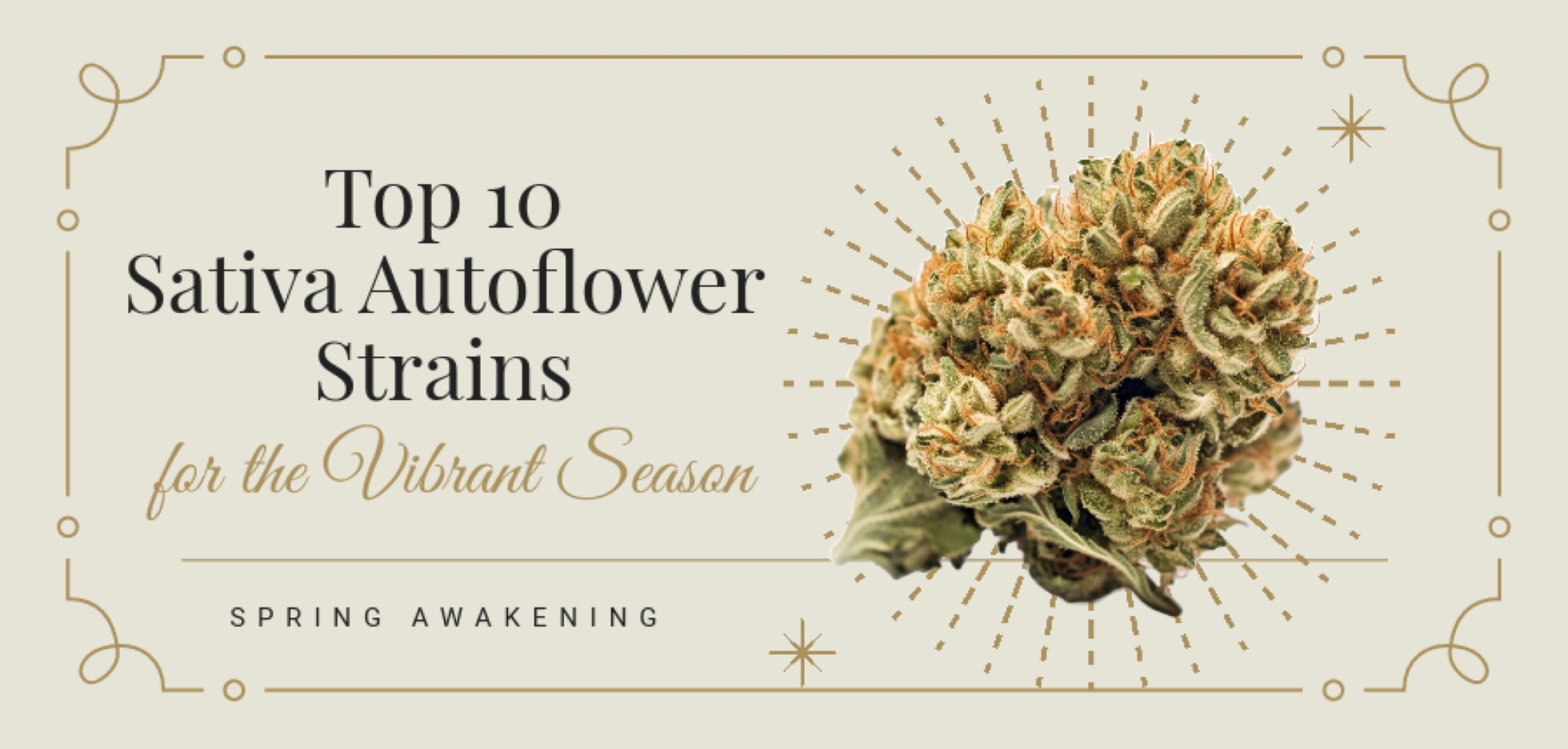
Spring Awakening: Top 10 Sativa Autoflower Strains for the Vibrant Season

Spring symbolizes rejuvenation and growth, and what better way to embrace the season than cultivating some of the most exciting Sativa Autoflower strains? These strains are known for their uplifting effects and shorter growth cycles, making them perfect for springtime cultivation. Here’s a comprehensive look at the top 10 Sativa Autoflower strains that are ideal for spring planting, detailing the growing characteristics and unique traits that make them a favorite choice.

Amnesia Haze Auto

Amnesia Haze Auto is a popular Sativa strain known for its uplifting and energizing effects. Thriving in spring sunlight offers a shorter flowering time and is quite forgiving for beginners. Its citrus and earth flavors resonate with spring’s fresh energy, providing a sense of renewal that perfectly captures the spirit of the season.

Sour Diesel Auto

Sour Diesel Auto grows well in the moderate temperatures of spring, with its intense aroma and energizing effects making it a favorite among Sativa enthusiasts. Its autoflowering nature ensures a quicker harvest, aligning with the lively pace of spring. The strain’s bold flavors and invigorating effects mirror the lively spirit of spring, making it a preferred choice for cultivation.

Jack Herer Auto

Jack Herer Auto, named after the famed cannabis activist, is celebrated for its resilience and robust growth. It thrives in the nurturing climate of spring and offers a blend of earthy pine flavors. Its uplifting and creative effects provide an engaging experience that harmonizes with spring’s imaginative and dynamic essence.

Green Crack Auto

Green Crack Auto is recognized for its vigorous growth and electrifying effects. Growing well in spring’s fluctuating temperatures, it’s fruity flavors and energetic characteristics make it a standout choice for the season. The strain’s robust growth and spirited experience align with spring’s playful and awakening aspects, making it a popular selection.

Auto Pineapple Express

With its delightful tropical flavors, Auto Pineapple Express offers a sensory treat for spring cultivation. It’s balanced growth and stimulating effects make it suitable for spring’s moderate climate. The taste of pineapple and its uplifting experience align with spring’s vibrant energy, making it a sought-after option during this season.

Strawberry Cough Auto

Strawberry Cough Auto is known for its unique strawberry aroma and stress-relieving effects. Thriving in spring’s nurturing environment, it offers a bountiful harvest and an engaging sensory experience. Its sweet flavors and uplifting characteristics align well with spring’s themes of renewal and vitality, contributing to its popularity among cultivators.

Super Silver Haze Auto

Super Silver Haze Auto offers robust growth and adaptability, thriving in the mild spring climate. Its earthy and spicy flavors and energizing relaxation make it a satisfying choice for both growers and users. The strain’s stimulating nature and flavorful profile embody the growth and awakening energy of the spring season.

Diesel Auto

Diesel Auto, renowned for its diesel-like aroma, grows well in the fluctuating temperatures of spring. Its energizing effects and complex, tangy flavors offer a rich, engaging experience. The strain’s vigorous growth and unique characteristics make it a standout choice for those looking to explore spring cultivation’s lively and stimulating aspects.

Auto AK-47

Auto AK-47 stands out for its consistent growth and resilience, making it an excellent choice for spring cultivation. Its earthy aroma and balanced, uplifting effects provide an engaging sensory experience. The strain’s adaptability and invigorating profile resonate with the harmony and renewal of the spring season, making it a favored selection for many growers.

Bruce Banner Auto

Bruce Banner Auto, famous for its potent effects and complex flavor profile, grows vigorously in spring’s moderate climate. Its powerful, uplifting effects are matched by its robust growth and rich, fruity flavors. The strain’s strong characteristics and captivating experience make it a preferred choice for cultivation during the vibrant spring season.

Conclusion

Cultivating Sativa Autoflower strains during spring brings together the excitement of growth, the joy of flavors, and the energy of renewal. These top 10 choices provide many experiences that align with spring’s lively energy and gentle warmth. If you’re eager to start your spring gardening adventure with these exceptional strains, look no further than Rocket Seeds. Offering quality seeds, a comprehensive selection, and top-notch customer support, Rocket Seeds ensures your cultivation journey is both rewarding and enjoyable. Visit Rocket Seeds today and awaken the vibrant spirit of spring with these remarkable Sativa Autoflower strains!

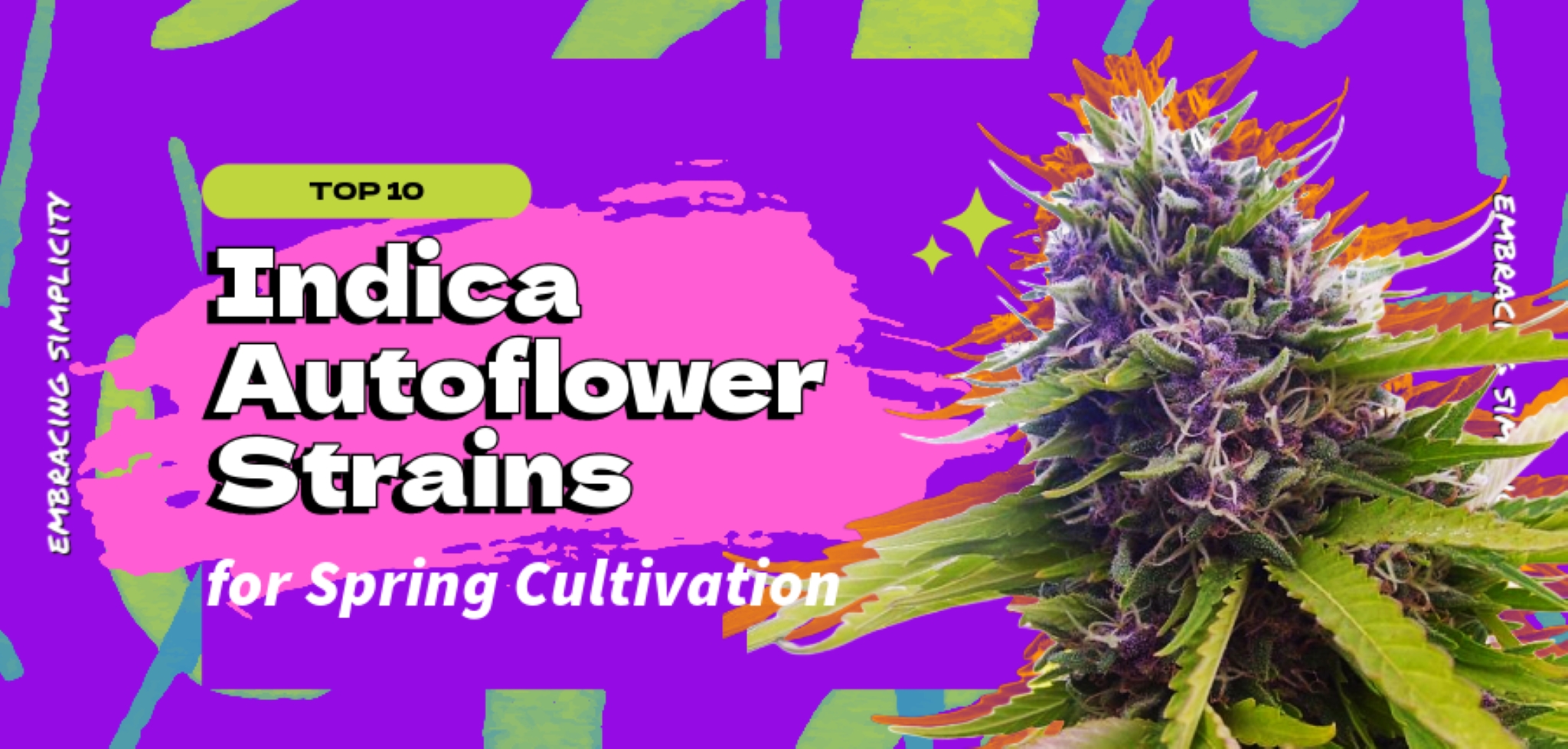
Embracing Simplicity: Top 10 Indica Autoflower Strains for Spring Cultivation

As the spring season brings about growth and renewal, it’s a reasonable time for gardeners to explore cannabis cultivation. Specifically, Indica Autoflower strains are a fantastic choice for beginners and seasoned growers. These strains grow quickly, require less light, and are generally more resilient. Here’s a guide to the top 10 Indica Autoflower strains for spring cultivation, explaining why each is favored during this season both in growing characteristics and user experience.

1. Northern Lights Autoflower

Northern Lights Autoflower is a legendary Indica that’s perfect for spring planting. Its resilience and resistance to disease make it a great choice for beginners. The autoflowering variant means shorter growth time, aligning with the rapid changes of spring. With relaxing effects and a sweet, spicy flavor, it offers a calming experience that complements the serene atmosphere of spring.

Blueberry Autoflower

Blueberry Autoflower thrives in the mild spring climate, and its delightful blueberry aroma provides a sensory treat. This Indica-dominant strain offers relaxation without heavy sedation and grows rapidly, making it suitable for a spring harvest. Its fruity flavors and calming effects mirror the gentle ambiance of spring, making it a preferred strain for cultivation and consumption.

Critical Purple Autoflower

Critical Purple Autoflower grows well in spring’s moderate temperatures and offers a bountiful yield. Its purple hues and rich, earthy flavors provide a unique experience. Known for its strong relaxation effects, it’s perfect for unwinding during vibrant spring evenings. Its robust growth and soothing characteristics make it a standout choice for the season.

Gelato Autoflower

Gelato Autoflower is praised for its resilience, sweet flavors, and euphoric effects. It flourishes in spring’s fluctuating temperatures, and its relatively short growth cycle aligns with the season’s pace. With notes of citrus and berry, Gelato offers an uplifting experience that resonates with the lively spirit of spring, making it a sought-after option for cultivation.

Super Skunk Autoflower

Super Skunk Autoflower, known for its intense aroma and strong relaxation effects, grows well during spring. Its hardy nature and quick flowering time make it a rewarding choice for novice and experienced growers. The robust flavors and calming effects of Super Skunk provide a satisfying experience that complements the gentle transition into warmer months.

Bubba Kush Autoflower

Bubba Kush Autoflower is recognized for its robust growth and adaptability. Thriving in spring’s nurturing environment, it offers a rich harvest and a unique blend of coffee and sweet flavors. Its soothing effects and growth characteristics align with spring’s themes of renewal and relaxation, making it a favored selection for many cultivators.

White Widow Autoflower

White Widow Autoflower is renowned for its adaptability and resistance to pests, making it an ideal choice for spring cultivation. With complex, spicy flavors and uplifting effects, it offers an engaging experience for both growers and users. It’s forgiving nature and wide-ranging appeal makes it a popular option for those seeking to embrace the growth and energy of spring.

OG Kush Autoflower

OG Kush Autoflower stands out for its rapid growth and resilience, thriving in the mild conditions of spring. Its citrusy aroma and balanced effects provide relaxation without intense sedation. The strain’s adaptability and unique flavor profile embody the vibrant spirit of spring, making it a top choice for cultivators seeking a fulfilling gardening experience.

Blue Cheese Autoflower

Blue Cheese Autoflower, with its distinctive cheesy and blueberry notes, grows vigorously in spring’s moderate climate. Known for its calming effects and rich flavors, it offers a sensory experience that harmonizes with spring’s gentle ambiance. Its robust growth and soothing characteristics make it a preferred strain for cultivation during this vibrant season.

Bubblegum Autoflower

Bubblegum Autoflower is celebrated for its sweet, candy-like flavor and steady growth during spring. Its cheerful aroma and balanced relaxation effects make it a delightful choice for cultivation and consumption. The strain’s resilience and flavorful experience align with spring’s playful and nurturing aspects, making it a favored selection for many gardeners.

Conclusion

Spring cultivation offers an exciting opportunity to explore the world of Indica Autoflower strains. These top 10 choices provide a range of flavors, effects, and growth characteristics well-suited to the season’s unique attributes. Rocket Seeds is the go-to destination if you’re ready to embark on a spring gardening adventure with these strains. Offering quality seeds, extensive selection, and exceptional customer support, Rocket Seeds ensures your cultivation journey is both successful and enjoyable. Visit Rocket Seeds today, and embrace the simplicity and joy of growing Indica Autoflower strains this spring!

The Top 10 Autoflower Strains for Spring: A Comprehensive Guide

Spring is the season of growth and renewal, and for cannabis cultivators, it’s an opportunity to explore new strains and bring life to the garden. Autoflowering strains, in particular, can make spring cultivation a joyful experience, as they typically require less maintenance and are faster to harvest. This guide explores the top 10 autoflowering strains for spring cultivation, delving into the characteristics that make each one unique.

Northern Lights Autoflower

Northern Lights Autoflower is famed for its resilience and adaptability, making it a great choice for uncertain spring weather conditions. Its compact size and quick growth rate mean you can harvest quickly. The strain boasts a sweet, spicy aroma and a relaxing effect. Its robust nature and resistance to disease make it ideal for novice growers and those looking for a hassle-free cultivation experience.

Amnesia Haze Autoflower

Amnesia Haze Autoflower is an enticing option for spring as it thrives in mild temperatures and can be grown indoors and outdoors. Renowned for its energetic and uplifting effects, it carries a citrusy and earthy flavor profile. Its relatively short flowering time and high yield potential make it a preferred choice for growers who want to maximize production without compromising quality.

Blueberry Autoflower

Spring is all about freshness, and Blueberry Autoflower encapsulates that with its delicious blueberry aroma and taste. This strain grows well in the spring’s moderate temperatures and offers a rich, fruity experience. It’s known for its calming effects and vibrant blue hues, providing both aesthetic pleasure and a soothing therapeutic experience. It’s an excellent choice for spring cultivation and is easy to grow and highly resistant to pests.

Critical Purple Autoflower

For those seeking an intense and flavorful experience, Critical Purple Autoflower is a must-try. This strain thrives in the mild spring climate, growing quickly and providing a bountiful yield. Its potent effects and unique berry-like flavor make it a favorite among connoisseurs. Moreover, its balanced growth pattern and resistance to mold and mildew make it a low-maintenance option for spring cultivation.

Jack Herer Autoflower

Named after the legendary cannabis activist Jack Herer Autoflower is an uplifting and creative strain perfect for spring’s energetic vibe. It’s well-suited to the variable conditions of the season, offering balanced growth and a robust nature. The combination of earthy flavors and invigorating effects make this strain stand out for those seeking inspiration and vitality during spring.

White Widow Autoflower

White Widow Autoflower is a classic strain known for its potency and rich resin production. Its resilience to changing weather conditions and resistance to pests make it an ideal choice for spring cultivation. The strain’s balanced effects and complex, spicy flavor profile add to its allure, making it a favorite among both growers and consumers.

Sour Diesel Autoflower

Sour Diesel Autoflower brings a zesty twist to the garden with its sharp, fuel-like aroma and energetic effects. Its rapid growth cycle and adaptability to various environmental conditions make it perfect for the dynamic nature of spring. Offering a cerebral and uplifting experience, Sour Diesel is a top choice for those looking to invigorate their senses during the blooming season.

Gorilla Glue #4 Autoflower

Gorilla Glue #4 Autoflower is renowned for its sticky, resinous buds and potent effects. Its ability to flourish in fluctuating spring temperatures and resistance to common pests make it a preferred choice for many cultivators. With earthy undertones and a strong, relaxing effect, it provides a unique sensory experience that harmonizes with the gentle transition into warmer weather.

Bubble Gum Autoflower

Bubble Gum Autoflower is a playful and sweet strain that lives up to its name, offering a bubblegum flavor and aroma. Its vibrant growth and colorful appearance make it a delightful addition to a spring garden. The strain’s balanced effects and easy cultivation make it a joy to grow and consume, symbolizing the light-hearted spirit of the season.

Girl Scout Cookies Autoflower

Last but not least, Girl Scout Cookies Autoflower is a versatile and flavorful strain that thrives in spring’s moderate climate. Known for its complex flavor profile, blending sweet and earthy notes, and its well-rounded effects, it provides a satisfying experience for both growers and users. It’s adaptability and sturdy growth make it a fitting choice to round out a spring garden.

Conclusion

Spring is a time of rebirth, and these autoflowering strains reflect the season’s essence with their diverse characteristics and adaptability to varying conditions. Whether you are a novice grower or a seasoned expert, this carefully curated list offers something to enhance your spring cultivation experience and is readily available at Rocket Seeds. Experimenting with these strains can lead to a rewarding harvest and a deeper connection to the season of growth and renewal. Happy growing!

Cannabis Expert Guide to Cloning Autoflowers

You may have heard that autoflowers can’t be cloned. It may be a shame as it is an efficient and economical way of cultivating Cannabis. 

Some people said that it might cause stress to the mother plant, and it can slow down development. It may happen as cutting on the stem is made. So these are the concerns of some people when it comes to cloning autoflowers.

Can you guess if it’s just a myth or not at all? Well, this article will show the real deal about this matter.

Cloning Cannabis Plants

The process of cloning Cannabis plants is quite interesting. It would start by getting a ‘cutting’ from the chosen mother plant to produce a new plant. The newborn plant would retain the genetics of the mother plant. 

Therefore, cloning is the process that would let growers preserve the genetics of the strains with characteristics that they admire. Some of them attract you to its flavor, and some would let you depend on them due to their effects.

Cloning also economically attracts growers as they don’t need to keep on buying Cannabis seeds. As long as they maintain the robust health of the mother plant, they can just get some cuttings to create a homogeneous version of the strain that you desire. 

While there are benefits from this process, there may be a possible downside to this. Some view some limitations when it is applied to cloning autoflowers. 

Autoflowering strains have a lot of advantages when it comes to Cannabis cultivation. They’re compact-sized weeds that finish quicker than others. So some growers think that it’s a good idea to clone them. 

What Happens in Cloning Cannabis Plants?

The cutting for cloning is done during the vegetative phase. Then you can place it in a growing medium of your choice and let it grow roots. Some growers would use hormone powder or gel, but it’s not that necessary. 

The cuttings can develop the root system in a matter of 10 days. They will transform into plants that are identical to its source. 

It’s easier to start with cloning if you want to reproduce the same Cannabis plant. It will let you skip the sensitive seedling period. If you get it from a feminized plant, you will be able to retain the status.

Cloning Cannabis Plant: Comparison Between Autoflowers and Photoperiod 

To analyze why some growers don’t want cloning autoflowers, you have to know some of the traits that set them apart from others. As its name suggests, it flourishes automatically by time rather than environmental elements that photoperiod strains are sensitive about.

Photoperiodic strains require a switch of the amount of light when it’s time to shift from the vegetative stage to the flowering stage. This matter is based on evolutionary differences. 

Autoflowers are known to have evolved in the northern hemisphere, an area where there’s only a little sunlight in the entire year. It is the setting that made them automatically flower after a particular period.

So it won’t burden Cannabis cultivators to change light for starting the flowering stage, so a decent yield is attained. 

Whereas, photoperiodic strains came from areas near the equator. When they are cultivated indoors, they need a light cycle for them to embark on the flowering period as well as seeding. They need to do it to avoid harsh weather so they can continue with survival.

The Connection With Cloning

So, how does genetic difference affect the cloning process of Cannabis? You must remember that cloning will result in a plant, which is the exact duplicate of the mother plant. The clone will copy every bit of the mother, including the age when the cutting was made.

The cutting proceeds with the genetic timeline of its mother. It keeps on with the flowering stage despite its size and status of development. 

When it comes to autoflowering strains, clone ones will come out as small and underdeveloped with only minimal yield. Cloning is suitable for photoperiodic strains. The cutting taken during the vegetative stage can still grow and flourish within the same period as long as there’s no change in the light cycle.

When the plant arrives at its optimal size, the grower can make changes on the light cycle so the flowering stage can begin. 

This explanation shows how cloning is suitable for photoperiod. But it doesn’t say that cloning autoflowers can’t be done. 

There are Cannabis growers who have successfully applied cloning with autoflowers. But the yield is only suboptimal. If you want to stick to the main goal of cloning, which is preserving your favorite strain, it will be fine but don’t expect too much during harvest time.

Guide on Cloning Autoflowers

When attempting clone autoflowers, you should get the cutting at the bottom part of the mother plant. The lower branches are believed to be more mature and have more stable hormones than the ones on the top. 

Apical meristem is the main terminal stem that receives the signal when it’s time to flower. But it goes downwards, so the signal is brought to the knowledge of the lower branches. Then they prepare for flowering time.

A short window of time happens like just a few hours for sexual features along with the permeation of flowering hormones which spread all over the plant’s tissues. It’s essential to observe your mother plant if it starts to flower as it would tell you that you can get some cuttings.

When you have secured the cuttings from your autoflowers, put them under low-intensity lights. They also need to be in a moist condition to induce rooting. 

When the cutting has roots, they can proceed to the vegetative stage. They will reach approximately 80% of the size of their mother. You will then see the harvest. It can also come to the point that the harvest is comparable to the mother plant.

Final Thoughts

You can try cloning your autoflowering strains, and no one is stopping you. It can be done simply and, of course, successfully. So you can produce a future generation of your favorite strains without the need to buy some autoflower seeds

Cloning autoflowers still coheres with the main goal of this process. It will produce the same copy of its mother plant. 

However, the yield will be minimal amount. But it would be enough to pay off all your efforts and skills you applied in its growth.

Autoflowering Feminized Seeds Grow Guide

Cannabis cultivation goes very far back to at least 3000 years ago in Taiwan. And ever since its discovery, people have been benefiting from these plants in many ways. Several genetic variations and crossbreeds have emerged as cannabis can be grown anywhere, with different strains fitting different climates and resulting in diverse effects and advantages. 

Introduction to Autoflowering Feminized Seeds

One of the greatest phenomena that have come out of the extensive evolution of cannabis over recent years is the creation of autoflowing feminized seeds. These seeds are different from traditional photoperiod ones as the latter does not rely on specific light cycles or schedules from the sun to begin their flowering process. Strains of this nature include the Cannabis Ruderalis genetics, a species of cannabis that is known for growing and flowering based on their age, without any intervention, and reaching full maturity within just a few months. 

Before we go into the details of the autoflowering feminized seeds grow guide, let’s review the different advantages of this cannabis variety.

Benefits of Auflowering Feminized Seeds

Autoflowering feminized seeds have only gained recognition in the last few years. Today, they are taking the market by storm with their many benefits, including ease of cultivation, higher quality, and greater yields.

Growing these seeds are pretty straightforward, as growers can just leave these hardy and forgiving plants under a fixed light schedule from seed to harvest time. These seeds not only grow faster (around 8 to 10 weeks as opposed to sixteen weeks for photoperiods), but they also tend to produce smaller plants that won’t get taller than 50 to 70 cm. Smaller buds are known to produce more intense flavors, as evidence on many award-winning strains. And shorter plants make indoor and discreet growing easier and simpler.

Autoflowering Feminized Seeds Grow Guide

With all the benefits that come from choosing autoflowering feminized seeds, it comes as no surprise that these seeds are becoming immensely popular among cannabis breeders, both novice and experienced, nowadays.

However, it is important to realize that because of their shorter lifespan, these seeds will grow and flower whether or not you are ready for them. So like everything else, successfully cultivating autoflowering feminized seeds require some preparation. Here is a week-by-week grow guide that covers all the parameters and variables of cultivating these seeds.

Week 1

Proper germination and is pivotal to the development of healthy, vigorous, and productive marijuana plants. Germination takes one to three days, generally. It is during this time that your seeds will activate, grow roots, and a shoot above the surface.

During this stage of early seedling, you have a number of routes to choose from, including the traditional one of using soil. The paper towel method, however, is probably the easiest and most popular way to germinate your autoflowering feminized seeds.

To begin the germination process, moisten a paper towel on a plate. Place your seeds on the paper and cover them with a plate. This is to ensure that moisture is locked in. Certain environmental factors play a key role in germination, and in ideal situations, the seeds should sprout in a day or up to a week.

Next, prepare a suitable soil mix that is light and airy. Poke a small 10 to 15 mm hole in the soil up to an inch deep. Sow your seed directly into its one and final pot that is large enough to provide plenty of space for the roots to grow. It is important to remember that autoflowering feminized seeds are less forgiving when it comes to major stressors and mistakes, including repotting. As such, it is best to plant these seeds in their final pot right from the get-go.

Week 2

By the second week, your seedling would have now emerged. As mentioned earlier, growing autoflowering feminized seeds is pretty straightforward. You do not need light schedules. Instead, you just need to leave your lights on an 18/6 schedule for the entire grow. Experts recommend growing these seeds indoors with a 250W LED light, which will provide enough power to meet your 18hr-on 6hr-off light schedule. Set the temperature at the ideal 68 to 77 degrees Fahrenheit with at least 50% to 70% humidity levels.

In addition, it is during this week that the feeding of your plants starts. Apply nutritional formulas specifically designed for the seedling. As light feeding is ideal, there is no need for additional nutrients during this period unless your plant shows signs of deficiency like yellow leaves.

Week 3

By week three, your plant will be well into its vegetative phase. As you notice new fan leaves developing, you can begin adding more nutrients, increase the feeding rate, and start training your plant. The only training method you should use on these plants is the LST (Low-Stress Training). Performing this training to your plants will help boost yield during the flowering stage. Do not top, prune, or pinch your autoflowering plants.

Week 4

Your plant will be nearing the flowering or bloom stage by week four. Aim for the following environmental conditions for maximum growth: 45% RH, 0.5L of water for every 24 hours, and 20 degrees Celsius air temperature. Finish off any training by this period to avoid stressing your plant when you get on the flowering stage.

Week 5

As the flowering phase starts, dial in the optimal environmental conditions of 45% RH, 1l of water for every 24 hours, and 23 degrees Celsius air temperature. Also, switch the LED light settings from blue to red to encourage the budding process.

Your plants will also be requiring higher demands for their nutrition, and this includes amendments to their phosphorus, magnesium, potassium, and calcium feedings.

Week 6 and 7

For the next two weeks, focus your time and energy in keeping an eye out for those yellow, banana-like structures. These “bananas” produce pollens and do not even need to open up before making seeds. Thus, it is important to remove these from the growing space immediately to prevent them from pollinating your female plants nearby. While hermaphrodites in autoflowering feminized seeds are rare, they are still worth looking out for.

In addition, conduct routine checks to search for pests and signs of nutrient deficiencies. If your plants have dried leaves, which are common during this stage of flowering, remove them to promote better airflow around your buds.

Week 8 and 9

By this time, harvest season is near, and it is time to flush and defoliate your plants. Flushing is when you stop feeding your plants and only administer as much water into the soil and wait for it to dry out. Repeat the process over the next two weeks before harvesting. The goal here is to remove whatever chemicals that have been fed into the plants and create better-tasting buds. As you notice your foliage starts to discolor and turn yellow, that means you’ve successfully flushed your plants.

Week 10

Autoflowering plants are generally ready to harvest by week ten. Check on your trichomes, and the majority has turned milky in color, they are ready for harvest. It is important to understand that there is no need to harvest the entire plant all at once. Some of the buds may be ripe, while the others are not. So instead of collecting them all in one go, try a progressive harvest.

As illustrated by the week-by-week autoflower seeds grow guide above, cultivating and harvesting these seeds is quick and easy. There may be many variables to cover, but if done correctly, you will be sure to reap and enjoy healthy and delicious buds in as short as ten weeks.