

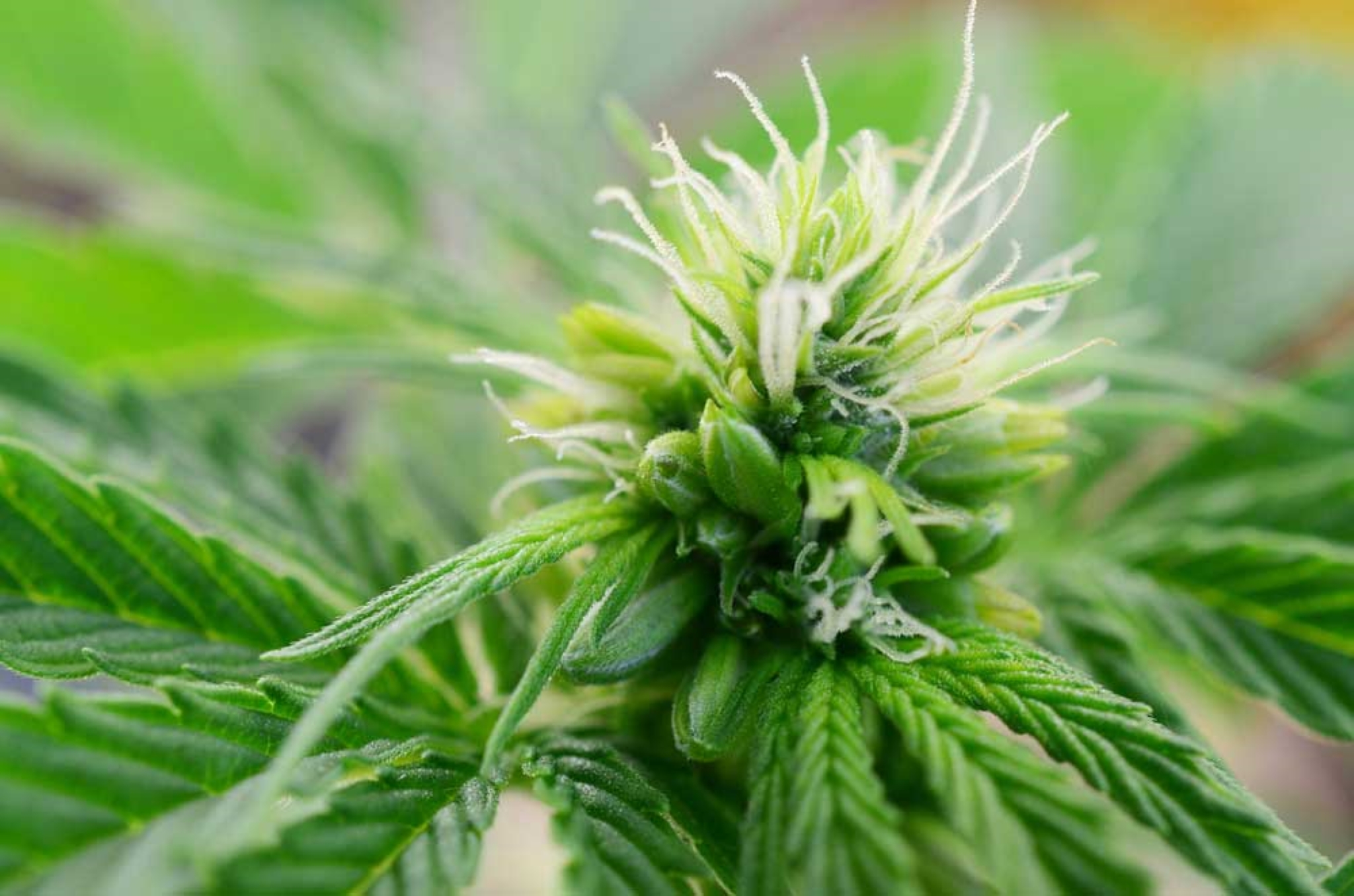
When searching for Cannabis Seeds online, you’ll find options in the feminized variety. This means that the sex of your cannabis has a very clear impact on what happens to the plant itself.
Female plants lead to the bud sites that support the dense resinous nugs we know and love. Male plants are pivotal for providing genetics needed in advanced and structured breeding lines. As male plants pass pollen to female cannabis plants, they create the next generation of seeds.
So what are hermie plants and where do they fit into all of this?
Importance of Sex in Cannabis
When discussing cannabis, we must look closer at what makes it unique within the plant kingdom itself to better clarify the importance of sex. Cannabis contains cannabinoids, terpenes, and many other unique phytochemicals. Within the plant kingdom, the vast majority of species are considered monoecious, possessing both female and male reproductive organs. This is where cannabis separates itself from plants like squash and corn.
Cannabis is part of a species that is dioecious, meaning it is capable of producing both female and male plants separate from one another. Cannabis breeders embrace this minority trait to have more control as they cross their female and male plants together, finding the best combinations to create the best outcomes.
In certain situations, cannabis plants will bust free from the rules, go against the grain, and develop into a monoecious plant. When developed into a monecious plant due to environmental or genetic factors, the plant in question will become hermied. This is part of an evolutionary strategy in cannabis plants to design the species during difficult times.
Hermie plants have characteristics of both male and female plants. In nature, this may not be a problem, but in a carefully cultivated grow room, hermie plants can dramatically reduce the overall quality of a crop. Hermie plants have low potency, unpleasant effects, and a preponderance of seeds.
How to Identify a Hermaphrodite Cannabis Plant
An experienced green thumb attached to a cannabis connoisseur will be able to detect signs of a hermie plant with relative ease. However, newcomers to the hobby will have some distinct issues identifying signs of hermaphrodite plants without some help.
- Clustered Bud Sites – In their early stages of growth, hermaphrodite plants will begin to manifest the reproductive organs of both male and female plants. These can be noted around bud sites, as pollen sacs are formed well before the plants are mature enough to advance to flower production.
- Banana Hermie Nodes – Cannabis growers should become familiar with the ‘banana’ hermaphrodite plant to avoid it in the future. Banana hermies are also known as ‘nanners’ thanks to their banana shape. Growing in bunches like bananas, banners will showcase multiple naked stamens.
- Physically Shorter Plant – While not always a guarantee that your plant has hermied, hermaphrodite plants are distinctly shorter than their healthy male or female counterparts. The effect of becoming a hermie is so intense that it physically impacts and hampers the rest of the plant’s growth.
Once you identify a hermie plant there are very few steps to take outside of removing the plant itself. The vast majority of growers would rather remove every single hermie from their room to prevent pollinating the rest of their crop. Allowing hermies to grow will cause other plants to lose their potency while reducing the overall quality of the harvest.
Fortunately, it is possible to save a hermie plant if you catch it in time.
How to Save a Hermie Plant
While there are no guarantees when attempting to save a hermie plant, there are steps that can be taken to help accomplish the task. With the right actions at the right time, a hermied plant can still lead to a harvest of sinsemilla buds.
- Identify Immediately – Make sure to carefully monitor your plants throughout their growth cycle. Upon noticing a hermied plant or indicators of one, remove the plant from the room and set it apart from the rest of your plants to avoid pollination.
- Remove Pollen Sacks – After identifying the hermied plant and its banana hermie nodes, use sterilized tweezers to carefully remove the pollen sacks. Repeat this process on all your hermied plants.
- Monitor and Remove New Male Organs – Upon removing the pollen sacks, take time to carefully assess your hermied plants. If new male organs appear, be sure to remove them immediately.
Why Do Plants Hermie?
Hermaphroditism can manifest from two primary factors: genetics and stress. As we alluded to above, hermaphroditism was developed as a mechanism of survival for plants that could not successfully cross-pollinate. In addition to this survival tactic, there are other reasons for your cannabis plants to hermie.
Genetics
Hermie parents will almost always lead to hermie children. This is the biggest reason to focus on acquiring feminized seeds from a reputable online seed bank. With that being said, some strains are more genetically predisposed to hermaphroditism than others. Do your research to learn what to expect from your seeds before planting them.
Stress
As a survival mechanism, hermaphroditism is the right way for plants to potentially survive problematic elements by becoming self-reliant instead of hoping for external pollination. Stress can come from several different directions, though they are likely all environmental: poor lighting, improper nutrition, pests, and weather conditions.
How Can I Avoid Hermied Plants In My Garden?
If you want to avoid hermied plants in your cannabis garden, make sure that you are acquiring your Cannabis Seeds from a reputable seed bank. With the quality of your seeds assured, the rest of your focus should be on maintaining the conditions needed for your plant to thrive, ostensibly with the least amount of stress possible.
A few ways to ensure the health and vitality of your plants to avoid hermaphroditism:
- Stable Growing Environment – Maintain the right temperature settings in your garden, avoiding extreme heat to bypass one of the biggest triggers of hermaphroditism. You will also want to prevent pests from taking over your growing area as they can lead to the stress that causes hermaphroditism.
- Steady Nutritional Support – If you are growing your plant in a controlled environment, provide it with the nutritional profile it needs to thrive. Consult with seed banks to learn more about the strains you are cultivating to best meet their nutritional needs.
- Harvest on Time – Make sure to harvest your plants on time. The longer you allow mature buds to sit on the plant, the more likely it is that they will hermie.