

Table of Contents
Welcome to the hidden world beneath the soil – the inside of the marijuana root system. While the vibrant leaves and resinous flowers of cannabis plants grab attention, it’s the roots that toil away unseen, delivering vital support and nourishment. In this detailed guide, we’ll delve into the structure, purpose, and nurturing of the cannabis tap root system, equipping you to cultivate stronger plants and boost your yields.
Understanding the Weed Root System
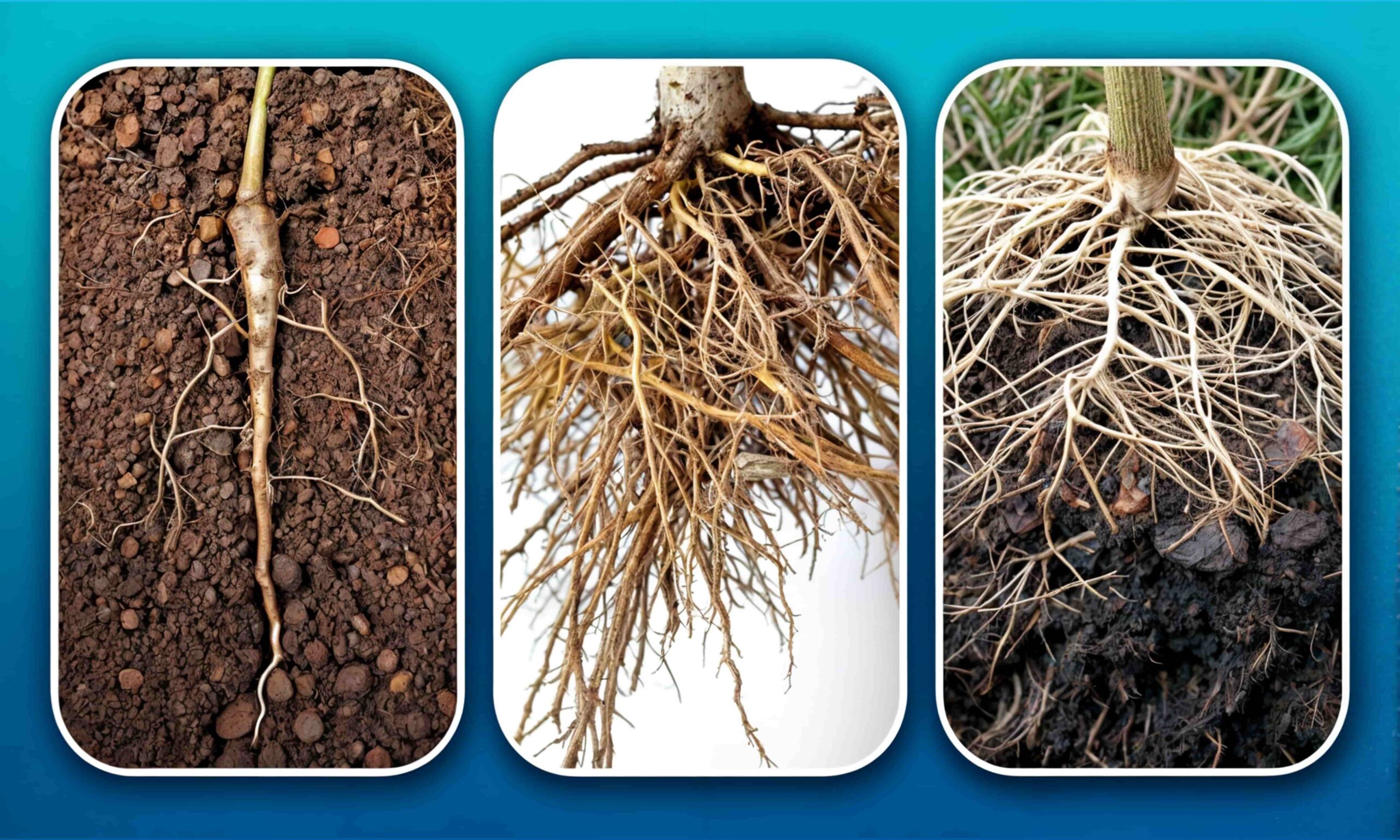
The Marijuana Root System, often overlooked yet vital for plant health, comprises several key components:
- Root Types and Structures: Below the surface, marijuana plants develop a complex network of roots, including primary, secondary, and tertiary roots. The primary root, known as the taproot, extends vertically downward, providing stability and absorbing water and nutrients. Secondary and tertiary roots spread horizontally, exploring the soil for essential resources.
- Root Functions: The roots perform various crucial functions, such as anchoring the plant in the soil, absorbing water and nutrients, and storing reserves for future use. They also interact with beneficial microbes, promoting nutrient uptake and defending against harmful pathogens.
- Rhizosphere Interaction: The rhizosphere, the area of soil influenced by root secretions, plays a crucial role in nutrient cycling and plant vitality. Root exudates, composed of sugars, amino acids, and organic acids, attract beneficial microorganisms, fostering symbiotic relationships that improve nutrient availability and resistance to diseases.
Nurturing a Healthy Root System
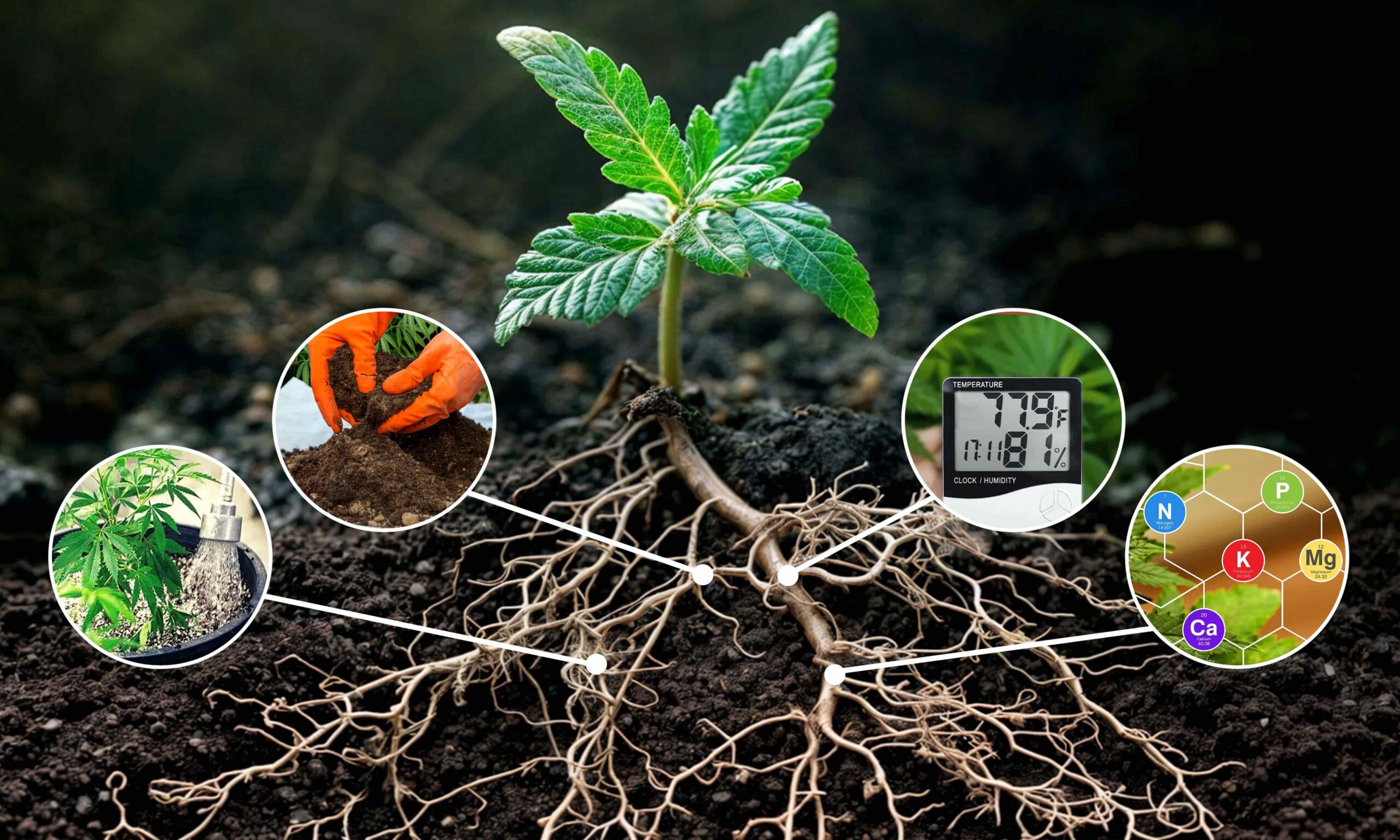
To achieve robust cannabis growth and maximize yields, it’s crucial to prioritize optimal root health. Here are some tips for nurturing a thriving marijuana root system:
- Proper Watering: Maintain a consistent watering schedule to avoid overwatering or underwatering, both of which can harm the roots. Allow the soil to dry slightly between watering sessions to encourage healthy root development.
- Soil Quality: Opt for well-draining, nutrient-rich soil or consider using a hydroponic system to create an ideal environment for root growth. Avoid compacted or waterlogged soil, as these conditions can restrict root expansion and oxygen uptake.
- Temperature and Humidity: Ensure the growing environment maintains optimal temperature and humidity levels to support root health. Excessive heat or cold can stress the roots, while high humidity levels may increase the risk of fungal diseases.
- Nutrient Management: Implement a balanced nutrient regimen tailored to the specific needs of cannabis plants at each growth stage. Regularly monitor pH levels to prevent nutrient imbalances that could hinder root uptake and overall plant health.
Conclusion
The marijuana root system acts as a foundation, upholding plant health and productivity. Through comprehension of its anatomy, functions, and care needs, cultivators can unleash the complete potential of their cannabis crops, nurturing sturdy root systems and abundant harvests.
FAQs (Frequently Asked Questions)
Q: How deep do marijuana roots grow?
A: Marijuana roots can penetrate the soil to depths of up to several feet, with the taproot extending deepest during the seedling stage.
Q: What are the signs of root problems in cannabis plants?
A: Symptoms of root issues include wilting, yellowing leaves, stunted growth, and an overall decline in plant vigor.
Q: Can I prune marijuana roots?
A: While root pruning can be beneficial during transplanting or to control rootbound growth, it should be done with care to avoid damaging the plant.
Q: How can I improve root development in cannabis plants?
A: Promote root growth by providing adequate moisture, oxygen, and nutrients, along with beneficial microbial inoculants.
Q: Do marijuana roots need darkness?
A: While roots prefer darkness, they also require oxygen, so it’s essential to maintain a balance between soil moisture and aeration.
Q: Can I reuse soil from previous cannabis grows?
A: Yes, but it’s crucial to amend the soil with fresh organic matter and nutrients to replenish depleted resources and prevent disease buildup.