500 NEW MARIJUANA SEEDS RELEASED

Can Weed Be In Your System From Second-Hand Smoke

In recent years, the discourse surrounding secondhand marijuana smoke has gained significant attention, paralleling the legalization and increased use of cannabis in various forms. It’s crucial to comprehend the potential health hazards associated with exposure to secondhand marijuana smoke, akin to the awareness raised regarding secondhand tobacco smoke in the past. Through empirical studies and scientific research, a clearer picture emerges regarding the composition of secondhand marijuana smoke and its detrimental effects on health.

Composition of Secondhand Marijuana Smoke

Can Weed Be In Your System From Second-Hand Smoke

Secondhand marijuana smoke is a complex amalgamation of compounds emitted from combusted marijuana, including both the smoke exhaled by the user and the byproducts of combustion. This mixture contains a plethora of hazardous substances, some of which overlap with those found in secondhand tobacco smoke. Notably, acetaldehyde, ammonia, arsenic, benzene, cadmium, chromium, formaldehyde, hydrogen cyanide, isoprene, lead, mercury, nickel, and quinoline are among the carcinogens and toxins present in both types of smoke. Additionally, tetrahydrocannabinol (THC), the psychoactive component of cannabis, is also present in secondhand marijuana smoke.

Does Secondhand Smoke Show Up On A Drug Test

Can Weed Be In Your System From Second-Hand Smoke

The question of whether secondhand smoke can show up on a drug test is a pertinent one, often raised by individuals concerned about inadvertent exposure to substances such as marijuana. While there is limited research specifically addressing this issue, current scientific understanding suggests that passive exposure to secondhand smoke is unlikely to result in detectable levels of cannabinoids in drug tests. However, factors such as the duration and proximity of exposure, as well as the sensitivity of the drug test employed, may influence the likelihood of detecting trace amounts of cannabinoids in biological samples. Consequently, while the risk of testing positive due to secondhand smoke exposure is generally low, individuals seeking to avoid potential complications should minimize their exposure to smoke in environments where cannabis consumption occurs.

Health Risks Associated with Exposure

Exposure to secondhand marijuana smoke poses substantial health risks, particularly concerning respiratory and cardiovascular health.
Scientific evidence suggests that inhaling fine particulate matter from secondhand marijuana smoke can lead to lung irritation, exacerbate pre-existing respiratory conditions such as asthma and bronchitis, and increase susceptibility to respiratory infections. Furthermore, studies comparing particulate matter levels from secondhand marijuana and tobacco smoke indicate that the former can result in significantly higher concentrations of particulate matter, thereby posing a more acute risk to public health.

Cardiovascular Effects

Beyond respiratory implications, exposure to secondhand marijuana smoke also impairs cardiovascular function. Research conducted on rats indicates that even brief exposure to secondhand marijuana smoke can lead to substantial impairment of blood vessel function, with effects lasting longer than exposure to secondhand tobacco smoke. This impairment manifests as compromised endothelial function, potentially predisposing individuals to cardiovascular diseases such as atherosclerosis, heart attack, and stroke.

Implications for Policy and Regulation

Given the mounting evidence of the health risks associated with secondhand marijuana smoke, it is imperative to implement comprehensive smoke-free policies that encompass both tobacco and marijuana smoke. Such policies not only protect the public from exposure to harmful pollutants but also serve to denormalize smoking behavior and promote public health. Organizations like the American Society for Heating, Refrigeration, and Air Conditioning Engineering (ASHRAE) advocate for ventilation standards that ensure indoor air quality remains free from the deleterious effects of secondhand smoke, whether from tobacco or marijuana.

Smoke-Free Legislation

Efforts to enact smoke-free legislation in public spaces and workplaces are instrumental in safeguarding the health of nonsmokers and workers alike. By prohibiting smoking and vaping of both recreational and medical marijuana in designated venues, jurisdictions can mitigate the risks posed by secondhand marijuana smoke and uphold the right to breathe smoke-free air. Notably, the inclusion of marijuana in smoke-free laws underscores the necessity of consistent regulation across all forms of smoking and aerosolization, thereby preventing potential loopholes that may undermine public health protections.

Conclusion

In conclusion, the hazards of secondhand marijuana smoke are increasingly recognized within the scientific community, necessitating proactive measures to mitigate exposure and protect public health. By understanding the composition of secondhand marijuana smoke and its associated health risks, policymakers and stakeholders can formulate evidence-based regulations that prioritize public wellbeing. Through the implementation of comprehensive smoke-free policies and advocacy for transparent regulation, society can uphold the fundamental right to breathe clean, smoke-free air in all environments.

FAQs

Q: Can secondhand marijuana smoke cause a positive drug test result?
A: Unlikely, but depends on factors like proximity and duration of exposure.

Q: Is it possible to completely avoid secondhand marijuana smoke?
A: It may be challenging, but avoiding areas where marijuana is smoked can help.

Q: How long does marijuana stay in the air after smoking?
A: It can linger for a while, but ventilation and airflow can help disperse it faster.

Q: Can secondhand marijuana smoke harm pets?
A: Yes, pets can be affected by inhaling secondhand smoke, just like humans.

Q: Can using air purifiers help reduce exposure to secondhand marijuana smoke?
A: Yes, good quality air purifiers can help remove smoke particles from the air, reducing exposure.

The Secrets to Crafting the Perfect Cannafudge


Welcome to the delightful world of cannafudge crafting, where sweetness meets sophistication, and cannabis infusion adds a unique twist to traditional fudge recipes. Whether you’re a seasoned baker or a novice enthusiast, this guide will take you on a flavorful journey, unveiling the secrets to creating the perfect cannafudge every time.

Getting Started – Ingredients and Equipment

Key Ingredients for Cannafudge Bliss

Cannafudge

Crafting the perfect cannafudge begins with selecting the finest ingredients. Here’s what you’ll need:

  • Cannabis-infused butter: The star ingredient that adds a touch of magic to your fudge.
  • Chocolate: Opt for high-quality chocolate to achieve a rich and decadent flavor.
  • Sweetened condensed milk: Provides the creamy texture that makes fudge irresistible.
  • Vanilla extract: Enhances the overall flavor profile with its aromatic essence.
  • Optional add-ins: Get creative with nuts, dried fruits, or sea salt to customize your fudge.


Essential Equipment

Cannafudge

Ensure you have the following tools on hand:

  • Heavy-bottomed saucepan: Ideal for melting ingredients evenly without burning.
  • Whisk or spatula: Essential for stirring and combining ingredients smoothly.
  • Baking dish or pan: Choose a suitable size for shaping and setting your fudge.
  • Parchment paper: Prevents the fudge from sticking to the pan, allowing for easy removal.


Mastering the Art – Step-by-Step Guide with Proportions

Preparing the Cannabis-Infused Butter

Start by infusing butter with cannabis using your preferred method. A common ratio is 1 ounce of cannabis to 1 pound of butter. Decarboxylate the cannabis by baking it in the oven at 240°F for 30-40 minutes. Then, combine the decarbed cannabis with melted butter in a saucepan over low heat. Simmer for 2-3 hours, stirring occasionally.

Melting the Chocolate

For every 12 ounces of chocolate, you’ll need about 1 cup of cannabis-infused butter. Melt the chocolate in a heavy-bottomed saucepan over low heat, stirring continuously until smooth.

Combining Ingredients

Once the chocolate is melted, add in 1 can (14 ounces) of sweetened condensed milk and the prepared cannabis-infused butter. Stir gently until all ingredients are thoroughly combined.

Adding Flavor Enhancements

For every batch of fudge, add 1 teaspoon of vanilla extract for a delightful aroma. If desired, incorporate optional add-ins such as 1/2 cup of chopped nuts or dried fruits.

Pouring and Setting

Transfer the fudge mixture into a prepared baking dish lined with parchment paper, spreading it evenly with a spatula. Allow the fudge to cool and set in the refrigerator for at least two hours or until firm.

Savoring the Sweet Rewards – Serving and Storage

Once set, remove the fudge from the refrigerator and slice it into decadent squares or bars. Serve chilled for a refreshing treat, or let it come to room temperature for a softer texture.

Store any leftover cannafudge in an airtight container in the refrigerator for up to two weeks, ensuring each delightful bite retains its freshness.

FAQs (Frequently Asked Questions)

1. How potent is cannafudge compared to other edibles?
Cannafudge potency can vary depending on factors such as the potency of your cannabis-infused butter and the amount used in the recipe. It’s advisable to start with a small serving and wait to gauge its effects before consuming more.

2. Can I use store-bought cannabis butter for this recipe?
While you can use store-bought cannabis butter, homemade infusion allows for greater control over potency and flavor. Experiment with different strains and infusion methods to tailor your cannabutter to suit your preferences.

3. Is cannafudge suitable for individuals with dietary restrictions?
Cannafudge can be adapted to suit various dietary preferences, including vegan and gluten-free diets. Simply substitute ingredients as needed, ensuring they align with your dietary requirements.

4. How long does it take for cannafudge to set?
Typically, cannafudge takes around two to three hours to set in the refrigerator. However, this may vary depending on factors such as temperature and humidity. For best results, allow ample time for the fudge to firm up before slicing and serving.

5. Can I freeze cannafudge for later consumption?
Yes, cannafudge can be frozen for extended storage. Wrap individual pieces tightly in plastic wrap or aluminum foil before placing them in an airtight container or freezer bag. Thaw the fudge in the refrigerator overnight before serving.

6. Are there any alternatives to chocolate for making cannafudge?
While chocolate is the traditional base for fudge, you can experiment with alternative ingredients such as white chocolate, peanut butter, or caramel for unique flavor variations.

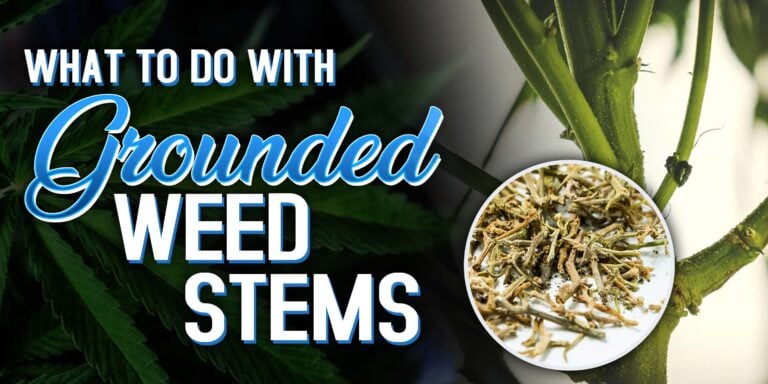
What to Do with Grounded Weed Stems


You’ve finished trimming your weed, but what about those leftover stems? Don’t throw them away! These seemingly useless bits can actually be repurposed in creative and practical ways, saving you money and helping the environment. Let’s explore what to do with grounded weed stems.

What To Do With Your Weed Stems

Grounded weed stems can be transformed into a variety of useful products and substances, which is great for sustainability and resourcefulness. Let’s look at some interesting ways to repurpose them.

Grounded Weed Stems

Crafting Homemade CBD Oil

You can tap into the therapeutic benefits of grounded weed stems by creating your own CBD oil. While the buds have more cannabinoids, the stems also contain valuable compounds. Simmer the stems in a carrier oil, such as olive or coconut oil, on low heat to extract cannabinoids. This creates a powerful homemade remedy for different health issues.

Creating Fiber for Textiles

Weed stems have fibrous material that’s perfect for making textiles. Extract fibers from the stems, then spin them into yarn or weave them into fabric. This eco-friendly method reduces the need for traditional textiles, supporting sustainability in fashion. Plus, using weed stem fibers can make textiles more durable and give them a special texture.

Making Tea With Weed Stems

Grounded Weed Stems

To make a soothing cannabis tea, steep grounded weed stems in hot water. While it’s not as strong as traditional edibles, cannabis tea offers a gentle, relaxing effect. Enhance the flavor by adding honey or lemon. Additionally, cannabis tea can help with symptoms like anxiety, insomnia, and chronic pain, making it a popular alternative therapy.

Enhancing Compost Piles

Grounded weed stems can enhance compost piles by providing carbon, which helps in the decomposition process. To speed up decomposition, chop the stems into smaller pieces and add them to your compost along with other organic materials. The nutrient-rich compost can then be used to nourish your garden or indoor plants. Additionally, the carbon in weed stems helps balance nitrogen-rich materials in the compost, creating ideal conditions for microbes and nutrient cycling.

Crafting Decorative Art

Grounded weed stems can enrich compost piles by providing carbon, which aids in decomposition. To quicken this process, chop the stems into smaller pieces and add them to your compost along with other organic materials. The resulting compost, rich in nutrients, can be used to nourish your garden or indoor plants. Moreover, the carbon in weed stems helps balance nitrogen-rich materials in the compost, creating optimal conditions for microbial activity and nutrient cycling.

Producing Biofuel

You can turn grounded weed stems into biofuel using a process called pyrolysis. This involves heating organic materials without oxygen, resulting in biochar, a carbon-rich substance that can be used for fuel. Biofuel made from weed stems provides a renewable option to fossil fuels, helping to reduce carbon emissions. Additionally, producing biofuel from weed stems can support energy independence and lessen the environmental impact of conventional fuel sources.

Infusing Bath Products

Enhance your self-care routine by adding grounded weed stems to your homemade bath products. Mix them into bath bombs, salts, or oils to enjoy their therapeutic benefits. The cannabinoids and aromatic compounds released during bathing can help you relax and relieve muscle tension. Moreover, the natural exfoliating properties of weed stems can promote skin renewal and improve skin texture, making your bath products even more effective.

Crafting Pet Toys

Get creative and make eco-friendly toys for your furry friends using grounded weed stems. Use the stems to create chew toys or weave them into structures for cats to climb and play on. This not only entertains your pets but also reduces waste and supports sustainability. Making pet toys from weed stems ensures they are non-toxic, reducing the risk of ingestion-related injuries or health issues for your animals.

Baking Edibles

Get creative and make eco-friendly toys for your furry friends using grounded weed stems. Use the stems to create chew toys or weave them into structures for cats to climb and play on. This not only entertains your pets but also reduces waste and supports sustainability. Making pet toys from weed stems ensures they are non-toxic, reducing the risk of ingestion-related injuries or health issues for your animals.

Supporting Local Wildlife

Repurpose grounded weed stems to create habitats for local wildlife, like birds or insects. Bundle the stems together to make shelters or nesting material, offering refuge for creatures in your area. This helps foster biodiversity and preserves natural ecosystems. Supporting local wildlife populations can also help maintain ecological balance and ecosystem resilience, benefiting both wildlife and human communities.

Crafting Paper Products

Utilize the fibrous nature of grounded weed stems to create eco-friendly paper products. Turn the stems into pulp, then mold and dry them into paper sheets. This sustainable process reduces the need for traditional wood pulp, helping to conserve forests and minimize environmental impact. Additionally, paper made from weed stems has a unique texture and visual appeal, adding aesthetic value to stationery, packaging, and other paper goods.

Creating Natural Dyes

Extract vibrant pigments from grounded weed stems to create natural dyes for fabrics and crafts. Boil the stems in water to release their color compounds, then strain the liquid and use it to dye textiles or artwork. This chemical-free dyeing method offers a sustainable alternative to synthetic dyes, minimizing environmental pollution. Additionally, natural dyes derived from weed stems produce rich, earthy hues that reflect the beauty of nature, adding depth and character to handmade textiles and artworks.

Incorporating into Skincare Products

Harness the antioxidant and anti-inflammatory properties of grounded weed stems by adding them to skincare products. Mix them into homemade creams, lotions, or balms to promote skin health and soothe irritation. The natural compounds in the stems offer a gentle yet effective solution for various skin concerns. Moreover, skincare products enriched with weed stem extracts provide hydration, nourishment, and protection for the skin, enhancing overall complexion and vitality.

Conclusion

In conclusion, grounded weed stems have a wide range of potential uses beyond their initial role in cannabis cultivation. Whether you’re making homemade CBD oil, creating eco-friendly textiles, or producing biofuel, the possibilities are vast. By repurposing these seemingly insignificant leftovers, you can reduce waste and open up new opportunities for creativity and sustainability.

Frequently Asked Questions (FAQs)

Q: Can grounded weed stems be smoked?
A: While smoking grounded weed stems is not recommended due to their harsh taste and minimal cannabinoid content, they can be used to flavor other cannabis products or infused into edibles.

Q: Are there any risks associated with using grounded weed stems?
A: While grounded weed stems are generally safe to use, it’s essential to ensure they are free from mold or contaminants. Proper storage in a dry, airtight container can help prevent degradation and maintain freshness.

Q: Can grounded weed stems be composted along with other organic waste?
A: Yes, grounded weed stems are excellent additions to compost piles, contributing carbon and aiding in the decomposition process. Chop them into smaller pieces to accelerate breakdown and promote nutrient cycling.

Q: What is the best method for extracting cannabinoids from grounded weed stems?
A: Simmering grounded weed stems in a carrier oil over low heat is an effective method for extracting cannabinoids. This allows the cannabinoids to dissolve into the oil, creating a potent infusion suitable for various applications.

Q: Can grounded weed stems be recycled?
A: While traditional recycling programs may not accept grounded weed stems, they can be repurposed in various creative ways, such as crafting, composting, or producing biofuel.

Q: How should grounded weed stems be stored to maintain freshness?
A: To preserve the quality of grounded weed stems, store them in a cool, dark place away from moisture and direct sunlight. Airtight containers or vacuum-sealed bags help prevent degradation and maintain potency.

Understanding PMDD and Weed


Welcome to a detailed look at how weed, also known as marijuana, might help ease symptoms of PMDD (Premenstrual Dysphoric Disorder). In this article, we’ll explore what PMDD is, how it affects people, how weed could be a natural solution, and how PPMD and weed are related.

Understanding PMDD

PMDD and Weed

Premenstrual Dysphoric Disorder, or PMDD for short, is a serious type of premenstrual syndrome (PMS). It affects a small number of people who menstruate, causing intense changes in mood, physical symptoms, and disruptions to daily life. PMDD symptoms usually show up in the time between ovulation and the start of menstruation, and they usually go away once menstruation begins.

Identifying PMDD Symptoms

PMDD and Weed

PMDD symptoms can differ in how severe they are, but they often include:

  • Strong mood swings
  • Extreme irritability or anger
  • Feelings of sadness or hopelessness
  • Tiredness or low energy
  • Trouble focusing
  • Changes in appetite or strong cravings for food
  • Physical symptoms like bloating, tender breasts, and pain in joints or muscles

Impact on Daily Life

PMDD doesn’t just cause physical discomfort—it affects many parts of life, like work, relationships, and mental health. People with PMDD might find it hard to stay productive, have trouble with relationships, and struggle to handle everyday tasks.

Exploring Weed as a Remedy

PMDD and Weed

In the search for better ways to manage PMDD, some people are trying marijuana. Although scientists are still studying this, stories from individuals suggest that marijuana might help with PMDD symptoms for some people. Marijuana has cannabinoids like THC and CBD, which work with the body’s endocannabinoid system. This system helps control many things in the body, like mood, pain, and swelling.

PMDD and Weed Potential Benefits

While scientific proof is scarce, some people claim to notice these advantages when using weed to handle PMDD symptoms:
Mood Stability: Some types of weed might help keep mood swings in check and ease feelings of anxiety or sadness linked to PMDD.
Pain Reduction: Weed’s ability to ease pain could offer relief from physical symptoms like cramps and muscle soreness.
Enhanced Sleep: Certain weed varieties that induce relaxation might assist in achieving better sleep, which PMDD symptoms often disrupt.

Conclusion

PMDD presents significant challenges for those affected by it. While weed holds potential as a solution for certain PMDD symptoms, it’s crucial to approach its usage cautiously. Seeking guidance from healthcare providers and being mindful of legal and personal considerations is essential. With informed decision-making and empathy, individuals with PMDD can explore treatment options and work towards improving their quality of life.

Frequently Asked Questions (FAQs)

Q: How does weed alleviate PMDD symptoms?
A: Weed may alleviate PMDD symptoms through its interactions with the endocannabinoid system, which regulates mood, pain perception, and inflammation.

Q: Is weed legal for treating PMDD?
A: The legal status of weed varies by region. It’s essential to research and adhere to local laws and regulations regarding its use.

Q: What are the potential risks of using weed for PMDD?
A: Risks associated with weed use include legal implications, variability in individual responses, and potential adverse effects on mental health.

Q: Can weed worsen PMDD symptoms?
A: While some individuals report benefits from using weed for PMDD, others may experience adverse effects or exacerbation of symptoms. It’s essential to monitor your response carefully and seek professional guidance if needed.

Q: Are there alternative treatments for PMDD?
A: Yes, alternative treatments for PMDD include lifestyle modifications, therapy, hormonal interventions, and other medications. It’s essential to explore various options and find what works best for you.

Q: How can I find reliable information about weed and PMDD?
A: Seek information from credible sources, such as healthcare professionals, reputable websites, and scientific publications. Be cautious of misinformation and anecdotal claims.

Can You Smoke Distillate?


Different cannabis products give different feelings. One popular product is distillate because it’s strong and can be used in many ways. People often wonder if you can smoke distillate. Let’s talk about this learn more about distillate and answer the question can you smoke distillate, so everyone can understand it better.

What is Distillate?

Distillate, sometimes called “the pure,” is one of the strongest cannabis extracts you can find. Making it is a careful process that takes out anything that’s not needed, leaving a very strong and pure product. People like distillate because it can be used in many different ways. It’s used to make things like edibles, creams, and liquid drops, giving a consistent and strong effect every time.

Can You Smoke Distillate?

Can You Smoke Distillate

Certainly, distillate can be smoked, providing a special experience for those who love cannabis. Because distillate is very strong, it can be used in different ways, like vaping, dabbing, and yes, smoking. When you smoke distillate, you get a strong and quick high because it has a lot of THC in it. But if you’re new to it, be careful because it might be too strong for you.

Exploring Smoking Distillate

Can You Smoke Distillate

1. How to Smoke Distillate

Smoking distillate can be done in different ways, each giving its own special feeling and strength. One way is using a dab rig or vaporizer made for concentrates. This way, the distillate is vaporized efficiently, keeping its strength and flavor. It makes inhaling smooth and intense. Another way is mixing distillate with cannabis flower or rolling papers to make a joint or blunt. This gives a more usual smoking feeling, mixing the strong distillate with the flavors of cannabis flower. Whether you vaporize it or burn it, smoking distillate lets you choose what you like best.

2. Benefits of Smoking Distillate

Smoking distillate has many benefits besides being strong. One big advantage is that it’s discreet, so you can use it without people noticing. This makes it great for using when you’re out and about or when you need to keep things quiet. Also, smoking distillate gives you quick effects, which is good if you need fast relief from things like pain, stress, or trouble sleeping. Plus, because distillate is so strong, you get a powerful and reliable feeling every time you inhale, so you don’t have to use it often.

3. Considerations Before Smoking Distillate

Before you start smoking distillate, it’s important to think about a few things to make sure you have a safe and good time. First, it’s important to know how much you’re taking and how strong it is, especially if you’re new to it. Starting with a small amount and slowly using more helps you understand how much you can handle and reduces the chance of bad effects. Also, getting distillate from trusted makers is really important to make sure it’s pure and strong. When you focus on quality, you get the most out of smoking distillate while avoiding any possible problems from things that shouldn’t be there. Lastly, being responsible when you use it, like drinking water and not using too much, helps make sure you have a good time and take care of yourself.

Conclusion

To sum up, the answer to whether you can smoke distillate is a definite yes. This strong extract gives cannabis fans a flexible and powerful way to enjoy it, whether by vaping, dabbing, or smoking. If you know how to use it right and are careful, you can get the most out of distillate and have a good time safely.

FAQs

Q: How potent is distillate?
A: Distillate boasts high potency, often surpassing other cannabis products in THC concentration.

Q: Can you vape distillate?
A: Absolutely! Vaping is one of the most popular methods of consuming distillate, offering a clean and discreet experience.

Q: Is smoking distillate safe?
A: When consumed responsibly, smoking distillate is considered safe. However, excessive consumption may lead to adverse effects.

Q: Can you mix distillate with flower?
A: Yes, blending distillate with flower enhances the smoking experience, providing a balanced high and robust flavor profile.

Q: What’s the difference between distillate and other extracts?
A: Unlike other extracts, distillate undergoes extensive purification, resulting in a product with unparalleled purity and potency.

Q: How do you store distillate?
A: To preserve its potency and flavor, store distillate in a cool, dark place away from direct sunlight and heat sources.

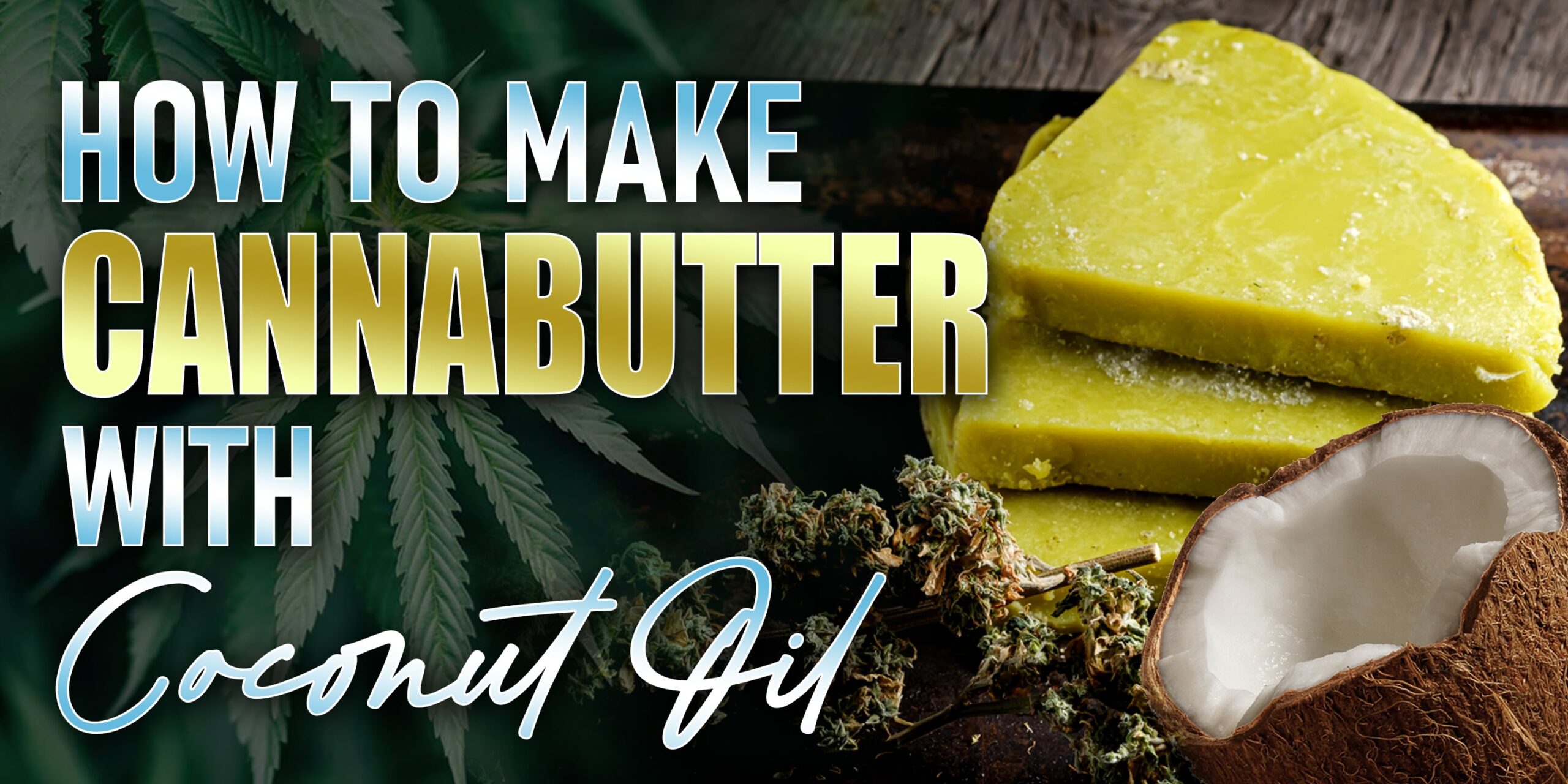
How to Make Cannabutter with Coconut Oil


In becoming skilled at crafting cannabutter with coconut oil is like finding a hidden treasure of taste and strength. Cannabutter is the base for many recipes, from old-fashioned brownies to fancy sauces, giving a flexible base for blending the unique flavor and impact of cannabis into lots of dishes. This guide wants to clarify the process, giving beginners and experienced chefs how to make cannabutter with coconut oil.

Benefits of Coconut Oil Cannabutter

Choosing the Right Ingredients

how to make cannabutter with coconut oil

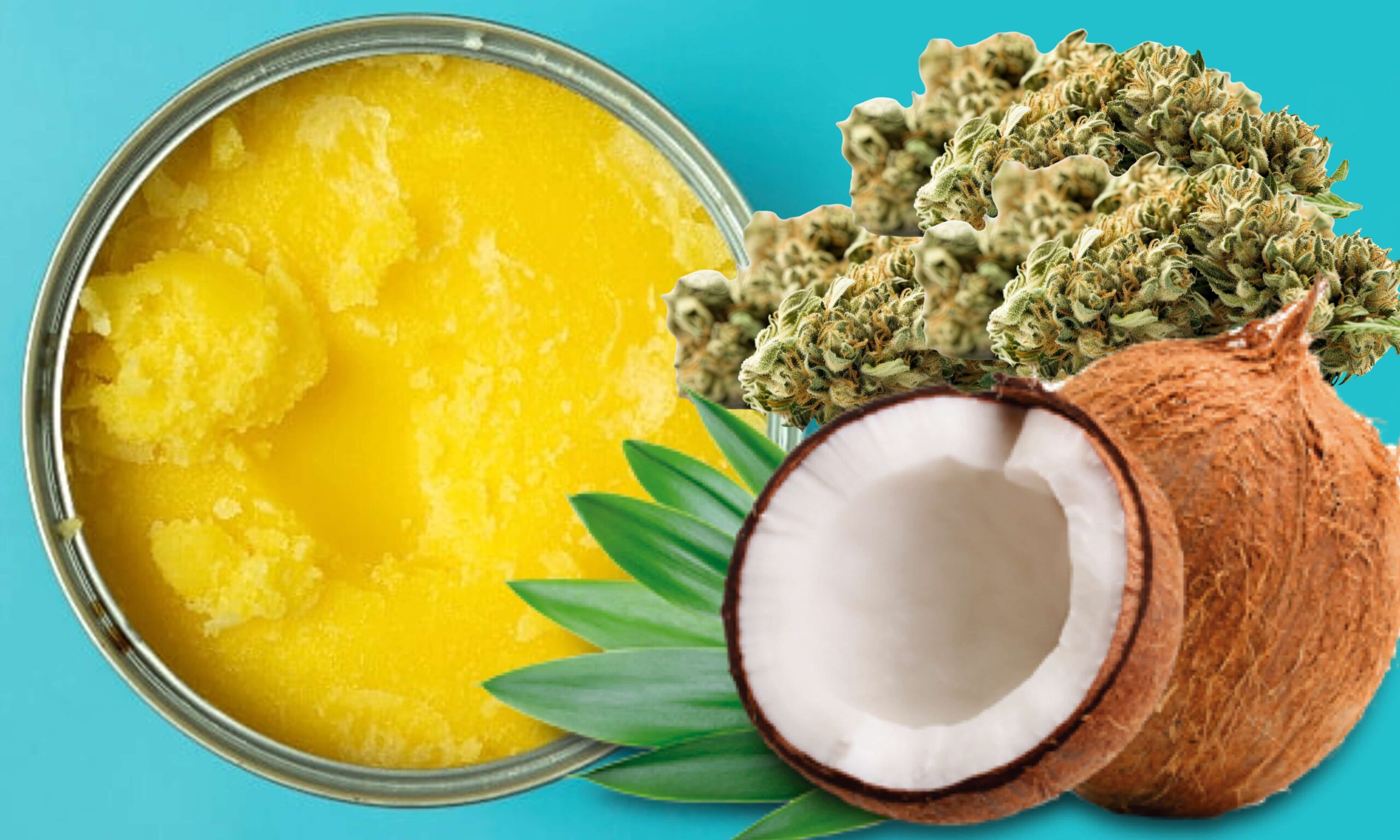
Choosing the best ingredients sets the stage for making outstanding cannabutter. When getting cannabis flowers, go for organic types that are pesticide-free and clean, guaranteeing a pure and tasty infusion. Similarly, virgin coconut oil, taken from fresh coconut meat, gives a rich and fragrant foundation for blending with cannabis, adding a hint of tropical taste to your creations. By focusing on top-notch ingredients, you can enhance the flavor and strength of your cannabutter while reducing any possible health hazards from chemical residues.

Understanding the Infusion Process

how to make cannabutter with coconut oil

During the infusion process, the magic of cannabutter truly happens as the cannabinoids from the cannabis flower mix with the fats in coconut oil, creating a powerful and versatile ingredient. To get the best results, it’s important to grasp the main principles of decarboxylation and infusion. Decarboxylation, or “activating” the cannabinoids, means heating the cannabis flower to change non-psychoactive compounds like THCA into THC, the main psychoactive part. This step ensures that your cannabutter gives the effects you want when you eat it. Then, the infusion process involves gently simmering the decarboxylated cannabis in coconut oil over low heat, letting the cannabinoids dissolve and attach to the fats in the oil. By mastering these basic techniques, you can unlock all the power of your cannabutter, getting the best potency and flavor every time you make it.

How to Make Infused Coconut Oil Cannabutter

Supplies Needed

  • Organic Cannabis Flower
  • Virgin Coconut Oil
  • Baking Sheet and Parchment Paper
  • Grinder
  • Double Boiler or Saucepan
  • Cheesecloth
  • Airtight Container

Step 1 – Decarboxylation

Decarboxylation is the vital first step in activating the cannabinoids in the cannabis flower, making sure your cannabutter gives the effects you want when you eat it. To start, heat your oven to 240°F (115°C) and line a baking sheet with parchment paper. Then, roughly grind your cannabis flower using a grinder, making sure the pieces are all about the same size. Spread the ground cannabis evenly on the prepared baking sheet, making sure not to put too much or let the pieces overlap. Put the baking sheet in the preheated oven and bake for 40-60 minutes, until the cannabis turns lightly golden and smells good. During decarboxylation, the cannabis is gently heated, changing non-psychoactive compounds like THCA into THC, the main psychoactive part that gives cannabis its effects. When decarboxylation is done, take the baking sheet out of the oven and let the cannabis cool before moving on to the next step of infusion.

Step 2 – Infusion

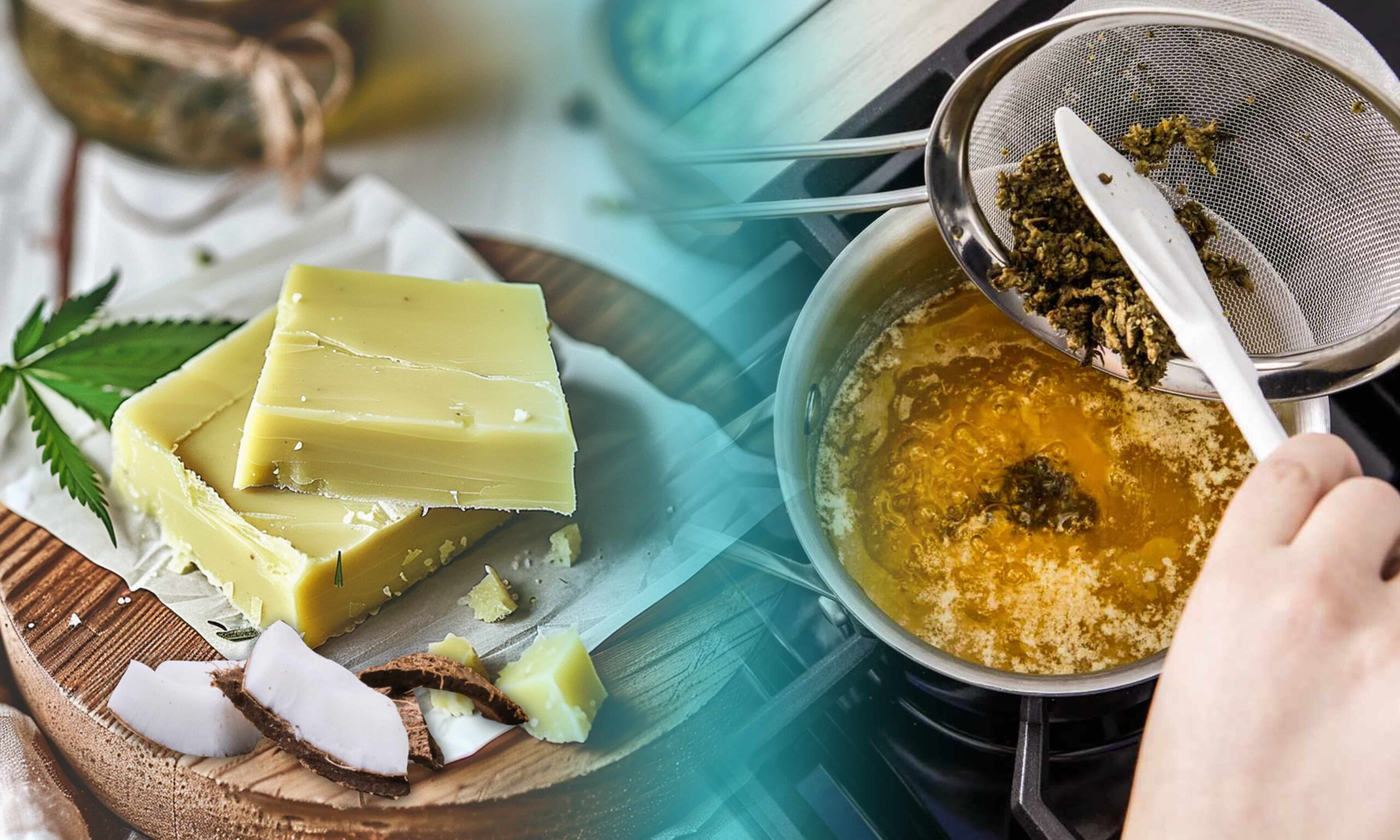
Now that your cannabis is decarboxylated, it’s time to turn it into cannabutter by infusing it into coconut oil. Start by melting the virgin coconut oil in a double boiler or saucepan over low heat, making sure not to let it boil or burn. Once the coconut oil is melted, add the decarboxylated cannabis to the pot, stirring gently to spread it evenly. Let the mixture simmer on low heat for 2-3 hours, stirring occasionally to keep it from sticking or burning. During this time, the cannabinoids from the cannabis will dissolve into the coconut oil, giving it their beneficial properties and unique flavor. Keep a close eye on the temperature as it simmers, adjusting if needed to keep it gently bubbling. After 2-3 hours, take the pot off the heat and let the mixture cool a bit before straining it.

Step 3 – Straining and Storing

After the infusion is finished, it’s time to strain the mixture to get rid of any leftover plant bits and sediment, giving you smooth and strong cannabutter. To do this, put a piece of cheesecloth over a clean container or bowl, making sure it covers the opening completely. Slowly pour the infused coconut oil through the cheesecloth, letting it strain into the container below. Use a spatula or spoon to press gently on the cheesecloth, squeezing out as much infused oil as you can while leaving behind any solids or sediment. Once it’s strained, put the cannabutter in an airtight container and store it in the fridge. If you store it right, cannabutter can stay fresh and potent for a few months, ready to use in lots of different recipes.

Tips for Success

Dosage Considerations

Getting the right dose for your cannabutter is key to getting the effects you want without having too much. Things like how strong the cannabis is, how long you infused it for, and your own tolerance all matter when figuring out the dose. Begin with a small amount of cannabutter, like a teaspoon, and wait at least two hours before having more to see how it affects you. Keep a journal to record your dose and how you feel, so you can change things up next time if needed.

Experimenting with Flavors

Creating cannabutter at home offers the chance to play around with various flavors, tailoring your creations to match your taste buds. Coconut oil adds a gentle tropical taste to cannabutter, blending well with the earthy notes of cannabis and giving a subtle sweetness. If you want a stronger coconut flavor, think about using toasted coconut oil or adding coconut extract while infusing. Or, you can spice up your cannabutter with herbs, spices, or other flavors, letting you make special infusions that fit your cooking style perfectly.

Conclusion

Becoming skilled at making cannabutter coconut oil is a fulfilling venture that lets you dive into a world of culinary adventures. By following our detailed guide and expert advice, you’ll have everything you need to whip up tasty and potent cannabis-infused treats right in your own kitchen. Whether you’re a seasoned cook or just starting out, trying out cannabutter lets you delve into the connection between cannabis and cooking, adding therapeutic benefits and unique flavors to your dishes. So, gather your ingredients, get ready to cook, and set off on a culinary journey with cannabutter leading the way.

FAQs (Frequently Asked Questions)

Q: Can I use trim or shake instead of cannabis flower?
A: Yes, trim or shake can be used to make cannabutter, but keep in mind that potency may vary compared to using flower buds.

Q: How long does infused coconut oil last?
A: When stored properly in an airtight container in the refrigerator, infused coconut oil can last for several months.

Q: Can I use cannabutter in savory dishes?
A: Absolutely! Cannabutter adds a unique flavor and potency to a variety of savory recipes, including pasta sauces, sautés, and marinades.

Q: Can I freeze cannabutter for long-term storage?
A: Yes, freezing cannabutter is an excellent way to extend its shelf life. Simply portion it into individual servings and store in an airtight container in the freezer.

Q: How do I calculate the potency of my cannabutter?
A: To determine the potency of your cannabutter, consider factors such as the THC percentage of your cannabis, the amount used in the recipe, and the serving size.

Q: Can I use store-bought coconut oil for making cannabutter?
A: While store-bought coconut oil can be used, opting for virgin coconut oil ensures a purer flavor and higher quality infusion.

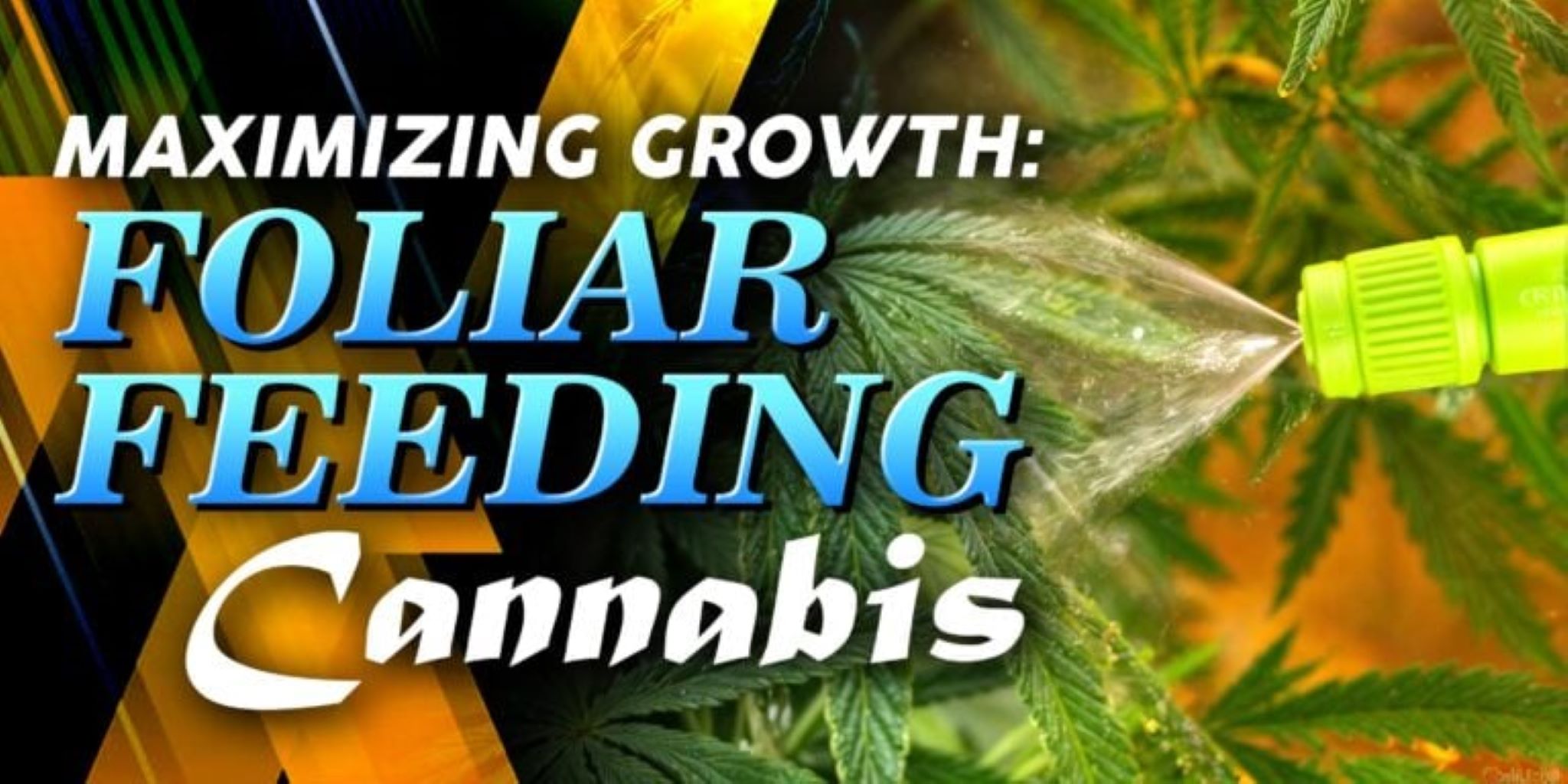
Maximizing Growth: Foliar Feeding Cannabis


Growing marijuana requires careful attention to many details to make sure the plants grow strong and healthy. Among the different methods available, foliar feeding cannabis is a standout technique. In this detailed guide, we’ll explore foliar feeding weed, its amazing benefits, and the best ways to use it on marijuana plants to help them grow better and stay healthy.

What is Cannabis Foliar Feeding

foliar feeding cannabis

Foliar feeding is a groundbreaking way to give plants nutrients by putting them directly onto the leaves. This method takes advantage of how plants can absorb nutrients through tiny pores called stomata, which helps them take in the nutrients quickly and use them right away. By going straight to the leaves, foliar feeding skips any problems in the soil that might stop the plant from getting enough nutrients, making it a fast and efficient way to give plants what they need to grow.

Benefits of Foliar Feeding for Marijuana Plants

foliar feeding cannabis

Enhanced Nutrient Utilization

Marijuana plants need a lot of nutrients, and foliar feeding is a great way to give them what they need quickly and effectively. By putting nutrients right onto the leaves, foliar feeding helps the plants absorb them fast without any delays. This means the plants grow better, stay healthy, and in the end, produce more buds.

Targeted Nutrient Delivery

Foliar feeding gives growers the power to focus on certain nutrients exactly where they’re needed, fixing any shortages or helping with different stages of growth very precisely. Whether it’s giving more nitrogen for leafy growth in the vegetative stage or adding extra phosphorus to encourage lots of flowers during flowering, foliar feeding lets growers customize how they help marijuana plants grow, making sure they develop in the best way possible.

Immediate Response and Corrective Measures

Foliar feeding gets quick reactions from marijuana plants, which means growers can fix nutrient problems right away if they show up. This fast action helps avoid any issues and makes sure the plants keep growing really well in an environment that’s always changing and helping them do their best.

Application of Foliar Feeding for Marijuana Plants

Strategic Timing for Maximum Impact

Timing is key to getting the most out of foliar feeding. It’s best to do it early in the morning when the stomata, tiny pores on the leaves, are most open and ready to take in nutrients. Also, focusing on foliar feeding during the vegetative stage, when plants need a lot of nitrogen for growing lots of leaves and stems, is a smart move. This helps the plants develop strong and healthy right from the start.

Selecting the Right Nutrients

The success of foliar feeding depends on choosing the right nutrients that fit the needs of marijuana plants. Using balanced mixes that have lots of important nutrients, both big ones and tiny ones, gives the plants everything they need to grow well. Chelated nutrients, which are nutrients bound to molecules to help them get absorbed better, can also help make sure the plants take in and use as much of the nutrients as possible.

Precision in Application Techniques

To get the best outcomes from foliar feeding, it’s important to apply it carefully. Using fine mist sprayers helps spread the nutrients evenly all over the leaves, making sure they’re all covered and none of it runs off. Coating both the top and bottom of the leaves really well makes sure the plants get all the nutrients they need, which helps them grow really strong and healthy.

Precautions and Considerations for Optimal Results

Ensuring Compatibility with Other Treatments

It’s really important not to mix foliar feeding with other treatments or stuff that might make it not work as well or cause problems. Thinking about what products can go together and talking to experts can help avoid any risks and keep marijuana plants healthy and strong.

Avoiding Potential Risks

While foliar feeding is usually safe if done right, it’s important to be careful to avoid any risks. Using too much or strong solutions can hurt the leaves, so it’s important to follow the recommended amounts and dilute the nutrients carefully. Also, making sure the environment is right can help prevent any damage to the leaves and make sure foliar feeding works the best it can.

Conclusion

Foliar feeding is a crucial method in marijuana growing, providing unmatched benefits in giving nutrients to the plants and making them grow their best. By using this new way of growing, growers can make their crops reach their full potential, bringing in a new era of success and plenty in cannabis growing.

FAQs

Q: Can foliar feeding harm my marijuana plants?
A: When done correctly, foliar feeding is safe, but using too much or doing it in extreme weather can damage leaves.

Q: Is foliar feeding the same as watering my marijuana plants?
A: No, foliar feeding involves spraying nutrients directly onto the leaves, while watering is giving water to the soil.

Q: Can I use any fertilizer for foliar feeding?
A: It’s best to use a fertilizer specifically made for foliar feeding and designed for marijuana plants.

Q: Will foliar feeding make my marijuana plants grow faster?
A: Yes, foliar feeding can help plants grow faster by giving them nutrients they need right away.

Q: Is foliar feeding better than giving nutrients through the soil?
A: Both methods are important, but foliar feeding can be quicker and more direct, especially in emergencies.

Cannabis Nutrient Requirements: A Comprehensive Guide


Growing cannabis requires careful attention, especially when it comes to giving them the right cannabis nutrient requirements. How well your cannabis plants grow depends a lot on making sure they get the right mix of nutrients. In this guide, we’ll talk about the weed nutrients for beginners that are super important for growing strong cannabis plants. We’ll look at what they do, where they come from, and how to give them to your plants.

Understanding Key Nutrients

cannabis nutrient requirements

Nitrogen (N)

Nitrogen is super important for cannabis plants, especially when they’re growing lots of leaves and stems. Usually, they get nitrogen from the soil, but if you’re growing them in water, you might need to add extra nitrogen. When cannabis plants are in the stage where they’re growing a lot, called the vegetative stage, they need a bunch of nitrogen to make all those leaves. But when they start flowering, too much nitrogen can cause problems, so it’s important to keep the right balance of nutrients.
Nitrogen does more than just help plants grow—it also helps make enzymes and proteins, which keeps the plant healthy and strong. When growers understand all the different things nitrogen does, they can make sure their cannabis plants grow really well.

Phosphorus (P)

Phosphorus is really important for cannabis because it helps them grow faster, especially when they’re making flowers. If you’re growing cannabis in water, you’ll need special fertilizers with phosphorus in them. Not having enough phosphorus can make it hard for the plant to grow properly and make flowers, which is a big deal when you’re growing cannabis.
But phosphorus does more than just help with flowers—it also helps move energy around in the plant. This affects how the roots grow, how well the plant makes food from sunlight (photosynthesis), and how it takes in nutrients. By making sure there’s enough phosphorus all through the plant’s life, growers can make sure their cannabis plants make lots of flowers and grow really well.

Potassium (K)

Potassium is super important for keeping cannabis plants healthy. You can get potassium from different places, like special fertilizers or stuff like compost. If you’re growing cannabis in water, you’ll need to add extra potassium to make sure the levels are just right. But adding too much potassium can cause problems, so it’s important to keep an eye on it.
Potassium does more than just help with getting nutrients—it also helps balance how much water is in the plant, helps activate enzymes, and helps the plant use carbohydrates. This is really important for making sure the plant can handle tough situations and fight off diseases. When growers make sure there’s enough potassium, they help their cannabis plants stay strong, grow well, and make lots of good stuff.

Magnesium (Mg)

Magnesium is really important for cannabis plants because it helps make chlorophyll, which is what plants use to turn sunlight into food (photosynthesis). If a plant doesn’t have enough magnesium, its leaves might turn yellow, which makes it hard for the plant to make food and stay healthy.

But magnesium does more than just help with photosynthesis—it also helps activate enzymes, move nutrients around the plant, and make DNA, which is important for growing. When growers fix magnesium problems quickly, they help their plants stay healthy and grow well, making sure they produce a lot of good stuff.

Calcium (Ca)

Calcium is super important for cannabis plants because it helps roots grow and makes the walls of their cells strong, especially when they’re growing in water. Adding extra calcium is really important to make sure the plant’s structure stays strong and it can use nutrients well.

But calcium doesn’t just help with making the plant strong—it also helps cells talk to each other, activates enzymes, and helps the plant handle tough situations. When growers make sure there’s enough calcium, they help their plants stay healthy, avoid not having enough nutrients, and make a lot of good stuff.

Non-Mineral Elements

Apart from the main nutrients, cannabis also needs elements that come from water and air, like carbon, oxygen, and hydrogen, which are really important for basic body functions.

  • Carbon dioxide is what plants use to get carbon for making food from sunlight (photosynthesis), which helps them grow and make a lot of plant material.
  • Oxygen helps cells in the plant breathe, which gives them energy to do all the things they need to grow and develop.
  • Hydrogen is part of water molecules and it’s really important for moving nutrients around the plant, helping enzymes work, and making sure the plant stays strong and healthy.


Nutrition Management Basics

For cannabis to grow well, it’s really important to understand the basics of nutrition. The main nutrients plants need are nitrogen, phosphorus, and potassium (NPK), along with other important minerals like calcium, magnesium, and sulfur. Making sure the plant gets the right mix of nutrients, tailored to its specific needs and the environment it’s growing in, is key to helping it grow as much as possible.
Managing nutrition well means getting the right nutrients from good sources, applying them in the right way, and keeping an eye on how the plant is doing to make sure it stays healthy and productive. By following the best ways of doing things and using high-quality nutrients, growers can grow really strong, high-yielding cannabis plants, making sure they have the best chance to grow well.

Nutrient Solution Application

Throughout different stages of cannabis growth, it’s important to adjust how often and how much nutrient solution is given, paying close attention to keeping the right balance of nitrogen, phosphorus, and potassium (NPK). Testing the pH of the soil regularly helps make sure it’s just right for cannabis to grow well, ideally between 5.8 and 6.2.

Different techniques can be used to give plants the nutrients they need, like spraying them on the leaves, putting them in the water, or pouring them directly onto the roots. Choosing the right method and following the recommended amounts helps make sure the plant gets enough nutrients without getting too much, which can cause problems. This helps the plant grow strong and healthy, making sure it grows well without any issues.

Organic vs. Mineral Nutrition

cannabis nutrient requirements

Growers have to decide between using organic or mineral nutrients, each with its own benefits. Organic sources, like compost, release nutrients slowly, while mineral nutrients are quickly absorbed, which is great for hydroponic systems and LED grow lights. It’s important to balance the right mix of nutrients and fix any problems like not enough or too much of something.

Organic growing focuses on being sustainable and taking care of the environment by using natural stuff to make the soil better and help good microbes grow. Mineral nutrition gives more control and lets growers customize nutrients to fit exactly what the plant needs. By thinking about the good and bad parts of each way, growers can pick the one that works best for what they want to do.

Sourcing Nutrients

Choosing the right nutrients is really important for growing cannabis successfully. There are special stores, online shops, and garden supply places that sell nutrients made just for cannabis, which are great for helping the plants grow well. Or, growers can pick and choose individual nutrients to make their own custom mix, making sure they give the plants exactly what they need for where they’re growing.
It’s crucial to check that the nutrients are good quality by looking at things like nutrient analysis, certifications, and the reputation of the brand or supplier. By spending money on trustworthy brands and suppliers, growers can lower the risk of the plants not getting enough nutrients, making sure they have what they need to grow consistently and well from start to finish.

FAQs

Q: What nutrients are essential for marijuana cultivation?
A: Nitrogen, phosphorus, potassium, calcium, magnesium, and sulfur are indispensable for marijuana growth.

Q: Can cannabis be grown without soil?
A: Yes, cannabis can thrive hydroponically without soil.

Q: How can I supply nutrients to my cannabis plants?
A: Nutrients can be supplied through liquid fertilizers or by incorporating dry fertilizers into the soil.

Q: What type of manure is suitable for cannabis plants?
A: Various types of manure, including chicken, cow, horse, or rabbit manure, can be utilized.

Q: How much fertilizer solution and water do cannabis plants require?
A: Cannabis plants typically require a fertilizer solution at a rate of 1-2 teaspoons per gallon of water, with watering frequency of at least thrice every two weeks.

What is Cannabis Assisted Therapy


In recent times, people have started to see cannabis in a new light. Instead of just using it for fun, more folks are realizing it can actually help with health problems. One way it’s being used is in cannabis assisted therapy. This type of therapy is becoming popular among those looking for relief from different kinds of issues, like physical pains or feeling down. This article will talk about cannabis-assisted therapy, looking at why it’s helpful, how it’s used, and the big changes it’s making in many people’s lives.

Understanding Cannabis-Assisted Therapy

cannabis assisted therapy

Cannabis assisted therapy harnesses the therapeutic properties of cannabis to alleviate symptoms associated with a range of medical conditions. From chronic pain and anxiety to PTSD and insomnia, cannabis has shown promise in providing relief where traditional treatments fall short. By leveraging the synergistic interaction between cannabinoids and the body’s endocannabinoid system, this form of therapy offers a holistic approach to wellness.

The Benefits of Cannabis-Assisted Therapy

cannabis assisted therapy

Holistic Healing

Cannabis-assisted therapy doesn’t just focus on fixing one problem at a time, like many regular medicines do. Instead, it looks at the whole body and tries to fix any imbalances that might be there. This means that cannabis doesn’t just help with one symptom—it helps with lots of things all at once. This way of thinking fits in with integrative medicine, which says that everything in our body is connected, including our mind and spirit.

Managing Chronic Conditions

People dealing with long-term problems like arthritis, multiple sclerosis, or fibromyalgia can find hope in cannabis-assisted therapy. Cannabis has properties that reduce inflammation and relieve pain, which can make it easier to move around and feel better. This can really improve the lives of people who have these tough conditions.

Applications and Modalities

Tailored Treatment Plans

Cannabis-assisted therapy stands out because it can be customized to fit each person’s needs. Unlike regular medicines that are made for everyone, cannabis therapy can be adjusted to match what each patient needs and how much they can handle. Whether someone prefers to take it as drops under the tongue, breathe it in as vapor, or put it on their skin as cream, there are different options available to suit their likes and what works best for them.

Addressing Mental Health

Besides helping with physical problems, cannabis-assisted therapy has a lot of potential for mental health issues too. Things like anxiety,
depression, and PTSD can really affect how someone feels every day. But the treatments usually used for these problems often have bad side effects. Cannabis can help without causing as many problems because it can calm nerves and stabilize moods. This makes it a kinder option for people who are struggling with mental illness and looking for some relief.

Conclusion

Cannabis-assisted therapy brings hope to people dealing with all sorts of medical issues. Whether it’s chronic pain, anxiety, PTSD, or more, cannabis provides a natural way to heal that fits with how our bodies naturally work to find balance and get better. As we learn more about this old plant, we’re moving towards a future where cannabis-assisted therapy isn’t just okay—it’s seen as a really important part of how we treat illnesses nowadays.

FAQs

Q: Is cannabis-assisted therapy legal?
A: Yes, cannabis-assisted therapy is legal in many regions where medical cannabis has been legalized. However, laws vary, so it’s essential to consult local regulations.

Q: What conditions can cannabis-assisted therapy treat?
A: Cannabis-assisted therapy has shown efficacy in treating a wide range of conditions, including chronic pain, anxiety, PTSD, insomnia, and neurological disorders.

Q: Are there any side effects associated with cannabis-assisted therapy?
A: While generally well-tolerated, cannabis-assisted therapy may cause side effects such as dry mouth, dizziness, and increased appetite. It’s essential to consult a healthcare professional before initiating treatment.

Q: How does cannabis-assisted therapy differ from recreational cannabis use?
A: Cannabis-assisted therapy involves the controlled use of cannabis under medical supervision to address specific medical conditions. Recreational use, on the other hand, is purely for leisure or enjoyment.

Q: Can cannabis-assisted therapy replace traditional medications?
A: While cannabis-assisted therapy shows promise as an alternative or adjunct to traditional medications, it’s essential to consult with a healthcare provider to determine the most appropriate treatment approach.

Q: Is cannabis-assisted therapy suitable for everyone?
A: Cannabis assisted therapy may not be suitable for everyone, particularly individuals with certain underlying health conditions or those at risk of substance abuse. It’s crucial to undergo a thorough evaluation before embarking on this form of treatment.

5 Surprising Ways Hypothyroidism and Marijuana Interaction Affect Your Health


Living with hypothyroidism has many challenges. Symptoms need managing, and understanding their impact on health is important. In recent years, people have been looking into hypothyroidism and marijuana for potential treatments. This article talks about the connection between hypothyroidism and marijuana and answers the question “Does THC affect thyroid?”

What is Hypothyroidism?

Hypothyroidism, also known as an underactive thyroid, happens when the thyroid gland doesn’t make enough hormones to control important body functions. This can cause many symptoms like tiredness, gaining weight, feeling sad, and having trouble thinking clearly. Treating hypothyroidism usually means taking hormone replacement medicine and making changes to your lifestyle.

The Role of Marijuana

Marijuana is derived from the Cannabis sativa plant. It contains compounds known as cannabinoids, which interact with the body’s endocannabinoid system. Two prominent cannabinoids found in marijuana are THC (tetrahydrocannabinol) and CBD (cannabidiol). They influence pain perception, mood regulation, and inflammation in the body.

Exploring the Interaction

Although there isn’t much research on how marijuana affects hypothyroidism, some stories from people suggest there might be a connection. Some folks with hypothyroidism say they use marijuana to feel better, especially for things like pain, worry, and trouble sleeping. But we need more research to really understand how marijuana and hypothyroidism might work together.

Impact on Thyroid Function

Influence on Hormone Levels

hypothyroidism and marijuana

Using marijuana might change the levels of thyroid hormones, but studies don’t all agree on this. Some research shows that THC could lower thyroid function, which might make hypothyroidism symptoms worse. On the other hand, CBD might help reduce inflammation in the thyroid. This could be helpful for autoimmune thyroid problems like Hashimoto’s thyroiditis.

Modulation of Symptoms

hypothyroidism and marijuana

People with hypothyroidism often have ongoing pain, tiredness, and mood changes. Marijuana can help with pain and mood swings, which might make them feel better overall. But it’s important to be careful because using too much marijuana could make someone depend on it too much and make mental health problems worse.

Health Considerations

Impact on Medication Efficacy

hypothyroidism and marijuana

Managing hypothyroidism usually means taking synthetic thyroid hormones to replace what the body isn’t making enough of. Using marijuana might change how well these medicines work, which could affect hormone levels. It might mean needing to adjust the dose of the medicine. People should talk to their doctor before using marijuana along with thyroid medication.

Cardiovascular Effects

hypothyroidism and marijuana

Both hypothyroidism and using marijuana can affect heart health. Hypothyroidism is linked to high cholesterol levels and a higher chance of heart disease. Similarly, using marijuana can briefly speed up the heart and raise blood pressure, which could be risky for people who already have heart problems.

Lifestyle Implications

Lifestyle Factors

hypothyroidism and marijuana

Besides how it affects the body, the connection between hypothyroidism and marijuana involves lifestyle choices too. It’s important to exercise regularly, eat well, and handle stress to keep the thyroid working well and stay healthy overall. If someone wants to use marijuana as part of their lifestyle, they should think carefully about how it might help or hurt them.

Conclusion

The connection between hypothyroidism and using marijuana is complex. It involves how the body works, how drugs affect it, and lifestyle choices. While marijuana might help with symptoms for some people with hypothyroidism, it’s important to think about how it might change thyroid function and interact with medicines. Talking openly with doctors and focusing on overall health can help people handle hypothyroidism well.

Frequently Asked Questions (FAQs)

Q: Can marijuana cure hypothyroidism?
A: While marijuana may alleviate certain symptoms of hypothyroidism, it is not a cure. Treatment typically involves hormone replacement therapy prescribed by a healthcare professional.

Q: Is it safe to use marijuana if I have hypothyroidism?
A: The safety of marijuana use in individuals with hypothyroidism depends on various factors, including overall health, medication regimen, and personal tolerance. Consultation with a healthcare provider is advisable.

Q: How does marijuana affect thyroid medication?
A: Marijuana use may influence the efficacy of thyroid medications, potentially necessitating adjustments in dosage. It is essential to communicate openly with healthcare providers about marijuana use when managing hypothyroidism.

Q: Can marijuana worsen hypothyroidism symptoms?
A: Excessive or prolonged marijuana use may exacerbate certain hypothyroidism symptoms, particularly cognitive impairment, anxiety, and sleep disturbances. Moderation and mindfulness are crucial.

Q: What are the risks of combining marijuana with thyroid medication?
A: Combining marijuana with thyroid medication may lead to unpredictable interactions and affect hormone levels. Patients should seek guidance from healthcare providers to ensure safe and effective management of hypothyroidism.

Q: Are there alternative treatments for hypothyroidism besides medication and marijuana?
A: Yes, various alternative treatments, including dietary supplements, acupuncture, and lifestyle modifications, are being explored for managing hypothyroidism. However, their efficacy and safety warrant further research.

Purple Haze Benefits: A Legendary Cannabis Strain


Purple Haze is a famous type of cannabis that comes from the world of growing marijuana. No one knows for sure where it first came from, but there are different stories about how it started. Some people say it started in Thailand in the early 1970s. Others think it began in Colombia in the mid-60s. Despite not knowing exactly where it came from, Purple Haze became popular because of two important people: The Haze Brothers and Dave Watson, who is also known as Sam The Skunkman. They brought Purple Haze to Amsterdam in the late 1970s, and that’s when it started to become well-known.

The Genetics of Purple Haze

purple haze benefits

The genetic background of Purple Haze is a topic of debate among people who are into cannabis. Some think it might be a specific version of the OG Sativa Haze. Others believe it’s a mix of Sativa Haze and Purple Thai strains. When you combine these different strains, you get Purple Haze, which is known for making you feel both mentally energized and physically uplifted. This makes Purple Haze a very popular type of cannabis, especially for people who really love Sativa strains.

The Attributes of Purple Haze

Aroma and Flavor Profile

Purple Haze smells really good and tastes delicious too. It has a mix of earthy, sweet, and citrus flavors that make it enjoyable to smoke. When you breathe it in, the smoke feels smooth, and when you breathe out, you might notice a hint of berries. Whether it has a grape smell or other tasty hints, the scent of Purple Haze sticks around and leaves a lasting impression on people who really know their cannabis.

Terpene Composition

purple haze benefits

The main terpenes in Purple Haze are Myrcene, Limonene, and Caryophyllene. These terpenes don’t just make it smell good; they might also have some health benefits. Myrcene can help you relax, Limonene might improve your mood, and Caryophyllene could reduce inflammation. Together, they make the experience of using Purple Haze even better.

The Potency and Effects of Purple Haze

Potency Profile

Purple Haze was once known as one of the strongest strains out there, and it’s still really popular even as standards in the cannabis industry change. It usually has around 16 to 19% THC, but in the best conditions, it can get as high as 22 to 23%. Purple Haze keeps its strong effects, impressing even the most picky fans with how it affects the mind.

Psychedelic Effects

Purple Haze makes you feel really happy and creative, which makes it great for having deep conversations and doing art projects. Even though it’s mostly Sativa, Purple Haze also gives you a kind of trippy, mind-expanding feeling that’s perfect for hanging out with friends and having fun. It’s exactly what you’d expect from a really stimulating strain of cannabis.

Medicinal Applications

Apart from being popular for fun, Purple Haze can also help people feel better emotionally. It might help lift your mood, manage stress, and help you concentrate better. It could even ease feelings of anxiety and depression, but because it’s strong, it’s important to be careful how much you use. It’s best to use it moderately to get the good effects without feeling bad afterward.

Cultivating Purple Haze

Optimal Growing Conditions

Growing Purple Haze requires paying close attention to the environment to help it grow well. It does best in places with mild weather, lots of sun, and soil that drains water well. By trimming the plants carefully and giving them enough support as they grow, you can make sure you get a lot of strong, purple-colored buds when it’s time to harvest.

Propagation Techniques

To grow Purple Haze successfully, you need to pick the best seeds and follow well-known growing methods carefully. Using techniques like topping and SCroGging, which put some stress on the plants, can help make sure the plants grow evenly and produce a lot of buds. This way, you can get the most out of your crop and bring out the best qualities of the strain.

Harvesting and Processing

When you harvest Purple Haze at just the right time, you get the most cannabinoids and terpenes, which make it stronger and tastier. By changing things like temperature and light while the plants are flowering, you can make the purple color of the buds stand out even more. After harvesting, it’s important to dry and cure the buds properly to keep all the terpenes intact. This way, you end up with a top-quality product that lives up to Purple Haze’s great reputation.

Conclusion

In summary, Purple Haze isn’t just any ordinary cannabis strain—it’s become a cultural icon known for its lasting impact and widespread popularity. From its mysterious beginnings to its therapeutic benefits and the careful techniques needed to grow it, Purple Haze continues to fascinate fans with its charm and appeal, solidifying its place as a fundamental part of cannabis culture. As we continue to explore and develop new methods in cannabis cultivation, let’s always remember the legacy of Purple Haze, a true testament to the incredible potential of plants.

FAQs

Q: What are the typical effects of Purple Haze?
A: Purple Haze usually makes you feel happy and creative, sometimes even a bit trippy.

Q: How do you grow Purple Haze successfully?
A: To grow Purple Haze well, you need to choose good seeds and follow proven growing techniques carefully, like trimming the plants and giving them enough support.

Q: What makes Purple Haze buds purple?
A: Purple Haze buds can turn purple because of changes in temperature and light during the flowering stage, which makes a special pigment called anthocyanin develop more.

Q: Is Purple Haze good for medical use?
A: Yes, Purple Haze can be helpful for managing stress and improving mood, but it’s important to use it moderately because it’s strong.

Q: How can you preserve the quality of Purple Haze after harvesting?
A: After harvesting, it’s important to dry and cure the buds properly to keep all the good flavors and smells intact.

7 Powerful Ways to Cure a Weed Hangover Naturally


Feeling the aftermath of a night of indulgence in cannabis? Worry not, as we delve into the comprehensive guide on how to cure a weed hangover naturally. Whether it’s grogginess, fatigue, or brain fog, we’ve got you covered with practical remedies and expert insights to help you bounce back quickly and regain your vitality.

Understanding the Weed Hangover

After a fun night of recreational cannabis use, it’s not uncommon to experience a weed hangover the next day. This phenomenon can leave you feeling lethargic, irritable, and less focused. Understanding the causes and symptoms of a weed hangover is crucial in effectively combating it.

Symptoms of a Weed Hangover

Experiencing a weed hangover can manifest in various ways, including:

  • Lingering fatigue
  • Dry mouth
  • Headache
  • Brain fog
  • Reduced cognitive function
  • Easing these symptoms promptly is key to a speedy recovery.


How to Cure a Weed Hangover

Combatting a weed hangover involves a multi-faceted approach, incorporating hydration, nutrition, rest, and natural remedies. Let’s explore seven powerful ways to alleviate the discomfort and reclaim your day.

1. Hydration is Key

how to cure a weed hangover

Replenishing lost fluids is paramount in combating the dehydrating effects of cannabis. Drink plenty of water throughout the day to flush out toxins and rehydrate your body effectively. Add electrolytes to your water for an extra boost of hydration.

2. Rest and Relaxation

how to cure a weed hangover

Allow your body ample time to rest and recuperate. Take breaks as needed and prioritize sleep to aid in the recovery process. A short nap or meditation session can do wonders in rejuvenating both body and mind.

3. Healthy Nutrition

how to cure a weed hangover

Fuel your body with nutritious foods that support detoxification and replenishment. Opt for fruits, vegetables, lean proteins, and whole grains to provide essential nutrients and energy. Avoid greasy or heavy meals, as they can exacerbate feelings of sluggishness.

4. Herbal Remedies

how to cure a weed hangover

Explore the therapeutic benefits of herbal remedies such as ginger, peppermint, and chamomile. These herbs can help alleviate nausea, soothe digestion, and promote relaxation. Brew a cup of herbal tea or incorporate these ingredients into your meals for added relief.

5. Exercise

how to cure a weed hangover

Engage in light exercise or movement to stimulate circulation and boost endorphin levels. Activities such as yoga, stretching, or a leisurely walk outdoors can invigorate your body and mind, helping you shake off the lingering effects of a weed hangover.

6. CBD Supplementation

how to cure a weed hangover

Consider incorporating CBD supplements to alleviate symptoms associated with a weed hangover. CBD, a non-psychoactive compound found in cannabis, offers anti-inflammatory, analgesic, and anxiolytic properties, which can promote relaxation and pain relief without the intoxicating effects of THC.

7. Mindfulness and Stress Reduction

how to cure a weed hangover

Practice mindfulness techniques such as deep breathing, meditation, or progressive muscle relaxation to manage stress and promote a sense of calm. Cultivating mindfulness can help alleviate anxiety, improve sleep quality, and enhance overall well-being, making it an invaluable tool in combating a weed hangover.

Conclusion

Navigating a weed hangover doesn’t have to put a damper on your day. By implementing these holistic approaches, you can effectively alleviate symptoms and promote a swift recovery. Remember to stay hydrated, nourished, and well-rested, and don’t hesitate to seek professional help if needed. Embrace self-care practices and mindfulness techniques to support your well-being and enjoy the benefits of cannabis responsibly.

FAQs

Q: Can I get a weed hangover from secondhand smoke?
A: Yes, exposure to secondhand cannabis smoke can potentially result in mild symptoms similar to a weed hangover, such as dry mouth or fatigue.

Q: How long does it take for a weed hangover to go away?
A: The duration of a weed hangover varies from person to person, but it typically resolves within a few hours to a day.

Q: Are there any home remedies to help with a weed hangover?
A: Yes, drinking plenty of water, resting, and consuming nutritious foods can help alleviate symptoms of a weed hangover naturally.

Q: Can I drink alcohol to help with a weed hangover?
A: Mixing alcohol with cannabis can intensify symptoms and increase the risk of dehydration and other adverse effects. It’s best to avoid alcohol when experiencing a weed hangover.

Q: Is it safe to consume caffeine during a weed hangover?
A: While caffeine may provide a temporary energy boost, it can also exacerbate anxiety and dehydration. Opt for hydrating beverages like water or herbal tea instead.