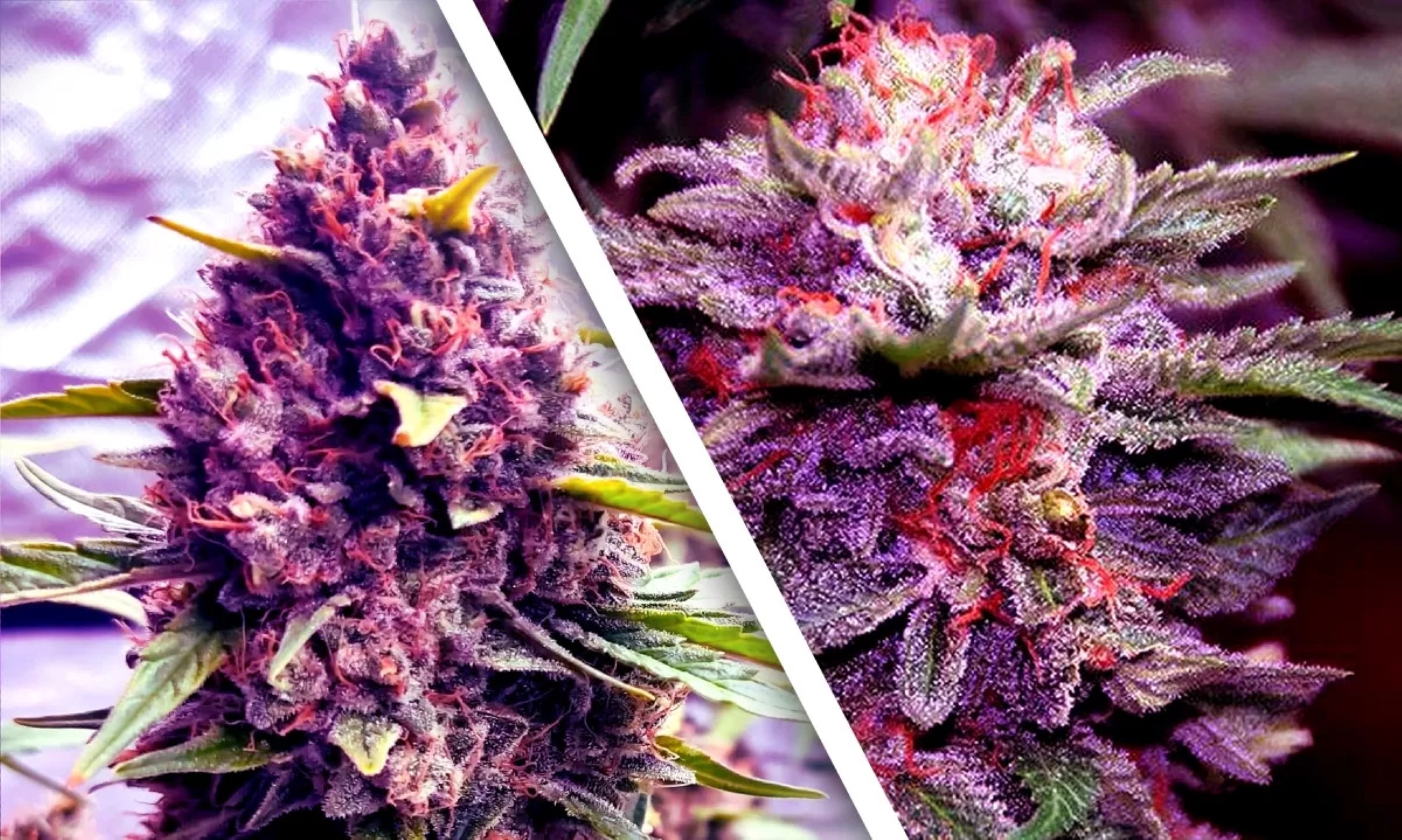
500 NEW MARIJUANA SEEDS RELEASED

What is Cannabis Assisted Therapy


In recent times, people have started to see cannabis in a new light. Instead of just using it for fun, more folks are realizing it can actually help with health problems. One way it’s being used is in cannabis assisted therapy. This type of therapy is becoming popular among those looking for relief from different kinds of issues, like physical pains or feeling down. This article will talk about cannabis-assisted therapy, looking at why it’s helpful, how it’s used, and the big changes it’s making in many people’s lives.

Understanding Cannabis-Assisted Therapy

Cannabis assisted therapy harnesses the therapeutic properties of cannabis to alleviate symptoms associated with a range of medical conditions. From chronic pain and anxiety to PTSD and insomnia, cannabis has shown promise in providing relief where traditional treatments fall short. By leveraging the synergistic interaction between cannabinoids and the body’s endocannabinoid system, this form of therapy offers a holistic approach to wellness.

The Benefits of Cannabis-Assisted Therapy

Holistic Healing

Cannabis-assisted therapy doesn’t just focus on fixing one problem at a time, like many regular medicines do. Instead, it looks at the whole body and tries to fix any imbalances that might be there. This means that cannabis doesn’t just help with one symptom—it helps with lots of things all at once. This way of thinking fits in with integrative medicine, which says that everything in our body is connected, including our mind and spirit.

Managing Chronic Conditions

People dealing with long-term problems like arthritis, multiple sclerosis, or fibromyalgia can find hope in cannabis-assisted therapy. Cannabis has properties that reduce inflammation and relieve pain, which can make it easier to move around and feel better. This can really improve the lives of people who have these tough conditions.

Applications and Modalities

Tailored Treatment Plans

Cannabis-assisted therapy stands out because it can be customized to fit each person’s needs. Unlike regular medicines that are made for everyone, cannabis therapy can be adjusted to match what each patient needs and how much they can handle. Whether someone prefers to take it as drops under the tongue, breathe it in as vapor, or put it on their skin as cream, there are different options available to suit their likes and what works best for them.

Addressing Mental Health

Besides helping with physical problems, cannabis-assisted therapy has a lot of potential for mental health issues too. Things like anxiety,
depression, and PTSD can really affect how someone feels every day. But the treatments usually used for these problems often have bad side effects. Cannabis can help without causing as many problems because it can calm nerves and stabilize moods. This makes it a kinder option for people who are struggling with mental illness and looking for some relief.

Conclusion

Cannabis-assisted therapy brings hope to people dealing with all sorts of medical issues. Whether it’s chronic pain, anxiety, PTSD, or more, cannabis provides a natural way to heal that fits with how our bodies naturally work to find balance and get better. As we learn more about this old plant, we’re moving towards a future where cannabis-assisted therapy isn’t just okay—it’s seen as a really important part of how we treat illnesses nowadays.

FAQs

Q: Is cannabis-assisted therapy legal?
A: Yes, cannabis-assisted therapy is legal in many regions where medical cannabis has been legalized. However, laws vary, so it’s essential to consult local regulations.

Q: What conditions can cannabis-assisted therapy treat?
A: Cannabis-assisted therapy has shown efficacy in treating a wide range of conditions, including chronic pain, anxiety, PTSD, insomnia, and neurological disorders.

Q: Are there any side effects associated with cannabis-assisted therapy?
A: While generally well-tolerated, cannabis-assisted therapy may cause side effects such as dry mouth, dizziness, and increased appetite. It’s essential to consult a healthcare professional before initiating treatment.

Q: How does cannabis-assisted therapy differ from recreational cannabis use?
A: Cannabis-assisted therapy involves the controlled use of cannabis under medical supervision to address specific medical conditions. Recreational use, on the other hand, is purely for leisure or enjoyment.

Q: Can cannabis-assisted therapy replace traditional medications?
A: While cannabis-assisted therapy shows promise as an alternative or adjunct to traditional medications, it’s essential to consult with a healthcare provider to determine the most appropriate treatment approach.

Q: Is cannabis-assisted therapy suitable for everyone?
A: Cannabis assisted therapy may not be suitable for everyone, particularly individuals with certain underlying health conditions or those at risk of substance abuse. It’s crucial to undergo a thorough evaluation before embarking on this form of treatment.
5 Surprising Ways Hypothyroidism and Marijuana Interaction Affect Your Health


Living with hypothyroidism has many challenges. Symptoms need managing, and understanding their impact on health is important. In recent years, people have been looking into hypothyroidism and marijuana for potential treatments. This article talks about the connection between hypothyroidism and marijuana and answers the question “Does THC affect thyroid?”

What is Hypothyroidism?

Hypothyroidism, also known as an underactive thyroid, happens when the thyroid gland doesn’t make enough hormones to control important body functions. This can cause many symptoms like tiredness, gaining weight, feeling sad, and having trouble thinking clearly. Treating hypothyroidism usually means taking hormone replacement medicine and making changes to your lifestyle.

The Role of Marijuana

Marijuana is derived from the Cannabis sativa plant. It contains compounds known as cannabinoids, which interact with the body’s endocannabinoid system. Two prominent cannabinoids found in marijuana are THC (tetrahydrocannabinol) and CBD (cannabidiol). They influence pain perception, mood regulation, and inflammation in the body.

Exploring the Interaction

Although there isn’t much research on how marijuana affects hypothyroidism, some stories from people suggest there might be a connection. Some folks with hypothyroidism say they use marijuana to feel better, especially for things like pain, worry, and trouble sleeping. But we need more research to really understand how marijuana and hypothyroidism might work together.

Impact on Thyroid Function

Influence on Hormone Levels

Using marijuana might change the levels of thyroid hormones, but studies don’t all agree on this. Some research shows that THC could lower thyroid function, which might make hypothyroidism symptoms worse. On the other hand, CBD might help reduce inflammation in the thyroid. This could be helpful for autoimmune thyroid problems like Hashimoto’s thyroiditis.

Modulation of Symptoms

People with hypothyroidism often have ongoing pain, tiredness, and mood changes. Marijuana can help with pain and mood swings, which might make them feel better overall. But it’s important to be careful because using too much marijuana could make someone depend on it too much and make mental health problems worse.

Health Considerations

Impact on Medication Efficacy

Managing hypothyroidism usually means taking synthetic thyroid hormones to replace what the body isn’t making enough of. Using marijuana might change how well these medicines work, which could affect hormone levels. It might mean needing to adjust the dose of the medicine. People should talk to their doctor before using marijuana along with thyroid medication.

Cardiovascular Effects

Both hypothyroidism and using marijuana can affect heart health. Hypothyroidism is linked to high cholesterol levels and a higher chance of heart disease. Similarly, using marijuana can briefly speed up the heart and raise blood pressure, which could be risky for people who already have heart problems.

Lifestyle Implications

Lifestyle Factors

Besides how it affects the body, the connection between hypothyroidism and marijuana involves lifestyle choices too. It’s important to exercise regularly, eat well, and handle stress to keep the thyroid working well and stay healthy overall. If someone wants to use marijuana as part of their lifestyle, they should think carefully about how it might help or hurt them.

Conclusion

The connection between hypothyroidism and using marijuana is complex. It involves how the body works, how drugs affect it, and lifestyle choices. While marijuana might help with symptoms for some people with hypothyroidism, it’s important to think about how it might change thyroid function and interact with medicines. Talking openly with doctors and focusing on overall health can help people handle hypothyroidism well.

Frequently Asked Questions (FAQs)

Q: Can marijuana cure hypothyroidism?
A: While marijuana may alleviate certain symptoms of hypothyroidism, it is not a cure. Treatment typically involves hormone replacement therapy prescribed by a healthcare professional.

Q: Is it safe to use marijuana if I have hypothyroidism?
A: The safety of marijuana use in individuals with hypothyroidism depends on various factors, including overall health, medication regimen, and personal tolerance. Consultation with a healthcare provider is advisable.

Q: How does marijuana affect thyroid medication?
A: Marijuana use may influence the efficacy of thyroid medications, potentially necessitating adjustments in dosage. It is essential to communicate openly with healthcare providers about marijuana use when managing hypothyroidism.

Q: Can marijuana worsen hypothyroidism symptoms?
A: Excessive or prolonged marijuana use may exacerbate certain hypothyroidism symptoms, particularly cognitive impairment, anxiety, and sleep disturbances. Moderation and mindfulness are crucial.

Q: What are the risks of combining marijuana with thyroid medication?
A: Combining marijuana with thyroid medication may lead to unpredictable interactions and affect hormone levels. Patients should seek guidance from healthcare providers to ensure safe and effective management of hypothyroidism.

Q: Are there alternative treatments for hypothyroidism besides medication and marijuana?
A: Yes, various alternative treatments, including dietary supplements, acupuncture, and lifestyle modifications, are being explored for managing hypothyroidism. However, their efficacy and safety warrant further research.

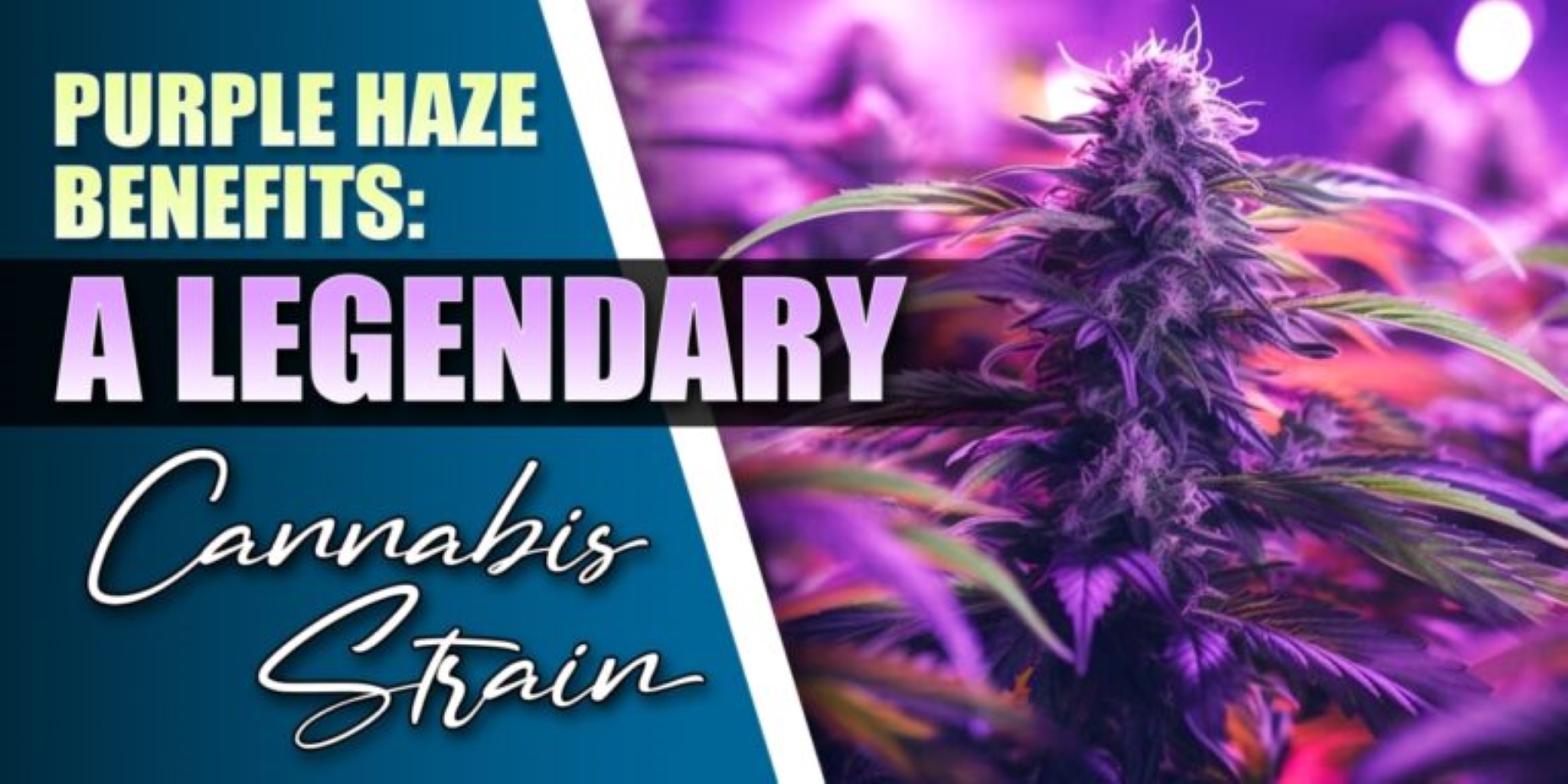
Purple Haze Benefits: A Legendary Cannabis Strain


Purple Haze is a famous type of cannabis that comes from the world of growing marijuana. No one knows for sure where it first came from, but there are different stories about how it started. Some people say it started in Thailand in the early 1970s. Others think it began in Colombia in the mid-60s. Despite not knowing exactly where it came from, Purple Haze became popular because of two important people: The Haze Brothers and Dave Watson, who is also known as Sam The Skunkman. They brought Purple Haze to Amsterdam in the late 1970s, and that’s when it started to become well-known.

The Genetics of Purple Haze

The Genetics of Purple Haze

The genetic background of Purple Haze is a topic of debate among people who are into cannabis. Some think it might be a specific version of the OG Sativa Haze. Others believe it’s a mix of Sativa Haze and Purple Thai strains. When you combine these different strains, you get Purple Haze, which is known for making you feel both mentally energized and physically uplifted. This makes Purple Haze a very popular type of cannabis, especially for people who really love Sativa strains.

The Attributes of Purple Haze

Aroma and Flavor Profile

Purple Haze smells really good and tastes delicious too. It has a mix of earthy, sweet, and citrus flavors that make it enjoyable to smoke. When you breathe it in, the smoke feels smooth, and when you breathe out, you might notice a hint of berries. Whether it has a grape smell or other tasty hints, the scent of Purple Haze sticks around and leaves a lasting impression on people who really know their cannabis.

Terpene Composition

The main terpenes in Purple Haze are Myrcene, Limonene, and Caryophyllene. These terpenes don’t just make it smell good; they might also have some health benefits. Myrcene can help you relax, Limonene might improve your mood, and Caryophyllene could reduce inflammation. Together, they make the experience of using Purple Haze even better.

The Potency and Effects of Purple Haze

Potency Profile

Purple Haze was once known as one of the strongest strains out there, and it’s still really popular even as standards in the cannabis industry change. It usually has around 16 to 19% THC, but in the best conditions, it can get as high as 22 to 23%. Purple Haze keeps its strong effects, impressing even the most picky fans with how it affects the mind.

Psychedelic Effects

Purple Haze makes you feel really happy and creative, which makes it great for having deep conversations and doing art projects. Even though it’s mostly Sativa, Purple Haze also gives you a kind of trippy, mind-expanding feeling that’s perfect for hanging out with friends and having fun. It’s exactly what you’d expect from a really stimulating strain of cannabis.

Medicinal Applications

Apart from being popular for fun, Purple Haze can also help people feel better emotionally. It might help lift your mood, manage stress, and help you concentrate better. It could even ease feelings of anxiety and depression, but because it’s strong, it’s important to be careful how much you use. It’s best to use it moderately to get the good effects without feeling bad afterward.

Cultivating Purple Haze

Optimal Growing Conditions

Growing Purple Haze requires paying close attention to the environment to help it grow well. It does best in places with mild weather, lots of sun, and soil that drains water well. By trimming the plants carefully and giving them enough support as they grow, you can make sure you get a lot of strong, purple-colored buds when it’s time to harvest.

Propagation Techniques

To grow Purple Haze successfully, you need to pick the best seeds and follow well-known growing methods carefully. Using techniques like topping and SCroGging, which put some stress on the plants, can help make sure the plants grow evenly and produce a lot of buds. This way, you can get the most out of your crop and bring out the best qualities of the strain.

Harvesting and Processing

When you harvest Purple Haze at just the right time, you get the most cannabinoids and terpenes, which make it stronger and tastier. By changing things like temperature and light while the plants are flowering, you can make the purple color of the buds stand out even more. After harvesting, it’s important to dry and cure the buds properly to keep all the terpenes intact. This way, you end up with a top-quality product that lives up to Purple Haze’s great reputation.

Conclusion

In summary, Purple Haze isn’t just any ordinary cannabis strain—it’s become a cultural icon known for its lasting impact and widespread popularity. From its mysterious beginnings to its therapeutic benefits and the careful techniques needed to grow it, Purple Haze continues to fascinate fans with its charm and appeal, solidifying its place as a fundamental part of cannabis culture. As we continue to explore and develop new methods in cannabis cultivation, let’s always remember the legacy of Purple Haze, a true testament to the incredible potential of plants.

FAQs

Q: What are the typical effects of Purple Haze?
A: Purple Haze usually makes you feel happy and creative, sometimes even a bit trippy.

Q: How do you grow Purple Haze successfully?
A: To grow Purple Haze well, you need to choose good seeds and follow proven growing techniques carefully, like trimming the plants and giving them enough support.

Q: What makes Purple Haze buds purple?
A: Purple Haze buds can turn purple because of changes in temperature and light during the flowering stage, which makes a special pigment called anthocyanin develop more.

Q: Is Purple Haze good for medical use?
A: Yes, Purple Haze can be helpful for managing stress and improving mood, but it’s important to use it moderately because it’s strong.

Q: How can you preserve the quality of Purple Haze after harvesting?
A: After harvesting, it’s important to dry and cure the buds properly to keep all the good flavors and smells intact.

7 Powerful Ways to Cure a Weed Hangover Naturally


Feeling the aftermath of a night of indulgence in cannabis? Worry not, as we delve into the comprehensive guide on how to cure a weed hangover naturally. Whether it’s grogginess, fatigue, or brain fog, we’ve got you covered with practical remedies and expert insights to help you bounce back quickly and regain your vitality.

Understanding the Weed Hangover

After a fun night of recreational cannabis use, it’s not uncommon to experience a weed hangover the next day. This phenomenon can leave you feeling lethargic, irritable, and less focused. Understanding the causes and symptoms of a weed hangover is crucial in effectively combating it.

Symptoms of a Weed Hangover

Experiencing a weed hangover can manifest in various ways, including:

  • Lingering fatigue
  • Dry mouth
  • Headache
  • Brain fog
  • Reduced cognitive function
  • Easing these symptoms promptly is key to a speedy recovery.


How to Cure a Weed Hangover

Combatting a weed hangover involves a multi-faceted approach, incorporating hydration, nutrition, rest, and natural remedies. Let’s explore seven powerful ways to alleviate the discomfort and reclaim your day.

1. Hydration is Key

how to cure a weed hangover

Replenishing lost fluids is paramount in combating the dehydrating effects of cannabis. Drink plenty of water throughout the day to flush out toxins and rehydrate your body effectively. Add electrolytes to your water for an extra boost of hydration.

2. Rest and Relaxation

how to cure a weed hangover

Allow your body ample time to rest and recuperate. Take breaks as needed and prioritize sleep to aid in the recovery process. A short nap or meditation session can do wonders in rejuvenating both body and mind.

3. Healthy Nutrition

how to cure a weed hangover

Fuel your body with nutritious foods that support detoxification and replenishment. Opt for fruits, vegetables, lean proteins, and whole grains to provide essential nutrients and energy. Avoid greasy or heavy meals, as they can exacerbate feelings of sluggishness.

4. Herbal Remedies

how to cure a weed hangover

Explore the therapeutic benefits of herbal remedies such as ginger, peppermint, and chamomile. These herbs can help alleviate nausea, soothe digestion, and promote relaxation. Brew a cup of herbal tea or incorporate these ingredients into your meals for added relief.

5. Exercise

how to cure a weed hangover

Engage in light exercise or movement to stimulate circulation and boost endorphin levels. Activities such as yoga, stretching, or a leisurely walk outdoors can invigorate your body and mind, helping you shake off the lingering effects of a weed hangover.

6. CBD Supplementation

how to cure a weed hangover

Consider incorporating CBD supplements to alleviate symptoms associated with a weed hangover. CBD, a non-psychoactive compound found in cannabis, offers anti-inflammatory, analgesic, and anxiolytic properties, which can promote relaxation and pain relief without the intoxicating effects of THC.

7. Mindfulness and Stress Reduction

how to cure a weed hangover

Practice mindfulness techniques such as deep breathing, meditation, or progressive muscle relaxation to manage stress and promote a sense of calm. Cultivating mindfulness can help alleviate anxiety, improve sleep quality, and enhance overall well-being, making it an invaluable tool in combating a weed hangover.

Conclusion

Navigating a weed hangover doesn’t have to put a damper on your day. By implementing these holistic approaches, you can effectively alleviate symptoms and promote a swift recovery. Remember to stay hydrated, nourished, and well-rested, and don’t hesitate to seek professional help if needed. Embrace self-care practices and mindfulness techniques to support your well-being and enjoy the benefits of cannabis responsibly.

FAQs

Q: Can I get a weed hangover from secondhand smoke?
A: Yes, exposure to secondhand cannabis smoke can potentially result in mild symptoms similar to a weed hangover, such as dry mouth or fatigue.

Q: How long does it take for a weed hangover to go away?
A: The duration of a weed hangover varies from person to person, but it typically resolves within a few hours to a day.

Q: Are there any home remedies to help with a weed hangover?
A: Yes, drinking plenty of water, resting, and consuming nutritious foods can help alleviate symptoms of a weed hangover naturally.

Q: Can I drink alcohol to help with a weed hangover?
A: Mixing alcohol with cannabis can intensify symptoms and increase the risk of dehydration and other adverse effects. It’s best to avoid alcohol when experiencing a weed hangover.

Q: Is it safe to consume caffeine during a weed hangover?
A: While caffeine may provide a temporary energy boost, it can also exacerbate anxiety and dehydration. Opt for hydrating beverages like water or herbal tea instead.

Why Does Weed Make Me Sneeze?


Sneezing, a common bodily reaction, can sometimes be triggered by unexpected factors. For those who indulge in cannabis, it’s not uncommon to wonder: why does weed make me sneeze? In this guide, we discover the science behind why weed make me sneeze, exploring various factors that may contribute to sneezing after smoking weed and can you be allergic to certain strains of weed?

The Science Behind Cannabis and Sneezing

Why Does Weed Make Me Sneeze

Sneezing is the body’s way of clearing irritants from the nasal passages. When it comes to cannabis, several factors can stimulate the sneeze reflex. One possible explanation is the presence of allergens in marijuana, such as pollen or plant matter, which can trigger allergic reactions in sensitive individuals.

Allergens in Marijuana

Marijuana plants produce pollen as part of their reproductive process. This pollen can contain allergenic proteins that may elicit an immune response in susceptible individuals. Additionally, other components of the cannabis plant, such as terpenes and cannabinoids, could also contribute to allergic reactions and sneezing.

Understanding Individual Sensitivities

Why Does Weed Make Me Sneeze

Not everyone experiences sneezing when using cannabis, indicating that individual sensitivities play a significant role. Factors such as genetics, immune system function, and past exposure to allergens can influence how the body reacts to marijuana.

Genetics and Allergic Reactions

Genetic predispositions can make certain individuals more prone to allergic reactions to cannabis. Variations in genes related to immune function and histamine response may increase the likelihood of experiencing sneezing or other allergic symptoms when exposed to marijuana.

Immune System Response

The body’s immune system plays a crucial role in identifying and neutralizing foreign substances. In some cases, the immune system may perceive components of cannabis as threats, leading to the release of histamines and other chemicals that trigger sneezing and other allergic symptoms.

Environmental Factors and Sneezing

In addition to individual factors, environmental elements can also influence whether cannabis induces sneezing. Factors such as pollen count, air quality, and exposure to other allergens can exacerbate allergic reactions in susceptible individuals.

Pollen Count and Allergies

During certain times of the year, pollen levels in the environment may be higher, increasing the likelihood of allergic reactions in sensitive individuals. For those prone to pollen allergies, exposure to cannabis during peak pollen seasons could lead to more frequent sneezing episodes.

Air Quality and Irritants

Poor air quality, such as exposure to smoke or pollutants, can irritate the nasal passages and exacerbate sneezing. When smoking or vaping cannabis, individuals may inhale irritants along with the active compounds, potentially triggering sneezing and discomfort.

Tips for Minimizing Sneezing While Using Cannabis

While sneezing due to cannabis consumption may be unavoidable for some individuals, there are steps that can be taken to minimize discomfort and reduce the likelihood of allergic reactions.

Choose High-Quality Products

Opt for cannabis products that have been tested for purity and potency, and avoid products that may contain contaminants or allergens.

Consider Alternative Consumption Methods

If sneezing is a persistent issue when smoking or vaping cannabis, consider alternative consumption methods such as edibles or tinctures, which bypass the respiratory system.

Pay Attention to Environmental Factors

Be mindful of environmental factors such as pollen levels and air quality, and try to consume cannabis in environments where exposure to allergens is minimized.

Consult with a Healthcare Professional

If sneezing and allergic reactions persist or become severe, consult with a healthcare professional for personalized advice and treatment options.

FAQs

Q: Can smoking weed make me sneeze even if I’m not allergic to it?
A: Yes, smoking weed can sometimes irritate the nasal passages, leading to sneezing, even in individuals who are not allergic to cannabis.

Q: Is it possible to develop a tolerance to sneezing from smoking weed?
A: While some individuals may become accustomed to the irritation caused by smoking weed and experience less frequent sneezing over time, it’s essential to be mindful of potential allergic reactions that can develop with repeated exposure.

Q: Can secondhand marijuana smoke make me sneeze?
A: Yes, inhaling secondhand marijuana smoke can irritate the nasal passages and trigger sneezing, similar to exposure to other types of smoke or pollutants.

Q: Are there any home remedies to relieve sneezing caused by smoking weed?
A: Drinking water or herbal teas, using saline nasal sprays, and practicing nasal irrigation with a neti pot can help soothe irritated nasal passages and reduce sneezing discomfort.

Q: Should I be concerned if I sneeze frequently after smoking weed?
A: While occasional sneezing after smoking weed is usually harmless, frequent or persistent sneezing could be a sign of underlying allergies or sensitivities that may warrant further evaluation by a healthcare professional.

Fact or Myth: Does Weed Make Your Eyes Red


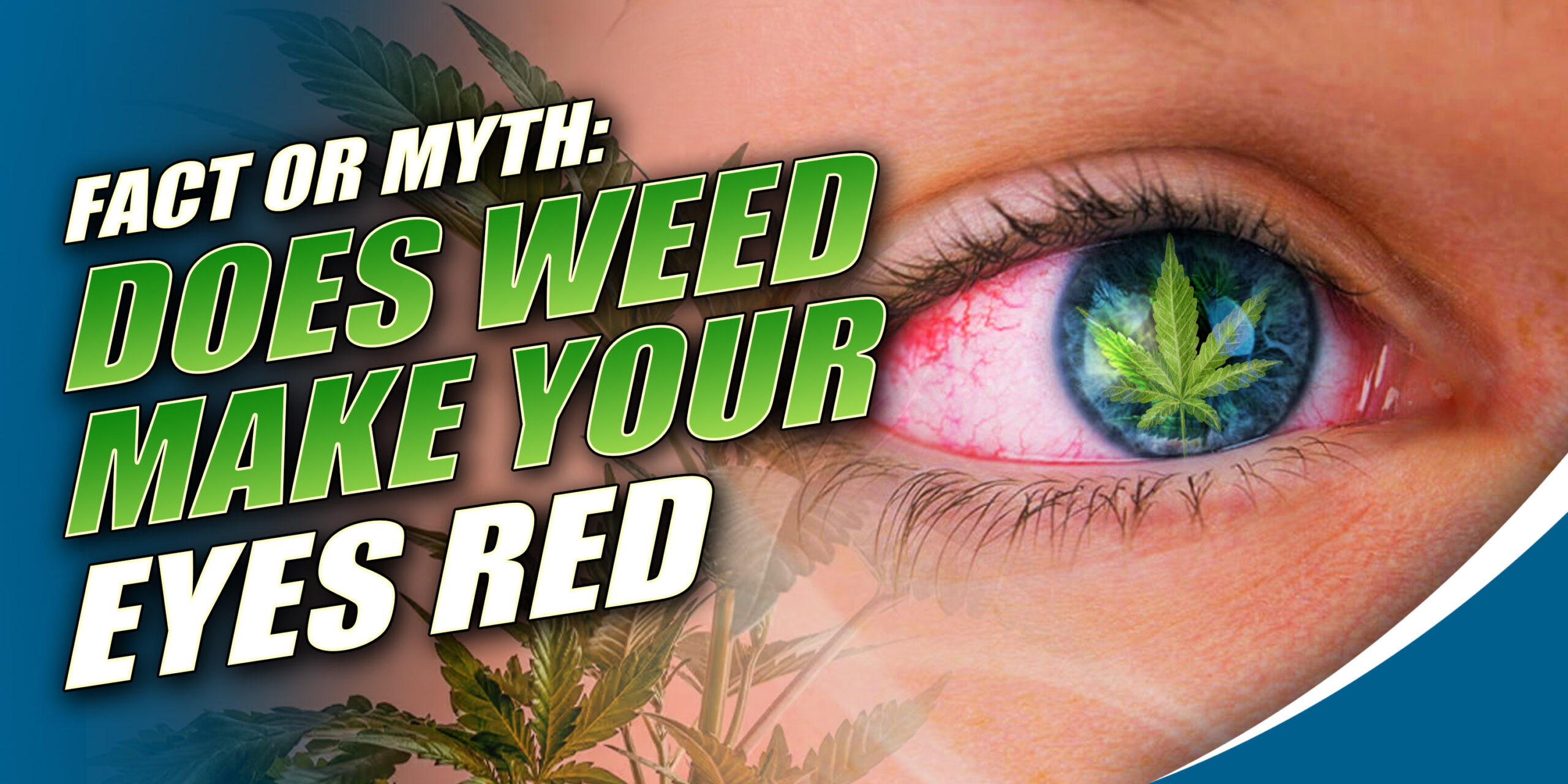
Are you wondering does weed make your eyes red? Many people, whether they’re experienced with cannabis or thinking about trying it, are curious about this. Marijuana is used more and more around the world, for both medical reasons and just for fun. But with its popularity comes lots of questions and wrong ideas, like whether your eyes always get red after using it. It’s important to understand why this happens so we can share accurate information and break down any stereotypes about weed.

Understanding the Link: Does Weed Make Your Eyes Red?

Does Weed Make Your Eyes Red

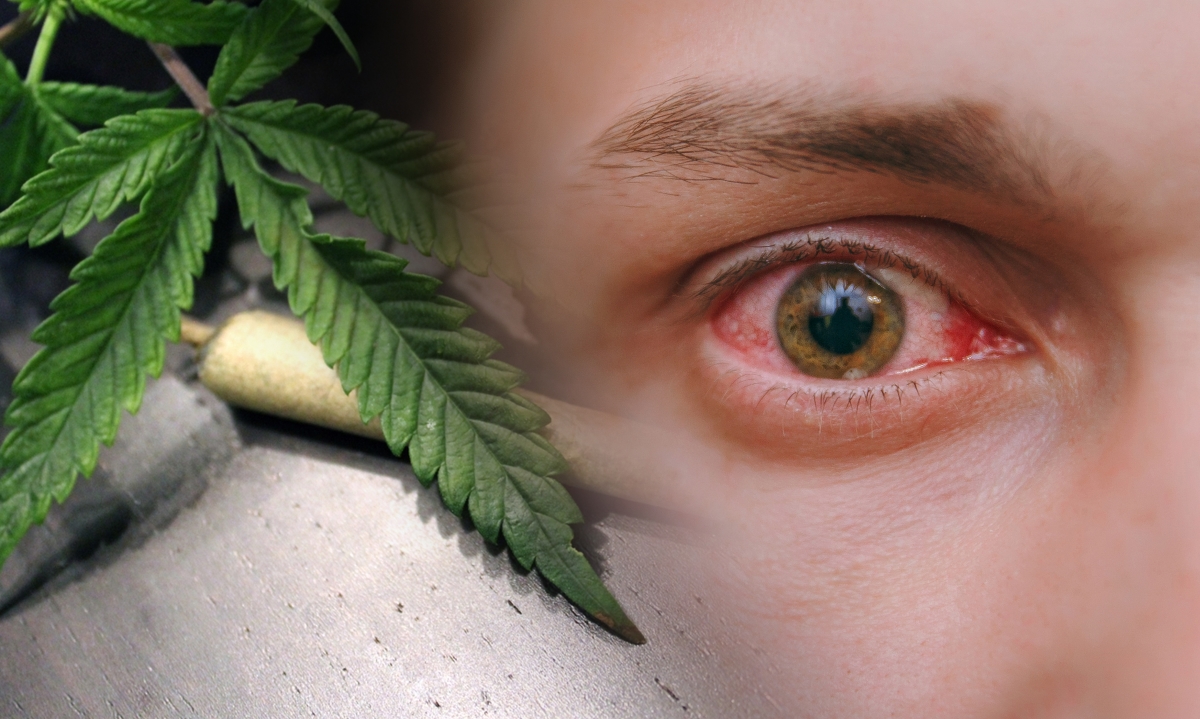
Ever wondered why your eyes go red after smoking weed? Let’s dig into why this happens. When you consume cannabis, it causes a temporary drop in blood pressure, which makes blood vessels, including those in your eyes, widen. This widening increases blood flow to your eyes, making them look red – a common sight after using marijuana.

It’s important to know that the redness is mainly caused by THC, the part of weed that makes you feel high. THC interacts with receptors in your body, including those in your eyes, causing the blood vessels to widen and the redness to occur. How red your eyes get can depend on things like how strong the THC is, how sensitive you are to it, and how you consume it.

Dispelling Myths: Debunking Common Misconceptions

Does Weed Make Your Eyes Red

There are several misconceptions surrounding red eyes and marijuana use. Let’s debunk some of the most prevalent myths:

Marijuana Quality Determines Eye Redness

Despite what many people think, how red your eyes get isn’t just because of how strong the weed is. While some types of weed with more THC might make your eyes redder, other things like how much you’re used to it, how you use it, and how hydrated you are also make a big difference.

Red Eyes Indicate Intoxication

Lots of folks link red eyes with being high or drunk. But really, red eyes just happen when you use cannabis, and they don’t always mean you’re impaired. It’s crucial to tell apart the physical signs from how well you can think when figuring out if someone’s high.

The Science Behind Red Eyes: Vasodilation and Cannabis

Understanding why weed makes your eyes red means getting what vasodilation is all about. When THC gets into your blood, it hooks up with cannabinoid receptors all over your body, including the ones in your eyes. This hookup tells your blood vessels to get wider, which means more blood flows through them, making your eyes go red.

Studies show that cannabinoids, like THC, can control how neurotransmitters and other signaling stuff work to manage how tight or loose your blood vessels are. This control leads to vasodilation, which is why your eyes get red when you smoke weed.

Does Weed Make Your Eyes Red? Exploring Variations

While red eyes are a common side effect of marijuana use, their severity can vary depending on various factors:

THC Content

How red your eyes get after smoking weed can depend on how strong the weed is, especially how much THC it has. Usually, the more THC in the weed, the redder your eyes might get.

Method of Consumption

How you use cannabis can also affect how likely you are to get red eyes. Smoking or vaping it usually makes your eyes get red faster and more intensely than eating or putting it on your skin.

Individual Sensitivity

How much your eyes get red after using marijuana can vary from person to person, depending on how sensitive you are to THC and other stuff in it. Things like how fast your body breaks it down, how used to it you are, and how healthy you are can all affect how your body reacts to weed.

Addressing Concerns: Red Eyes and Social Stigma

Even though we know why eyes get red after using marijuana, some people still judge others for it. It’s important to help people understand that red eyes are harmless and normal after using weed. Talking openly about it and correcting misunderstandings can help break down stereotypes and make people more understanding.

The stigma around marijuana comes from old-fashioned ideas and wrong information. By sharing the right facts backed by science, we can fight these wrong ideas and have more caring conversations about weed.

FAQs

Q: Does smoking marijuana always cause red eyes?
A: No, not everyone who smokes marijuana experiences red eyes. Factors like individual sensitivity, strain potency, and method of consumption can affect whether red eyes occur.

Q: Can red eyes from smoking marijuana be a sign of a serious health issue?
A: Generally, red eyes from marijuana use are harmless and temporary. However, persistent redness or other concerning symptoms should be evaluated by a healthcare professional.

Q: Are there any ways to prevent red eyes when using marijuana?
A: While it’s challenging to completely prevent red eyes, staying hydrated, using eye drops, and opting for lower-THC strains may help minimize redness.

Q: Do eye drops specifically designed for red eyes work for marijuana-induced redness?
A: Yes, over-the-counter eye drops can help alleviate redness temporarily by constricting blood vessels. However, they may not fully address the underlying cause.

Q: Can frequent marijuana use lead to long-term eye health problems?
A: Research on the long-term effects of marijuana on eye health is ongoing. While occasional use is unlikely to cause significant issues, heavy or prolonged use may have implications for eye health over time.

How Often To Foliar Feed Cannabis


Enhancing plant growth and ensuring optimal nutrient uptake are essential goals for every gardener or farmer. One effective technique to achieve these objectives is foliar feeding. But the question arises: how often to foliar feed cannabis for the best results? In this comprehensive guide, we will guide you into the careful way to cannabis foliar feed, providing expert insights and practical tips to help you maximize your plant’s potential.

Understanding Foliar Feeding

How Often To Foliar Feed

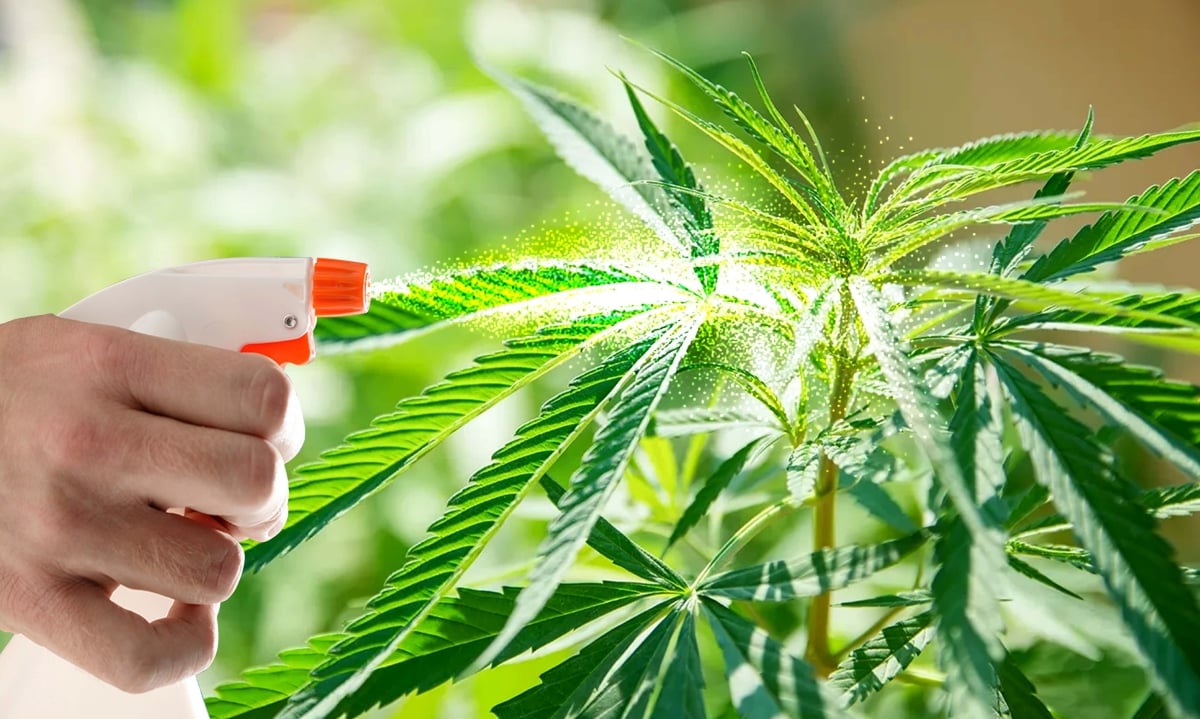
Understanding how often to foliar feed cannabis is easier when you know why it works. Plants have tiny openings called stomata on the bottom of their leaves. These openings help with breathing and let in water and nutrients when we spray the leaves. Instead of going through the roots, the nutrients go straight to the leaves. This method has benefits like making the plant take in nutrients quickly and use them better.

The Importance of Macronutrients and Micronutrients

Plants need a lot of macronutrients like nitrogen, phosphorus, and potassium to grow well. They also need smaller amounts of micronutrients like iron, zinc, and manganese. When you spray the leaves with nutrients, it’s important to have the right balance of both kinds. If a plant doesn’t get enough of any nutrient, it can’t grow properly and might have health problems.

Factors Influencing Foliar Feeding Frequency

The number of times you spray leaves with nutrients depends on different things like what kind of plant it is, how old it is, the weather, and what nutrients it needs. Usually, young plants or ones that are growing fast need to be sprayed more often to help them get all the nutrients they need. But older plants might not need to be sprayed as much because they’re not growing as fast and just need to maintain themselves.

Determining the Ideal Frequency

How Often To Foliar Feed

To figure out how often to spray leaves with nutrients, you need to watch the plants closely and try different things to see what works best. Start by testing the soil to see what nutrients are there and if anything’s missing. Then, keep a close eye on how the plants are growing and what their leaves look like. If they’re not getting enough of a certain nutrient, or if they’re getting too much of something, you might need to change how often you spray or what kind of nutrients you use. The goal is to make sure the plants have everything they need to grow well and have healthy leaves.

Guidelines for Foliar Feeding Frequency

1. Young Seedlings and Transplants

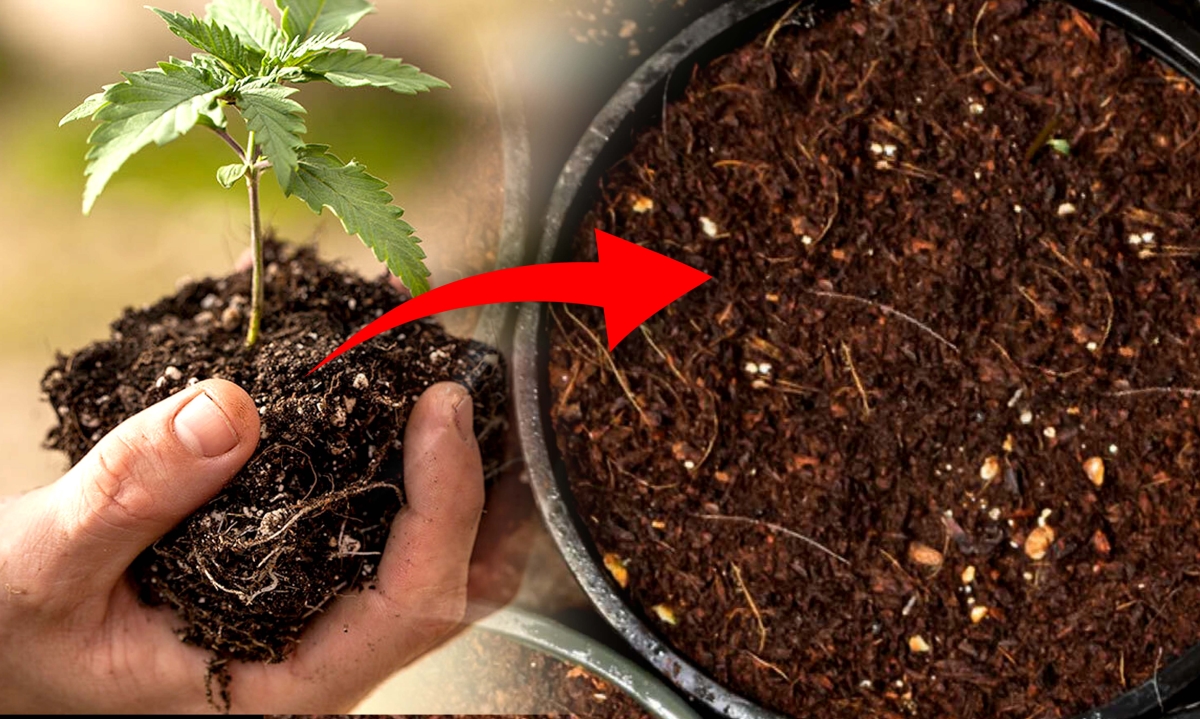
When plants are just starting to grow from seeds or are recently transplanted, they are more likely to lack certain nutrients, which can slow down their growth. To help them grow strong roots and leaves, it’s a good idea to spray them with a mix of balanced fertilizer and water every 7 to 10 days. Watch how they’re doing closely, and if they seem to be growing well, you can stick with that schedule. But if they’re not growing as fast as you’d like, you might need to spray them more often. Adjust the spraying schedule based on how the plants are doing and how quickly they’re growing.

2. Vegetative Stage

When plants are in the vegetative stage, they grow quickly and need a lot of nutrients to help their leaves grow big and strong. For plants like tomatoes and peppers that you grow every year, spraying them with a fertilizer that’s rich in nitrogen every 10 to 14 days can help their leaves get bigger and make the plants stronger overall. Keep an eye on the color and size of the leaves, and if they look healthy and are growing well, you can stick with that schedule. But if they start to look pale or small, you might need to spray them more often. Adjust how often you spray based on how the leaves look and how fast the plants are growing.

3. Flowering and Fruit Set

As plants start making flowers and fruits, they need different kinds of nutrients to help them grow. At this time, you might not need to spray them with fertilizer as often because they’re not growing leaves as much. Instead, focus on making sure they have the right balance of nutrients. Spray them with a balanced fertilizer every 14 to 21 days, making sure there’s enough phosphorus and potassium to help the flowers and fruits grow well. Keep an eye on how the plants are doing, and if the flowers and fruits look healthy, you can stick with that schedule. But if they’re not growing as well as you’d like, you might need to spray them more often. Adjust how often you spray based on how the flowers and fruits are developing.

4. Perennial Plants

Perennial plants like fruit trees and ornamental shrubs have specific needs for nutrients that change with the seasons as they grow and rest. In the early spring, it’s a good idea to spray these plants with a balanced fertilizer to help them grow new leaves and flowers. But as they start to go dormant in the fall, you don’t need to spray them with fertilizer as often. This helps prevent them from growing too much late in the season, which can be damaged by frost. Adjust how often you spray based on the time of year and what stage of growth the plants are in.

Expert Tips for Maximizing Foliar Feeding Benefits

1. Timing Is Key

To help plants absorb nutrients better and reduce stress on them, it’s best to spray them with foliar sprays either early in the morning or late in the afternoon. This way, they’re not dealing with the heat of the day, which can make their leaves burn and cause the sprayed solution to evaporate quickly. By spraying at these times, you give the plants the best chance to take in the nutrients they need without causing them harm.

2. Use High-Quality Products

To get the most out of foliar spraying without harming the leaves, it’s wise to use top-notch fertilizers made for this purpose. These fertilizers are designed to be sprayed on leaves and are less likely to cause damage. When choosing a product, opt for ones with chelated micronutrients. These are easier for plants to use and absorb effectively. It’s all about giving your plants the best nutrients in a way that’s safe and efficient.

3. Rotate Nutrient Sources

To keep your plants healthy and prevent them from lacking certain nutrients, switch between different kinds of fertilizers during the growing season. Try using both synthetic and organic options. Organic choices like compost tea or fish emulsion can add nutrients to the soil and help it stay healthy. By mixing things up, you give your plants a variety of nutrients they need to grow well.

4. Monitor Plant Response

Keep an eye on your plants and check them often for any signs that they might not be getting enough or too much of certain nutrients. Look out for things like leaves turning yellow, the plants not growing as much as they should, or the tips of the leaves getting burnt. If you notice any of these signs, change how often you spray them with nutrients or try a different mix to see if it helps. The goal is to make sure your plants have everything they need to be healthy and strong.

FAQs

Q: Can foliar feeding replace traditional soil fertilization methods?
A: No, foliar feeding supplements soil fertilization but cannot replace it entirely. While it provides a quick nutrient boost directly to the leaves, soil fertilization is essential for overall plant growth and development.

Q: Is foliar feeding suitable for all types of plants?
A: Foliar feeding benefits a wide range of plants, but leaf structure and sensitivity can affect its effectiveness and safety. Some plants, especially those with hairy or waxy leaves, may be less receptive or prone to leaf burn.

Q: Can foliar feeding harm plants if overdone?
A: Yes, excessive foliar feeding or using the wrong products can harm plants by causing nutrient imbalances, leaf burn, or toxicity. Following recommended application rates, diluting fertilizers, and avoiding spraying during hot, sunny conditions can minimize risks.

Q: How soon can I expect to see results from foliar feeding?
A: Results from foliar feeding vary depending on factors like plant type and environmental conditions. While some improvements may be visible within days, long-term benefits like increased yield may require consistent foliar feeding over weeks or months.

Q: Can I make my own foliar fertilizer at home?
A: Yes, homemade foliar fertilizers can be made using simple ingredients like compost or organic fertilizers. However, it’s crucial to research recipes carefully, follow proper dilution ratios, and test on a small area of plants before widespread use to ensure effectiveness and compatibility.

How To Get Unhigh Quick


Consuming cannabis can sometimes lead to feeling uncomfortably high. Whether due to overconsumption or unexpected potency, finding the fastest way to get unhigh from cannabis becomes essential for many individuals. In this comprehensive guide, we’ll explore effective strategies and techniques to help you sober up quickly and regain control of your experience.

Fastest Way to Get Unhigh

get unhigh

Feeling overwhelmed by the effects of cannabis is a common experience, but there are several techniques you can employ to help you sober up swiftly. Let’s delve into some of the quickest methods to counteract the high and restore clarity.

Hydration and Nutrition

Proper hydration and nutrition play a crucial role in mitigating the effects of cannabis. Drinking water and consuming a light snack can help alleviate symptoms of being too high. Additionally, incorporating hydrating foods such as fruits and vegetables into your diet can aid in replenishing electrolytes and promoting overall wellness.

Physical Activity

Engaging in physical activity, such as taking a brisk walk or doing some light exercise, can help stimulate blood flow and metabolism, aiding in the detoxification process. Moreover, regular exercise has been shown to boost mood and reduce stress, which can contribute to a more positive sobering experience.

Deep Breathing and Meditation

Practicing deep breathing exercises and mindfulness meditation can help calm the mind and reduce anxiety associated with being too high. By focusing on your breath and staying present in the moment, you can cultivate a sense of inner peace and relaxation, facilitating the sobering process.

Fresh Air Exposure

Spending time in a well-ventilated area or stepping outside for some fresh air can help clear your head and provide a change of scenery, which may alleviate feelings of being overly high. Inhaling fresh air can also help regulate your breathing and oxygenate your body, promoting a sense of clarity and alertness.

CBD Consumption

Consuming CBD, a non-psychoactive compound found in cannabis, can help counteract the effects of THC and promote relaxation without intensifying the high. CBD interacts with the body’s endocannabinoid system to regulate various physiological functions, including mood, sleep, and appetite, making it a valuable tool for sobering up from cannabis.

Distraction Techniques

Engaging in activities that capture your focus, such as watching a movie, listening to music, or playing a game, can help divert your attention away from feeling too high. By immersing yourself in enjoyable and stimulating activities, you can shift your focus away from discomfort and anxiety, allowing the effects of cannabis to subside more quickly.

Rest and Relaxation

Taking a moment to rest and relax in a comfortable environment can help alleviate feelings of discomfort and allow your body to naturally metabolize the cannabis. Creating a calming atmosphere with soft lighting, soothing music, and cozy blankets can enhance your relaxation experience and promote a sense of tranquility.

Lemon or Black Pepper

Chewing on a slice of lemon or sniffing black pepper can help alleviate anxiety and paranoia associated with being too high, thanks to the terpenes present in these substances. Limonene, a terpene found in citrus fruits like lemon, has been shown to have mood-boosting and stress-relieving properties, while beta-caryophyllene, found in black pepper, acts as a natural anti-anxiety agent, helping to soothe frazzled nerves.

Time

Sometimes, the most effective way to sober up from cannabis is simply to give it time. The effects will gradually diminish as the cannabinoids are metabolized by your body. During this time, it’s important to practice self-care and patience, allowing yourself to rest and recover at your own pace.

Seek Support

If you’re feeling overwhelmingly anxious or uncomfortable, don’t hesitate to reach out to a friend or loved one for support. Talking about your experience can help alleviate stress and provide reassurance. Additionally, seeking professional help from a healthcare provider or counselor may be beneficial if you’re struggling to cope with the effects of cannabis.

Conclusion

Feeling too high from cannabis can be a daunting experience, but it’s important to remember that there are effective strategies to help you sober up quickly and safely. By staying hydrated, engaging in physical activity, practicing mindfulness, and seeking support when needed, you can navigate through the effects of cannabis with confidence. Remember to listen to your body and prioritize your well-being above all else.

FAQs

Q: Can using eye drops help sober you up from cannabis?
A: No, using eye drops does not directly sober you up from cannabis. Eye drops may alleviate redness or dryness in the eyes, which can be a common side effect of cannabis use, but they do not affect the intoxicating effects of the drug.

Q: Is eating a large meal before consuming cannabis a good way to prevent getting too high?
A: Eating a large meal before consuming cannabis may slow down the absorption of THC into the bloodstream, potentially reducing the intensity of the high. However, it does not guarantee that you won’t get too high, as individual tolerance and metabolism play significant roles in how cannabis affects each person.

Q: Can taking a cold shower help sober you up from cannabis?
A: Taking a cold shower may provide temporary relief from feeling too high by stimulating the body’s senses and promoting alertness. However, it does not directly counteract the effects of cannabis or speed up the sobering process.

Q: Does consuming caffeine help sober you up from cannabis?
A: Consuming caffeine, such as coffee or energy drinks, may temporarily increase alertness and energy levels, which could help mitigate feelings of lethargy or drowsiness associated with cannabis use. However, caffeine does not directly sober you up from cannabis or reduce its intoxicating effects.

Q: How long does it take to get unhigh?
A: The time it takes to sober up from cannabis can vary depending on factors such as dosage, individual tolerance, and metabolism. Typically, the effects will begin to diminish within an hour or two, but may last longer for some individuals. Factors such as hydration, physical activity, and mindset can also influence the sobering process.

How to Increase Terpene Production


Terpenes, those fragrant compounds found abundantly in nature’s plants, do more than just make things smell nice and taste good. They have many health benefits. Their chemistry is complex but interesting, and they can be used for therapy. Learning how to increase terpene production is really important for farmers who want to improve the quality and effectiveness of their crops. Knowing about how to increase terpenes in cannabis helps farmers make great plants that not only smell and taste good but also make people healthier when they use them.

What are Terpenes?

How to Increase Terpene Production

Terpenes, often referred to as the building blocks of plant essential oils, are organic compounds synthesized in the resin glands of plants. These compounds serve multiple functions in the plant kingdom, including attracting pollinators, repelling pests, and protecting the plant from environmental stressors. In addition to their biological roles, terpenes contribute significantly to the sensory experience associated with plants, influencing their aroma, flavor, and therapeutic properties.

Understanding Terpene Production

The process of making terpenes is complicated and affected by many things like genes, the environment, and how plants are taken care of. Genes decide a lot about what kind of terpenes a plant will have, but things like temperature, humidity, light, and nutrients also change how many terpenes a plant makes. Also, the way plants are treated, like cutting them or training them to grow in a certain way, can make them produce more terpenes by making them defend themselves.

Tips for Increasing Terpene Production

How to Increase Terpene Production

A. Genetic Selection

The first thing to do to make a lot of terpenes is to pick plants with the right terpenes. People who breed plants often mix different types to make new ones that smell and taste different, so growers can find ones that work best for them. Also, scientists have figured out ways to change how plants make terpenes using genetics, so now there are plants that make a lot more terpenes than before.

B. Environmental Factors

Making sure plants have the right conditions to grow is really important for making lots of terpenes. Keeping the temperature and humidity steady while the plants are growing helps them work well and make more terpenes. Also, it’s important to have good airflow and ventilation so the air doesn’t get too wet, which can cause mold and hurt how many terpenes the plants make.

C. Nutrient Management

Making sure plants get the right nutrients is really important for them to grow well and make lots of terpenes. Giving plants all the different kinds of nutrients they need, like big ones, small ones, and really tiny ones, helps them stay healthy and make more terpenes. Also, adding natural stuff like compost, worm poop, and seaweed juice to the soil makes it better for plants and the tiny creatures that help them grow, which helps plants take in more nutrients and make more terpenes.

D. Stress Induction Techniques

Sometimes, gently stressing the plant can make it protect itself and produce more terpenes. Ways like gently bending it, taking some leaves off, or changing the temperature a bit can make the plant defend itself more, which means more terpenes. But it’s important to watch the plant closely and not stress it too much, or it might not grow well and won’t make as many terpenes in the end.

E. Harvesting and Curing Methods

Getting the timing right when harvesting and drying plants is super important to keep the terpenes and make the smell and taste as good as possible. Picking plants when they have the most terpenes saves all those special compounds, getting the most out of the plant. Then, drying and curing the flowers slowly and gently lets the terpenes develop fully, making the final product smell and taste really good.

Advanced Techniques for Maximizing Terpene Levels

A. Temperature and Humidity Control

Maintaining precise control over temperature and humidity levels in the growing environment is crucial for optimizing terpene production. Investing in climate control systems such as heaters, air conditioners, and dehumidifiers ensures that environmental conditions remain stable, minimizing stress and maximizing terpene synthesis.

B. Light Spectrum Optimization

Tailoring the light spectrum to match the plant’s natural lighting conditions can enhance terpene production. LED grow lights with customizable spectrums allow growers to adjust light wavelengths to promote terpene synthesis during different growth stages. Additionally, incorporating supplemental UVB lighting can stimulate terpene production and increase resin production, leading to higher yields and better quality flowers.

C. CO2 Enrichment

Supplementing carbon dioxide levels in the growing environment can stimulate photosynthesis and enhance terpene production. CO2 enrichment systems, such as generators or tanks, provide plants with additional CO2, promoting faster growth and increased terpene synthesis. However, it’s essential to monitor CO2 levels closely and ensure proper ventilation to prevent buildup and maintain a healthy growing environment.

D. Terpene Boosting Supplements

Using organic supplements containing terpene precursors can stimulate terpene production and enhance aroma and flavor. These supplements provide the plant with essential nutrients and compounds involved in terpene synthesis, such as amino acids, vitamins, and minerals. Additionally, incorporating beneficial microbes such as mycorrhizae and beneficial bacteria can improve nutrient uptake and promote terpene production.

The Importance of Proper Harvesting and Curing

Harvesting and curing are really important for keeping terpenes in the plant and making the final product as good as it can be. Picking plants when they’re just right makes sure they have the most terpenes, bringing out all their smell and taste. Then, drying the flowers slowly and curing them in a special place lets the terpenes develop fully, making the final product smell and taste even better.

Conclusion

Making more terpenes needs looking at a lot of things like genes, the environment, how plants are taken care of, and smart farming methods. If growers know what affects terpenes and use the right methods, they can make their crops better in smell, strength, and how well they sell. This way, they can meet the needs of picky customers and pros in the industry.

FAQs

Q: What are terpenes?
A: Terpenes are organic compounds found in various plants, responsible for their distinct aroma and flavor profiles.

Q: How do terpenes contribute to the aroma and flavor of plants?
A: Terpenes interact with other compounds to create the diverse range of aromas and flavors associated with different plant varieties.

Q: Can terpene production be increased naturally?
A: Yes, terpene production can be enhanced through genetic selection, environmental optimization, and stress induction techniques.

Q: Is terpene production affected by the plant’s growth stage?
A: Yes, terpene production varies throughout the plant’s lifecycle, peaking during the flowering stage.

Q: Are there any risks associated with increasing terpene production?
A: While increasing terpene production can improve the quality of the crop, growers must be mindful of potential risks such as nutrient imbalances, environmental stressors, and pest infestations.

Are Electric Dab Rigs Worth It?


Electric dab rigs, also known as e-rigs, have become very popular for consuming cannabis. But, are electric dab rigs worth it? These special devices use electricity to heat up concentrates, turning them into vapor that you can breathe in. Even though they can cost more than regular vapes, electric dab rigs are getting more attention because they offer a lot of advantages. In this guide, we’ll take a closer look at electric dab rig kits, talking about why people like them better than traditional rigs.

Advantages of Electric Dab Rig Kits

Are Electric Dab Rigs Worth It

Portability and Discretion

The small size of electric dab rig kits makes them different from traditional ones. Unlike big dabbing rigs that look like scientific equipment, e-rigs are compact and similar in size to an inhaler. This makes them easy to carry around discreetly in backpack pockets or clothing, so you can use them while you’re on the move without attracting unwanted attention. Also, because they’re not very noticeable, you can use them without people noticing, which is good for anyone who wants to keep their dabbing sessions private.

Beginner-Friendly Usage

Using traditional dabbing rigs can be tricky for people who aren’t familiar with cannabis tools. You have to know how to handle things like water, heat, and putting in the concentrate, and it’s also important to control the temperature just right. On the other hand, electric dab rig kits are made to be easy to use. They come with features that are simple for anyone to understand, like built-in systems that keep an eye on the temperature, so you don’t have to worry about overheating. Because of this simplicity, e-rigs are great for beginners and don’t require as much time to learn compared to traditional rigs.

Compatibility with Accessories

Electric dab rig kits can work with lots of different accessories, so you can make your vaping experience even better with extra features. There are all kinds of accessories available, like special glass parts and advanced filters, that let you customize your e-rig however you like. Whether you want smoother hits, better flavor, or you want to try out new vaping techniques, electric dab rigs are really versatile and can work with lots of different accessories to fit what you want.

Customizability Options

Experienced dabbing fans who want to make their experience even better can do a lot with electric dab rig kits. These kits offer many ways to customize your setup. You can change parts like coils, atomizers, and heating cups to match exactly what you like. Plus, there are accessories like e-nails that give you even more options to personalize how you vape. Traditional dabbing rigs also let you customize, but they can be bulky and hard to work with, which makes electric rigs a better choice if you’re into trying out different setups.

Production of High-Quality Vapor

The main difference between electric dab rigs and regular vaporizers is how they make vapor. Both use conduction to create vapor, but e-rigs are made specifically for using marijuana concentrates, which gives a strong vaping experience. Concentrates like wax and crumbles have a lot of active ingredients in them, so they make a lot of vapor without losing flavor or strength. With their advanced technology, electric dab rig kits give you really good vapor quality compared to regular vape devices, which is why a lot of people who care about quality prefer them.

Environmental Impact

As the cannabis world changes, more people are thinking about how to take care of the environment. Electric dab rigs are a greener choice compared to traditional ways of smoking because they make less waste and pollution. When you use an e-rig, it vaporizes concentrates without burning them, so there’s less harmful stuff going into the air. Also, a lot of e-rigs have rechargeable batteries, so you don’t have to throw away batteries as often, which helps the environment too.

Cost-Effectiveness

Getting an electric dab rig kit can save money in the long run for fans. When you buy a complete kit or bundle, it’s often cheaper than getting all the parts separately. E-rig kits are priced competitively, so you can save a lot without sacrificing quality. Plus, electric dab rigs are versatile and last a long time, which makes them a smart investment. By choosing e-rig kits, people can get the most out of their money and have more to spend on cannabis stuff later on.

Self-Heating Dab Rigs – Another Option

Are Electric Dab Rigs Worth It

Self-heating dab rigs are a big step forward in how we vaporize things, putting heating parts right inside the device for super easy and efficient use. With these rigs, you don’t need anything else to heat them up, so you can dab without any hassle and with the temperature just right every time. They come with features like settings you can adjust and built-in safety measures, making them really easy and safe to use compared to regular rigs. When you’re picking out a self-heating dab rig, think about things like how well you can control the temperature, how big it is, what it looks like, and if the brand is known for making good stuff, so you can be sure you’ll have a great vaping experience.

Safety and Maintenance

It’s really important to keep your electric dab rig kit safe and make it last as long as possible so you can enjoy vaping for a long time. Most e-rigs have safety features like automatic shut-off and protection from overheating to prevent accidents and damage. But it’s also crucial to clean your device regularly and follow maintenance steps. This helps stop dirt from building up and keeps it working properly. When you’re not using your e-rig, store it in a safe, dry place away from water and extreme temperatures to ensure it stays in good condition for as long as possible.

Conclusion

In summary, electric dab rig kits are a great option for cannabis fans who want something that’s easy to use, works well, and doesn’t cost too much. Their small size, easy-to-understand features, and ability to customize make them a good choice for all kinds of people, whether they’re new to vaping or have been doing it for a while. With their high-quality vapor and money-saving benefits, e-rigs show how cannabis consumption is changing for the better. As the market keeps growing, electric dab rigs are set to make vaping even better by giving you a device that’s both useful and a good deal.

FAQs

Q: Are electric dab rigs safe to use?
A: Yes, electric dab rigs are generally safe to use when operated according to the manufacturer’s instructions. They often include safety features such as automatic shut-off mechanisms to prevent overheating.

Q: Can I travel with an electric dab rig?
A: Yes, many electric dab rig kits are portable and suitable for travel. Their compact size allows for easy transportation, making them convenient for on-the-go use.

Q: Do electric dab rigs produce strong odors?
A: No, electric dab rigs produce minimal odor compared to traditional smoking methods. Since concentrates are vaporized rather than burned, there is less smoke and residual smell.

Q: Can I use different types of concentrates with an electric dab rig?
A: Yes, most electric dab rigs are compatible with various types of concentrates, including wax, shatter, and crumble. Users can experiment with different concentrates to find their preferred vaping experience.

Q: How do I clean an electric dab rig?
A: Cleaning an electric dab rig is relatively simple. Typically, you can disassemble the components and soak them in isopropyl alcohol to remove any residue. Regular cleaning helps maintain the rig’s performance and prolong its lifespan.

Heirloom Cannabis Strains: The Timeless Heritage


If you have been around in the industry for some time the term ‘heirloom’ goes beyond its everyday use and holds deep importance. Heirloom cannabis refers to strains that have lasted a long time, keeping their genetic makeup and purity intact for many years. In today’s fast-paced world of mixing different strains, these unique heirloom cannabis varieties often get overlooked. However, they provide a real look into the past for enthusiasts. The term ‘heirloom’ itself shows the worth of these strains, as they are considered valuable enough to be handed down from one generation to the next. These strains have been around for a while and have kept their special qualities, making them a fascinating part of cannabis cultivation.

Heirloom vs. Landrace Cannabis

heirloom cannabis

Heirloom and landrace cannabis strains are quite similar, with shared features like specific terpene profiles and stable genotypes. It’s important to grasp their subtle differences. Heirloom strains, originally landrace varieties, get transplanted to new cultivation areas. This creates an interesting mix of tradition and adaptation. In this section, we’ll explore both categories, highlighting what makes them unique and delving into the historical context that shaped their evolution. Understanding these distinctions is key for anyone interested in cannabis.

Tracing Heirloom Cannabis Origins – The Hippie Trail Legacy

heirloom cannabis

The roots of heirloom cannabis trace back to the cultural changes of the 1960s and 1970s, a time when the ‘hippie trail’ emerged. During this unconventional trade route, cannabis enthusiasts journeyed from the Middle East to the U.S., carrying seeds that later became heirloom strains. California’s climate, ideal for growing Sativa-heavy Kush strains, turned it into a hub for these unique varieties. Exploring this history helps us understand how heirloom cannabis made its way to the Western world. The 1960s and 1970s played a key role in shaping the path of these special strains from the East to the West.

Benefits of Heirloom Cannabis

Stable Genetics

For those who love growing cannabis, the stability of heirloom genetics is a big plus. Heirloom strains, unlike hybrid ones, are known for being easier to handle and more predictable. This makes them a perfect choice for people who like to grow their cannabis at home. In this part, we’ll go into detail about the genetic traits that make heirloom strains stable and what it means for growers looking for a dependable and satisfying experience. If you’re into DIY cannabis cultivation, understanding these genetic characteristics can make your growing journey more straightforward and enjoyable.

Balanced Cannabinoid Ratios

Heirloom cannabis stands out for its often well-balanced cannabinoid ratios, offering a more moderate cannabis experience compared to some modern strains with extremely high THC levels. This balance helps reduce the risk of undesirable side effects like anxiety and paranoia. In this part, we’ll explore the science behind cannabinoid ratios, clarifying why heirloom strains are a sensible choice for those looking for a controlled and measured cannabis encounter. If you prefer a more balanced and mellow experience, heirloom varieties might be the right fit for you.

Elevated CBD Levels

In the current focus on the therapeutic aspects of cannabis, heirloom strains stand out due to their higher CBD levels. This addition not only widens the range of potential benefits but also aligns with the growing interest in CBD’s medicinal properties. In this part of the article, we will delve into the significance of increased CBD levels in heirloom cannabis, highlighting the holistic and nuanced effects these strains can bring to users. If you’re looking for cannabis with potential therapeutic benefits, heirloom varieties with elevated CBD might be what you’re seeking.

Broad Terpene Blends

At the core of every heirloom strain is a unique terpene profile that shapes its distinct flavors and effects. Unlike mass-produced hybrids, heirloom cannabis offers a diverse range of terpene blends, enhancing the sensory experience beyond the ordinary. This part of the article enhances the understanding of terpenes, emphasizing their role in crafting the distinctive identity of each heirloom strain and the impact for enthusiasts seeking a more detailed cannabis encounter.

Nostalgia-Infused Experience

Apart from the health benefits, heirloom cannabis holds a special charm rooted in nostalgia. People who enjoyed the unique strains of the 60s, 70s, or 80s can reconnect with the past through heirloom varieties. In this section, we delve into the emotional journey that comes with experiencing heirloom cannabis, building a connection between different generations and nurturing a special appreciation for the historical importance of these strains.

Exploring Heirloom Cannabis Strains

Acapulco Gold

Acapulco Gold, a prized gem among heirloom strains, captures the hearts of enthusiasts with its mood-lifting effects and natural fragrance. Originating in Acapulco, Mexico, in 1964, this strain has attained legendary status, championed by famous figures and forever etched into mainstream culture. This part takes a deep dive into Acapulco Gold, unraveling its history, effects, and distinctive qualities that solidify its timeless status among heirloom strains.

Strawberry Cough

Known for its delightful berry scent and skunky flavor, Strawberry Cough emerges as a pure Sativa strain, bringing powerful cerebral effects. Rocket Seeds introduces this strain through carefully crafted pre-rolls, ensuring a smooth, slow-burning experience for enthusiasts seeking stress relief and an uplifting feeling. This section explores the characteristics of Strawberry Cough, revealing the subtle details that contribute to its popularity and distinct appeal.

Do-si-do

Do-si-do, an heirloom cannabis strain known for its vibrant appearance and sparkling trichomes, delivers a potent and bold high. Tailored for relaxation, Rocket Seeds presents this strain in high-quality pre-rolls, ensuring an unforgettable smoking experience. This section offers an immersive look into Do-si-do, shedding light on its visual allure, effects, and why it holds a special place as an essential heirloom strain.

Conclusion

The perfect blend of tradition and innovation reaches its peak. This complete guide honors the enduring charm of heirloom strains, shedding light on their historical importance, diverse advantages, and the significance of opting for brands dedicated to authenticity and eco-friendly practices. Enhance your cannabis journey with heirloom strains, where each exhale intertwines the past and present in a seamless experience.

FAQs

Q: What distinguishes heirloom cannabis from modern hybrid strains?
A: Heirloom cannabis maintains pure genetics and hasn’t been mixed with other strains, giving it a more traditional and stable nature compared to modern hybrids.

Q: How did heirloom cannabis strains make their way to the Western world?
A: During the 1960s and 1970s, cannabis enthusiasts transported seeds from the Middle East to the U.S. through the “hippie trail,” contributing to the spread of heirloom strains.

Q: Are heirloom cannabis strains easier to grow for beginners?
A: Yes, heirloom strains often have stabler genetics, making them more manageable and predictable, which is advantageous for those new to cannabis cultivation.

Q: What benefits does heirloom cannabis offer for users seeking a moderate experience?
A: Heirloom strains usually have more balanced cannabinoid ratios, reducing the risk of unwanted side effects like anxiety and paranoia often associated with higher THC levels.

Q: Why is authenticity important when choosing heirloom cannabis?
A: Authentic brands, like Rocket Seeds, uphold the legacy of heirloom cannabis, ensuring a genuine and high-quality experience for consumers who value the historical significance of these strains.

Why Do I Green Out Every Time I Smoke


It’s important for both users and those around them to be aware of the reason on “why do I green out every time I smoke.” Even nevertheless this term might not be familiar to everyone, its importance is similar to that of alcohol-induced blackouts. This article aims to explore whats greening out, how many hits does it take to green out, the symptoms that come with it, how to prevent greening out, and how to fix greening out in order to respond and ensure a safe and well-informed cannabis experience. Understanding these aspects can make using cannabis a more straightforward and enjoyable experience for everyone involved.

Cannabis Components and Psychoactive Effects

Why Do I Green Out Every Time I Smoke pic copy

To understand greening out, it’s crucial to grasp the elements of cannabis and how they affect the mind. Cannabis has various compounds, and THC is the main one responsible for the happy feeling linked to using marijuana. On the other hand, CBD, a non-psychoactive compound, is getting attention for its therapeutic benefits. The interaction of over a hundred cannabinoids in the cannabis sativa plant leads to different effects on users.

Figuring out the limit for greening out is tricky and depends on individual factors like weight, exposure to cannabis, and the strength of the product. New users, who haven’t used cannabis much before, might be more likely to green out because their bodies aren’t used to THC’s effects. On the flip side, regular users might build up a tolerance, needing more THC to feel the negative effects of greening out. How you consume cannabis matters too – smoking makes THC kick in faster than slower-acting edibles. In a 2021 study about medical cannabis, the recommended daily THC doses varied from 2.5 to 40 mg, showing that everyone’s tolerance to cannabis is different. Understanding these factors can help people have a safer and more enjoyable experience with cannabis.

Greening Out Triggers

Why Do I Green Out Every Time I Smoke

Greening out happens for different reasons, each with its own risks. Smoking too much cannabis, which many people do for fun or for medical reasons, can lead to accidentally using too much and greening out. The strength of the cannabis matters too – higher levels of THC make the effects kick in faster, making greening out more likely. When cannabis is mixed with alcohol, a combo called cross-fading, it creates unpredictable reactions and increases the chances of greening out. Another risk comes from synthetic cannabis products in the market. These often have stronger effects than natural cannabis, making greening out happen more quickly. It’s important to be aware of these factors to have a safer experience with cannabis.

Symptoms of Greening Out

Spotting the signs of greening out is essential for taking quick action and lessening its impact. Feeling anxious, heavy limbs, dizziness, headaches, and nausea are common signals that someone might be greening out. In more serious situations, users might have panic attacks, feel disoriented, confused, or even experience mild hallucinations. Physically, it can lead to a faster heart rate, lower blood sugar, decreased blood pressure, and narrower blood vessels. It’s significant to know that symptoms can range from mild cases that go away in a few hours to severe instances that can cause prolonged delusions and hallucinations. Being aware of these signs helps in handling greening out more effectively.

Managing Greening Out 5 Things To Take Note Off

If someone is greening out, staying calm and offering support is crucial. Encourage them to take deep breaths, play calming music, and keep a reassuring attitude to ease their symptoms. It’s significant not to leave them alone, as greening out can cause mild hallucinations and confusion. Stay with the person and guide them to a safe place until they feel better, keeping an eye on them in case symptoms get worse. Drinking water or fruit juice can help reduce the severity of greening out symptoms, so it’s good to stay hydrated. In serious situations, it’s necessary to seek medical attention to manage psychological symptoms and prevent any potential health issues. Taking these steps can make a big difference in helping someone through a greening out episode.

Dangers of Greening Out Long-Term Risks

Knowing about the possible long-term risks linked to experiencing greening out often or intensely is really important for users and those around them. It’s not just about the immediate discomfort – there are other consequences to consider. This includes a higher chance of accidents, negative impacts on mental health, the possibility of getting poisoned or overdosing from cannabis edibles, and an increased risk of abusing or becoming addicted to marijuana. Understanding these potential risks is crucial for making informed decisions about using cannabis and maintaining overall well-being.

Risk of Accidents

Greening out can make it harder to control your body – affecting things like movement, coordination, how quickly you react, and your ability to make good decisions. This makes the risk of accidents or injuries go up, especially if you’re doing things like driving or using machinery. It’s important to be aware of these effects to avoid putting yourself and others in danger when using cannabis.

Adverse Effects on Mental Health

If greening out continues for a long time, it can cause ongoing psychological issues, feelings of not being connected to yourself (called depersonalization), and increase the chances of developing mental health problems. This includes conditions like anxiety disorders and psychosis, where someone might lose touch with reality. Being aware of these potential outcomes is important for making informed choices about cannabis use and taking care of your mental well-being.

Poisoning and Overdose

Eating cannabis edibles can be tricky because the effects take a while to kick in. This delay can make it easy to eat too much, which might result in poisoning or an overdose. It’s important to be aware that accidental marijuana poisonings have become more common, especially in cases where children mistake edibles for regular food. This emphasizes the need for caution and careful handling of cannabis-infused products, particularly when there are children around. Being cautious can prevent unintended health issues and ensure a safe cannabis experience.

Marijuana Abuse and Addiction

Many things play a role in marijuana abuse and addiction, such as how old someone is, how often and how much they use it, the way they consume it, the environment they’re in, and their personal history. Experiencing greening out increases the chances of building a tolerance to marijuana, abusing it, and becoming addicted. This connects to the larger problem of substance abuse, where people may struggle with controlling their use of various substances. Understanding these factors is important for making informed decisions about using marijuana and avoiding potential risks of abuse and addiction.

Conclusion

To sum up, having a detailed understanding of greening out is crucial for promoting safe cannabis use. Recognizing what can cause it, being aware of the signs, and taking steps to prevent it can help people enjoy the positive aspects of cannabis while reducing the potential risks. This encourages a well-rounded and informed approach to using cannabis, emphasizing the importance of balance and responsibility for a safer and more enjoyable experience.

FAQs

1. Can greening out occur with other forms of cannabis consumption, such as vaporizing or using cannabis patches?
Yes, greening out can occur with various forms of cannabis consumption, including vaporizing and using patches. The method of consumption influences the rate of THC absorption, contributing to the risk of greening out.

2. Are there long-term effects on memory or cognitive function associated with greening out, similar to alcohol-induced blackouts?
While greening out itself typically results in temporary symptoms, prolonged and frequent greening out incidents may have implications for memory and cognitive function over time. However, research on this specific aspect is limited.

3. Can someone build tolerance to greening out, similar to developing tolerance to THC with regular cannabis use?
Yes, individuals who frequently experience greening out may develop a certain level of tolerance over time. This tolerance, however, is specific to the adverse effects of greening out and does not necessarily correlate directly with THC tolerance.

4. Is there a specific age group more susceptible to greening out, and are there age-related factors influencing the severity of symptoms?
Age can influence susceptibility to greening out, with younger and less experienced cannabis users often being more vulnerable. However, the severity of symptoms is also impacted by various factors such as overall health, tolerance, and individual reactions to THC.

5. Can CBD products alone lead to greening out, or is it primarily associated with THC consumption?
CBD products, which lack the psychoactive properties of THC, are generally not associated with greening out. The phenomenon is primarily linked to the consumption of THC, the psychoactive compound in cannabis.