500 NEW MARIJUANA SEEDS RELEASED

Tips for Growing Cannabis In the Summer

Do you want to grow cannabis in the summer months? Summer comes around fast every year; it’s an excellent time to grow marijuana.

However, growing cannabis during summer requires specific knowledge. In this article, we will give you essential tips on growing cannabis during summer.

When Is The Weed Season?

Cannabis cultivators often call the cannabis growth season the weed season. In the United States, the weed growing season—depending on your state—can start in April, when gardeners and farmers may start seedlings indoors. Then, the cannabis plants will grow and produce buds in the summer months.

Cannabis plants typically flower in late summer to the fall months; in fact, the season can run until mid-November. Of course, this varies from region to region. Sunny California has warmer and longer growing seasons than New York. Still—regardless of where you’re growing—you need to maximize your light during the summer months before fall starts.

In addition, your plants determine the quality of your growing season. Timing is everything for photoperiod plants; their growth starts during the fall months when hours of darkness hit twelve hours per night. Autoflower plants, however, will automatically flower on their own because they aren’t light-sensitive.

The Main Growth Phases Throughout The Summer Season

1. Early Phase: The Germination Stage

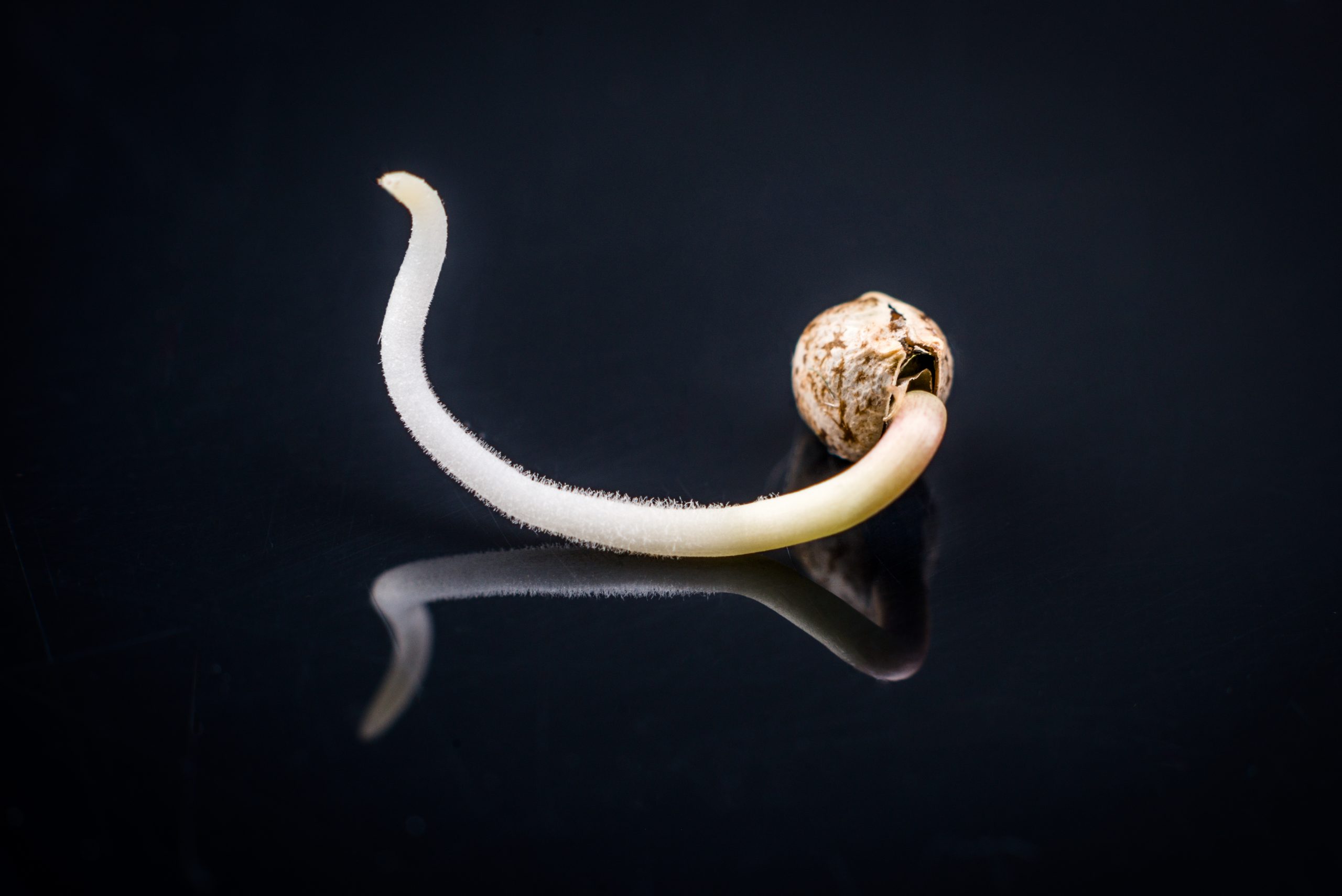
Many cultivators, especially experienced growers, will grow their cannabis directly from the seeds. If so, the germination phase is the first step to growing cannabis. Once you see the seed has sprouted, the plant will grow two round leaves called cotyledon leaves; these leaves are responsible for offering energy to the seedling until it grows.

The best time to start growing your seed is on or around the Spring Equinox. However, if you’re buying clones, they’re already in the seedling stage. Therefore, you don’t need to worry about the germination stage, which is an excellent bonus if you lack experience.

2. The Seedling Phase: Spring to Early Summer

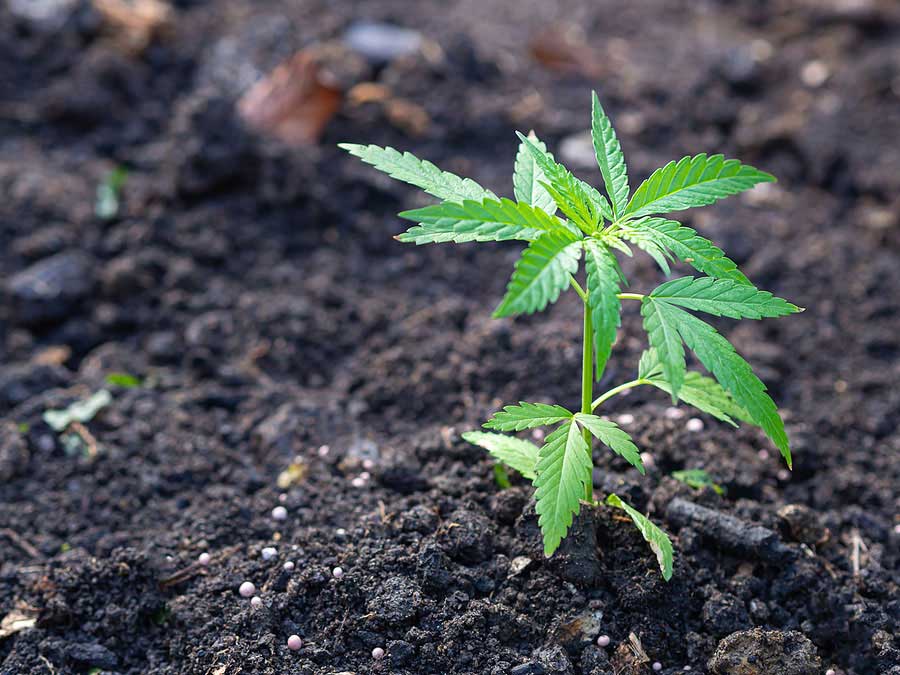
Once spring and early summer begin—typically between April and June, depending on the state—you should start to see seedlings if you’ve sprouted your own seeds or bought clones. However, this is a very early stage of your plant’s growth, and your plants will be delicate and sensitive. So it’s the right time to take the most precaution.

If you live in cooler climates, you should avoid putting your plants in the ground until all of your environment’s overnight frosts have ended. You’ll also need plenty of sunshine, too. If you put your cannabis plants in the ground and frost arrives—you’ll likely kill your cannabis. Sure, that’s expensive and frustrating, but it’s also completely avoidable.

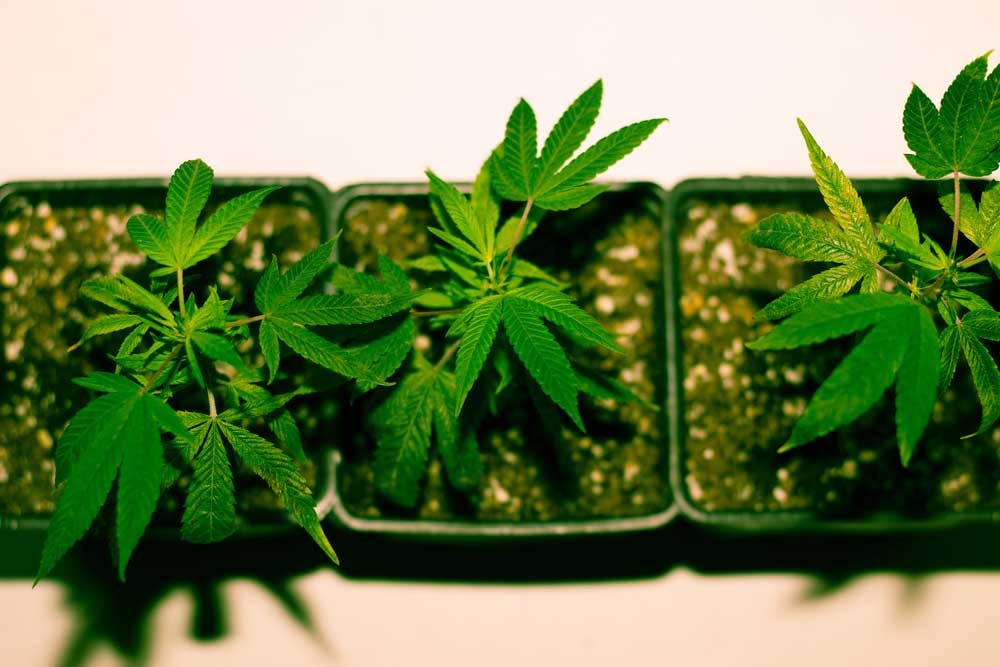
Most importantly, consider growing your cannabis in pots. Most outdoor growers use pots and other containers because they provide the added benefit of bringing the cannabis inside if you witness unseasonal cool overnight temperatures in the summer. In some U.S. climates, frost may strike unexpectedly, even in the early summer months.

3. The Vegetative Stage: Summer to Early Fall

The vegetative stage is arguably the most crucial growing stage of the summer; it’s where your cannabis plants will take off. Consider training and topping your plants during the vegetative stage to encourage outward growth. As a result, you’ll provide more light distribution to your leaves while maintaining the overall plant height.

You’ll also require more water during the vegetative stage; this is especially important if you’re growing in a hot climate, such as Arizona. Also, consider using additional nutrients, such as nitrogen, as the plants start to mature.

If you aren’t using female-only plants—which most cannabis experts recommend if you’re new to growing cannabis—you’ll need to remove the male plants before they grow large during the summer. Remember, even feminized seeds can grow some male plants, so ensure you monitor your overall growth.

A photoperiod plant, however, will continue to live a vegetative life until the day-to-night ratio tips in favor of nighttime. Once photoperiod plants witness 12 hours of darkness daily, they will move into their final flowering stage, which is often in the late summer.

4. The Final Flowering Stage: Fall

So now you’re entering the fall months and the all-important flowering stage. During the final stage of a female cannabis plant’s life, it will use most of its energy to produce flowers. The flowering stage often occurs in three phases:

  • Flower Initiation: During the flower initiation, you’ll begin to see white pistils developing. The plant will continue to grow, yet the growth will slow down.
  • Mid-flowering: The buds will begin to take shape.
  • Late-flowering: The flowers will become sticky and covered in trichomes. You can now start to think about harvesting.

Tips For Growing Your Cannabis In the Summer Heat

Although the sunlight will help your cannabis grow during the summer season, various tools can help you improve the weed season:

1. Use Water-Cooled Heat Exchangers

Water-cooled heat exchanges are essentially like radiators. If you have access to a cool stream of water, a water-cooled heat exchanger is superb for ensuring your grow room or greenhouse stays cold during the blisteringly hot summer months. However, ensure your water supply is cold and plentiful; a water-cooled heat exchanger is dependent on the water coming in to work effectively.

2. Use Fan Cooling Methods

Fan cooling options—including exhaust fans for indoor grow rooms, greenhouses, and tents—are superb for cooling in the summer months. However, this largely depends on where you live and the climate. You’ll need about a 15°F difference between the outdoor air temperature and the ideal indoor temperature to have the best range for growing cannabis.

3. Use Hydroponic Crop Cooling

Water-culture hydroponic methods—such as recirculating deep-water culture (RDWC), nutrient-film technique (NFT), and deep-water culture (DWC)—are superb ways of keeping your cannabis plants cool without changing the air temperature. Water-culture hydroponic methods are efficient and cost-effective. Remember, you only need to keep the plants cool; you don’t always need to cool the air.

The Best Budget Options:

  • Indoor and greenhouse lighting: Although they aren’t super affordable, air-cooled HID light reflectors are a superb way of removing warmth from grow lamps before the heat hits your cannabis plants.
  • Use specific plant genetics: Some cannabis strains handle warmth more efficiently than others; this is key if you’re growing in a hot summer environment without much equipment. Exotic sativas—such as Cambodian varieties and Afghanis—are excellent at handling the heat. However, they may not cope with high humidity.
  • Watering: When all else fails, watering your plants is the best method to avoid heat damage. However, cut back on your fertilizer levels if you start watering your plants more during the summer months.
  • Feeding: Ensure you’re feeding your plants during the summer months. Cannabis plants typically require more potassium during these months. Potassium is excellent for protecting your cannabis plants from excessive moisture loss and stress during the summer months.

Final Thoughts

The summer months are crucial for growing the best cannabis. If you follow the tips in this article, you’ll grow the best cannabis during the summer with very few issues along the way.

How to Germinate Cannabis Seeds: Everything You Need to Know

Did you know that the global cannabis industry is expected to reach beyond $90 billion in worth by 2026?

More and more people are discovering the wonders of this beautiful plant. Lots of people are taking to growing their own cannabis too. Nothing smokes better than weed you’ve grown yourself.

It can be a challenge to get the process right, but nothing worth doing is ever easy.

Are you wondering how to germinate Cannabis Seeds in the most effective way possible? Keep reading to learn everything you need to know.

Create the Right Conditions

In a lot of ways, the seed germination process is like incubating an egg. The seed will only ‘hatch’ under the right conditions. In the case of seeds, you’ll need to pay attention to the temperature, the oxygenation, and more.

While it’s entirely possible to germinate seeds outside, you’ll get much better results by fostering a controlled environment indoors. With this in mind, you can start by monitoring water for Cannabis Seeds. To get the seed to begin germinating, water saturation is a must.

The other essential element is air. This is extra important after the seed germinates due to the water saturation. Without oxygenation, the respiration process won’t even start.

The respiration process is the next domino in the chain, which then kickstarts energy production. Every seed has storages of food that the embryo can tap into once it’s activated.

The last but still very essential ingredient is warmth. Without warmth, all of your efforts will go to waste. The optimum temperature range is anywhere from 72 to 78 degrees Fahrenheit.

If the temperature dips below that range or goes higher, then the seed can end up dying or growing in an unhealthy way.

How to Judge Seed Quality

If you’re buying seeds from a vendor, it’s important to assess the quality of what you’ve received. While there are many different types of Cannabis Seeds that have their own markings, you can still judge a seed by its coloration. For instance, seeds that are light green or even pale are a sign of immaturity.

In many cases, immature seeds of this hue are not capable of germination. What you want to see is a brown coloration of either a dark or light hue. This means the seeds are mature and are ready to begin the germination process when you are.

Aside from the color, it’s also a good habit to take note of a seed’s age. While it’s possible to germinate a seed that’s decades old, you can expect slower seed germination rates with older ones. It’s best to germinate seeds that are on the younger side of the spectrum.

The ideal length of time is no more than 6 months of proper storage. Any longer than that and you risk encountering various complications in the germination process.

Are you wondering where you can get high-quality seeds? The good news is that you can order seeds from the comfort of your own home by going online to a reputable seller’s site.

Germination With Paper Towels

There are several different seed germination methods you can use, depending on your preferences and circumstances. Did you know you can germinate Cannabis Seeds with paper towels?

It may sound like a type of fairy tale but it’s actually one of the most popular methods around. To get started you’ll need paper towels, of course, but also a plate, a sprits bottle, and labels. You can use a heat mat to help with the process but it’s not 100% necessary.

Be sure to get seeds that are either feminized or auto-flowering. To get started, you should put a few sheets of paper towels on top of your clean plate. To avoid confusion, it’s best to label your plate with the type of marijuana strain you’re growing.

You can then place as many as 10 seeds on a single plate. Be sure to give the seeds at least an inch of wiggle room between the others. Afterward, you can use your spritz bottle to spray the area until the paper towels are soaked.

Once that’s done, it’s time to place a new layer of paper towels on top of the seeds and soak those too. As far as the germination process, it’s as easy as that and shouldn’t take longer than one or two days. However, they won’t germinate if you allow the paper towels to dry, so be sure they’re saturated up until the moment they germinate.

At this point, it’s time to relocate the seeds from their paper towels to a pot with soil in it. Tweezers are the best tool for the job. Remember that the germinated seeds are quite fragile so you must handle them with as much care and caution as possible.

Germination With Soil or Rooting Cubes

If you want to germinate seeds in soil and avoid relocation to a pot, it’s important for the soil to have a loamy consistency. The soil shouldn’t be packed too tightly within the container either.

For those who are just starting out, rooting cubes are a great method for learning the ropes. The cubes are a perfect middle ground between paper towel germination and soil germination.

You’ll need a pH meter to measure the overall pH solution of the cubes. The ideal pH level is 6. The germination time for this method can end up being as quick as 2 days or as slow as a week. 

Are You Ready to Germinate Cannabis Seeds?

Now that you’ve learned about how to germinate Cannabis Seeds, you can grow the best weed around. Be sure to tell your friends and family members how they can do it too.

We can provide you with all the Cannabis Seeds you could ever need, including feminized seeds, auto-flowering seeds, CBD seeds, and much more. Our customers are always coming back for more because we pride ourselves on quality.

Do you have questions about our product? Feel free to reach out. We’re always happy to help out in any way that we can.

Growing Guide: Marijuana Seed Indoors

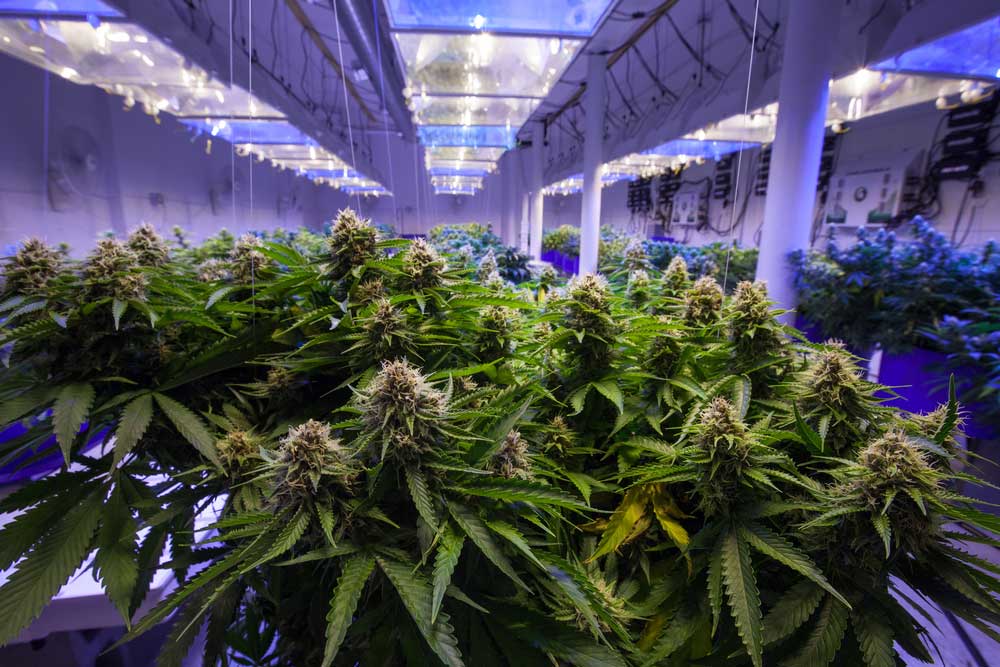
Each year, the strongest weed strains are substituted by something trendier. When choosing the strains to cultivate, there are quite a few factors to consider, particularly if the set-up were indoors. Among other stuff, you’ll need to evaluate flowering periods, yields, effects, and tastes. Growers sometimes arrive on their preferred strain after repeated trial and error, and it can be costly. While all varieties of cannabis may be grown in a growing space, this group of indoor Cannabis Seeds applies to strains particularly suggested for indoor cultivation. Growing marijuana indoors is the safest way to maintain a fully healthy climate where the grower decides each factor. In the growth process, indoor growers are reliant on outdoor weather and temperature conditions.

Benefits of Growing Indoors 

While it’s quite resource-intensive unlike cultivating outside and you would have to invest more resources on electricity to fuel machines, you can monitor any part of your grow area and also what you place throughout your crop, enabling you to turn in your system to develop any cannabis.

Adaptability

You are not associated with the sun as well as the weather, as opposed to developing outside. You will provide all of the ecosystems that plants require to prosper and manage the quantity of water and resources they get, including the growing medium, Rockwool, soil, and many more also the temperature, moisture, and regulation.

In addition to the easy to regulate temperature, humidity is also much easier to control in the room where plants thrive. This means that the plants become less vulnerable to mold infestation. When seeds or plants are molded, they must be disposed of properly and new plants must be grown once more. The humidity-regulated interior is less worried since the plants can need disposal and replacement. There is a lower possibility.

You have Control Over your Growing Conditions

Growers track the type of soil utilized by the plant indoors, adjusting as necessary to find the right soil for growing the largest buds. The water supplied to the plant may be monitored by them, meaning that it is not too little or too much. To ensure that they have everything necessary to survive and can adjust the lighting for the plants, they also track the nutrients provided to the plant.

To enable the plant to develop as large as possible, growers can hold the lights on for 24 hours a day, at the onset, and switch to 12 on it and 12 off to allow the plant at the beginning of the flowering season to start flowering. This permits the production of more flowers that can trigger wider buds.

You Have More Time for your Plans

The stations are locked inside, so it’s not important to worry from outside while they have to be worked on. The grower can monitor the plants at every time of day to make sure that they mature correctly, check for problems, and keep an eye mostly on plants. This allows it to identify and remove male plants if the grower may not expect to see the female plants produce seeds, and bugs and viruses are more simple to find before they are uncontrolled.

Hygienic Environment

You have control over the atmosphere indoors, and that’s good news when you take control of the environment. In comparison to the many possible variables that can weigh through an outdoor growing formula, you can have a very clean and hygienic space. This is highly important for farmers who are seeking to make use of their plant goods medically.

You Have a Control Over on Pollinating Plants

Crop pollination is indeed a serious concern and a valid reason for growers. Those who grow cannabis for consumption would want the best overall buds and would not want to care for plants, however, if, at all necessary, they would like to avoid pollination. Those who grow their plants or optimize a strain will like to make sure that the intended male plant induces pollination, not but one which seems to be nearby.

Security and Privacy

You may want to conceal your crops from public eyes that are in court and even potential suspects, even in lawful states. Growing inside lets you grow discreetly underneath a locked door. Indoor development is stronger for stability than outdoor growth. This is highly relevant in states with complex legislation in place. Indoor development requires certain laws to be conveniently implemented.

You Can do more Experimenting with Seeds

Different formulas may be played carefully inside to figure out what best suits to minimize those features. Many people who are looking for a way to easily explore will notice the pollination can be monitored indoors, ensuring the plants were pollinated and only pollinated by the planned male plant. If several experiments are conducted simultaneously, care is to be taken, but cross-pollination within is far easier to track and prevent than outside.

Larger Harvest

Cannabis plants mature in the flowering space, 12/12 cycle. In the meantime, in the growing room, the grower exposes the clippings to 18 hrs of light for 6 hours every night. Here, they will stem and germinate, while the plants reach the first room at the end of the maturing cycle. All you have to do after all the preceding ones occur is to put a fresh selection of marijuana plants into the flowering room. In the early blooming season, this new collection of marijuana plants reached maturity. Using this technique, you can achieve four to 6 crop production per year.

TOP 10 Marijuana Seed for Indoor Growing

Gelato Seeds

You fell in love with Gelato’s sweet taste. This is a strong and delicious strain of about 25 percent with strong THC content. Growing it is not a simple strain as it may be a finicky vine. Develop this indoors and get about 700 of yield per sq meter of growing area for a really large yield.

Gelato is indeed a successful addition to every garden. It is the resulting strain of the Thin Mint GSC and Sunset Sherbet combination. The strain’s aromatic resin holds a strong THC level of about 18-25 percent with a delightful taste profile. Gelato, then, is powerful, but so delicious. The strain is not that hard to develop. When you raise this plant indoors, it has great physical qualities that are helpful. In the long term, the trichomes of flowers can transform into a glistening layer of crystalline white resin.

Gelato can develop up to six feet in height, but for indoor growth, you can easily hold it in good condition. Training exercises are there to help you monitor the development of the plant and enable the improved development of buds. The flowering cycle is 8-9 weeks long. It may yield around 500 g each sq m when developed indoors. 

Wedding Cake Autoflower 

Wedding Cake Auto is an Indica-leaning feminized hybrid weed strain developed by mixing a strain of Wedding Cake and a strain of Ruderalis. 

The flavor, smell, and results of the traditional Wedding Cake have been preserved by Wedding Cake Autoflower, but automated features have been acquired. From marijuana germination to harvest season, Wedding Cake Autoflower blooms in only 65 -72 days. For buds with 17-20% THC, you’ll get top yields. As you don’t need to do anything to develop this strain, Wedding Cake Autoflower is for the beginner grower. It is automatic, so to induce flowering, you don’t need to use a special lighting cycle. And you can also have two or three harvests in a year because of the limited flowering season! Wedding Cake Autoflower Cannabis Seeds can send you up to 150 g each crop outdoors, however, 600 g per sq meter indoors when proper growth criteria are met.

White Widow Feminized 

A recent Cannabis Cup Champion who is heavy in CBD and THC is the feminized White Widow. It is popular for the white crystals of trichomes and orange hairs that grow at the end of their stage of flowering. A fantastic yielder, White Widow is easy to grow and is suitable for cloning. The buzz of this marijuana strain is extreme with a powerful cortical influence, topping at 24.10 percent THC. Considered to be the most common strain in the world, our feminized seeds from White Widow are great for novice and skilled growers.

White Widow has dark green leaves and white furs and can grow outdoors to 8 feet wide, but with soil, hydroponics, or with Lighting control indoors, it can remain under 4 feet. Based on if you cultivate it both indoors and outdoors, the time it takes to grow White Widow can differ. If you need them to reach the flowering phase, you may have to alter the light cycle.

Black Widow 

The Black Widow, often known as White Widow, is the result of combining a Brazilian Sativa as well as hybrid marijuana from South India and is suggested to be cultivated indoors, allowing it one of the better indoor plants. The flowering period is 8-10 weeks, with indoor farmers being able to harvest about 350 – 450 gr/m2 for the best resin production in 10 weeks of flowering; buds with resin crystals would be thick and white. As it offers an overall calm and cerebral sensation, it is also used for medicinal uses, including pain reduction and muscle spasms.

AK 47 Seeds

The genetics and results of Indica reflect this strain’s development. Such plants are tiny and durable, making them a choice for growing either indoors or outdoors. Many areas where it would be permissible to cultivate marijuana need you to keep the crops out from the public spotlight. The tiny stature of these miniature Xmas plants, whether in a rising tent, greenhouse, or secret garden location, makes it easy to find room for them. However, due to the capacity to monitor growth environments, the growth indoors can have the best outcomes. These plants are sadly vulnerable to bud rot, but you can keep them safe by controlling temperature and relative humidity levels through pruning.

Amnesia Haze feminized 

Due to its very high degree of THC, the strain is recognized worldwide. Amnesia Haze is very good for indoor cultivation due to its characteristics. A comparatively long flowering period of 10 -12 weeks is the only “disadvantage”. Any downside has its benefits, too. Since the weed is potent due to the long flowering cycle, the yields can exceed 650 grams per m2, and both smell and taste are exquisite. Bear this in mind, so it’s easier to miss these Cannabis Seeds and go for milder varieties if you’re vulnerable to insanity.

Northern Lights Autoflower 

For growers with any expertise who want to take their abilities to the next step, Northern Lights Automatic is a perfect marijuana crop. As a consequence of its durable effects, Northern Lights Autoflower is quite the impact. This strain is reasonably easy to develop and creates award-winning results and scents. The Northern Lights are short and only over three feet. Its flowering cycle is around 55 days and after about a month or earlier, its seeds start to bloom. Due to its self-flowering characteristics and flowering cycles, Northern Lights Automatic will grow harvests of thick and trichome-rich berries up to 3 times a year.

Girl Scout Cookies

To create a high-quality autoflowering strain, Girl Scout Cookies Automatic blends the classic genetics of GSC with Ruderalis. This marijuana Indica-leaning autoflowering strain evolves into plants of mid-sized that react well with the training. Expect sweet-smelling buds high in trichomes which generate cognitive and physical benefits. GSC Automatic’s seed growth time is between 60 to 70 days. Plants may achieve a height of up to 35 inches which yields up to 7 ounces for each plant. GSC Auto is simple to grow and may generate an incredibly pungent aroma. Carbon filters can serve to make the interior more discreet.

Big Bud

Thanks to its very strong yields and thick buds, Big Bud is an outstanding feminized cannabis seed to cultivate indoors. In the 1980s, Big Bud was made popular and remains one of the toughest seeds around here. There is a hash-like taste and scent and mildly sedative effects of this Indica-dominant strain. Big Bud strain has a flowering period of 50 days to 65 days. During the bloom, this feminized seed will develop to such an average build and have a growth spurt. Bid Bud enjoys hot weather and can grow under a hydroponic setup indoors. The thick stalks help sustain the development of its heavy buds. For speedy development, Sea of Green (SOG) approaches can also be used.

Jack Herer

Jack Herer is not especially hard to cultivate but needs a certain experience of marijuana production and close observation of the crop. Jack Herer develops well under the correct atmospheric conditions in the soil and hydroponics. It thrives in the atmosphere of the Mediterranean. During its blooming time, Jack Herer will yield a modest yield for almost 7 to 9 weeks. With medium to deep leaves and loads of trichomes, Jack Herer grows long and thick buds. This renders this a slightly wet strain to work with owing to the heavy supply of resin. With all these resinous trichomes, also the spear and fan leaves, roots, and stalks are talented.[/vc_column_text][vc_column_text]Each year, the strongest weed strains are substituted by something trendier. When choosing the strains to cultivate, there are quite a few factors to consider, particularly if the set-up were indoors. Among other stuff, you’ll need to evaluate flowering periods, yields, effects, and tastes. Growers sometimes arrive on their preferred strain after repeated trial and error, and it can be costly. While all varieties of cannabis may be grown in a growing space, this group of indoor Cannabis Seeds applies to strains particularly suggested for indoor cultivation. Growing marijuana indoors is the safest way to maintain a fully healthy climate where the grower decides each factor. In the growth process, indoor growers are reliant on outdoor weather and temperature conditions.


Growing Guide: Cultivating Cannabis Seeds

It can be a satisfying and therapeutic experience to cultivate marijuana plants. Marijuana often has various criteria and unique treatment instructions, close to the manner you maintain for crops. Any novice learns a lot of confounding and daunting knowledge from numerous websites. It still leaves them asking how to grow the correct kind of weed seeds.

There are more than 2000 marijuana strains, and gardeners may select between cultivating Indica, Sativa, or a hybrid marijuana plant. You must also select the correct kind of climate and soil, depending on the kind of plant or strain when you choose to produce. Also, there are different forms of tempering their development, and in different garden conditions, these plants may thrive.

What are the Things Needed for Germinating Seeds? 

The mechanism in which a new crop starts to emerge from the seed is germination. The first step in growing your cannabis cultivation is often known as the ‘popping’ germination. Cannabis Seeds can be obtained from several sources, and their consistency can differ.

It takes three things to germinate your marijuana seed: warmth, darkness, and moisture. We also provided a step by step overview of the most common cannabis seed germination process. To start germination, there are just only a few materials needed. But make sure that you have older, unregulated seeds or some that are partly dried out before continuing. Seeds that are younger and fresher do not need responsive germination and may be directly planted in a developing medium.

For this method you will need:

  • Two clean plates
  • Paper towels
  • Cannabis Seeds

Step 1: Take 4 layers of paper towels and use filtered water to soak them. The sheets must be wet, but they should not run off with extra warmth.

Step 2: Take the two of the towels of paper and put them on a tray. Then, remove the weed seeds from each other at least an inch away and cover each with the two remaining sets of paper towels saturated with water.

Step 3: Take another tray to build a dark, safe area and turn it over to covering the seeds.

Step 4: Make sure the environment they’re held in is hot,  around 70-90°F. Once these steps have been taken, it’s waiting time. You should inspect the paper towels and ensure they’re still soaked, so if they seem to have been losing the moisture, you should add more water and keep the seeds healthy.

Many seeds sprout very easily, although others can require more days. If the seed breaks and a new sprout emerges, you realize the seed has germinated. That’s the taproot, that would become the plant’s main core, and seeing it is a symbol of effective germination. Keeping this area sterile is essential, so don’t contact the seed or taproot because as the seed starts to break.

Here are the Steps of Growing Cannabis Seeds:

Replanting of germinated hemp seeds:

After the seeds have started growing they need to be planted.   If you have used a form of germination that allows you to transfer the sprouts, as the taproot is quite delicate, do that gently. You wouldn’t want it to be touched. It will live whether you hit it or break it, but it will certainly stunt the growth of your plant. Drop the white root downward while planting. In the growing medium, around half an inch to an inch should be positioned (knuckle deep). Just below the surface should lie the top of the seed. Cover gently and encourage the seedling to burst through the soil for about two weeks (10 days highest possible). It could appear on the same day, but if it did not peek out for 10 days, it certainly did not thrive. 

Do not panic if the seed is planted upside down unintentionally. Nature has a way where it will figure out itself. As long as there’s ample space for the roots to finally expand down, they can. Give him a little time to let him do his thing! Germination doesn’t need to be complicated. Are you ready for growth to begin? All begins with the proper seeds.

Vegetative Stage:

The time that green leaves cross, the photosynthesis of light starts in earnest. The plants are starting to metabolize, as well as the vegetative process has started. 

Indoors: Lamps are adjusted to a light regime of 18 hours a day, 6 hours a night. It doesn’t need to sync with the real hours of daylight, you could adjust it to fit you at periods of the day. Loading electrical machinery can save you a great deal of money during off-peak hours. 

Inorganic soil, the plants are satisfied or nutrients built for the vegetative process are fed to them. Often fan-forced breezes bring temperatures under check and make your young plants healthier. Exotic methods may be used to incorporate carbon dioxide into the air. Low-stress preparation and scragging may be used to improve indoor weed projected growth and flower production.

Outdoors: As daytime temperatures continue to rise through spring and then into summer, weed expands exponentially. During the vegetative process, infinite root room and strong genetics will see plants grow to 3 or 4 meters. 

During the entire growth cycle, most contemporary plants are constantly topped and under-shucked. This promotes an even canopy that during the bloom process can fill with homogeneously sized buds. Although there are more than 12 hours of sunshine, weed can keep vegetating. The more you are from the equator, the less vegetation period your marijuana would have until it begins growing.

Flowering Stage:

For the cannabis plant, blooming, planting, and budding both apply to the same process of development. As aromas begin to produce, the next few months are going to be exciting times. Unique flower arrangements that are relevant to your preference of strain are now beginning to appear. There are distinctive chapters in the flowering process that are common to all cannabis plants and begin when the foliage stops. 

A notable shift in the development cycle arises at the very outset of the flowering process. The branch development starts to zig-zag and compact with little space between branches, instead of the striving and stretching symmetry of plants. There is a rather clear distinction. 

In all plants, albeit for varying periods, flowering follows the same steps. Weeks before a long maturing Sativa, a fast Indica is cured and in the pipe. Proper flowers may begin to develop soon after differentiation. Calyxes will appear rapidly forming pistil-covered puffballs at branch internodes. In the young trichomes mostly on calyxes, pistils, and leaves surfaces, several desired resins are still developing. 

Along with their spike, the puffballs of calyxes continue to extend. New fluorescent clusters and bud-specific leaves allow room for this. These latest leaves are thicker, narrower, sometimes deeply crinkled, and surrounded by trichomes, unlike sugar leaves. The swelling flower clusters gradually partly submerge them. These flower clusters multiply throughout the weeks and form large colas coated in swollen trichomes of resin. The calyxes as well as the trichomes expand with vast amounts of suitable resins remaining to grow more. Complete ripeness approaches soon.

Harvesting Marijuana, Drying, and Pruning:

Nutrients will be neglected during the past few weeks and your crops would be washed out of safe water. This assures a pure nutrient-free flavor and constructed salt aftertaste. The way to harvest is not fixed. Be comely and grow by doing so. Some may damp trim that extracts all the leaves when the plant is still intact, and more breaks down the plant. Supposed to hang branches to dry on a drying rack or holding single buds. Only after harvesting can some cut the large sugar leaves and hang the entire plant. There have been no fixed guidelines but for cautious handling. You want as least as possible to disrupt the fragile trichomes.

Dry your buds in a nice, dark position with very little moisture. Preferably, this is a very long phase that can require a minimum of 2 weeks. Small branches can quickly break when dry. There would also be slightly fluid dense branches. The chlorophyll has deteriorated and colors depending on species have been substituted with the green of development. As the bud’s true dry colors develop, tan, light green or even deep blue and purple will appear.

Storing Cured Weed Buds:

For the first 2 weeks, release the top or “burp” the container once a day. This activates built-up moisture that will cause your buds to mold. Only burp the container once a week once the flowers are dry to the touch. You don’t want to ruin weeks of diligent work with a lack of focus.

Now that you have reached the end of this growing guide, we hope that you’ll have a successful growing journey. Give us feedback and show us your beautiful buds after following all the steps. Happy planting! 

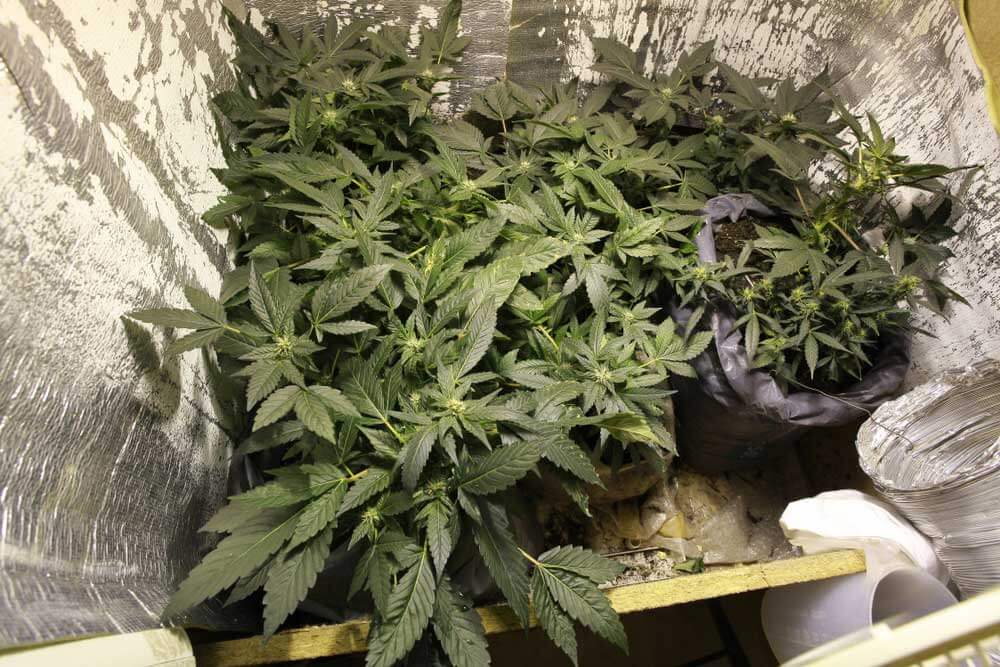
DIY Grow Box for Marijuana

Though the decriminalization and legalization of marijuana have been continuously discussed by many countries and have been seen as substantial, a lot of growers especially those whose main purpose is for personal use are still having a doubt, giving their way to grow marijuana within their perspective privacy and start their DIY grow box. This is why indoor marijuana cultivation has become a trend. 

Linked to marijuana cultivation is a great expense, cannabis cultivators are breaking their own pockets to successfully do everything on their own. From the seed to the electricity bill, water bill, other expenses for equipment and other needed materials such as soil mix, etc, it has been regarded as pretty much expensive. 

With the urge of many marijuana cultivators to have their expenses in growing cannabis plants to become efficient and less expensive, some make their own grow box. As others have difficulty in securing their garden, great quality marijuana plants cannot be procured with growing it in just a plain room without considering other factors like the temperature, lighting, air circulation and so. 

In this article, we will be talking about how to make your own grow box. But before we even go any further, let us have an overview of what a DIY grow box is and what are the factors to put into consideration in successfully making it. 

What is a DIY grow box?

A DIY grow box is customized marijuana grow box that has been built from top to bottom. It is typically easier to make than other home stuff cabinets. Depending on your grow preferences, it can be created by using old wardrobes or refrigerators to attain your perspective privacy. It will act as your cannabis plant’s own home as they grow. 

What are the factors to put into consideration? 

To create a good DIY home for your lovely marijuana plants, there are few factors to put into consideration to make sure that it can effectively help your cannabis grow healthier and successful. 

Size

The first thing you have to consider is the size of the grow box you will be making. Depending on how many plants you wanted to specifically grow inside gives you a better view of how big the grow box is and its entire dimension. 

Lighting

As the grow box is contained, making sure your marijuana plants would grow healthy requires sufficient lighting. One that is very efficient and cheaper, LED lights are becoming popular as it does provide lower heat for sufficient and successful plant growth. 

If you do not have any access to LED lights at the moment, other light sources are okay such as HID, HPS, and fluorescent lights. However, with their higher heat output, requiring a solid stand or hanging apparatus would help you work your way out to graded quality plants. 

Air circulation

As marijuana plants require air to survive just like their need to light and water, making your own grow tent with enough air circulation is necessary. With that, having a ventilation system is a must. A fan and air filter within your grow box should be installed for better growth and quality harvest. 

Steps to DIY grow box

Before providing you the detailed steps in creating your DIY grow box, the following equipment and materials are required before even starting the process. 

What do you need to prepare?

Shell (This may be an old cabinet box, toolbox, or old computer casing)

LED lights (This includes light cord and light plug)

Old computer fan or small fan that can fit in your grow box size (2 pieces depending on the size)

Carbon filter

Other equipment such as scissors, driller, duct tape, etc. 

What are the steps?

  1. Prepare for the shell. If you are thinking of using an old cabinet box, make sure to remove any partition if necessary. Allow a wide space for your growing plants to experience good spacing. Also, make sure that the shell you will be using is steady and as such, includes a door. If there is none, you can create it on your own by looking for a piece of wood and placing it with hinges. 
  1. Fix your LED lights at the ceiling of your grow box and make sure it is steadily placed to prevent it from falling. Arrange the light cord in the edge of the box and make a hole in the corner where you will be placing out the cord to be connected to the switch. 
  1. Make a hole on your shell base for air circulation. 
  1. Place the old computer fan or a small fan of your selection on both opposite sides of the box. The location should ensure that the air is equally distributed. The same thing goes with the cord of your lighting, arrange the fan cord in the edge of the box and place it out in the hole where it will be connected to the switch. 
  1. Place the carbon filter on the outer bottom where the hole for your air circulation was made. 

As soon as your DIY grow box is finished, you can now place your plants. Your marijuana plants should be placed on pots. Make sure that your plants are not confined in the box. 

Conclusion

There are different options of shell you can use in creating your DIY grow box for marijuana. Depending on your preference, making your own grow box for your cannabis plants is a very easy step. Not only that you can save a lot of money, but you can also learn how to do it in case you wanted to grow as many cannabis plants you want without even spending a lot from buying. 

The only thing you need to do is have some time and effort because, at the end of the day, all your time and effort won’t be put into waste. Hoping the above steps have helped you a lot in making your way to building your DIY grow box. 

Space Bucket: A Guide for Indoor Marijuana Growers

The cannabis community is gradually growing over time where multiple growers attempt to develop their cannabis plant. Few already has a background in cultivating, but the majority are newbies with no idea on how to nurture a crop, let alone what container should they store it. That is why Space Bucket exists. As the title suggests, it is an indoor technique that will not cost you anything and won’t stress the life out of you. The Space Bucket method works well for beginners who cannot financially support their plants and does not have a spacious backyard or resides in a congested area. On the other hand, you’ll have to expect restrictions upon cultivation since the plant will only live in a small container.

How do Space Bucket works?

From the sound of it, Space Bucket’s odd quality makes it impossible to serve as a candidate for plants to grow in. But like a typical indoor environment, you will also need to equip it with the proper key elements like lighting, adequate ventilation by applying small-sized fans and a power supply. A standard gallon is the most typical potential Space Bucket, but that should not limit your imaginations to make an improvised and working storage room for your marijuana plants. If you’re a crafty person, expanding your options on what container you should utilize and enhance should be as easy as one two three. 

How to build your Space Bucket?

Here lie the most commonly used materials in developing Space Bucket. Please take note that you can alter some of it into something that can work efficiently.

  1. 5 Gallons of Bucket – The quantity will vary depending on the number of crops you wish to grow and produce. You can always find other alternatives but makes sure that it has a white color or if it does not have the required color, you can still do the painting. The reason why white is the necessary hue is due to its ability to reflect lights which is also one of the critical elements in structuring your area of cultivation.
  1. 23 Watts of Compact Fluorescent Lamp Bulbs (preferably 5 to 6 pieces) and a Reflective Light – Light is the most crucial factors you should consider, more lights, the better. At the same time, the temperature should not be affected by too many light bulbs. As a solution, the mentioned bulb is the combination of two conditions, making it the most recommendable.
  1. Fans – Any small-sized fans can do as long as it is functioning correctly. Most growers use the PC fans instead to make use of their old system unit’s contents. The purpose of having it is to provide an exceptional ventilation process for the plants.
  1. Power Supply and Power Strip – It’s where the power connections will go through, and the latter is to prevent the electricity from overload that could damage the plant.
  1. Timer – Along with electricity control, the lights should also be manageable. With a standard timer, it can take charge of the on and off switch of the lightings. 

Other tools like electrical tape, wires, glue, and other minor equipment are also needed to make every procedure happen. Upon acquiring the necessary materials, you are to head off to the methods. Few of the processes can subject to change in line with your preferences as long as the alternative fits well.

Step 1: Designing your improvised container

1.1 To make drainage water paths available, create multiple holes on the bottom of the bucket.

1.2 To attract lights, paint the insides white, or you can buy buckets that already have the same color.

1.3 Attach the reflective light inside. In this case, an aluminum foil is not advisable.

1.4 To be able to control light leaks, pain the outside part black.

Step 2: Ventilation Process

2.1 Make two holes on the opposite parts of the bucket, enough for the fans to fit in.

2.2 The bigger ventilator will act as an exhaust fan while the smaller will be inside for an intake process.

Step 3: Lightings

           3.1 For a broader light placement, you should attach the bulbs on the lid of the bucket in a horizontal way.

           3.2 Create holes to insert the bulb socket, and the wires should be parallel to the plug.

           3.3 Glue the lids on top of the container for safety purposes.

Step 4: Managing the power

           4.1 Use glue to stick the power strip to any chosen side of the bucket. Make sure the plug from the lights, timer, power supply, and fans can reach it.

To adjust the height of your plant, cut the upper part of each bucket but leave one uncut, and stack them together. Furthermore, make the outside part as black as possible to control the light and for it solely pin its streaks on the plant. 

What should I expect from the Space Bucket?

Having your Space Bucket to place your cannabis plants in is similar to having the said plant indoors except the spaces are restricted, but the good thing is everything’s controllable. Due to the limited room, your yields won’t be as heavy as how you like to turn it out to be. The ideal production rate of a marijuana plant goes from 1 to 3 ounces, and the typical height you’ll get in return from a usual Space Bucket is around 2 to 3 feet tall. In regards to the yield, the expected amount is not guaranteed because the abundance of the plant’s production will rely on the lightings. 

For exceptional outcomes, expert growers tend to over-do their Space Bucket by maximizing every factor as possible. With that, the yields and built are most likely to double in amount. The indoor technique is ideal for cannabis growers who wish to grow a marijuana plant that can only thrive in a specific temperature condition since they can manipulate everything. But, the same nutrients apply as well with a stabled pH level, proper watering schedule, suitable fertilizers, and other supplements.

Cannabis Temperature 101: Maintaining a Perfect Condition for your Plants

Plants like cannabis need to have a certain level of temperature to function properly. Temperature plays a huge role in a plant’s life in which dictates the rate of photosynthesis. While it is an important aspect of a plant’s life, it cannot produce its heat, unlike animals and humans. This is why growers should know and understand the importance of cannabis temperature during cultivation and how it can affect the overall quality of your plants.

Importance of Cannabis Temperature As A Grower

During the process of photosynthesis, the plants will need to reach a certain level of temperature so the distribution of sugar would continue to flow. Low temperatures will often have these sugars stuck within a certain area of the plant and your crops will begin to suffer. Cannabis temperature is an important factor as it allows the plant to function properly. The low temperature will stunt the overall growth of the plant and you end up having low-quality results in the end.

Another reason why maintaining the right temperature is key to the success of your cop is to avoid issues such as spider mites, mildew formation, wilting, and nutrient burn. These incidents are more prevalent if the area is also humid.

How Cannabis Temperature Affects Overall Growth

Speaking of cannabis temperature, growing them at a certain temperature level can have a different effect on the plant’s overall growth. Temperatures below 15C or 60F tend to slow down the growth of the plant. The cold temperature would immediately kill the plant. However, certain cannabis strains thrive well in colder temperature but they often provide less yield than the ones that are grown at suitable temperatures.

Colder temperature also induces mold formation especially when the area is damp. When frost starts to melt in colder areas, unnecessary water begins to form around the plant. This is the perfect condition where molds begin to grow. One visible sign that your cannabis plant is reacting negatively to the cold temperature is when it starts to droop down.

Another reason why cold temperatures can harm your plant is that it can lead to over-purpling of the leaves. The shades of purple in your cannabis leaves do bring a certain level of aesthetics to the plant. However, beauty can only last long since too much purpling can lead to reduced photosynthesis. This can lead to stunted growth.

A plant that is left in colder areas will have lesser chances of growing to its full size than those that are grown under controlled cannabis temperature. Cannabis plants that are grown indoors are far more vulnerable to cold than those that are grown outside.

High temperatures also affect cannabis plants. When the temperature is too hot, it causes the plant to grow even more slowly than before. Temperatures beyond 80F or 26C will begin to slow down the growth of the plant and will cause the buds to loosen up. High temperatures can also reduce the potency and aroma of the buds as well as issues like root rot, wilting, and oxygen deprivation.

While other cannabis strains thrive in higher temperatures, it is best to monitor the development of the buds. Regular checkups of the quality of the buds will help determine whether your entire crop has been affected by such a change in temperature.

Temperature and Humidity

Temperature and humidity all play a major role in the development of cannabis plants. These factors are closely related to each other and can even resolve issues by fixing one with the other. Humidity refers to how much water or moisture is in the air. The relative humidity is measured by the moisture in the air at a certain temperature.

The relative humidity is vital to understanding growth and its connection to the temperature of the air surrounding your plants. This is highly noticeable especially when the area becomes dry or humid. When the air is hot and dry, the plants will tend to stretch out so it can release heat and reach out to a cooler area. If the air is too cold and humid, the plants will grow slowly and are more prone to molds and other issues.

Cannabis Temperature at Different Stages

Cannabis tends to respond differently to temperatures depending on the different stages of their life. Growers will need to ensure that the plants get the best temperature within their specific growing stage to promote proper development and high-quality results. These are some of the ideal temperatures for every stage of a plant’s life:

1. Vegetative Stage

Seedlings tend to grow fast at this stage. This is why a slightly warmer temperature ranging from 70 to 80F or 20 to 30C with very low humidity is applicable at this stage. Giving the plants a cooler temperature during the dark period should help the proper development of branches and leaves at this stage.

2. Flowering Stage

This is the most crucial part of a cannabis’ life. Growers should be hitting the 80F or 26C mark throughout the flowering stage of the plant. Keeping the temperature lower will help the plant develop high-quality buds that produce the best terpenes and cannabinoids. Exposing the plants at a slightly colder temperature at night near the end of the flowering stage will also provide an even better result. Do note that a cooler temperature does not equate to exposing your plants to cold temperatures at night.

Higher temperatures at this stage of the plant’s lifespan could mean disaster for growers. The issue here is that high temperatures will slowly evaporate the natural substances found in the buds at this stage thus lowering the quality of your overall yield.

How Grow Lights Affect Cannabis Temperature

Grow lights are an important tool for proper cultivation especially within an indoor setup. However, this will also affect the overall temperature of the grow room and can even pose a concern for the plants as they tend to emit high amounts of heat when they are turned on. This is the reason why choosing the right grow light is key to the overall success of your production.

CFL grow lights are very common and are often purchased in your local general merchandise store. They emit low heat and are great for smaller grow rooms. If you plan on having bigger yields or a bigger grow room, you can purchase more CFL grow lights but it will begin to increase the temperature within the room.

HID grow lights are composed of High-Pressure Sodium, Metal Halide, and many other types. These grow lights tend to use a lot of electricity thus generate a lot of heat as well. While HID grows lights are more likely to consume the same amount of heat that is equal to the number of CFL grow lights. However, with HID, you get more coverage and most HID grow lights have a built-in cooling system.

In the end, getting the right grow light depends on the area of your grow room. Those who have a smaller grow room should be looking to get CFL grow lights while those with larger areas should get HID grow lights. This way, you limit the amount of heat produced by these grow lights which could ultimately dictate the growth of your cannabis plants.

Things To Do To Control Cannabis Temperature

Managing the temperature within a certain area is a tough balancing act. It is a very tricky process that requires certain finesse and understanding of what is happening within the grow room. Those who struggle with controlling the temperature will need to do the following:

1. If the area begins to feel hot, make sure that you have a good exhaust fan to pull the hot air from the area and into the area outside. This should normally fix any issues regarding warmer temperatures within your grow room.

2. Improve air circulation by installing fans in key areas of the grow room. Poor air circulation would lead to hot spots that damage the plants in that area. Fans should be pointed away from the plant and avoid facing it directly to the plants especially to the stems where the plants could start swaying. This may lead to breakage. It is much better to point the fan directly to a wall and allow the air to bounce from the wall and into the plants.

3. Grow heat-resistant strains. Choose cannabis strains that are known to withstand sudden changes in temperature to ensure that they can still grow and mature properly even with the unstable conditions within your grow room or your outdoor farm.

4. Switch your lighting schedules to turning the grow lights at night and turn them off during the day. This way, you provide a warmer temperature at night when it is normally colder and provide less heat during the day when it is the warmest.

Conclusion

Finding the right cannabis temperature is imperative as a grower if you want to produce high-quality buds in the long run. Remember that certain strains can withstand a perfect condition while others can thrive in cooler settings. Knowing how to control the temperature within a certain setup is key to the proper growth of your cannabis plants.

Diagnosing and Fixing Cannabis Leaf Symptoms

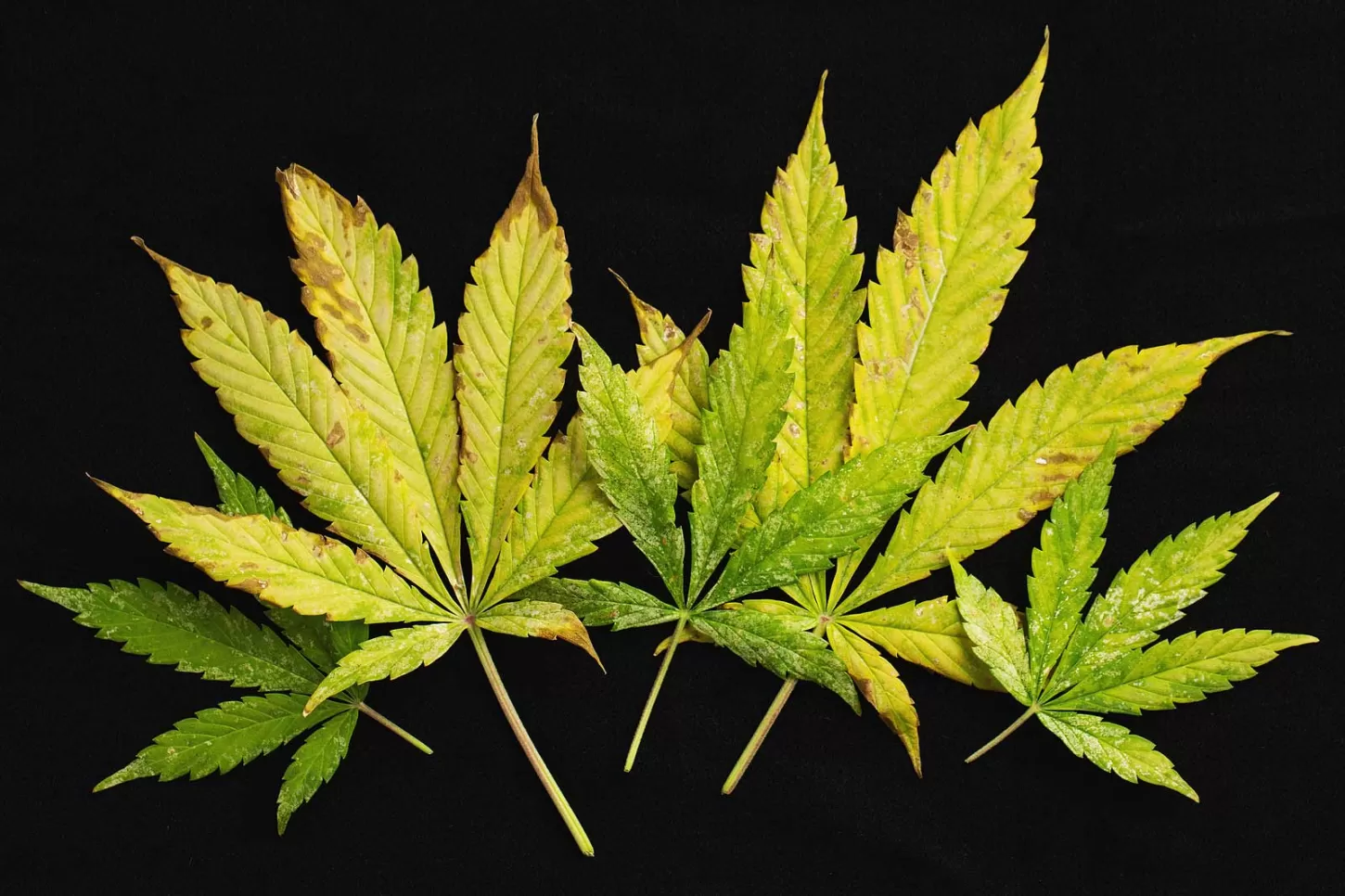
Do your cannabis plants look unwell? Do you notice some cannabis leaf symptoms and are afraid there could be something worse? Here is a list of some of the common leaf symptoms in cannabis plants and their treatments. 

Some Important Cannabis Leaf Symptoms, Diagnosis, and Treatments

Boron Deficiency

This is a rare deficiency that causes your plants to grow slowly and sometimes grow abnormal plant parts. Leaf symptoms are

  • Pale color of leaves
  • Purple or darker leaves
  • The presence of dark brown spots
  • Leaf edges are browning or look brunt

Avoid the use of severely-filtered water. Use boron supplements or fertilizers rich in boron.

Copper Deficiency

Copper deficiency can lead to poor plant growth, poor ripening of the buds and may affect the younger as well as older leaves. Cannabis leaf symptoms are:

  • Dark and twisted leaves
  • Purple or bluish undertones
  • Leaves that shine like metal
  • Curling under of leaves
  • Leaves tips are white or yellow

There are also weak stems, limp leaves, immature leaf growth, and lack of buds. Treat copper deficiencies by improving pH in soil and using a fertilizer that has good copper amounts.

Calcium deficiency

Calcium deficiency can lead to very poor growth; weak plant parts sand poor flower and bud growth, and development. Calcium is a very important mineral, and lack or reduced amounts in plants can lead to root problems and very weak plants that won’t survive the heat.

  • Darkening leaves
  • Necrotic spots on leaves, huge light brown spots
  • Presence of molting and spotting
  • There are tiny and distorted leaves
  • Curling in of the tips of the leaves
  • Dying leaves

Other symptoms include stunted growth,  crinkling and discoloration of young growths, very weak branches, hollowing or decaying stems and weak and poorly developed roots. To treat calcium deficiencies, use CAL MAG, a popular and effective treatment that can stop calcium and magnesium deficiencies.  Correcting soil pH is also important since poor pH can affect the way calcium and other minerals are absorbed.

Iron Deficiencies

Iron is important to plants despite being a trace nutrient. When a plant lacks iron, it cannot produce its food. It cannot produce new leaves. 

  • Chlorosis – young leaves turn to pale yellow while the veins are green. The symptoms affect the newest growth.
  • Late symptoms include young leaves turning brighter 
  • The yellowing will occur in all leaves in late stages

To treat iron deficiencies, check the pH of the soil and roots. Fix pH problems and add iron supplements or use fertilizers that have higher amounts of iron.

Manganese Deficiency

Manganese is needed by plants to create enzymes necessary for producing food and for growth. Manganese deficiencies are very rare, and mostly, it’s related to deficiencies in iron and zinc. The following leaf symptoms are expected:

  • Pale leaves
  • New leaves start to become yellow
  • Older leaves or leaves at the lower parts are also yellowing 
  • Veins of leaves remain green
  • Presence of brown spots
  • There is a patchy pattern or speckles
  • New leaves are damaged, soon, lower leaves become damaged
  • Less growth and sometimes unusual growth

Plants will have very slow growth. Treatment includes correcting pH problems and using iron supplements or fertilizers rich in iron.

Molybdenum Deficiencies

Molybdenum is a rare element but is needed in trace amounts to support plant growth and development. Lack of molybdenum can result in:

  • Yellowing of older leaves
  • Spotted leaves 
  • Leaf edges turning orange, pink or red
  • Changes in color may move towards the middle of the leaves

Correct pH problems as soon as you notice molybdenum problems. Also, look for fertilizers and supplements that contain more molybdenum to replace the product you were using before. 

Nitrogen Deficiencies

Nitrogen is one of the essential nutrients needed for proper plant growth and development. It is the main macronutrient needed during the vegetative stage, and lack or reduced nitrogen intake can lead to poor growth, weak plants, and poor flower production. Some symptoms include:

  • Pale or yellow leaves
  • Veins are green yellowing in between the veins
  • Older leaves are affected/damaged
  • Old leaves may wilt and fall off

Cure nitrogen deficiency by improving soil pH and using nutrients with high nitrogen amounts. Correct this deficiency ASAP to avoid growing and flowering problems. 

Phosphorus Deficiency

In phosphorus deficiency, plants will have poor flowering performance. Your plants won’t be able to grow well and may affect your yields. 

  • Dark green, gray and blue leaves affecting older leaves
  • Spots and thickening of the lower leaves
  • Yellowing of leaves where there are no spots
  • Leaves curling or twisting
  • Leaf tips burning or dying 
  • Old leaves fall off

Other symptoms of phosphorus deficiency include discoloration of the stems, stunted plant growth, slower growth, poor bud development, the presence of root rot, mold, root disease, and underdeveloped seeds in female plants. Treat phosphorus deficiencies with correct fertilizers used in the flowering stage. Use organic fertilizers that contain high amounts of phosphorus. Correct root or soil pH to allow the absorption of phosphorus and other minerals.

Potassium Deficiencies

Potassium is necessary for the flowering stage as this helps plants form large and dense buds. It’s also needed during the vegetative phase but in smaller amounts only. Potassium deficiency leaf symptoms are the following:

  • Leaf edges and tips turning brown or looking burnt
  • Leaves pale
  • Older leaves yellowing
  • Leaves with dark and brown spots

Lack of potassium also results in slowed or stunted growth, twisted or abnormal plant growth, curling over or under of the leaves, very tall plants or too stretchy plants, and poorly formed buds. Correct potassium deficiency by using fertilizers that are made for the flowering stage. Also, check and correct soil and root pH to promote the absorption of nutrients. Use organic fertilizers with high amounts of potassium.

Sulfur Deficiency

Sulfur is abundant in soil, and thus, deficiencies occur in plants grown in hydro. This element can help promote plant health and overall development. Lack of sulfur will result in these leaf symptoms:

  • Pale leaves, yellow new leaves
  • Red or color pink on leaves
  • Upper leaves and new leaves are abnormal or damaged
  • Older leaves are also damaged
  • Reduced growth

Sulfur deficiency also results in fluffy or airy buds, poor growth, and slow growth. Cure sulfur deficiencies with fertilizers and supplements high in sulfur. Correct pH ASAP to avoid complications.

Zinc Deficiencies

Zinc is needed in the growth of new leaves, in proper plant development and the formation of large and dense buds. Zinc deficiencies go hand in hand with iron and magnesium deficiencies. The following can be seen in plants that lack zinc:

  • Yellowing of leaves
  • Specks and irregular patterns on leaves
  • Upper and new leaves are damaged
  • Burnt tips, dying tips
  • Curling under of leaves

You will also notice poor growth, non-vertical growth, and other abnormalities in bud formation in plants that lack zinc. To treat zinc deficiencies, use zinc supplements. Correct iron and magnesium deficiencies as well because these affect zinc absorption.

Leaf Septoria

These are yellow spots on leaves caused by the fungus Septoria cannabis and the S. neocannabina species. These opportunistic creatures attack during rain and warm weather and are common in marijuana grown outdoors. 

  • White or grayish-white, yellow marks or spots on leaves
  • Presence of circular lesions on the lower leaves
  • A pimple-like bump on leaves
  • Leaves may dry and just fall off 

It can be hard to treat septoria, but you can use helpful plant-bacteria such as Bacillus pumilis or Trichoderma that can remove the fungus in the soil. Prevent this from happening by prepping the soil before you grow your plants.  

Powdery-White Mildew 

This is a very common fungus that can affect your plants, especially during the flowering stage. It’s hard to treat PWM, and thus, most growers harvest early to save their buds. 

  • Presence of white material on leaves
  • Will spread on all the parts of the plant, including the buds in just a short amount of time. 

Harvest early, but if you can’t use homemade treatments like spraying a solution of water and liquid soap or water and baking soda plus vegetable oil. Spray these on your plants, even parts that are not affected. Use tissue paper to lift the mold from the leaves. Discard the tissue right after to prevent the spread.  

It’s better to prevent PWM than treating it. Be mindful of the humidity inside your growing area. Make sure to reduce humidity and control moisture inside the room to prevent mold and mildew growth. Grow only a few plants and avoid plants touching each other inside the room. 

Fusarium 

Fusarium targets the leaves and the roots of cannabis plants. This is a type of fungus that lays dormant in tropical soil and can be activated in the right conditions. This is often spread through the use of fusarium-infested tools and running water. Signs are

  • Leaf wilting; color from green – yellow-brown in just a few days.
  • Tips of wilted leaves are curling upwards
  • Leaves appear to drop off but are still on the plant

Use fungicides that can kill fusarium. However, this pesky fungus is very difficult to kill and will usually persist even after you have applied fungicides. You may also apply hydrogen peroxide to the soil to clean and disinfect it. The best way to deal with fusarium is prevention.

Prevent fusarium by using clean and sterile garden tools and equipment. Use good quality soil. Never reuse soil with fusarium.

Verticillium Wilt

This is another fungus problem that is common in cannabis plants. This happens in improperly drained, rich soil. Signs of Verticillium wilt are:

  • Yellowing older leaves
  • Yellowing is seen in between the veins and along the outside edges of the leaves
  • Leaves turn grayish-brown especially leaves found on the base or near the soil

There is no effective way to treat verticillium wilt. The only way to save your plants is through prevention. Use clean and healthy soil or grow your plants in hydro to completely prevent this condition. Use clean and sterilized garden tools and equipment. 

Damping Off

When seedlings and seeds are attacked by fungi in the soil, the young plants may simply topple over and will soon die. This is a condition known as damping off. Symptoms include

  • Death of the plant
  • Lesions in the stems
  • Cankers between the nodes
  • Plant falling over or wilting
  • Lesions on the upper portion of the plant

There is nothing you can do with damping-off, but you can prevent this by growing in healthy soil.

 You may also germinate seeds in peat cubes and transfer to a better growing medium like hydroponics. Use seeds with strong genetics to avoid damping off. 

Hot and Humid Conditions

A small grow room or improperly monitored growing area, humidity can easily increase, and this can be fatal to your plants. This usually happens right after watering or when there are just too many plants inside the growing area. The plant leaves will exhibit the following symptoms:

  • Leaves closing 
  • Leaves are drooping

Correct humidity problems right away. For a room with high humidity, improve conditions by using a fan or opening a window or door. Let clean, fresh air enter to remove moisture. Use a small fan and place on the floor to reduce moisture and prevent mold growth.  Take note that molds and mildew develop in very humid environments.

Underwatering/overwatering

If your leaves are drooping or your plants look unwell, you may suspect overwatering or underwatering. Correct these conditions right away. If the soil is too dry, water your plants ASAP. 

If the soil is moist or wet and yet the plant is drooping, use a fan to dry it out. Remember to water only when the soil is dry and never when it’s moist and wet.

There may be more cannabis leaf symptoms; nevertheless, always monitor your plants and be on the lookout for any problems. Correct problems right away to prevent anything that can interrupt your plants’ growth and bud development.

List of Cannabis Deficiencies: How to Prevent & Cure Them

Cannabis plants are similar to other types of plants as these are not immune to nutrient deficiencies. And as an aspiring expert cannabis grower, you must understand and prevent the many different nutrient deficiencies in cannabis plants and know how to cure in the event of any kind of problem. 

Take note that to be able to grow healthy plants with good yields, you must learn how to diagnose simple cannabis deficiencies. Here are a few of the most common nutrient problems that cannabis growers encounter. 

What are Cannabis Nutrient Deficiencies?

Cannabis plants require a certain amount of nutrients to survive. If their nutrient needs are not met, this can result in a nutrient deficiency. 

Nutrients can be divided into macronutrients and supporting nutrients. Macronutrients are Nitrogen, Potassium, and Phosphorus. These three come in varying amounts and are needed in varying amounts as well. Meanwhile, supporting nutrients are available in minimal amounts but are nonetheless important in cannabis plants’ regular functions. 

A deficiency is present when a nutrient is in small amounts. Meanwhile, toxicity is when the nutrient is present in large amounts. Both a deficiency and toxicity are bad for your plants. Your cannabis plants may end up with poor growth and low yields when any of these nutrients are overlooked.

What Causes Cannabis Deficiencies?

There are different causes of nutrient deficiencies, consider the following:

  • Improper use of fertilizers and supplements – the most common culprit in nutrient deficiencies is the incorrect use of fertilizer and supplement. Failure to read and understand directions on how to apply the fertilizer product can lead to severe supplement problems. Using incorrect fertilizer according to the growth phase of the plant is a common problem. 
  •  Cannabis plants have two major growth phases: the growing or vegetative phase and the flowering or the blooming phase. Plants need fertilizer with higher amounts of nitrogen than potassium or phosphorus during the growing phase while during the blooming phase, plants require higher potassium than phosphorus to help buds grow larger and denser. Forgetting this number one rule can easily affect your plants’  growth.

 Also, consider how the fertilizer or supplement is applied to plants or soil. Not following simple instructions could affect the life of your plants. 

Nutrient lock in the roots and soil – a condition is known as nutrient lock may affect the way your plants take in nutrients. Nutrient lock happens when there is an excess nutrient that settles in the soil or the roots. This nutrient or mineral can block nutrients from being absorbed causing the nutrients to pool in the roots and plants.

  • Nutrient toxicity leads to nutrient deficiency – similar to how to root lock or nutrient lock develops in the roots, when a nutrient is present in toxic amounts, the plant is unable to take in some nutrients. There must be a balance in the plant’s metabolic system otherwise, it may not be able to utilize the supplement or nutrients you are giving it. 
  • Unhealthy soil – in some cases, the soil used to grow cannabis may not be good enough to use. Acidic soils may affect the way some nutrients are absorbed. Some soils may be too compact like loamy soil and thus, this won’t be able to absorb fertilizer and nutrients and this leads to deficiencies. Also, soils that are too loose like sandy soil or soil with more sand content may not be able to hold nutrients. 

List of the Most Common Nutrient Deficiencies, their Cure and Prevention Tips

Here is a list of some of the most nutrients and their corresponding ways on how to deal with their deficiencies. 

Macronutrients

The three macronutrients are the foundation of your cannabis plants. Having a healthy balance of these nutrients gives your plants a fighting chance of growing larger and denser plants. And with all problems that marijuana plants encounter, the soon you find out about it, the easier you can keep your plants healthy and have a higher chance of a good harvest. 

Nitrogen 

Nitrogen is a very important nutrient in plant growth and is widely used therefore it’s not so surprising that it’s easy for plants to develop nitrogen problems. This macronutrient is used in various processes including the manufacture of amino acids needed for plant growth and development as well as chlorophyll as plant food. 

With nitrogen, your plants can grow taller, develop more leaves, stems, and roots and can prepare for the growth of larger and denser buds. As you can see, with less nitrogen, all these processes will be affected. Your plants will remain small and with sparse leaves. Adult plants will not be able to develop good and strong parts to hold buds for the flowering stage and there is also a possibility of delayed blooming time. 

Nitrogen deficiency symptoms

  • Changes in the older leaves from the base to the middle part of the plant
  • Yellow leaves
  • Yellow leaves can wither and die
  • Yellowing and withering can progress to the top, new and healthy leaves
  • Even after the deficiency is solved, the yellow leaves won’t return to their green color

Nitrogen deficiency treatments

Treatment should be done ASAP otherwise, it may be too late. You must find a way to naturally increase nitrogen and the following can help.

  • Use natural supplements with high nitrogen amounts like blood meal, dried blood, bat guano or bat manure, cottonseed meal, fish meal, worm castings, and many more.  
  • Use fertilizer with correct amounts of NPK. Take note that plants need higher amounts of nitrogen during the vegetative stage. 
  • The test pH level of soil and correct if there are any problems.

You can tell that your plants are recovering when the yellowing of the leaves has not progressed. The yellow leaves will soon wilt and die but new and green leaves will take their place.

Phosphorus

Phosphorus deficiencies are more common in hydroponic systems than in soil-grown plants because the soil is known to have high amounts of phosphorus.

This nutrient is responsible for the growth of roots and for boosting the strength of leaves and stems during the vegetative stage. It prepares the plants in growing large and dense buds. Phosphorus also helps in the germination of seedlings and is very important during the flowering phase.

If there is a phosphorus deficiency during the flowering phase, your plants will grow smaller buds and thus you’ll have smaller yields. 

Phosphorus deficiency symptoms

Check for the following symptoms:

  • Plants will slow down their growth and will look very frail.
  • The foliage is darkening.
  • Leaf edges will change from green to brown and will start to curl inwards.
  • The petioles will become dark sometimes turning from green to blue or reddish.
  • Symptoms appear during the coldest days because it’s during this time when cannabis plants are having a hard time absorbing phosphorus stored in the soil. This can also occur when the soil is too wet or moist and in soil that’s too alkaline.

Phosphorus deficiency treatments

The following may be used to treat phosphorus deficiency

  • Use fertilizer with higher phosphorus content. Apply this especially during colder climates. Take note that as long as the phosphorus ratio is higher than 5 then you can use the product to correct phosphorus deficiency.
  • Use organic materials to solve phosphorus deficiencies: use bat guano, an organic material with high amounts of phosphorus.
  • Use only water-soluble fertilizers for maximum effectiveness.
  • Use all-purpose plant supplements like Miracle-Gro but use only half of the recommended dose. Using more can kill your plants.
  • Use other organic materials like worm castings, bone meal, and bat guano. Crab shells also work but these are expensive.

As with nitrogen and potassium, the effects of your treatment are noticeable after a week. The affected leaves will never recover and return to its regular form and color but new leaves will soon replace these. You will also notice that the symptoms of a phosphorus deficiency have ceased which means your plants are on the road to recovery.

Potassium

Low levels of potassium are quite common when it comes to growing cannabis plants. This happens because, in most fertilizer products, it has the lowest ratios compared to most macronutrients.s 

But just like nitrogen and phosphorus, this nutrient is very important in the growth, health, and development of cannabis plants. Potassium is necessary for water respiration, an important process in plants. It is also a nutrient that’s important in a plant’s natural resistance to different diseases. 

Potassium is also vital during photosynthesis as the plant makes food for his use. Also, potassium is helpful in water circulation. It helps water move through the plant which is necessary for the vegetative and flowering phases. 

Potassium deficiency symptoms

You may find potassium deficiency symptoms rather unusual but you should treat your plants the moment you notice the first signs of potassium deficiency.  

  • Your plants will grow taller faster and will look healthy except for the lower part of the plant.
  • The lower leaves turn brown and die. The leaves may seem to have burnt edges and tips.
  • Your plants will soon slow down its growth, especially the leaves.
  • Mature leaves will appear yellow and mottled in between the veins but soon, the entire leaf will be affected.
  • Some leaves may also become completely yellow and soon die. 
  • Delayed flowering phase and very poor yields.
  • Irregular growth in some areas

Potassium deficiency treatments

Despite all the weird and irregular symptoms of potassium deficiency, there’s good news. This is one of the easiest nutrient deficiencies to correct. Remember the following

  • Use a fertilizer that has more potassium compared to the one you’ve used before.
  • Adjust the fertilizer you are using before by adding a water-based or water-soluble potassium. 
  • You may also use organic substances like wooden ashes, granite dust, kelp meal, or try sulfate of potash. 

Results your efforts can be readily seen after a week. Same to nitrogen and phosphorus deficiencies, the affected plant parts will never return to their previous states. But you can tell that the treatments are working if the symptoms have ceased. 

Other nutrients

Magnesium

Magnesium is necessary for the development of strong and healthy plants.  Cannabis plants need this nutrient for vein health and the creation of new leaves. Magnesium is utilized for producing chlorophyll.

It is rare for outdoor growers to encounter magnesium deficiencies because it’s a very common nutrient in the soil. This is usually a common occurrence in hydroponic systems. The deficiency starts at the lowest parts of the plant leading to the loss of many leaves. This is why you must deal with magnesium deficiencies right away.

Magnesium tends to move around the body of the plant therefore the symptoms vary and can be seen on different parts of the plant. This is the reason why magnesium deficiency can show up at the bottom of the plant especially on the older leaves causing theses to die. 

In severe cases, magnesium deficiency can move up from the bottom leaves to the top of the crown of the plant. This element is vital for the plant’s food manufacturing so don’t overlook early signs.

Magnesium deficiency symptoms

In magnesium deficiency, the symptoms start at the bottom of the plant. Remember the following:

  • Lower leaves begin to yellow and will soon show chlorosis.
  • Leaves will curl inward and will soon fall and die. 
  • Leaf outline will become dry and very brittle.
  • Soon, growing shoots will become light green and then become white.
  • The petioles and the stems will turn purple.
  • Red stems may also be seen but this is uncommon 

Magnesium deficiency treatments

Treat magnesium deficiency as soon as possible with any of the following:

  • Use plant booster products with high levels of Magnesium. Read labels well and apply the correct dose.
  • Use organic products to cure magnesium deficiency: dolomite lime, Epsom salts, worm castings, garden lime, or magnesium sulfate. We recommend using Epsom salt or Magnesium sulfate since these are water-soluble. Epsom salts are best for hydroponic systems. 
  • To use Epsom salts use a ratio of a gallon of water: a teaspoon of Epsom salts. 
  • Use Calcium- Magnesium product or Cal-Mag. This is a trusted Magnesium and Calcium corrector that is available in most cannabis growing supplies shop. 
  • Correct root pH. Incorrect pH can lead to poor absorption of nutrients. Keeping the correct root and soil pH can help prevent the occurrence of any deficiency. Also, adding magnesium supplements to roots or soil with incorrect pH won’t do any good. The nutrient will simply stay in the soil and this can affect the absorption of other nutrients. Remember, when you’re growing in soil root pH should be from 6.0 to 7.0 and when you’re growing in hydro, root pH of 6.0 to 6.5 is needed for efficient Magnesium absorption.
  • Flush your system with clean, pH-balanced water. Flushing will help remove nutrient salts which may affect your plant’s ability to absorb Magnesium and other nutrients. Also, this can help improve pH and maintain pH correctly.

It can take a week for magnesium treatments to completely work. Expect that the affected plant parts will never recover but new growth will eventually appear to replace these old growths. 

Boron

Boron deficiency is rare. However, the first sign of boron deficiency should be treated right away. This deficiency is mostly due to the absence of this nutrient in the soil or in the fertilizer or supplement that you use. It is also possible that some nutrients present in high amounts in the roots are affecting the absorption of boron. But despite being a minor nutrient, boron deficiency can also affect the growth of cannabis plants.

Boron deficiency symptoms

You’ll notice the following in plants with boron deficiency:

  • Tips of leaves change color from green to brown or gray.
  • There is slow growth.
  • There are small dead spots that may be isolated in some parts of the plant but may also be scattered in different areas.

Boron deficiency treatments

Fix boron deficiency right away to avoid damaging effects to plants. 

  • Adjust root and soil pH since incorrect pH can lead to poor absorption of boron and other minerals.
  • Use boric acid. This can help fix boron deficiencies and is the most common treatment used by cannabis growers.
  • Use compost or organic materials as these may also contain substantial amounts of boron.

You will know that your boron deficiency treatment is working when the symptoms are not progressing. The damaged leaves will not return to their regular appearance but new, green, and strong leaves will soon grow. Depending on the treatment you used, it can take days to a week before your plants can recover.

Calcium

Calcium deficiencies are common in cannabis plants grown indoors in hydroponic systems. It is also a common deficiency in areas where calcium is not added to local water irrigation systems. If you are using a hydroponic system and adding nutrients to water in your reservoir solution then you may be forgetting a good calcium source. Also, incorrect soil and root pH can lead to calcium deficiency. Overlooked calcium deficiency can lead to frail plants, poor growth, and reduced yields.

Calcium deficiency symptoms

You’ll find the following in plants with calcium deficiency:

  • Symptoms begin on the older leaves
  • The presence of big dead blotches on very dark leaves.
  • Very weak branches that easily break.
  • Overlooked symptoms can lead to root problems
  • Poor growth and possible poor yields

Calcium deficiency treatments

Thankfully, calcium deficiency is very easy to treat. Just use any of the following.

  • Use lime to correct calcium deficiency. Follow the directions as to how to use lime products to get positive results.
  • Use Cal-Mag, a calcium and magnesium product that effectively corrects calcium levels without harming your plants.
  • Correct pH levels of soil or the roots because any incorrect reading can affect the absorption of calcium and other minerals.

You can tell that the calcium treatment that you used is working when the symptoms of calcium deficiency are no longer progressing. However, the leaves and stems/branches affected will never return to their previous appearance. 

Copper

Copper deficiencies are very uncommon but overlooked copper deficiency can lead to poor growth and poor new growth of leaves. Despite being a minor nutrient, copper is needed by plants to grow, make food, and to create dense and big buds. 

Copper deficiency symptoms

The following is present in plants with copper deficiency:

  • New leaves start to wilt and die.
  • Leaves appear brownish, blue, or gray at the tips.
  • New growth like leaves, stems, and flowers will look very frail.  

Copper deficiency treatments

Here are a few practical ways to treat copper deficiency:

  • Use fertilizer products rich in copper. 
  • You’ll find products like fungicides which have higher copper amounts.
  • Fix incorrect pH amounts to ensure the proper absorption of copper and other minerals

The affected parts will never return to their previous states and will only wilt and die. You will only be able to tell if the treatment you’re using is working when the symptoms are no longer progressing.

Iron

Iron deficiency in cannabis plants can be seen in new growths most especially the leaves. Therefore, the upper leaves are most affected and are usually discolored. The symptoms of iron and manganese deficiencies may look the same but iron deficiencies affect new growths.

You must correct iron deficiencies right away because these may affect the growth of your plants and can also reduce yields. Take note that iron plays a huge role in chlorophyll production in cannabis plants.                                                                                                                                                                                    

Iron deficiency symptoms

Check for the following symptoms of iron deficiency:

  • Upper/newer leaves will change color from green to yellow.
  • The new leaves will change to yellow but the veins will remain green.
  • Plants will look very weak and sickly, yields will be affected.

Iron deficiency treatments

Consider the following when correcting iron deficiency: 

  • Fix incorrect pH levels in the soil and roots. Incorrect pH levels can lead to poor absorption of nutrients such as iron. 
  • Iron deficiencies usually occur when there are manganese and zinc deficiency.  Treat these conditions alongside iron deficiencies.

Once iron treatments have been provided, it takes only a few days for your plants to recover. You can tell that your plants are slowly recovering as the symptoms are no longer progressing. Sadly, the affected parts will never return to their previous condition. New growths will soon replace these affected parts. 

Manganese

Manganese deficiency is uncommon and will usually occur together with zinc and iron deficiencies. This mineral is needed in food production in plants as it is vital for chlorophyll and in the creation of nitrates. Take note that too much manganese can lead to iron deficiency. 

Manganese deficiency symptoms

You should notice the following when your plants are suffering from manganese deficiency:

  • Symptoms are common in new plant growth most especially in the leaves.
  • Leaves will have dead spots which will soon turn yellow. 
  • Plants will appear weak and may have slow growth.

Manganese deficiency treatments

Consider the following when treating manganeses deficiency in cannabis plants:

  • Use manganese in the water-soluble form to correct deficiencies.
  • Use compost or a product known as greensand to help correct manganese deficiencies.
  • Improve soil and root pH because these often lead to poor absorption of nutrients like manganese.

Correct manganese treatments will work in a few days and you can tell that your plants are recovering when the symptoms of the deficiency are no longer progressing. The affected parts will never recover. New healthy growth will only replace them.   

Molybdenum

It is uncommon to have molybdenum deficiencies in cannabis plants but this can happen whether you’re growing your plants in soil or hydroponics. Only a very small amount of this nutrient is needed to support the growth and development of plants but the absence or very low amounts of molybdenum can cause devastating effects to plants. 

Molybdenum deficiency symptoms

You’ll find the following symptoms in cannabis plants with molybdenum deficiency:

  • Symptoms concentrate on the new leaves or foliage.
  • The middle leaves turn yellow and new leaves will become warped and will stop growing.
  • The shoots curl inwards.
  • The leaves will change color from green to red especially along the lips.
  • The plants will have slow growth and will have diminished yields.      

Molybdenum deficiency treatments

Treat molybdenum deficiency with the following techniques:

  • Use molybdenum supplements. Use only half of the amount recommended since cannabis plants need only a small amount of this nutrient.
  • Use sprays or molybdenum-infused solutions to treat this kind of deficiency
  • Check soil and root pH since incorrect pH can lead to poor molybdenum absorption as well as other nutrients.

You can tell that molybdenum treatments are working when the deficiency symptoms are not progressing. The affected plant parts will never return to their previous appearance but will simply wilt and fall from the plant.

Silicon

Silicon deficiencies are often found in indoor hydroponic systems this is because this nutrient is abundant in nature. Silicon is needed in plant production and development and thus, deficiencies can lead to poor plant growth and development. It is also needed in the natural pest control properties of cannabis. You will soon  notice that pests are more plentiful 

Silicon deficiency symptoms

You can tell that your cannabis plants lack silicon when you notice the following:

  • The presence of insects/pests. All kinds of pests attack your plants compared to other plants you have in your garden.
  • Weak stems and branches. 
  • Poor growth and poor yields

Silicon deficiency treatments

Silicon deficiency is very rare in plants therefore you should be cautious in applying a treatment. Always check for the presence of other nutrient deficiencies or causes before suspecting silicon deficiency. 

Silicon deficiency is treated by any of the following:

  • Use silicon supplements. Follow instructions carefully and be sure to give only the required amount.
  • Liquid silicon is always the best formula so it can move through plant roots easily.
  • Diatomaceous earth
  • Pest control products to control pests that can ruin your plants and your yields. 
  • Check and correct root and soil pH. Sometimes silicon and other nutrients cannot move through the roots because of incorrect pH. 

After providing proper silicon treatments, it can take a week for your plants to recover. You can tell that the treatment you used is working if you find that the symptoms are not progressing. The affected leaves and stems will never recover however new and healthy ones will take their place.

Sulfur

Sulfur deficiency is very rare because most fertilizers have adequate amounts of sulfur. But sometimes, the poor absorption of other minerals and incorrect pH can affect the absorption of sulfur. 

This nutrient is important to many cannabis plant’s vital processes such as food manufacturing, growth of the root system, and overall development.

Sulfur deficiency symptoms

You can tell that your plants have a sulfur deficiency when you find the following symptoms:

  • Yellowing of the new stems and leaves 
  • Narrower and brittle new leaves
  • Stunted plant growth
  • Poor yields

Sulfur deficiency treatments

Take note of the following sulfur deficiency treatments:

  • Use potassium sulfate
  • Use Epsom salts
  • Correct root or soil pH to allow nutrients to be absorbed by plants

When sulfur deficiency treatments are applied correctly, it can take days for your plants to recover. Don’t expect an instant fix. You will notice that the symptoms are not progressing and this means that you have successfully overcome this problem.

Also, the affected leaves and stems will never return to their previous appearance. New and perfect foliage will simply grow to take their place.

Zinc

Cannabis plants require very small amounts of zinc but most of the time, zinc deficiencies occur. This can happen during the growing phase of the flowering phase as well. Usually, zinc deficiencies can occur together with iron and manganese deficiency.

Cannabis plants need zinc to support many plant processes such as the development and creation of different enzymes. 

Zinc deficiency symptoms

You can tell that your plants have zinc deficiency when  you spot these symptoms:

  • Twisted foliage 
  • Veins of older leaves turning yellow 
  • Soon, the plant loses color and become pale
  • Small buds with very poor yields
  • Buds could become deformed or curl inwards
  • Wilted stems, weak stems that break

Zinc deficiency treatments

Consider the following treatments when treating zinc deficiencies:

  • Check for other deficiencies like manganese and iron deficiencies and treat these as well.
  • Check the pH of roots and soil. Some nutrients cannot cross the roots because of incorrect pH.

Be careful in trying to apply zinc supplements because plants need only a small amount of this nutrient. As with all nutrient deficiencies, it can take days before your plants recover from zinc deficiency. The affected stems and leaves won’t recover but new foliage will surely grow to replace the diseased ones. 

  • Water-based or water-soluble potassium. 
  • You may also use organic substances like wooden ashes, granite dust, kelp meal, or try sulfate of potash. 
  • Results your efforts can be readily seen after a week. Same to nitrogen and phosphorus deficiencies, the affected plant parts will never return to their previous states. But you can tell that the treatments are working if the symptoms have ceased. 

Conclusion

Cannabis deficiencies happen in indoor or outdoor growing areas. You must prevent and take extra care when applying fertilizer or supplements and never overlook any kind of symptoms no matter how minimal it may be. Cure nutrient deficiency to help your plants achieve good health and good yields. 

Pruning Cannabis: An Ultimate Guide

All weed growers are looking for healthy plants and better yields. There are many ways to achieve these like feeding your plants the right nutrients, using correct lighting, and growing in the best soil but there is one thing that experts prefer to use and this is all about pruning cannabis.  

You may have used this technique in growing other plants before as pruning can boost growth and yields of vegetables, fruits, and even flowering plants. In pruning cannabis, it’s the same thing.  

With pruning, you can control unruly plants and at the same time improve yields. We will discuss these in more detail as we check out the correct ways of pruning cannabis plants.  

What is pruning? 

Pruning is cutting the overgrowth parts of plants. Usually, the large fan leaves are removed to improve airflow through the plant’s canopy. It’s also possible to remove smaller leaves and stem to maximize the growth and development of the buds during flowering time.  

Some cannabis growers who use a hydroponic system also prune the roots. This is done to improve nutrient absorption and to avoid root rot. 

Pruning cannabis is not recommended for beginners because there is a tendency for first-time growers to overdo pruning. Also, think about cannabis as very sensitive plants. These plants may only suffer from stress if you’re not careful. Stress can be very damaging to cannabis plants as this can affect growing and flowering. Stress can even lead to the development of hermaphrodite plants. 

In short, pruning needs time to learn and to get accustomed to. You need years of practice. Having many years of experience pruning other types of plants can also prepare you when it comes to pruning cannabis plants.  

Why prune your plants?  

Pruning has many advantages to cannabis plants. The following are just among the few.  

Pruning cannabis can control overgrowth 

The most common reason why growers prune is to control plant growth. Usually, Cannabis sativa plants are pruned to control their wild growth. When sativas are left to their own devices these plants can grow taller than 10 feet!  Cannabis indica plants also need pruning. Although these plants can only grow as high as 3 to 4 feet, these can become very bushy and too dense which can lead to moisture build-up inside the plant canopy. Pruning can make a compact plant neater and promotes better form.  

Pruning can help boost yields  

Pruning opens up dense plant sections to reveal immature buds. With enough lighting, you can improve the size of these buds and thus you can enhance your harvest many times.  And by cutting overgrown plant parts you can greatly reduce your plants’ chance of developing molds and pests. You can reduce moisture and humidity so you can avoid mold growth entirely. 

Pruning can prevent mold and mildew 

As mentioned earlier, removing large fan leaves and another overgrowth allows air to move through the canopy and dry up moisture. With no moisture, you can greatly reduce mold and mildew which depend on moisture and dampness to develop. 

Pruning can deal with pests 

Aside from being a psychoactive component of weed, THC or tetrahydrocannabinol also has pest control properties. THC can drive away common pests like spider mites, aphids, caterpillars and crickets.  THC can be improved by pruning. Cannabis plants don’t have enough THC until these reach their third month in the vegetative stage. Plants develop more THC to protect themselves from leaf-eating pests that start being active during this time.  

Pruning cannabis improves lighting, 

humidity and air circulation Since pruning removed large fan leaves, light can penetrate in the plant canopy better. Removing large leaves will also reduce moisture and this will enhance humidity levels which plants need to live healthily.  Finally, removing large fan leaves will also help air to pass through. And the air in slow steady movements can strengthen the soft stems and branches of cannabis plants.  

Pruning can improve overall plant health 

Pruning cannabis can greatly enhance plant health. You can prevent pests, avoid moisture, and improve lighting which greatly helps plants’ manufacture their food. All these can  Pruning improves THC production  

Things you’ll need to prune your plants Now that you know the advantages of pruning let’s prepare for this activity with the following tools 

  • Sharp cutting tool – we recommend a pair of sharp scissors or a sterile blade. 
  • The plant you need to prune – we will discuss how to select the pruning candidate later 
  • Adequate lighting – you need adequate lighting so you can safely and correctly prune your plants.  
  • Container – any kind of container will do as long as this can hold all the cuttings. You can save these plant parts to grow clone plants. 
  • Water – if you want to reuse the cuttings, place them in a container of bottled water.  
  • You don’t have to buy new supplies because you can reuse your old ones. But make sure to clean and sterilize scissors, blades, and cutters.  

Why maintain a clean and sterile environment? If you use dirty or unsanitary tools to cut your plants, your plants risk contacting cannabis plant diseases and molds. 

How to prune your cannabis plants? 

Pruning may sound very straightforward but there’s so much to it aside from just cutting overgrowth. Follow these simple steps to make pruning faster and more efficient.  

1. Prepare the plant you will prune – select the plant/ plants you want to prune. Separate these plants from the others and place these on top of a table at eye-level. This position will allow you to get a closer look at your plants better and cut or prune your plants safely.  

2. Prepare your pruning tools – sterilize your cutting tools by first brushing it with soap and water and applying 70% isopropyl alcohol. If you’re using new blades or knives there’s no need to prepare these. Make sure your tools are sharp as they are clean and sterile. Also, prepare lamps/ lighting as well as containers and water if you wish to use the cuttings as clones.  

3. Cut… – don’t pick the leaves and stems with your hand because doing so can damage the cut tips and stress your plants. Take the stem or leaf with one hand and the cutting tool in the other hand. Make a swift diagonal (slanted cut) on the part. This cut exposes a larger surface area for water and nutrients to easily move through. This is very beneficial in case you want to use these parts for cloning. Remember, a swift and clean cut will do it.  

4. Save cuttings for growing clones – the cuttings can be used to grow another plant, a cloned plant. Clones skip the germination and seedling phase but these need to grow a good set of roots and strong stems. Place the cuttings in a container with water immediately after you cut these from the mother plant. Reuse these cuttings ASAP.  

5. Water your plants – right after pruning, give your plants clean pH- balanced water. This will replenish lost moisture and prevent stress and shock.  

Expert pruning techniques 

A lot of successful growers make use of special pruning techniques to enhance bud growth here are some of them: 

Topping  

This is one of the most common pruning techniques as this can improve bud size, increase yields, and improve plant shape. 

Topping is done by cleanly cutting just below the bud site. Doing so will yield two bud sites. As the two bud sites become more prominent, you must carefully separate the two with the use of some pegs and threadWhen 

As you can see, topping can greatly enhance the yield of cannabis plants and would be great for strains that have low yields. Topping can be done over and over again to increase the number of bud sites.  

When is the best time to start topping? We recommend that you start topping as soon as your plants are strong enough. When you’re using clones, the earlier the better.  

When using seedlings, wait till the young plant has developed 4 to 5 internodes. The plants should grow strong roots. Just wait till the roots are larger and stronger before you prune. 

The topping should be done cautiously because overdoing it or having no prior training or knowledge about topping could be dangerous. Cannabis plants are very sensitive plants and cutting or pruning these plants can bring too much stress and this stress can lead to poor growth and development. We recommend only an expert perform topping or practice well before you use this technique on your cannabis plants.  

Fimming  

Fimming is similar to topping as it can enhance yields. But the difference is that fimming cuts directly under the bud site resulting in four different growing nodes.  

Fimming is much more delicate and a lot more stressful to plants and therefore you need to do this skillfully and very carefully. And similar to topping, we don’t recommend this for beginners.  

Just to describe what happens in fimming, you need to cut directly under the bud site. Make a sharp and swift cut to create four different nodes. Wait a few hours and these nodes will become more prominent and will soon be ready for training. Use small pegs and some thread to tie the four nodes and separate them. Do this very carefully.  

Fimming may be done unlimitedly and you can start after your young plants have developed 4 to 5 internodes. Wait till the young plant has developed strong roots before fimming.  

 Conclusion

Pruning cannabis must be done as soon as the plant is strong enough but do this cautiously. When you prune your plants well, you can expect better plant health and enhanced yields.

Growing Weed in California: What You Need to Know

Have you ever wanted to know how growing weed in California is done? Yes, it is legal to use, buy, and grow cannabis in California thanks to their updated medical marijuana program. Take note that it’s not always about regulations in California; there is also some important cannabis growing etiquette to remember.

Basic cannabis growing rules in California 

If you live in California, you are allowed to legally grow six marijuana plants in your residence. You may use all the harvests coming from the six plants that you own either for recreation or for medicinal purposes. 

The minimum age to use, buy, and grow marijuana is 21 years old. 

21 years old is also the age when alcohol is permitted. If you want to purchase cannabis, seeds, and other related products, you must show an identification card that indicates your age. To receive packages related to cannabis, you must also present your ID.

For underage medical cannabis users, a prescription is needed. Parents or caregivers of the patient should be the one to buy medical cannabis used for treatment.  

The grower must have no more than six cannabis plants in his residence.

To clarify this rule, the six plants are regardless of their growing phase. California does not allow growers to have plants that are already flowering.

Limiting the number of plants to grow is likely because of the environmental impact of the widespread growing of cannabis at home. There are concerns that home growers will increase and affect the water supply in the area. 

Some argue that having six plants is not enough, but many say that this is indeed too much for a single grower. Six plants can produce yields that can last you a year! As long as you follow your plant’s growing needs, and use special growing techniques, you’ll surely be good to go.

An individual who wishes to grow cannabis can only cultivate in his own home.

He must be responsible for his plants, lock it and keep it so that no one may see it.

Cannabis growing is a privilege in California and should be done in private. You must still be mindful of where you are because despite cannabis being openly accepted in California, not everyone is for it. 

You must also be careful since it is not allowed to grow weed near schools, parks, public areas, and libraries. If you live in a residential building like a condominium unit, check if this is allowed or permitted by your landlord or building manager. If this is not allowed, then you may be penalized or may be kicked out of the premises. It’s best to ask about these first beforehand. 

An individual may take with him no more 28.5 grams of weed. Any extra amount should be left at home.

Remember these numbers: 285 because you can grow as many smokable and usable weed from your 6 plants. You can use different methods like training, pruning, trimming, and using different supplements to increase your yields. 

However, you cannot bring all of your yields with you, just the amount ofg28.5 grams. You may choose to give this amount away, but you may only carry with you an ounce at a time. 

It’s best to invest in a handy, durable scale so you will have no problem carrying the correct amount of dry weed. 

Outdoor growing is not allowed; only indoor growing is permitted.

Cultivating cannabis is your right, but take note that some areas and towns in California are still prohibiting growing. If you are located in these areas, consider growing your weed stealthily because you might be reported to if you are not careful. 

The new California cannabis law allows you to grow cannabis indoors. Cities and towns will not be able to keep you from growing your weed. If you rent your home, inquire about special laws from your landlord, and if there’s no rule regarding it, keep your growing area hidden and personal, and you won’t have to worry. 

Any problems with the law regarding cannabis use, possession, and growing may be consulted with a cannabis lawyer. 

About growing medical cannabis in California

Discussing growing weed in California won’t be complete unless you learn about growing, use, and carrying medical marijuana in California.

People with medical cards will not be required to pay sales taxes if they need to buy retail weed. This started in 2018. Since this rule was passed, people who need medical cannabis started to flock dispensaries, and this has led to a shortage of medical cannabis products. 

Therefore, we recommend that you grow your own medical cannabis supply if you use medical weed strains. Before this law, California had a popular medical marijuana program, and most resident patients grew their own medical weed at home. 

The current program has been approved for the use of cannabis for the treatment of cancer, HIV/AIDS, migraines, glaucoma, epilepsy, MS, chronic pains, arthritis, migraines, and cachexia. 

Before you can grow medical cannabis, and before you can take medical cannabis, you must talk to a doctor regarding your condition. If you don’t know a doctor that can help you regarding medical marijuana, you can find one at CANORML website. 

Also, check the growing rules for medical and recreational marijuana in your area before you grow your plants. 

  • There’s no need to have a medical marijuana card to grow medical cannabis in California.
  • But you can still register to get the card. Patients are encouraged to register from their state.
  • But if you want to remain anonymous, you can register from your doctor or from non-profit organizations.  
  • Medical marijuana cards will provide proof that you’re using medical marijuana, but it won’t be able to prevent authorities from arresting you or taking excess weed from you.

Improvements/ changes in medical marijuana growing laws

  • Some areas made it illegal to grow or may have designated a limit to the number of plants to grow. This is because they assumed that medical cannabis growers might grow as much weed as they want!
  • But for most parts of California, medical cannabis growers were allowed to grow their supply as long as they have permission from their doctor.

NEVER DO THIS IN CALIFORNIA

As a grower in CA, you should never sell your homegrown weed. If you sell your weed to anyone, you might be sued by the family or the employer of the individual. But if you want to sell your weed, do so through appropriate markets or channels. This can help you make your growing to legal marijuana growing business. 

The rules regarding growing cannabis in California has evolved over the years. It’s best to check the rules time and again because newer and better regulations are being approved. Stay out of trouble and subscribe to local cannabis growing news. 

Also, keep your growing activity in secret. If you want to sell your weed and you believe that these are the best, do so legally. And if you are a visitor, good news, California marijuana use, buying, and possession also apply to you, but you are not allowed to grow your weed. 

Buy high quality Cannabis Seeds only from reputable companies and not from black market shops and sellers. 

A Guide to Finding the Best Fertilizer of Marijuana

Some growers may put more concentration on factors that concern about the soil, lighting, and the kind of strain. However, the kind of fertilizer is equally essential to the success of marijuana plants. It is normal for the growers to wish their plants to grow healthy and fruitful, and deciding one kind of fertilizer to use is one great way to achieve that goal. And naturally, we want to get large buds! This is the reason why we want to get the best fertilizer for marijuana.

Maybe you are a cultivator who wants to try a new method of cultivation, or maybe a beginner who has never experienced growing marijuana plants. Either way, getting a comprehensive understanding of the different kinds of fertilizer is crucial and can only assist in your undertaking and shall help you in finding a fertilizer that is suitable for your requirements.

Why Use the Right Fertilizers?

The best fertilizer for marijuana ensures large and potent buds. Since this is the objective of growing marijuana plants, many growers choose to use it. Many find it fair to invest in fertilizers because they know that these will give them the products that they want. Nevertheless, there are some considerations when placing nutrients to any kind of grow medium. Most essentially, we should choose the best fertilizer that will assist the plant in prospering best.

The use of fertilizer for marijuana demands an ideal deal of readiness. This includes grasping the right manner to use them and also understanding when to supply them. Else way, rather than achieving prospering plants, you may just end up with more concerns that are more complicated to manage.

Getting the Best Fertilizer for Marijuana Plants

One common scenario that is encountered by marijuana growers is the decision whether they will buy the fertilizer from store shelves or make it themselves. Generally, purchasing fertilizer from an online store or garden center is the easiest way to obtain the nutrients for your plants.

Having said that, a lot of people choose to make fertilizers themselves. There are several good reasons for making your own fertilizer. You get more control over what specifically goes into it. You get complete knowledge about where the ingredients were taken. Some cultivators think that this kind of natural fertilizer offers a healthier alternative not just for the plant but also to the user – once it is ingested or smoked.

If you are literally starting from nothing before you have never experienced growing marijuana before, then the use of an efficient, store-purchased system is seemingly the most secure choice when it comes to making errors. The core is to purchase a product that is compatible with your growing mechanism and grow setup, including your lifestyle and personal inclinations.

When finding a fertilizer, regardless of your activity, do not purchase fertilizers that are slow-release or extended. They may seem desirable and remarkable and can do good jobs on other kinds of plants; however, they do not make an excellent option for marijuana plants. You should immediately dismiss these products. 

If you intend to create your nutrients and fertilizers, you should first know well how to create a compost pile along with the other related methods. However, if you find it more convenient to buy your products online or from a nearby store, then you must continue widening your knowledge to determine the best options accessible in the market.

Different Kind of Fertilizers

You will be bombarded with the numerous selection of fertilizers in the market. All of them commit to doing well in prospering your marijuana plants. However, because of the wide range of selections, it can be confusing to determine which one is best for your plants. 

Before you decide, it is important that you first learn the compositions and capabilities of the products. You want to make sure that you will not end up hurting your marijuana plants with the wrong choice of fertilizer.

Some of the common fertilizers that are used by the marijuana growers are the following:

Soil Fertilizers

If you are planning to grow your plants with soil, you may wish to use some particular nutrients which you can purchase to make your plants flourish in the soil. With that being mentioned, nutrients and water should go together. Knowing that soil is commonly the chosen medium for the beginners, it is also good to share that overwatering the plants when grown in soil is a usual aberration that many of the neophyte growers commit.

See to it that the top inch of your soil is dry before you consider watering again, and only put nutrients in roughly every other time that you water. If you do the watering properly, there should be around a fifth of the water flowing out the bottom part of the pot. If you obey these guidelines, you should be keeping yourself away from the problem of overwatering. As long as there is proper watering, the nutrients are expected to carry out their task easily.

Compost

A lot of people quiver at the idea of utilizing compost when growing marijuana plants, mainly because they are thinking about the table scraps, manure, and other displeasing materials. Nevertheless, compost creates the healthiest marijuana plant.

Just as how it naturally occurs in the wild, leftover organics and animal poops offer the plants in the soil with the nutrients they require to flourish. This is how a lively ecosystem is being illustrated, and this how the use of compost can be beneficial to the marijuana plants.

Compost does not have any adverse effects on the outdoor soil; hence, it can be carried out just anywhere. The core of creating your compost is to move it often to let its compositions blend well. Compost piles are likely to get extremely hot because of the occurring microbes that feed the decaying organic materials. This can lead to a fire if not supervised. Hence, turning the pile often will help reduce the risk of fire.

Compost will consume time to be ready; however, the outcome is great. For environment-conscious growers, it will make the best option since it eliminates food waste.

Baking soda and Vinegar for Carbon Dioxide

Marijuana plants adore carbon dioxide, and commonly, the more carbon dioxide is detected in the air, the greater chances for the plants to grow healthy. A lot of marijuana growers are using this kind of approach to growing their plants.

White vinegar may be used to create carbon dioxide. Just grab a bowl, place the baking soda, and then drop the white vinegar gradually – at least once every 2 minutes. This mixture will produce carbon dioxide into the air in huge proportions.

Organic or Chemical Fertilizers?

Both organic and chemical fertilizers have designated benefits for marijuana plants. Natural fertilizers encourage rooting and lateral growth. They carry out impressive work in enhancing the retention of water and nutrients. Moreover, organic manures preserves the root zone and strengthen microbes. They give non-extracting nutrients and also contribute to an energy-abundant diet to drained soils.

Organic fertilizers are commonly acquired from different organic materials such as mineral, plant, and animal sources. They occur naturally. The organic manures differ depending on the required nutrients of the marijuana plants. Most of the time, organic manures are composed of one ingredient. The composition as well as the nutritional value of organic manures, however, may not give you the immediate treatment when contrasted to the non-organic manures.

Chemical fertilizers, on the other hand, are still beneficial for the plant as long as they are properly administered. However, excessive usage of chemical fertilizers may lead to environmental pollution. The repeated application of non-organic fertilizers, which commonly offer only three macronutrients, may impoverish the soil while injuring the microorganisms that give life to the soil. 

The effects on the surrounding of the chemical fertilizers are commonly negative and may consume a significant time to be resolved. Hence, it is smart to use fertilizers that are environmentally friendly while keeping proper marijuana growth and production.

Conclusion

The best fertilizer for marijuana is the one that gives consistent growth throughout the entire grow cycle. In other words, instead of rapidly rushing for a few weeks after being given food, the plants grow at a constant pace the entire season of growing. You should know by now that choosing the right fertilizer for your plant is an essential task that you cannot afford to do wrong. You have to carefully pick your choice of fertilizer and see that it is compatible with your medium and your plant.

Although you can find plenty of selections in the market when it comes to the best fertilizer for marijuana, it is important that you carefully make your choice as it will greatly affect your ultimate production. As long as you ensure its suitability, regardless of what kind of fertilizer you choose to use for your plant, make sure that you do not drown your plants with particular nutrients.