




500 NEW MARIJUANA SEEDS RELEASED

Nutrients You Need for Healthy Cannabis Growth!

Cannabis has prospered and thrived in nature, untreated by human hands, since 2800 BC when its first documented cultivation cases can be traced back to Western China. In the intervening years, since the popularization of cannabis on a widespread scale, cultivation has become both familiar and common with home growers popping up worldwide.

The current cannabis revolution has led many growers to try their hands at crafting beautiful plants from the comfort of home. For individuals looking to enjoy healthy cannabis growth at home, they’ll need to pay close attention to the proper nutritional needs of their plants.

Today, we are going to take a close look at the most important nutrients for proper, healthy, and expedient cannabis cultivation.

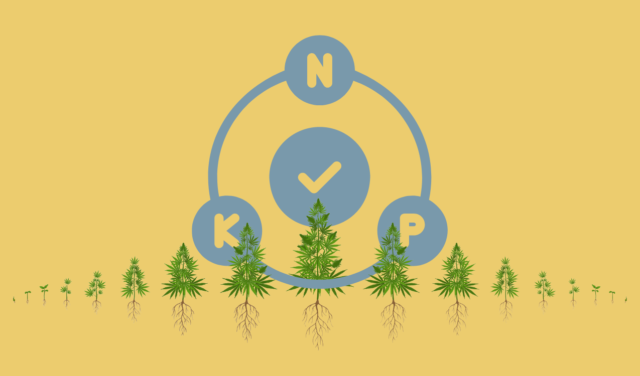
Plant Health and You: Understanding Your NPK.

When it comes to the cultivation of cannabis, the plant thrives best when its nutritional needs are met at every level. Many different elements can come into the equation when cultivating a plant, but for our purposes, we are going to be focusing on the primary nutrients and compounds that will make your plant thrive.

Aside from water and sunlight, you’ll want to make sure that you are properly supplying your plant with the following nutrients. These nutrients can be mixed into a water-soluble mixture, they can be added to your soil, or they can be added directly to the reservoir of a hydroponic-based cultivation system.

Nitrogen

One of the leading nutrients in successful cannabis cultivation is that of nitrogen. Nitrogen is crucial to cannabis growth because it directly impacts the production of chlorophyll and the process of photosynthesis, two incredibly important actions for the health and vitality of your plant.

The body of your plant itself is made up of nitrogen, so this will be one of the easiest nutrient deficiencies to identify should it become an issue. Regularly amending your soil or water-based growing system with nitrogen can help your plant to both feed and grow itself.

Signs of Deficiency

  • Mature leaves begin to brighten in color, turning yellow.
  • Yellowing throughout the plant coupled with brown spots on leaves.
  • Leaves begin to curl and fall from the plant.

Pro Tip: Growers can find natural sources of nitrogen by opting for supplements like bat guano, worm castings, and even fish meal.

Phosphorus

Found within every living plant cell, phosphorus is incredibly vital to the growth of your cannabis and the functionality of its biological response systems. Phosphorus is essential to photosynthesis, nutritional uptake, and a healthy metabolism.

Despite the importance of phosphorus to your plant’s health and vitality, this nutrient isn’t always so readily available. Phosphorus is mined and acquired through phosphate mines limited to just a few countries in the world. With increasing demand and decreasing yield, phosphorus can be difficult to acquire in some instances.

Signs of Deficiency

  • Darkened leaf colors.
  • Slower than normal growth rates.
  • In extreme instances, a lack of phosphorus can put a halt to upward and outward plant growth.
  • Leaves can end up a darkened bronze color.

Pro Tip: Growers can acquire natural phosphorus through bone meal, high phosphorus bat guano, and fish bone meal.

Potassium

Potassium is the third important macronutrient that we wanted to underscore today, right alongside Nitrogen and Phosphorus for the formulation of your NPK. Potassium is limited within the plant tissue but it does interact with proteins and amino acids, particularly during times of stress and even drought.

Potassium works by improving the structure and strength of the root system while increasing the density and volume of your plant’s buds. With proper levels of potassium during the flowering stage, growers can enjoy a large and vibrant yield.

Signs of Deficiency

  • Dark green leaves with brown and rusty tips.
  • Leaf burn is caused by dehydration and the curling of young leaves.
  • Weakened plants become more at risk of pests and disease.
  • The bottom layer of leaves could be dying.

Pro Tip: Growers looking to supply their plants with additional potassium can do so by amending their systems with greensand, wood ash, sulfate of potash, or compost.

Calcium

Considered one of the essential macronutrients for the cannabis plant, calcium is required for every phase of growth as it aids nutritional processing, allowing other nutrients to become absorbed easily. Calcium will additionally strengthen the cell walls of the plant while benefiting its overall health, allowing the plant to bounce back from potential diseases, pests, and stresses.

Signs of Deficiency

  • Slow plant growth.
  • Flowering production slows down.
  • Root tips begin to wither and die.
  • Necrotic blotches on leaves become a dark green color.

Pro Tip: While it is easy to find calcium in your soil, you can amend your hydroponic grow set-ups with eggshells, gypsum, and lime to improve your calcium levels.

Magnesium

The second most important macronutrient we will highlight today is magnesium. Magnesium directly impacts the leaves and the ability of your plant to absorb light. If your cannabis plant cannot properly absorb light while creating sugars and carbohydrates, the plant itself will begin to fail.

Signs of Deficiency

  • Only notable after 3 to 6 weeks.
  • Yellow leaves feature brown rust spots.
  • Diminished harvest after a slowed flowering period.
  • Plants will look sick and leaves will begin to curl up before dying and falling.

Pro Tip: You can amend your soil or hydroponic growing systems with dolomite lime and Epsom salt to improve the levels of magnesium in your soil.
 

When to Feed Your Cannabis Plants Nutrients!

You want to give your cannabis plants everything that they need to thrive, but it can be tough to figure out the right schedule for feeding your plants nutrients. Here, we’ll take a look at everything you need to know about giving your plants the exact nutrients they need to grow and thrive. 

What Do Cannabis Plants Need?

We all know the basics of what plants need to grow–light, carbon dioxide, and water–but plants sometimes also need a supplement of nutrients in addition to what their roots are able to pull from the soil. 

When growing cannabis, you’ll need to consider the specific needs of your plants to decide what nutrients are necessary for optimal growth. You’ll also need to consider the size of your plants, as well as their age. 

Choosing Your Soil

Starting with the right soil is a smart way to help your cannabis plants get off to a healthy start. Research the type of soil that’s best for your cannabis plant strain, but don’t be surprised if you find that you need to make some changes along the way. 

If you decide that you need to switch your plants over to a new soil, it’s smart to wait until it’s time to transplant. This can help your plant adjust, as the old soil will still be attached to the roots, allowing the roots to ease into their new home. 

If your plants are struggling with drainage and you want to add some new components to the soil, you may want to think about adding perlite (so that it makes up about 30% of the soil) and vermiculite (so that it makes up about 10% of the soil), as these can help improve drainage and help your plants get the oxygen that they need to grow. 

Learn About Your TDS

Your TDS stands for total dissolved solids, and as you begin to research how to feed your cannabis plants, you’ll likely come across this term often. Your TDS can give you an idea of how many nutrients and minerals are in your watering solution, but won’t tell you the actual makeup of the nutrients. While TDS can be a helpful number to help you see whether you’re headed in the right direction, you won’t want to rely on TDS alone to give you an idea of whether your plants are getting all that they need. 

The Ideal Feeding Schedule for Cannabis Plants

While following a feeding schedule for your cannabis plants is smart, you’ll also need to keep an eye on them to determine whether your schedule needs adjustment. It can take some time to get to know your plants and figure out exactly what they need to thrive. 

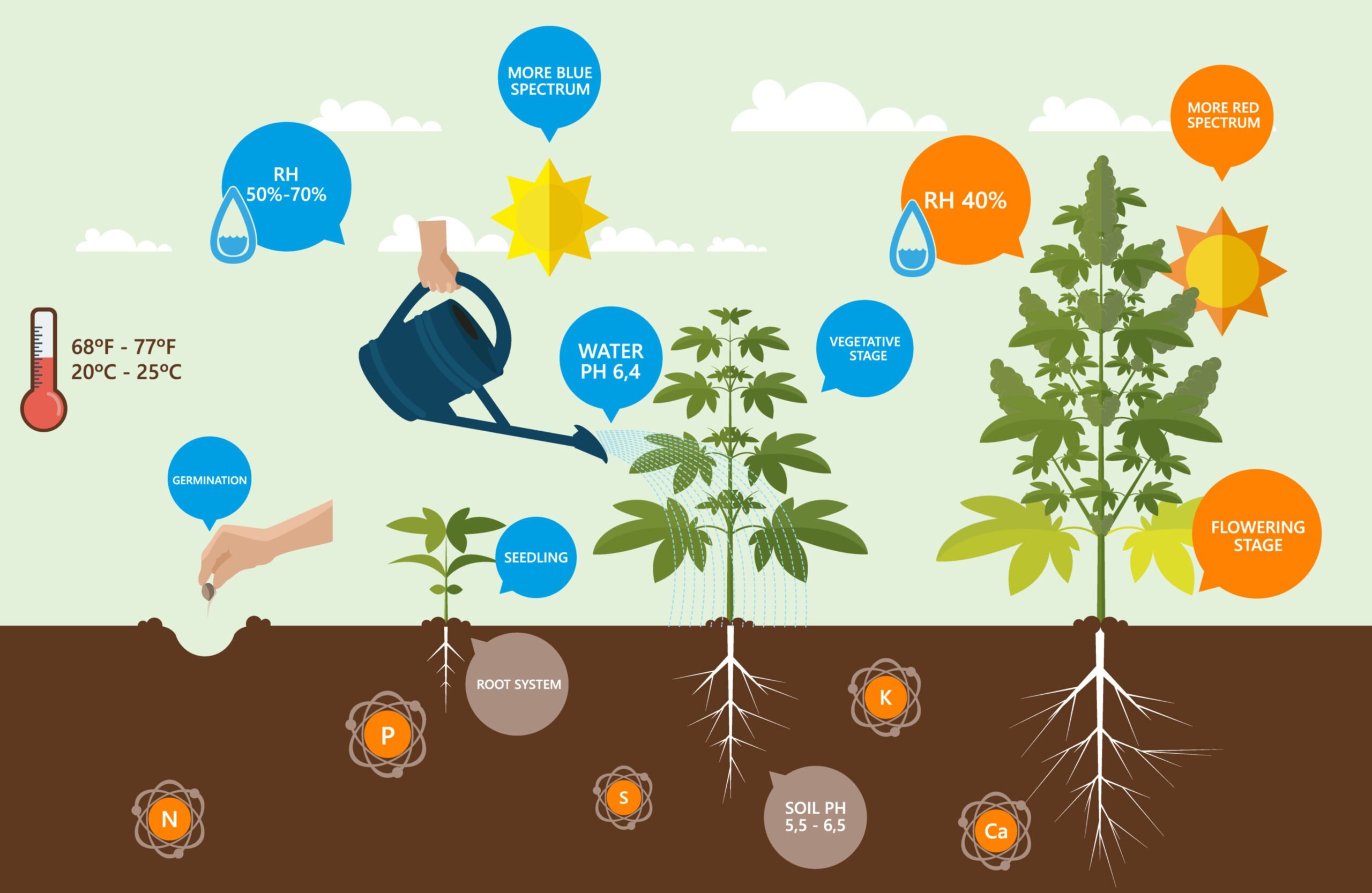
Weeks One and Two

When you’re ready to transplant your seedlings into a larger home, that means you’ve entered the vegetative stage. During this stage of growth, it’s smart to use store-bought soil to ensure that your plants are getting off to the right start. 

You’ll want to choose soil that has solid water drainage and retention properties, and you’ll also want to keep an eye on the pH level of the soil you choose. You’ll want to shoot to maintain a pH of 6.0 to 6.5 for optimal growth. 

Instead of choosing a soil mix that’s heavily fertilized, you’ll want to manually add nutrients so that you stay in control of giving your plants what they need. In this stage, you’ll want to focus on giving your seedlings the light they need to begin to grow. 

During weeks one and two, keep your plants about three and a half feet away from your grow lamps. You’ll also want to only use half of your lamps during this phase, while still giving your plants about 18 hours of light per day. During the second week of the vegetative phase, it will be time to use a fertilizer high in nitrogen to ensure that your plants are getting enough of the crucial growth nutrient. 

Weeks Three and Four

During the third week of growth, your plants will begin to enter the flowering stage. At the start of week three, it will be time to change your light schedule to 12 hours on, 12 hours off, while using half of the lights. You’ll want to move your plants a bit closer to the lights, about a foot and a half away. Your plants are still heavily in the growing phase at this point, so you’ll want to continue to provide them with the nutrient mix that helped them get through weeks one and two. 

You’ll also want to begin giving your plants more water during this phase. Keep the humidity in the room around 60%. During week four, you’ll notice that your plants go through a major growth spurt, and you’ll want to ensure that they stay at least a foot and a half away from your grow lights, even as they begin to expand. 

When week four comes to an end, you’ll want to rinse the soil with water at a pH of 6.5. 

Weeks Five and Six

As you move into the fifth week of growth, you’ll begin to see flower development. At this point, you’ll need to make the switch to a high-phosphorus fertilizer to support growth. In the sixth week of growth, your’ll continue with the high-phosphorus fertilizer, and you’ll also want to ensure that you keep an eye out for any bugs on your plants. 

Weeks Seven and Eight

During this phase, you’ll notice that buds begin to grow. You’ll want to flush your soil with water (with a pH of 6.5) at the end of week seven. At the end of week eight, it’s smart to boost the potassium levels of your soil by using a fortified fertilizer. Adding more potassium will help your plant’s buds begin to ripen. 

At this point, in addition to keeping an eye out for bugs, you’ll also need to watch for mold. 

Weeks Nine and Ten

At this point, you’re getting ready to harvest, and you’ll need to switch up how you’re feeding your plants in order to make sure they’re ready. At the start of week nine, flush the soil, and then feed your plants their nutrient mix at a lower concentration than normal. You may find that the leaves on your plant are starting to die, but fear not–this is normal and to be expected. A few days prior to harvest, stop fertilizer altogether, and just provide your plants with clean water. 

Remember, keep an eye on your plants to learn what they need, and depend on their cues more than a schedule to figure out how to keep them growing healthy and strong. 


What Is the SOG Growing Method?

Cannabis has never been more popular or broadly accepted in mainstream society than it is today. The rise of home cultivation techniques, largely spurred on by the hydroponic growing movement of the ’80s, would normalize the cultivation of marijuana under the guidance of home growers. With marijuana now legal in a broad swathe of North America, for both medicinal and recreational use, more people than ever are interested in growing their cannabis.

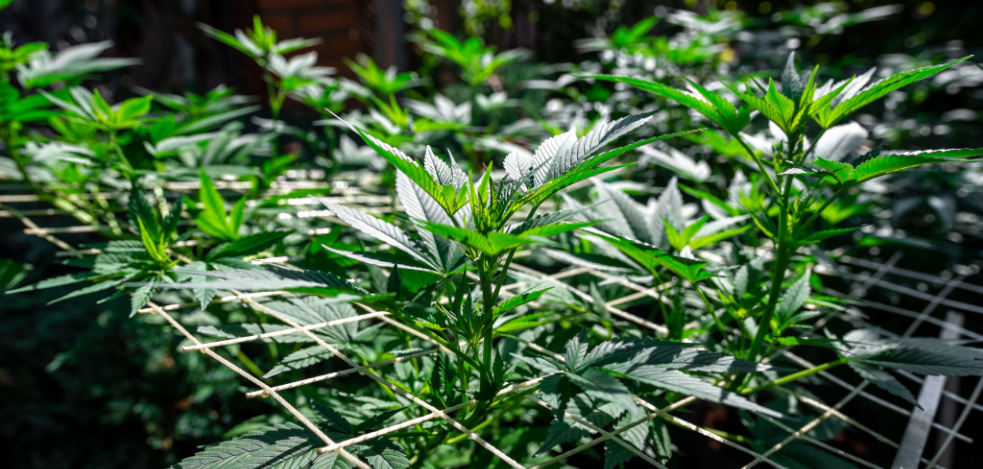
One of the most popular marijuana growing techniques is the Sea of Green (“SOG”) method. A simple technique that focuses on cultivating many smaller plants within a limited space, the Sea of Green growing technique offers a mix of function and convenience.

Lets explore the Sea of Green growing technique to better understand its advantages, processes, and potential outcomes.

What is the Sea of Green Growing Technique?

Often abbreviated “SOG”, the Sea of Green growing method forces cannabis to flower at a relatively young age. The ultimate goal of this low-stress growing technique is to induce a large number of small plants to flower within a relatively limited space, offering a sea of green in your grow room. This technique revolves around cannabis plants remaining in the vegetative state for just two weeks, bringing about a much earlier harvest. 

Once perfected, growers can utilize the Sea of Green growing method to bring about a harvest every 45 days, thus making it ideal for commercial and home growers alike.

How Many Seeds Should You Buy?

When we enter the first couple of months of the new year, it is the perfect time to start planning our cannabis garden. With the outdoor growing season seemingly always just around the corner, generally running from March through November, it is never a bad idea to stock up on Cannabis Seeds in preparation. The question remains, how many Cannabis Seeds should you buy so that you are always prepared for your new crop? 

Today, we are going to explore the world of Cannabis Seeds to better understand how they work, which ones work best for you, and how many you should buy for a successful harvest down the line.

Are Cannabis Seeds Legal to Purchase?

Cannabis seeds are considered a cannabis product just the same as any flower, edible, or concentrate you were to purchase from a dispensary. The legality of Cannabis Seeds will vary greatly from one state to the next, depending on the local legislation that has been passed.

Individuals living in Adult-Use Legalization states can buy, produce, and trade their seeds within their state – but they cannot cross state lines. In states where cannabis has been legalized only for medical use, it is only these patients who can purchase seeds.

Take a moment to browse the internet and you’ll likely run into seed banks that are operating out of the United States. These seed banks offer their wares for souvenir purposes only. These seeds are illegal to transport into the United States and are seized by Customs upon arrival.

The path to the legal acquisition of Cannabis Seeds is relatively clear: a reputable supplier based within your own legalized state.

How Many Seeds Do I Need For A Successful Harvest?

In Mother Nature, cannabis will freely pollinate and reproduce by sending forth countless seeds. In a controlled environment, say your cannabis garden, you can’t depend on this type of method. 

Typically, a single regular marijuana seed can result in a plant. That plant will have a 50/50 chance of turning into a female plant that bears the THC-laden buds that we are looking for during harvest. 

Some growers like to take advantage of advancements in the cultivation field by opting for feminized or autoflowering seeds. These specialized Cannabis Seeds can help you enjoy a successful harvest by limiting your exposure to male plants while focusing on a timely grow. 

Let’s explore the different factors that may impact your seed per plant ratio as you begin to purchase your Cannabis Seeds.

Factors That Impact Your Seed Per Plant Ratio.

Germination rates are the be-all and end-all of cannabis cultivation. Unless you are working with clones, learning to foster seedling growth can be an integral skill in your repertoire. Before you purchase your seeds, let’s look at the different types so we can better understand their impact on germination.

Different Types of Seeds

Regular Seeds

Regular Cannabis Seeds are by far the most affordable option in the cannabis marketplace. Regular seeds offer you a 50/50 chance of yielding a female plant. To succeed in utilizing these seeds, growers must carefully take note of their plant’s sex throughout the entirety of the process.

Regular seeds have roughly a 93% germination rate, but with a question mark regarding the sex of the plant, this number can quickly begin to drop. If you are growing through the use of regular seeds, you will want to order extra to overcome any male plants or germination failures.

Feminized Seeds

One way to get around potential failures during germination is by opting for feminized seeds. Feminized seeds have been carefully bred to produce only the revered female cannabis plant. While ostensibly more expensive than the regular and autoflowering seed options on our list, they offer the best bang for their buck – promising a female plant.

Feminized seeds allow growers to focus entirely on the needs of their plant, rather than wasting time focusing on its sex. Feminized seeds are not without their pitfalls as there is no absolute germination guarantee. Pay attention to the sex of your plants and eliminate any males that potentially pop up.  

Autoflower Seeds

Whether you are an expert grower or a newcomer to the hobby, opting for autoflowering seeds may be a great choice to encourage better harvests. Autoflowering seeds don’t change the germination process but they do impact the growth cycle of the entire plant. 

Autoflower seeds are ideal because they are bred to automatically switch to their flowering cycle regardless of your lighting or their location in your garden. When growing traditional photoperiod seeds, growers have to manually adjust their lighting and feeding schedule to account for transitioning.

Autoflower seeds flower based on their age, which leaves less work for the grower.

Germination Success Rate

Once you’ve decided which Cannabis Seeds will work best for your needs, you are ready to enter the germination stage. Germination is not a fool-proof process and can be a little difficult at first. As germination is notoriously volatile, you’ll want to buy more seeds than you plan on planting.

So, How Many Cannabis Seeds Should You Buy?

While cultivating cannabis is not an easy hobby, advancements in the field have made it much more approachable than it was in times past. Access to autoflowering and feminized seeds have made it easier than ever for individuals to curate large harvests of healthy female plants from the comforts of home.

To ensure your growing season is a successful one, you should opt to buy and plant 25% more seeds than you plan on germinating. You can save time and money by opting for feminized seeds as they will ensure that there is no time lost on male plants.


How Does The DEA Ruling Affect Medical Cannabis Grows?

Have you heard about the latest DEA ruling? Are you worried about its impact on growing cannabis? Are you confused about the ruling? Don’t worry—you’re not alone. In this article, we will help you understand the new DEA ruling and how it affects you.

Firstly, cannabis is federally prohibited; this isn’t changing right now.

However, here’s the good news: The Drug Enforcement Administration (DEA) has admitted that cannabis plant seeds are legal and impossible to control—regardless of how much THC might end up in the buds if growers grow these plants.

This declaration from the DEA is significant. Before this, society determined a marijuana product’s legality by whether the grower sourced it from hemp or marijuana. However, the new guidance ends this; as a result, society can determine the lawfulness of tissue culture, other genetic material, and Cannabis Seeds purely on delta-9 THC concentration.

DEA Guidance on Cannabis Seeds

The DEA recently reviewed the federal statute in response to an inquiry from attorney Shane Pennington over marijuana seed’s legality, tissue culture, and “other genetic material” that doesn’t contain over 0.3% THC.

The DEA confirmed that while it used to be the case that Cannabis Seeds were controlled, that’s no longer the case due to the federal legalization of hemp.

The 2018 Farm Bill excluded hemp from the Controlled Substances Act’s (CSA) definition of marijuana. Therefore, all aspects of the plant Cannabis sativa L. are not controlled if they don’t surpass 0.3% THC.

Terrence L. Boos, chief of the DEA’s Drug & Chemical Evaluation Section, wrote: “Accordingly, marijuana seed that has a delta-9-tetrahydrocannabinol concentration of not more than 0.3 percent on a dry weight basis meets the definition of ‘hemp’ and thus is not controlled under the CSA.”

He added: “Conversely, marijuana seed having a delta-9 tetrahydrocannabinol concentration more than 0.3 percent on a dry weight basis is controlled in schedule I under the CSA as marijuana.”

In layman’s terms, because marijuana and hemp contain nominal THC levels that normally wouldn’t exceed the legal threshold, the DEA has noted that people can have Cannabis Seeds regardless of how much THC the plant produces.

However, it remains illegal to use any Cannabis Seeds with the intent of growing still-prohibited cannabis. What’s more, the DEA’s guidance doesn’t address whether the U.S. legal system would prosecute people if their seeds were to exceed the 0.3% THC threshold.

Other Guidance From the DEA

The DEA letter also suggests that other materials that growers extract from the plant—such as tissue culture and any other genetic material that has a delta-9-tetrahydrocannabinol concentration of not more than 0.3 percent—match the definition of hemp. As a result, the CSA doesn’t control them.

However, always remember that despite hemp and Cannabis Seeds containing THC levels that don’t exceed 0.3%, that doesn’t mean they will always fall below the 0.3% threshold. Despite the cannabis laws in your state, remember that it remains federally illegal to grow Cannabis Seeds with the intent of growing marijuana.

In addition, remember that the DEA’s letter is just guidance. It doesn’t have the full effect and force of the law or official DEA regulation.

What Has the Cannabis Industry Said?

In an edition of his drugs newsletter, Sean Pennington said: “In my view, the letter is significant because we continue to see the confusion over the source rule—the argument that the legal status of a cannabis product hinges on whether it is ‘sourced’ from marijuana or hemp—influencing legislative proposals even at the federal level.”

“Now that we know that the legality of the ultimate ‘source’ of both hemp and marijuana plants (their seeds) hinges on delta-9 THC concentration alone, reliance on the source rule is much harder to defend.”

“I’m hopeful this will clear up a lot of confusion in this area of law,” he added.

What Have Lawmakers Said?

Due to the risk posed by the DEA’s interpretation, the Hemp Industries Association and RE Botanicals, Inc., have challenged the DEA’s authority. Converting raw hemp with less than 0.3% delta-9 THC into consumer products with less than 0.3% delta-9 THC presents a risk. Lawmakers have taken notice.

Nine congressmen sent a letter to the DEA after they announced the interim final rule suggesting they revise the rule. The authors wrote: “Since the Farm Bill legalized hemp along with hemp derivatives, extracts, and cannabinoids, it logically follows that the only viable methods for processing hemp into those derivatives, extracts, and cannabinoids would also be legal.”

In 2022, Rep. Chellie Pingree of Maine started the Hemp Advancement Act of 2022; this clarifies that hemp extracts made during the hemp production process that surpass the 0.3% THC threshold will still be legally considered hemp and therefore banned from the CSA Schedule I listings and DEA control.

So, if the Hemp Industries Association and RE Botanicals fail in their lawsuits, Congress may take action to safeguard hemp growers from DEA enforcement anyway, which is fantastic news for hemp producers.

The Penalties for Growing Marijuana Illegally

If you live in a state that doesn’t allow the cultivation of cannabis, you may face criminal charges. Even with a medical marijuana card, your state’s regulations may limit you from home-growing weed.

Penalties for growing weed at home may include jail time, fines, and even property seizure. However, the penalties for growing cannabis at home depend on several factors, such as:

  • Number of cannabis plants
  • Evidence of producing pot for sale
  • Other drugs manufactured or grown
  • Prior criminal record

Ensure you check the laws within your state before growing cannabis to avoid any issues. The following states allow citizens to grow limited marijuana for medical usage:

  • Alaska
  • Arizona
  • California
  • Colorado
  • Hawaii
  • Illinois
  • Maine
  • Massachusetts
  • Michigan
  • Missouri
  • Montana
  • Nevada
  • New Hampshire
  • New Mexico
  • Oklahoma
  • Oregon
  • Rhode Island
  • Vermont
  • Washington
  • Washington, D.C.

In Summary

The DEA’s ruling doesn’t change the medical standing of cannabis. However, it does allow Cannabis Seeds to be considered hemp or medical rather than recreational. Overall, it’s good news for the cannabis industry and growers.

Light Schedules: How To Use Them And Why They Are Important

When cultivating cannabis, few things are as crucial as proper light schedules. As a photoperiod plant, the amount of light your plant receives will dictate when it starts flowering and how heavy the harvest will be. By giving your cannabis plant 12 hours of darkness (uninterrupted) per day, they will begin to flower.

To maximize your ability to find success cultivating cannabis, we need to understand how to maximize the effectiveness of our lighting schedule though.

Today, we will take a deep dive into light schedules for Cannabis Seeds and the changes they must undergo for indoor and outdoor operations.

What Are Light Schedules?

Light schedules involve the cycle of darkness and light used to bolster the growth of your plant. As cannabis plants require intense levels of light with changing needs throughout their growth, cultivators must be ready to change their system to meet the needs of their plants.

We can see how scheduled lighting can change based on the stage of your plant’s growth.

Stage 1: Light Schedule for Cannabis Seedlings

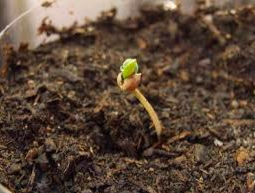
Every great cannabis plant began as a seedling. After you’ve acquired your seeds and have properly germinated them, you are ready to introduce a lighting schedule. At this stage of your plant’s growth, it is considered a seedling. Seedlings may have small roots, but they are not yet ready to be transplanted.

To maximize the lighting schedule of your seedlings, give the plant plenty of energy so that it can develop its root system. Developing a functioning root system is an energy-intensive task and thus requires roughly 18 hours of light per day with 6 hours of darkness to follow.

Growers have been experimenting with lighting schedules in the seedling phase since the first Cannabis Seeds were cultivated. Some growers opt for 20 hours of light with 4 hours of darkness to pump up the efficiency of their operation while still giving their plants time to catch their breath.

Here’s a warning though, seedlings do not require bright lights to prosper or grow well. Lights that overpower your seedlings can end up harming them, reducing their ability to grow healthily. Use weaker bulbs or dimmer lights to protect your plants from heat and potential burns.

Unless you are working with autoflowering seeds, opt for an 18/6 or 20/4 light schedule.

Stage 2: Entering the Vegetative Stage

As one of the most important times in a plant’s life cycle, the vegetative stage must be carefully monitored to maximize later success. This stage is when the plant grows both taller and wider, developing stems, leaves, and the other biological matter necessary for its bud sites to flourish.

Whether you’re working with outdoor or indoor plants, you must provide them with at least 13 hours of light per day. Growers can potentially keep their plants in the vegetative state forever so long as they maintain short nights with a proper light schedule.

To maximize the growth of your plant while it is in this state, provide up to 24 hours of light per day. Some growers will opt for an 18/6 schedule to provide relief at night for their plants while still encouraging quick growth during those daylight hours.

For outdoor growers, you will see your plants transition from the vegetative stage late into the spring or early into summer, though every strain is different.

Can I Avoid Light Schedules?

For novice to intermediate growers, avoiding lighting schedules can be as simple as opting for autoflowering seeds. Autoflowering seeds are strains that will flower automatically after roughly three months, no matter what lighting is provided by their grower. More simple and easier to implement than traditional outdoor Cannabis Seeds, autoflowering strains are a great way to get your first plants started.

With this being said though it’s important to pay attention to your seedbank’s instructions to make sure that you can find the right autoflowering strains for your operation.

Stage 3: Entering the Flowering Stage

With the vegetative state behind us, it is time to look ahead to the third and final phase of these plants’ life cycles. This stage occurs naturally for outdoor growers when their plants get 12 hours of sunlight per day. Outdoor flowering stages can last between 8 and 12 weeks, depending on the strain, the growing environment, and the health of the plant.

For indoor growers, a lighting schedule of 12 hours on and 12 hours off will help to initiate the flowering cycle. Once the cultivator has changed their lights over to this 12/12 schedule, they will have roughly six weeks to five months of growing time before their plants are ready for harvest.

Note For ALL Growers: Avoid any light pollution at night. Make sure that the plants are not exposed to light during the night or dark periods, even from spotlights or streetlights. Light pollution can confuse your cannabis plants, thus preventing them from flowering properly.

Working With Autoflowering Strains

The world of autoflowering strains has fundamentally changed how many folks approach cannabis cultivation. Autoflowering cannabis plants are plants that have been crossbred with Cannabis Ruderalis. The resulting plant is a cannabis plant that flowers based on time rather than the light/dark schedule put in place by the grower.

Autoflowers traditionally have a short vegetative phase without the need to switch to a 12/12 schedule during flowering. Some growers will grow autoflowering strains with an 18/6 light cycle throughout the entire duration of their plant’s growth.

Light schedule suggestions for autoflowering cannabis include:

  • 12 / 12 –  Having a lighter energy load, a 12/12 schedule should lead to lower light intake, lower yields, and a less productive plant.
  • 18 / 6 – With 18 hours of daylight and 6 hours of rest, autoflowering plants tend to prosper the most under this schedule.
  • 20 / 4 – This is an experimental lighting schedule that is said to maximize the overall productivity of the plant.

Properly lighting your cannabis plant is one of the most important steps in their growth. Seedlings don’t need a ton of light, vegging plants demand a lot of energy, and flowering plants must have at least 12 hours of darkness per night. With this all being said though, you should always be ready to experiment with your scheduling as genetics may cause variation between strains that might impact your overall results.

How Long Do Cannabis Seeds Last?: A Full Guide to Keeping Your Seeds Healthy

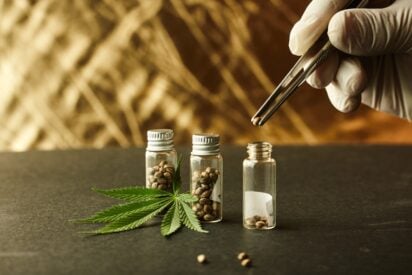
When you buy Cannabis Seeds in bulk, you can save a lot of money on your purchase. Some seed banks will even offer to give you free seeds with every order. No matter how green your thumb is, there might come a time when you have more seeds than you know what to do with. If you don’t have the space, time, or energy to commit to growing your seeds all at once, what can you do with them?

Germinating Cannabis Seeds can be a daunting task, and cultivating them all of the way to harvest can be even more intimidating. Yet, we can’t get anywhere without a seed that is ready to sprout. Thankfully, there are ways to maximize the longevity of your Cannabis Seeds while they are in storage.

Today, we are going to take a deep dive into how to store Cannabis Seeds, whether or not they can go bad, and how long you can keep those seeds in storage before their vitals are impacted.

How Long Do Cannabis Seeds Last?

Were you to discuss seed longevity with 10 different people, you’d likely get a bunch of different answers. Some growers suggest that Cannabis Seeds should be used within six months to a year after they have been packed. Other cultivators suggest that Cannabis Seeds can last for years when stored under the correct conditions. The longevity of your weed seeds will depend on several different factors, many of which we will soon delve into.

If you’re looking for the short answer; you can keep your seeds anywhere between six months and five years, depending on the packing, care, and handling of them. Multiple factors will impact the longevity and vitality of your weed seeds. So, can weed seeds go bad? Yes!

How Do I Know If Cannabis Seeds Go Bad?

The most obvious sign that a seed has gone bad is its unwillingness to germinate. Most seeds will germinate within seven to 10 days. There are a few other ways you can tell if your seeds have gone bad.

  • Visual Appearance: Cracked seeds are less likely to germinate. Seeds that are soft and easy to crush are also not likely to germinate.
  • If you’re unsure, you can always try the water test. To do this, place a seed in a cup of warm water. If the seeds sink to the bottom after a few hours, they are healthy enough to germinate. If the seeds stay floating, they are probably dead.

What Factors Impact Cannabis Seed Longevity?

Long before the seeds you order arrive in your hands, they will be harvested, packaged, and sent through the mail to you. This process is entirely out of your control and thus you must rely on a reputable seed bank.

As living organisms, seeds must be carefully monitored to ensure that they are protected for when they are ready to germinate. To make sure that your seeds are in the best condition possible for when their time to grow comes, try to pay attention to the following factors during the storage process.

Lighting

Light is integral to the health of your cannabis plant, so why wouldn’t it matter to your seeds? Light tells your seeds that they should begin to prepare for the germination process. When poorly stored, light contamination can trigger the chemical process of germination in seeds, which will make them incapable of germinating at a later time. To keep your seeds healthy and ready to germinate, keep them in the dark as much as possible. Avoid light pollution when you store your weed seeds to maximize their value at a later time.

Oxygen Levels

Believe it or not, your seeds would prefer to exist within a vacuum in storage. Sealing your seeds away from the world will provide them with oxygen while preventing the introduction of fresh air, pests, or other complications to the germination process. A vacuum-sealed container is great at preventing pests from thriving.

Heat Levels

Did you know that high heat levels can send a signal to your seeds that they should germinate? Keep your seeds in a cool dark place where they won’t freeze but can still avoid higher temperatures. We recommend storing your seeds between 42 and 46 degrees F at all times. Of course, room temperature will work for storage but it may impact the overall lifespan and longevity of your seeds.

Environmental Changes

Environmental stability is of the utmost importance when it comes to storing your Cannabis Seeds. Don’t store your seeds in places where the climate isn’t controlled and the temperature isn’t dialed in. Garages and sheds are not optimal locations for storage as they can experience serious environmental fluctuations. If we are wondering how to store Cannabis Seeds, paying close attention to environmental changes should be where we start.

By locking in our environment, we can avoid the introduction of humidity, fungi, and unwanted bacteria that may cause issues with our seeds. High moisture levels can also lead to the death of seeds just as effectively as any pest, insect, or microorganism.

How To Make Cannabis Seeds Last Even Longer

Now that we’ve assessed some of the elements that may impact the health of your seeds, we need to put them into action. If you are looking to acquire seeds in bulk, you might want to begin taking a few of the following steps to maintain the longevity of your purchase.

Pick Your Container

First and foremost, we need the right jar to contain our seeds if we are to store them for a long time. Ideally, you can select a container that has an air-tight seal without any porosity. Remove all of the air from the container, ideally through a vacuum seal, and place your seeds inside. The best type of container will be dark, cool, and completely sealed.

Tip: Most seed banks ship their products inside of appropriate packing materials for storage at a later time. If all else fails, the use of an envelope can work.

Pick Your Location

When it comes time to store your seeds, you want to pick one of three primary places: the basement, the refrigerator, or the freezer.

The Basement

The basement is cool and dark though it lacks the moisture control most people would want. If you still want to use your basement, consider sealing your seeds in a closed container with uncooked rice to absorb any excess moisture. Replace the rice as needed.

The Refrigerator

The refrigerator is one of the best places to store your weed seeds for the long term. The refrigerator offers steady temperature levels, controlled humidity, and easy access. Place your seeds in a container in the crisper to allow them to enjoy some additional warmth.

The Freezer

Finally, the freezer is a great option for long-term seed storage. Freezers are opened less often than refrigerators, thus providing a dark, cold, and more isolated experience. Check with your seed bank before freezing your seeds. If the seeds you acquired have been frozen, do not refreeze them. Reintroducing thawed seeds to the freezer may cause crystallization and its corresponding damage to your seeds.


Our Top 5 Strains for the First Half of 2022

Blue Cookies

Blue Cookies is an indica-dominant hybrid that pairs two of our favorite strains: Girl Scout Cookies and Blueberry. A child of these industry heavyweights, Blue Cookies is also known as Blue GSC or Blue Girl Scout Cookies.

With reported THC levels in the low 20s and minimal amounts of CBD, consumers can expect a well-rounded experience grown from the comfort of their own gardens.

Flavors & Effects

With Blue GSC, effects are aimed straight at the head as euphoria quickly takes hold. After smoking it for a while, consumers will note that the high begins to impact the rest of their bodies in a deeply relaxing way.

More than just another GSC phenotype, Blue Cookies sets the tone with notes of cherry and berry that are impossible to ignore on the exhale. The bud itself is thick and green, coated with a frosty resin that gives way to hues of purple. This strain is not for novice consumers nor the faint of heart.

Growing Information

Harvests are ready by late September after roughly eight to 10 weeks of flowering. When cultivated outdoors, Blue GSC thrives in warm climates with temperatures hovering around the 70-degree mark. Thankfully, it can be cultivated indoors with relative ease thanks to its short body and bulky flowering stage.

Agent Orange

Considered a balanced hybrid, Agent Orange features uplifting and motivating effects that work well as an overall mood enhancer. With a deep citrus aroma, it can bring about uplifting feelings with little more than a smell.

Flavors & Effects

While the name may not inspire you to reach for a bowl, Agent Orange surely makes each hit worth the effort. Crossbred between Orange Velvet and Jack the Ripper, it brings about sativa-dominant effects that leave individuals both energized and ready to tackle the day.

Consumers of Agent Orange report feelings of well-being in addition to a significant reduction in pain caused by certain medical conditions.

Growing Information

This strain thrives most when it is grown outdoors in a warm, sunny environment. Mild nights are integral to the health and vitality of your crop as they will lead to a larger yield. To find success with this strain, it’s important to have appropriate lighting both indoors and outdoors. Flowering should ensue within eight to nine weeks.


Gorilla Cake

Gorilla Cake can be found where the genetics of Wedding Cake and Original Glue cross paths. A high-functioning hybrid, it is brimming with earthy terpenes and soaring THC levels. With caryophyllene leading the way, consumers of Gorilla Cake are in for a hybridized experience that addresses their body and mind on several different levels.

Flavors & Effects

This is a dynamic hybrid that features the best of its Wedding Cake and Original Glue roots. The balanced effects of its Wedding Cake genetics make for a lazy high that can leave you feeling like your arms are glued to the couch or chair. With a quick onset and relatively euphoric effects, Gorilla Cake is a popular strain for novice consumers and experienced users alike.

Best used late in the day, this Cake strain can help address insomnia, headaches, chronic pain, and even stress without completely sedating the consumer. With that being said, consume enough of this strain and you will be quick to find your bed.

Growing Information

This strain can be grown both indoors and outdoors with relatively little difficulty. With a reported flowering time between 45 and 50 days and a yield surpassing 150 grams per plant, it’s easy to see why this Cake strain has become so popular among novice growers. 


Pink Runtz

A hybrid cross featuring genetics from Runtz, Zkittlez, and Gelato, Pink Runtz packs a certified punch of sweetness and fruit flavor. Best reserved for the morning, it brings about uplifting effects that are said to be long-lasting.

Flavors & Effects

Considered a balanced 50/50 hybrid, Pink Runtz tends to deliver the best of both worlds to consumers as it provides a euphoric high that is balanced by a relaxing body lock. Some consumers describe the strain as both a pleasing and slightly “out of body” experience.

This strain features soaring THC content which can bring about an intense level of body buzz, making it an ideal choice for medical users looking for stress, nausea, and mood swing reduction.

Growing Information

If you want to bring Runtz to life in your own garden, be prepared to pay close attention throughout the growing period. This strain features THC levels upward of 25 percent with minimal CBD levels.

Growing this strain requires growers to give roughly eight to nine weeks of their lives to the flower before it’s fully ready to harvest. With colorful, dense, and dark buds, this Runtz cross has everything you need to impress.

The flowering time for this strain is between 45 and 50 days with nearly 150 grams per plant in harvest quantity.


Blue Mylk

Does a jug of blue milk sound good to you? If so, you are either Luke Skywalker or a true cannabis aficionado. A high-yielding indica-dominant strain, Blue Mylk scores soaring THC levels with minimal to zero levels of CBD.

As fun to smoke as it is to explore, this unique Mylk strain is a double-bred indica cross that features genetics from Blueberry as well as a host of other indica strains.

Flavors & Effects

Blue Mylk offers consumers the best of its genetic parents by providing scents of blueberry, bread, and chamomile. With a leading terpene of myrcene, consumers of Blue Mylk will quickly find that their aches and pains have reduced in severity. Continued consumption of Blue Mylk can lead to a unique jolt of mental energy that is balanced by its more physically relaxing nature.

Growing Information

Blue Mylk feminized seeds are revered not just for the delectable indica cannabis they produce but also for the towering plants that they eventually yield. These huge plants grow well regardless of indoor or outdoor placement.

With a pungent aroma emanating from purple-speckled buds, growers will have to withstand the urge to touch their trichome-coated plants until it is time to cure. This strain has a flowering phase of just 45 days and an indoor harvest period at some point in mid-to-late September.

Top 10 Marijuana Strains for Anxiety

The concept of using cannabis to help mental and physical health goes back years and years.

But when you’re wondering if the cannabis plant can truly reduce anxiety, things can get a little more complicated. While there are plenty of satisfied people who felt that cannabis reduced their stress, others ended up experiencing stronger anxiety plus a heightened sense of paranoia. This is definitely not relaxing!

Part of the reason for things being so varied is the THC content. This natural compound is what causes the psychoactive effects we experience while using cannabis. But not everyone knows that there are different levels of THC, and some cannabis plants and seeds contain very little THC, with instead larger amounts of CBD, which is another compound. High CBD or high THC strains can provide entirely different experiences for someone with existing anxiety symptoms, and what fits you perfectly might be somewhere in between.

Discover the Right Strain

When searching for the ideal anti-anxiety strain, a good starting place is understanding your body and how it handles cannabis. Do you know your general sensitivity and tolerance? How much experience have you had with different forms? Have you tried a certain strain before, even if you weren’t aware of your anxiety?

It’s a good idea to try different types to narrow down what you like and understand what helps your anxiety, or what might be less effective. It may not be easy! With hundreds of strains out there, there are a lot of combinations to choose from. If you’re on the hunt for your ideal match though, we’ve been able to provide you with a headstart in this blog.

Top Cannabis Strains for Anxiety

1. Grandaddy Purple

This strain is intended to help your brain and body relax. Whether you’re working with Cannabis Seeds or the cannabis plant first, Granddaddy Purple is a satisfying Indica cross of Purple Urkel and Big Bud, which have created buds with lovely grape overtones. It has a reputation for creating a relaxed experience with a bit of euphoria thrown into the mix. With this strain, your mind can wander, your body feels light, and you’re uplifted. The relaxation can also lead to a lovely sleep.

Granddaddy Purple is recognized as helping depression and anxiety by encouraging more positive thoughts and feelings.. It’s also recommended for those who have difficulty sleeping, poor appetites, or those going through painful medical treatments.

It’s important to note though that Granddaddy Purple includes some THC, which means there is a possibility of feeling dizzy and paranoid, especially if you’re not as familiar with this strain.

2. Jack Herer

People who have experienced Jack Herer say it’s all about feeling good. After just a few puffs, you may feel energized and like you’re finally giving your brain a break.

Jack Herer can provide an uplifting experience which causes worries to fall away and gives off the energy to power through a tough task or a tough day. People call it a “daytime” strain since it gives them a boost and helps shake off feelings of fatigue and pain. Some even use it in the afternoon, so they can remain focused and worry-free until bedtime.

It can, however, cause feelings of paranoia and dizziness, especially if someone hasn’t tried Jack Herer before. It also is known for its natural analgesic properties that reduce pain through the body, including headaches, sore muscles, and much more.

3. Cannatonic

Part of this hybrid strain’s appeal is its 1:1 CBD-to-THC ratio. This means it can soothe pain, help you to relax, and work to cut down some feelings associated with high-THC products like paranoia.

The secret ingredient is myrcene, which is a natural terpene that makes you feel relaxed while boosting energy levels and chasing away negative thoughts. It’s recommended for those who like to multitask but still keep focus.

At the same time, it is known to cause dry mouth, headaches, and dry eyes. You may experience dizziness or anxiety, but these symptoms are less common in smaller doses.

Cannatonic remains popular recreationally and medically. It can help you relax and sleep or just manage any pain you’re experiencing.

4. Girl Scout Cookies

The youth organization really isn’t a fan of this unlicensed name. However, the cannabis plant and the spring treat are both intended to make you feel good. GSC is designed to relax the brain first and then the body next. Many users say it makes them feel comfortable and hungry, and that it welcomes feelings for those battling pain, insomnia, nausea, or a loss of appetite. The “munchies” are very much possible with this strain too, so plan accordingly.

Part of the appeal of Girl Scout Cookies is that this strain relieves pain and elevates mood. It also reduces feelings of stress, depression and fatigue.

5. Canna-Tsu

This hybrid strain brings together Cannatonic and Sour Tsunami to create a special strain that’s low in THC, but high in CBD. This removes some THC effects while enhancing CBD properties, such as reducing pain and improving focus.

Planting and growing Canna-Tsu Cannabis Seeds can be useful for those who want to experience a mellow day, but fewer negative thoughts, along with less stress.

6. Strawberry Cough

This Sativa strain is great starting with the first whiff – mmmm, strawberries. Along with an aromatic boost, consumers will get a soothing burst of positive energy that has a duration of several hours. It helps with alertness and energy, so you can jump into a new project or jump back into a past effort that you needed to put on the backburner in the past.

Some also recommend this strain for reducing social anxiety at social events. The energy boost can translate into self-confidence and a lack of fear to make small talk, introduce yourself, and do all that socializing that you’re usually afraid to tackle.

Users of this strain do say dry eyes and dry mouth are possible, along with some headaches and restlessness (that energy sometimes keeps going even when you’re ready to crash). With this being said though, a moderate amount should be a great starting place.

Several people swear by Strawberry Cough when they need help with stress and depression, as this strain boosts their mood and reduces unhappy thoughts. In addition to this, the mental and physical fatigue that might come from feeling depressed regularly can be combated using these buds.

7. ACDC

Another strain that many say gives a boost in social situations is ACDC. It’s high in CBD, which can help users feel relaxed, focused, and confident. The impressive CBD-to-THC ratio is about 20-to-1, which could bring forth healing properties for brain and body, but leave some THC psychoactive effects behind.

ACDC, which is a Sativa-dominant strain, is suggested as a useful tool to help you stay focused and keep your head clear. Besides having recreational value, it also provides relief for people suffering from a variety of health conditions, including severe pain, epilepsy, nausea, and a poor or non-existent appetite.

Side effects for newcomers can include restlessness, dry mouth, and dry eyes. It’s also a relatively simple strain to grow, which definitely gives it some extra points in our book!

8. Northern Lights

If you’re ready to chill, this could be the perfect strain for you, as it provides all-over relaxation. You’ll feel comfortable, with many mental and physical pains being put on pause, especially when consumed moderately. Once it wears off, it usually leads to a good night’s sleep, which many users have been missing due to pain or other health conditions. Many also discover another benefit afterward: a boost of hunger, which could be incredibly helpful for those struggling with a poor appetite.

Of course, a great need to sleep and a great need to eat could be seen as liabilities in some situations, but could also be appealing for many people.

Northern Lights is considered potent and known to cause dry mouth and dry eyes, headaches and a small degree of paranoia as it relaxes you, and the level of comfort often feels deeper than first expected. Again though, moderation is always key.

9. White Fog OG

This Sativa hybrid of Fire OG and the White contains high amounts of myrcene and limonene, which are terpenes that provide relaxation and stress reduction. Though this strain does contain THC, it also helps you relax, but not so much that you want to stay in bed. It’s definitely handy for social activities and having fun.

It’s also recommended for those dealing with health conditions that come with a lot of pain. It improves blood flow and can make you feel good.

Those interested in cultivation should know that White Fog OG is considered fairly easy to grow in many conditions.

10. Blackberry Kush

Beautiful to look at with bright purple buds and a pleasant berry smell, Blackberry Kush is also prized as a strain that helps to reduce the effects of depressive thoughts. It can take effect quickly and divert anxiety attacks, so it has a lot of value both recreationally and medically.

Blackberry Kush, a potent Indica strain, is recommended for those who want to feel less stressed and be in a better mood. Its sedative powers cut through pain, reduce inflammation, and can help to increase mobility for some users.

This strain is also known as an easy way to secure a good night’s sleep, especially for those battling insomnia.

The Best Gifts For Your Stoner Dad in 2022

So your dad loves to get stoned? That’s awesome. If you’re ever wondering what to buy your dad for Father’s Day, cannabis gifts are an incredible option.

And with the growing popularity of cannabis, there are many possibilities to consider.

In this article, we’ve listed some of the best gifts for your dad:

1. Grinders

Grinders are essential for all weed smokers. By breaking the cannabis down into tiny pieces, your father will enjoy the airflow required for the best inhalation. In addition, grinders make cannabis easier to carry and ensure that it produces a smoother smoke for your father. 

Regardless of what device your dad uses right now—a weed bong, joint, or pipe—he needs to grind his cannabis. The RKS Grinders are perfect for this task; they make grinding weed easy for your father. 

2. A Pot For a Pot Grow Kit

If your father is interested in growing cannabis, you should buy the Pot For a Pot Grow Kit. These kits contain everything your father will need to learn how to grow cannabis from the comfort of his house. 

With every kit, the team at Pot for Pot will provide ongoing coaching based on their 25 years of cannabis growing experience. Your father will also save tons of money if he learns to grow his own cannabis at home.

  1. Autoflowering Seeds

It’s challenging to find a better gift for your father than the best autoflowering seeds worldwide. When your father uses these seeds, he will save time, effort, and money. He’ll also enjoy his favorite cannabis right away. 

Autoflowering seeds grow fast, fit in a small indoor growing area, and are the best option for first-time growers. RKS has some of the best autoflowering seeds worldwide for your father; these are ideal for the auto season. 

4. An Ashtray 

Whether you’re smoking outside or indoors, an ashtray always comes in handy. Using an ashtray is the ultimate way for your father to clean up his space and stop ash from flying everywhere. 

Ashtrays with lids are also an excellent choice because they can contain the smoky smell of cannabis. The RKS Small Metal Tray is perfect for keeping your father’s house clean.

5. A Smell Neutralizer

You’ll soon realize that your dad’s house smells of cannabis. Sure, it’s not always a problem, especially if he adores the aroma of good cannabis. However, a smell neutralizer is essential when he’d rather hide the smell.

The Ona Gel Pro 25.8 OZ Odor Neutralizer will do the job for your father. It works by contacting and evaporating the odor molecules. And in the end, your father will enjoy a clean, fresh smell without cannabis odors. 

6. A Glow Tray

Does your father hate having a dirty tray at home or a filthy workspace? He’s not alone. That’s why many cannabis smokers have a glow tray. When using fresh-ground herb, expert smokers know how messy rolling can be; the weed can end up on the sofa, carpet, pillows, clothing, etc. 

Furthermore, if your father wants to keep his weed use a secret, having marijuana crumbs everywhere is a problem. What about rolling a cannabis joint when traveling? It’s likely to spill everywhere. 

Glow trays can prevent all of these problems by stopping crumbs from falling. Some trays have unique styles, different sizes, and lids to ensure the cannabis stays inside of the tray. The best option for your father is the Glow In The Dark Rolling Tray; it looks fantastic and glows in the dark.

7. A Bong 

If there’s one thing a cannabis smoker loves, it’s a good bong. They are incredibly straightforward to use, cost-effective, and easy to maintain. However, bongs have been around for centuries. As technology has progressed, so has the quality of bongs.

An excellent option for your father is the Cheech & Chong® Glass 12″ Sister Mary Elephant Donut Tube Water Pipe. The bong is 100% borosilicate glass and comes with a clear or color-changing style. It provides a tremendous smoking experience and looks great in any environment. 

8. A Grow Tent 

If your father wants to grow cannabis indoors, he’ll likely need a grow tent. This will allow your dad to use suitable lighting, keep annoying pests out, circulate clean air, grow all year, and use energy efficiently. 

The perfect option for your father is the VIVOSUN 5×5 Grow Tent. It keeps all of the light in the tent, provides an extra-thick canvas, and permits easy observation of all plants. 

9. Grow Lights 

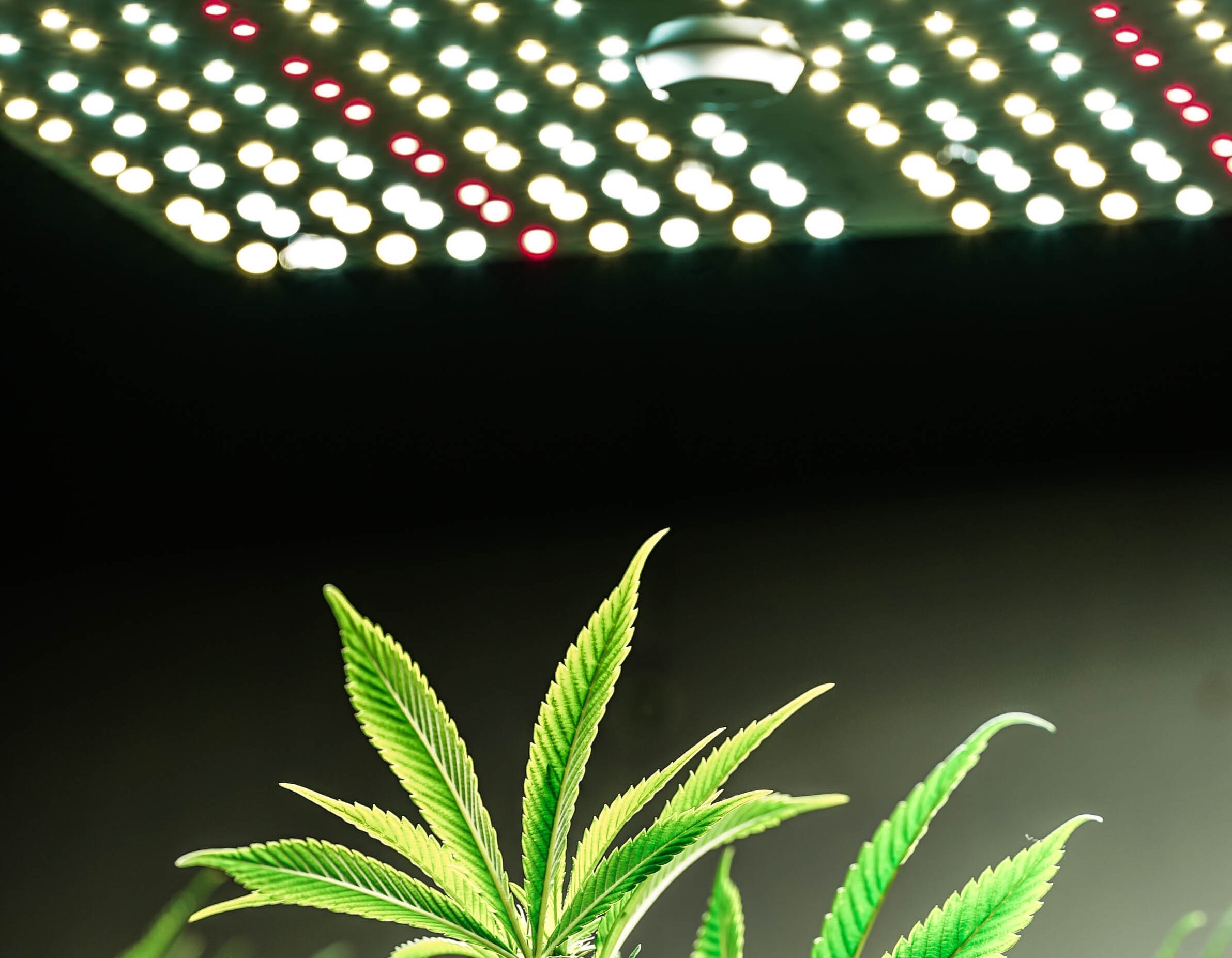
If your father is interested in growing cannabis indoors, you should buy him some grow lights. He can achieve the maximum yield from his Cannabis Seeds by using them. The best options produce no noise, are flexible, and have the ability to connect to a controller or APP. 

A great option is the High-Efficiency 300W LED Growth Light with SMART Full Spectrum & Samsung LEDs | Growealth G3000. It includes high-efficiency Samsung LM301b LEDs and an adjustable dimmer. You can switch between four light modes. 

10. Cannabis Stickers

If your father loves cannabis, he will love the stickers available to weed fans. He can place weed stickers in his car, on his grow tent, or even on his bedroom wall. The Script Sticker is the perfect humorous sticker for your father. 

11. A Marijuana Cooking Guide 

Suppose your father is learning or wants to learn how to cook cannabis? There’s no better way than reading a cannabis book. You’ll find high-end recipes for desserts, cocktails, and cookies in a cannabis cooking guide. 

The best option is Bong Appetit: Mastering the Art of Cooking with Weed. The popular MUNCHIES and Viceland TV series inspired the book. Your father will learn to infuse oils, butter, milk, and alcohol with cannabis. Within a few weeks, your father will be the ultimate marijuana chef. 

Final Thoughts 

In 2022, cannabis gifts arrive in all shapes and sizes. What are you waiting for? It’s time to make his smoking experience even better!

How to Stay Hydrated When Using Cannabis

More than 75% of Americans walk around dehydrated on a day-to-day basis. Whether in the hot summer months or the cold winter months, water intake is important to our overall health, impacting our skin, our organs, and our entire bodily health. As marijuana continues to grow more and more popular in North America, two common side effects are becoming more and more noted: cotton mouth and dehydration.

Whether you are a chronic consumer of marijuana or a newcomer to the plant, you’ll want to know all about the most common side effects of marijuana as well as how to overcome them.

In honor of the next glass of water that you drink, let’s explore how to stay hydrated while enjoying your marijuana consumption.

Does Cannabis Cause Dehydration?

When was the last time you sat down with your favorite bowl of Jack Herer? What about those G-Purps before bed? No matter what you are smoking, the odds of feeling slightly parched are going to increase after consuming marijuana. A logical extension of this fact would lead us to state that cannabis is the direct cause of dry mouth and dehydration, but is this the actual case?

According to the Mayo Clinic, dehydration occurs when your body loses more fluid than it is taking in. If you go into a smoking session without enough water or fluid in your body, you will become more easily dehydrated after consuming cannabis. That does not mean that marijuana causes you to dehydrate though.

The Mayo Clinic goes on to suggest that cotton mouth and dehydration are commonly associated with smoking in individuals who are already dehydrated. According to the Mayo Clinic, marijuana does not typically cause you to dehydrate.

Signs and Symptoms of Being Dehydrated

Even though cannabis may not directly cause dehydration, it sure can lead us to notice some of the signs and symptoms pertaining to the condition. If you find yourself lacking fluid intake throughout the day, you might find a few of the following symptoms to be familiar.

  • Darkened Urine
  • Fatigue and Dizziness
  • Cotton Mouth
  • Confusion

While the aforementioned signs and symptoms can point to dehydration, they can also allude to other medical issues. If you have concerns regarding your health, consult with a professional physician.

Cannabis and CHS: Rare Side Effects

While MMJ is not traditionally related to dehydration as a significant contributor, it can be related to a condition known as cannabinoid hyperemesis syndrome (CHS). According to a study published by the British Medical Journal, CHS manifests in roughly 6% of patients reporting to emergency departments with recurrent vomiting.

CHS, as we understand, is associated more with long-time cannabis users. Symptoms of this rare condition include severe vomiting and fluid loss, as well as significant abdominal pain. To find relief from this condition, patients reportedly resort to hot water baths as well as hot showers.

While CHS isn’t thoroughly understood, the team at Cedars Sinai explains how THC can impact the digestive tract when regularly consumed. Cedars Sinai went on to explain, “With repeated use of marijuana, certain receptors in the brain may stop responding to the drug in the same way.”

Cotton Mouth and Cannabis

While there are certainly rare conditions associated with the regular intake of cannabis, cotton mouth is not one of them. Also known as dry mouth, this condition brings about a feeling of thirst alongside the consumption of marijuana. As the most common side effect of the drug, dry mouth is caused by a decrease in saliva production caused by THC impacting cannabinoid receptors.

While cotton mouth may be considered an annoying or frustrating side effect of marijuana consumption, it is not considered dangerous. Long-term exposure to cotton mouth could allow bacteria and plaque to flourish, speeding up inflammation and tooth decay.

How to Combat Dehydration While Using Marijuana

If you want to continue enjoying cannabis while fighting against the downsides of its consumption, you might want to get into the practice of learning how to hydrate throughout the day. Already a dehydrated nation, American cannabis consumers can dramatically improve their symptoms by attempting the following hydration tips and tricks.

  • Drink More Water – The easiest way to hydrate is to simply drink more water. According to the U.S. National Academies of Sciences, Engineering, and Medicine, the average daily fluid intake for men should be 15.5 cups of water versus 11.5 cups for women. Did you know that drinking room temperature water is better for your body? It’s true! Water at room temperature can help to improve circulation while assisting in bodily detoxing.
  • Enjoy Oats in the Morning – Did you know that oatmeal can help more than your heart, it can help you to stay hydrated? Oats expand to absorb liquid, so mix in plenty of fruits and milk with your morning oatmeal. This is a tasty way to make sure that your body has access to hydration throughout the day.
  • Eat More Fruit – Nearly 20% of our daily water intake is sourced directly from food. Vegetables and especially fruit contain high levels of water content. Consider eating more strawberries, watermelon, celery, and lettuce to improve your water intake. If you hate eating fruit, you can drink your way to hydration too. Consider creating a healthy smoothie in the morning to really accommodate your water intake requirements.
  • Reach For Coconut Water – Instead of switching up your drinking rotation with sweet drinks or other junk beverages, consider reaching for a bottle of coconut water. Coconut water possesses several major electrolytes while reducing your intake of sodium and complex carbohydrates. Coconut water beats sports drinks a million times over when it comes time to stay hydrated.

Staying hydrated isn’t just important when you are smoking, it is something we should strive to accomplish at all times. When the human body is properly hydrated, it helps to boost our health, our daily activities, and our overall well-being. Consider incorporating the tips listed above to help stave off cotton mouth and dehydration during your next smoking session.

Finding the Right Soil For Your Plants: Autoflowering vs. Feminized

Having the best soil is a critical component of your cannabis growing season. If you have the wrong soil, you may have considerable problems.

That said, finding the best soil for cannabis growth is never straightforward; there are hundreds of soil products on the market. So, if you don’t know what to look for, you may have a difficult time finding the best soil.

But don’t worry; in this grow guide, we will help you find the best soil possible for your cannabis plants.

Autoflowering Seeds Vs. Feminized Seeds

Many new cultivators wonder whether they should source different soils for autoflowering and feminized seeds. Although the best cannabis soils work well with either seed, there are some exemptions.

Autoflowers prefer a light mixture with fewer added nutrients. Therefore, keep autoflowering seeds away from heavily fertilized soils, such as clay.

Also, you should start photoperiod plants in small pots with soil that has little nutrients and replant them after a few weeks. More mature plants can tolerate more nutrients than seedlings.

Having said that, a good soil can work well with both autoflowering seeds and feminized seeds. So much so, that many growers will use the same soil with either seed.

Common Traits Among Good Cannabis Soils

Unfortunately, not every soil is suitable for growing cannabis. What’s more, not all cannabis requires the same soil type. Choosing the best soil depends on the climate, the cannabis you’re growing, and whether you’re growing it in the wild or at home. However, there are some common traits among all cannabis soils:

  • Texture: Cannabis often likes a loose and light soil texture because a light texture ensures more oxygen reaches the roots.
  • Drainage ability: Cannabis soil must have tremendous drainage ability. If not, your plants will become sick and provide poor yields. The water should not pool on top of your plants.
  • Water retention: Although drainage ability is critical, water retention is also essential. Excellent cannabis soil has the perfect balance of both.
  • pH value: The ideal soil for cannabis has a pH level of around 6.0, or a pH of 5.8–6.3. If your pH level fluctuates outside this range, you’ll have poorer yields, and your cannabis plants may die.
  • Nutrients: Like all plants, cannabis plants require plenty of nutrients from the soil. Thankfully, most soils are already nutrient-dense. However, these nutrients only last for up to one month. You should begin to add nutrients after this. Your soil will need organic substances—such as compost, worm castings, or guano—if you’re growing without additional nutrients.

Which Soil Mixture Works Best for Cannabis Seeds?

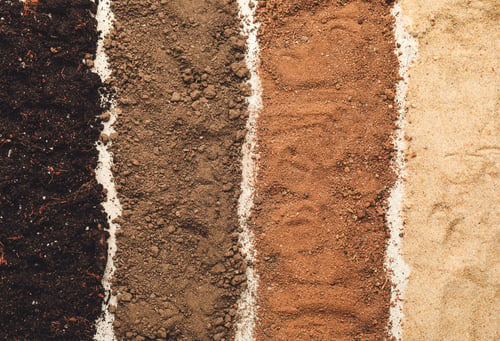
1. Sandy Soil

Sandy soil works well with all Cannabis Seeds because it’s coarse and offers excellent drainage. However, it does have poor water retention. When you water sandy soil, various nutrients—including nitrogen—wash away. Despite that, sandy soil offers low pH, keeps your soil airy, has high oxygen levels, and is easy to use.

2. Silty Soil

If you’re looking for soil rich in minerals and organic particles, silty soil is your best friend. Silty soil has incredible water retention, yet it also offers superb drainage. Silty soils are also simple to use and medium-coarse.

3. Loamy Soil

Loamy soil is one of the best soil types for growing cannabis because it provides maximum drainage and water retention. It’s also high in oxygen and nutrients. However, loamy soil is often expensive, so it’s not ideal if you’re on a strict budget.

4. Clay Soil

Although clay is a heavy soil that’s not always easy to work with, it’s superb for most Cannabis Seeds because it’s very rich in minerals and nutrients. However, although clay soil holds water well, it has poor drainage.

What Are the Signs of a Good Soil?

  • A good soil will have perlite and coco already added to it.
  • If your soil has worms, this is a good thing because worms aerate the soil.
  • A good soil brand will state its N-P-K values, such as amount of compost, perlite, trace elements, etc.

What Are the Signs of a Bad Soil?

  • Bad soil will have an unpleasant smell; this means bacteria is likely present. Keep this away from your cannabis.
  • The soil will feel dense and heavy because the drainage is poor.

Making Your Own Soil Mixture

If you’ve just started growing cannabis, getting ready-made soil from the grow store might be the best choice. Top-quality cannabis soil—from a reputable store—often has everything your plants require in perfect ratios.

Yet, in some cases, it’s an excellent idea to make your own soil mix instead of purchasing a mixture from stores. Some ready-mixed soil may be too high in nutrients, such as nitrogen.

This soil mixture contains adequate nutrients and can boost the aeration of the soil medium:

  • 3 parts compost
  • 3 parts peat moss
  • 2 parts perlite, pre-wet
  • 1 part vermiculite, pre-wet

However, it’s important to go easy on the fertilizer when using autoflowering seeds because they are compact and short. As a result, they don’t require additional nutrients. Autoflowering seeds, however, need aerated soils for optimum root oxygenation.

Soil Substrates To Add to Your Cannabis Soil

1. Coco

If you add a 25-50% ratio of coco coir to your cannabis soil, your soil will become lightweight and airy, which is perfect for autoflowering seeds. By adding coco to soil, you’ll enhance the air pockets and encourage a mass expansion in the rhizosphere. The best advantage of adding coco is it’s an inert growing medium.

2. Biochar

Biochar is excellent for autoflowering seeds because it offers incredible water-holding capabilities, has a massive surface area, and it’s a pure carbon source. You can make biochar by heating wood to very high temperatures, whereby you begin to see a small, charcoal-black crystalline substrate. Organic farmers love using biochar because it’s 100% carbon and has a shelf-life of thousands of years.

3. Perlite

Perlite is popular for cannabis growers because it improves drainage while holding a specific amount of water. If your soil is too heavy for your preference, adding perlite is an excellent way to improve aeration and drainage. Many growers find perlite-rich mediums superb for cannabis seed germination or cuttings.

4. Vermiculite

Vermiculite is a natural mineral made from magnesium, aluminum, and silicates. Many growers will use vermiculite to keep their roots moist for longer. Thankfully, vermiculite is simple to blend with soil and other additives if you’re making a soil mixture.

5. Clay Pebbles

Although many cannabis cultivators are familiar with clay pebbles as part of a hydroponic setup, they aren’t aware you can also use them to improve soil quality. By adding clay pebbles to the bottom of your raised beds and containers, they can assist with drainage and prevent water from pooling.

Final Thoughts

Although cannabis soil may seem complicated on the surface, with this guide, you can find the best soil to match your requirements. Remember, your soil is incredibly important; without good soil, it’s hard to grow good cannabis.