




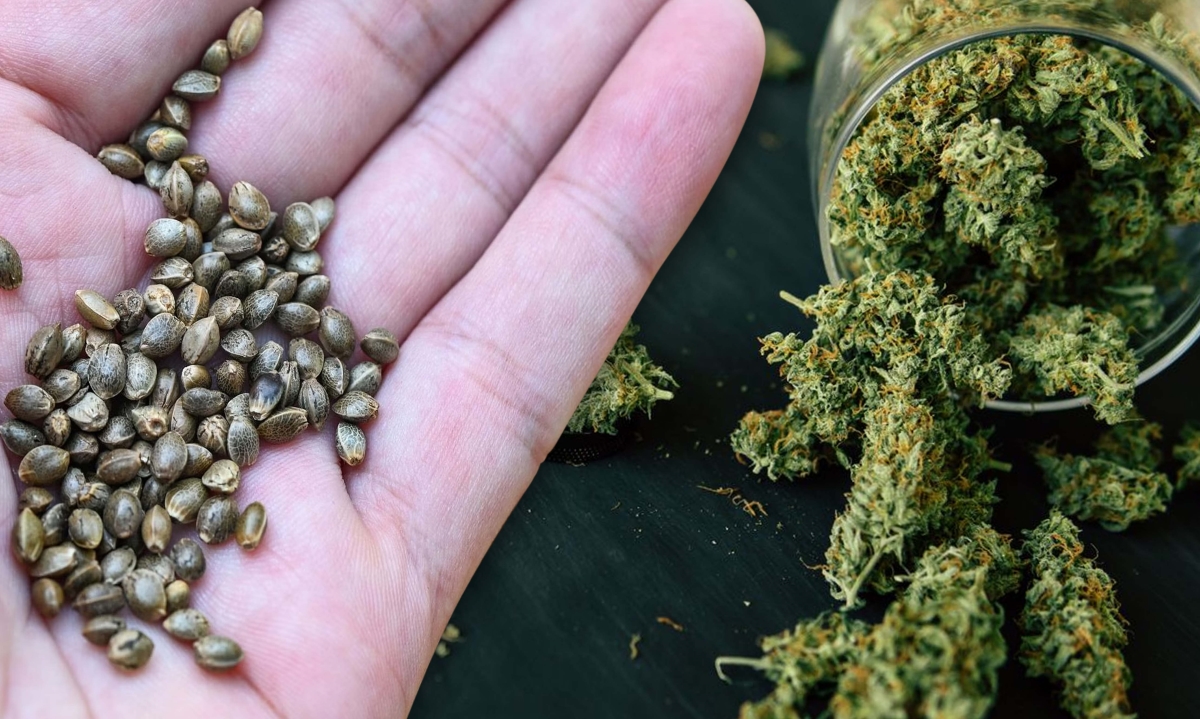
500 NEW MARIJUANA SEEDS RELEASED

Exploring the Science Behind Weed-Induced Twitching


Embarking on a journey of discovery, let’s unravel the intriguing question that some cannabis enthusiasts ponder: “Why do I twitch when I’m high?” Cannabis, a longstanding favorite among recreational substances, introduces a fascinating twist with its occasional side effect—weed-induced twitching. Fasten your seatbelts as we delve into the science, myths, and coping strategies associated with this phenomenon.

THC and Nervous System Interaction

At the core of the matter lies THC, the psychoactive compound in cannabis. THC possesses a unique ability to engage with our nervous system, particularly the endocannabinoid system. This interaction can lead to diverse effects, including altered perception and, intriguingly, muscle twitching. Let’s explore this connection further.

THC’s interaction with the endocannabinoid system is akin to a molecular dance, influencing the way neurons communicate. The endocannabinoid system plays a pivotal role in regulating various physiological processes, such as pain perception, mood, and motor control. When THC engages with this system, it can prompt changes in muscle tone and trigger involuntary movements, manifesting as muscle twitching.

Muscle Relaxation vs. Twitching

weed twitch

One perspective suggests that cannabis, especially high-THC strains, induces muscle relaxation. However, when this relaxation surpasses a certain threshold, it may manifest as twitching in some individuals. While sought after by users for unwinding and tension relief, excessive relaxation can result in discomfort due to muscle twitches or spasms.

To delve deeper, it’s essential to understand the delicate balance between muscle relaxation and twitching. Cannabis, as a muscle relaxant, eases tension and promotes a sense of calm. However, when the relaxation becomes disproportionately intense, it can evolve into twitching. This phenomenon highlights the nuanced nature of cannabis’s impact on muscle behavior and how individual responses may vary.

Anxiety and Twitching

weed twitch

Another factor at play is anxiety. For some, cannabis consumption can trigger anxious feelings, potentially leading to muscle twitching. The intricate relationship between anxiety and weed-induced twitching warrants a closer look.

Anxiety-induced twitching is not uncommon among cannabis users, and it’s crucial to recognize the psychological component of this phenomenon. Cannabis’s interaction with the nervous system can heighten sensitivity, and in the presence of anxiety, this heightened sensitivity may translate into muscle twitching. Understanding this interplay provides valuable insights for users aiming to manage anxiety-related twitching during their high.

The “Cannabis High” Spectrum

Not all cannabis highs are created equal. We categorize the cannabis high into different spectrums, examining which ones are more likely to lead to twitching.

  • Euphoric High: Sativa-dominant strains, known for uplifting and energetic effects, are less likely to induce twitching and are associated with increased creativity and sociability.
  • Relaxing High: Indica strains, with their relaxing and sedative effects, can cause muscle relaxation but are less likely to result in pronounced twitching.


Understanding the nuances of the “Cannabis High” Spectrum provides users with valuable information when choosing strains based on their desired effects. Recognizing that Sativa-dominant strains are more likely to induce euphoria and energy, while Indica strains lean towards relaxation, enables users to make informed decisions aligning with their preferences and minimizing the risk of unwanted twitching.

Individual Variability

Acknowledging that not everyone experiences twitching when high is crucial. Individual factors play a significant role in determining susceptibility.

  • Sensitivity to THC: Some individuals are more sensitive to THC, increasing the likelihood of experiencing muscle twitches.
  • Tolerance: Regular cannabis users may develop tolerance to THC’s muscle-relaxing effects, reducing the likelihood of twitching over time.
  • Pre-existing Conditions: Certain medical conditions, such as restless leg syndrome, may make individuals more susceptible to muscle twitches, even when using cannabis.


Understanding individual variability contributes to a personalized approach to cannabis use. Those sensitive to THC’s effects may opt for strains with lower THC content, while regular users might navigate their tolerance levels. Recognizing pre-existing conditions allows users to anticipate and manage potential twitching more effectively.

Coping Strategies

For those bothered by weed-induced twitching, fear not—practical tips and strategies are available to manage and reduce this sensation.

  • Moderation: Start with lower cannabis doses to minimize the risk of excessive relaxation and twitching.
  • Hydration: Staying well-hydrated can alleviate muscle twitches.
  • CBD: Consider strains or products with higher CBD content, as CBD can counteract some of THC’s muscle-relaxing effects.
  • Relaxation Techniques: Incorporate deep breathing or mindfulness to reduce anxiety-induced twitching.


These coping strategies form a holistic approach to enhancing the cannabis experience. Moderation ensures a balanced high, hydration supports overall well-being, CBD introduces a counterbalance to THC’s effects, and relaxation techniques mitigate anxiety-related twitching. Users can tailor these strategies to their preferences, creating a personalized toolkit for a more enjoyable and comfortable cannabis journey.

Debunking Common Misconceptions

Let’s dispel myths surrounding weed twitching and provide accurate information.

Myth: Twitching is Dangerous
Fact: While uncomfortable, muscle twitches are generally harmless and not cause for concern.

Myth: All Cannabis Causes Twitching
Fact: Strains and types of cannabis vary in their twitch-inducing effects.

Debunking these misconceptions contributes to a more informed and responsible cannabis culture. Understanding that twitching is a nuanced aspect of the cannabis experience and not inherently dangerous fosters a healthier perspective among users.

Conclusion

In conclusion, the question of “Why do I twitch when I’m high?” involves multiple factors. THC’s interaction with the nervous system, individual responses, and strain choices contribute to twitching. Understanding your body’s reaction, selecting suitable strains, and employing coping strategies can help you enjoy your high without unwanted twitching.

The journey into understanding weed-induced twitching is ongoing, and as cannabis research progresses, more insights may surface. For now, users can navigate their cannabis experiences with a well-rounded understanding, fostering a more positive and informed relationship with this beloved recreational substance.

FAQs

FAQ 1: Is twitching while high be dangerous?
Twitching when high is generally harmless. If severe or prolonged, consulting a medical professional is advisable.

FAQ 2: Are there strains less likely to cause twitching?
Yes, some strains, particularly Indica-dominant ones, are less likely to induce twitching compared to high-THC Sativa strains.

FAQ 3: Can anxiety worsen twitching when high?
Yes, anxiety can exacerbate twitching. Managing anxiety through relaxation techniques can help reduce this effect.

FAQ 4: Is there a way to prevent twitching when consuming cannabis?
While preventing twitching entirely may not be possible, choosing the right strain, practicing moderation, and staying hydrated can help minimize it.

FAQ 5: What if I enjoy the sensation of twitching when high?
If the twitching sensation is enjoyable and not bothersome, there’s no need for concern. Embracing individual preferences fosters a more inclusive and understanding cannabis community.
What Weed Strain Gives You The Giggles


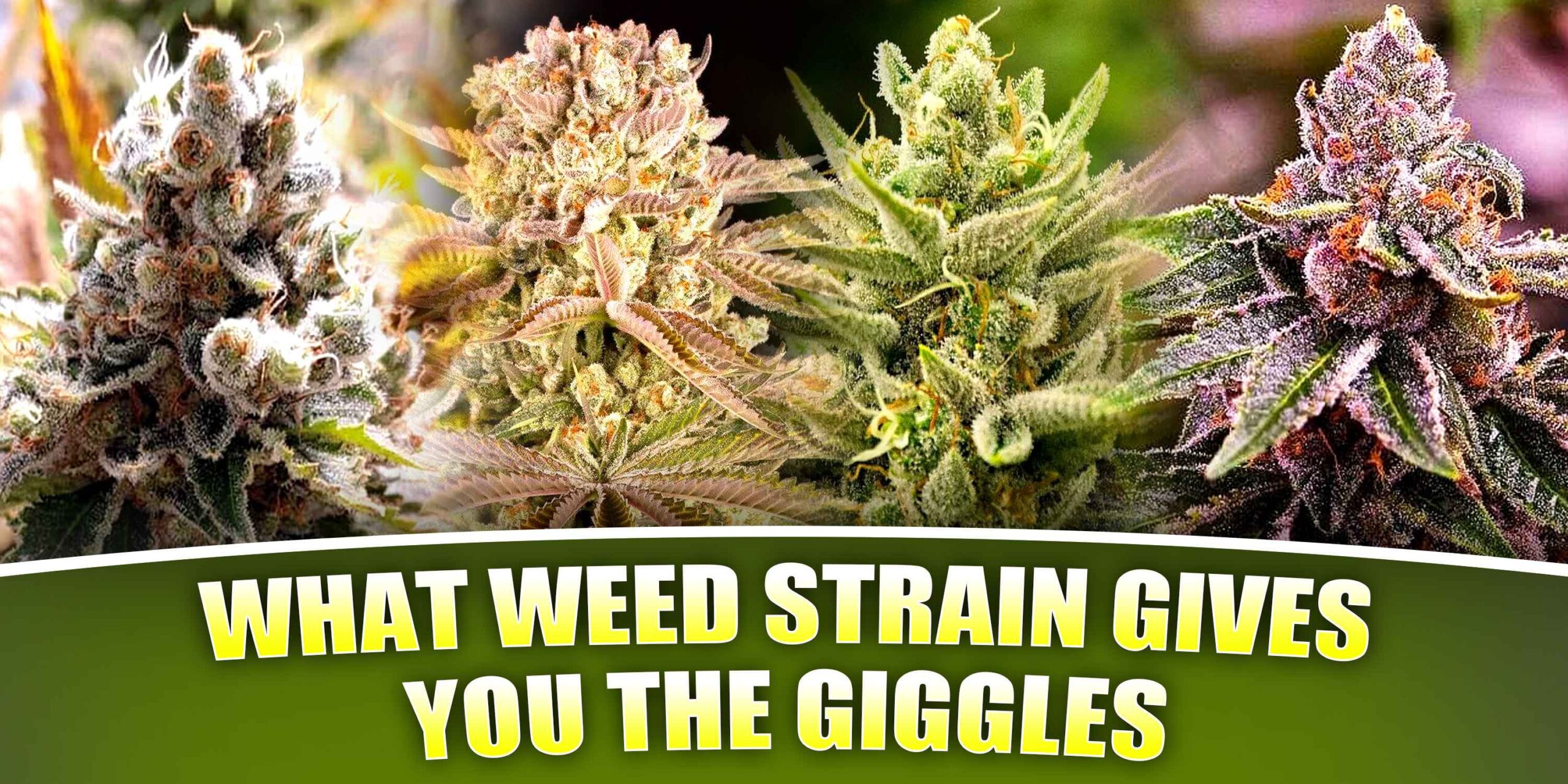
It’s like finding a hidden treasure to discover the right strain. If you’re looking for a good mood and lots of laughter, searching for the perfect giggly weed strain is fun and rewarding. There are different types of strains, from fruity ones that make you feel happy to earthy ones that lift your spirits. Let’s explore what weed strain gives you the giggles and learn how to find the one that’s right for you.

Best Weed for Giggles

From well-loved classics to new hybrids, each strain brings its mix of tastes, smells, and effects to boost your spirits and bring happiness.

In today’s market, popular giggly strains include:

Laughing Buddha

what weed strain gives you the giggles

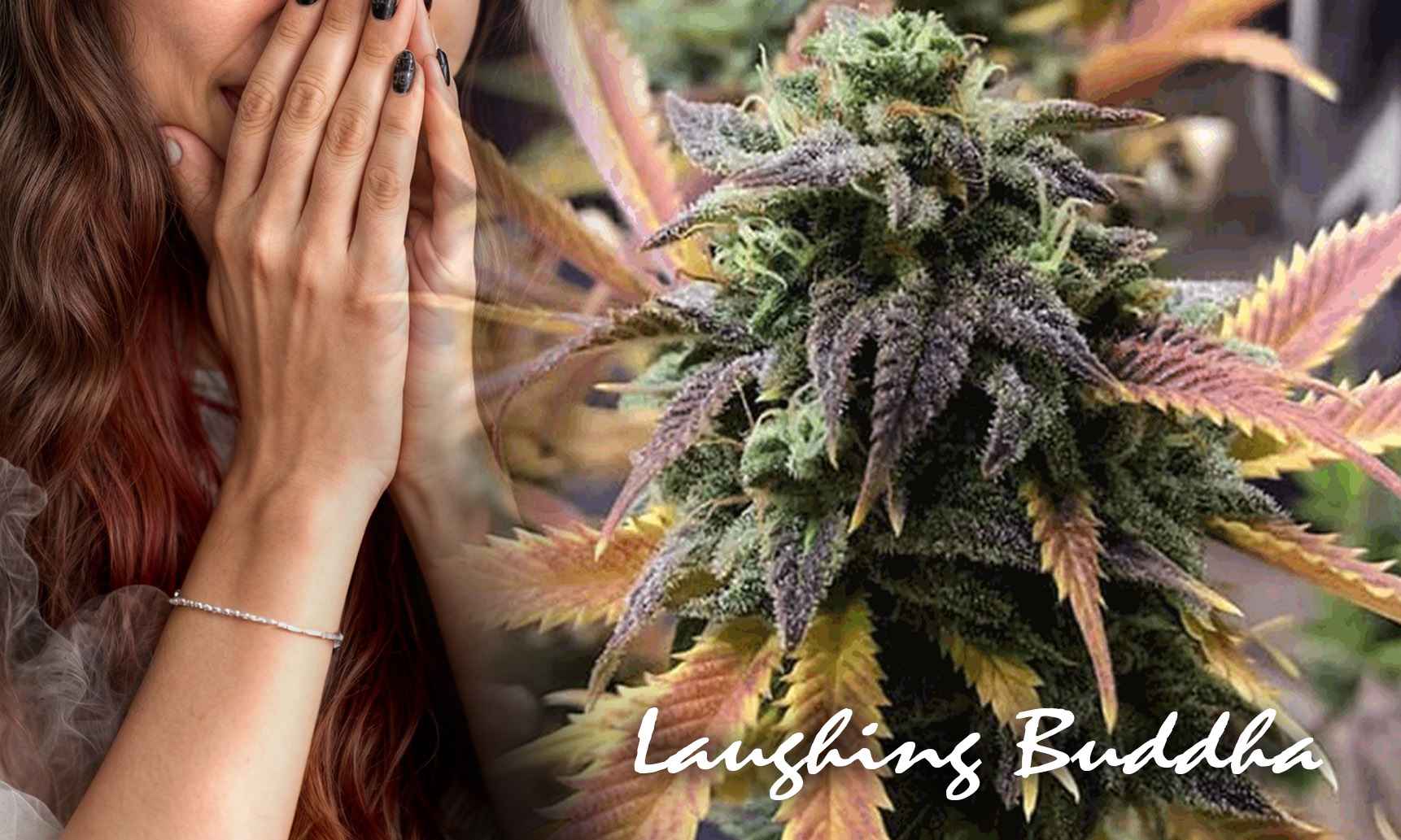
Laughing Buddha, a Sativa-dominant strain, is famous for making people feel euphoric and giggly. Its uplifting effects and citrusy smell make it great for improving mood and sparking creativity. Laughing Buddha is known for giving you a happy and sociable buzz, perfect for daytime activities with friends or when you’re feeling creative.
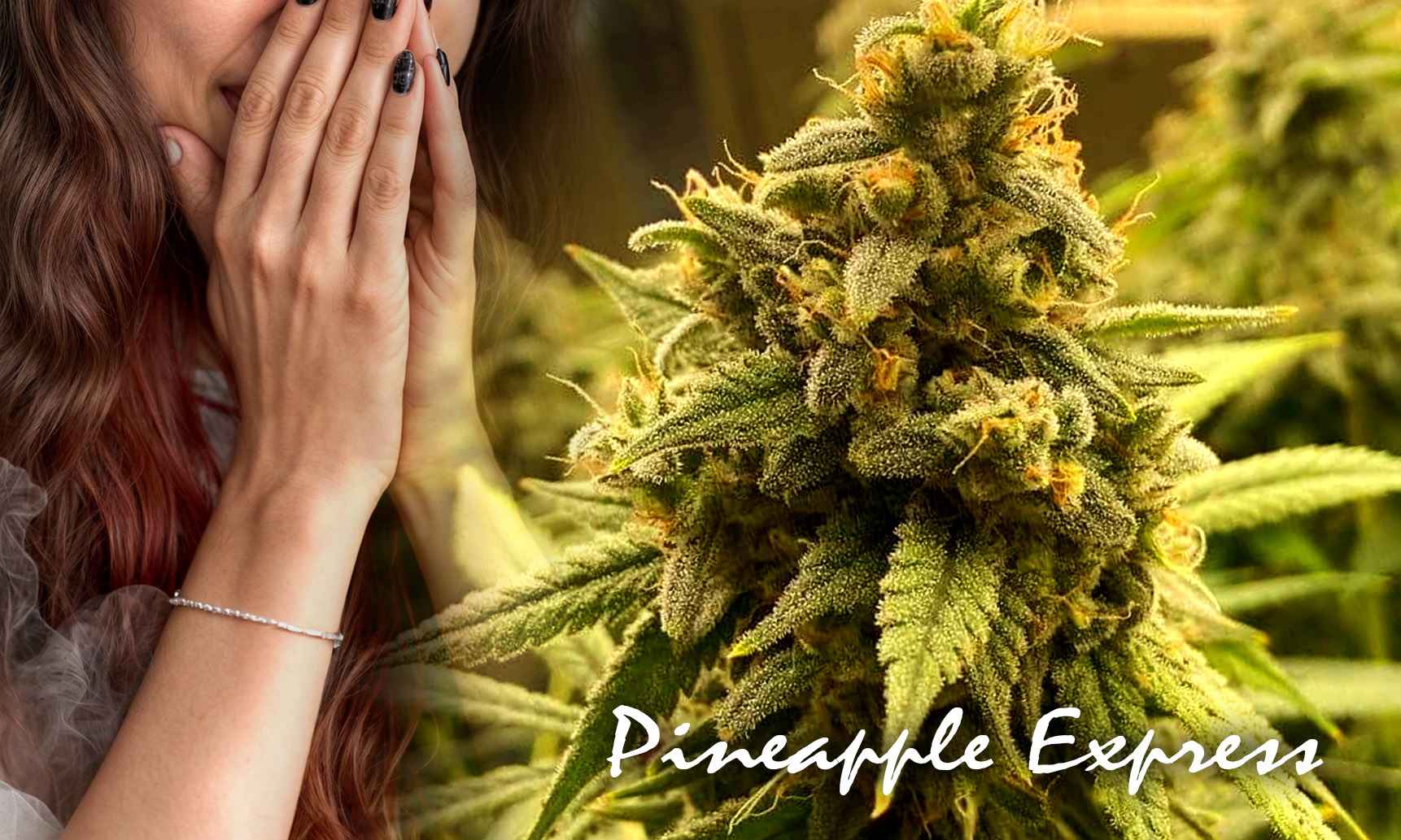
Pineapple Express

what weed strain gives you the giggles

Pineapple Express is a hybrid strain loved for its tropical taste and strong effects. It brings together the best of Sativa and Indica to give a balanced high, lifting your mood while also relaxing your body. With its sweet, fruity smell like fresh pineapple, Pineapple Express is irresistible. Whether you want to laugh or ease stress, this strain brings a happy, content feeling, leaving you euphoric.

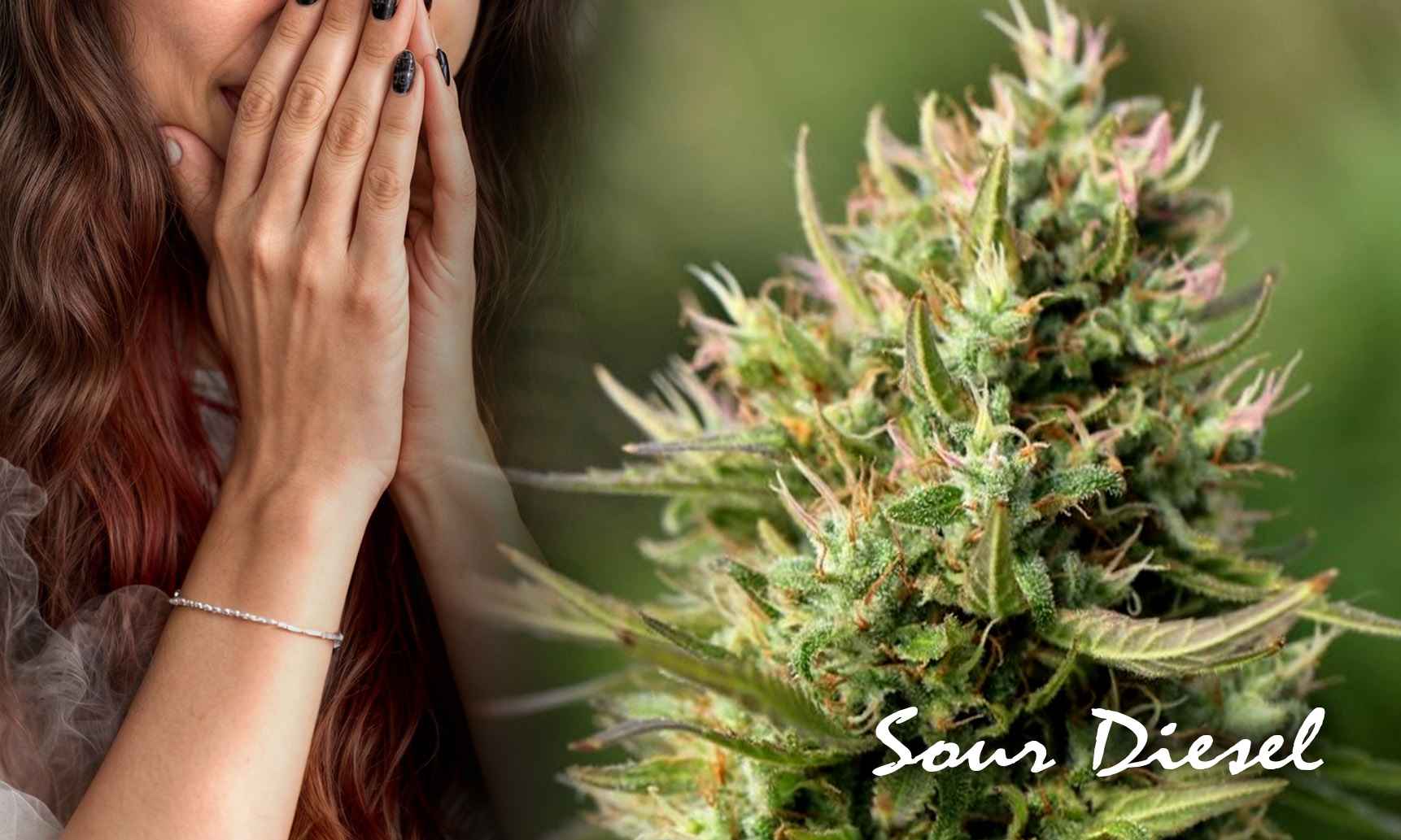
Sour Diesel

what weed strain gives you the giggles

Sour Diesel, a famous Sativa strain, is known for its strong smell and energizing effects. With its diesel-like scent and earthy hints, Sour Diesel wakes up your mind and lifts your spirits. It’s loved for making you feel happier and more creative, especially among artists and fans. Sour Diesel gives a mental buzz that brings laughter and helps you concentrate, perfect for daytime activities or hanging out with friends where laughter is key.

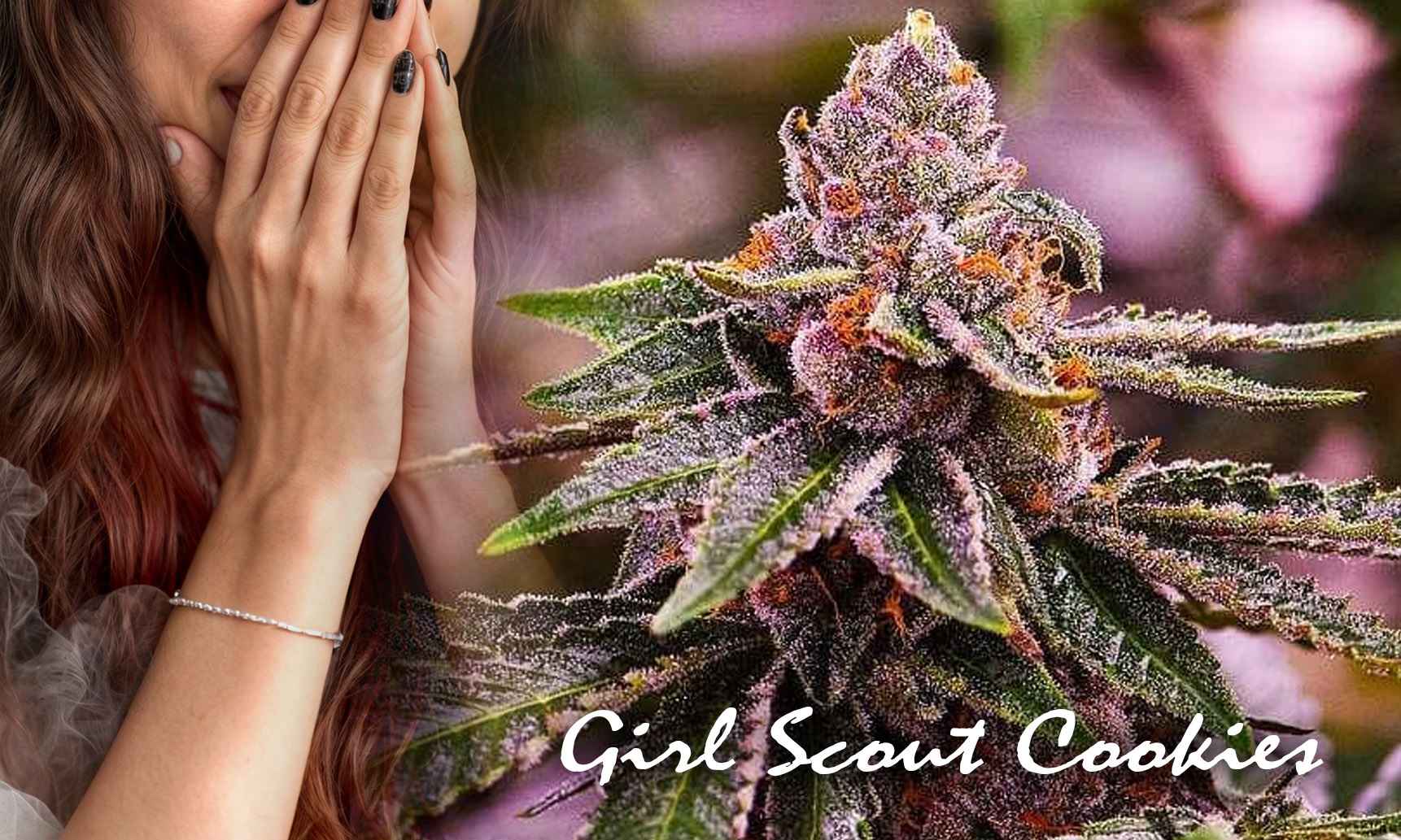
Girl Scout Cookies

what weed strain gives you the giggles

Girl Scout Cookies, also known as GSC, is a hybrid strain famous for its sweet and earthy taste. It’s loved for its strong effects and happy high, making people laugh and relax at the same time. GSC combines Sativa and Indica traits, giving a mental boost that lifts your mood and calms your body. Whether you’re chilling after work or having fun with friends, Girl Scout Cookies guarantees giggles and smiles for everyone.

These strains have unique qualities that suit various tastes, whether you like citrusy smells or earthy flavors. Learning about their traits can help you find the giggly experience you’re looking for.

Understanding the Effects

The giggly effect of some strains comes from their chemical composition, including terpenes and cannabinoids that interact with the body’s endocannabinoid system. While THC mainly causes the happy feeling linked with cannabis, CBD and terpenes also play a role in the overall experience. Giggly strains usually have a balanced THC:CBD ratio, giving a feeling of relaxation and joy without too much of a mind-altering effect.

Indica vs. Sativa Giggly Strains

what weed strain gives you the giggles

Distinguishing between Indica and Sativa strains is important when looking for giggles. Indica strains are famous for their relaxing effects, great for unwinding and relieving stress. Conversely, Sativa strains are known for their uplifting and energizing qualities, perfect for boosting creativity and socializing. While both types of strains can make you laugh, Sativas are often preferred for their stimulating effects, making them a top choice for those seeking a euphoric high.

Giggly Hybrid Varieties

Hybrid strains give you a mix of Indica and Sativa traits, blending their distinct features. Whether you prefer a hybrid with more Sativa influence for daytime laughs or one with more Indica for evening chill, hybrids offer versatility and customized effects to match how you feel and what you like.

Choosing the Perfect Giggly Weed Strain

Choosing the right giggly weed strain means thinking about different things like taste, strength, what you want it to do, and how you use it. Here’s a step-by-step guide to help you find the perfect one for you:

1. Assessing Flavor Preferences
Discover the wide range of flavors in different strains, from fruity and sweet to earthy and spicy. Think about whether you like citrusy smells, tropical hints, or herbal tastes, as the flavor can make your experience better.

2. Determining Desired Effects
Figure out what effects you’re after, like feeling really happy, being creative, or just relaxing. Giggly strains can be different in how strong they are and how quickly they start working, so it’s important to match what you want with what the strain offers for the best experience.

3. Considering THC and CBD Levels
Consider how much THC and CBD each strain has because these chemicals affect how it feels. Strains with more THC might make you feel more “high,” while ones with balanced amounts of THC and CBD give you a smoother, more even feeling that’s good for laughter and feeling really happy.

FAQs

Q: Can weed make you laugh uncontrollably?
Yes, certain strains containing high levels of THC and uplifting terpenes can induce fits of laughter, especially when consumed in a social setting or a joyful environment.

Q: Are there any risks associated with using cannabis for laughter?
While cannabis is generally considered safe for recreational use, it’s essential to consume responsibly and be aware of potential side effects such as dry mouth, red eyes, and increased heart rate. Avoid driving or operating heavy machinery while under the influence, and consult a healthcare professional if you have any concerns.

Q: Can I mix different strains to enhance the giggly effect?
Mixing strains, also known as “blending,” can lead to unpredictable effects and may not necessarily enhance the giggly experience. It’s best to experiment with individual strains and find one that resonates with your preferences and tolerance level.

Q: How long do the giggly effects of cannabis typically last?
The duration of giggly effects varies depending on factors such as strain potency, consumption method, and individual metabolism. Generally, you can expect the effects to last anywhere from one to three hours, with residual effects tapering off gradually.

Q: Can I develop a tolerance to giggly weed strains over time?
Like with any substance, regular cannabis use can lead to tolerance, requiring higher doses to achieve the desired effects. To prevent tolerance buildup, consider taking regular breaks or rotating between different strains to keep your tolerance levels in check.

Purple Haze Benefits: A Legendary Cannabis Strain


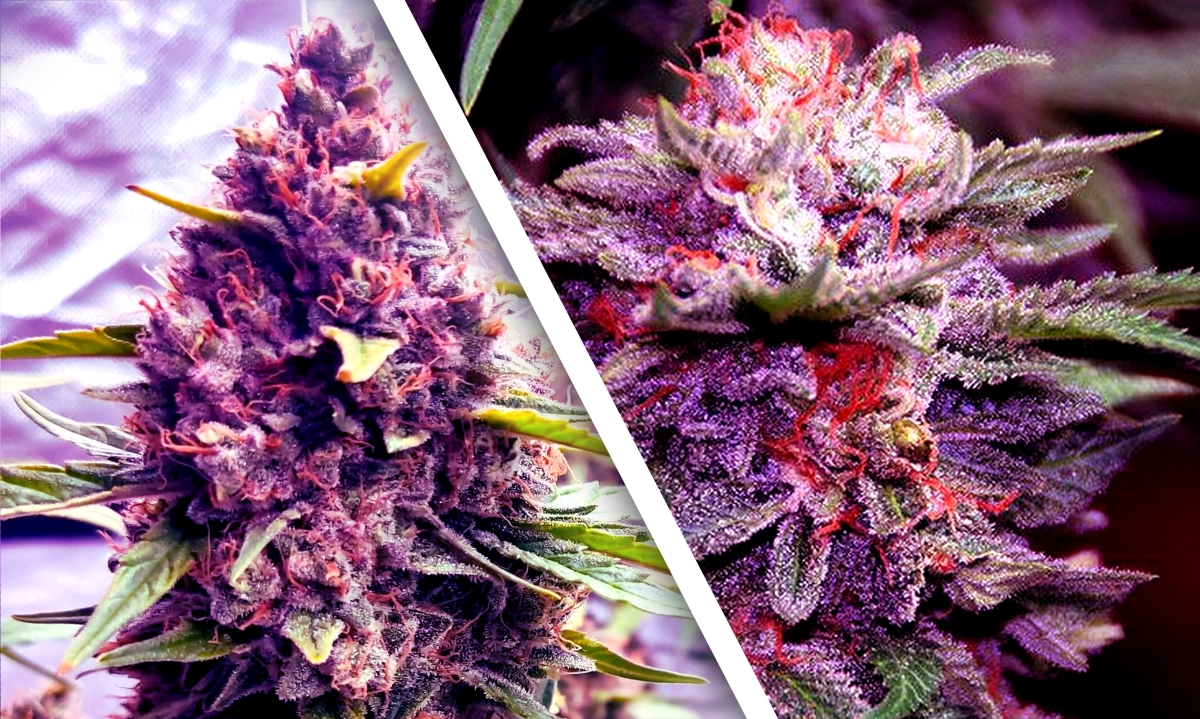
Purple Haze is a famous type of cannabis that comes from the world of growing marijuana. No one knows for sure where it first came from, but there are different stories about how it started. Some people say it started in Thailand in the early 1970s. Others think it began in Colombia in the mid-60s. Despite not knowing exactly where it came from, Purple Haze became popular because of two important people: The Haze Brothers and Dave Watson, who is also known as Sam The Skunkman. They brought Purple Haze to Amsterdam in the late 1970s, and that’s when it started to become well-known.

The Genetics of Purple Haze

purple haze benefits

The genetic background of Purple Haze is a topic of debate among people who are into cannabis. Some think it might be a specific version of the OG Sativa Haze. Others believe it’s a mix of Sativa Haze and Purple Thai strains. When you combine these different strains, you get Purple Haze, which is known for making you feel both mentally energized and physically uplifted. This makes Purple Haze a very popular type of cannabis, especially for people who really love Sativa strains.

The Attributes of Purple Haze

Aroma and Flavor Profile

Purple Haze smells really good and tastes delicious too. It has a mix of earthy, sweet, and citrus flavors that make it enjoyable to smoke. When you breathe it in, the smoke feels smooth, and when you breathe out, you might notice a hint of berries. Whether it has a grape smell or other tasty hints, the scent of Purple Haze sticks around and leaves a lasting impression on people who really know their cannabis.

Terpene Composition

purple haze benefits

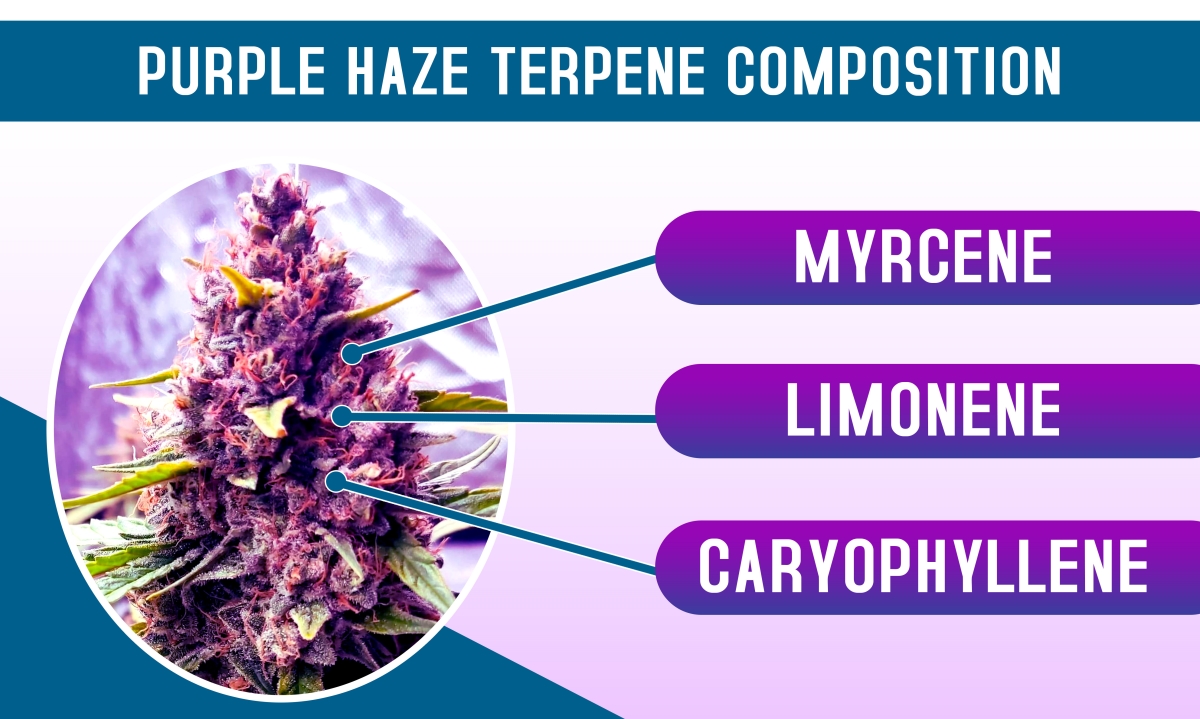
The main terpenes in Purple Haze are Myrcene, Limonene, and Caryophyllene. These terpenes don’t just make it smell good; they might also have some health benefits. Myrcene can help you relax, Limonene might improve your mood, and Caryophyllene could reduce inflammation. Together, they make the experience of using Purple Haze even better.

The Potency and Effects of Purple Haze

Potency Profile

Purple Haze was once known as one of the strongest strains out there, and it’s still really popular even as standards in the cannabis industry change. It usually has around 16 to 19% THC, but in the best conditions, it can get as high as 22 to 23%. Purple Haze keeps its strong effects, impressing even the most picky fans with how it affects the mind.

Psychedelic Effects

Purple Haze makes you feel really happy and creative, which makes it great for having deep conversations and doing art projects. Even though it’s mostly Sativa, Purple Haze also gives you a kind of trippy, mind-expanding feeling that’s perfect for hanging out with friends and having fun. It’s exactly what you’d expect from a really stimulating strain of cannabis.

Medicinal Applications

Apart from being popular for fun, Purple Haze can also help people feel better emotionally. It might help lift your mood, manage stress, and help you concentrate better. It could even ease feelings of anxiety and depression, but because it’s strong, it’s important to be careful how much you use. It’s best to use it moderately to get the good effects without feeling bad afterward.

Cultivating Purple Haze

Optimal Growing Conditions

Growing Purple Haze requires paying close attention to the environment to help it grow well. It does best in places with mild weather, lots of sun, and soil that drains water well. By trimming the plants carefully and giving them enough support as they grow, you can make sure you get a lot of strong, purple-colored buds when it’s time to harvest.

Propagation Techniques

To grow Purple Haze successfully, you need to pick the best seeds and follow well-known growing methods carefully. Using techniques like topping and SCroGging, which put some stress on the plants, can help make sure the plants grow evenly and produce a lot of buds. This way, you can get the most out of your crop and bring out the best qualities of the strain.

Harvesting and Processing

When you harvest Purple Haze at just the right time, you get the most cannabinoids and terpenes, which make it stronger and tastier. By changing things like temperature and light while the plants are flowering, you can make the purple color of the buds stand out even more. After harvesting, it’s important to dry and cure the buds properly to keep all the terpenes intact. This way, you end up with a top-quality product that lives up to Purple Haze’s great reputation.

Conclusion

In summary, Purple Haze isn’t just any ordinary cannabis strain—it’s become a cultural icon known for its lasting impact and widespread popularity. From its mysterious beginnings to its therapeutic benefits and the careful techniques needed to grow it, Purple Haze continues to fascinate fans with its charm and appeal, solidifying its place as a fundamental part of cannabis culture. As we continue to explore and develop new methods in cannabis cultivation, let’s always remember the legacy of Purple Haze, a true testament to the incredible potential of plants.
FAQs

Q: What are the typical effects of Purple Haze?
A: Purple Haze usually makes you feel happy and creative, sometimes even a bit trippy.
Q: How do you grow Purple Haze successfully?
A: To grow Purple Haze well, you need to choose good seeds and follow proven growing techniques carefully, like trimming the plants and giving them enough support.

Q: What makes Purple Haze buds purple?
A: Purple Haze buds can turn purple because of changes in temperature and light during the flowering stage, which makes a special pigment called anthocyanin develop more.

Q: Is Purple Haze good for medical use?
A: Yes, Purple Haze can be helpful for managing stress and improving mood, but it’s important to use it moderately because it’s strong.

Q: How can you preserve the quality of Purple Haze after harvesting?
A: After harvesting, it’s important to dry and cure the buds properly to keep all the good flavors and smells intact.

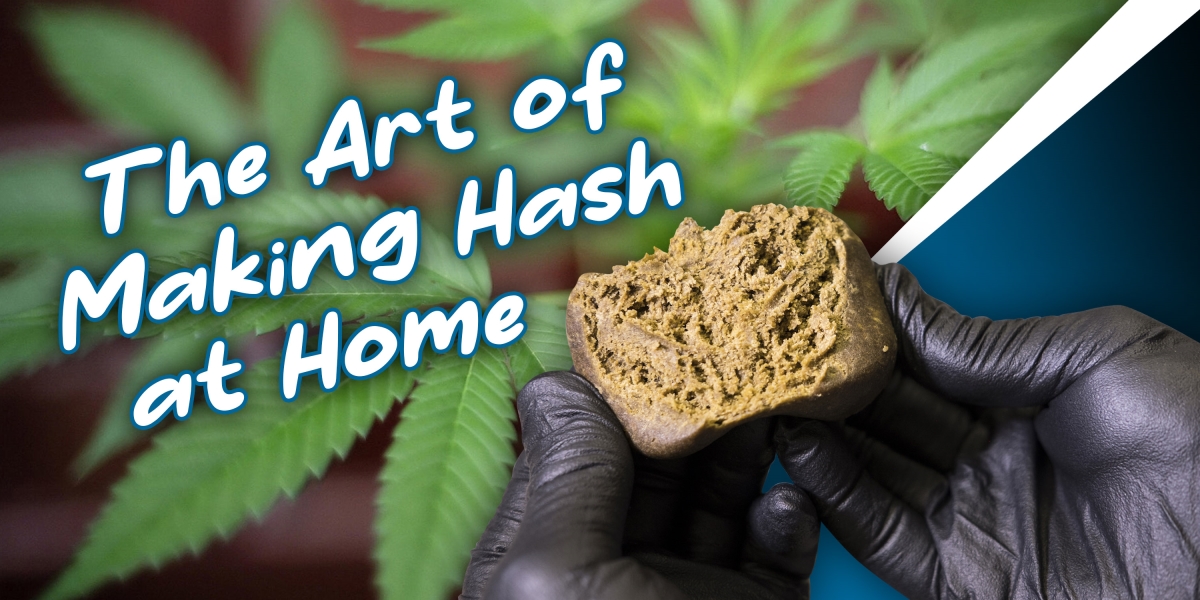
The Art of Making Hash at Home


Making hash at home is not just about crafting a product; it’s about indulging in an art form that amplifies the essence of cannabis. Whether you’re a novice or a seasoned enthusiast, mastering the art of hash making elevates your cannabis experience to new heights. In this comprehensive guide, we delve into the intricacies of creating hash at home, from understanding the fundamentals to exploring the most efficient methods for achieving the highest yield.

How to Make Hash Cannabis From Bud

Hash, derived from the resin glands of the cannabis plant, encapsulates the concentrated essence of cannabinoids and terpenes. To embark on your hash-making journey, you’ll need premium-quality cannabis buds rich in resin. Select strains renowned for their resin production, such as OG Kush or Afghan Kush, to ensure optimal results.

Deciphering the Extraction Process

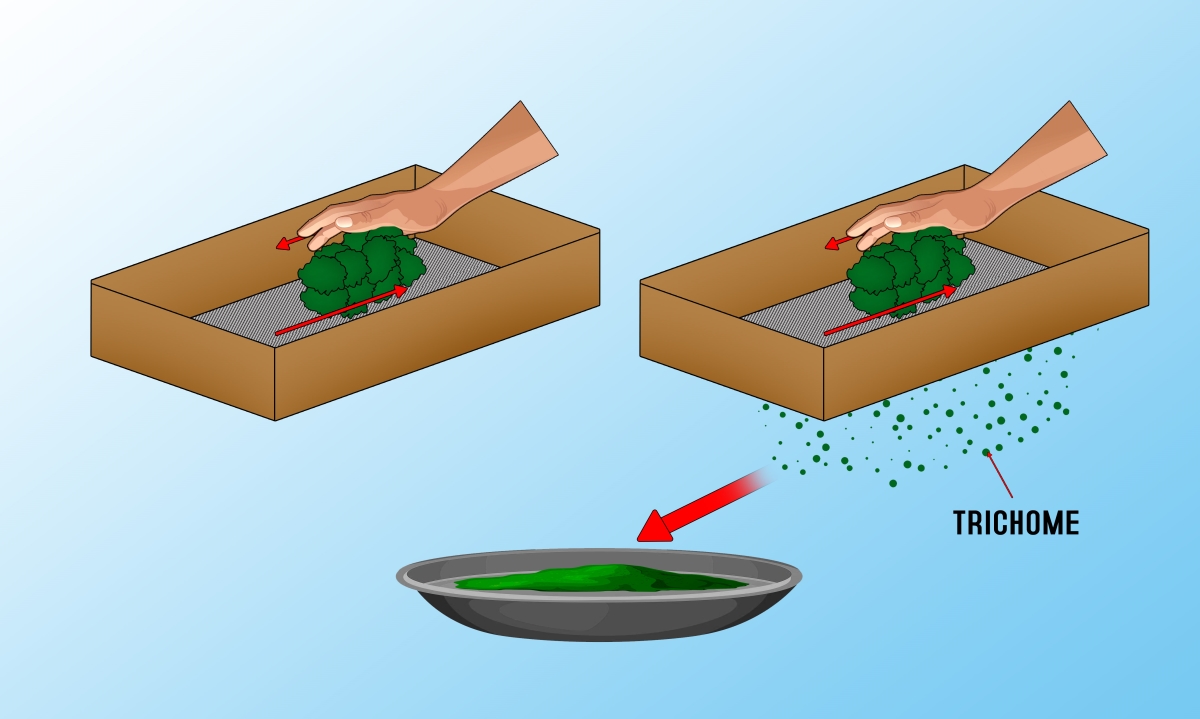
1. Dry Sift Method: Begin by gently agitating your cannabis buds over a fine mesh screen to sift out the trichome-rich resin glands.

Making Hash at Home


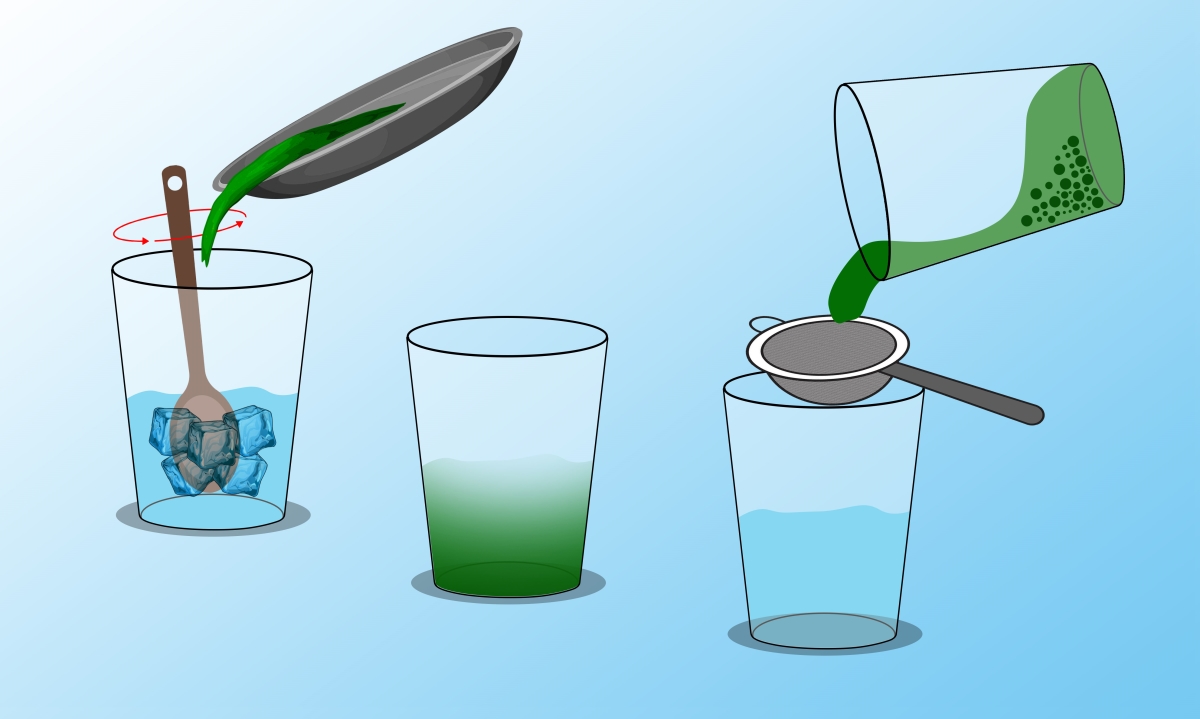
2. Ice Water Hash: Submerge your cannabis buds in ice-cold water and agitate them to detach the resin glands, which then separate and settle through filtration.

Making Hash at Home

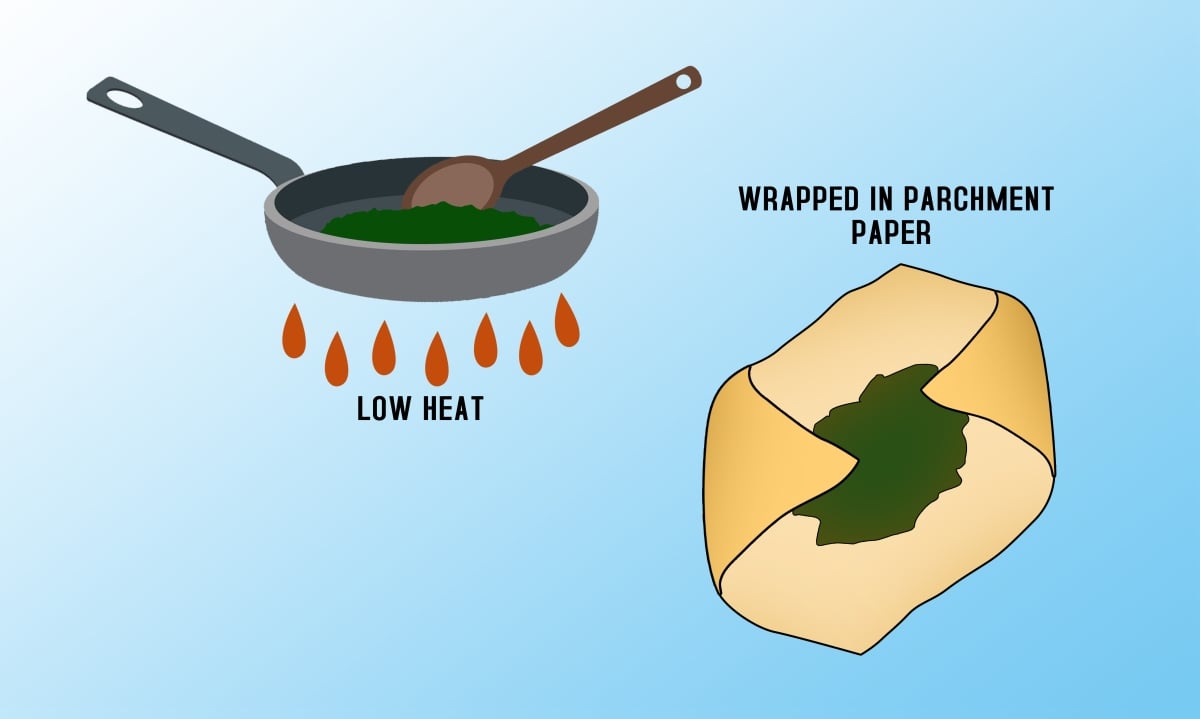
3. Rosin Press Technique: Apply heat and pressure to cannabis buds wrapped in parchment paper, resulting in the extraction of potent rosin.

Making Hash at Home

Refining Your Hash

After extracting the resin glands, it’s time to refine your hash for enhanced purity and potency.

  • Pressing: Utilize a hash press to compress the resin glands into cohesive blocks, enhancing their texture and potency.
  • Curing: Allow your freshly pressed hash to cure in a cool, dark environment to enhance its flavor profile and smoothness.


Elevating Your Experience

Indulge in the rich aromas and flavors of your homemade hash by incorporating it into various consumption methods, such as vaporization, smoking, or edibles. Experiment with different strains and extraction techniques to curate a personalized hash experience that tantalizes your senses.

Highest Yield Hash Method

Maximizing your hash yield requires precision, patience, and a deep understanding of extraction techniques tailored for optimal resin extraction.

  • Bubble Bag Technique: Utilize a series of progressively finer mesh bags to separate resin glands based on size, resulting in high-purity hash with exceptional yield.
  • Solvent Extraction: Employ solvents like ethanol or butane to dissolve resin glands, yielding potent extracts that can be further refined into premium-grade hash.


Enhancing Efficiency Through Technology

Investing in advanced extraction equipment, such as closed-loop extraction systems or rosin presses, empowers enthusiasts to streamline the hash-making process while maximizing yield and quality. Embrace technological innovations to elevate your hash-making endeavors to unprecedented heights.

7 Powerful Ways to Cure a Weed Hangover Naturally


Feeling the aftermath of a night of indulgence in cannabis? Worry not, as we delve into the comprehensive guide on how to cure a weed hangover naturally. Whether it’s grogginess, fatigue, or brain fog, we’ve got you covered with practical remedies and expert insights to help you bounce back quickly and regain your vitality.

Understanding the Weed Hangover

After a fun night of recreational cannabis use, it’s not uncommon to experience a weed hangover the next day. This phenomenon can leave you feeling lethargic, irritable, and less focused. Understanding the causes and symptoms of a weed hangover is crucial in effectively combating it.

Symptoms of a Weed Hangover

Experiencing a weed hangover can manifest in various ways, including:

  • Lingering fatigue
  • Dry mouth
  • Headache
  • Brain fog
  • Reduced cognitive function
  • Easing these symptoms promptly is key to a speedy recovery.


How to Cure a Weed Hangover

Combatting a weed hangover involves a multi-faceted approach, incorporating hydration, nutrition, rest, and natural remedies. Let’s explore seven powerful ways to alleviate the discomfort and reclaim your day.

1. Hydration is Key

how to cure a weed hangover

Replenishing lost fluids is paramount in combating the dehydrating effects of cannabis. Drink plenty of water throughout the day to flush out toxins and rehydrate your body effectively. Add electrolytes to your water for an extra boost of hydration.

2. Rest and Relaxation

how to cure a weed hangover

Allow your body ample time to rest and recuperate. Take breaks as needed and prioritize sleep to aid in the recovery process. A short nap or meditation session can do wonders in rejuvenating both body and mind.

3. Healthy Nutrition

how to cure a weed hangover

Fuel your body with nutritious foods that support detoxification and replenishment. Opt for fruits, vegetables, lean proteins, and whole grains to provide essential nutrients and energy. Avoid greasy or heavy meals, as they can exacerbate feelings of sluggishness.

4. Herbal Remedies

how to cure a weed hangover

Explore the therapeutic benefits of herbal remedies such as ginger, peppermint, and chamomile. These herbs can help alleviate nausea, soothe digestion, and promote relaxation. Brew a cup of herbal tea or incorporate these ingredients into your meals for added relief.

5. Exercise

how to cure a weed hangover

Engage in light exercise or movement to stimulate circulation and boost endorphin levels. Activities such as yoga, stretching, or a leisurely walk outdoors can invigorate your body and mind, helping you shake off the lingering effects of a weed hangover.

6. CBD Supplementation

how to cure a weed hangover

Consider incorporating CBD supplements to alleviate symptoms associated with a weed hangover. CBD, a non-psychoactive compound found in cannabis, offers anti-inflammatory, analgesic, and anxiolytic properties, which can promote relaxation and pain relief without the intoxicating effects of THC.

7. Mindfulness and Stress Reduction

how to cure a weed hangover

Practice mindfulness techniques such as deep breathing, meditation, or progressive muscle relaxation to manage stress and promote a sense of calm. Cultivating mindfulness can help alleviate anxiety, improve sleep quality, and enhance overall well-being, making it an invaluable tool in combating a weed hangover.

Conclusion

Navigating a weed hangover doesn’t have to put a damper on your day. By implementing these holistic approaches, you can effectively alleviate symptoms and promote a swift recovery. Remember to stay hydrated, nourished, and well-rested, and don’t hesitate to seek professional help if needed. Embrace self-care practices and mindfulness techniques to support your well-being and enjoy the benefits of cannabis responsibly.

FAQs

Q: Can I get a weed hangover from secondhand smoke?
A: Yes, exposure to secondhand cannabis smoke can potentially result in mild symptoms similar to a weed hangover, such as dry mouth or fatigue.

Q: How long does it take for a weed hangover to go away?
A: The duration of a weed hangover varies from person to person, but it typically resolves within a few hours to a day.

Q: Are there any home remedies to help with a weed hangover?
A: Yes, drinking plenty of water, resting, and consuming nutritious foods can help alleviate symptoms of a weed hangover naturally.

Q: Can I drink alcohol to help with a weed hangover?
A: Mixing alcohol with cannabis can intensify symptoms and increase the risk of dehydration and other adverse effects. It’s best to avoid alcohol when experiencing a weed hangover.

Q: Is it safe to consume caffeine during a weed hangover?
A: While caffeine may provide a temporary energy boost, it can also exacerbate anxiety and dehydration. Opt for hydrating beverages like water or herbal tea instead.

Why Does Weed Make Me Sneeze?


Sneezing, a common bodily reaction, can sometimes be triggered by unexpected factors. For those who indulge in cannabis, it’s not uncommon to wonder: why does weed make me sneeze? In this guide, we discover the science behind why weed make me sneeze, exploring various factors that may contribute to sneezing after smoking weed and can you be allergic to certain strains of weed?

The Science Behind Cannabis and Sneezing

Why Does Weed Make Me Sneeze

Sneezing is the body’s way of clearing irritants from the nasal passages. When it comes to cannabis, several factors can stimulate the sneeze reflex. One possible explanation is the presence of allergens in marijuana, such as pollen or plant matter, which can trigger allergic reactions in sensitive individuals.

Allergens in Marijuana

Marijuana plants produce pollen as part of their reproductive process. This pollen can contain allergenic proteins that may elicit an immune response in susceptible individuals. Additionally, other components of the cannabis plant, such as terpenes and cannabinoids, could also contribute to allergic reactions and sneezing.

Understanding Individual Sensitivities

Why Does Weed Make Me Sneeze

Not everyone experiences sneezing when using cannabis, indicating that individual sensitivities play a significant role. Factors such as genetics, immune system function, and past exposure to allergens can influence how the body reacts to marijuana.

Genetics and Allergic Reactions

Genetic predispositions can make certain individuals more prone to allergic reactions to cannabis. Variations in genes related to immune function and histamine response may increase the likelihood of experiencing sneezing or other allergic symptoms when exposed to marijuana.

Immune System Response

The body’s immune system plays a crucial role in identifying and neutralizing foreign substances. In some cases, the immune system may perceive components of cannabis as threats, leading to the release of histamines and other chemicals that trigger sneezing and other allergic symptoms.

Environmental Factors and Sneezing

In addition to individual factors, environmental elements can also influence whether cannabis induces sneezing. Factors such as pollen count, air quality, and exposure to other allergens can exacerbate allergic reactions in susceptible individuals.

Pollen Count and Allergies

During certain times of the year, pollen levels in the environment may be higher, increasing the likelihood of allergic reactions in sensitive individuals. For those prone to pollen allergies, exposure to cannabis during peak pollen seasons could lead to more frequent sneezing episodes.

Air Quality and Irritants

Poor air quality, such as exposure to smoke or pollutants, can irritate the nasal passages and exacerbate sneezing. When smoking or vaping cannabis, individuals may inhale irritants along with the active compounds, potentially triggering sneezing and discomfort.

Tips for Minimizing Sneezing While Using Cannabis

While sneezing due to cannabis consumption may be unavoidable for some individuals, there are steps that can be taken to minimize discomfort and reduce the likelihood of allergic reactions.

Choose High-Quality Products

Opt for cannabis products that have been tested for purity and potency, and avoid products that may contain contaminants or allergens.

Consider Alternative Consumption Methods

If sneezing is a persistent issue when smoking or vaping cannabis, consider alternative consumption methods such as edibles or tinctures, which bypass the respiratory system.

Pay Attention to Environmental Factors

Be mindful of environmental factors such as pollen levels and air quality, and try to consume cannabis in environments where exposure to allergens is minimized.

Consult with a Healthcare Professional

If sneezing and allergic reactions persist or become severe, consult with a healthcare professional for personalized advice and treatment options.

FAQs

Q: Can smoking weed make me sneeze even if I’m not allergic to it?
A: Yes, smoking weed can sometimes irritate the nasal passages, leading to sneezing, even in individuals who are not allergic to cannabis.

Q: Is it possible to develop a tolerance to sneezing from smoking weed?
A: While some individuals may become accustomed to the irritation caused by smoking weed and experience less frequent sneezing over time, it’s essential to be mindful of potential allergic reactions that can develop with repeated exposure.

Q: Can secondhand marijuana smoke make me sneeze?
A: Yes, inhaling secondhand marijuana smoke can irritate the nasal passages and trigger sneezing, similar to exposure to other types of smoke or pollutants.

Q: Are there any home remedies to relieve sneezing caused by smoking weed?
A: Drinking water or herbal teas, using saline nasal sprays, and practicing nasal irrigation with a neti pot can help soothe irritated nasal passages and reduce sneezing discomfort.

Q: Should I be concerned if I sneeze frequently after smoking weed?
A: While occasional sneezing after smoking weed is usually harmless, frequent or persistent sneezing could be a sign of underlying allergies or sensitivities that may warrant further evaluation by a healthcare professional.

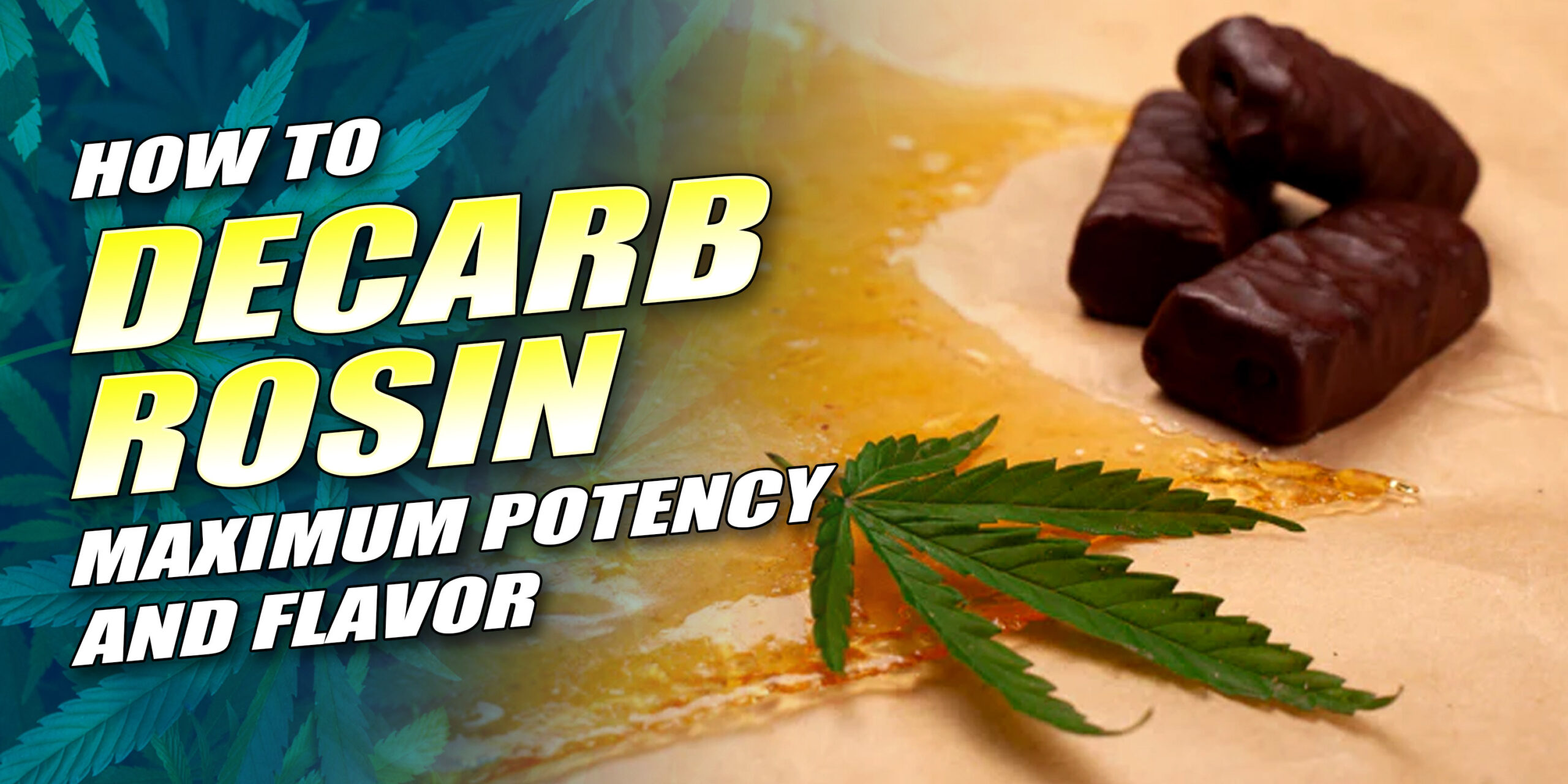
How to Decarb Rosin for Maximum Potency and Flavor


Decarbing rosin is an essential process for cannabis enthusiasts aiming to optimize the potency and flavor of their concentrates. This comprehensive guide will walk you through everything you need to know on how to decarb rosin, from the science behind it to practical tips for achieving the best results. Whether you’re a seasoned extractor or a curious newcomer, mastering this technique will elevate your cannabis experience to new heights.

How to Decarb Rosin

How to Decarb Rosin

Decarbing rosin is a simple yet crucial step that involves heating the concentrate to activate its cannabinoids, making them readily available for consumption. Follow these steps for optimal results:

Preparing Your Rosin

How to Decarb Rosin

Before decarbing, ensure your rosin is of high quality and free from impurities. Start by gathering your supplies: high-quality rosin, parchment paper, an oven-safe dish, and an oven or heat source.

Selecting Quality Rosin
The key to a successful decarb process lies in starting with premium rosin. Choose a product that is solvent-free and derived from top-shelf cannabis flower for the best results. Solvent-free rosin ensures a purer end product without any unwanted residues that may affect the flavor or potency.

Gathering Supplies
Having the right tools on hand is essential for a smooth decarbing process. Parchment paper provides a non-stick surface, while an oven-safe dish ensures even heating. Additionally, using high-quality parchment paper can prevent the rosin from sticking and make the transfer process easier.

Decarboxylation Process

Decarbing rosin involves applying low heat over a period to activate the cannabinoids without degrading them. Follow these steps for a flawless decarboxylation process:

Setting the Temperature
Preheat your oven to 240°F (116°C). This temperature allows for efficient decarbing without risking degradation of the cannabinoids. Consistency in temperature is crucial to ensure that all cannabinoids are fully activated without overheating the rosin.

Preparing the Rosin
Place your rosin on a sheet of parchment paper and spread it evenly to ensure uniform heating. Avoid clumping to promote consistent decarboxylation. Evenly spread rosin ensures that heat is distributed evenly, resulting in a more thorough decarb process.

Decarbing in the Oven
Transfer the parchment paper with the rosin to the oven-safe dish and place it in the preheated oven. Allow it to decarb for 30-45 minutes, depending on the desired potency. Keep the oven door closed during the decarb process to maintain a consistent temperature and prevent heat loss.

Monitoring the Process

While the rosin decarbs, monitor the process closely to prevent overheating or burning. Keep an eye on the color and texture, aiming for a golden-brown hue and a smooth consistency. It’s essential to check the rosin periodically to ensure that it is decarbing evenly and without any signs of burning.

Checking for Doneness
To ensure complete decarboxylation, observe the rosin for signs of activation, such as bubbling and releasing CO2. Once these reactions subside, your rosin is ready for consumption. Additionally, the rosin should have a uniform golden-brown color throughout, indicating that all cannabinoids have been fully activated.

Cooling and Storing

After decarbing, allow the rosin to cool before handling or storing it. Once cooled, transfer it to an airtight container to preserve its freshness and potency. Store the decarbed rosin in a cool, dark place away from direct sunlight and heat sources to prevent degradation of cannabinoids.

Importance of Proper Storage
Proper storage is crucial for maintaining the potency and flavor of decarbed rosin. Exposure to light, heat, and air can degrade cannabinoids over time, resulting in a loss of potency and flavor. By storing the rosin in an airtight container in a cool, dark place, you can prolong its shelf life and preserve its quality for longer.

FAQs

Q: Can I decarb rosin using a slow cooker?
A: Yes, decarbing rosin in a slow cooker is possible. Set the slow cooker to a low temperature (around 220°F) and decarb the rosin for 1-2 hours, stirring occasionally for even heating.

Q: Is it necessary to decarb rosin before making edibles?
A: Yes, decarbing rosin is essential before using it in edibles. Decarboxylation activates the cannabinoids, making them psychoactive and ready for consumption.

Q: Can I use a hair straightener to decarb rosin?
A: While it’s technically possible to decarb rosin using a hair straightener, it’s not recommended due to the difficulty in controlling temperature and achieving consistent results.

Q: How long can I store decarbed rosin?
A: Decarbed rosin can be stored for several months if properly sealed and stored in a cool, dark place away from heat and light sources.

Q: Can I decarb rosin without parchment paper?
A: While parchment paper is recommended for easy transfer and to prevent sticking, you can decarb rosin without it by using an oven-safe dish or tray lined with aluminum foil. However, parchment paper provides the best results and ease of handling.

Fact or Myth: Does Weed Make Your Eyes Red


Are you wondering does weed make your eyes red? Many people, whether they’re experienced with cannabis or thinking about trying it, are curious about this. Marijuana is used more and more around the world, for both medical reasons and just for fun. But with its popularity comes lots of questions and wrong ideas, like whether your eyes always get red after using it. It’s important to understand why this happens so we can share accurate information and break down any stereotypes about weed.

Understanding the Link: Does Weed Make Your Eyes Red?

Does Weed Make Your Eyes Red

Ever wondered why your eyes go red after smoking weed? Let’s dig into why this happens. When you consume cannabis, it causes a temporary drop in blood pressure, which makes blood vessels, including those in your eyes, widen. This widening increases blood flow to your eyes, making them look red – a common sight after using marijuana.

It’s important to know that the redness is mainly caused by THC, the part of weed that makes you feel high. THC interacts with receptors in your body, including those in your eyes, causing the blood vessels to widen and the redness to occur. How red your eyes get can depend on things like how strong the THC is, how sensitive you are to it, and how you consume it.

Dispelling Myths: Debunking Common Misconceptions

Does Weed Make Your Eyes Red

There are several misconceptions surrounding red eyes and marijuana use. Let’s debunk some of the most prevalent myths:

Marijuana Quality Determines Eye Redness

Despite what many people think, how red your eyes get isn’t just because of how strong the weed is. While some types of weed with more THC might make your eyes redder, other things like how much you’re used to it, how you use it, and how hydrated you are also make a big difference.

Red Eyes Indicate Intoxication

Lots of folks link red eyes with being high or drunk. But really, red eyes just happen when you use cannabis, and they don’t always mean you’re impaired. It’s crucial to tell apart the physical signs from how well you can think when figuring out if someone’s high.

The Science Behind Red Eyes: Vasodilation and Cannabis

Understanding why weed makes your eyes red means getting what vasodilation is all about. When THC gets into your blood, it hooks up with cannabinoid receptors all over your body, including the ones in your eyes. This hookup tells your blood vessels to get wider, which means more blood flows through them, making your eyes go red.

Studies show that cannabinoids, like THC, can control how neurotransmitters and other signaling stuff work to manage how tight or loose your blood vessels are. This control leads to vasodilation, which is why your eyes get red when you smoke weed.

Does Weed Make Your Eyes Red? Exploring Variations

While red eyes are a common side effect of marijuana use, their severity can vary depending on various factors:

THC Content

How red your eyes get after smoking weed can depend on how strong the weed is, especially how much THC it has. Usually, the more THC in the weed, the redder your eyes might get.

Method of Consumption

How you use cannabis can also affect how likely you are to get red eyes. Smoking or vaping it usually makes your eyes get red faster and more intensely than eating or putting it on your skin.

Individual Sensitivity

How much your eyes get red after using marijuana can vary from person to person, depending on how sensitive you are to THC and other stuff in it. Things like how fast your body breaks it down, how used to it you are, and how healthy you are can all affect how your body reacts to weed.

Addressing Concerns: Red Eyes and Social Stigma

Even though we know why eyes get red after using marijuana, some people still judge others for it. It’s important to help people understand that red eyes are harmless and normal after using weed. Talking openly about it and correcting misunderstandings can help break down stereotypes and make people more understanding.

The stigma around marijuana comes from old-fashioned ideas and wrong information. By sharing the right facts backed by science, we can fight these wrong ideas and have more caring conversations about weed.

FAQs

Q: Does smoking marijuana always cause red eyes?
A: No, not everyone who smokes marijuana experiences red eyes. Factors like individual sensitivity, strain potency, and method of consumption can affect whether red eyes occur.

Q: Can red eyes from smoking marijuana be a sign of a serious health issue?
A: Generally, red eyes from marijuana use are harmless and temporary. However, persistent redness or other concerning symptoms should be evaluated by a healthcare professional.

Q: Are there any ways to prevent red eyes when using marijuana?
A: While it’s challenging to completely prevent red eyes, staying hydrated, using eye drops, and opting for lower-THC strains may help minimize redness.

Q: Do eye drops specifically designed for red eyes work for marijuana-induced redness?
A: Yes, over-the-counter eye drops can help alleviate redness temporarily by constricting blood vessels. However, they may not fully address the underlying cause.

Q: Can frequent marijuana use lead to long-term eye health problems?
A: Research on the long-term effects of marijuana on eye health is ongoing. While occasional use is unlikely to cause significant issues, heavy or prolonged use may have implications for eye health over time.

Understanding Cannabis Side Lighting


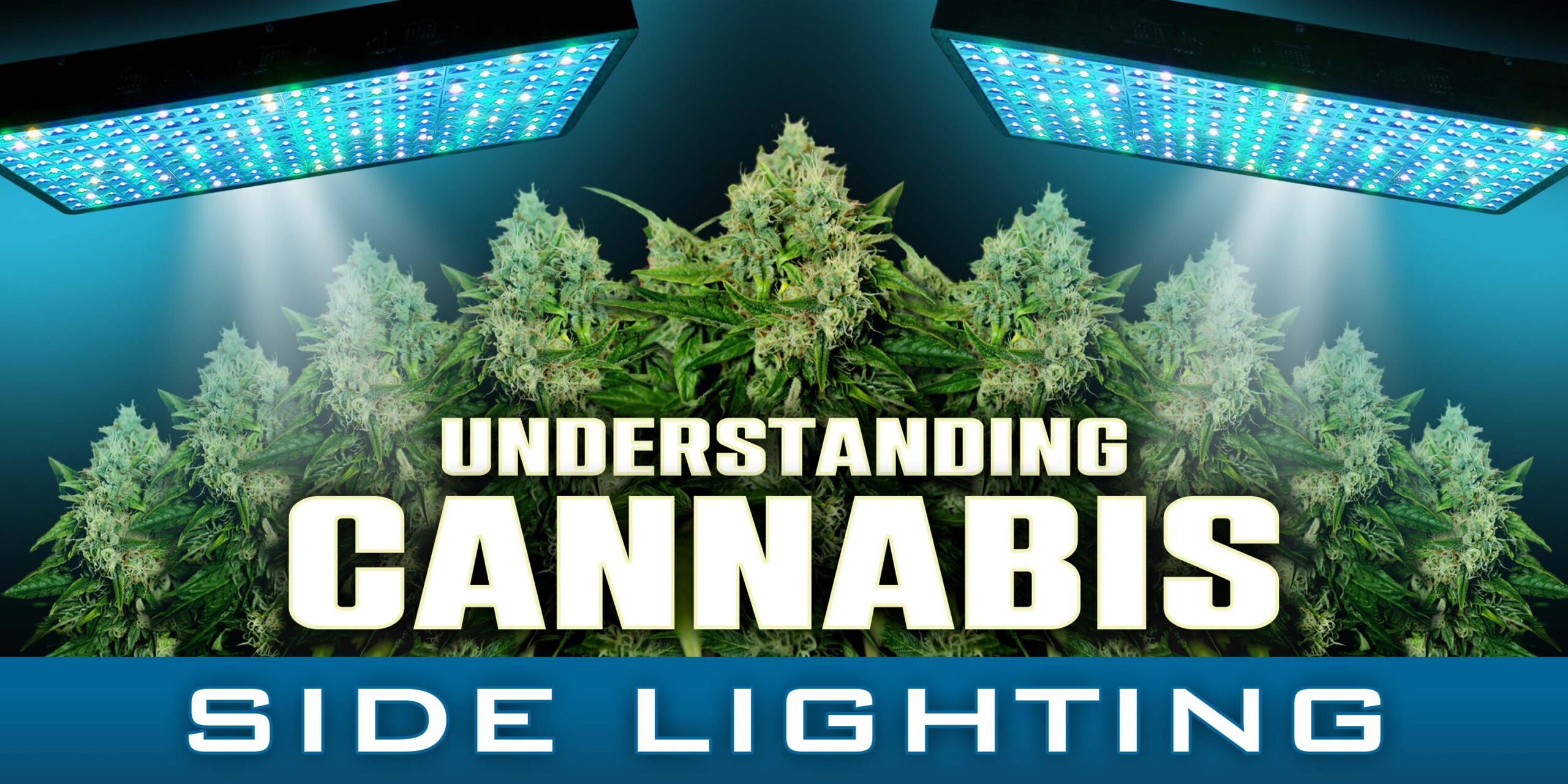
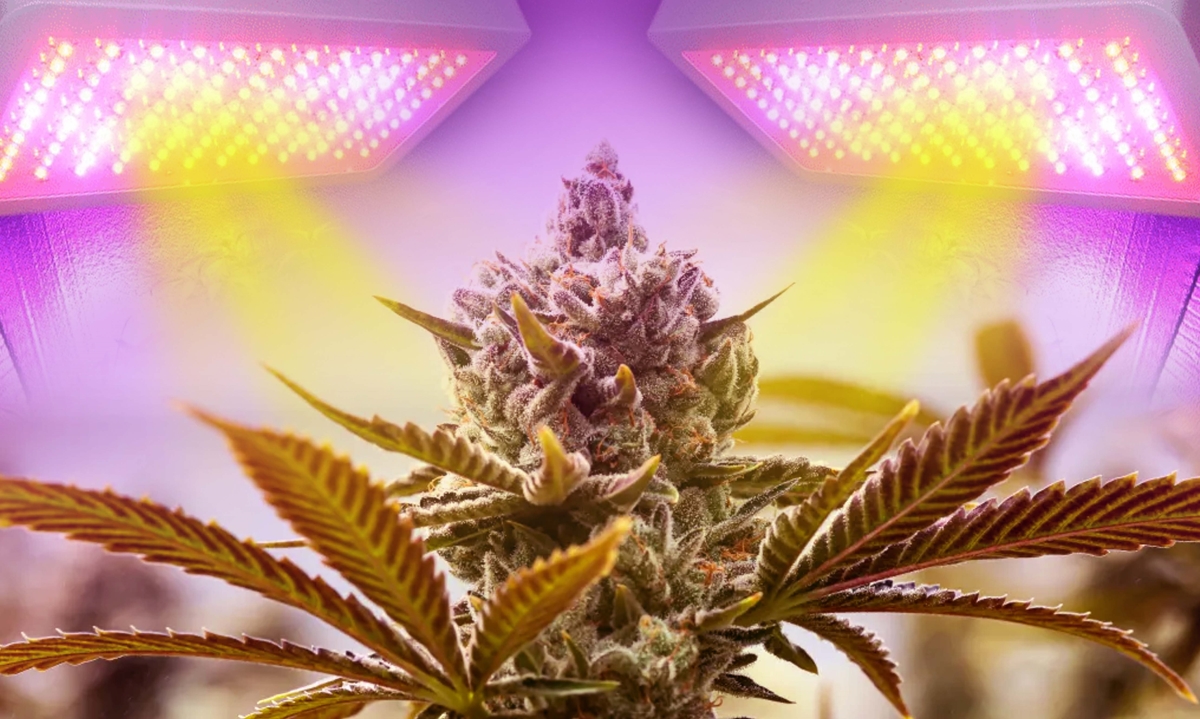
Understanding how to use lighting is important. Having the right kind of light helps plants grow well and produce good buds. Light gives plants the energy they need to make food, which keeps them healthy and helps them grow. Some growers use lights that shine down from above, which works okay for many people. But there are newer methods that can give even better results. One of these is called under-canopy lighting, where lights are placed beneath the plant’s leaves. Another is cannabis side lighting, where lights come from the sides. These methods help make sure all parts of the plant get enough light. In this guide, we’ll talk about under-canopy and grow tent side lighting for growing cannabis. We’ll explain how to use them, why they’re good, and what to think about when using them.

Understanding Under-Canopy and Side Lighting Dynamics

Cannabis Side Lighting

Enhancing Light Distribution for Growth

Under-canopy lighting means putting lights under the leaves of the plants to make sure the light reaches everywhere evenly. This helps solve the problem of not enough light getting through, especially in thick or tall cannabis plants. When the lower parts of the plant get light, it helps the buds grow evenly. This reduces the number of small, low-quality buds and makes sure you get as many good buds as possible.

Optimizing Light Coverage with Side Lighting

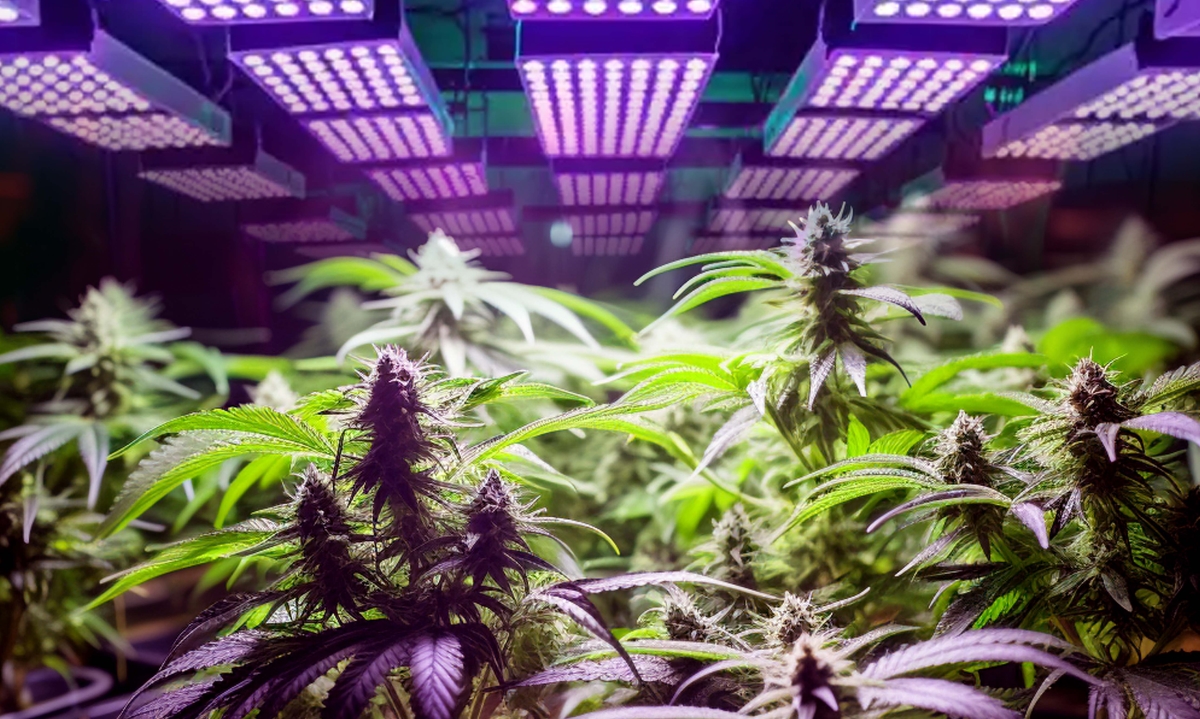
Side lighting for grow tent involves putting lights next to the plants to add extra light to the top-down light they already get. This helps light reach all parts of the plant better, including the lower leaves. It also helps the plant absorb nutrients and make food more efficient. Side grow lights are especially useful for tall or wide cannabis plants because it make sure the whole plant gets enough light as it grows.

Advantages of Supplemental Lighting

Cannabis Side Lighting

Enhanced Yield Potential

The main reason why under-canopy and side lighting are so attractive is because they can greatly increase how much cannabis you can grow. By fixing any problems with not enough light and helping buds grow evenly, these methods let growers get bigger, denser buds. Even though setting up under-canopy and side lighting might cost a bit at first, the extra cannabis you can grow and the better quality buds make it worth it for growers who are serious about growing.

Better Light Distribution and Plant Development

Extra lighting options help spread light evenly across the plants, which makes them grow stronger and better. When all parts of the plant get enough light, they grow healthier and make bigger, more even buds. And when light is spread out well, it also helps plants stay strong against pests and diseases.

Improved Bud Uniformity and Quality

A big benefit of using under-canopy and side lighting is that it helps buds grow more evenly and look better. Instead of having some buds that are big and dense while others are small and airy, using these lighting methods helps all the buds on the plant grow more consistently. This means you end up with a product that looks better and is easier to sell because it’s all the same high quality. Having consistent buds also shows that you’re good at growing cannabis and that you pay attention to the little things.

Considerations and Best Practices for Implementing Additional Lighting

Selecting the Right Lighting Fixtures

Choosing the right lights for under-canopy or side lighting in your cannabis growing setup is really important. Many growers like using high-quality LED lights because they’re efficient, last a long time, and don’t produce much heat, which is good for indoor growing. Another option is CFL tubes, which are cheaper and use less energy while still giving enough light for side lighting.

Strategic Installation and Adjustment

Getting the installation and placement of extra lighting right is key to making sure it works well. For under-canopy lighting, it’s important to put the lights in the right spots under the leaves so they cover everything well but don’t get in the way of the plants growing. Likewise, with side lighting, you need to make sure the lights are at the right distance from the plants so they don’t get too much light and burn, but still get enough light to grow evenly.

Timing of Light Application

The timing of adding extra lighting is really important during the cannabis growth cycle. Even though you might want to add more light early, it’s better to wait until the plants are in the later vegetative or flowering stage. This helps avoid messing up the natural way the plants grow. When you add extra light at the right time, according to where the plant is in its growth cycle, you get the most benefits from it without causing any problems.

Conclusion

To sum up, using under-canopy and side lighting methods is really helpful for cannabis growers who want to get the most out of their plants in terms of how much they produce, the quality of the buds, and how healthy the plants are. These techniques help overcome the limitations of just using lights from above by spreading light around better and making sure buds grow evenly. Even though it might cost more at first and need some extra planning, the extra cannabis you can grow and the better quality buds make it worth it for growers who are serious about growing. By using smart lighting strategies, growers can make sure their cannabis plants reach their full potential and take their growing skills to the next level.

FAQs

Q: Are under-canopy lights necessary for every cannabis grow?
A: No, under-canopy lights are not essential for every cannabis grow. They are most beneficial for dense or tall plants where light penetration to lower parts of the canopy may be limited.

Q: Will side lighting always increase yields in cannabis cultivation?
A: Side lighting can improve yields, but it’s not guaranteed to do so in every scenario. Factors like plant size, density, and overall grow environment also influence the effectiveness of side lighting.

Q: Are there alternatives to using additional lighting for cannabis cultivation?
A: Yes, there are alternatives such as using reflective materials to maximize light exposure or employing training methods like Low-stress training (LST), Topping, and SOG/ScrOG techniques.

Q: Can adding more lights to a grow space lead to heat management issues?
A: Yes, adding more lights can increase temperatures in the grow space, potentially causing heat-related problems. Proper ventilation and heat dissipation methods are necessary to manage this issue.

Q: Is it advisable to use additional lighting during all stages of cannabis growth?
A: It’s best to use additional lighting during the late vegetative stage and flowering stage, or solely during the flowering stage to avoid distorting plant growth patterns influenced by light-seeking phytohormones.

How Often To Foliar Feed Cannabis


Enhancing plant growth and ensuring optimal nutrient uptake are essential goals for every gardener or farmer. One effective technique to achieve these objectives is foliar feeding. But the question arises: how often to foliar feed cannabis for the best results? In this comprehensive guide, we will guide you into the careful way to cannabis foliar feed, providing expert insights and practical tips to help you maximize your plant’s potential.

Understanding Foliar Feeding

How Often To Foliar Feed

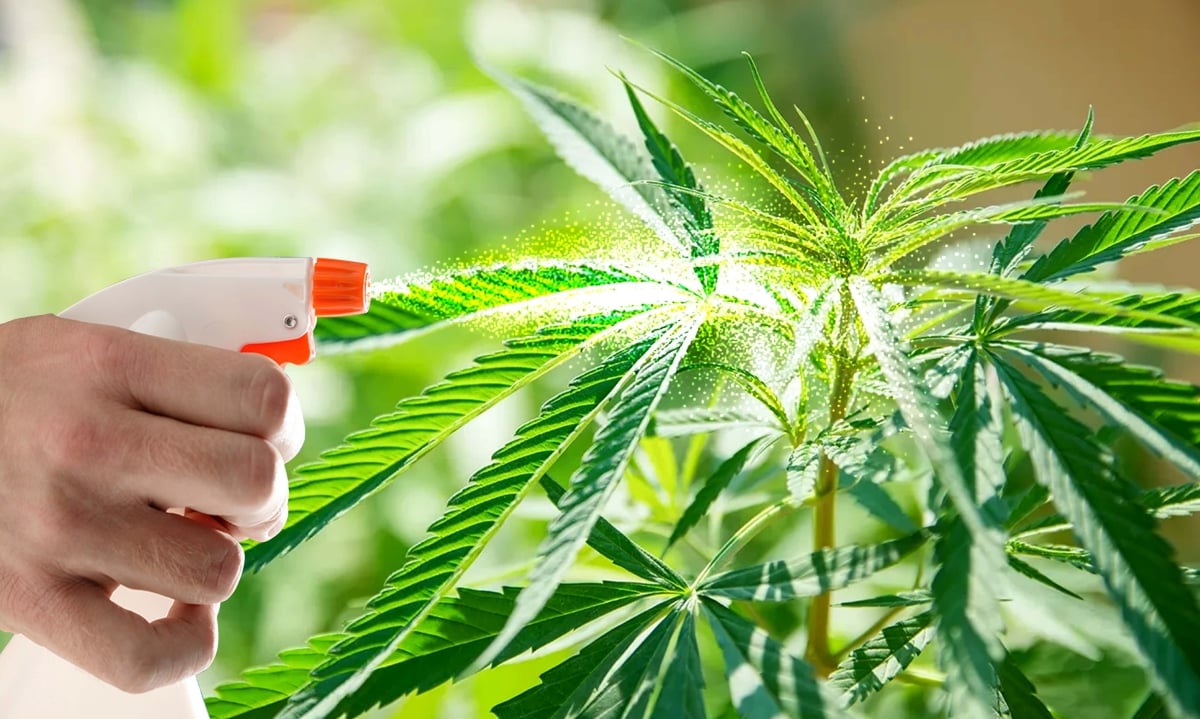
Understanding how often to foliar feed cannabis is easier when you know why it works. Plants have tiny openings called stomata on the bottom of their leaves. These openings help with breathing and let in water and nutrients when we spray the leaves. Instead of going through the roots, the nutrients go straight to the leaves. This method has benefits like making the plant take in nutrients quickly and use them better.

The Importance of Macronutrients and Micronutrients

Plants need a lot of macronutrients like nitrogen, phosphorus, and potassium to grow well. They also need smaller amounts of micronutrients like iron, zinc, and manganese. When you spray the leaves with nutrients, it’s important to have the right balance of both kinds. If a plant doesn’t get enough of any nutrient, it can’t grow properly and might have health problems.

Factors Influencing Foliar Feeding Frequency

The number of times you spray leaves with nutrients depends on different things like what kind of plant it is, how old it is, the weather, and what nutrients it needs. Usually, young plants or ones that are growing fast need to be sprayed more often to help them get all the nutrients they need. But older plants might not need to be sprayed as much because they’re not growing as fast and just need to maintain themselves.

Determining the Ideal Frequency

How Often To Foliar Feed

To figure out how often to spray leaves with nutrients, you need to watch the plants closely and try different things to see what works best. Start by testing the soil to see what nutrients are there and if anything’s missing. Then, keep a close eye on how the plants are growing and what their leaves look like. If they’re not getting enough of a certain nutrient, or if they’re getting too much of something, you might need to change how often you spray or what kind of nutrients you use. The goal is to make sure the plants have everything they need to grow well and have healthy leaves.

Guidelines for Foliar Feeding Frequency

1. Young Seedlings and Transplants

When plants are just starting to grow from seeds or are recently transplanted, they are more likely to lack certain nutrients, which can slow down their growth. To help them grow strong roots and leaves, it’s a good idea to spray them with a mix of balanced fertilizer and water every 7 to 10 days. Watch how they’re doing closely, and if they seem to be growing well, you can stick with that schedule. But if they’re not growing as fast as you’d like, you might need to spray them more often. Adjust the spraying schedule based on how the plants are doing and how quickly they’re growing.

2. Vegetative Stage

When plants are in the vegetative stage, they grow quickly and need a lot of nutrients to help their leaves grow big and strong. For plants like tomatoes and peppers that you grow every year, spraying them with a fertilizer that’s rich in nitrogen every 10 to 14 days can help their leaves get bigger and make the plants stronger overall. Keep an eye on the color and size of the leaves, and if they look healthy and are growing well, you can stick with that schedule. But if they start to look pale or small, you might need to spray them more often. Adjust how often you spray based on how the leaves look and how fast the plants are growing.

3. Flowering and Fruit Set

As plants start making flowers and fruits, they need different kinds of nutrients to help them grow. At this time, you might not need to spray them with fertilizer as often because they’re not growing leaves as much. Instead, focus on making sure they have the right balance of nutrients. Spray them with a balanced fertilizer every 14 to 21 days, making sure there’s enough phosphorus and potassium to help the flowers and fruits grow well. Keep an eye on how the plants are doing, and if the flowers and fruits look healthy, you can stick with that schedule. But if they’re not growing as well as you’d like, you might need to spray them more often. Adjust how often you spray based on how the flowers and fruits are developing.

4. Perennial Plants

Perennial plants like fruit trees and ornamental shrubs have specific needs for nutrients that change with the seasons as they grow and rest. In the early spring, it’s a good idea to spray these plants with a balanced fertilizer to help them grow new leaves and flowers. But as they start to go dormant in the fall, you don’t need to spray them with fertilizer as often. This helps prevent them from growing too much late in the season, which can be damaged by frost. Adjust how often you spray based on the time of year and what stage of growth the plants are in.

Expert Tips for Maximizing Foliar Feeding Benefits

1. Timing Is Key

To help plants absorb nutrients better and reduce stress on them, it’s best to spray them with foliar sprays either early in the morning or late in the afternoon. This way, they’re not dealing with the heat of the day, which can make their leaves burn and cause the sprayed solution to evaporate quickly. By spraying at these times, you give the plants the best chance to take in the nutrients they need without causing them harm.

2. Use High-Quality Products

To get the most out of foliar spraying without harming the leaves, it’s wise to use top-notch fertilizers made for this purpose. These fertilizers are designed to be sprayed on leaves and are less likely to cause damage. When choosing a product, opt for ones with chelated micronutrients. These are easier for plants to use and absorb effectively. It’s all about giving your plants the best nutrients in a way that’s safe and efficient.

3. Rotate Nutrient Sources

To keep your plants healthy and prevent them from lacking certain nutrients, switch between different kinds of fertilizers during the growing season. Try using both synthetic and organic options. Organic choices like compost tea or fish emulsion can add nutrients to the soil and help it stay healthy. By mixing things up, you give your plants a variety of nutrients they need to grow well.

4. Monitor Plant Response

Keep an eye on your plants and check them often for any signs that they might not be getting enough or too much of certain nutrients. Look out for things like leaves turning yellow, the plants not growing as much as they should, or the tips of the leaves getting burnt. If you notice any of these signs, change how often you spray them with nutrients or try a different mix to see if it helps. The goal is to make sure your plants have everything they need to be healthy and strong.

FAQs

Q: Can foliar feeding replace traditional soil fertilization methods?
A: No, foliar feeding supplements soil fertilization but cannot replace it entirely. While it provides a quick nutrient boost directly to the leaves, soil fertilization is essential for overall plant growth and development.

Q: Is foliar feeding suitable for all types of plants?
A: Foliar feeding benefits a wide range of plants, but leaf structure and sensitivity can affect its effectiveness and safety. Some plants, especially those with hairy or waxy leaves, may be less receptive or prone to leaf burn.

Q: Can foliar feeding harm plants if overdone?
A: Yes, excessive foliar feeding or using the wrong products can harm plants by causing nutrient imbalances, leaf burn, or toxicity. Following recommended application rates, diluting fertilizers, and avoiding spraying during hot, sunny conditions can minimize risks.

Q: How soon can I expect to see results from foliar feeding?
A: Results from foliar feeding vary depending on factors like plant type and environmental conditions. While some improvements may be visible within days, long-term benefits like increased yield may require consistent foliar feeding over weeks or months.

Q: Can I make my own foliar fertilizer at home?
A: Yes, homemade foliar fertilizers can be made using simple ingredients like compost or organic fertilizers. However, it’s crucial to research recipes carefully, follow proper dilution ratios, and test on a small area of plants before widespread use to ensure effectiveness and compatibility.

What Are Delta 8 Seeds?


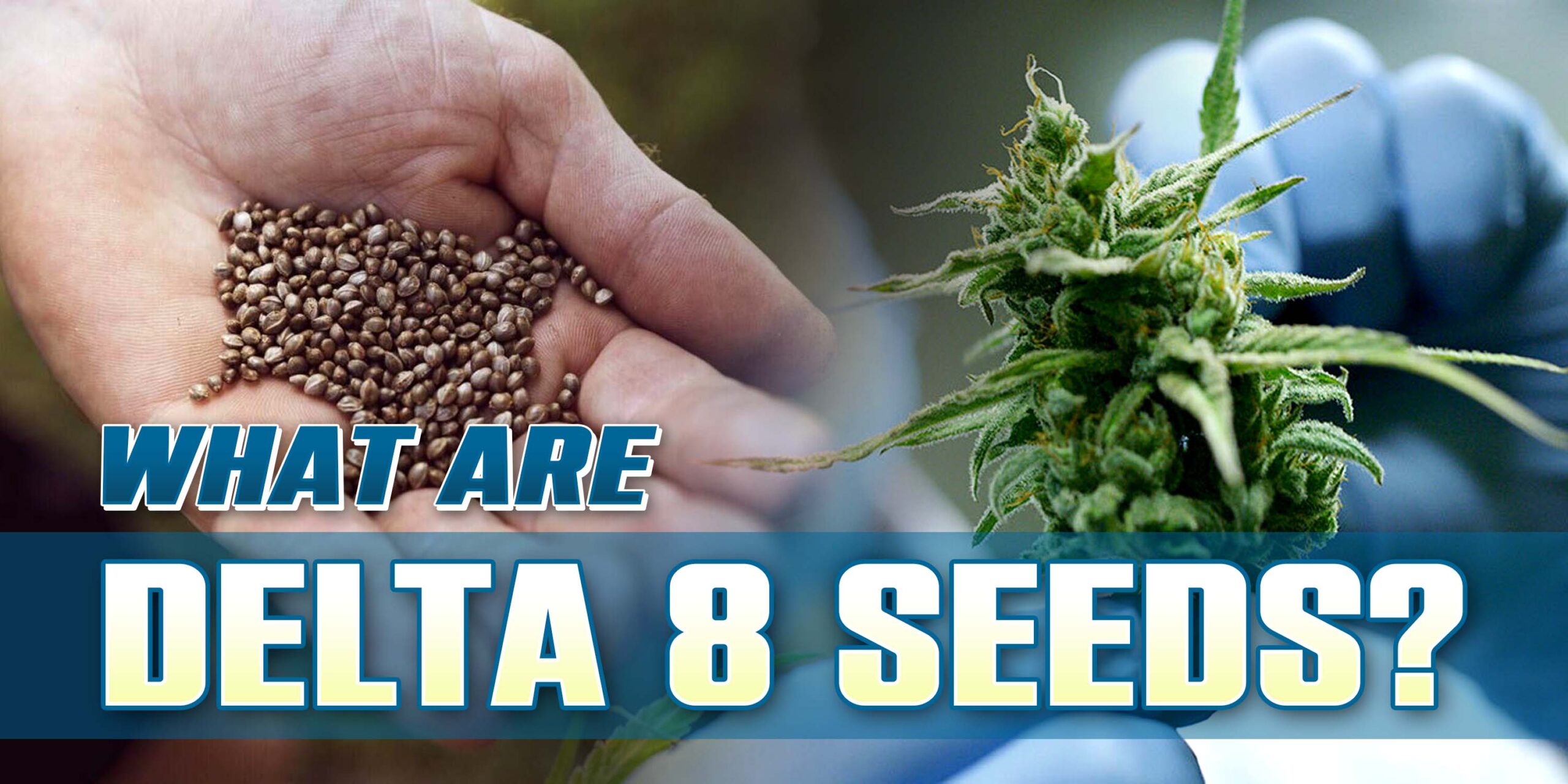
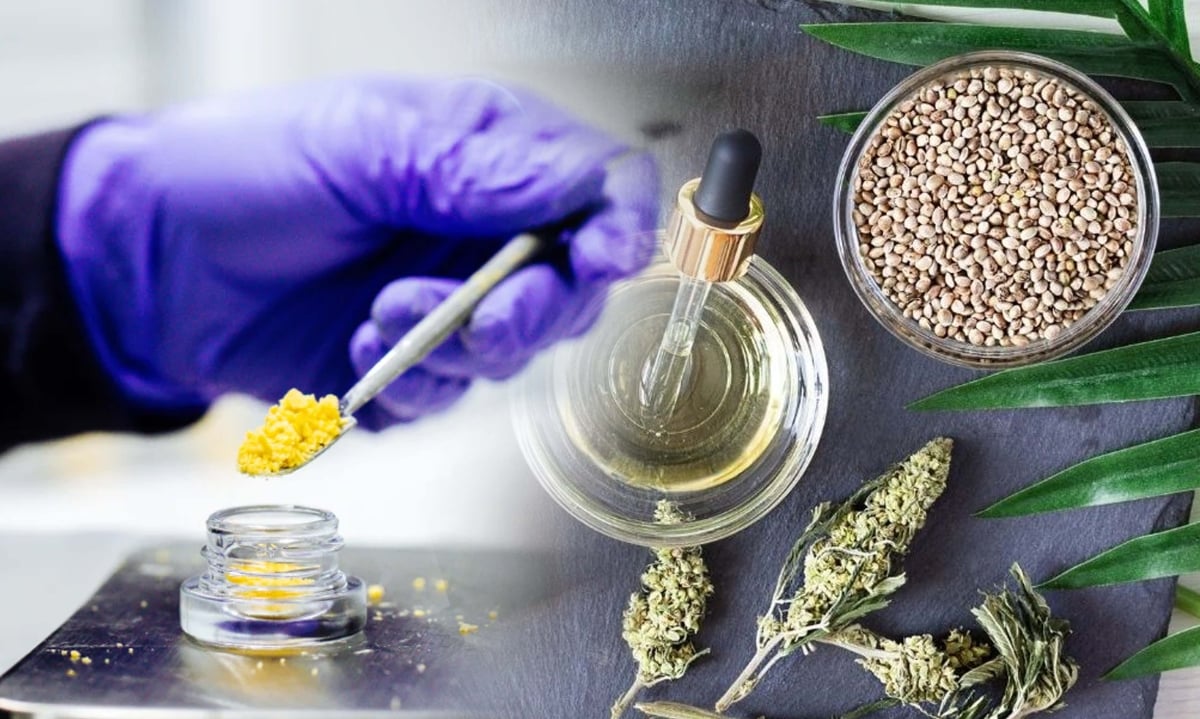
Delta 8 seeds are fundamental in producing Delta 8 THC, a type of cannabis known for its milder effects. Unlike regular cannabis seeds that mainly grow plants with Delta 9 THC, Delta 8 THC seeds are specially crafted to boost Delta 8 THC levels. These seeds are carefully bred to ensure they produce plants with high-quality Delta 8 THC. They go through strict genetic selection processes to pick out traits that help in yielding more Delta 8 THC. Moreover, continuous improvements in seed breeding techniques are constantly enhancing the effectiveness and reliability of Delta 8 seeds for cannabis farming.

The Science Behind Delta 8 THC

delta 8 seeds

Delta 8 THC, also known as delta-8-tetrahydrocannabinol, is a natural compound found in cannabis plants. It’s similar to Delta 9 THC but has slight differences that affect how it interacts with the body’s endocannabinoid system. Delta 8 THC is produced when Delta 9 THC breaks down, showing how important Delta 8 seeds are in growing cannabis. Recent studies have looked closely at how Delta 8 THC is made in the body, revealing the enzymes and genes involved. Understanding these processes helps us see how Delta 8 THC is different from other cannabinoids, which is valuable for exploring its potential benefits and effects on the body.

Is Delta 8 THC Legal?

delta 8 seeds

The legality of Delta 8 THC and its seeds can be different depending on where you are. In the United States, it’s legal at the federal level because of the 2018 Farm Bill. This bill says hemp products with less than 0.3% Delta 9 THC are okay. But states might have their own extra rules. So, before you get Delta 8 seeds or start growing them, you need to make sure it’s legal where you are. To deal with these changing rules, experts and lawmakers are always talking about how to make the rules more consistent and fair for everyone.

Growing Delta 8 THC Seeds

Growing cannabis for Delta 8 THC needs careful planning. Since Delta 8 THC is not naturally found in large amounts, growers use special breeding techniques to increase its levels in cannabis plants. A crucial part of this process is using high-quality Delta 8 seeds and controlling the environment carefully. This includes making sure the plants have the right amount of light, the correct temperature, and getting the nutrients they need. New ways of growing, like hydroponics (growing plants without soil) and vertical farming (stacking plants vertically to save space), help make the most of resources and increase how much Delta 8 THC can be produced sustainably.

Extracting Delta 8 THC

Getting Delta 8 THC out of cannabis plants is a complex process. Since Delta 8 THC isn’t found in large amounts, we use advanced methods like CO2 extraction or fractional distillation. While Delta 8 seeds don’t directly affect how we get the THC out, their genes matter for the final THC levels. This shows how important it is to use the right seeds to make sure we get the best quality product. New technology and better equipment keep making the extraction process faster and cleaner. This helps us make Delta 8 THC extracts that are pure enough for medicine and research.

Benefits and Applications

Delta 8 THC is getting more attention because people say it might help with health problems. Users often feel calm, relaxed, and happier when they use it. Scientists are studying if it can help with things like pain, feeling sick, and making you hungry. This could make Delta 8 THC a good option for taking care of your whole body. Also, scientists, doctors, and people in the business are working together to turn what they learn into new Delta 8 THC products. They want to make products that suit different people’s needs and likes.

Delta 8 THC vs. Other Cannabinoids

Delta 8 THC is one of many cannabinoids found in cannabis. Unlike Delta 9 THC, it doesn’t make you feel high in the same way. Instead, it gives a more subtle feeling of clarity and relaxation. On the other hand, cannabidiol (CBD) doesn’t make you high at all but still has therapeutic benefits. Comparing how these cannabinoids work in the body helps us understand their different effects and how they can help with health problems. This helps people choose the right cannabis products for them.

FAQs

Q: Are Delta 8 seeds legal to purchase and grow anywhere?
A: The legality of Delta 8 seeds varies by location. While they are federally legal in the United States under certain conditions, it’s important to check local laws before buying or cultivating them.

Q: Can Delta 8 THC cause any side effects?
A: Like any cannabis product, Delta 8 THC may cause side effects such as dizziness, anxiety, or changes in heart rate, especially with overconsumption. It’s important to use it responsibly and start with a low dose.

Q: How do Delta 8 seeds differ from regular cannabis seeds?
A: Delta 8 seeds are specifically bred to produce high levels of Delta 8 THC, while regular cannabis seeds typically yield plants with higher concentrations of Delta 9 THC. This makes Delta 8 seeds ideal for those seeking milder psychoactive effects.

Q: Can Delta 8 THC be used for medical purposes?
A: Some users report experiencing benefits such as relaxation, mood improvement, pain relief, nausea reduction, and appetite stimulation with Delta 8 THC. However, more research is needed to fully understand its medical potential.

Q: Where can I buy Delta 8 seeds and products?
A: Delta 8 seeds and products can be purchased from specialized seed banks, online retailers, and dispensaries in areas where they are legal. It’s important to choose reputable suppliers to ensure quality and compliance with regulations.

How To Get Unhigh Quick


Consuming cannabis can sometimes lead to feeling uncomfortably high. Whether due to overconsumption or unexpected potency, finding the fastest way to get unhigh from cannabis becomes essential for many individuals. In this comprehensive guide, we’ll explore effective strategies and techniques to help you sober up quickly and regain control of your experience.

Fastest Way to Get Unhigh

get unhigh

Feeling overwhelmed by the effects of cannabis is a common experience, but there are several techniques you can employ to help you sober up swiftly. Let’s delve into some of the quickest methods to counteract the high and restore clarity.

Hydration and Nutrition

Proper hydration and nutrition play a crucial role in mitigating the effects of cannabis. Drinking water and consuming a light snack can help alleviate symptoms of being too high. Additionally, incorporating hydrating foods such as fruits and vegetables into your diet can aid in replenishing electrolytes and promoting overall wellness.

Physical Activity

Engaging in physical activity, such as taking a brisk walk or doing some light exercise, can help stimulate blood flow and metabolism, aiding in the detoxification process. Moreover, regular exercise has been shown to boost mood and reduce stress, which can contribute to a more positive sobering experience.

Deep Breathing and Meditation

Practicing deep breathing exercises and mindfulness meditation can help calm the mind and reduce anxiety associated with being too high. By focusing on your breath and staying present in the moment, you can cultivate a sense of inner peace and relaxation, facilitating the sobering process.

Fresh Air Exposure

Spending time in a well-ventilated area or stepping outside for some fresh air can help clear your head and provide a change of scenery, which may alleviate feelings of being overly high. Inhaling fresh air can also help regulate your breathing and oxygenate your body, promoting a sense of clarity and alertness.

CBD Consumption

Consuming CBD, a non-psychoactive compound found in cannabis, can help counteract the effects of THC and promote relaxation without intensifying the high. CBD interacts with the body’s endocannabinoid system to regulate various physiological functions, including mood, sleep, and appetite, making it a valuable tool for sobering up from cannabis.

Distraction Techniques

Engaging in activities that capture your focus, such as watching a movie, listening to music, or playing a game, can help divert your attention away from feeling too high. By immersing yourself in enjoyable and stimulating activities, you can shift your focus away from discomfort and anxiety, allowing the effects of cannabis to subside more quickly.

Rest and Relaxation

Taking a moment to rest and relax in a comfortable environment can help alleviate feelings of discomfort and allow your body to naturally metabolize the cannabis. Creating a calming atmosphere with soft lighting, soothing music, and cozy blankets can enhance your relaxation experience and promote a sense of tranquility.

Lemon or Black Pepper

Chewing on a slice of lemon or sniffing black pepper can help alleviate anxiety and paranoia associated with being too high, thanks to the terpenes present in these substances. Limonene, a terpene found in citrus fruits like lemon, has been shown to have mood-boosting and stress-relieving properties, while beta-caryophyllene, found in black pepper, acts as a natural anti-anxiety agent, helping to soothe frazzled nerves.

Time

Sometimes, the most effective way to sober up from cannabis is simply to give it time. The effects will gradually diminish as the cannabinoids are metabolized by your body. During this time, it’s important to practice self-care and patience, allowing yourself to rest and recover at your own pace.

Seek Support

If you’re feeling overwhelmingly anxious or uncomfortable, don’t hesitate to reach out to a friend or loved one for support. Talking about your experience can help alleviate stress and provide reassurance. Additionally, seeking professional help from a healthcare provider or counselor may be beneficial if you’re struggling to cope with the effects of cannabis.

Conclusion

Feeling too high from cannabis can be a daunting experience, but it’s important to remember that there are effective strategies to help you sober up quickly and safely. By staying hydrated, engaging in physical activity, practicing mindfulness, and seeking support when needed, you can navigate through the effects of cannabis with confidence. Remember to listen to your body and prioritize your well-being above all else.

FAQs

Q: Can using eye drops help sober you up from cannabis?
A: No, using eye drops does not directly sober you up from cannabis. Eye drops may alleviate redness or dryness in the eyes, which can be a common side effect of cannabis use, but they do not affect the intoxicating effects of the drug.

Q: Is eating a large meal before consuming cannabis a good way to prevent getting too high?
A: Eating a large meal before consuming cannabis may slow down the absorption of THC into the bloodstream, potentially reducing the intensity of the high. However, it does not guarantee that you won’t get too high, as individual tolerance and metabolism play significant roles in how cannabis affects each person.

Q: Can taking a cold shower help sober you up from cannabis?
A: Taking a cold shower may provide temporary relief from feeling too high by stimulating the body’s senses and promoting alertness. However, it does not directly counteract the effects of cannabis or speed up the sobering process.

Q: Does consuming caffeine help sober you up from cannabis?
A: Consuming caffeine, such as coffee or energy drinks, may temporarily increase alertness and energy levels, which could help mitigate feelings of lethargy or drowsiness associated with cannabis use. However, caffeine does not directly sober you up from cannabis or reduce its intoxicating effects.

Q: How long does it take to get unhigh?
A: The time it takes to sober up from cannabis can vary depending on factors such as dosage, individual tolerance, and metabolism. Typically, the effects will begin to diminish within an hour or two, but may last longer for some individuals. Factors such as hydration, physical activity, and mindset can also influence the sobering process.