

Table of Contents
Understanding how to use lighting is important. Having the right kind of light helps plants grow well and produce good buds. Light gives plants the energy they need to make food, which keeps them healthy and helps them grow. Some growers use lights that shine down from above, which works okay for many people. But there are newer methods that can give even better results. One of these is called under-canopy lighting, where lights are placed beneath the plant’s leaves. Another is cannabis side lighting, where lights come from the sides. These methods help make sure all parts of the plant get enough light. In this guide, we’ll talk about under-canopy and grow tent side lighting for growing cannabis. We’ll explain how to use them, why they’re good, and what to think about when using them.
Understanding Under-Canopy and Side Lighting Dynamics
Enhancing Light Distribution for Growth
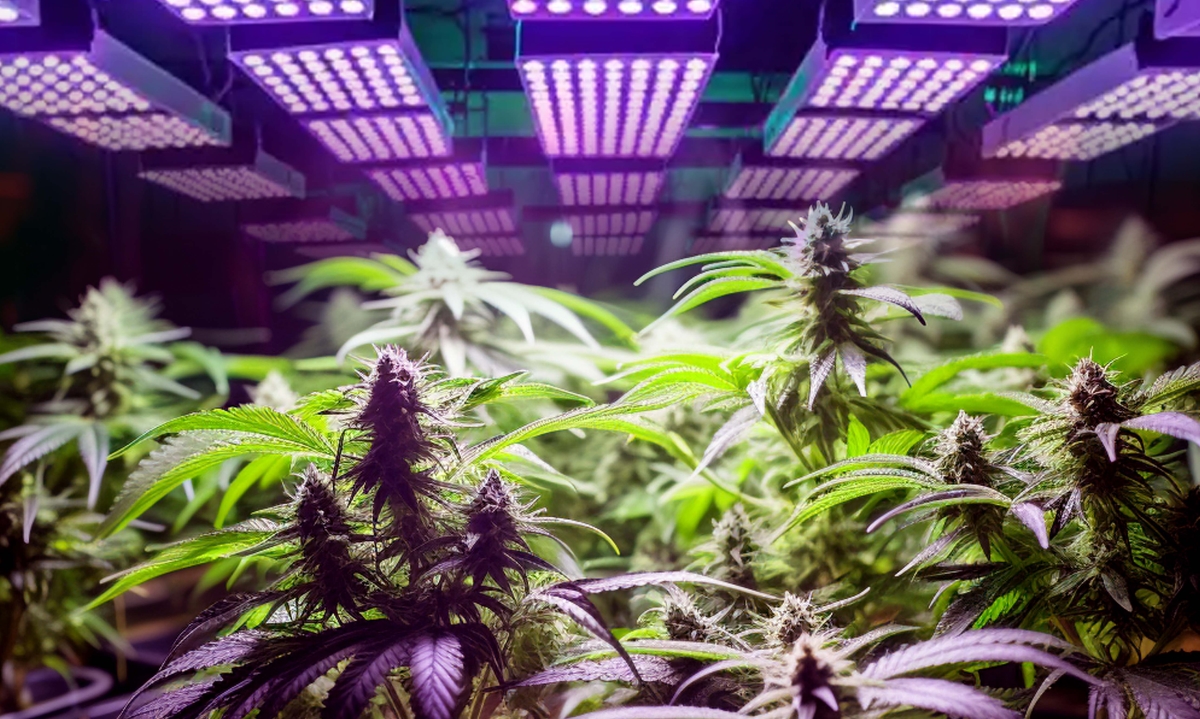
Under-canopy lighting means putting lights under the leaves of the plants to make sure the light reaches everywhere evenly. This helps solve the problem of not enough light getting through, especially in thick or tall cannabis plants. When the lower parts of the plant get light, it helps the buds grow evenly. This reduces the number of small, low-quality buds and makes sure you get as many good buds as possible.
Optimizing Light Coverage with Side Lighting
Side lighting for grow tent involves putting lights next to the plants to add extra light to the top-down light they already get. This helps light reach all parts of the plant better, including the lower leaves. It also helps the plant absorb nutrients and make food more efficient. Side grow lights are especially useful for tall or wide cannabis plants because it make sure the whole plant gets enough light as it grows.
Advantages of Supplemental Lighting
Enhanced Yield Potential
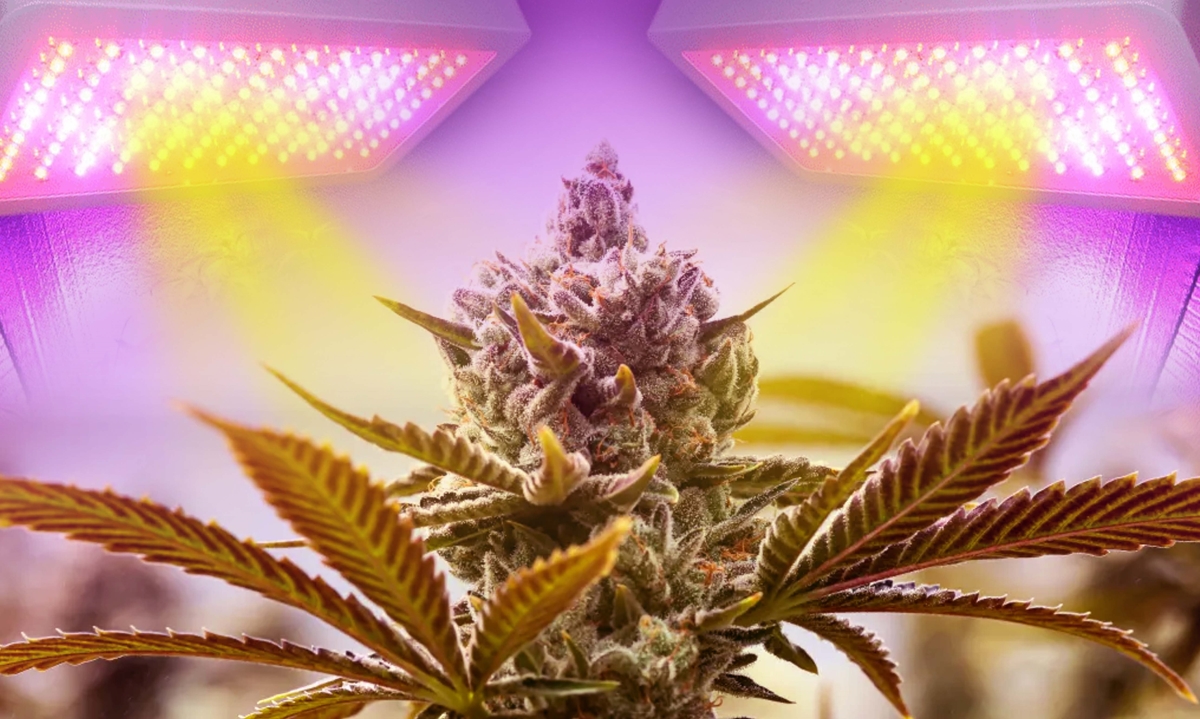
The main reason why under-canopy and side lighting are so attractive is because they can greatly increase how much cannabis you can grow. By fixing any problems with not enough light and helping buds grow evenly, these methods let growers get bigger, denser buds. Even though setting up under-canopy and side lighting might cost a bit at first, the extra cannabis you can grow and the better quality buds make it worth it for growers who are serious about growing.
Better Light Distribution and Plant Development
Extra lighting options help spread light evenly across the plants, which makes them grow stronger and better. When all parts of the plant get enough light, they grow healthier and make bigger, more even buds. And when light is spread out well, it also helps plants stay strong against pests and diseases.
Improved Bud Uniformity and Quality
A big benefit of using under-canopy and side lighting is that it helps buds grow more evenly and look better. Instead of having some buds that are big and dense while others are small and airy, using these lighting methods helps all the buds on the plant grow more consistently. This means you end up with a product that looks better and is easier to sell because it’s all the same high quality. Having consistent buds also shows that you’re good at growing cannabis and that you pay attention to the little things.
Considerations and Best Practices for Implementing Additional Lighting
Selecting the Right Lighting Fixtures
Choosing the right lights for under-canopy or side lighting in your cannabis growing setup is really important. Many growers like using high-quality LED lights because they’re efficient, last a long time, and don’t produce much heat, which is good for indoor growing. Another option is CFL tubes, which are cheaper and use less energy while still giving enough light for side lighting.
Strategic Installation and Adjustment
Getting the installation and placement of extra lighting right is key to making sure it works well. For under-canopy lighting, it’s important to put the lights in the right spots under the leaves so they cover everything well but don’t get in the way of the plants growing. Likewise, with side lighting, you need to make sure the lights are at the right distance from the plants so they don’t get too much light and burn, but still get enough light to grow evenly.
Timing of Light Application
The timing of adding extra lighting is really important during the cannabis growth cycle. Even though you might want to add more light early, it’s better to wait until the plants are in the later vegetative or flowering stage. This helps avoid messing up the natural way the plants grow. When you add extra light at the right time, according to where the plant is in its growth cycle, you get the most benefits from it without causing any problems.
Conclusion
To sum up, using under-canopy and side lighting methods is really helpful for cannabis growers who want to get the most out of their plants in terms of how much they produce, the quality of the buds, and how healthy the plants are. These techniques help overcome the limitations of just using lights from above by spreading light around better and making sure buds grow evenly. Even though it might cost more at first and need some extra planning, the extra cannabis you can grow and the better quality buds make it worth it for growers who are serious about growing. By using smart lighting strategies, growers can make sure their cannabis plants reach their full potential and take their growing skills to the next level.
FAQs
Q: Are under-canopy lights necessary for every cannabis grow?
A: No, under-canopy lights are not essential for every cannabis grow. They are most beneficial for dense or tall plants where light penetration to lower parts of the canopy may be limited.
Q: Will side lighting always increase yields in cannabis cultivation?
A: Side lighting can improve yields, but it’s not guaranteed to do so in every scenario. Factors like plant size, density, and overall grow environment also influence the effectiveness of side lighting.
Q: Are there alternatives to using additional lighting for cannabis cultivation?
A: Yes, there are alternatives such as using reflective materials to maximize light exposure or employing training methods like Low-stress training (LST), Topping, and SOG/ScrOG techniques.
Q: Can adding more lights to a grow space lead to heat management issues?
A: Yes, adding more lights can increase temperatures in the grow space, potentially causing heat-related problems. Proper ventilation and heat dissipation methods are necessary to manage this issue.
Q: Is it advisable to use additional lighting during all stages of cannabis growth?
A: It’s best to use additional lighting during the late vegetative stage and flowering stage, or solely during the flowering stage to avoid distorting plant growth patterns influenced by light-seeking phytohormones.