









Table of Contents
Cleaning your weed grinder is crucial for maintaining its functionality, hygiene, and the quality of your herb. Over time, residue buildup can affect the grinder’s performance, leading to difficulties in grinding and compromising the taste of your herb. Therefore, it’s essential to establish a regular cleaning routine to ensure optimal performance and hygiene.
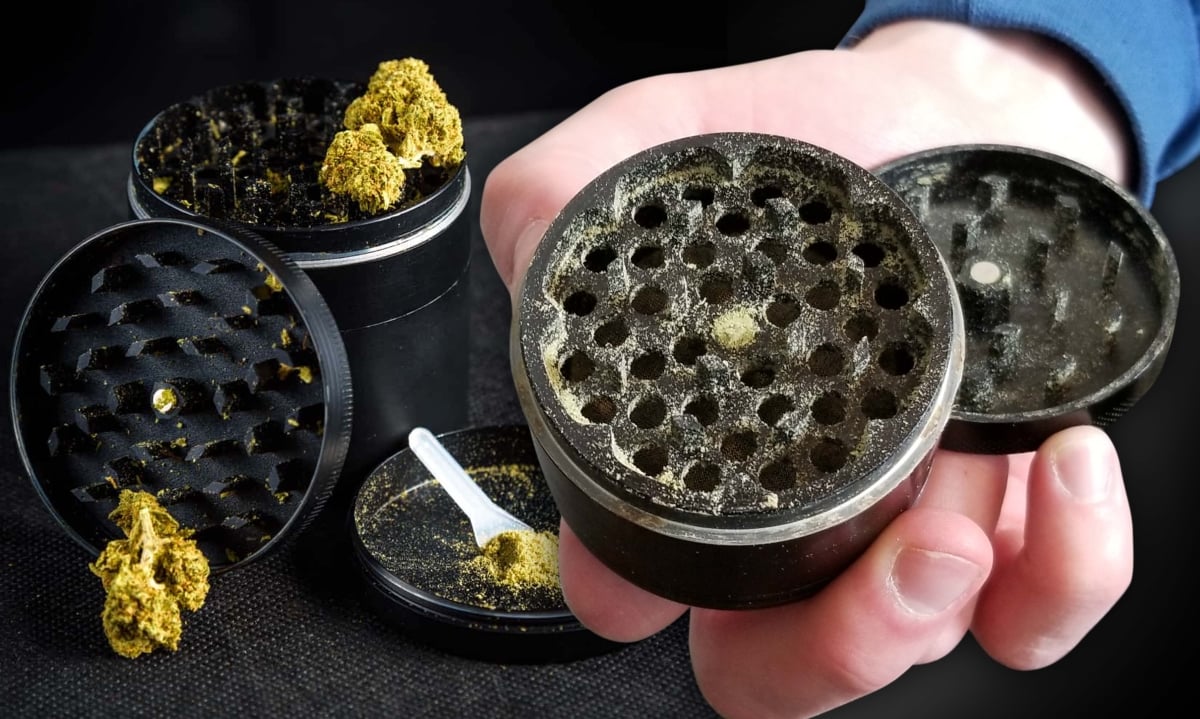
Proper maintenance not only extends the lifespan of your grinder but also enhances the overall experience of using it. By keeping your grinder clean, you can enjoy smoother grinding sessions, preserve the flavor and potency of your herb, and avoid potential health risks associated with contaminated residue.
In this comprehensive guide, we’ll explore various methods of how to clean weed grinder, with a specific focus on the effectiveness of how to clean grinder with boiling water. Additionally, we’ll provide expert tips and insights to help you maintain your grinder in top condition, ensuring a seamless and enjoyable grinding experience every time.
Disassembly of the Weed Grinder
Disassembling your weed grinder correctly is the first step towards achieving a thorough cleaning. By dismantling the grinder into its components, you can access hard-to-reach areas and ensure that every part receives proper attention during the cleaning process.
- Removing the Grinder Components
When disassembling the grinder, pay close attention to each component, including the lid, grinding chamber, and pollen catcher. Carefully unscrew and detach each part, taking care not to lose any small pieces. - Detaching the Lid and Grinding Chamber
Gently twist and remove the lid from the grinder’s main body, ensuring that any residual herb is emptied from the chamber. Next, separate the grinding chamber from the bottom compartment, inspecting each part for cleanliness and functionality.
Cleaning the Individual Components
Once disassembled, it’s time to clean each grinder component thoroughly. Proper cleaning techniques ensure the removal of any residue or buildup, restoring the grinder’s performance and hygiene.
- Scrubbing with a Cleaning Brush
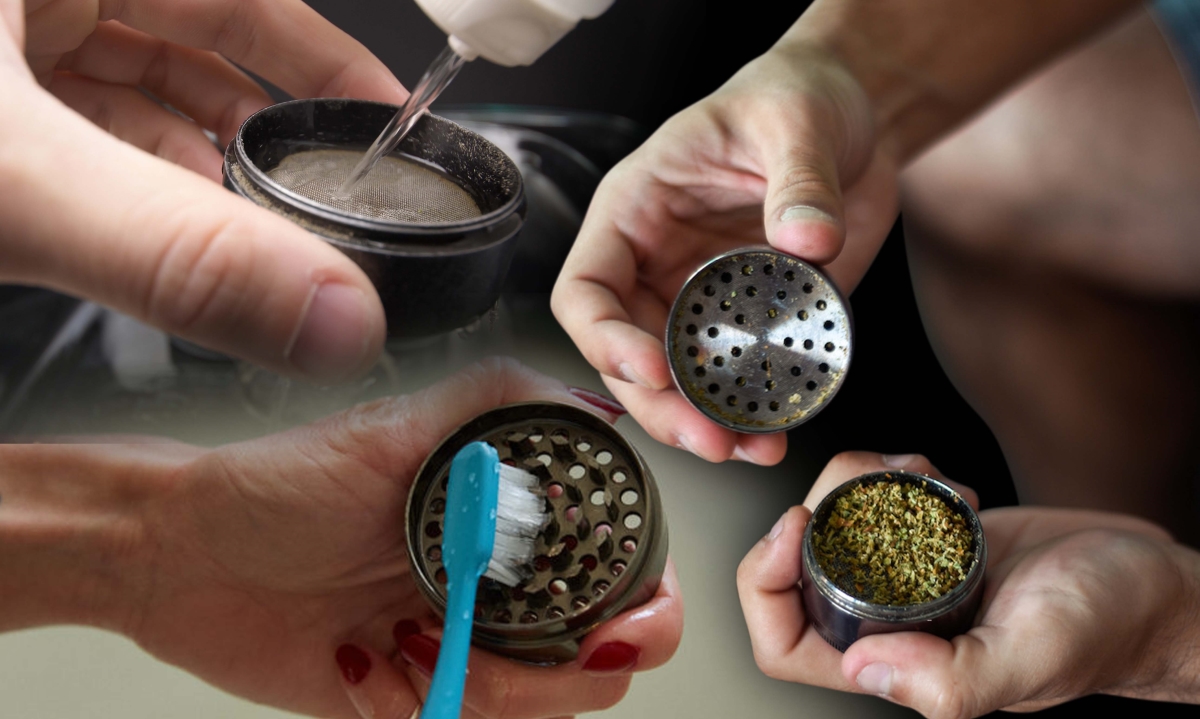
Using a small cleaning brush, scrub the interior and exterior surfaces of the grinder components, paying special attention to areas where residue may accumulate. The bristles of the brush help dislodge stubborn buildup, allowing for easier removal during the cleaning process. - Soaking in Isopropyl Alcohol
For more stubborn residue, consider soaking the disassembled grinder parts in isopropyl alcohol. The alcohol helps dissolve residue and buildup, making it easier to clean. Allow the components to soak for at least 30 minutes before rinsing thoroughly with water.
Cleaning Techniques for Weed Grinder with Boiling Water
Cleaning your weed grinder with boiling water is an effective and chemical-free method for removing residue and restoring its functionality. The application of heat helps loosen stubborn buildup, making it easier to clean and sanitize the grinder.
Boiling Water Method Overview
The boiling water method offers a simple yet powerful solution for cleaning your weed grinder. By harnessing the cleansing power of heat, you can effectively remove residue and contaminants without the need for harsh chemicals or abrasive scrubbing.
- Boiling Water Preparation
To begin, fill a pot with enough water to fully submerge the grinder components. Place the pot on the stove and bring the water to a rolling boil. Ensure that the pot is large enough to accommodate all the grinder parts comfortably. - Submerging the Grinder Parts
Carefully place the disassembled grinder parts into the pot of boiling water, ensuring that they are fully submerged. Allow the components to boil for approximately 10-15 minutes, allowing the heat to penetrate and loosen any stubborn residue.
Scrubbing and Drying
Once the components have been boiled, remove them from the water using tongs or a slotted spoon. Allow the parts to cool slightly before handling them to avoid burns.
- Scrubbing with a Cleaning Brush
After boiling, use a cleaning brush to scrub away any remaining residue from the grinder components. The combination of heat and agitation helps dislodge stubborn buildup, leaving the parts clean and sanitized. - Drying and Reassembly
After cleaning, thoroughly dry each grinder component with a clean towel or cloth. Ensure that all moisture has been removed to prevent rust or corrosion. Once dry, reassemble the grinder, ensuring that each part is securely fastened.
Conclusion
In conclusion, maintaining a clean weed grinder is essential for preserving its longevity, performance, and hygiene. By following the cleaning techniques outlined in this guide, particularly how to clean a grinder with boiling water, you can ensure that your grinder remains in optimal condition for years to come.
Regular cleaning not only enhances the functionality of your grinder but also improves the quality and taste of your herb. By establishing a cleaning routine and utilizing effective cleaning methods, you can enjoy a seamless and enjoyable grinding experience every time.
Remember to clean your grinder regularly, inspecting each component for residue or buildup. With proper maintenance and care, your weed grinder can continue to provide smooth and consistent grinding for all your herb needs.
FAQs
Q: How often should I clean my weed grinder?
A: Regular cleaning is essential to prevent residue buildup and maintain optimal performance. Aim to clean your grinder at least once every few weeks or whenever you notice a decrease in grinding efficiency.
Q: Can I use soap when cleaning my weed grinder?
A: While soap can be effective for removing residue, it’s best to avoid using it as it may leave behind a soapy residue or alter the taste of your herb. Stick to using water or alcohol for a thorough cleanse.
Q: Is it safe to boil metal grinder parts?
A: Yes, boiling metal grinder parts is safe and effective for removing residue and sanitizing the components. Just ensure that the parts are fully dry before reassembly to prevent rusting.
Q: Can I use the boiling water method for acrylic or plastic grinders?
A: It’s not recommended to use boiling water on acrylic or plastic grinders, as the heat may cause warping or damage to the material. Stick to gentler cleaning methods for these types of grinders.
Q: How can I prevent residue buildup in my weed grinder?
A: To prevent residue buildup, clean your grinder regularly and avoid overloading it with herb. Additionally, store your grinder in a cool, dry place to maintain cleanliness and hygiene.