500 NEW MARIJUANA SEEDS RELEASED

Does Dry Shampoo Get Rid of Weed Smell and Other Solutions For Weed Smell


Does Dry Shampoo Get Rid of Weed Smell? Yup, it sure can! Check out our guide to getting rid of that persistent marijuana scent from your skin and clothes. We spill all the details, offering up some useful insights and simple solutions. In this guide we will help you in battling that weed smell, so that you can live a life that’s not just fresh but totally scent-free. Grab some control over your surroundings with our practical tips, and voila, enjoy a scent-free vibe without breaking a sweat!

Dry Shampoo and Other Solutions

does dry shampoo get rid of weed smell

Does Weed Smell Stick to Skin?

The smell of weed tends to stick around on the skin because of the way its compounds work. To deal with this, it’s important to grasp the science behind why it lingers. THC, the main active compound in weed, likes to stick to the oils on the skin. Surprisingly, dry shampoo, made for hair, can be a huge help for weed-scented skin because it’s great at soaking up oils. Not only does it make the skin feel fresh, but it also gets rid of the smell by tackling the source.

The Science Behind Weed Smell on Skin

Going deeper into the science of it, THC, being lipophilic, easily attaches itself to the oils on the skin. This connection leads to a lasting smell that regular washing might not completely get rid of. Dry shampoo, made with main ingredients like starches or clays, soaks up extra oils, breaking the bond with THC. This scientific knowledge is why dry shampoo works well as an unusual yet effective solution for getting rid of the weed smell on the skin.

DIY Remedies for Weed-Scented Skin

  • Dry Shampoo: Dry shampoo takes the lead in battling weed odor on the skin. It’s a versatile solution known for its effectiveness in absorbing oils and neutralizing smells.
  • Citrus-Based Scrubs: These scrubs leverage natural acids found in citrus fruits to break down the bonds of THC, the main compound in weed. By complementing the dry shampoo method, citrus-based scrubs enhance the overall effectiveness of the odor removal process.
  • Activated Charcoal Masks: Activated charcoal masks play a role in the process by absorbing impurities from the skin. They help in refreshing the skin and contribute to the elimination of weed odor.
  • Combining Remedies: When you combine these DIY solutions with dry shampoo, you create a holistic and comprehensive approach to tackle weed odor on the skin. The dry shampoo handles oil absorption and smell neutralization, while the citrus-based scrubs and activated charcoal masks work synergistically to break down THC bonds and refresh the skin. This combined strategy ensures a more thorough and effective elimination of weed odor.


Does Weed Smell Stick to Clothes?

does dry shampoo get rid of weed smell

Dealing with weed smell on clothes brings its own set of challenges. Fabrics have a tendency to soak in and hold onto scents, requiring a different approach. Surprisingly, dry shampoo, typically linked to hair care, turns out to be a versatile solution for this issue as well.

How to Get Weed Smell Out of Clothes

Step 1: Choose the Right Dry Shampoo
Selecting the appropriate dry shampoo is key to eliminating weed smell from your clothes. Consider specific factors, opting for a fragrance-free variant to prevent conflicting scents. Ensure the dry shampoo is suitable for your fabric type. Reading product labels and reviews will guide your decision, maximizing the effectiveness of this unconventional method.

Step 2: Prepare Your Garment
Before applying dry shampoo, ensure the garment is clean and free from visible dirt. This sets the stage for optimal results in tackling weed odor.

Step 3: Apply Dry Shampoo Evenly
Spray or apply the chosen dry shampoo evenly on the garment, paying extra attention to areas with a strong weed smell. This application technique allows the product to work its magic in breaking down the odor compounds.

Step 4: Let the Dry Shampoo Work
Follow the specific instructions provided on the dry shampoo product. Allow the dry shampoo some time to work its magic on the weed smell before proceeding to wash the clothes as usual.

Step 5: Wash Clothes as Usual
After the dry shampoo has had time to work, launder the clothes following your regular washing routine. This simple yet effective guide ensures the best results, leaving your wardrobe not only clean but also free from any lingering weed odor.

Conclusion

In summary, dealing with the challenge of weed smell on skin and clothes calls for a well-rounded approach. Dry shampoo, with its surprising versatility, takes the spotlight in this problem. From understanding the science behind weed odor to taking preventive actions and exploring other solutions, this guide equips you with a comprehensive strategy. Bid farewell to weed scent, embrace a fresh lifestyle, and feel confident knowing you have control over unwanted odors.

FAQs

Q: Can I use any dry shampoo to eliminate weed smell from clothes?
A: Certainly! However, opt for a fragrance-free dry shampoo to ensure it doesn’t clash with the weed scent.

Q: How often should I apply dry shampoo to my clothes?
A: Frequency depends on usage. For occasional exposure, once every few wears may suffice. Increase the frequency for regular exposure.

Q: Are there any side effects to using dry shampoo on clothes?
A: No, dry shampoo is safe for fabrics. Ensure proper application and follow the product’s instructions for optimal results.

Q: Can I make my own dry shampoo at home?
A: Absolutely! DIY dry shampoo recipes abound. Experiment with ingredients like cornstarch, baking soda, and essential oils for a personalized touch.

Q: Is dry shampoo suitable for all fabric types?
A: In general, yes. However, it’s wise to test on a small, inconspicuous area first to ensure compatibility with the fabric.

Q: Are there any alternatives to dry shampoo for eliminating weed smell from clothes?
A: Certainly! Explore alternatives such as vinegar, activated charcoal, or specialty odor-removing sprays.

Is Weed Witchcraft: An Old Age Question Answered


Is Weed Witchcraft? The captivating charm of Witchcraft brings to mind spooky images like ghosts, skeletons, and enchanting sorceresses. The classic witch, with her broomsticks and cackling laughter, might seem like a fantasy, but the reality of practicing witchcraft has a history spanning thousands of years. We uncover the fascinating connection between cannabis and witchcraft—a historical partnership filled with rituals, ceremonies, and magic. This combination has been part of human traditions for a long time, weaving a tale of ancient practices and mystical experiences.

Historical Context

is weed witchcraft

Going on this passage through time, it’s important to grasp the broader historical context of cannabis and witchcraft. In ancient civilizations, like the Gaddi people in India, cannabis found its place in rituals, serving purposes of divination. Norse mythology introduces the goddess Freya, highlighting the cultural importance of cannabis in magical practices. Germanic Pagans took it a step further, regarding hemp as spiritually essential. They even crafted clothes from it as gifts for the departed, emphasizing the vital role of cannabis in their belief systems. This deep connection between cannabis and ancient traditions unveils a rich tapestry of cultural practices across diverse societies.

Global Perspectives

Zooming out globally, the way cannabis was used in ancient Greece and China showcases its diverse cultural roles. In ancient Greece, Pythia, the Oracle of Delphi, breathed in smoke from hallucinogenic plants for divination, offering a unique glimpse into the early links between mind-altering substances and spiritual rituals. Simultaneously, ancient Chinese writings acknowledge marijuana’s medicinal properties and its potential to trigger spiritual experiences, adding depth to our comprehension of cannabis in different cultural contexts.

Middle Ages – The Turning Point

The Middle Ages become a crucial turning point when the Pope’s ban on marijuana results in its demonization, creating a lasting stigma that stretches across centuries. This change in perception not only reshapes how society views cannabis but also establishes the foundation for linking it with witchcraft. This intertwining of the plant with notions of the occult and dark arts becomes a defining aspect, casting a shadow over marijuana’s reputation for generations. The ban by the Pope shapes the narrative around cannabis, associating it with mysterious and forbidden practices that echo through history.

How and Why Modern Witches Use Cannabis

is weed witchcraft

Fast-forwarding to the present day, the psychoactive effects of THC establish cannabis as a contemporary tool in witchcraft. In today’s practice, modern witches use cannabis for meditation, purifying spaces before rituals through Smoke Cleansing, and offering it to deities for blessings and protection. Some even take the extra step of blessing their cannabis before use, seeking divine favor in their spiritual endeavors. The current role of cannabis in witchcraft reflects a blend of ancient traditions and modern practices, where the plant takes on new significance in the pursuit of mystical experiences and spiritual connections.

Ritualistic Practices

In today’s world of modern witchcraft, cannabis plays a role in various ritual practices. A common prelude to spellwork is Smoke Cleansing, where the smoke from burning cannabis is used to purify spaces by dispelling negative energies. Witches, drawing inspiration from offering practices in other religious traditions, symbolically place cannabis on altars as a gesture to seek favor and protection from deities. The careful blessing of cannabis before use emphasizes the deep respect modern witches have for the plant, highlighting the spiritual importance woven into every aspect of its application.

Meditative and Transformative Properties

Going further into the effects on consciousness, many modern witches turn to cannabis as a tool for meditation. Elizabeth DeCoursey’s understanding of reaching altered states through cannabis reflects ancient practices, connecting the past with the present. The purpose-driven essence of witchcraft aligns seamlessly with the trance-like states induced by cannabis, enabling communication with spirits from other realms. This merging of tradition and contemporary approaches highlights the enduring fascination with cannabis in the realm of witchcraft, emphasizing its timeless appeal.

Why Cannabis is Valued in Modern Witchcraft

The elemental link of cannabis holds a crucial position in witchcraft, symbolizing Earth, Fire, Water, and Air. This connection fosters a profound grasp of nature, resonating with the spiritual beliefs of numerous modern witches. The plant’s association with these elemental forces becomes a key aspect, deepening the connection between witchcraft and the natural world.

Elemental Significance

The elemental symbolism of cannabis in witchcraft reveals a profound link to the natural world. According to Aura of the Forest, cannabis embodies all four elements – Earth in the plant itself, Fire when it’s lit, Water in its growth process and when used with water pipes, and Air in the marijuana smoke. This intricate connection to the elements not only aligns with the fundamental principles of witchcraft but also enhances the spiritual journey for practitioners, deepening their bond with the forces of nature.

Ritual Applications

The thoughtful utilization of cannabis in healing spells, incantations, and crafting tinctures for others’ well-being showcases the plant’s versatility in modern witchcraft. Indica strains, known for promoting relaxation and meditation, play a role in rituals centered on healing and nurturing. On the flip side, sativa strains, celebrated for elevating consciousness, become the choice for spells aimed at attracting fortune and abundance. The adaptability of cannabis across various ritual settings highlights its significance as a versatile tool for modern witches, catering to diverse aspects of their spiritual practices.

Modern Perspectives on Ancient Practices

As modern witches tap into ancient wisdom, the significance of cannabis in witchcraft becomes increasingly clear. Its incorporation into healing rituals, love spells, and transformative meditative practices indicates a growing recognition of the plant’s potential. Carrying forward these age-old traditions into a contemporary setting strengthens the enduring charm and versatility of cannabis within the ever-changing landscape of witchcraft.

What Witches Use Cannabis for in Ritual

Witches strategically use cannabis in various ways, incorporating it into healing spells, personal health incantations, and the crafting of tinctures for others’ well-being. Its aphrodisiac qualities also make it a preferred choice for love spells and sex magic, with both indica and sativa strains selected for specific ritual purposes. The intentional use of cannabis in these practices reflects the careful consideration modern witches give to the unique properties of different strains, tailoring them to specific aspects of their craft.

Healing Rituals

Within the domain of healing, cannabis assumes a central role owing to its medicinal attributes. Modern witches acknowledge its potential in easing physical and mental ailments, incorporating the therapeutic essence of the plant into their rituals. The intentional act of smoking cannabis during incantations blends the mystical with the medicinal, creating a deliberate synergy for overall well-being. This practice reflects the understanding among contemporary witches of the dual nature of cannabis, where its healing properties intertwine seamlessly with the spiritual aspects of their craft.

Aphrodisiac Properties in Love Spells

The love-centric qualities of cannabis take center stage in the casting of love spells and sex magic. Witches, adopting a ‘horses for courses’ approach, thoughtfully opt for indica strains known for their relaxation and meditative attributes. This choice enhances the sensual and emotional dimensions of love-oriented rituals. On the other hand, sativa strains, renowned for elevating energy levels, become the favored option for manifestation rituals. This intricate selection process establishes a harmonious interplay between different cannabis varieties and the specific outcomes desired in the casting of spells.

Ritual Personalization

The individualized approach to cannabis in witchcraft goes beyond its mere use; it extends to the ritual of blessing the plant before consumption. Witches call upon the divine, seeking blessings from gods and goddesses, infusing a layer of spirituality into the process of preparing and partaking in cannabis. This personal touch not only strengthens the sacred essence of the ritual but also establishes a direct connection between the practitioner and the spiritual realm. This intentional act of seeking divine favor adds a profound dimension to the interaction between the witch and the plant, emphasizing the spiritual significance inherent in the practice.

Conclusion

In summary, the intertwined history of cannabis and witchcraft unveils a diverse tapestry of cultural, spiritual, and medicinal importance. The modern witch’s incorporation of cannabis reflects the continuation of long-standing practices, blending tradition with contemporary insights. As cannabis gains wider acceptance, its mystical connection with witchcraft endures, serving as a reminder that, when used responsibly, it can truly be a magical force in the hands of those practicing the ancient art. This enduring relationship between cannabis and witchcraft showcases a harmonious coexistence of the past and present, emphasizing the plant’s enduring role in magical traditions.

FAQs

1. Can cannabis be used by witches in all rituals?
No, the use of cannabis in witchcraft varies. Some witches use it for meditation and cleansing, while others incorporate it into healing spells or love rituals. It depends on the practitioner’s intent and the nature of the ritual.

2. Is cannabis essential for modern witchcraft practices?
No, it’s not essential. While some modern witches find value in using cannabis for its meditative and transformative properties, many others choose not to incorporate it into their practices. Witchcraft is diverse, and individuals have different preferences for ritual tools.

3. Can any strain of cannabis be used in witchcraft rituals?
Different strains have different effects. Indica strains are preferred for relaxation and meditation, while sativa strains are chosen for higher consciousness and manifestation rituals. Witches often select strains based on the desired outcome of their specific ritual.

4. Why is cannabis associated with the elements in witchcraft?
Cannabis is linked to Earth, Fire, Water, and Air in witchcraft due to its elemental symbolism. The plant itself represents Earth, the act of lighting it is associated with Fire, its growth involves Water, and smoking it releases Air. This connection deepens the spiritual experience for practitioners.

5. Is the use of cannabis in witchcraft a recent phenomenon?
No, the historical use of cannabis in witchcraft dates back centuries. Ancient civilizations, including the Gaddi people in India and Germanic Pagans, integrated cannabis into their rituals. The plant’s association with spiritual practices has endured through different cultures and time periods.

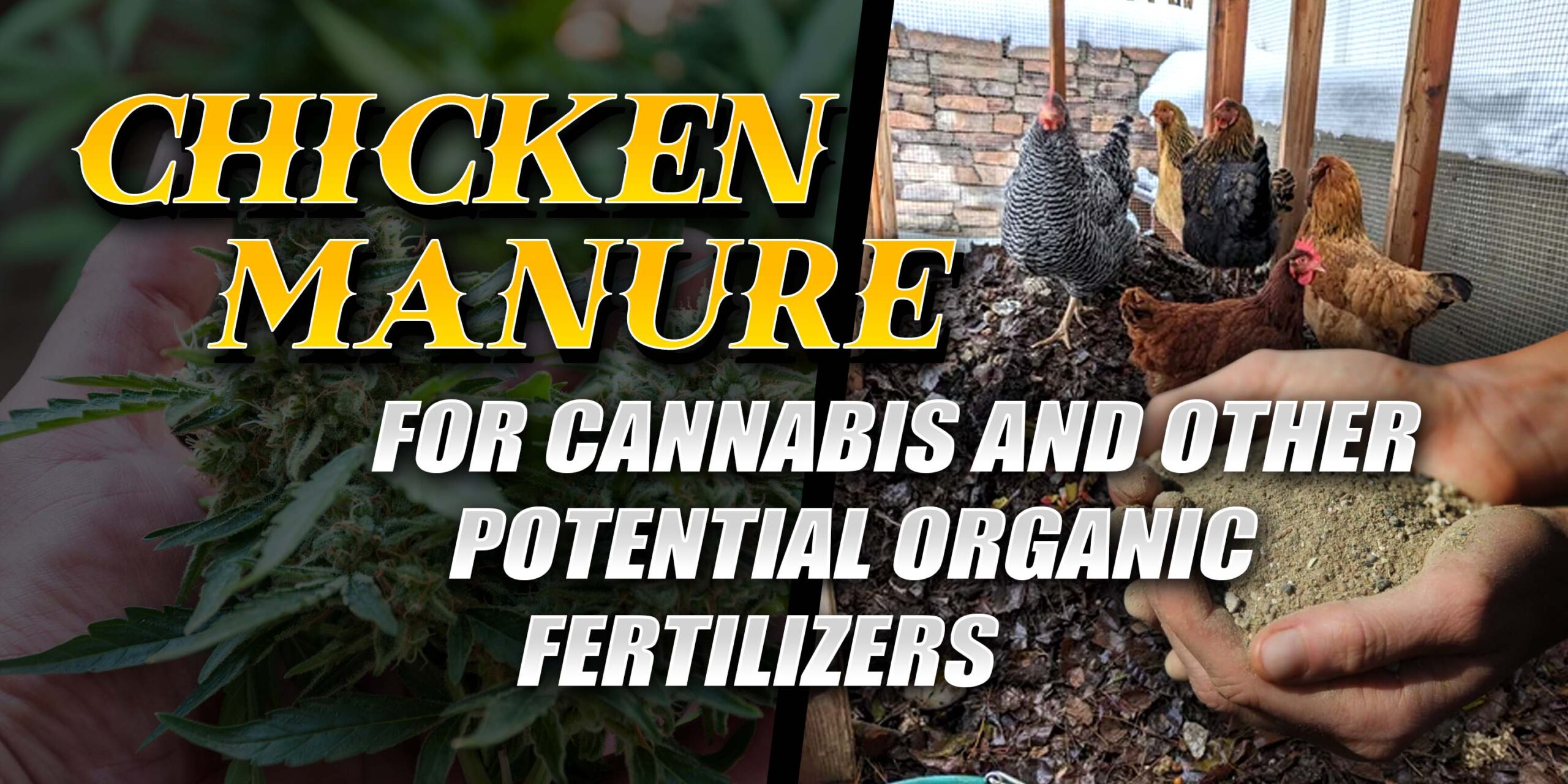
Chicken Manure for Cannabis And Other Potential Organic Fertilizers


When growing cannabis, making your plants reach their full potential needs a smart approach. Using chicken manure for cannabis and other organic fertilizers in your gardening is a key step for great results. Unlike what some might think, manure isn’t just a pile of waste; it’s a strong fertilizer for pot plants for making the soil rich, boosting organic matter, and ensuring your cannabis plants grow well. In this guide, we’ll talk about the many benefits of using manure as a weed soil and fertilizer. We’ll look at how it helps the soil, especially as a fertilizer for cannabis plants, keeping your plants healthy, and making your harvest better.

Why Choose Manure for Cannabis Growth?

chicken manure for cannabis

Enhancing Soil Structure

As outdoor growers move into the spring months, taking care of the soil becomes really important. Manure is a big helper during this time because it makes the soil much better as a fertilizer for weed plants. Whether you’re someone who likes to dig a lot or prefers not to dig much, putting a layer of manure on top is like giving your soil a strong shield. This shield stops the soil from washing away and gives a solid base for your cannabis plants. Knowing how to make the soil better is key for growers who want their gardens to stay healthy and strong.

Increase Water-Holding Capacity

When aiming for the best cannabis growth, managing water becomes super important. Manure plays a big role in this because it helps the soil hold onto water better. This is a real game-changer. By making the soil stronger, manure keeps water in, so you don’t have to water your plants as much. This not only saves water but also keeps your plants from getting too stressed out because of not having enough water. For cannabis growers, figuring out the right amount of water is crucial, and manure is like a trusty friend helping to keep that balance just right.

Nurturing Beneficial Microbes

The teamwork between manure and helpful tiny microbes is a cool part of making cannabis grow well. The special carbon in manure gives these tiny friends a lot of energy. For growers, knowing how these tiny helpers make plants healthy is super important. Manure sets up an environment where bacteria and fungi can do their jobs, like fixing nitrogen and breaking down organic stuff. This helps a lot in keeping the plants strong. Exploring how all this teamwork happens gives growers the know-how to build healthy cannabis gardens.

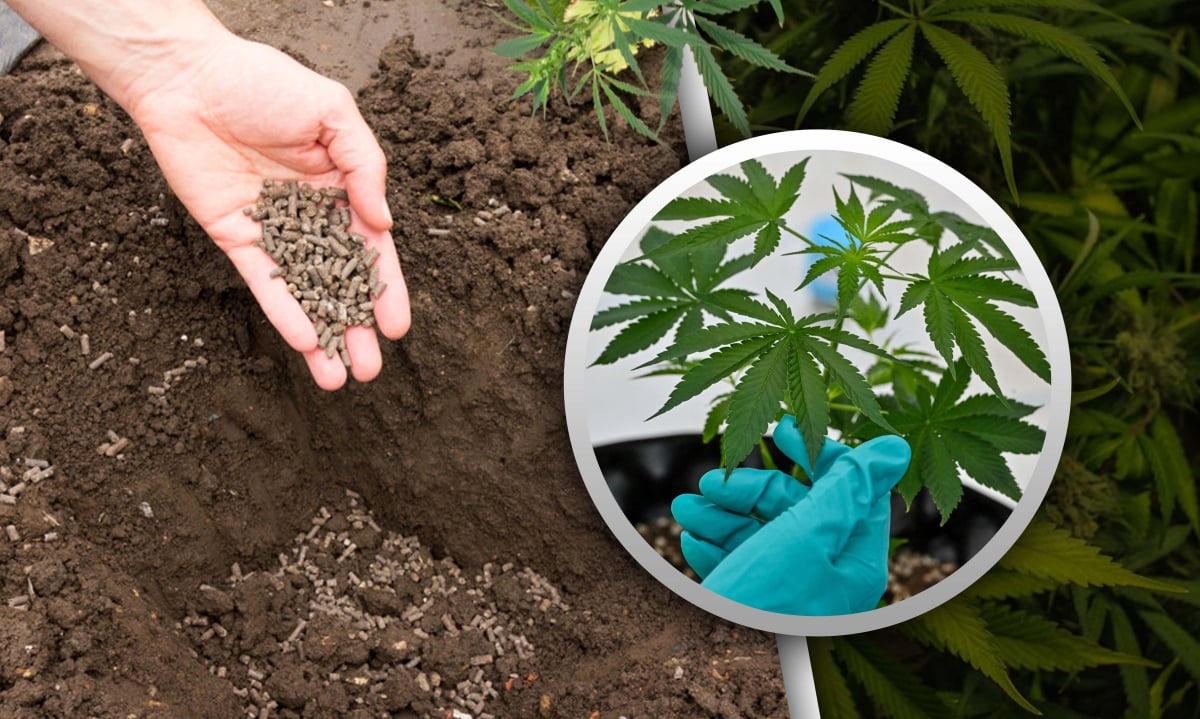
Providing Key Nutrients

Manure is like a gold mine of nutrients for cannabis plants. It’s full of important stuff like nitrogen, phosphorus, potassium, and tiny nutrients that plants need. This gives your cannabis a constant and natural supply of the things it really craves for growing well. Unlike fake fertilizers, manure slowly lets out organic nitrogen over time. This helps your plants grow steadily and strong. To get top-notch yields, growers need to look into what nutrients cannabis plants want, and how manure does a great job fulfilling those needs.

Determining the Right Amount of Manure

chicken manure for cannabis

Knowing Your Garden’s Needs

How much manure you use in your garden really matters for success. In the beginning, using around 317.5 – 458.6 ounces per 9m² isn’t just a random amount. It’s a smart way to set up your beds, get the tiny life in the soil going, and give your cannabis plants the necessary nutrients. As you get more into gardening, you can take it easy. Charles Dowding, a pro at no-dig gardening, suggests putting on 0.8 – 1.2 inches of manure or compost each winter. This helps slowly mix in nutrients, making your soil better over time.

Precision in Manure Application

Knowing how to use manure is like becoming a master at a craft. Being accurate is super important. In the winter, putting the right amount on your beds gets the soil ready for the upcoming growing season. But, it’s not a one-size-fits-all thing. You have to adjust how much manure you use based on how dense or loose your soil is. If your soil is dense, use a bit less; if it’s loose, use a bit more. Being precise with manure is a crucial skill. It makes sure your cannabis plants get just the right nutrients without the risk of using too much or too little.

Choosing the Best Manure for Cannabis

While we can’t deny how great manure is, choosing the right type needs some careful thinking. There’s this thing called aminopyralid (AP), a herbicide that can mess up manure and hurt your crops big time. It’s super important to get manure from trusted sources and check it well to avoid this problem. Knowing the differences between manure types, what they’re made of, and the risks they might bring is a must. This helps you pick the best option for your cannabis garden without any issues.

Chicken Manure: A Nitrogen-Rich Powerhouse

Looking closely at chicken manure, we find a nutrient-packed powerhouse with huge benefits for cannabis growers. It’s loaded with high amounts of nitrogen, phosphorus, and potassium, making it a great choice for those wanting a complete nutrient package. What’s special about chicken manure is you can turn it into a nutrient-rich mix by fermenting it in water. This gives you a quick way to get those nutrients into your plants, and you can use it in different ways. It adds a lot of flexibility to how you give your cannabis the nutrients it needs.

Rabbit Manure: Swift Nutrient Boost

Choosing rabbit manure is a smart move for growers who want nutrients to hit their plants fast. Not only does it work quickly, but rabbit manure is also packed with a bunch of nutrients like nitrogen, phosphorus, potassium, calcium, magnesium, and zinc. What makes it stand out is you can put it straight on top of the soil without having to do the hot composting thing. This makes it super easy and efficient for cannabis plants that need to gulp down nutrients in a hurry.

Horse and Cow Manure: Texture and Fertility Enhancement

Looking into the benefits of horse and cow manure, we find a valuable tool for making the soil better and richer. With about 1–2% nitrogen and 1–3% potassium, this type of manure gives your cannabis a mix of nutrients that works well. But, be careful. You need to do hot composting to get rid of possible germs. When you think about using horse and cow manure, think about how much it costs to bring it to you and the chance of finding AP. Taking these things into account is crucial.

Pig Manure: A Historical Option with Modern Considerations

Once a top pick for growing cannabis, pig manure needs extra care now because of higher risks of contamination. As pig farming methods changed, there’s more E. coli, salmonella, and parasites in pig manure. Growers have to be careful. You can either turn fresh pig manure into compost to get rid of germs, or get well-rotted pig manure from trusted suppliers to make sure it’s safe and works well for growing cannabis.

Sheep Manure: The Nitrogen-Rich Alternative

Choosing sheep manure is a smart move since it beats cow and horse manure with more nitrogen, phosphorus, and potassium. It’s not just about the nutrients – sheep manure is also full of stuff that brings good bacteria to the soil, making it better. But, there’s a rule to follow. Before using fresh sheep manure, make sure to compost it. This gets rid of any seeds and makes sure your cannabis plants won’t get burned.

Alpaca Manure: Quick Fertilization Without Composting

Alpaca manure is a top pick for growers wanting a quick fertilizer that doesn’t need composting. It’s packed with a lot of nitrogen and potassium, making it a fast and efficient way to give your cannabis plants the nutrients they need. While it doesn’t have as much organic stuff as some other choices, you can use it directly on top of the soil. This makes it a great option for certain cultivation needs because it’s easy and convenient to apply.

Tips for Optimal Cannabis Growth with Manure

  • Precise Application: When putting on manure, make sure to spread it evenly and precisely across the area you want to cover. This helps cannabis plants take in nutrients evenly and lowers the chance of uneven growth.
  • Thorough Checking: Before getting manure, thoroughly check out the suppliers. Read reviews online, ask experienced growers for advice, and talk directly to suppliers to make sure the manure is good quality and doesn’t have any bad stuff in it.
  • Regular Checking: Keep an eye on how manure affects your cannabis plants during the growing season. Watch for signs that your plants either don’t have enough nutrients or have too much. Change how you put on manure if needed and adjust the amount based on what your garden specifically needs.
  • Adaptation to Soil: Adjust how you use manure based on how your soil changes. Do soil tests now and then to see how many nutrients are in there, check the pH, and see how healthy your soil is overall. Change the type and amount of manure you use to keep a good balance between the soil and your cannabis plants.


Conclusion

To sum it up, adding manure as a weed fertilizer outdoors in your cultivation routine isn’t just a random choice; it’s a smart move that brings big benefits to your soil, plants, and overall harvest success. Following the tips in this guide gives your gardening efforts a boost with the amazing power of manure. Learn about the different types of manure, get good at putting it on just right, and see your cannabis plants grow better than ever. Happy growing!

FAQs

1. Can I use any type of manure for my cannabis plants?
Not all manures are created equal. Opt for well-rotted manure from trusted sources, avoiding herbicide-contaminated varieties. Popular choices include chicken, rabbit, and alpaca manure.

2. Is manure safe for my cannabis plants, or could it harm them?
While manure offers valuable nutrients, ensure it’s well-rotted to avoid burning your plants. Fresh or “hot” manure may contain high levels of nitrogen and salts, potentially harming cannabis, especially young seedlings.

3. How often should I apply manure to my cannabis garden?
For initial bed establishment, apply 317.5 – 458.6 oz per 9m². As your garden matures, consider a more laid-back approach, following no-dig gardening practices, and applying a 0.8 – 1.2 inches layer each winter.

4. Can I mix different types of manure for my cannabis plants?
Yes, you can mix manures for a balanced nutrient profile. However, ensure all manures are well-rotted. Avoid mixing fresh manure, as it may have different nutrient levels and pose a risk to your cannabis plants.

5. Is there a risk of pests or diseases with manure in cannabis cultivation?

Proper composting and sourcing from reputable suppliers minimize the risk. Pig manure, in particular, may carry pathogens, so ensure it’s well-rotted or sourced from trusted providers to mitigate potential issues.

Top 10 Easiest Weed Strain to Grow

Thinking about getting into growing marijuana? It’s a pretty rewarding experience for beginners, not just because you get a bunch of quality buds but also because you can learn a ton. The secret to a successful cultivation journey is choosing the right strains. So, in this guide, we’ll break down the top ten easiest weed strain to grow for beginners. It’s all about making the growing process easy and productive. Follow this guide, and you’ll be on your way to a successful and enjoyable marijuana cultivation adventure with our selection of the easiest weed to grow.

1. Blue Dream: The Pinnacle of Ease and Yield

Blue Dream Strain

Blue Dream is popular among cultivators for a good reason. It comes from a mix of Blueberry and Haze, making it a favorite. This strain has a lot of sativa and grows well in different climates. Beginners enjoy the Screen of Green (Scrog) technique, which helps maximize yields. Blue Dream is forgiving of mistakes, making it a great choice, especially for those who might forget to water or add nutrients sometimes.

This strain is versatile and does well indoors and outdoors in different climates. Its genetic makeup promotes strong growth and high yields of potent buds. Whether you’re new to cultivation or experienced, adding Blue Dream to your lineup promises rewarding and easy strains to grow. Understanding the SCROG technique is important for successful cultivation. By placing the plant’s branches through a screen or net, growers can take advantage of Blue Dream’s natural vertical growth. This helps the canopy develop and maximizes light exposure to lower branches, leading to higher yields.

2. Wedding Cake: A Sweet Symphony of Growth

Wedding Cake Strain

We are transitioning to Wedding Cake, which is a new strain in the cannabis community. It has become popular . When we grow Wedding Cake, it has a delightful and aromatic twist. Wedding Cake comes from breeding different strains of Cookies. It creates a new group of strains called cake strains. Each strain has its own characteristics. Wedding Cake is indica, so it grows shorter and more compact. The buds are dense, but we need to prune and top the plant to manage the leaves and prevent mold.

Wedding Cake is a beautiful plant that looks like it’s covered in frost. It has lots of trichomes, making it even more stunning. This strain smells like sweet citrus with a hint of vanilla, just like a delicious dessert. Growing it is a sensory pleasure. If you’re new to growing and want something that looks nice and smells good, Wedding Cake is a great choice. It’s not too hard to take care of, but you still need to pay attention. One important thing to know is that pruning and topping are essential. Wedding Cake is a small plant, so it benefits from removing extra leaves. This lets more light in and helps with air circulation. Topping the plant also helps control its height and encourages it to grow sideways, which increases how much you’ll get in the end.

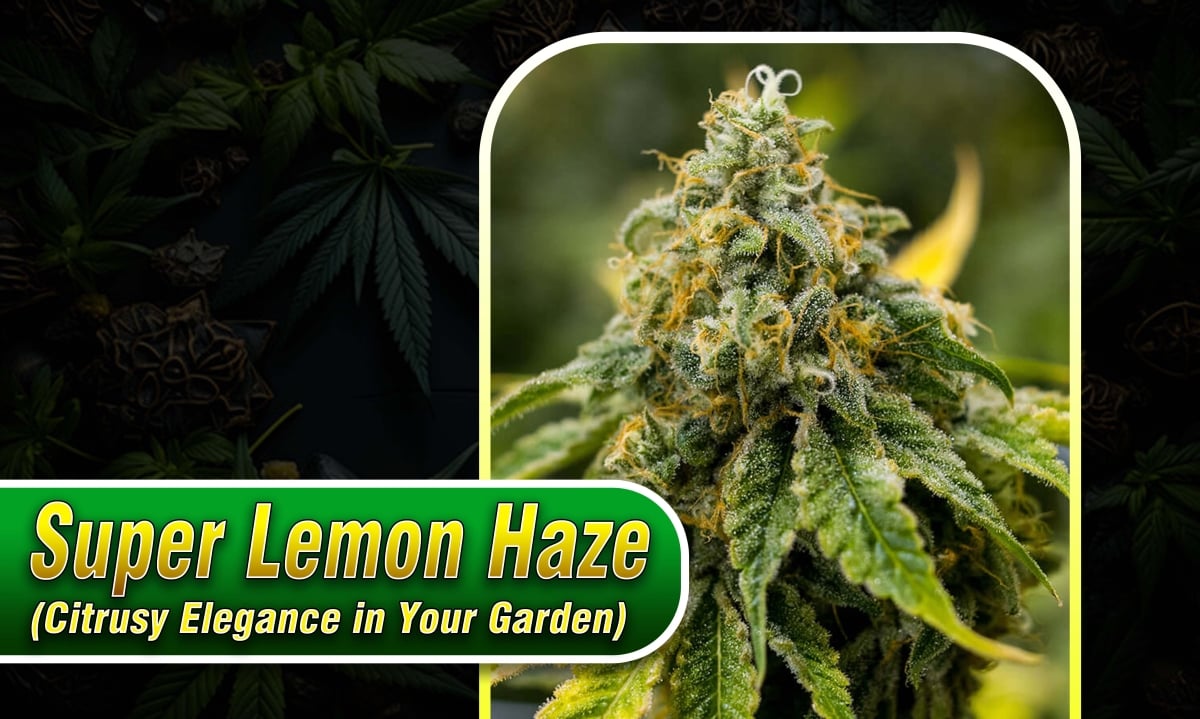
3. Super Lemon Haze: Citrusy Elegance in Your Garden

Super Lemon Haze

Super Lemon Haze is a citrusy strain that is a result of crossbreeding Super Silver Haze and Lemon Skunk. It is mostly sativa and does well in warm and humid climates. But it can adapt to different environments. It is easy to grow and is a great choice for beginners because it requires minimal attention but still produces tall and impressive plants.

It is important to understand that Super Lemon Haze likes space. It grows tall, so it needs room to stretch during cultivation. The Screen of Green (SCROG) technique can help control its height and get more light. Super Lemon Haze takes about nine weeks to flower, but the citrusy smell and taste make it a great choice for growers.

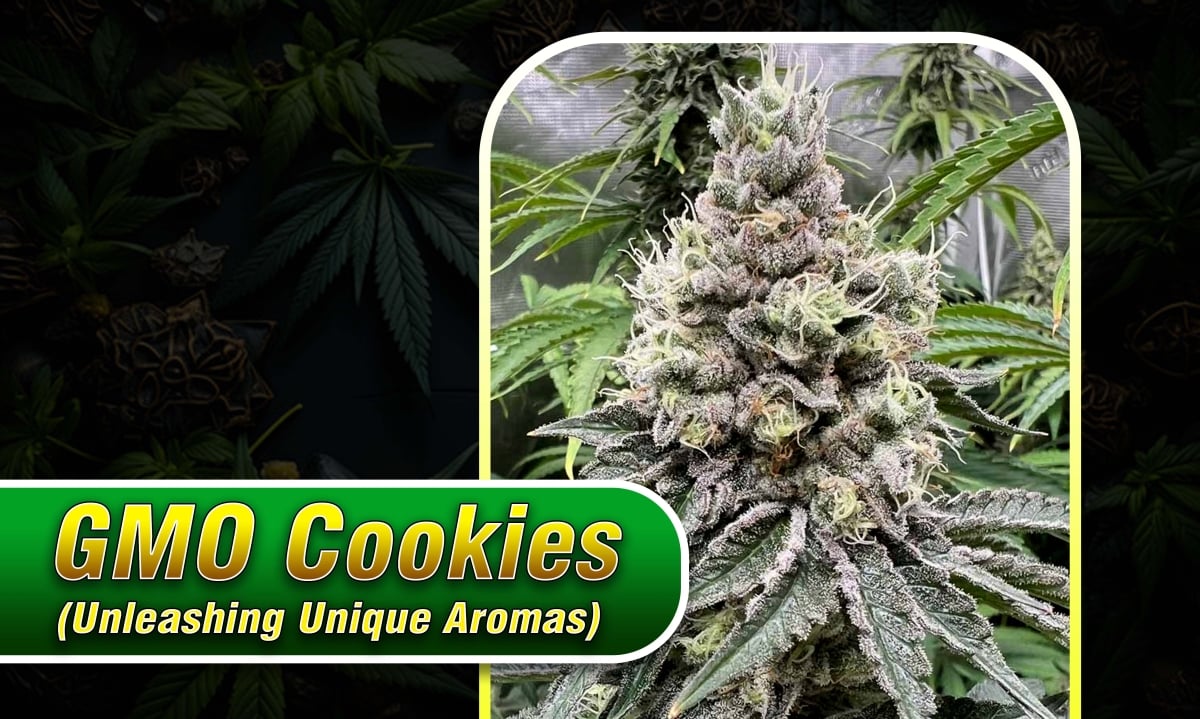
4. GMO Cookies: Unleashing Unique Aromas

GMO Cookies Strain

GMO Cookies is a strain that combines GSC and Chemdog. It’s called “Garlic Cookies” because of its unique scents. This strain has a special smell that sets it apart from other cannabis strains. GMO Cookies have dense, sticky, light green buds with orange hairs. It looks good and is great for making DIY hash because it has a lot of trichomes.

GMO Cookies is a strain that grows well in different climates, whether indoors or outdoors. But it takes a longer time to flower, about nine to ten weeks. But still the wait is worth it because the buds are potent, flavorful, and unique, which adds something special to your garden.

5. Sour OG: A Twist of Complexity for Beginners

Sour OG Strain

Sour OG is a hybrid strain that comes from OG Kush and Sour Diesel. It adds complexity to the growing process. This strain has a mix of scents like skunk, spice, fuel, pine, and lemon. Sour OG is a challenge for beginners who want to discover different cannabis aromas.

Sour OG is a strain that has dense buds like OG Kush. It grows well in slightly humid conditions and benefits from trellising or the Screen of Green technique. It takes about eight weeks to flower. Sour OG is known for its potency and unique flavor, making it a great choice for anyone looking for something different.

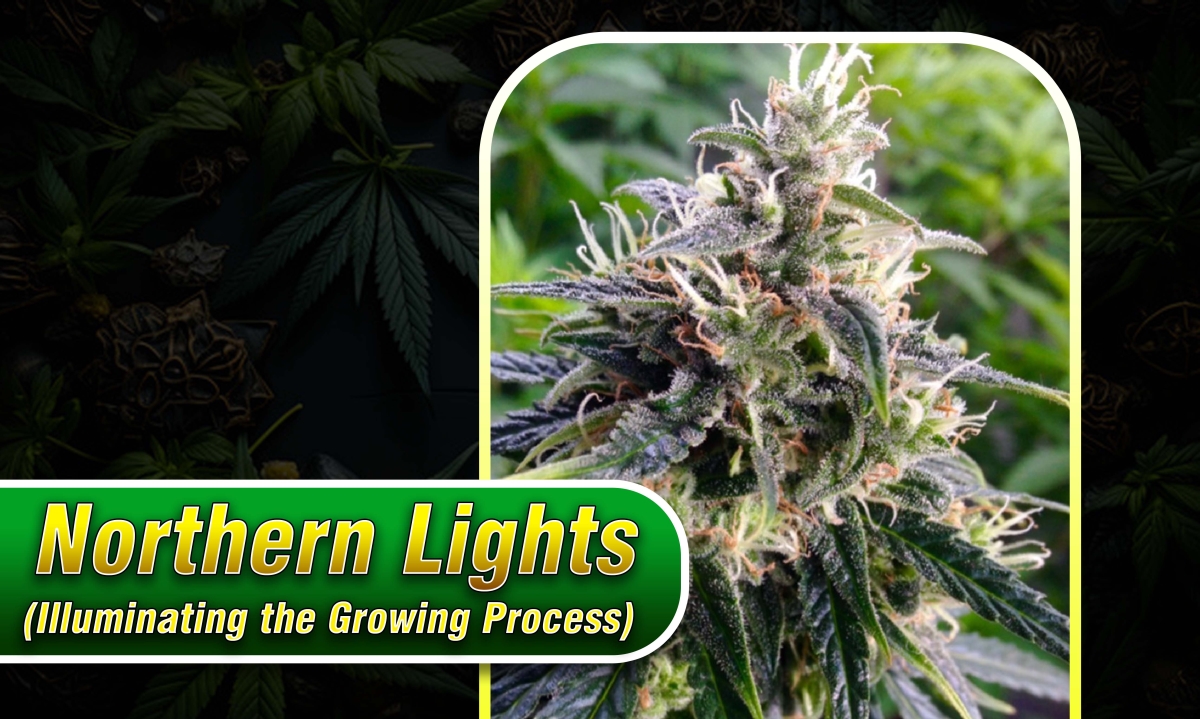
6. Northern Lights: Illuminating the Growing Process

Northern Lights Strain

Northern Lights is a classic indica strain that is one of the easiest cannabis strain to grow. It is loved for its calming effects and is great for beginners. It only takes about seven to eight weeks to flower, making it a great choice for your first harvest.

Northern Lights is a great option for growing indoors and outdoors because of its compact structure. It is popular among beginners because it is tough and can adapt to different climates. Northern Lights is known for its resinous buds, which make the cultivation process easier and lead to a satisfying harvest. This strain is an important milestone for novice cultivators.

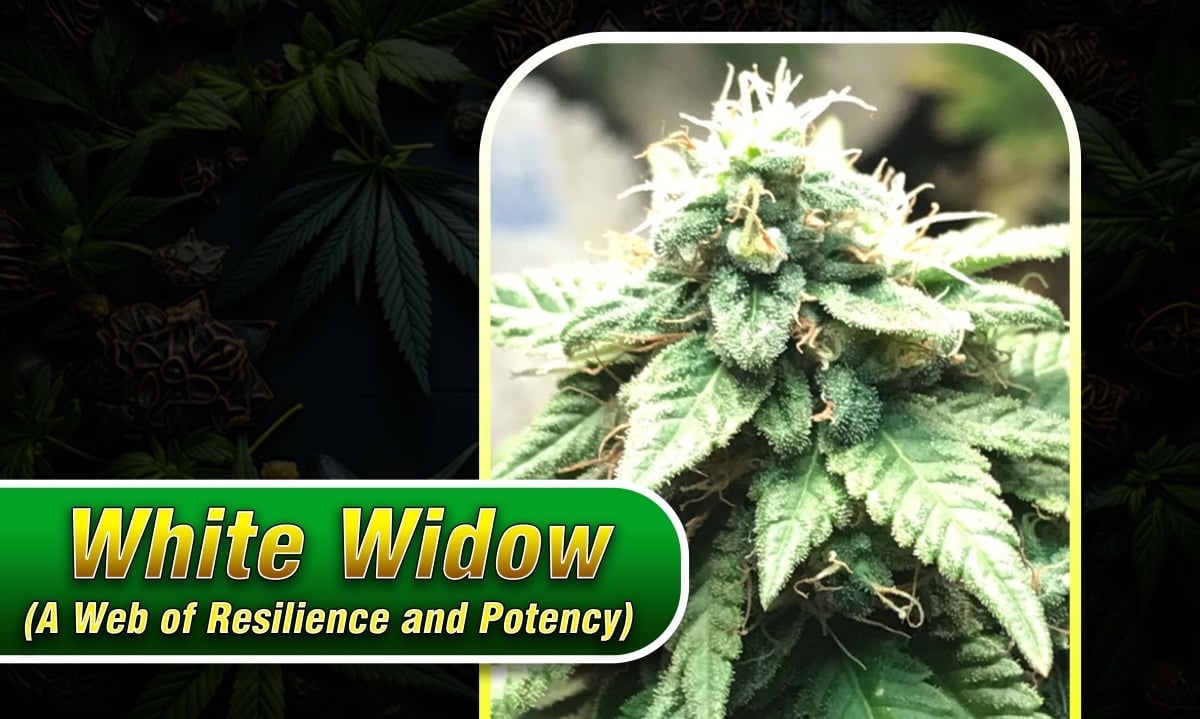
7. White Widow: A Web of Resilience and Potency

White Widow Strain

White Widow is a well-known hybrid that combines Brazilian sativa and South Indian indica. It is popular among cultivators who want a balanced mix of strength and potency. This strain has a moderate flowering time of about eight to nine weeks, which strikes a good balance between efficiency and reward. White Widow can thrive in temperate climates and produce resinous buds. This makes it a top choice for those who want a well-rounded hybrid experience.

White Widow is a balanced hybrid that grows well. It produces resinous buds that show how strong it is. Beginners have many options to choose from when growing cannabis. It can be grown in different climates.

8. AK-47: Rapid Fire Growth and High Yields

AK-47 Strain

The AK-47 is a hybrid that grows quickly and produces a lot. It’s a good choice for beginners who want efficiency and productivity. It takes about eight to nine weeks to flower. This strain is mostly sativa and is both fast and strong. It can grow well in different environments, which makes it popular for beginners who want to see their plants grow quickly.

When exploring how to cultivate AK-47, we can see that it grows quickly, just like its name suggests. Cultivators will find that spacing the plants properly helps them grow better by letting in more light and allowing air to circulate. Beginners who start cultivating AK-47 will not only get a lot of harvest but also learn how to balance growth to increase yields.

9. Green Crack: Energizing Cultivation with Vibrancy

Green Crack Strain

Moving on to Green Crack. It’s a type of marijuana that’s mostly sativa. It’s known for its vibrant growth patterns. It doesn’t take too long to flower, only about seven to nine weeks. This makes it a good choice for beginners who want to see their results quickly. Green Crack is also resistant to pests and diseases, so it’s easy to grow. It’s a rewarding experience for people who are new to marijuana cultivation.

Green Crack grows quickly and needs little care, so it’s a good choice for new growers who want a strain that’s both lively and easy to manage. It’s also resistant to pests and diseases, which is helpful for beginners. Green Crack has a short flowering period and brings energy to any garden, so it’s a great strain for beginners to have.

10. Girl Scout Cookies: Sweet Delights with Potency

Girl Scout Cookies Strain

Concluding our beginner-friendly strains, Girl Scout Cookies (GSC) stands out as a hybrid blend of OG Kush and Durban Poison, promising a delightful mix of sweetness and potency. It has a nice combination of sweetness and strength. GSC takes about eight to nine weeks to grow flowers. It is a good choice for indoor growing because it is compact. This makes GSC versatile and appealing.

GSC’s cultivation dynamics help us understand its special flavor and high resin content. This hybrid strain is sweet and perfect for cultivators who want a tasty and strong plant. As beginners get better at growing GSC, they make their cannabis cultivation journey more enjoyable.

Conclusion

Concluding this detailed guide on mastering marijuana cultivation, we’ve explored a variety of top 10 strains crafted for beginners. Each strain presented has its unique traits, growth patterns, and cultivation details, adding richness and diversity to your marijuana garden. By including these strains in your cultivation routine and applying recommended techniques, beginners can establish the groundwork for a successful, rewarding, and refined cannabis cultivation. May your gardens thrive, and your harvests be abundant!

FAQ

1. Are these strains suitable for both indoor and outdoor cultivation?
Yes, all the mentioned strains are adaptable to both indoor and outdoor environments, providing flexibility for cultivators with different preferences.

2. Do these strains require specialized nutrients or care?
While each strain has its unique preferences, the selected strains are generally forgiving and require standard care. However, understanding the specific needs of each strain can enhance overall plant health and yield.

3. Can I grow these strains in a small space or limited environment?
Yes, several strains, such as Girl Scout Cookies and Northern Lights, are well-suited for cultivation in confined spaces. However, ensuring proper ventilation and space management techniques may be necessary.

4. Do I need to worry about legalities when growing these strains?
Cultivating marijuana is subject to legal regulations that vary by location. It’s crucial to be aware of and comply with local laws regarding the cultivation of cannabis to avoid legal consequences.

5. Can beginners successfully cultivate these strains without prior experience?
Yes, the selected strains are chosen for their suitability for beginners. While some may require specific care considerations, the overall characteristics of these strains make them accessible to novice cultivators. However, it’s essential to research and understand each strain’s unique requirements for optimal results.

Why Do I Green Out Every Time I Smoke


It’s important for both users and those around them to be aware of the reason on “why do I green out every time I smoke.” Even nevertheless this term might not be familiar to everyone, its importance is similar to that of alcohol-induced blackouts. This article aims to explore whats greening out, how many hits does it take to green out, the symptoms that come with it, how to prevent greening out, and how to fix greening out in order to respond and ensure a safe and well-informed cannabis experience. Understanding these aspects can make using cannabis a more straightforward and enjoyable experience for everyone involved.

Cannabis Components and Psychoactive Effects

Why Do I Green Out Every Time I Smoke pic copy

To understand greening out, it’s crucial to grasp the elements of cannabis and how they affect the mind. Cannabis has various compounds, and THC is the main one responsible for the happy feeling linked to using marijuana. On the other hand, CBD, a non-psychoactive compound, is getting attention for its therapeutic benefits. The interaction of over a hundred cannabinoids in the cannabis sativa plant leads to different effects on users.

Figuring out the limit for greening out is tricky and depends on individual factors like weight, exposure to cannabis, and the strength of the product. New users, who haven’t used cannabis much before, might be more likely to green out because their bodies aren’t used to THC’s effects. On the flip side, regular users might build up a tolerance, needing more THC to feel the negative effects of greening out. How you consume cannabis matters too – smoking makes THC kick in faster than slower-acting edibles. In a 2021 study about medical cannabis, the recommended daily THC doses varied from 2.5 to 40 mg, showing that everyone’s tolerance to cannabis is different. Understanding these factors can help people have a safer and more enjoyable experience with cannabis.

Greening Out Triggers

Why Do I Green Out Every Time I Smoke

Greening out happens for different reasons, each with its own risks. Smoking too much cannabis, which many people do for fun or for medical reasons, can lead to accidentally using too much and greening out. The strength of the cannabis matters too – higher levels of THC make the effects kick in faster, making greening out more likely. When cannabis is mixed with alcohol, a combo called cross-fading, it creates unpredictable reactions and increases the chances of greening out. Another risk comes from synthetic cannabis products in the market. These often have stronger effects than natural cannabis, making greening out happen more quickly. It’s important to be aware of these factors to have a safer experience with cannabis.

Symptoms of Greening Out

Spotting the signs of greening out is essential for taking quick action and lessening its impact. Feeling anxious, heavy limbs, dizziness, headaches, and nausea are common signals that someone might be greening out. In more serious situations, users might have panic attacks, feel disoriented, confused, or even experience mild hallucinations. Physically, it can lead to a faster heart rate, lower blood sugar, decreased blood pressure, and narrower blood vessels. It’s significant to know that symptoms can range from mild cases that go away in a few hours to severe instances that can cause prolonged delusions and hallucinations. Being aware of these signs helps in handling greening out more effectively.

Managing Greening Out 5 Things To Take Note Off

If someone is greening out, staying calm and offering support is crucial. Encourage them to take deep breaths, play calming music, and keep a reassuring attitude to ease their symptoms. It’s significant not to leave them alone, as greening out can cause mild hallucinations and confusion. Stay with the person and guide them to a safe place until they feel better, keeping an eye on them in case symptoms get worse. Drinking water or fruit juice can help reduce the severity of greening out symptoms, so it’s good to stay hydrated. In serious situations, it’s necessary to seek medical attention to manage psychological symptoms and prevent any potential health issues. Taking these steps can make a big difference in helping someone through a greening out episode.

Dangers of Greening Out Long-Term Risks

Knowing about the possible long-term risks linked to experiencing greening out often or intensely is really important for users and those around them. It’s not just about the immediate discomfort – there are other consequences to consider. This includes a higher chance of accidents, negative impacts on mental health, the possibility of getting poisoned or overdosing from cannabis edibles, and an increased risk of abusing or becoming addicted to marijuana. Understanding these potential risks is crucial for making informed decisions about using cannabis and maintaining overall well-being.

Risk of Accidents

Greening out can make it harder to control your body – affecting things like movement, coordination, how quickly you react, and your ability to make good decisions. This makes the risk of accidents or injuries go up, especially if you’re doing things like driving or using machinery. It’s important to be aware of these effects to avoid putting yourself and others in danger when using cannabis.

Adverse Effects on Mental Health

If greening out continues for a long time, it can cause ongoing psychological issues, feelings of not being connected to yourself (called depersonalization), and increase the chances of developing mental health problems. This includes conditions like anxiety disorders and psychosis, where someone might lose touch with reality. Being aware of these potential outcomes is important for making informed choices about cannabis use and taking care of your mental well-being.

Poisoning and Overdose

Eating cannabis edibles can be tricky because the effects take a while to kick in. This delay can make it easy to eat too much, which might result in poisoning or an overdose. It’s important to be aware that accidental marijuana poisonings have become more common, especially in cases where children mistake edibles for regular food. This emphasizes the need for caution and careful handling of cannabis-infused products, particularly when there are children around. Being cautious can prevent unintended health issues and ensure a safe cannabis experience.

Marijuana Abuse and Addiction

Many things play a role in marijuana abuse and addiction, such as how old someone is, how often and how much they use it, the way they consume it, the environment they’re in, and their personal history. Experiencing greening out increases the chances of building a tolerance to marijuana, abusing it, and becoming addicted. This connects to the larger problem of substance abuse, where people may struggle with controlling their use of various substances. Understanding these factors is important for making informed decisions about using marijuana and avoiding potential risks of abuse and addiction.

Conclusion

To sum up, having a detailed understanding of greening out is crucial for promoting safe cannabis use. Recognizing what can cause it, being aware of the signs, and taking steps to prevent it can help people enjoy the positive aspects of cannabis while reducing the potential risks. This encourages a well-rounded and informed approach to using cannabis, emphasizing the importance of balance and responsibility for a safer and more enjoyable experience.

FAQs

1. Can greening out occur with other forms of cannabis consumption, such as vaporizing or using cannabis patches?
Yes, greening out can occur with various forms of cannabis consumption, including vaporizing and using patches. The method of consumption influences the rate of THC absorption, contributing to the risk of greening out.

2. Are there long-term effects on memory or cognitive function associated with greening out, similar to alcohol-induced blackouts?
While greening out itself typically results in temporary symptoms, prolonged and frequent greening out incidents may have implications for memory and cognitive function over time. However, research on this specific aspect is limited.

3. Can someone build tolerance to greening out, similar to developing tolerance to THC with regular cannabis use?
Yes, individuals who frequently experience greening out may develop a certain level of tolerance over time. This tolerance, however, is specific to the adverse effects of greening out and does not necessarily correlate directly with THC tolerance.

4. Is there a specific age group more susceptible to greening out, and are there age-related factors influencing the severity of symptoms?
Age can influence susceptibility to greening out, with younger and less experienced cannabis users often being more vulnerable. However, the severity of symptoms is also impacted by various factors such as overall health, tolerance, and individual reactions to THC.

5. Can CBD products alone lead to greening out, or is it primarily associated with THC consumption?
CBD products, which lack the psychoactive properties of THC, are generally not associated with greening out. The phenomenon is primarily linked to the consumption of THC, the psychoactive compound in cannabis.

2024’s Top Weed Strains: Your Ultimate Guide

Cheers to the New Year, cannabis lovers! As we step into 2024, we embrace new opportunities to nurture the the best weed strains 2024. This period marks a thrilling era in the cannabis world, with a new batch of strains ready for exploration, each with its own distinctive appeal and the best effects of 2024 best weed strains. Whether you’re well-versed in cannabis or just starting out, this year is your gateway to the most exceptional strains. We will guide you through the fascinating world of their genetics, cannabinoid profiles, and the captivating flavors and aromas that distinguish each strain. If you’re looking for relaxation, a surge of creativity, or the therapeutic properties of cannabis, these strains have a unique offering for you. So let’s get started and delve into the best strains of weed 2024 has in store!

1.White Cookies Strain Feminized Marijuana Seeds

White Cookies Strain Feminized

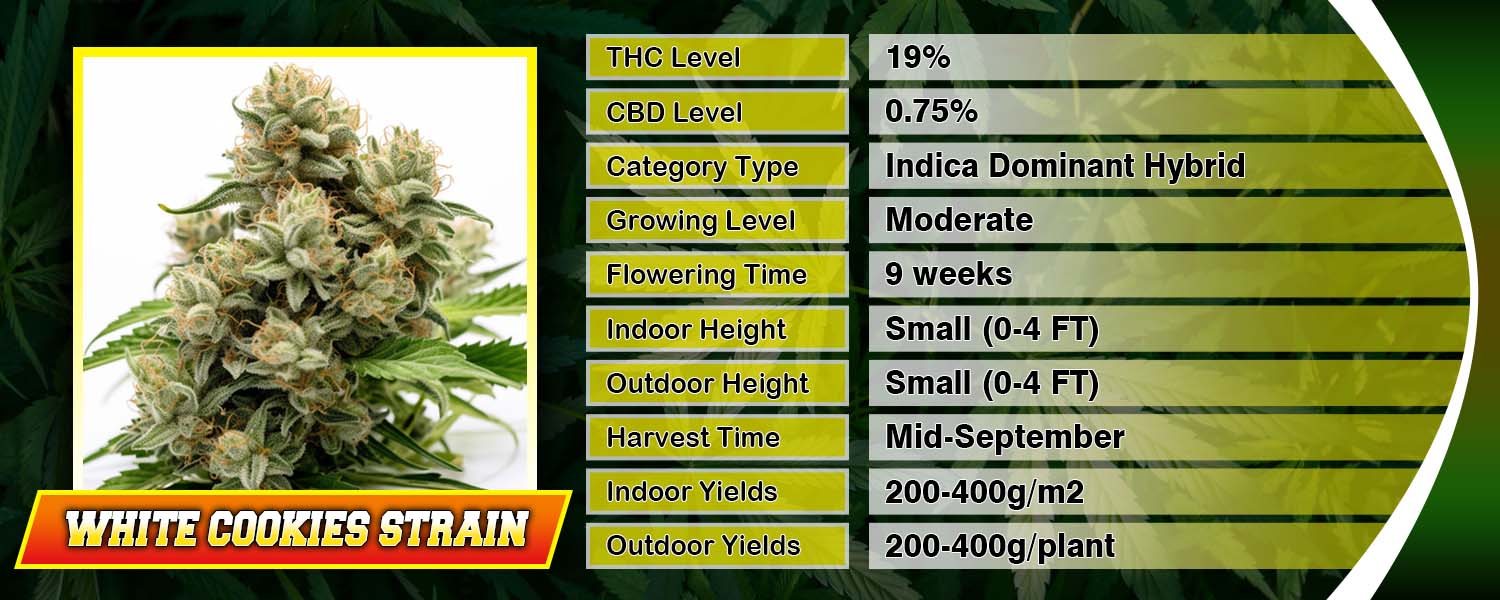
The White Cookies Strain of Feminized Marijuana Seeds has earned its reputation as a best weed strains of 2024, thanks to its remarkable qualities. This hybrid, a mix of the famous White Widow and delicious Girl Scout Cookies, offers the best features of both. It boasts a 19% THC level for a strong yet balanced effect, appealing to both recreational and medical users. The 0.75% CBD content adds a bit of therapeutic value. As an indica-dominant hybrid, it’s easy to grow for cultivators at all levels. It flowers in 9 weeks and fits well in both indoor and outdoor setups due to its compact size. Expect generous yields of 200-400g/m2 indoors or 200-400g/plant outdoors around mid-September. White Cookies stands out with its unique blend of citrus, earthy, minty, pepper, and vanilla flavors, enhanced by terpenes like Camphene, Limonene, Linalool, Myrcene, and Ocimene. Its superb genetics and flavor profile make it a prime pick for cannabis lovers in 2024.

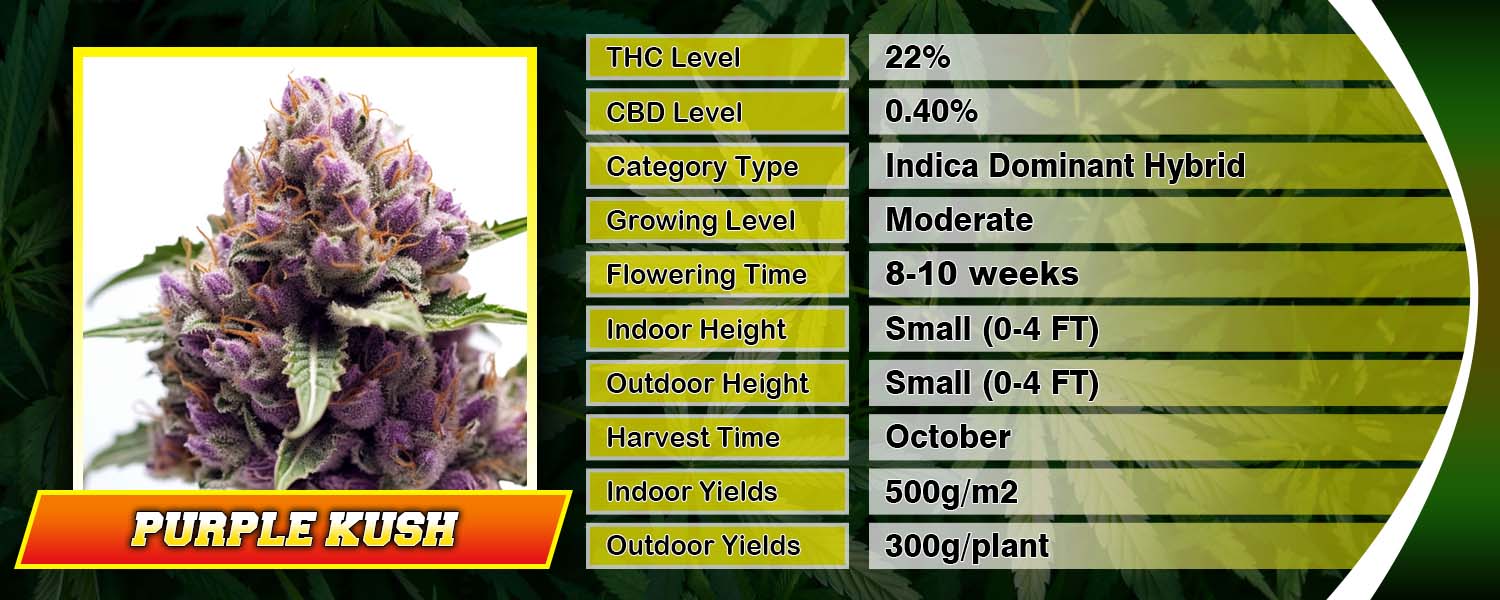
2.Purple Kush Feminized Marijuana Seeds

Purple Kush Feminized

Purple Kush Feminized Marijuana Seeds have earned their reputation as a highly desired strain in 2024, thanks to their outstanding qualities. A beautiful hybrid born from Hindu Kush and Purple Afghani, it’s a genetic wonder. With a high THC level of 22%, Purple Kush provides a profoundly soothing and blissful experience, making it a popular choice. Its 0.40% CBD content adds a hint of therapeutic benefit, appealing to both leisure and medical users. Growing Purple Kush is rewarding for those with some cultivation experience, with its 8-10 week flowering period and suitability for both indoor and outdoor environments. Come October, growers can expect a plentiful yield of up to 500g/m2 indoors or 300g/plant outdoors. The distinct flavors and scents of Purple Kush, including earthy, fruity, grape, pungent, sweet, and woody notes, enhanced by terpenes like Bisabolol, Caryophyllene, Myrcene, Pinene, and Terpineol, make it a truly unique strain. Its remarkable genetics and sensory profile secure Purple Kush Feminized Marijuana Seeds as a top pick in 2024.

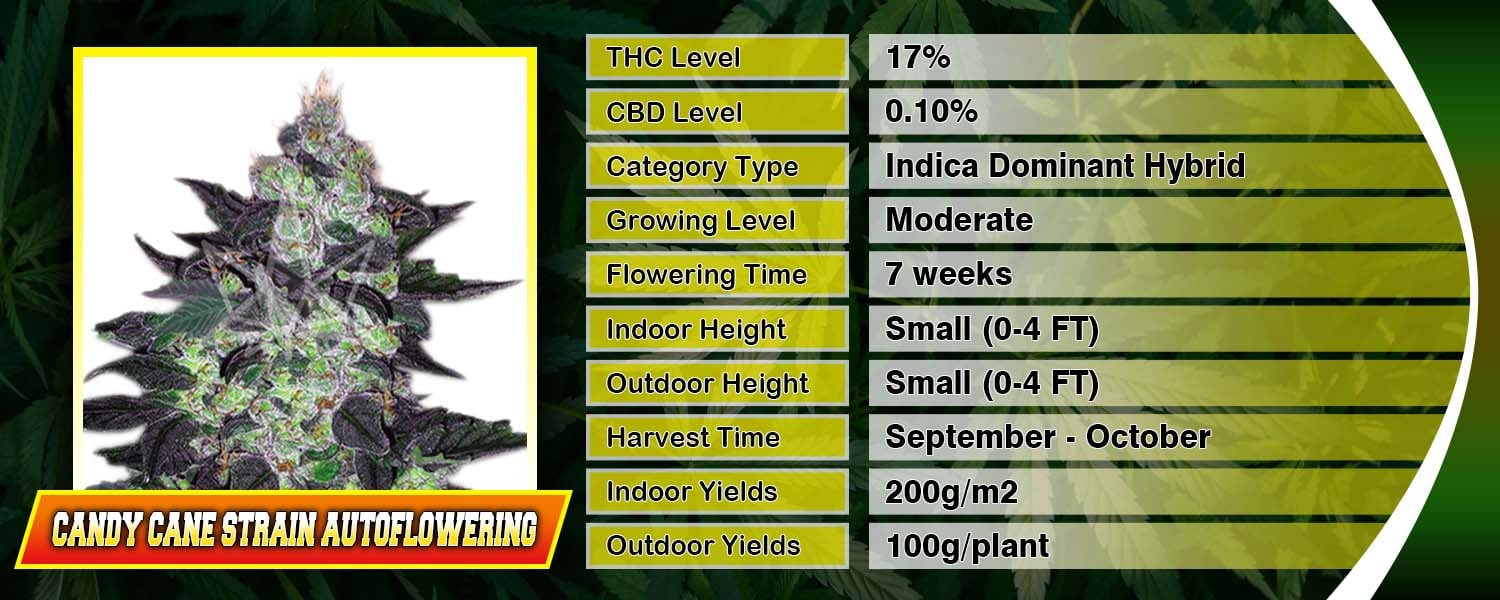
3.Candy Cane Strain Autoflowering Marijuana Seeds

Candy Cane Strain

The Candy Cane Strain of Autoflowering Marijuana Seeds has risen to prominence for good reason. This appealing hybrid is a fusion of AK-47, Mango, White Widow, and Ruderalis genetics, offering an exceptional and enticing genetic makeup. With a THC content of 17%, it provides a well-rounded and accessible high, ideal for both beginners and experienced cannabis users. Despite a modest CBD level of 0.10%, Candy Cane makes up for it with a rich blend of terpenes. This strain is a practical option for growers with its moderate difficulty level and autoflowering characteristic, requiring little effort to thrive. It has a swift flowering period of just 7 weeks and adapts well to various growing spaces with its compact size. Expect substantial yields around September to October, with up to 200g/m2 indoors or 100g/plant outdoors. Candy Cane’s standout feature is its delightful flavor and aroma profile, ranging from fruity and mango to minty, pungent, sour, sweet, and tropical notes, enhanced by terpenes such as Caryophyllene, Delta 3 Carene, Humulene, Limonene, and Myrcene. Its unique genetics and enticing sensory appeal solidify Candy Cane Autoflowering Marijuana Seeds as a top choice in 2024.

4.Dark Angel Strain Feminized Marijuana Seeds

Dark Angel Strain Feminized

Dark Angel Strain Feminized Marijuana Seeds have justifiably established themselves as one of the leading cannabis strains of 2024, thanks to several key factors. This impressive hybrid results from the unique combination of Cheese and Jack Herer genetics, resulting in a standout cannabis variety. It has a THC content of 17.70%, ensuring a balanced high suitable for both recreational enjoyment and medical use. The strain also features a significant CBD content of 1.20%, appealing to those seeking health benefits. A notable aspect of Dark Angel is its straightforward cultivation process, making it a great option for growers at various skill levels. It flowers in just 9 weeks and remains compact, fitting comfortably in different growing environments. Come mid-September harvest, growers can look forward to rewarding yields of 300g/m2 indoors or 500g/plant outdoors. However, the defining characteristic of Dark Angel is its rich flavor palette, ranging from caramel and coffee to lemon, pungency, spiciness, and sweetness, creating an unparalleled taste experience. This is further enriched by terpenes including Caryophyllene, Delta 3 Carene, Humulene, Myrcene, and Ocimene, adding to its exceptional appeal. With such impressive genetics and an enticing aroma, Dark Angel Strain Feminized Marijuana Seeds are undoubtedly among the top strains of 2024.

5.Crown Royale Strain Feminized Marijuana Seeds

Crown Royale Strain Feminized

Crown Royale Strain Feminized Marijuana Seeds have rightfully secured their regal reputation, and here’s the reason. This splendid hybrid, born from the union of the renowned Blueberry and the alluring Purple Kush, is a genetic triumph worthy of its royal title. Possessing a robust THC content of 21.50%, it provides a balanced high that resonates with both recreational and medicinal users. Its standout feature is its CBD level of 1.20%, offering both euphoria and therapeutic benefits, thus making it a multifaceted strain. Cultivating Crown Royale requires moderate effort, fitting for growers with some experience. It flourishes within an 8-9 week flowering period and has a manageable size for both indoor and outdoor settings. Come October, the harvest promises royal returns of up to 500g/m2 indoors or 400g/plant outdoors. The defining characteristic of Crown Royale is its rich flavor palette, blending succulent berry and citrus with subtle floral, pine, skunk, and spice notes, offering a sensory feast. Enhanced by terpenes such as Caryophyllene, Linalool, Myrcene, and Valencene, Crown Royale stands out as a sophisticated choice. Its outstanding genetics and entrancing aroma place Crown Royale Strain Feminized Marijuana Seeds among the elite strains of 2024.

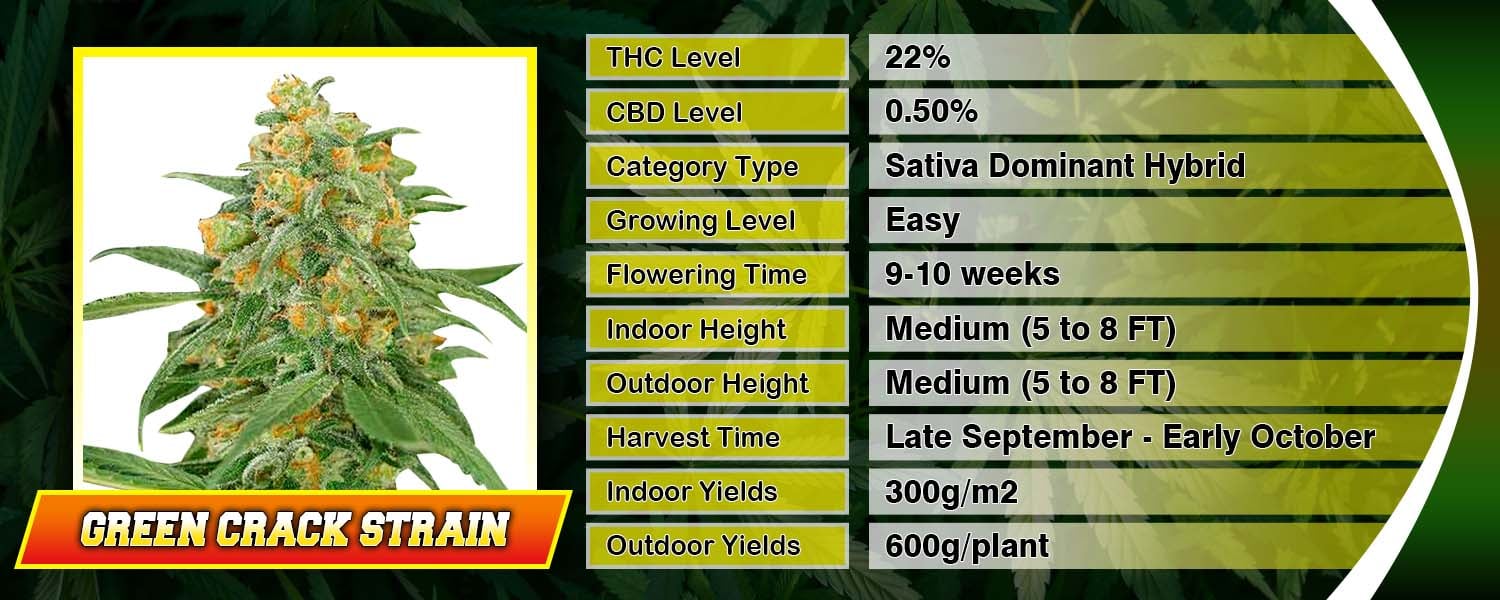
6.Green Crack Strain Feminized Marijuana Seeds

Green Crack Strain Feminized

Green Crack Strain Feminized Marijuana Seeds have rightfully earned their status as one of the top strains, and their appeal is obvious. This remarkable hybrid is born from a mix of the legendary Skunk #1 and the prestigious Afghani, resulting in a truly irresistible genetic combination. Boasting a high THC content of 22%, Green Crack offers a stimulating and uplifting high, ideal for daytime activities, and is favored by both recreational and medical users. Although its CBD content is on the lower side at 0.50%, it is compensated by a range of enticing terpenes. Cultivating Green Crack is straightforward, making it suitable for growers at any level due to its manageable growth traits. It flowers within 9-10 weeks and maintains a medium height, fitting well in various cultivation settings. The harvest period, from late September to early October, brings abundant yields, up to 300g/m2 indoors or an impressive 600g per plant outdoors. What really distinguishes Green Crack are its vibrant flavors and scents, including citrus zest, earthy notes, lemon, mango, sweetness, and tropical nuances, offering a refreshing sensory explosion. These flavors are further enriched by terpenes like Caryophyllene, Limonene, Linalool, Myrcene, and Pinene, contributing to an unparalleled taste experience. With its outstanding genetics and exhilarating aroma, Green Crack Strain Feminized Marijuana Seeds are among the elite cannabis strains of 2024.

7.Blueberry Strain Regular Marijuana Seeds

Blueberry Strain Regular

Blueberry Strain Regular Marijuana Seeds maintain their status as a top option in 2024 for many valid reasons. This hybrid is a blend of Purple Thai, robust Afghani, and aromatic Thai strains, forming a time-honored genetic gem. With a THC content ranging between 19-22%, Blueberry provides a well-rounded high suitable for both beginners and seasoned users. Although its CBD level is modest at 0.26%, its distinctive terpene profile and superior flavor more than make up for it. Growing Blueberry is straightforward, ideal for cultivators at any skill level. It features a flowering period of 8-9 weeks and a medium height, fitting various cultivation environments. October’s harvest promises substantial yields of up to 450-500 g/m2 indoors or 350-500 g/plant outdoors. The defining feature of Blueberry is its exquisite flavor and aroma, characterized by rich berry and blueberry tones, along with sweet, vanilla, and woody notes, offering a captivating sensory experience. These flavors, enhanced by terpenes like Caryophyllene, Myrcene, and Pinene, contribute to a memorable cannabis experience. With its outstanding genetics and enduring charm, Blueberry Strain Regular Marijuana Seeds continue to be among the best strains in 2024.

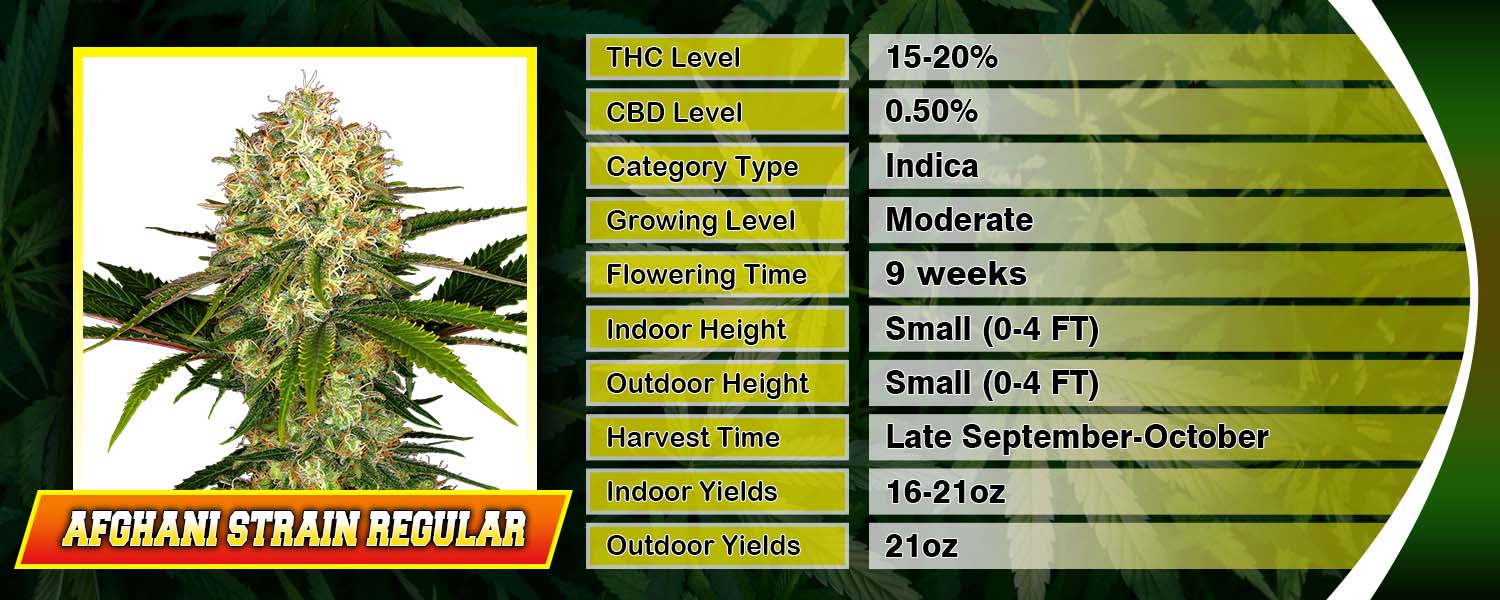
8.Afghani Strain Regular Marijuana Seeds

Afghani Strain Regular

Afghani Strain Regular Marijuana Seeds continue to be celebrated as one of the top cannabis strains in 2024, for numerous compelling reasons. Originating from the landrace genetics of Afghanistan, this classic strain remains a favorite among cannabis aficionados. It offers a THC content of 15-20%, providing a deeply relaxing and sedative effect, ideal for those desiring maximum relaxation and stress alleviation. Despite a modest CBD level of 0.50%, Afghani’s rich terpene composition truly makes it stand out. Cultivation of Afghani requires moderate experience, and its compact size is well-suited for a variety of growing environments. The strain flowers in 9 weeks, with a harvest period from late September to October, yielding about 16-21 ounces indoors or 21 ounces per plant outdoors. Afghani’s unique appeal lies in its alluring flavor and scent, characterized by earthy, herbal, floral, pungent, spicy, and subtly sweet notes, evoking the essence of Afghanistan’s terrain. These flavors are further enhanced by terpenes such as Limonene, Myrcene, Pinene, and Terpinolene, offering a truly authentic and unforgettable cannabis experience. With its enduring genetics and standout profile, Afghani Strain Regular Marijuana Seeds undoubtedly rank among the best strains in 2024.

9.Sour Diesel Strain Feminized Marijuana Seeds

Sour Diesel Strain Feminized

Sour Diesel Strain Feminized Marijuana Seeds have solidly secured their place as a top cannabis strain in 2024, thanks to the numerous reasons that enthusiasts consistently praise this iconic strain. Originating from the powerful combination of Chemdawg 91 and Super Skunk, Sour Diesel stands as a sativa-dominant force with a 22% THC content, offering a stimulating, euphoric high that enhances creativity and energy. Additionally, it features a 1% CBD level, adding a therapeutic dimension to its notable effects. Growing Sour Diesel is feasible for those with intermediate gardening skills, with its 8-9 week flowering period and medium growth height making it versatile for various cultivation settings. When harvest time rolls around from September to October, growers can expect yields of 400-500g/m2 indoors or 400-550g/plant outdoors. What distinguishes Sour Diesel is its memorable flavor and aroma profile, a blend of sharp citrus and earthy tones with notes of fuel, pine, and wood, providing an exhilarating sensory experience. Enhanced by terpenes like Camphene, Caryophyllene, Limonene, Myrcene, and Phellandrene, these flavors make Sour Diesel a repeat favorite. Its superior genetics and engaging profile affirm Sour Diesel Strain Feminized Marijuana Seeds as one of the premier strains in 2024.

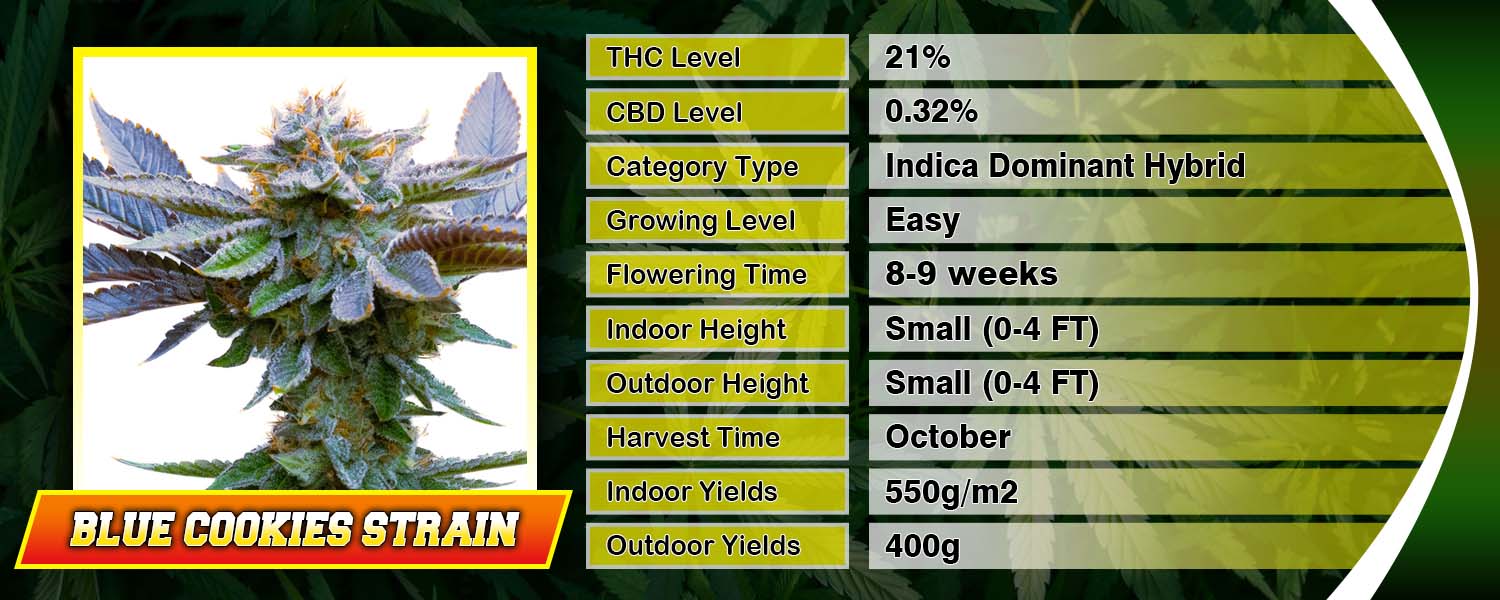
10.Blue Cookies Strain Feminized Marijuana Seeds

Blue Cookies Strain Feminized

Blue Cookies Strain Feminized Marijuana Seeds have rightfully established themselves as a top choice in 2024, backed by several persuasive reasons. This exquisite hybrid comes from crossing the renowned Girl Scout Cookies with the sumptuous Blueberry strains. Boasting a 21% THC content, Blue Cookies offers a high that is both euphoric and soothing, perfectly blending relaxation with creative inspiration. Despite a CBD level of just 0.32%, the strain’s rich terpene profile more than compensates. Cultivating Blue Cookies is straightforward, suitable for growers at any skill level, with its 8-9 week flowering period and compact growth ideal for various cultivation spaces. October’s harvest promises ample yields of up to 550g/m2 indoors or a solid 400g per plant outdoors. The defining characteristic of Blue Cookies is its irresistible flavor and aroma profile, featuring captivating berry and blueberry nuances, along with candy, orange, and sweet notes, offering a sensory treat with every inhale. These flavors, enriched by terpenes like Caryophyllene, Delta 3 Carene, Geraniol, Myrcene, and Ocimene, make for a delightful and unforgettable cannabis experience. Blue Cookies Strain Feminized Marijuana Seeds, with their luscious genetics and alluring profile, are undeniably among the best strains in 2024.

Exploring Cannabis Growing Mediums

Cultivating marijuana requires careful consideration of the cannabis growing medium and style. Choosing between hydroponics, traditional soil, or innovative options like coco coir can significantly impact your yields and bud quality. This comprehensive guide will delve into each cannabis growing medium, weighing its pros and cons, ease of use, effects on crop yields, and bud quality. Whether you’re a novice or an experienced grower, this tutorial aims to assist you in determining the right approach for your cannabis cultivation journey.

Cultivating Cannabis in Soil
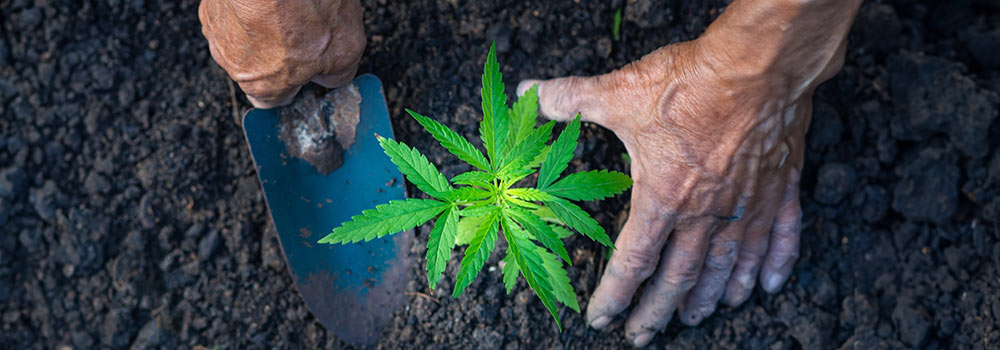
Cannabis in Soil

Growing cannabis in soil remains a preferred choice, especially for beginners and those with prior gardening experience. If you’re familiar with nurturing other plants in soil or maintaining a garden, this option may align seamlessly with your existing knowledge.

Pros and Cons of Soil-Based Cultivation

Pros

Growing cannabis in soil offers several advantages, particularly for individuals well-versed in traditional gardening practices. It closely resembles cultivating other plants like tomatoes or corn. Hand-watering container-grown cannabis simplifies the management process, making it accessible to many.

For outdoor growers, using soil is often the preferred method due to cannabis’ natural habitat. Soil-based outdoor cultivation is intuitive and requires less intervention. Employing composted “super soil” eliminates the need for synthetic nutrients or pH management, appealing to those seeking a low-maintenance approach.

There are two options for soil-based cannabis cultivation: Option 1 involves purchasing soil from a store and adding nutrients incrementally during growth. Option 2 entails amending and composting your specialized “super soil” for cannabis or purchasing pre-composted super soil. Although the latter option demands more initial effort, it’s a simpler route for experienced composters. It’s worth noting that some growers believe that using organic composted super soil with a rich microbial ecosystem enhances cannabis’ taste and aroma by increasing terpene and terpenoid production.

However, a downside of soil-based cannabis cultivation is its susceptibility to pests, necessitating increased maintenance compared to hydroponic systems.

Cons

Soil-based cultivation does have a few drawbacks. The presence of pests in soil poses a constant threat to plants, making soil growers more vulnerable to infestations than their hydroponic counterparts.

Another disadvantage is the longer growth cycle associated with soil-based cultivation compared to soilless or hydroponic setups. Hydroponic plants, in general, exhibit faster growth rates, particularly during the vegetative stage.

Setting Up Soil-Based Cultivation
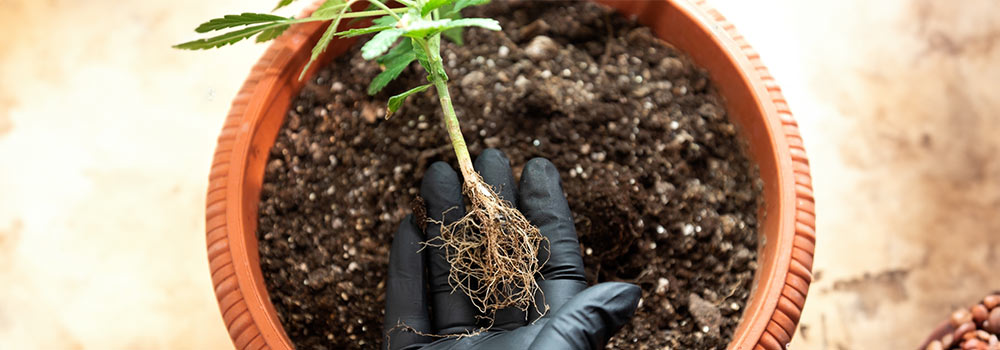
Setting Up Soil-Based Cultivation

When it comes to setup costs, soil-based cannabis cultivation is relatively budget-friendly. All you need is soil and a suitable container. Common choices for soil mixes include Fox Farms Happy Frog and Fox Farms Ocean Forest, although any high-quality organic soil mix suffices. However, avoid using soil with “extended-release” nutrients, and consider adding 30% perlite and 10% vermiculite if the soil appears dense. Composting your super soil is a proven method for optimal results. As for containers, classic plastic pots, terra cotta pots, smart pots (fabric pots), and air pots are all viable options. Standard gardening pots work well when adding perlite to ensure proper aeration for cannabis roots. Smart and air pots offer additional air circulation to the root zones, reducing the need for extra aeration or perlite in soil mixes.

Regarding setup effort, soil-based cultivation demands relatively little effort compared to other methods, especially when compared to soilless mixes. Your primary focus will likely revolve around selecting the appropriate soil and nutrients.

Maintaining Your Soil-Based System
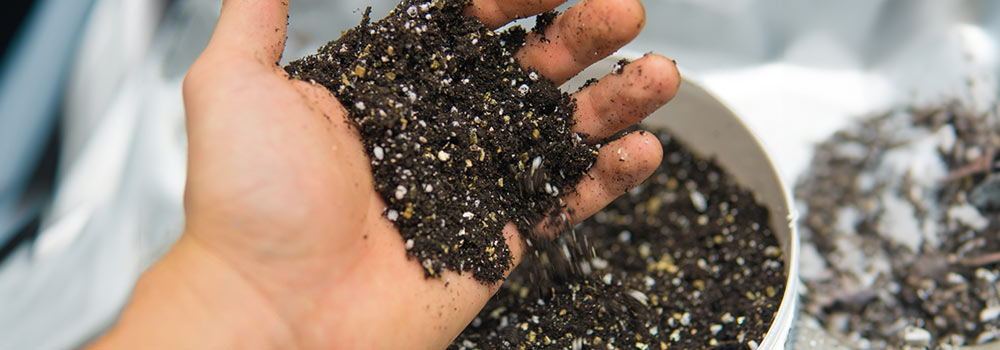
Maintaining Your Soil-Based System

The ongoing cost of soil-based cultivation remains relatively low after the initial setup, with the primary expense being soil replacement for each growth cycle. Reusing soil can yield satisfactory results if you know how to amend it with the necessary nutrients. Additionally, occasional container replacements may be necessary if they become damaged.

Maintenance efforts for soil-based cultivation primarily involve regular watering, nutrient supplementation as required, and pH management for non-composted super soil setups. While soil-based grows tend to have slower growth rates than hydroponic methods, optimal growth can still be achieved with proper environmental conditions and ample lighting. The vegetative stage typically spans 1-3 months, while the flowering/budding stage can extend for 2-3 months, depending on the strain. It’s worth noting that debates among growers persist regarding whether cannabis grown in organic supersoil truly possesses the best taste and aroma profile, especially when compared to hydroponic alternatives.

For first-time growers, it’s crucial to remain closely involved with your garden, especially if you need more experience. While experienced growers can afford more time away from their gardens, checking on your plants at least once daily is advisable. While constant watering isn’t necessary, larger containers hold more water, giving growers more flexibility. Nonetheless, unforeseen events like pest infestations or accidental damage can occur at any time, underscoring the importance of vigilance.

Choosing the right growing medium, such as soil-based cultivation, is critical for cannabis growers. By weighing the pros and cons, understanding setup requirements, and committing to diligent maintenance, you can ensure a successful cannabis cultivation experience. Whether you opt for soil or explore other mediums, your journey toward high-quality buds begins with a solid foundation of knowledge and dedication.

Cultivating Cannabis in Hydroponics
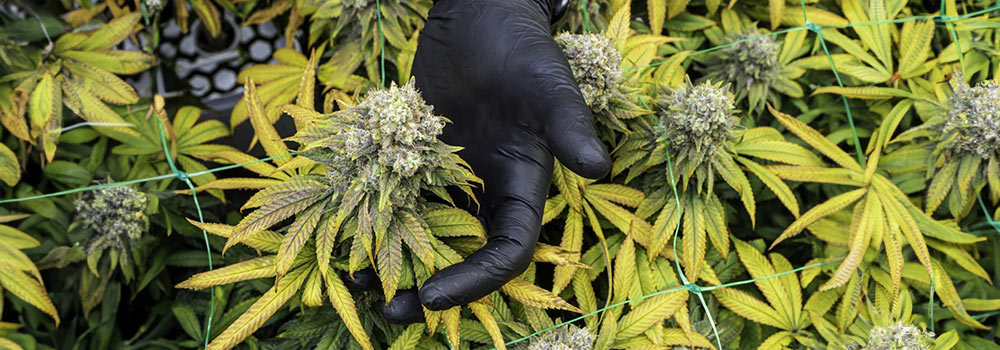
Cultivating Cannabis in Hydroponics

When we mention hydroponics, the image of plants thriving in a water-based environment often comes to mind. However, it’s essential to clarify that any medium other than soil, including soilless options like coco coir, falls under the hydroponics umbrella. To distinguish solution culture hydroponics from other forms, solution culture encompasses hydroponic methods without the use of an inert medium.

In this section, our focus centers on hydroponic systems where cannabis roots grow directly in water or require the maintenance of a water reservoir. In the subsequent section, we will delve into soilless mediums, a technically hydroponic approach that often feels more akin to traditional soil cultivation.

Pros and Cons of Hydroponic Cannabis Cultivation

Pros

Hydroponic cultivation presents numerous advantages over alternative methods. First and foremost, it facilitates faster vegetative growth, resulting in earlier harvests. Additionally, experienced hydroponic growers can typically achieve larger yields than their soil-growing counterparts, provided they have access to the same conditions, such as light and nutrients.

Another notable advantage is hydroponic systems’ reduced susceptibility to pest infestations. Many pests rely on soil during their life cycle, which is absent in hydroponic setups. While it’s still possible to introduce pests into a hydroponic environment, the risk is significantly lower compared to soil-based cultivation. Furthermore, some hydroponic techniques require relatively low maintenance, with certain options being as straightforward as soil-based cultivation in terms of ease.

Cons

Hydroponic setups usually entail a higher initial investment compared to other cultivation methods and may involve some do-it-yourself (DIY) work. Proper nutrient management can be challenging for hydroponic growers, particularly when employing supplements from different manufacturers. Following a proven nutrient formula becomes crucial in this context. Additionally, hydroponic growers must promptly address any issues, as root problems can pose challenges. However, steps can be taken to ensure healthy roots, including providing sufficient oxygen and maintaining water temperatures around 70°F (20°C).

Certain hydroponic methods demand high maintenance levels and frequent monitoring to achieve optimal growth rates. Moreover, hydroponic outdoor cultivation presents challenges due to difficulties in controlling essential variables such as sterility, temperature, and pump power.

Exploring Different Types of Hydroponic Setups
Exploring Different Types of Hydroponic Setups

DWC (Deep Water Culture):

This hydroponic system suspends plants in a nutrient-rich water solution, with air stones providing oxygen to the roots. It’s a simple yet effective system, particularly favored by beginners.

Top-Fed DWC (Bubbleponics):

A variation of DWC, in which plants are suspended in a water solution, and water is fed to the container’s top through a drip line or spray nozzle. This approach supplies roots with both oxygen and water, promoting faster growth.

NFT (Nutrient Film Technique):

In this system, a thin film of nutrient-rich water flows through a slanted tray or tube, with plants placed in small net cups, allowing their roots to dangle in the water. Continuous nutrient flow is required for optimal plant growth.

Ebb & Flow (Flood & Drain):

This hydroponic system involves flooding the growing container with a nutrient solution for a set period and draining it back into a reservoir. This approach enhances nutrient uptake and growth rates but necessitates a timer and drainage system.

Aquaponics (Fish for Nutrients):

Combining hydroponics with aquaculture, this system cultivates fish in a tank, utilizing their waste to fertilize hydroponically grown plants. The plants, in turn, purify the water, creating a sustainable closed-loop system.

Aeroponics (Misted Air):

Plants are suspended in the air, and their roots are misted with a nutrient-rich solution in this system. This method optimizes oxygenation and nutrient absorption by the roots, leading to faster growth and larger yields.

Drip System (Automatic Watering):

Hydroponic cultivation involving dripping nutrient solution onto the base of each plant through a drip line or tubing. This system is relatively simple and requires minimal maintenance.

Hand-Watered Hydro (Soil-Hydro Fusion):

A fusion of soil and hydroponics, where plants grow in soil, but water and nutrients are supplied through a hydroponic system. This approach combines the benefits of both methods, allowing better control over nutrient uptake and faster growth rates. However, careful management of watering and nutrient levels is essential.

Setting Up Hydroponic Cultivation
Setting Up Hydroponic Cultivation

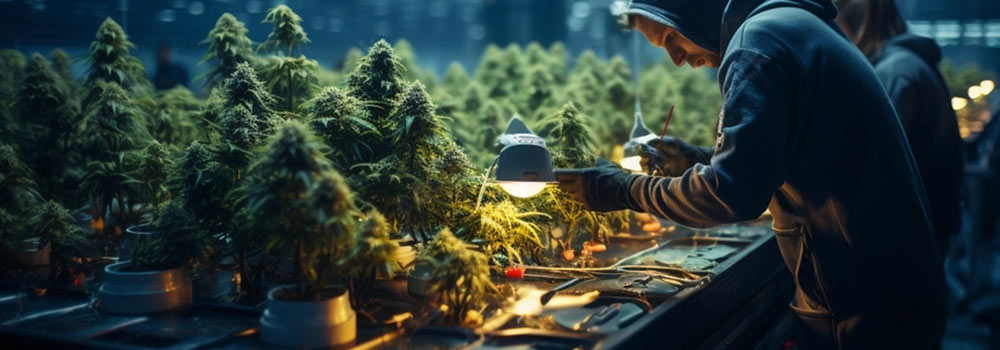
The cost of establishing a hydroponic system can vary significantly based on its complexity. DIY systems can be budget-friendly if you’re willing to assemble them yourself, with parts readily available at hardware stores. Alternatively, kits containing all the necessary components are also accessible and can be competitively priced compared to DIY options. Setting up a hydroponic system may require some effort, so conducting thorough research and emulating a proven setup for your first growth cycle is essential. Systems incorporating timers may necessitate some adjustments to ensure proper functionality, while aquaponics demands additional time and effort to establish a fish-supporting tank.

Maintaining Your Hydroponic System

Maintaining Your Hydroponic System

Hydroponic maintenance costs primarily revolve around nutrients and grow lights, with occasional tubing, pumps, and air stones replacements. First-time growers may need to invest more effort in maintenance, but experienced growers can maintain a hydroponic setup in as little as half an hour per week. Hydroponic systems generally promote faster vegetative growth, although flowering/budding duration is still determined by genetics. The amount of time you can be away from your hydroponic garden depends on the specific setup, with larger reservoirs allowing for more extended absences and finely tuned systems requiring more frequent checks. To avoid unforeseen events, checking on your plants at least once a day is advisable.

Hydroponic cannabis cultivation offers various advantages and options, catering to growers of all levels of expertise. By carefully considering the pros and cons, selecting an appropriate hydroponic setup, and maintaining it diligently, you can embark on a successful journey towards cultivating high-quality cannabis with precision and efficiency.

Cultivating Cannabis Soilless

Cultivating Cannabis Soilless

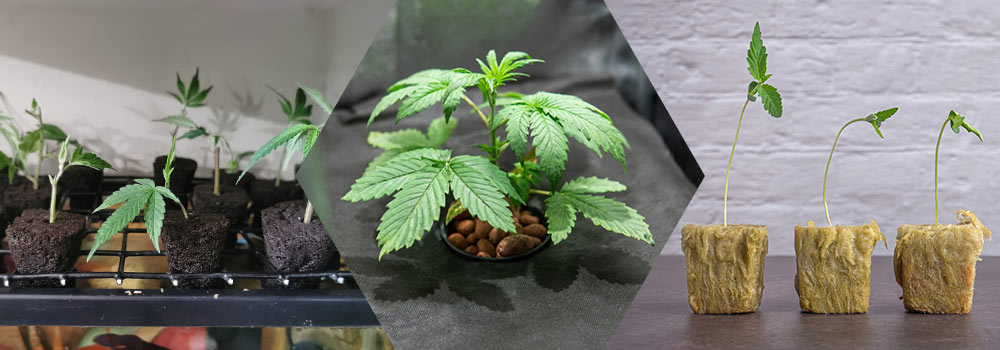
As the popularity of indoor cannabis cultivation continues to soar, soilless mediums like coco coir, perlite, vermiculite, and rock wool are gaining widespread acclaim among growers. These alternatives provide a clean, consistent, and highly customizable growing environment, empowering cultivators to finely control nutrient delivery, water absorption, and root aeration. Among these, coco coir stands out, revered for its exceptional water retention capacity, neutral pH, and low electrical conductivity (EC) levels, making it a preferred choice for hydroponic and soilless systems. Whether you’re a seasoned grower or a novice, understanding the advantages and drawbacks of different soilless mediums is paramount for maximizing yields and nurturing robust cannabis plants.

Pros and Cons of Soilless Cannabis Cultivation

Pros

Growing cannabis in soilless mediums, such as coco coir, has gained immense popularity among cultivators, primarily due to its distinct advantages over traditional soil-based methods. One of the most notable benefits is the significantly accelerated vegetative growth it facilitates. Furthermore, soilless mediums tend to be less attractive to pests and generally require easier management. When employing hand-watering techniques, growing in a soilless medium demands a level of effort akin to soil cultivation. Consequently, soilless mediums present a convenient and efficient option for cannabis growers.

Cons

While soilless mediums like coco coir can indeed deliver faster growth rates for cannabis plants compared to traditional soil, they may not match the rapid growth achieved in full hydroponic setups with optimal oxygen supply. However, for some growers, achieving the right nutrient balance in soilless mediums can be a challenge, especially when utilizing a variety of nutrient and supplement products from different companies. Overcoming this challenge necessitates adhering to a proven cannabis nutrient formula tailored to the chosen growing medium.

Setting Up Soilless Cultivation

Setting Up Soilless Cultivation

Soilless growing mediums, such as coco coir, have gained favor among cannabis cultivators due to their capacity for accelerating vegetative growth and mitigating pest issues. However, establishing the ideal soilless mix requires careful consideration, especially for less experienced growers. A recommended soilless mix for cannabis comprises hydrated coco coir bricks blended with 30% perlite and 10% vermiculite. Container choices range from classic plastic pots to terra cotta pots, smart pots, and air pots, each offering varying potting mix densities. Although the setup process for soilless systems demands minimal effort, selecting the right mix and nutrients may necessitate research, as soil-based nutrients are typically unsuitable for soilless cultivation.

Maintaining Your Soilless System

Maintaining Your Soilless System

Soilless cultivation presents numerous benefits and considerations. The primary ongoing cost involves replacing the potting mix with each growth cycle, as reusing old potting mixes can lead to the accumulation of nutrient salts that are challenging to flush out effectively. Additionally, containers may require replacement over time. Maintenance tasks encompass watering the plants, administering nutrients, and regulating the pH of the root zone, a critical aspect when cultivating in a soilless mix to ensure optimal nutrient availability to the plant roots. Soilless mixes generally facilitate faster growth rates than traditional soil, particularly when complemented by an ideal environment and ample lighting.

For less experienced growers, maintaining a close presence in the garden during the first growth cycle is advisable. In contrast, experienced cultivators can safely allocate more time away, especially when employing larger containers with enhanced water-holding capacities. Nonetheless, regularly inspecting the plants, ideally at least once a day, remains prudent to forestall nutrient deficiencies, prevent plants from toppling, or address any unforeseen events demanding prompt attention.

Mastering soilless cannabis cultivation is a rewarding endeavor that empowers growers to optimize growth and harvests while mitigating certain challenges associated with traditional soil-based methods. By harnessing the unique benefits of soilless mediums, carefully managing nutrient balance, and adhering to vigilant maintenance practices, cultivators can embark on a journey towards nurturing thriving and bountiful cannabis crops.


Knowing The Right Cannabis Grow Lights

Indoor cannabis cultivation is a craft that relies on precise environmental control. Without natural sunlight, choosing cannabis grow lights becomes paramount to ensure optimal plant development and bountiful yields. Let’s delve into indoor cannabis cultivation and explore how the right grow lights can make all the difference.

Unleashing the Potential of Grow Lights

Potential of Grow Lights

Indoor cannabis growers without access to natural sunlight must rely on grow lights to cultivate their plants effectively. These artificial grow lights serve as a substitute for the sun and facilitate the growth of plants and their buds. As light is essential to the plant’s development, without sufficient illumination, even a thriving cannabis plant will yield minimal buds.

The 3 Main Categories of Cannabis Grow Lights

Cannabis Grow Lights

When it comes to cannabis grow lights, there are three primary categories to consider, each with its own advantages and disadvantages.

High-Intensity Discharge (HID) Lights

HID lights are the most common grow lights used for marijuana cultivation. They produce a lot of light and heat, which can benefit plant growth, but they also require proper ventilation and cooling to prevent plant damage. The two types of HID lights commonly used for marijuana cultivation are Metal Halide (MH) and High-Pressure Sodium (HPS) lights.

High-Intensity Discharge (HID) Lights

Light-Emitting Diode (LED) Lights

LED grow lights are becoming increasingly popular for marijuana cultivation due to their energy efficiency, long lifespan, and ability to produce specific light wavelengths that can enhance plant growth. They produce less heat than HID lights, which can benefit indoor cultivation where temperature control is important.

Light-Emitting Diode (LED) Lights

Fluorescent Lights

Fluorescent lights are another type of grow light used for marijuana cultivation but are less commonly used than HID and LED lights. They are less intense than HID and LED lights but are more energy-efficient and can be used for smaller grows or as supplemental lighting. The two types of fluorescent lights commonly used for marijuana cultivation are T5 and CFL (Compact Fluorescent Light) bulbs.

Fluorescent Lights

High-Intensity Discharge (HID) Lights in Detail

High-Intensity Discharge (HID) Lights

HID grow lights are significantly more efficient and utilize bulky, peculiarly shaped bulbs. Typically, these bulbs are affixed to a reflector or hood to reflect and concentrate the emitted light onto the plants. While HID lights are highly effective at promoting cannabis growth, they tend to generate substantial heat and require an exhaust system to dissipate the excess warmth.

Metal Halide (MH)

Metal Halide (MH)

Metal Halide grow lights are utilized during the vegetative stage of growth since they emit a bluish light that is particularly favorable to vegetative plants. However, these lights can also be used throughout the entire growth cycle, including the harvest stage.

High-Pressure Sodium (HPS)

High-Pressure Sodium (HPS)

During the flowering stage of cannabis growth, High-Pressure Sodium (HPS) grow lights are frequently utilized due to their high efficiency and ability to stimulate bud production with their yellow light spectrum. These lights are currently the most efficient grow lights available to yield more buds per watt of electricity consumed, which is a major reason for their widespread popularity.

Ceramic Metal Halide (CMH, LEC, Light Emitting Ceramic)

Ceramic Metal Halide

It’s important to note that “LEC” and “CMH” are interchangeable terms used to describe the same type of grow light: Ceramic Metal Halide. These bulbs are classified as High-Intensity Discharge (HID) lights and employ ceramic components similar to those used in High-Pressure Sodium (HPS) bulbs, resulting in higher efficiency than regular Metal Halide (MH) lights, although still not quite as efficient as HPS bulbs.

Pros and Cons of HID Grow Lights

Pros:

HID grow lights are highly efficient and provide the highest yields per watt of any grow light.

HPS grow lights, in particular, are the most efficient type of HID light and are best for the flowering stage of cannabis growth. With HPS grow lights during the flowering stage, you can expect around 0.5-1 gram of yield per watt if properly used.

HID lights are easy to use, can be hung appropriately from the plants without any guesswork (unlike LEDs), and don’t require constant adjustments (like fluorescents).

Cons:

HID bulbs produce a significant amount of heat, which can be concentrated and intense. To prevent excessive heat and heat-related damage to plants, a hood is usually required, and some form of cooling is needed, especially for bulbs with power above 250W.

Setting up an exhaust fan with ducting to vent out the heat generated by HID lighting can be challenging and discouraging for some growers.

HID lighting requires more parts than other lighting types. Unlike fluorescents, which only require a bulb and fixture, or most LEDs, which are just the light itself, HID setups include a bulb, fixture, external ballast, and an additional cable (not including the exhaust system parts).

Light-Emitting Diode (LED) Lights: A Modern Alternative

Light-Emitting Diode (LED) Lights

LED grow lights have gained significant popularity among cannabis cultivators as a substitute for HPS grow lights. One of their primary advantages is that they tend to operate at cooler temperatures and frequently have integrated cooling systems. Additionally, they can be conveniently plugged into a wall and hung over plants, making them more user-friendly than HID grow lights. Due to their superior penetration capabilities, LEDs do not need to be moved frequently like fluorescents.

Pros and Cons of Light-Emitting Diode (LED) Lights

Pros:

Unlike HID bulbs, LED grow lights have built-in cooling systems that prevent heat from contaminating plants.

Smaller LED lights can be plugged directly into the wall and hung up over plants without additional setup.

Some growers report that LED lights produce more resinous buds than other types of lights when used alone or combined with HPS grow lights.

Cons:

Although LED lights produce less heat than HPS bulbs, larger models may still need to be vented with an exhaust fan to prevent overheating.

LEDs generally yield slightly less per watt than HPS grow lights, but results can vary depending on the specific lamp and grower experience.

LED lights require more space between the lamp and plants than other lights, which can be challenging in smaller grow spaces.

Fluorescent Lights: A Budget-Friendly Option

Fluorescent Lights

Various types of fluorescent grow lights are available in different shapes and sizes, ranging from twisty bulbs to elongated tubes. Fluorescents are well-liked as they offer efficient and pleasant lighting for human use while consuming less electricity, making them a great choice for low-key indoor gardening, such as herb gardens.

CFL Grow Lights

CFL Grow Lights

CFL grow lights are compact fluorescent bulbs easily found in stores where traditional light bulbs are sold. These bulbs emit a suitable spectrum of light for growing cannabis and are versatile enough to fit into small spaces like a cabinet. Keeping the CFLs close to the plants is recommended to achieve the best yields and growth.

T5 Grow Lights

T5 Grow Lights

T5 grow lights are among the most commonly found types of grow lights that are utilized to grow a wide variety of plants. Therefore, they are typically available at various home improvement and garden stores. T5 lights are significantly broader than CFLs and generally come in a panel format. However, they can still be positioned just a few inches away from plants without the risk of causing any damage or burning them.

Pros and Cons of Fluorescent Lights

Pros:

They are affordable.

Fluorescents consume minimal electricity and generate low heat, especially when not overcrowded in small areas.

Fluorescents provide an ideal light spectrum for growing cannabis.

They can be kept in close proximity to plants, making them ideal for short spaces.

Fluorescent lights are among the best options for clones, seedlings, and young plants. Using larger lights on young plants risks burning them and wastes energy. Fluorescents can save money on electricity during the first few weeks of growth compared to high-powered grow lights.

Cons:

Fluorescents produce smaller yields per watt than other grow light types when used during the flowering stage when buds are forming. Typically, using fluorescents, you can expect around 0.25 grams of buds per watt of electricity (based on actual watts drawn from the wall, not equivalent watts), while LEDs and HPS lights can provide 2-4 times as much yield per watt.

The light emitted by fluorescent lamps does not penetrate deep into the plant, so they are more suitable for plants trained to grow short and flat. They are not powerful enough to support the growth of tall plants during the flowering stage.

In conclusion, choosing the right grow lights for your indoor cannabis cultivation is essential for success. Each type of grow light has its unique benefits and drawbacks, and the choice ultimately depends on your specific needs, space, and budget. With the right lighting setup, you can maximize the potential of your indoor cannabis garden and enjoy a bountiful harvest.

Cannabis Cloning 101

In the world of cannabis cultivation, the art of cloning cannabis stands as a powerful tool, enabling growers to replicate their prized plants effortlessly. Cloning, often referred to as “taking cuttings,” involves the creation of miniature replicas of a parent cannabis plant, each with identical genetic makeup. This technique guarantees the perpetuation of desirable traits and offers substantial yield multiplication without added expenses. This article will delve into the intricacies of cloning cannabis, shedding light on its advantages and how to start this process effectively.

The Benefits of Cloning

The Benefits of Cloning

A cannabis clone is essentially a genetic twin of its parent plant. They share identical genes, ensuring that they grow in a manner akin to their progenitor. This intimate knowledge of growth patterns yield potential, and potency makes cloning an invaluable asset for cannabis cultivators. The advantages of cloning extend beyond mere replication; it’s also an economically sound method. You can create numerous new plants with minimal cloning supplies in just about a week.

Cloning offers flexibility in timing as well. You can take clones at various plant life cycle stages, from the vegetative phase to a few weeks before harvest. This versatility allows you to preserve your favorite plants for future growth easily. Moreover, clones, being more mature than seedlings, exhibit faster growth in their initial weeks, making them an ideal choice for techniques like Sea of Green or 12/12 from seed as they rapidly transition to the flowering stage.

However, it’s worth noting that cloning may only suit some growers’s preferences. Some may opt for starting with seeds, appreciating the ability to cultivate multiple strains simultaneously without additional plants. Nevertheless, cloning remains an attractive proposition for those intent on preserving and multiplying specific strains.

Getting Started with Cloning

Cloning

Essential Materials

Essential Materials

Before embarking on your cloning journey, gather the following materials:

Mother Plant: The source from which you will take cuttings.

Sharp Scissors or Pruning Shears

Rooting Hormone (optional)

Water

Growing Medium: Options include Starter Cubes, Rockwool cubes, peat pellets, or soil.

Container for Rooting Clones: Consider using a plastic tray, humidity dome, or propagation box.

Grow Light (optional but recommended for faster growth)

Ventilation Fan (optional but recommended for air circulation)

Initiating the Cloning Process

Cloning Process

To commence cloning cannabis successfully, meticulous preparation is key. Ensure all tools are clean and disinfected and have the necessary materials at your disposal as listed above.

Furthermore, it’s imperative to select mature cannabis plants for cloning. You can identify maturity by examining the leaf arrangement. Alternating leaves on a stem indicate readiness for cloning. A stem with alternating leaves/nodes is an ideal candidate.

To create a new clone, soak a starter cube in water briefly. There’s no need for an extended soak. Next, select a spot on the plant with fresh, top growth and new branching. Employ a sharp instrument to make a clean 45-degree cut. The optimal length for a new cutting is roughly 5-8 inches (10-20 cm).

While vigorous growth tips in the lower half of the plant are preferred for cloning, success is achievable from any part of the plant if it possesses a healthy growth tip.

Remove large lower leaves or node points and clip the top fan leaves. This step conserves energy, as excessive photosynthesis can impede root growth. Rooting hormones or cloning products can expedite root formation. Dip the cutting into rooting hormone powder or gel immediately after removing it from the water, ensuring full base coverage. Place the clone in a moistened starter cube, pressing gently to seal the rooting area.

While automatic cloners and humidity domes facilitate cloning, achieving success without these devices is possible. Following these guidelines, almost all clones can establish roots. The next section elaborates on the prerequisites for ensuring the healthy growth of your newly created clones.

Nurturing Your Clones

Nurturing Your Clones

To ensure the flourishing of your clones, create an environment reminiscent of the spring season—warm and humid. As clones lack root systems, they depend on moisture from their leaves. Thus, a humid cloner or frequent misting proves beneficial until roots develop. Some growers employ heating pads to maintain temperatures around 72-77 °F (22-25 °C), slightly warmer than room temperature. Grow lights can be introduced from the outset but should be programmed to run for 18 hours and off for six hours daily. This alternation between light and darkness appears conducive to rooting. Although some growers omit lights for the initial one or two days, others opt for gentle sources like CFL bulbs. Close monitoring of new clones remains essential until they establish themselves.

Illuminating the Role of Grow Lights

Role of Grow Lights

It’s wise to employ light sparingly during the first ten days, especially during the initial 3-4 days. While clones require light for growth, they are delicate at this stage, primarily focused on root development. Fluorescent grow lights such as CFLs and T5s, emitting low-intensity light, are ideal for clones and readily available. Maintain them at about 8-9 inches from the clones. For HID grow lights like Metal Halide and High-Pressure Sodium bulbs, maintain a distance of 2-3+ feet to prevent scorching. When using intense lights, treat cuttings like seedlings until robust roots form. If growing in Rockwool cubes or other starter cubes, transplant the clones and introduce regular light once roots emerge. Remember, new clones are delicate and require gentle handling. With patience and optimal conditions, nearly all cuttings will root successfully, some within days and others in up to two weeks or more.

Additional Tips for Successful Cloning

Tips for Successful Cloning

    1. Maintain Sterilized Tools: Ensure tools are clean and sterilized to prevent introducing harmful bacteria or diseases to the clones.
    2. Optimal Humidity: Clones thrive in high-humidity environments, so consider using a humidity dome or regular misting to maintain ideal humidity levels.
    3. Rooting Hormones: Use rooting hormones to expedite the rooting process and increase success rates.
    4. Healthy Mother Plants: Begin with healthy mother plants free of pests and diseases to ensure robust clones.
    5. Gentle Nutrient Solution: During the initial weeks, start with a mild nutrient solution and gradually increase as plants mature.
    6. Label Clones: Label your clones to differentiate strains or phenotypes for easy identification as they grow.
    7. Temperature Monitoring: Keep a close eye on the temperature in your cloning environment, aiming for slightly warmer conditions without overheating.
    8. Avoid Overcrowding: Ensure clones have ample growth and root development space to prevent stunted growth or complications.
    9. Sterile Growing Medium: Use a sterile growing medium to fend off harmful bacteria or diseases when planting clones.
    10. Patience: Remember that cloning takes time, so exercise patience and allow your clones the opportunity to develop strong roots and flourish.

Autoflower vs Photoperiod

In the ever-evolving landscape of cannabis cultivation, the debate rages on about the nuanced disparities between Autoflower vs Photoperiod seeds. Seasoned experts delve into harvest times, yields, effects, and growth ease, dissecting the dichotomy between these seed types. This comprehensive article will delve deeper into these aspects, providing you with the most up-to-date insights.

The Genesis of Autoflowering Cannabis Strains

The Genesis of Autoflowering Cannabis Strains

Our journey began in the early 1940s when a wild hemp strain, known as “Ruderalis,” was stumbled upon in Russia. Ruderalis paved the way for autoflowering cannabis strains, setting them apart from their “photoperiod” counterparts, necessitating specific solar signals to commence flowering, relying on meticulously timed light schedules. In stark contrast, Ruderalis plants commence flowering at the tender age of 3-4 weeks, irrespective of environmental cues, offering the prospect of harvesting buds within a few months from seed. Ruderalis, although petite with low THC content, possessed a short life cycle that suited Russia’s brief summers and lengthy winters.

An astute breeder recognized the potential of Ruderalis’ autoflowering trait and short growing period and thus began crossbreeding Ruderalis with photoperiod strains. This marriage of genetics led to the birth of autoflowering strains, initially coined as “Lowryders.” These strains have now increased, yielding buds that rival the potency of other cannabis strains through generations of careful breeding.

Autoflower vs Photoperiod Cannabis Strains: A Detailed Comparison

Autoflowering cannabis strains set themselves apart by their independence from specific light schedules to initiate flowering. Photoperiod strains, in contrast, mandate a minimum of 12 hours of uninterrupted darkness to trigger flowering. Outdoor cultivators must time their plantings to align with spring and the impending winter.

Indoor growers can exert control over the light schedule by employing timers, creating ideal conditions for flowering. Autoflowering plants, however, embark on their flowering journey within weeks, irrespective of the light regimen. This flexibility grants outdoor auto growers the advantage of planting at the optimal time or aligning their cultivation with the local time zone, relying solely on 2-3 months of sunny weather.

Time to Harvest: A Crucial Distinction

Time to Harvest

Autoflowering cannabis plants possess a shorter growth cycle, hastening the harvest time compared to their photoperiod counterparts. Following germination, autoflowering plants transition swiftly into bud production, typically within 2-3 months. Unlike photoperiod plants, autos continue growing vertically until they shift their focus entirely to developing dense, hefty buds. It’s worth noting that some auto strains may exceed the recommended harvest time, enhancing yields and potency with an additional week or two.

Photoperiod strains, on the other hand, demand patience, requiring 3-4+ months from seed to harvest, with variances based on cultivation methods and strain selection. These plants, characterized by their extended vegetative stage, are unsuited for expedited harvests.

Yield Discrepancies: Auto vs Photoperiod

Yield Discrepancies

The yield potential of autoflowering plants hinges on various factors, including cultivation setup, genetics, and grower experience. Typically, autos can yield up to 4 ounces per plant under optimal care, but this can fluctuate. Exceptional lighting is pivotal for maximizing yields, and seasoned growers have achieved as much as 6 ounces per plant in ideal conditions. The short life cycle of autos facilitates multiple annual harvests, augmenting overall yield potential.

Photoperiod strains respond favorably to growth techniques such as pruning, training, and topping, enabling growers to boost yields substantially. By benefitting from environmental control, indoor cultivators can fine-tune conditions for maximum yield. Conversely, outdoor photoperiod growers with ample space and optimal conditions can cultivate larger plants, yielding bountiful harvests. Ultimately, the yield of photoperiod strains hinges on genetics, cultivation techniques, environmental factors, and grower expertise.

Potency in Aroma and Flavor: An Equitable Standoff

Potency in Aroma and Flavor

Although autoflowering strains offer fewer options, their potency mirrors that of photoperiod cannabis plants. While auto strains tend to feature elevated CBD levels due to Ruderalis’ influence, contemporary auto strains have been meticulously bred to emulate photoperiod counterparts, exemplified by strains like “Blue Cheese.” Autoflowering strains also boast comparable aroma and flavor profiles, with the main visual distinction being their additional foliage among the buds. This characteristic may necessitate extra care during trimming but can also expedite bud growth in lower light conditions.

Light Scheduling: The Decisive Factor

Light Scheduling

Autoflowering strains operate on an internal timer, commencing flowering approximately 3-4 weeks post-germination. Depending on the specific strain, this timeline remains impervious to grower intervention, with flowering lasting 2-3 months from seed. Unlike photoperiod strains, autoflowering plants do not demand a specific light schedule to instigate flowering. They can thrive with as little as 12 or 8 hours of daily light, although increased light levels correlate with larger yields.

This internal clock imparts a unique advantage to autoflowering strains, enabling cultivation in well-illuminated urban settings where photoperiod plants may struggle. Additionally, they are ideal for warm climates, permitting cultivation beyond the standard growing season, with harvests as early as July. In contrast, photoperiod plants typically culminate in harvest during mid to late fall.

Ease of Cultivation: Navigating the Terrain

Ease of Cultivation

Autoflowering strains offer relative simplicity in cultivation but come with their own set of challenges. They are particularly vulnerable during their early growth stages, as they will commence flowering irrespective of their health status. Stunted growth early on can lead to reduced yields. While auto strains are resilient and will follow their internal schedule, growers must address any issues swiftly to secure a successful harvest.

Photoperiod strains afford more control over the growth cycle, with the vegetative stage offering room for recovery and intervention before transitioning to the flowering phase. This grants growers an opportunity to rectify any problems before the critical flowering stage begins. For novice growers, photoperiod strains may be a preferable choice, as they tolerate various growing challenges during the vegetative stage.

In summation, both autoflowering and photoperiod strains have their merits, catering to different cultivator preferences and skill levels. The choice ultimately hinges on factors such as available space, desired yield, and cultivation experience. The cannabis cultivation landscape continues to evolve, offering a diverse array of options to suit every grower’s needs.

Selecting the Best Weed Strain

When it comes to achieving the finest cannabis harvest, success lies in the details of choosing the best weed strain. Factors like light exposure, climate conditions, and the overall environment play a crucial role, but the cornerstone of prosperous marijuana cultivation is carefully selecting the perfect strain. Opting for the right cannabis strain is the key to obtaining premium marijuana seeds, ensuring successful germination, and reaping the desired yields. This comprehensive guide will delve into the art of choosing the best weed strain to distinguish superior-quality marijuana seeds from their inferior counterparts.

The Significance of Premium Marijuana Seeds

The Significance of Premium Marijuana Seeds

Securing top-tier seeds from a trusted source like Rocket Seeds is paramount to embarking on a successful marijuana-growing journey. High-quality marijuana seeds come with a plethora of advantages.

First and foremost, superior seeds boast a higher germination rate. This translates to healthier and sturdier plants that are more likely to produce the anticipated yields based on the specific strain.

Thanks to the exclusive hand-picking process, these seeds exhibit remarkable genetic stability. This minimizes the chances of undesirable traits manifesting in your crops, a concern that most growers strive to avoid.

Moreover, premium marijuana seeds often surpass expectations, yielding more than anticipated. This is particularly thrilling for cannabis enthusiasts aiming for bountiful harvests.

Identifying Top-Quality Marijuana Seeds

Identifying Top-Quality Marijuana Seeds

Now, let’s explore some guidelines for identifying the crème de la crème of marijuana seeds, enhancing your cultivation experience.

1. Trustworthy Source

Trustworthy Source

When embarking on the quest for high-quality marijuana seeds, your first step should be scrutinizing the source. Procuring seeds from reputable providers known for consistently delivering superior seeds is highly advisable. Conduct a thorough background check, focusing on those with a significant industry presence, such as Rocket Seeds.

2. Physical Characteristics

Physical Characteristics

A discerning eye can distinguish between a good and a subpar seed. High-quality seeds resemble dewdrops, featuring a round shape tapering to a thinner end. The size and plumpness of the seed significantly contribute to the likelihood of a successful yield. Premium seeds exhibit uniformity in size and shape, free from blemishes or imperfections.

3. Texture Matters

Texture Matters

The texture of marijuana seeds can reveal a lot about their quality. Premium seeds sport a sturdy and robust outer shell. To confirm these traits, gently feel the seeds between your fingers. If a seed feels soft and easily breaks, it’s likely a low-quality seed. Additionally, inspect the seed for deformities, ensuring it is free from gaps or holes. Cracked or easily crushable seeds should be discarded.

4. The Float Test

The Float Test

A quick and effective method to assess seed viability is the float test. Fill a glass or bowl with room-temperature water and submerge the seeds. Inferior or non-viable seeds typically float to the surface, while high-quality seeds sink.

However, it’s essential to note that the float test alone should not be the sole method for evaluating seed quality. The seed’s age and storage conditions can also impact its viability. Hence, it’s advisable to consider multiple criteria when selecting marijuana seeds.

5. Germination Rate

Germination Rate

The ultimate litmus test for marijuana seeds is their germination rate. Seeds with a high germination rate are indicative of superior quality. By assessing this rate, you gain valuable insights into the overall seed quality, differentiating top-tier seeds from their lower-quality counterparts.

The path to a successful cannabis harvest begins with choosing the right strain and, consequently, the highest-quality marijuana seeds. Following these guidelines for identifying premium seeds can elevate your cultivation game and ensure a thriving cannabis garden.

Our Top 10 Handpicked Cannabis Seeds

Top 10 Handpicked Cannabis Seeds

In cannabis cultivation, selecting the right seeds is paramount to a successful and rewarding experience. Whether you’re a seasoned grower or just starting your journey into cannabis cultivation, having the best genetics at your disposal can make all the difference.

Gorilla Glue #4 – The Couch-Lock Classic

Gorilla Glue #4 is a formidable hybrid strain, perfectly balancing Indica and Sativa genetics. This strain has rapidly gained notoriety for its incredible potency. The result of a cross between Chem’s Sister and Chocolate Diesel, Gorilla Glue #4 boasts robust genetics. As the name suggests, its effects can leave you feeling “glued” to the couch, making it unsuitable for novice users. However, experienced cannabis enthusiasts will appreciate the deeply relaxing effects that gradually wash over the body after just a few hits.

This strain is known for its swift action in relieving chronic pain and insomnia. It thrives in warmer climates, although cooler temperatures may result in reduced yields and a longer maturation period of 8-9 weeks. Depending on the breeder and environmental conditions, Gorilla Glue #4 can contain relatively high THC levels. With some expertise, cultivating this strain can become a rewarding endeavor.

Blue Dream – The Perfect Harmony

Blue Dream is a beloved strain among both recreational and medical cannabis users. Its effects are uplifting and cerebral, accompanied by a delightful body buzz that can alleviate pain and anxiety. Blue Dream is a welcoming choice for newcomers and seasoned users with a moderate THC content ranging from 17% to 24%.

Growing Blue Dream plants is relatively straightforward, with a flowering period of approximately 9 to 10 weeks. They yield dense, resinous buds with a blueberry-like aroma and flavor. This versatile plant thrives in both indoor and outdoor environments.

As with any cannabis strain, responsible usage is crucial. Overconsumption can lead to adverse effects such as paranoia, anxiety, and dry mouth and eyes. Nevertheless, Blue Dream can provide a pleasant and therapeutic experience when enjoyed in moderation.

Girl Scout Cookies – The Sweet Indulgence

GSC is a widely embraced hybrid strain, leaning towards Indica dominance with a typical ratio of 60% Indica and 40% Sativa. With THC levels soaring up to 28%, GSC is renowned for its potent and calming high, commencing in the mind and gradually spreading throughout the body. This sweet, earthy strain delivers an intense and enduring euphoria, often inducing profound serenity. However, it may also induce drowsiness and couch-lock, with the dry mouth being a common side effect.

GSC is celebrated for its intricate flavor profile and long-lasting high. Yet, it presents challenges in cultivation. This strain is therapeutic, offering relief from chronic pain, migraines, stress, appetite loss, and sleeplessness. Despite its Indica dominance, GSC delivers a tranquil high conducive to comfort and creativity. The buds typically exhibit medium density, adorned with resin and interwoven with red and gold threads, emanating a vivid green hue.

White Widow – The Balanced Beauty

White Widow is a renowned strain celebrated for its equilibrium between Sativa and Indica influences. Boasting a THC content ranging from 18% to 25%, it is a potent strain capable of delivering cerebral and physical effects. Cultivating White Widow is a breeze, making it a top choice for growers, whether novices or experts.

Mature White Widow plants sport a thick layer of white trichomes, endowing the buds with a frosty allure. The aroma carries notes of spice and earth, complemented by hints of pine. The taste mirrors the earthy essence with a subtle sweetness.

The effects of White Widow are harmonious, offering an initial euphoria that transitions into a soothing body buzz. This strain frequently alleviates stress, anxiety, depression, chronic pain, and fatigue. Some users even report heightened creativity and focus. However, as with any strain, it may lead to dry mouth and eyes and occasional dizziness.

Northern Lights – The Tranquil Oasis

Northern Lights is one of the most renowned and globally recognized cannabis strains, celebrated for its tranquil and calming properties. Its pure Indica genetics generate a robust high primarily targeting the body, inducing profound relaxation and tranquility. It’s an ideal choice for unwinding after a long day, relieving stress, anxiety, and pain.

Northern Lights is a godsend for those struggling with insomnia, as its soothing effects pave the way for peaceful and restful sleep. Its sweet, spicy aroma accompanies dense, resinous buds, often coated with a thick layer of trichomes. Overall, Northern Lights is the perfect choice for those searching for profound relaxation and respite from physical discomfort.

OG Kush – The Flavorful Classic

OG Kush is a highly acclaimed hybrid strain dominated by Indica genetics. IT PACKS A PUNCH BY boasting THC levels ranging from 19% to 26%. OG Kush’s unique blend of earthy, pine, and woody flavors and aromas sets it apart. The plant produces dense buds adorned with orange pistils and a frosty trichome layer.

OG Kush provides users with a potent and enduring high, starting with an uplifting and euphoric cerebral buzz that gently transitions into deep relaxation, soothing both mind and body. Its calming properties make it an excellent choice for alleviating stress, anxiety, and pain, with the potential to aid insomnia.

The exceptional flavor and aroma of OG Kush and its potent effects have solidified its place among recreational and medicinal users. Its versatility makes it ideal for various applications, whether seeking relaxation after a long day or relief from chronic pain.

Amnesia Haze – The Energizing Hybrid

Amnesia Haze is a Sativa-dominant cannabis strain, exclusively female and known for its robust citrus-lemon aroma. Boasting a high THC content of 24%, it delivers energizing, calming, euphoric, and pleasant effects. This hybrid, with 20% Indica and 80% Sativa components, is prized for its generous yields and delightful lemony undertones.

Experience the invigorating and euphoric effects of Amnesia Haze as it gradually kicks in. You’ll naturally feel more at ease and talkative within ten to fifteen minutes, courtesy of its cerebral influence. This strain is an excellent choice for those who appreciate a balance between energy and relaxation.

Lemon Haze Diesel – The Productive Euphoria

Lemon Haze Diesel is a potent Sativa-dominant hybrid renowned for its uplifting and energizing effects. With a robust THC content of 20%, it’s the perfect choice for those seeking mental stimulation and enhanced creativity. The citrus flavor is bold and refreshing, appealing to fans of fruity strains.

As the effects of Lemon Haze Diesel set in, you’ll experience a surge of euphoria, followed by heightened mental clarity and focus. This strain can enhance productivity and motivation, making it an ideal companion for daytime or afternoon activities.

While primarily a Sativa strain, Lemon Haze Diesel possesses subtle Indica properties that provide a balanced high, effectively managing stress and anxiety without inducing excessive sedation. Outdoors, it thrives in warm, sunny climates, boasting impressive yields of up to 500 grams. Overall, Lemon Haze Diesel is the go-to choice for those seeking a potent and flavorful Sativa-dominant strain with a well-rounded effect.

Sour Diesel – The Daytime Energizer

Sour Diesel is a renowned strain celebrated for its uplifting and energizing effects, making it perfect for daytime activities and creative pursuits. With a THC content reaching up to 22%, it delivers a robust cerebral high capable of alleviating stress and depression. Its pungent, diesel-like aroma and flavor are equally famous among cannabis enthusiasts.

As a Sativa-dominant hybrid, Sour Diesel provides an energy boost and mental clarity while offering some Indica body relaxation properties. Its medicinal benefits range from pain relief to nausea treatment and appetite improvement. When grown outdoors, Sour Diesel plants can reach impressive heights of up to 3 meters and yield as much as 700 grams per plant.

Critical Mass – The Calm Comfort

Critical Mass is a favored strain among individuals with chronic pain and anxiety due to its relaxing and calming properties. Its mellow high is not overpowering, making it an excellent choice for unwinding after a long day. This feminized strain is also known for its high yields, with each plant capable of producing up to 600 grams when grown indoors. With a 6-8 weeks flowering, it’s relatively easy to cultivate, making it an ideal option for novice growers. Critical Mass is the perfect choice for those seeking a potent, relaxing strain with therapeutic benefits.

These top 10 handpicked cannabis seeds offer diverse experiences for cannabis cultivators and enthusiasts. Whether you’re looking for relaxation, creativity, or relief from various ailments, there’s a strain on this list that’s perfect for you. Remember to cultivate responsibly and adhere to your local laws and regulations regarding cannabis cultivation and usage. Happy growing!

Time-Tested Treasures: The Best of Old School Marijuana Strains

The nostalgia of old-school strains resonates deeply with many cannabis enthusiasts. These strains, developed and cherished over decades, bring a sense of nostalgia and a connection to the past. There is a certain comfort and familiarity in consuming strains that generations before us have enjoyed. In recent years, there has been a resurgence of interest in these old-school strains. Despite the influx of new and innovative strains, cannabis connoisseurs still seek out the classics, valuing their proven genetics, reliable effects, and the history they carry with them. This article will explore some of the most iconic old-school strains, including OG Kush, Hindu Kush, Chemdawg, Lemon Thai, Godfather OG, Skywalker OG, Fire OG, and Alien OG, and discuss their origins, effects, and why they continue to be so beloved.

OG Kush

OG Kush is arguably the most famous and influential cannabis strain in the world. Its popularity has reached almost mythical proportions and has served as the genetic backbone for many other beloved strains.

Origin and History

The origins of OG Kush are somewhat mysterious and debated among cannabis enthusiasts. It is generally believed to have originated in the early 1990s in Northern California, possibly as a cross between Chemdawg and a Hindu Kush variant. The ‘OG’ in its name has been interpreted as ‘Original Gangster’, suggesting its status as one of the original strains that gained popularity in the underground cannabis scene. Others believe it stands for ‘Ocean Grown’, a nod to its California origins. Regardless of its true origin, OG Kush quickly gained popularity and spread down the West Coast, eventually becoming a global phenomenon.

Effects and Benefits

OG Kush is a hybrid strain, meaning it has characteristics of both Indica and Sativa varieties. It is known for its potent effects, including a sense of euphoria, happiness, and deep relaxation. This makes it an excellent strain for managing stress and anxiety, providing a sense of calm without sedating the user too much. Additionally, OG Kush is often used to manage pain, as it has analgesic properties that can help to reduce discomfort. Despite its potency, OG Kush is also known for its cerebral effects, making it popular among those seeking a creative boost or enhanced focus.

Hindu Kush

Hindu Kush is one of the purest Indica strains available, and its history stretches back thousands of years, making it one of the oldest strains known to mankind.

Origin and History

The Hindu Kush strain originates from the Hindu Kush mountain range, which stretches between Pakistan and Afghanistan. This region has been cultivating cannabis for thousands of years, and the Hindu Kush strain is believed to be a direct descendant of the wild cannabis plants that grow in this area. This pure Indica strain has been used for centuries in traditional medicine and has been carefully cultivated and refined over generations. Its resinous buds and distinct earthy aroma make it a favorite among cannabis connoisseurs.

Effects and Benefits

As a pure Indica strain, Hindu Kush provides deeply relaxing effects. It is known for its soothing properties, making it an ideal choice for those looking to unwind or manage insomnia. Users often report a sense of calm and tranquility after consuming this strain, making it excellent for stress relief. Additionally, its pain-relieving effects make it popular among medical marijuana users. Hindu Kush is also known for its mood-enhancing properties, making it a good choice for managing symptoms of depression and anxiety. Despite its sedative effects, it does not cause excessive drowsiness, making it suitable for daily use.

Chemdawg

Chemdawg is another legendary cannabis strain with a mysterious origin story. It is known for its potent effects, distinct diesel aroma, and high THC content.

Origin and History

The origins of Chemdawg are somewhat uncertain, but it is generally believed to have originated from a bag of weed bought at a Grateful Dead concert in the early 1990s. The seeds from this bag were cultivated, eventually leading to the Chemdawg we know today. Despite its unclear origins, Chemdawg has gained a cult following among cannabis enthusiasts and has served as the genetic basis for many other popular strains, including Sour Diesel and OG Kush.

Effects and Benefits

Chemdawg is a hybrid strain but leans more towards the Sativa side, providing uplifting and cerebral effects. It is known for its potent THC content, exceeding 20%, making it one of the strongest strains available. Users often report a sense of euphoria and increased creativity after consuming Chemdawg, making it an excellent choice for artists and writers. Additionally, it provides a sense of relaxation without causing sedation, making it suitable for daytime use. Its pain-relieving properties make it popular among medical marijuana users, and it is often used to manage chronic pain, migraines, and arthritis. Additionally, its uplifting effects make it suitable for managing symptoms of depression and anxiety.

Lemon Thai

Lemon Thai is a Sativa-dominant hybrid strain known for its energizing effects and citrusy aroma. It is popular among those seeking a creative boost or managing stress and anxiety.

Origin and History

Lemon Thai is believed to be a cross between a Thai Sativa and a Hawaiian strain, combining the best characteristics. The Thai Sativa genetics provide energizing and uplifting effects, while the Hawaiian genetics contribute to its pleasant aroma and flavor. Despite its Thai origins, Lemon Thai has been cultivated and refined in the United States, making it a staple in the American cannabis scene.

Effects and Benefits

Lemon Thai provides energy and creativity, making it popular among artists and those looking to boost productivity. It provides a sense of euphoria and well-being, making it an excellent choice for managing stress and anxiety. Additionally, it has been reported to help with nausea and lack of appetite, making it a popular choice among medical marijuana users. Lemon Thai does not cause excessive agitation or anxiety despite its energizing effects, making it suitable for those sensitive to high THC strains. Additionally, its clear-headed effects make it an excellent choice for daytime use. The lemony aroma and flavor of Lemon Thai make it a pleasant strain to consume.

Godfather OG

Godfather OG is often called the ‘Don of all OGs’ and is known for its incredibly potent effects and high THC content. It is a favorite among cannabis enthusiasts looking for a powerful, long-lasting high.

Origin and History

Godfather OG is a cross between OG Kush and Granddaddy Purple, two of the most popular and influential cannabis strains in the world. This combination results in a strain with potent effects and a distinct aroma and flavor. It is believed to have originated in Southern California and quickly gained popularity among cannabis enthusiasts. Its reputation spread and is now a favorite among cannabis connoisseurs worldwide.

Effects and Benefits

Godfather OG is an Indica-dominant hybrid strain, providing deeply relaxing and soothing effects. It is known for its incredibly high THC content, which can exceed 25%, making it one of the strongest strains available. Users often report a sense of deep relaxation and euphoria after consuming Godfather OG, making it an excellent choice for managing stress and anxiety. Its potent analgesic effects also make it suitable for managing chronic pain, migraines, and muscle spasms. Despite its potent effects, Godfather OG does not cause excessive drowsiness, making it suitable for daily use. However, its potency means it is best reserved for experienced cannabis users. The aroma and flavor of Godfather OG are distinct and pleasant, with notes of grape, pine, and earth.

Skywalker OG

Skywalker OG, also known as ‘Skywalker OG Kush,’ is a potent Indica dominant hybrid strain known for its relaxing effects and distinct piney aroma.

Origin and History

Skywalker OG is believed to be a cross between Skywalker and OG Kush, combining the best characteristics of both strains. The Skywalker genetics provide relaxing and soothing effects, while the OG Kush genetics contribute to its potent THC content and distinct aroma. It is believed to have originated in California, and its popularity has spread, making it a favorite among cannabis enthusiasts worldwide.

Effects and Benefits

Skywalker OG provides deeply relaxing and soothing effects, making it an excellent choice for those looking to unwind or manage insomnia. Users often report a sense of calm and tranquility after consuming this strain, making it excellent for stress relief. Its potent analgesic effects make it popular among medical marijuana users looking to manage chronic pain, migraines, and muscle spasms. Despite its soothing effects, Skywalker OG does not cause excessive drowsiness, making it suitable for daily use. However, its potency means it is best reserved for experienced cannabis users. The aroma and flavor of Skywalker OG are distinct and pleasant, with notes of pine, earth, and spice.

Fire OG

Fire OG is a powerhouse among cannabis strains, revered for its potency and vibrant orange-red hairs that make it look like it’s on fire—hence the name.

Origin and History

Fire OG is a cross between OG Kush and San Fernando Valley OG Kush, two legendary strains with strong effects and fan followings. This hybrid takes the best attributes from its parent strains, providing a balanced yet potent experience. Originating in California, Fire OG has made its mark in the cannabis community for its striking appearance and potent effects.

Effects and Benefits

Fire OG is an Indica-dominant hybrid, renowned for its intense body high and long-lasting effects, sometimes lasting up to 3 hours. Users often describe the initial onset as a wave of euphoria, followed by deep relaxation that can easily lead to sleep. Because of these potent effects, Fire OG is often recommended for experienced cannabis users and is considered effective for managing stress, insomnia, and pain. Its potency also makes it a popular choice for medical cannabis patients looking to manage symptoms of chronic pain, anxiety, or sleep disorders. However, its potency should not be underestimated; first-time users or those sensitive to THC should exercise caution. Like a bonfire at the end of a long day, Fire OG provides warmth and relaxation, making it a go-to strain for those looking to unwind potently and effectively.

Alien OG

Alien OG is a hybrid strain that has quickly gained popularity among cannabis enthusiasts for its potent effects and distinct aroma.

Origin and History

Alien OG is a cross between Alien Kush and OG Kush, combining the best characteristics of both strains. Alien Kush is an Indica-dominant strain known for its relaxing effects, while OG Kush is a balanced hybrid known for its potency and distinct aroma. Combining these two strains results in Alien OG, a balanced hybrid with potent effects and a distinct aroma. It is believed to have originated in California, and its popularity has spread, making it a favorite among cannabis enthusiasts worldwide.

Effects and Benefits

Alien OG is a balanced hybrid, providing both uplifting and relaxing effects. Users often report a sense of euphoria and increased energy after consuming Alien OG, making it an excellent choice for managing stress and anxiety. Additionally, its analgesic effects make it suitable for managing chronic pain, migraines, and muscle spasms. Despite its potency, Alien OG does not cause excessive drowsiness, making it suitable for daily use. However, its potency means it is best reserved for experienced cannabis users. The aroma and flavor of Alien OG are distinct and pleasant, with notes of pine, earth, and citrus.

The Impact of Old-School Strains

Old-school strains like OG Kush, Hindu Kush, Chemdawg, Lemon Thai, Godfather OG, Skywalker OG, Fire OG, and Alien OG have significantly shaped the cannabis culture and industry we know today. These strains have influenced the development of new strains and had a profound cultural impact.

Influence on New Strains

Many old-school strains are considered ‘building blocks’ for newer strains. Breeders often use these classic strains as a genetic base to create new and exciting hybrids. For example, OG Kush, one of the most famous old-school strains, has created many popular strains such as GSC (Girl Scout Cookies), Headband, and Platinum OG. Similarly, Chemdawg is the genetic parent of strains like Sour Diesel and OG Kush. The characteristics of these old-school strains, such as potency, aroma, and effects, are often carried on and enhanced in the new strains. This genetic lineage is a testament to old-school strains’ enduring popularity and impact.

Cultural Impact

The cultural impact of old-school strains cannot be overstated. Strains like OG Kush and Chemdawg have become iconic in cannabis culture and are often referenced in music, movies, and popular culture. For example, the popularity of OG Kush in California has led to it being mentioned in songs by famous artists like Snoop Dogg and Dr. Dre. These strains have also gained a cult following among cannabis enthusiasts and connoisseurs, and their popularity has endured over the years. The names of these strains have become synonymous with high-quality cannabis, and experienced users often seek after them.

Additionally, old-school strains have significantly impacted the medical cannabis community. Strains like the Hindu Kush and Godfather OG are known for their potent analgesic and sedative effects, making them popular for managing chronic pain, insomnia, and anxiety. These strains’ widespread use and acceptance have contributed to the broader acceptance of cannabis as a legitimate and effective medical treatment.

In conclusion, old-school strains have had a lasting impact on the cannabis industry and culture. Their genetic lineage can be seen in many popular strains today, and their cultural significance is evident in their enduring popularity and presence in popular culture. Whether you are a cannabis connoisseur, a casual user, or a medical patient, the influence of old-school strains can be seen and felt in many aspects of the cannabis community.