









Table of Contents
Attention to detail is needed when growing cannabis, focusing on things like soil and watering. Among many choices, peat moss cannabis cultivation is a natural option that can help your cannabis plants grow. Peat moss isn’t just for growing; it’s important for keeping your cannabis plants healthy and strong.
Understanding Peat Moss
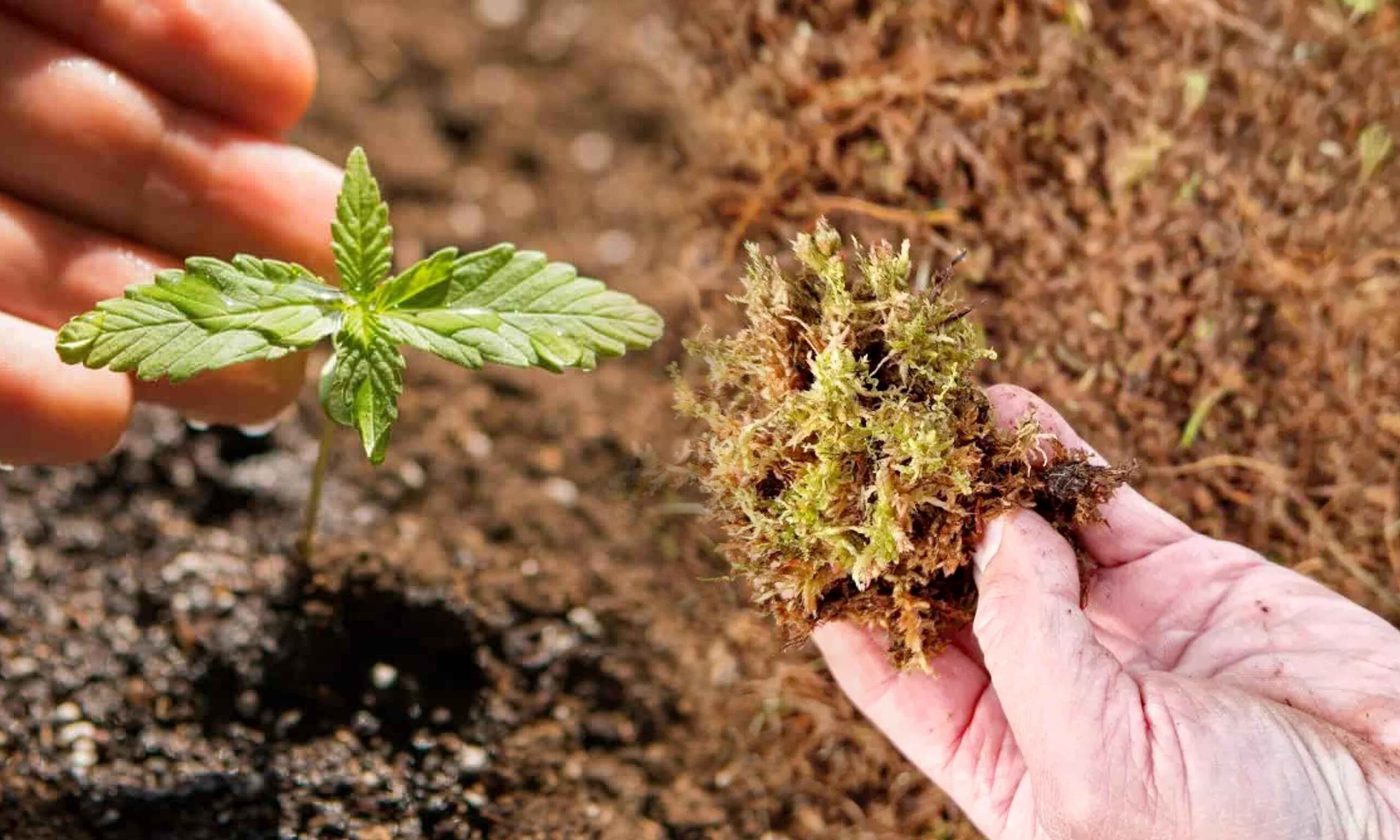
Peat moss, also known as sphagnum peat moss, comes from plants breaking down in wet places like bogs or swamps. It’s made mostly of partly broken-down sphagnum moss. This makes it great for growing cannabis because it can hold water, help soil breathe, and make roots grow strong. That’s why growers everywhere like using it.
Types of Peat Moss
- Sphagnum Peat Moss: This type of peat moss is very popular among cannabis growers. It can soak up a lot of water, which helps keep cannabis plants consistently hydrated.
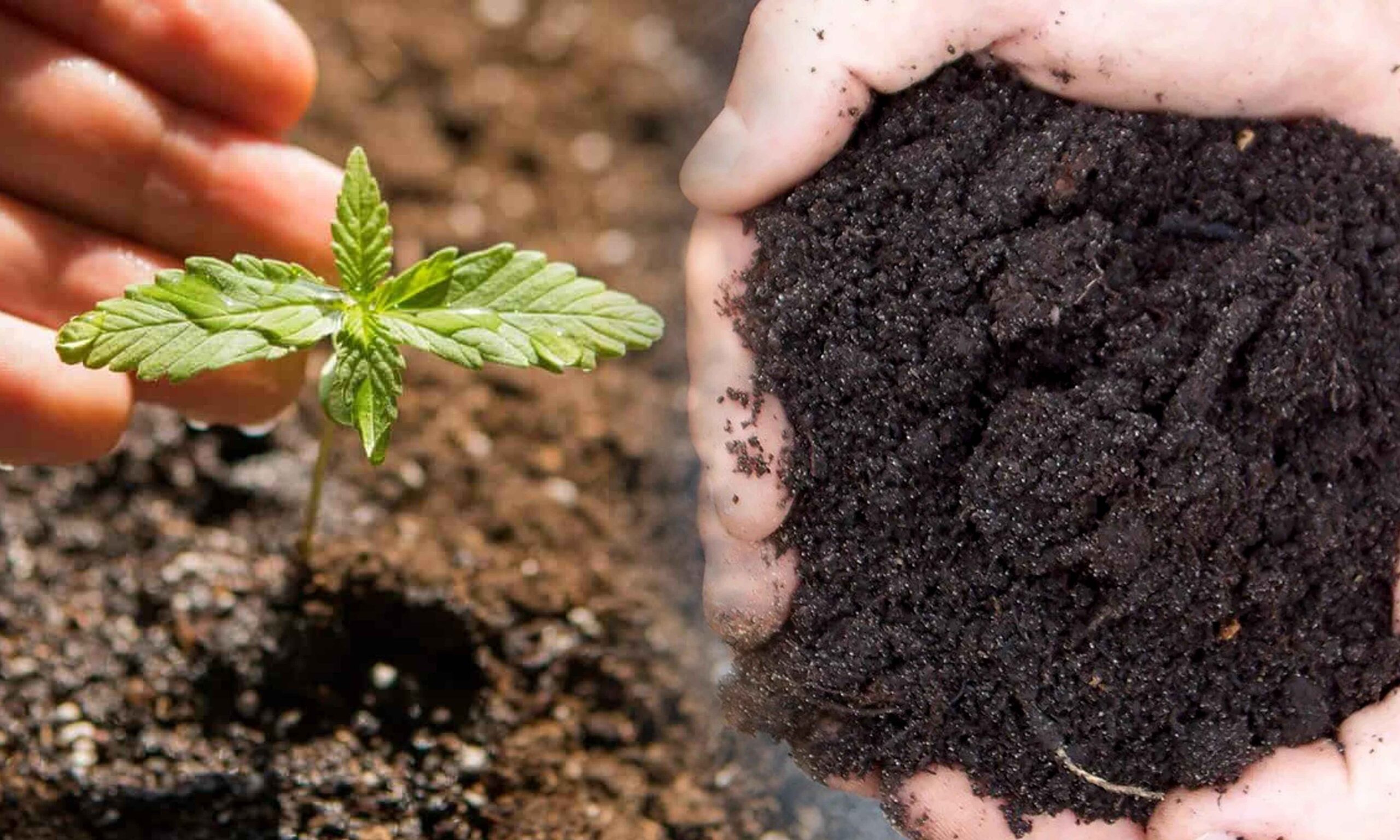
- Sedge Peat Moss: Sedge peat moss has more fibrous material, which makes it great for giving soil mixes strong support. Its fibers help air move well in the soil, which helps roots grow strong.
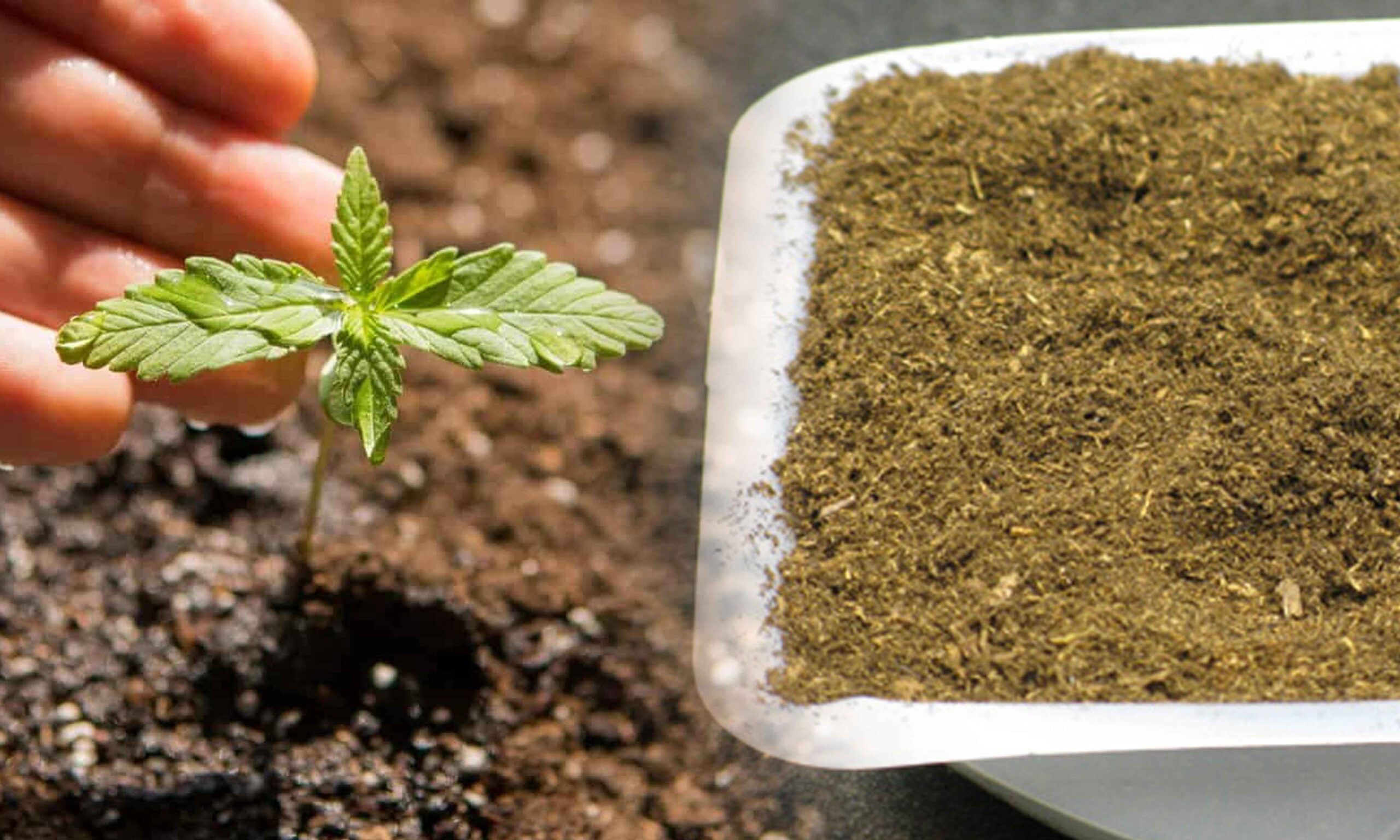
- Reed-Sedge Peat Moss: This type, made from a mix of reed and sedge mosses, balances holding water and letting air in. It’s perfect for growing cannabis because it keeps just enough moisture without making the soil too wet.
Peat Moss – Homemade Potting Mix
Adding peat moss to your cannabis growing methods can really make your plants better. Whether you’re getting soil ready or making potting mixes, peat moss helps in many ways for cannabis growers. When you’re getting soil ready for planting, mixing peat moss with other natural stuff like compost or perlite can make the soil better for your plants. Also, using potting mixes with peat moss is great for young plants, helping their roots grow well and making them grow better overall.
Pros and Cons
- Advantages of Peat Moss for Cannabis: Peat moss brings many benefits to growing cannabis, like making soil better, keeping moisture in, and giving plants more nutrients. Because it creates a good place for cannabis plants to grow, they become healthier, stronger, and give bigger yields.
- Disadvantages of Peat Moss for Cannabis: Although peat moss has many advantages, growers need to think about its downsides too. One big issue is its impact on the environment. Getting peat moss can harm habitats and add to carbon emissions. Also, peat moss isn’t something that can be replaced quickly, as it takes hundreds of years to form. This means it’s not a good long-term option.
Peat Moss Alternatives
Even though peat moss is still liked for growing cannabis, there are other options that are more sustainable. One of them is coco coir, which comes from coconut shells and does similar things to peat moss, like holding water well and letting air in. Perlite and vermiculite are other choices used in potting mixes to make soil better without the same worries about the environment that come with peat moss.
Environmental Impact
Although peat moss works well for growing, using it can cause big environmental problems. Peatlands, where peat moss comes from, are important for storing carbon and protecting different plants and animals. But getting peat moss can mess up these places, making animals lose their homes, letting out carbon, and ruining the soil. Because of this, many growers are looking for other options that are better for the environment, so they can help protect nature.
Peat Moss Cannabis Care Tips
- pH Level Management: Keeping the right pH level is important for making sure plants get the right nutrients and stay healthy. Peat moss makes soil more acidic, so it’s best to aim for a pH of about 6.0 to 6.5 when growing cannabis.
- Moisture Control: Making sure plants get the right amount of water is important to help them grow well. Peat moss holds onto water well, but it’s still important to check the soil often and give water only when needed. Too much water can drown the plants, while too little can make them dry out and stress.
- Fertilization: Although peat moss has some nutrients that plants need, it might not have everything cannabis plants require to grow well all the time. Using organic fertilizers with lots of nitrogen, phosphorus, and potassium can make sure plants get all the nutrients they need to grow strong and flower well.
Conclusion
Peat moss remains a valuable resource for cannabis cultivators, offering numerous benefits for plant health and growth. However, it’s essential to consider its environmental impact and explore sustainable alternatives to ensure the long-term viability of cannabis cultivation practices. By understanding the properties of peat moss and implementing best practices for its use, growers can nurture healthy, thriving cannabis plants while minimizing their ecological footprint.
FAQs
Q: Is Peat Moss Sustainable for Cannabis?
A: Peat moss usage raises sustainability concerns due to its extraction impact on peatlands.
Q: How Often Should I Water Cannabis with Peat Moss?
A: Water cannabis when the top soil layer feels dry; avoid overwatering.
Q: Can I Reuse Peat Moss for Cannabis?
A: Yes, reuse peat moss by mixing it with fresh soil or compost after harvesting.
Q: What pH Should Peat Moss be for Cannabis?
A: Adjust peat moss pH to 6.0-6.5 for optimal cannabis nutrient uptake.
Q: Are There Any Risks of Using Peat Moss?
A: Risks include environmental impact and potential pathogens or pests.
Q: How Much Peat Moss Should I Use for Cannabis?
A: Use 30-50% peat moss in soil mix; adjust based on pot size and moisture levels.