

Table of Contents
Post harvest bud rot can cause big problems for your crop yields if you don’t deal with it. Many growers face this issue, but you can reduce its impact and save your harvest with the right methods. This guide covers effective techniques and steps to prevent post harvest bud rot. We’ll explain what causes it and how to stop it from happening. From figuring out the reasons to taking preventive actions, we’ve got you covered.
What is Post Harvest Bud Rot?
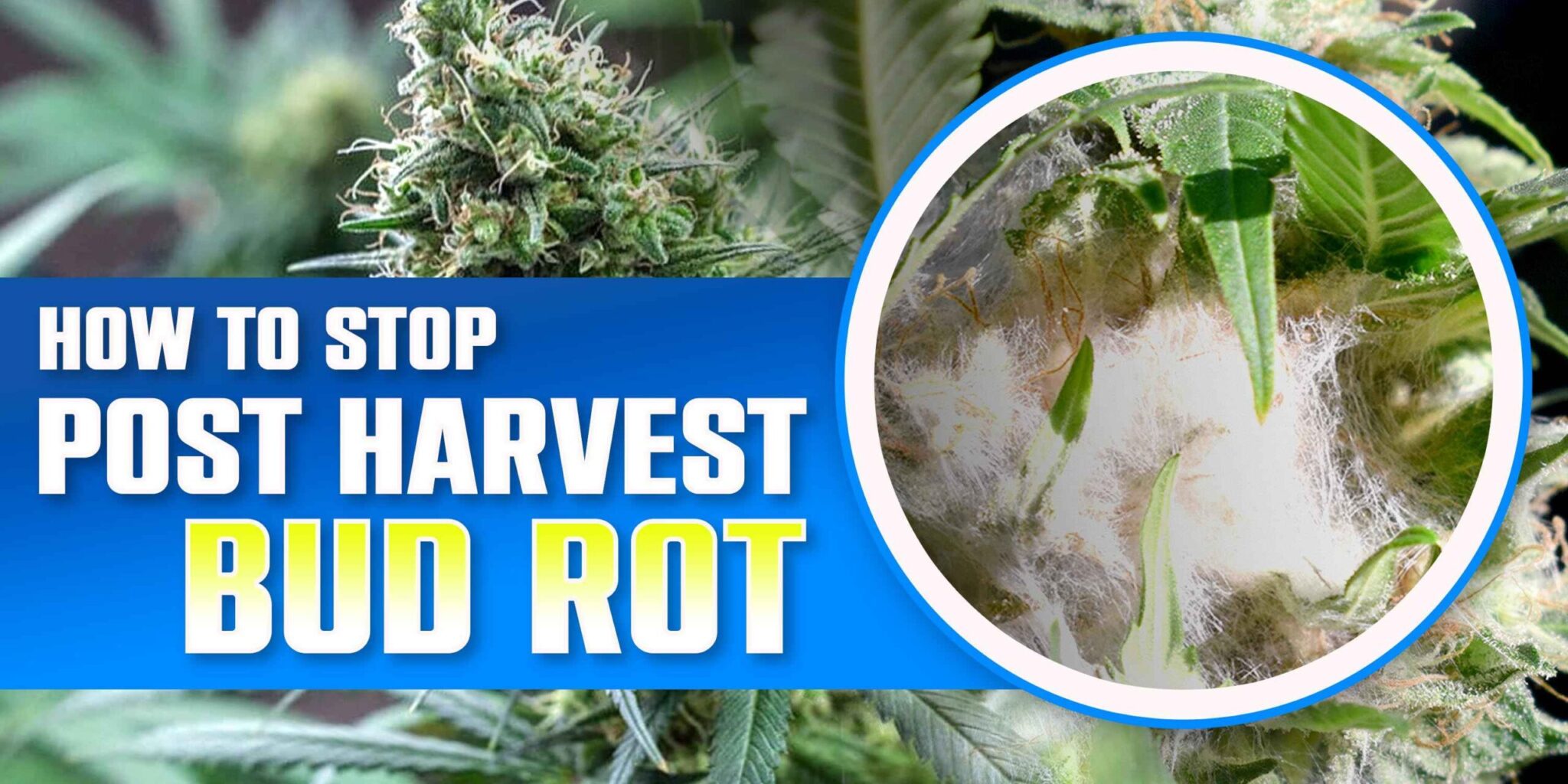
Post harvest bud rot, also called botrytis cinerea, is a fungal disease affecting various crops like fruits, veggies, and flowers. It thrives in damp conditions and spreads fast, causing significant harm to your crop. Knowing what causes bud rot is crucial to prevent it effectively.
Bud rot usually starts with small, wet spots on the buds or flowers of the plant. As it advances, these spots can grow, get covered in fuzzy gray mold, and give off a bad smell. If not treated, bud rot can rot entire buds or flowers, leading to lower yields and poorer quality.
What Are The Common Causes of Bud Rot
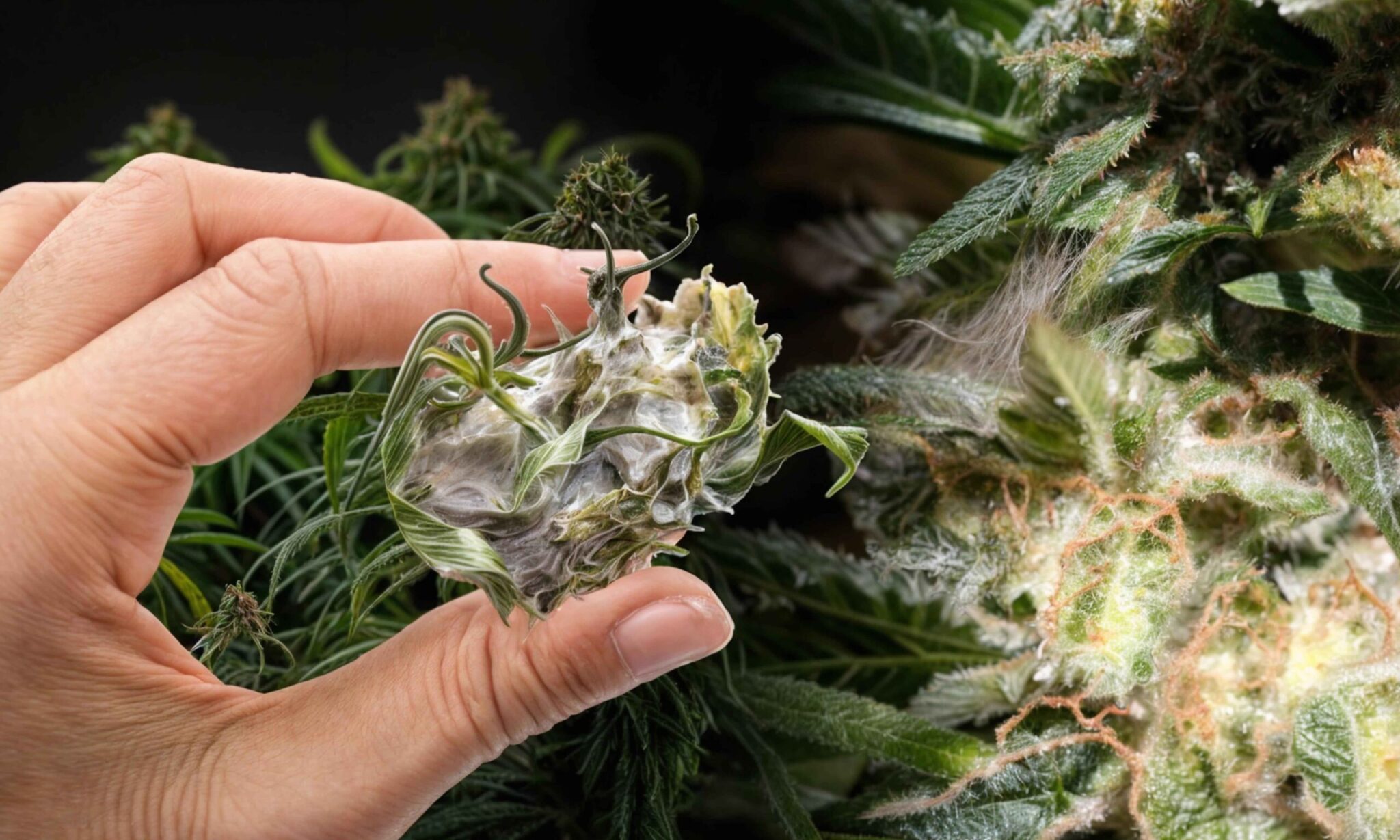
To effectively fight bud rot, it’s vital to recognize the common causes and risks linked with the disease. Various factors can play a role in the growth of bud rot, including:
- High Humidity Levels: High humidity levels in the air provide the ideal conditions for fungal growth, which is a major risk factor for bud rot. Insufficient ventilation and lack of airflow can worsen this problem by trapping moisture around the buds, encouraging fungal growth.
- Damp or Wet Conditions: Bud rot flourishes in damp or wet conditions, especially during extended rainy periods or heavy dew. Soil that’s soaked with water and overwatering can also add to the surplus moisture around the buds, providing a perfect environment for fungal spores to thrive.
- Poor Air Circulation: Lack of airflow in the growing space can trap moisture, stopping it from dispersing. This creates stagnant conditions perfect for fungal growth. Good ventilation is crucial to keep humidity levels right and stop bud rot from starting.
- Plant Stress: Plants under stress are more prone to fungal infections like bud rot. Things like not enough nutrients, extreme temperatures, and pest attacks can weaken the plant’s defenses, making it easier for diseases to take hold.
How To Prevent Bud Rot?
Preventing bud rot needs a proactive plan that deals with the main causes and risks. By using these preventive steps, you can protect your crops from this harmful disease:
- Maintain Proper Ventilation: Make sure there’s enough airflow in the growing space by using fans or vents to keep the air moving. This stops moisture from building up and lowers the chance of fungal infections, such as bud rot.
- Monitor Humidity Levels: Regularly check the humidity levels in the growing area and keep them in the right range. Use dehumidifiers or humidity controllers to manage moisture and stop conditions that help fungi grow.
- Practice Proper Watering Techniques: Water your plants in the morning so any extra moisture can dry up before night. Try not to water from above too much because it can make the air damp and help bud rot grow.
- Remove Infected Plant Material: Quickly take out any buds or flowers that look like they’re rotting to stop the disease from spreading. Throw away infected plant bits properly to keep fungal spores from spreading to other plants.
- Apply Preventive Treatments: You might want to use fungicides or natural extracts that fight fungus to keep your plants safe from bud rot. Follow the instructions from the manufacturer and use treatments before any infection happens to lower the chance of getting sick.
Conclusion
Understanding why post harvest bud rot happens and using good preventive steps can keep your crops safe and make sure you get a good harvest. Check things often, keep everything clean, and act early to stop bud rot and get more crops. Remember to keep the growing conditions just right, do things the right way, and watch out for any signs of trouble. If you do things right, you can beat post harvest bud rot and have strong, healthy crops.
Frequently Asked Questions (FAQs)
Q: How does bud rot affect crop yields?
A: Bud rot can significantly reduce crop yields by causing the decay of buds or flowers, leading to losses in both quantity and quality.
Q: Can bud rot be cured once it develops?
A: Once bud rot develops, it can be challenging to cure, especially in advanced stages. Prevention is key to minimizing the impact of bud rot on your harvest.
Q: What are some natural remedies for preventing bud rot?
A: Natural remedies such as neem oil, potassium bicarbonate, and compost teas can help prevent bud rot by boosting plant immunity and inhibiting fungal growth.
Q: Is bud rot contagious to other plants?
A: Yes, bud rot is highly contagious and can spread rapidly to nearby plants if not promptly addressed. It’s essential to remove infected plant material and practice good sanitation to prevent the spread of the disease.
Q: How can I prevent bud rot in greenhouse environments?
A: In greenhouse environments, maintaining proper ventilation, humidity levels, and sanitation practices is essential for preventing bud rot. Consider installing fans or ventilation systems to promote airflow and reduce humidity levels.
Q: Are there any resistant plant varieties that are less susceptible to bud rot?
A: Some plant varieties may exhibit greater resistance to bud rot than others. Consult with local experts or extension services to identify resistant varieties suitable for your growing conditions.