









Table of Contents
Autoflowering cannabis strains have gained immense popularity among growers for their ease of cultivation and quick harvest times. However, it’s not uncommon for growers to encounter challenges, particularly when their autoflowers do not begin flowering as anticipated after 8 weeks. In this detailed guide, we will delve into common issues related to autoflowering plants not flowering on schedule and provide practical solutions to address autoflower not flowering after 8 weeks and ensure a successful harvest.
Understanding Autoflowering Cannabis
Before diving into troubleshooting, it’s essential to understand the unique characteristics of autoflowering cannabis. Unlike photoperiod strains, autoflowers transition from the vegetative stage to the flowering stage automatically, regardless of changes in light cycles. They typically have a shorter growth cycle, which is why many cultivators prefer them. However, this automatic transition can occasionally lead to unexpected delays in flowering, and that’s what we’ll address in this article.
Autoflowers usually have a predetermined flowering window, but external factors can influence this timeframe. Factors such as genetics, light, nutrients, and environmental conditions all play a crucial role in determining when your autoflowers will start flowering. By comprehending these factors and their impact, you’ll be better equipped to troubleshoot and optimize your cultivation.
Why Is My Autoflower Not Flowering – Troubleshooting Causes
Week 5 Unexpected Hiccups
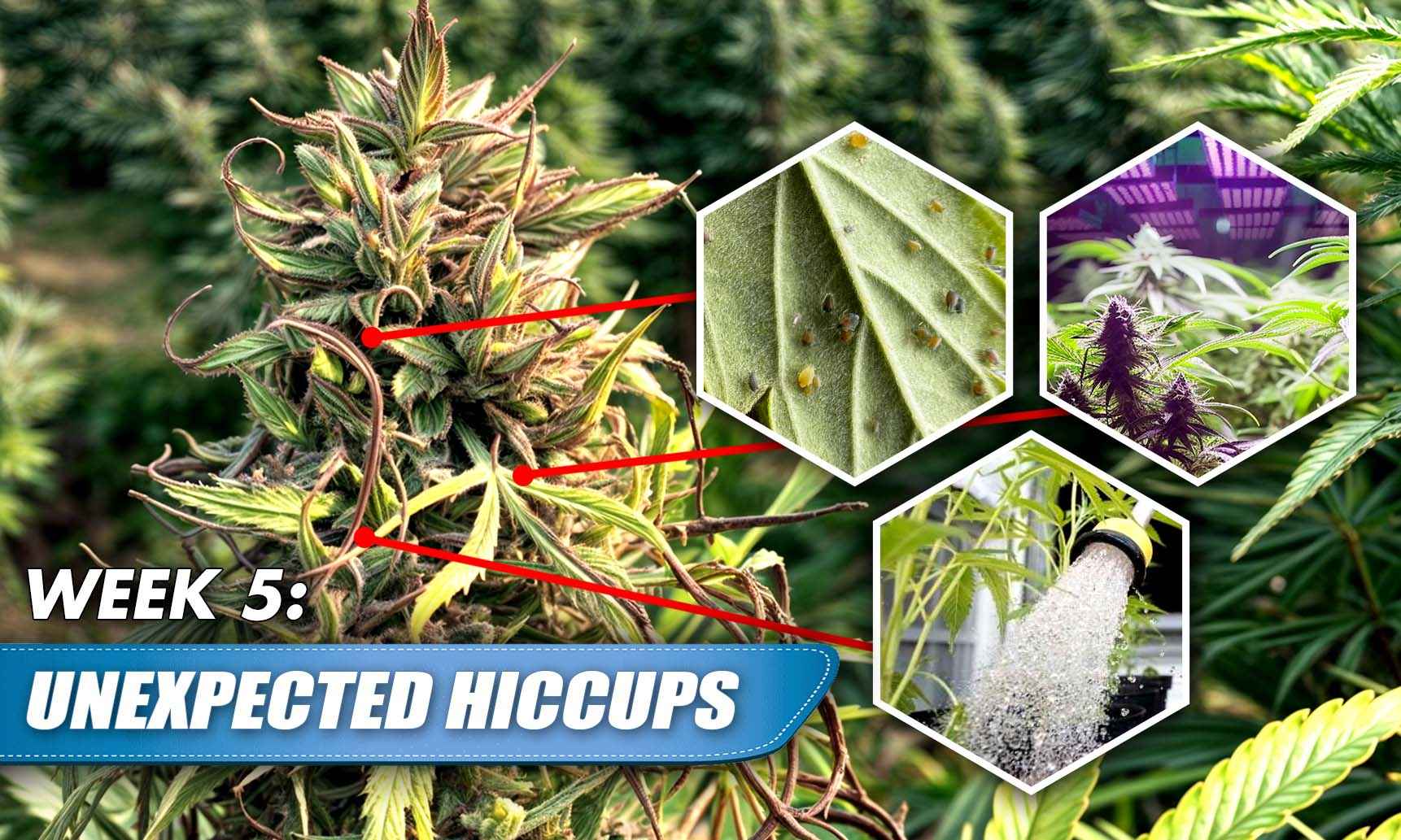
Facing issues earlier in the growth cycle for your week 5 autoflower not flowering? Let’s address them head-on:
- Disease and Pest Management: Vigilance is key in identifying and addressing disease or pest infestations promptly. Early intervention can save your plants from significant damage.
- Watering Precision: Accurate watering is crucial for autoflowers not flowering. Overwatering or underwatering can stress your autoflowers and impact overall health. Establish a consistent watering routine based on the specific needs of your plants.
- Optimal Lighting: Ensure that your light source is appropriate for the size of your growing area. Inadequate light can hinder growth and flowering. Consider upgrading your lighting setup if needed.
Week 6 No Signs of Flowering
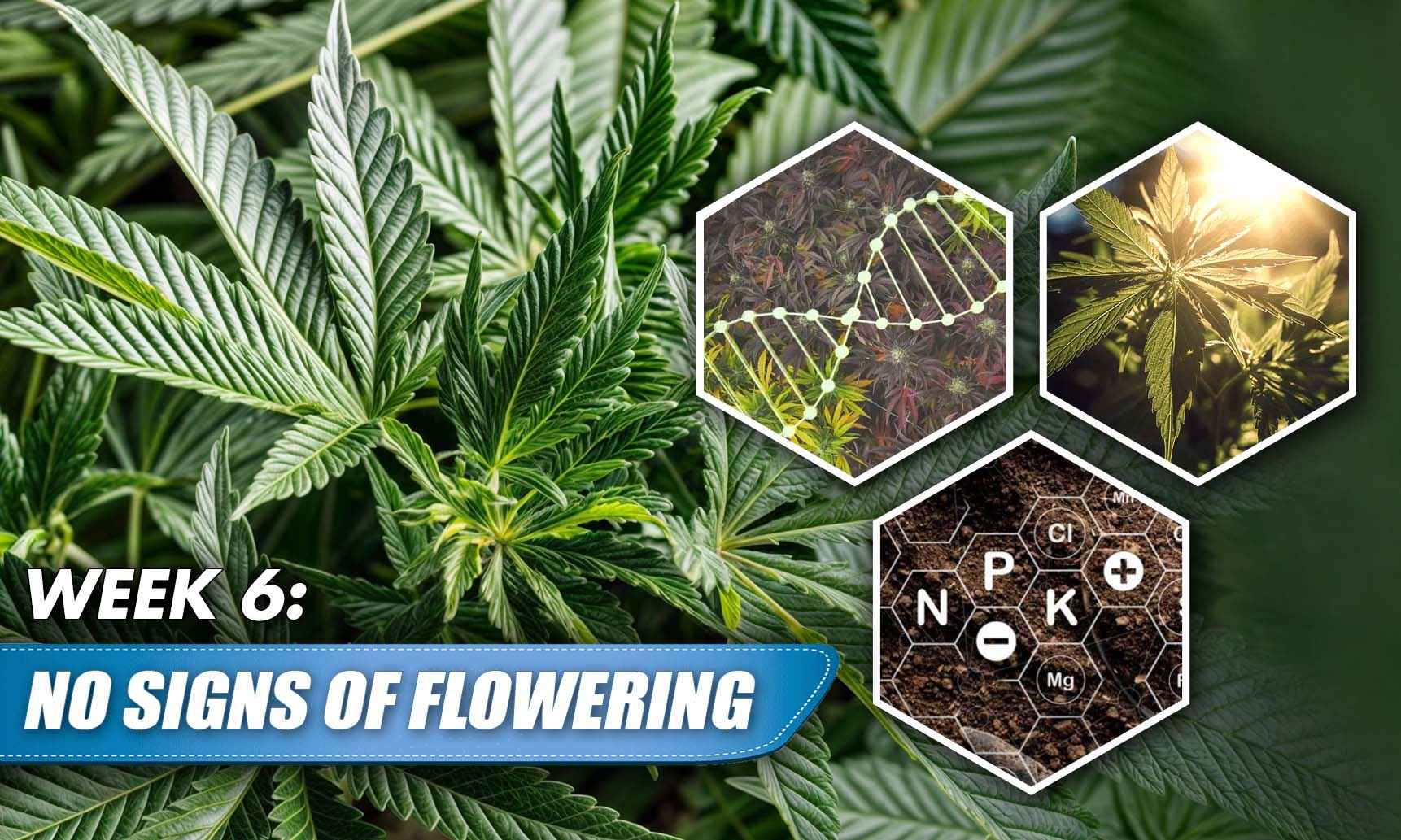
Arriving at week 6 without any visible signs of flowering for your autoflower not flowering after 6 weeks can be disheartening for growers.
However, it’s essential to remain patient and consider the following factors:
- Genetics: Autoflower strains vary in their flowering times. Some naturally take longer to initiate flowering, so consult the specific strain’s characteristics to determine if this is the case.
- Light Intensity and Duration: Adequate lighting is crucial during the vegetative stage. Ensure your plants receive 18-20 hours of light daily to encourage healthy growth before flowering.
- Nutrient Management: Over or underfeeding can significantly impact flowering. It’s essential to maintain a balanced nutrient regimen tailored to the needs of autoflowers.
Week 7 Still No Buds
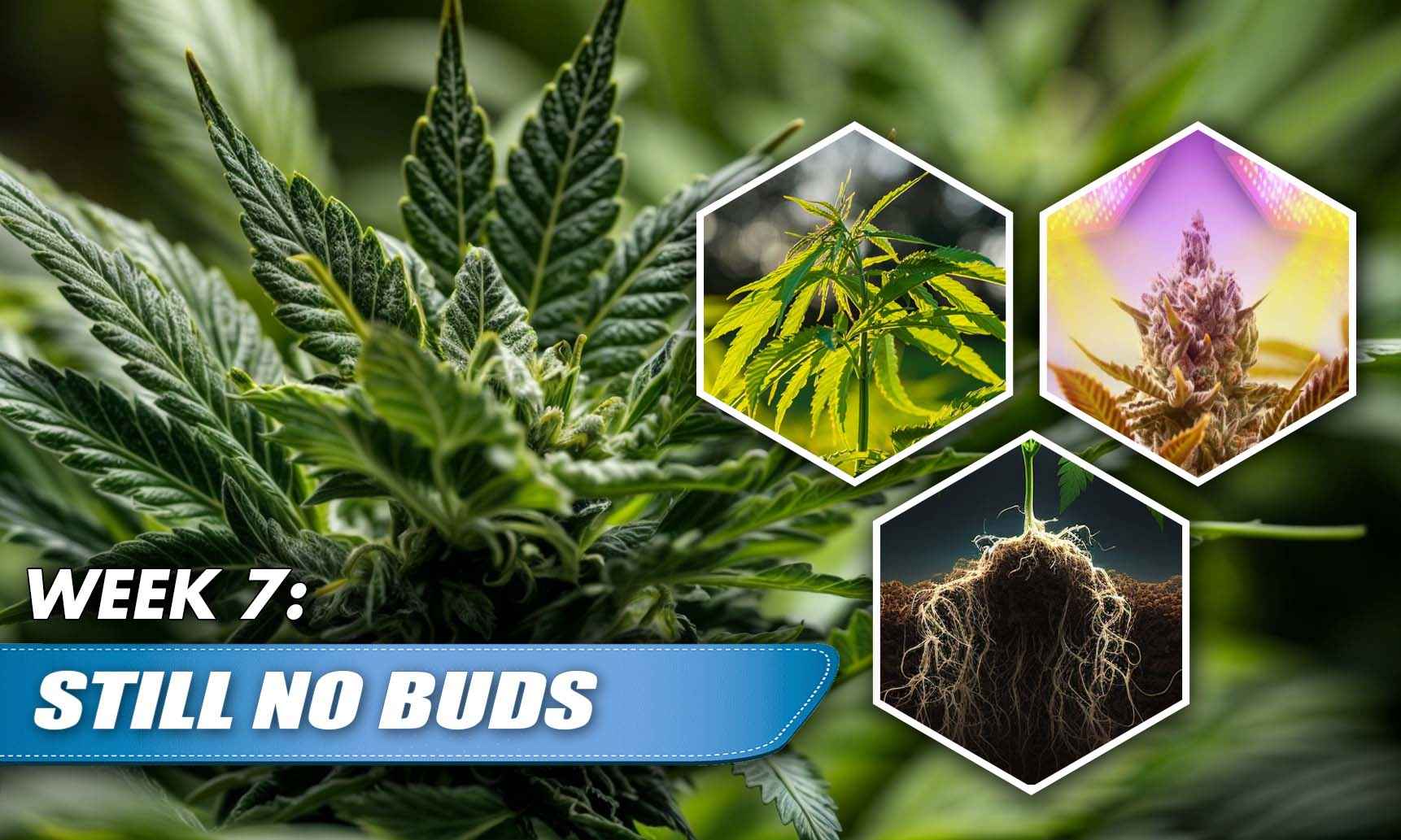
If you reach week 7 without any signs of buds for your autoflower week 7 no buds, it’s time to take proactive steps to address the delay:
- Environmental Stressors: High temperatures or excessive humidity levels can stall flowering. Maintain optimal conditions within the range of 70-85°F (21-29°C) and manage humidity levels accordingly.
- Root Health: Check for signs of root-bound plants. If your autoflowers have outgrown their pots, transplant them to provide more space for root expansion, which is essential for flowering.
- Light Control: Ensure complete darkness during the 12-hour dark period. Even slight light leaks during this phase can disrupt the flowering process.
Week 8 Pistils, but No Buds
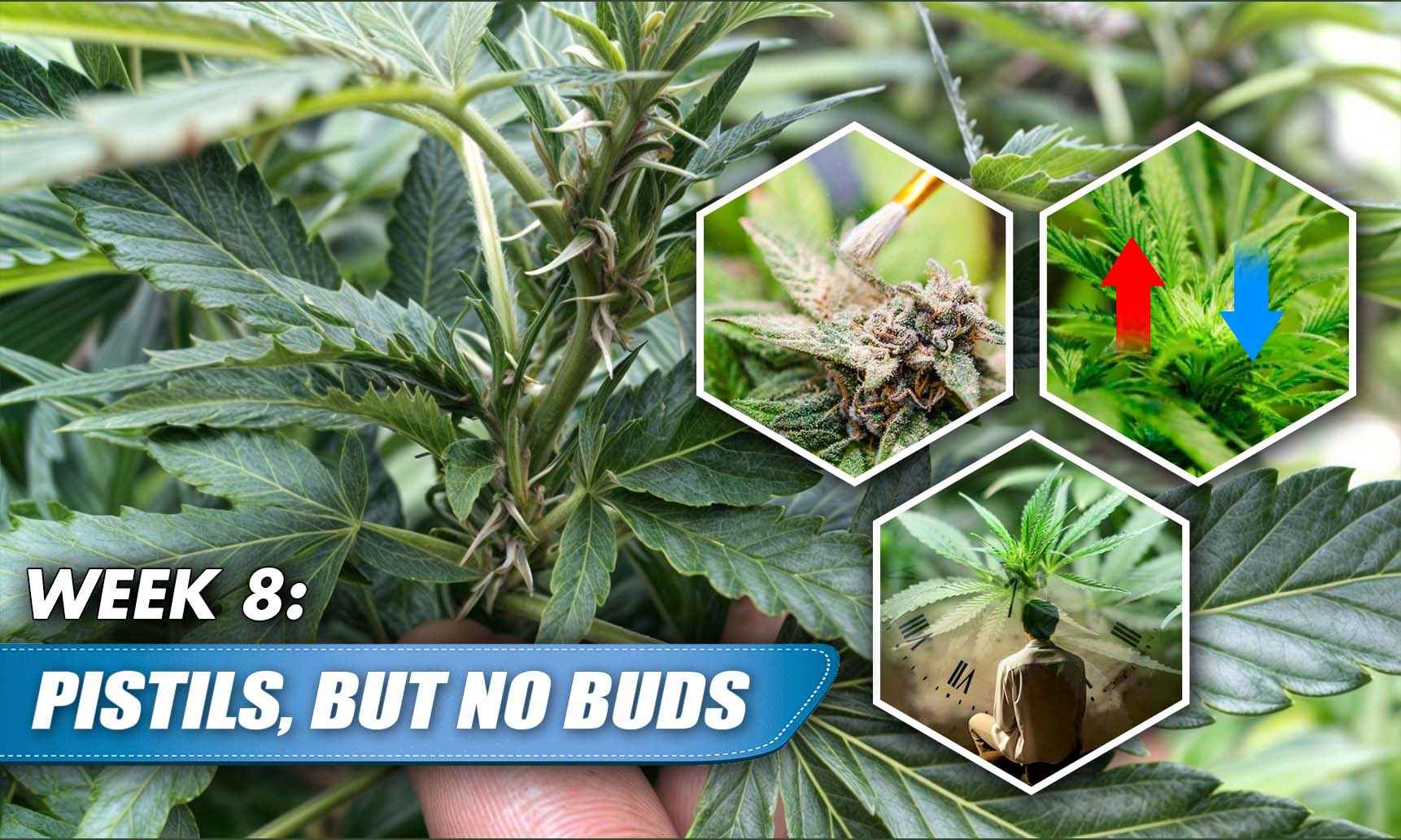
Encountering pistils without developing buds for your autoflower pistils but no buds can be perplexing. To address this issue:
- Pollination Concerns: If male plants are present nearby, they may have pollinated your female autoflowers, which can hinder bud development. Remove any male plants promptly.
- Nutrient Imbalance: Incorrect pH levels in your growing medium can lead to nutrient lockout, affecting bud formation. Regularly monitor and adjust the pH to maintain optimal nutrient absorption.
- Extended Patience: While most autoflowers start flowering within a specific timeframe, some may take longer due to genetic variations or environmental stressors. Be patient and give them up to 12 weeks if necessary.
Conclusion
Cultivating autoflowering cannabis can be both rewarding and challenging. When your autoflowers are not flowering as expected after 8 weeks, it’s essential to remain patient and methodically address potential issues. By carefully managing genetics that is why always choose Crop King Seeds, also manage the light, nutrients, and environmental conditions, you can increase the likelihood of a successful harvest. Remember that every cannabis plant is unique, and fine-tuning your cultivation techniques is key to achieving the best results. Happy growing!
FAQs
Q: Can I force my autoflowers to flower?
A: No, autoflowers will naturally transition to the flowering stage based on their genetic programming, typically within 2-4 weeks from germination.
Q: Is it normal for autoflowers to take longer to flower than stated in their genetics?
A: Yes, variations in environmental factors and stress can occasionally extend the flowering time beyond what is specified in the strain’s genetics.
Q: Should I prune my autoflowers to encourage flowering?
A: It’s advisable to limit pruning with autoflowers to avoid unnecessary stress. Minor defoliation may be performed, but extensive pruning is not recommended.
Q: What is the ideal pH level for autoflowers during flowering?
A: Maintain a pH level between 6.0 and 6.5 in your growing medium during the flowering stage to optimize nutrient absorption.
Q: Can I use bloom boosters to speed up flowering?
A: While bloom boosters can enhance flowering, they won’t drastically shorten the flowering time. Use them as directed for optimal results.
Q: Should I change the light cycle to 12/12 to induce flowering in autoflowers?
A: No, autoflowers do not require a change in light cycle. They will transition to flowering automatically, regardless of the light duration.