









Table of Contents
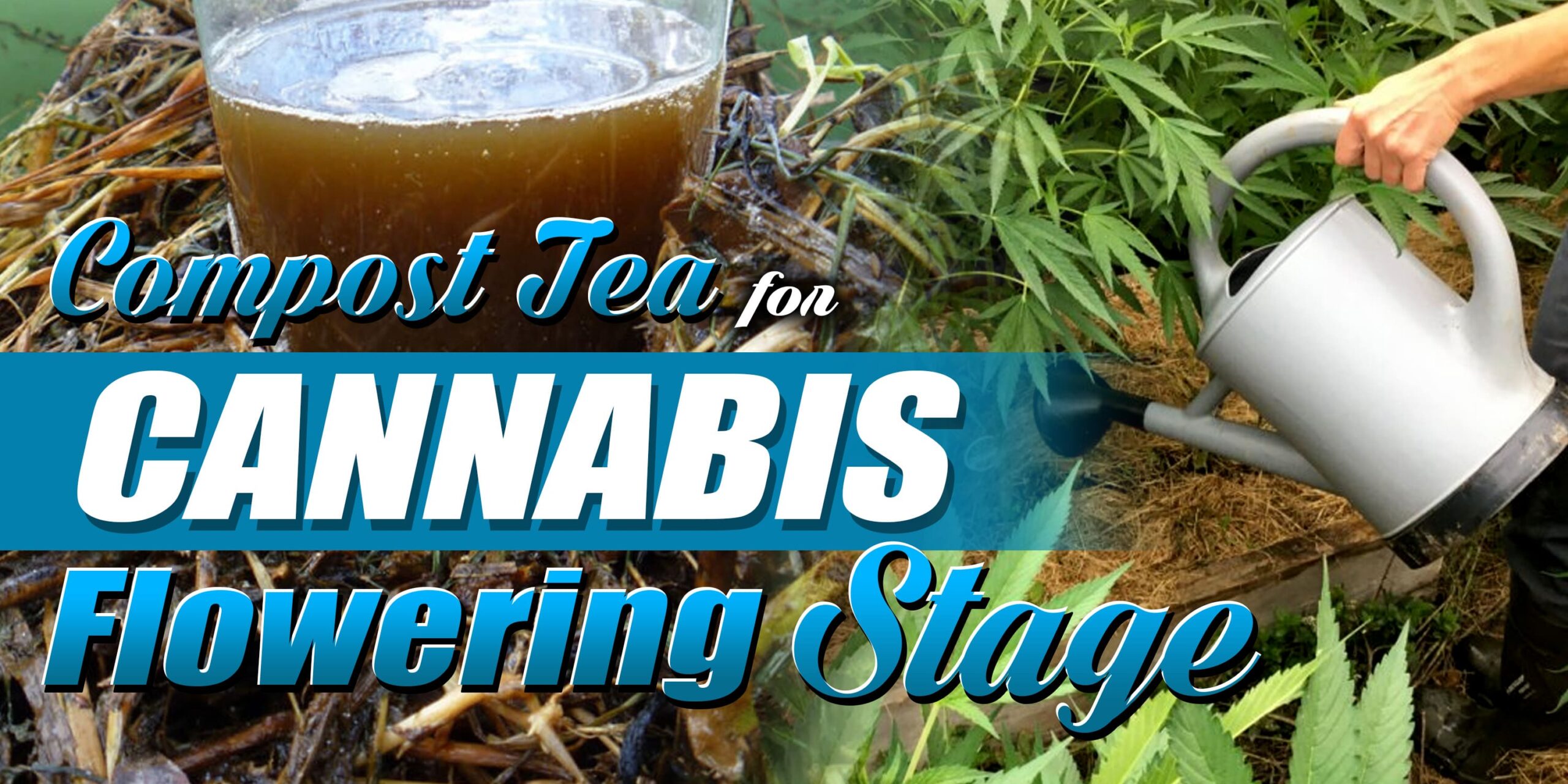
In the realm of cultivating cannabis, maximizing growth during the flowering stage is a top priority for growers. While various methods are available, one natural and effective approach gaining popularity is the use of compost tea. This article delves into the intricacies of compost tea application, its benefits, and how it can elevate your cannabis cultivation game.
The Power of Compost Tea
Compost tea is a nutrient-rich liquid fertilizer derived from compost steeped in water. This organic concoction teems with beneficial microorganisms, enzymes, and nutrients vital for plant health. When applied to cannabis plants during the flowering stage, compost tea acts as a potent elixir, fostering robust growth, improved nutrient uptake, and enhanced resistance to pests and diseases.
Understanding the Flowering Stage
The flowering stage is a pivotal phase in the cannabis growth cycle, marked by the development of buds rich in cannabinoids and terpenes. During this period, cannabis plants require specific nutrients and care to support vigorous bud formation and maximize yield. Compost tea serves as a natural supplement, providing the essential elements needed for optimal flowering.
Benefits of Using Compost Tea
- Enhanced Nutrient Absorption: The diverse microbial community present in compost tea aids in breaking down organic matter, making nutrients more accessible to plants. This enhanced nutrient absorption leads to healthier, more robust plants with increased yield potential.
- Improved Soil Health: Regular application of compost tea promotes soil biodiversity, enriches soil structure, and enhances moisture retention. Healthy soil is the foundation of a successful cannabis garden, providing plants with the necessary support and resources for optimal growth.
- Natural Pest and Disease Control: Beneficial microbes present in compost tea help suppress harmful pathogens, reducing the risk of pest infestations and diseases. By enhancing the plant’s natural defenses, compost tea provides a proactive approach to pest and disease management, minimizing the need for harsh chemical interventions.
- Environmentally Friendly: Compost tea is eco-friendly and sustainable, aligning with organic cultivation practices and minimizing environmental impact. By utilizing natural ingredients and biological processes, growers can cultivate cannabis in harmony with the environment, promoting biodiversity and soil health for future generations.
Application Methods
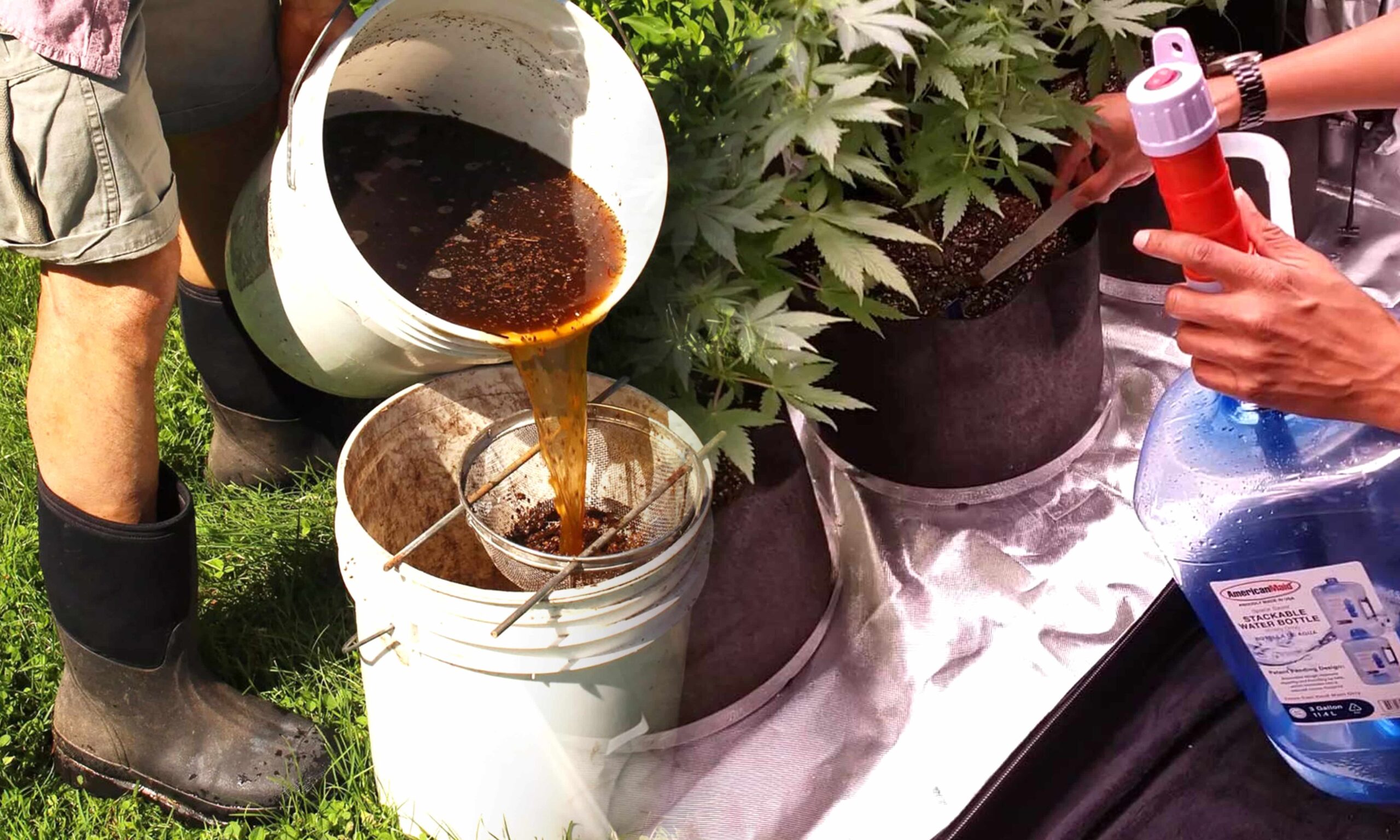
- Soil Drench: Prepare compost tea by steeping compost in water for 24-48 hours, then strain and dilute before applying directly to the soil around the base of cannabis plants. This method ensures direct delivery of nutrients to the root zone, where they are readily absorbed by the plant’s root system.
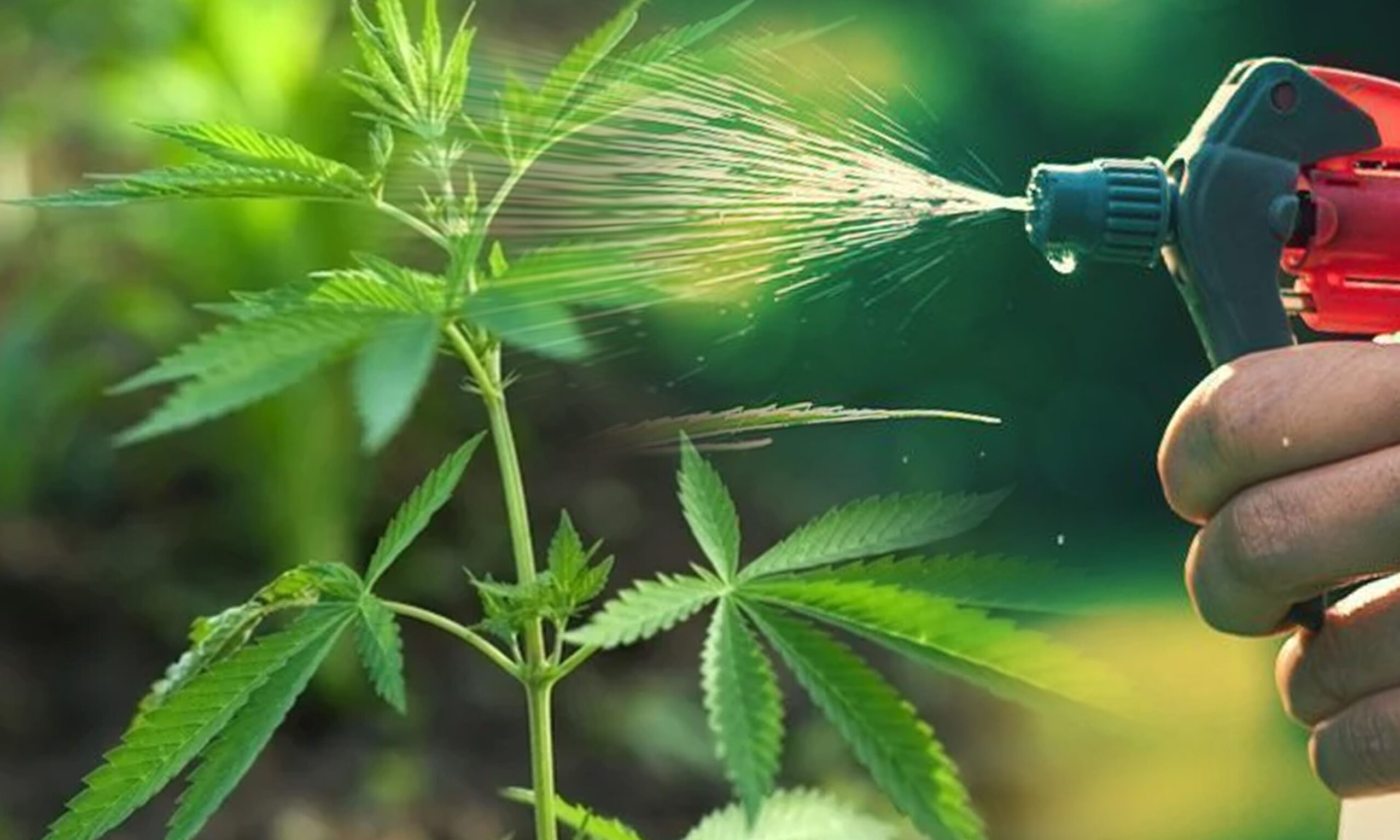
- Foliar Spray: Dilute compost tea and spray directly onto the foliage of cannabis plants during the early morning or late afternoon to avoid leaf burn. Foliar application allows for rapid nutrient uptake through the leaves, providing an additional nutrient boost during the flowering stage.
- Root Drench: Apply compost tea directly to the root zone of cannabis plants to promote healthy root development and nutrient absorption. This method is especially beneficial for plants experiencing nutrient deficiencies or stress, providing targeted support where it is needed most.
Conclusion
Incorporating compost tea into your cannabis cultivation regimen during the flowering stage can yield bountiful rewards. By harnessing the power of nature’s nutrients, you can nurture healthier plants, improve yields, and contribute to a more sustainable growing environment. Embrace the natural approach with compost tea and watch your cannabis garden thrive.
FAQs (Frequently Asked Questions)
1. How often should I apply compost tea during the flowering stage?
Compost tea can be applied every 1-2 weeks during the flowering stage for optimal results. However, frequency may vary depending on environmental conditions, soil composition, and plant health.
2. Can I use homemade compost for making compost tea?
Yes, homemade compost is ideal for creating compost tea, ensuring a rich microbial diversity tailored to your specific growing conditions. However, it’s essential to use well-aged compost free from contaminants and pathogens to avoid potential issues.
3. Is compost tea suitable for all types of cannabis strains?
Yes, compost tea is suitable for all cannabis strains and can be customized to meet the unique nutrient requirements of different varieties. Whether you’re growing indicas, sativas, or hybrids, compost tea can provide the essential nutrients needed for healthy growth and flowering.
4. Does compost tea have a strong odor?
Compost tea may have a slight earthy odor due to the fermentation process but typically dissipates quickly after application. However, if the compost used is of poor quality or contains contaminants, it may produce unpleasant odors. Proper aeration and filtration during the brewing process can help mitigate any potential odor issues.
5. Can compost tea be used in hydroponic systems?
While compost tea is primarily designed for soil application, it can be adapted for use in hydroponic systems with proper filtration and dilution. However, it’s essential to monitor nutrient levels closely and avoid overfeeding, as hydroponic systems are more sensitive to nutrient imbalances.
6. Are there any risks of overusing compost tea?
Excessive application of compost tea can lead to nutrient imbalances or microbial overgrowth, so it’s essential to follow recommended dosage guidelines. Additionally, using compost tea made from uncomposted or contaminated materials can introduce harmful pathogens or toxins to your plants, leading to health issues or decreased yields.