









Table of Contents
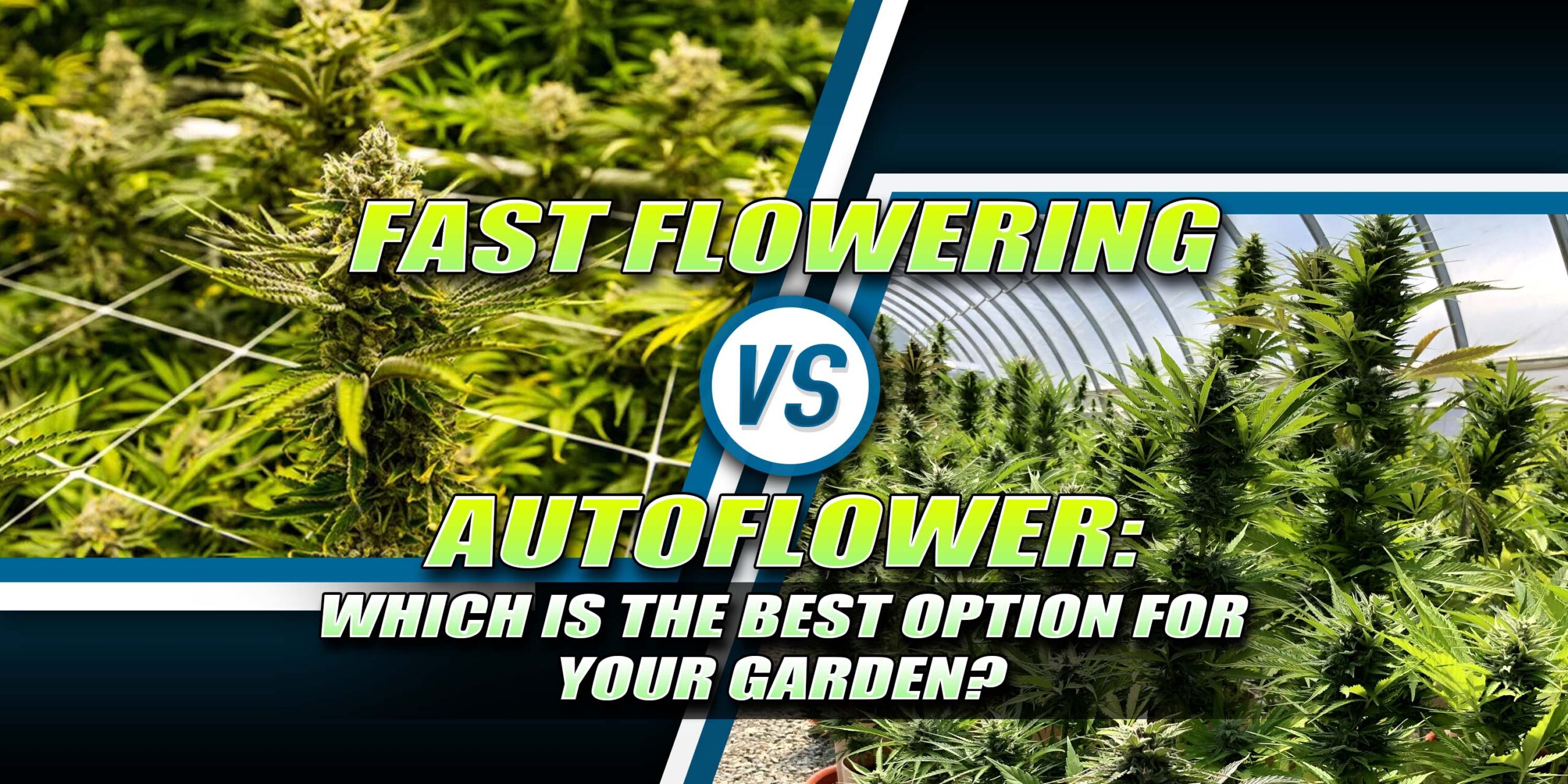
When you want a lively and thriving garden, picking the right plants matters a lot. There are many choices, but two are especially popular: fast flowering vs autoflower plants. Each type has its good points and things to think about for gardeners. In this article, we’ll compare fast flowering with autoflower plants in detail. We’ll look at what makes each type different, how they grow, and when they’re best for different gardening situations. Whether you’re an experienced gardener or just starting, knowing the differences between these types of plants can help you make smart choices and have a successful garden.
Understanding Fast Flowering vs Autoflower Plants
Fast Flowering Plants:
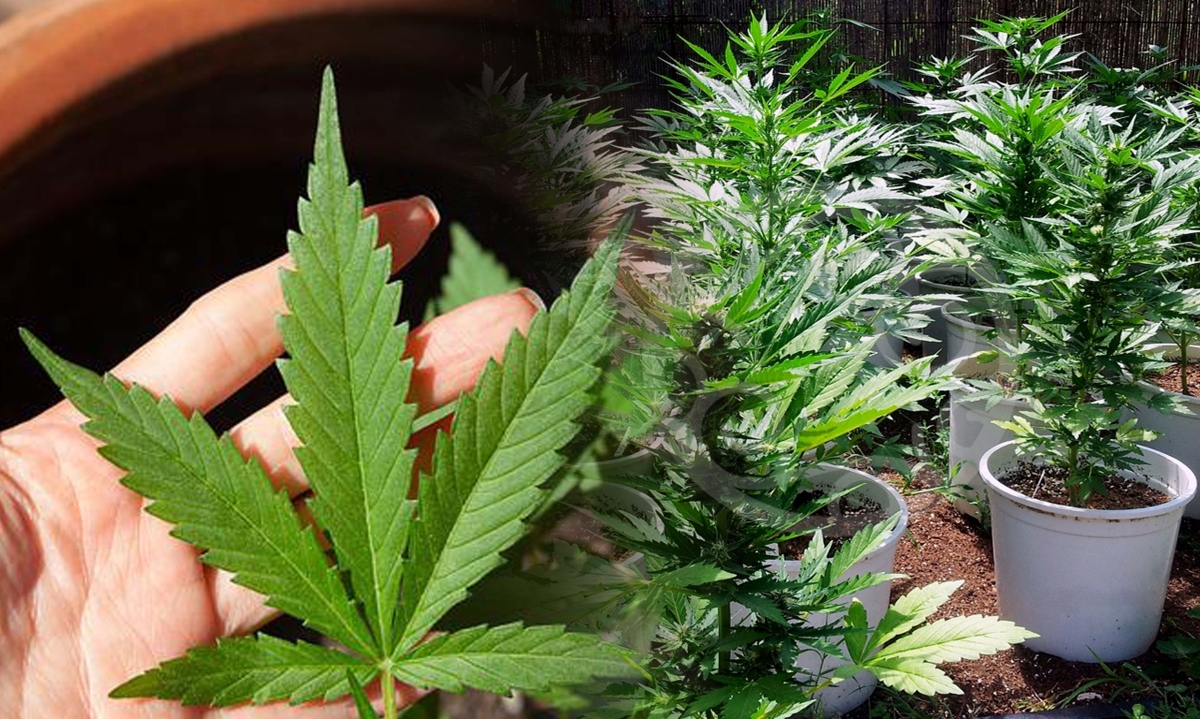
Fast flowering plants refer to varieties that enter the flowering stage quickly after the vegetative phase. These plants have been selectively bred to accelerate the flowering process, allowing gardeners to enjoy blooms in a shorter time frame. With their rapid transition from vegetative growth to flowering, fast flowering plants offer several benefits for gardeners seeking timely harvests and consistent yields.
Fast flowering plants typically exhibit robust growth during the vegetative stage, developing sturdy stems and lush foliage. Once they transition to flowering, they undergo a rapid transformation, producing colorful blooms and setting fruits earlier than traditional varieties in the case of fruit-bearing plants. This accelerated flowering process is advantageous for gardeners with limited growing seasons or who wish to stagger their harvests throughout the year.
Autoflower Plants:
Autoflower plants, also known as automatic or auto-flowering plants, represent another category of cultivars prized for their unique characteristics. Unlike traditional photoperiod plants, which rely on changes in light cycles to initiate flowering, autoflower plants automatically transition from vegetative growth to flowering based on age. This inherent trait, derived from Cannabis Ruderalis genetics, offers several advantages for gardeners, particularly those seeking convenience and flexibility in their cultivation endeavors.
One of the primary benefits of autoflower plants is their ability to flower independently of light cycles. This means that gardeners can maintain a consistent lighting schedule throughout the growing season without needing to adjust the duration or intensity of light exposure to induce flowering. Additionally, autoflower plants typically have shorter life cycles compared to photoperiod varieties, allowing for quicker harvests and multiple crops in a single season.
Comparing Growth Characteristics
Vegetative Growth:
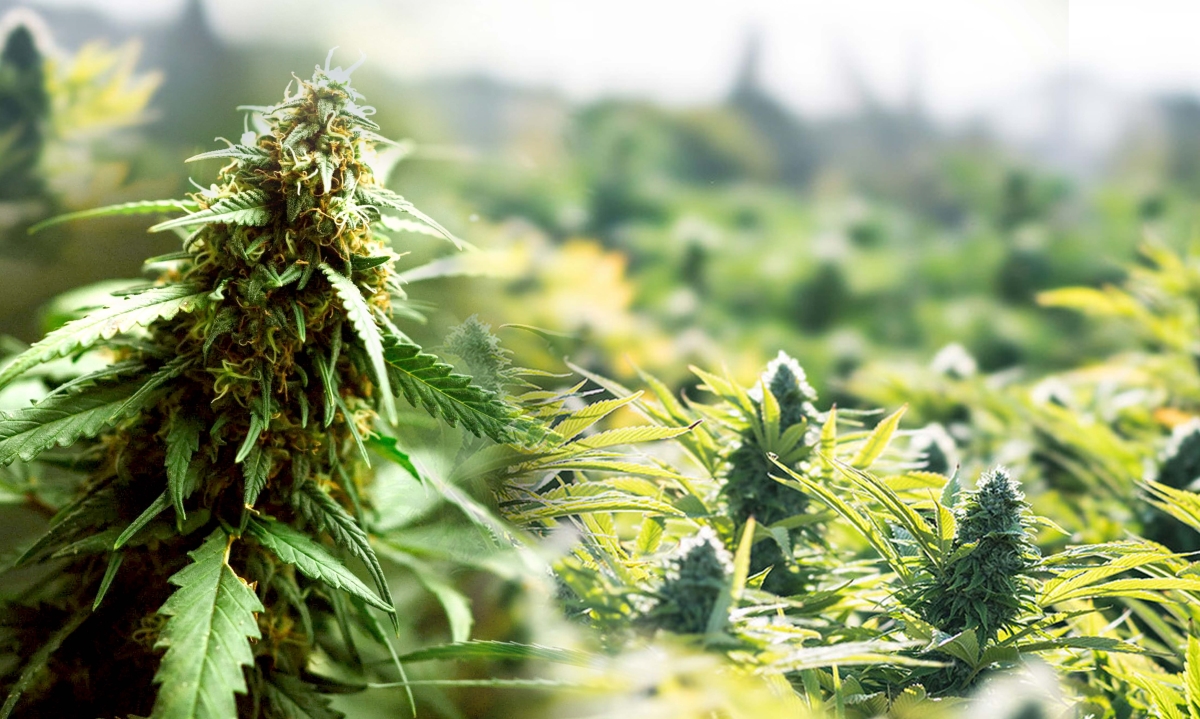
In the vegetative stage, both fast flowering and autoflower plants focus on establishing robust root systems and developing foliage to support future flower production. However, there are differences in the duration and intensity of vegetative growth between these two types of plants.
- Fast Flowering Plants: During the vegetative stage, fast flowering plants exhibit vigorous growth, with rapid stem elongation and leaf expansion. Gardeners may need to provide adequate spacing and structural support to accommodate the vigorous growth habit of these plants.
- Autoflower Plants: Autoflower plants also undergo vegetative growth but for a shorter duration compared to fast flowering plants. The compact stature and rapid growth of autoflower varieties make them well-suited for small spaces or stealthy indoor grows.
Flowering Stage:
The flowering stage is a critical phase in the life cycle of plants, where the focus shifts from foliage production to the development of flowers, fruits, or seeds. Understanding the flowering characteristics of fast flowering vs autoflower plants is essential for optimizing yield and harvest timing.
- Fast Flowering Plants: As the name suggests, fast flowering plants exhibit accelerated flower development, with shorter intervals between the onset of flowering and harvest. This rapid flowering trait makes them ideal for gardeners seeking quick turnaround times and multiple harvests per year.
- Autoflower Plants: Autoflower plants enter the flowering stage automatically, typically after a predetermined period of vegetative growth. The transition to flowering is not influenced by changes in light cycles, allowing autoflower varieties to bloom under a wide range of lighting conditions.
Optimal Growing Conditions
Light Requirements:
Light is a crucial factor in plant growth and development, influencing various physiological processes, including photosynthesis, flowering, and fruit production. Understanding the light requirements of fast flowering vs autoflower plants can help gardeners provide optimal growing conditions for their crops.
- Fast Flowering Plants: Fast flowering plants often thrive in environments with ample sunlight or artificial lighting. Providing sufficient light exposure during the vegetative and flowering stages is essential for promoting healthy growth and maximizing yields.
- Autoflower Plants: Autoflower plants are renowned for their resilience and adaptability to different lighting conditions. While they can benefit from intense light during the flowering stage, autoflower varieties can also thrive in environments with less consistent or lower light intensity.
Nutrient Needs:
Proper nutrition is essential for supporting plant growth, vigor, and resilience against pests and diseases. Tailoring nutrient management practices to meet the specific needs of fast flowering vs autoflower plants is crucial for optimizing yield and quality.
- Fast Flowering Plants: Fast flowering plants have relatively high nutrient demands, especially during periods of active growth and flowering. Providing a balanced fertilizer regimen rich in essential nutrients can promote vigorous growth and robust flower development.
- Autoflower Plants: Autoflower plants may have more modest nutrient requirements compared to fast flowering varieties. However, maintaining optimal nutrient levels, particularly during the flowering stage, is essential for supporting healthy blooms and maximizing harvest potential.
Cultivation Tips for Success
1. Selecting the Right Varieties:
When choosing between fast flowering and autoflower plants, consider factors such as desired harvest times, available growing space, and environmental conditions. Select varieties that align with your gardening goals and preferences.
2. Providing Adequate Lighting:
Ensure that your plants receive sufficient light exposure during the vegetative and flowering stages. Consider using supplemental lighting, such as grow lights, to enhance growth and flower production, especially in indoor or low-light environments.
3. Monitoring Nutrient Levels:
Regularly monitor soil or hydroponic nutrient levels to ensure that your plants receive essential nutrients for healthy growth and development. Adjust fertilization practices based on plant growth stage and nutrient requirements.
4. Managing Environmental Variables:
Maintain optimal temperature, humidity, and airflow levels within your growing environment to promote plant health and minimize stress. Proper ventilation and climate control can help prevent mold, mildew, and other common issues.
5. Implementing Pest and Disease Management Strategies:
Stay vigilant against pests and diseases by regularly inspecting your plants and implementing appropriate management tactics, such as biological controls, cultural practices, or organic treatments.
Conclusion
In the debate between fast flowering vs autoflower plants, both options offer unique benefits and considerations for gardeners. Fast flowering plants excel in their rapid transition to the flowering stage, allowing for quicker harvests and multiple yields per year. On the other hand, autoflower plants offer convenience and flexibility, flowering automatically based on age rather than light cycles. By understanding the growth characteristics, optimal growing conditions, and cultivation tips for each type of plant, gardeners can make informed decisions to maximize their gardening success.
Remember, whether you choose fast flowering or autoflower plants, the key to a thriving garden lies in careful planning, attentive care, and a passion for cultivation.
FAQs
Q: Are fast flowering plants suitable for beginners?
A: Fast flowering plants can be suitable for beginners due to their robust growth and relatively short time to harvest. However, novice gardeners should still familiarize themselves with basic cultivation techniques and plant care principles.
Q: Do autoflower plants require special lighting schedules?
A: No, autoflower plants do not require specific lighting schedules to initiate flowering. Their ability to bloom automatically based on age makes them well-suited for growers seeking simplicity and convenience in their cultivation practices.
Q: Can I grow fast flowering and autoflower plants in the same garden?
A: Yes, you can grow fast flowering and autoflower plants together in the same garden, provided that you consider their specific needs and growth characteristics. Be mindful of spacing, lighting, and nutrient requirements to ensure optimal growth and yield for each variety.
Q: How long does it take for fast flowering plants to reach maturity?
A: The time to maturity for fast flowering plants can vary depending on the specific variety and growing conditions. However, many fast flowering cultivars are known for their quick turnaround times, with some reaching maturity in as little as 6-8 weeks after germination.
Q: What are the advantages of growing autoflower plants indoors?
A: Growing autoflower plants indoors offers several advantages, including greater control over environmental variables, increased privacy and security, and the ability to cultivate year-round without being limited by seasonal changes in daylight hours.