500 NEW MARIJUANA SEEDS RELEASED

7 Crucial Weed Growers Tips Everyone Must Know


Whether you’re new to gardening or have some experience, knowing the weed grower tips for successful weed cultivation is important. We will explore seven essential tips every beginner weed grower should understand. We’ll cover everything from choosing the right strains to creating optimal growing conditions. By the end, you’ll have the knowledge and skills to grow healthy cannabis plants with our cannabis growing tips.

Tip 1 – Understand Your Weed-Growing Environment

weed growers tips

It’s important to know about the environment where your plants will grow best. Things like the weather, how humid it is, and how much sunlight they get is important for how well your plants will grow. By looking at where you’re going to grow them and making any changes you need to, you can make sure your weed plants have the best chance to grow well.

Tip 2 – Select the Right Weed Strains

weed growers tips

Choosing the right weed strains is important for a good harvest. You need to pick ones that match the conditions where you’re growing and what you want from your weed. Whether you want strong weed, special tastes, or medicinal effects, there are lots of different strains out there. Do some research and think about things like how much THC or CBD they have, how long they take to flower, and how they grow to find the best strains for what you want to do.

Tip 3 – Provide Proper Nutrients and Watering Techniques

weed growers tips

Managing nutrients is really important for making sure your weed plants grow well and give you lots of buds. You need to know what your plants need as they grow, so they don’t miss out on anything important and grow strong. It’s also important to water them right, keeping the soil damp but not too wet, so their roots don’t rot and they stay healthy.

Tip 4 – Implement Effective Pest and Disease Control

weed growers tips

Keeping your weed plants safe from bugs and diseases is really important for growing them well. You can stop problems before they start by checking your plants often and using bugs that eat bad bugs to keep them away. Also, keeping everything clean, like washing your tools and making sure where you grow your plants is clean, can stop diseases from spreading.

Tip 5 – Optimize Light and Temperature Conditions

weed growers tips

Light and temperature are really important for making sure your weed plants grow well. They need enough light and the right temperature to make food and grow flowers. Whether you’re using sunlight or special lights, it’s important to give them enough light for the right amount of time. Also, keeping the temperature just right in the place where you grow your plants helps them grow steadily and stay healthy.

Tip 6 – Learn Pruning and Training Techniques

weed growers tips

Pruning and training your weed plants can help you get more buds and make sure they grow well. You can do things like cutting off extra leaves and shaping your plants in ways like topping or LST (Low-Stress Training) to let light and air get to them better and make bigger buds. Also, using methods like SCROG (Screen of Green) or SOG (Sea of Green) can help you use your space better and get more buds overall.

Tip 7 – Harvest Timely and Cure Properly

weed growers tips

After growing your weed plants, the last steps are harvesting and curing, which are really important for keeping your weed strong, tasty, and smelling good. You need to pick the right time to harvest by looking at things like how mature the trichomes are and what stage the flowers are in. Also, drying and curing your weed properly, in a place with the right humidity, can make it even better and last longer.

Conclusion

Growing top-notch weed takes a mix of know-how, practice, and sticking with it. If you follow the seven key tips we’ve talked about here, you’ll be well on your way to a great harvest and enjoying the fruits of your labor. Keep learning and improving as you go, and don’t be afraid to ask other growers or pros for help when you need it.

FAQs

Q: How often should I water my weed plants?
A: Watering frequency depends on various factors such as the stage of growth, environmental conditions, and soil moisture levels. Generally, it’s recommended to water your weed plants when the top inch of soil feels dry to the touch.

Q: What are some natural pest control methods for weed cultivation?
A: Natural pest control methods include introducing beneficial insects such as ladybugs and praying mantises, using neem oil or insecticidal soaps, and implementing physical barriers such as row covers to protect your plants from pests.

Q: How can I tell when my weed plants are ready for harvest?
A: You can determine readiness for harvest by examining the trichomes on your plants’ buds using a magnifying tool. Harvest when the majority of trichomes have turned cloudy or amber-colored for optimal potency and flavor.

Q: What are the best strains for beginner weed growers?
A: Some beginner-friendly strains include Blue Dream, Northern Lights, and White Widow, known for their resilience, ease of cultivation, and balanced effects.

Q: How can I prevent mold and mildew in my growing environment?
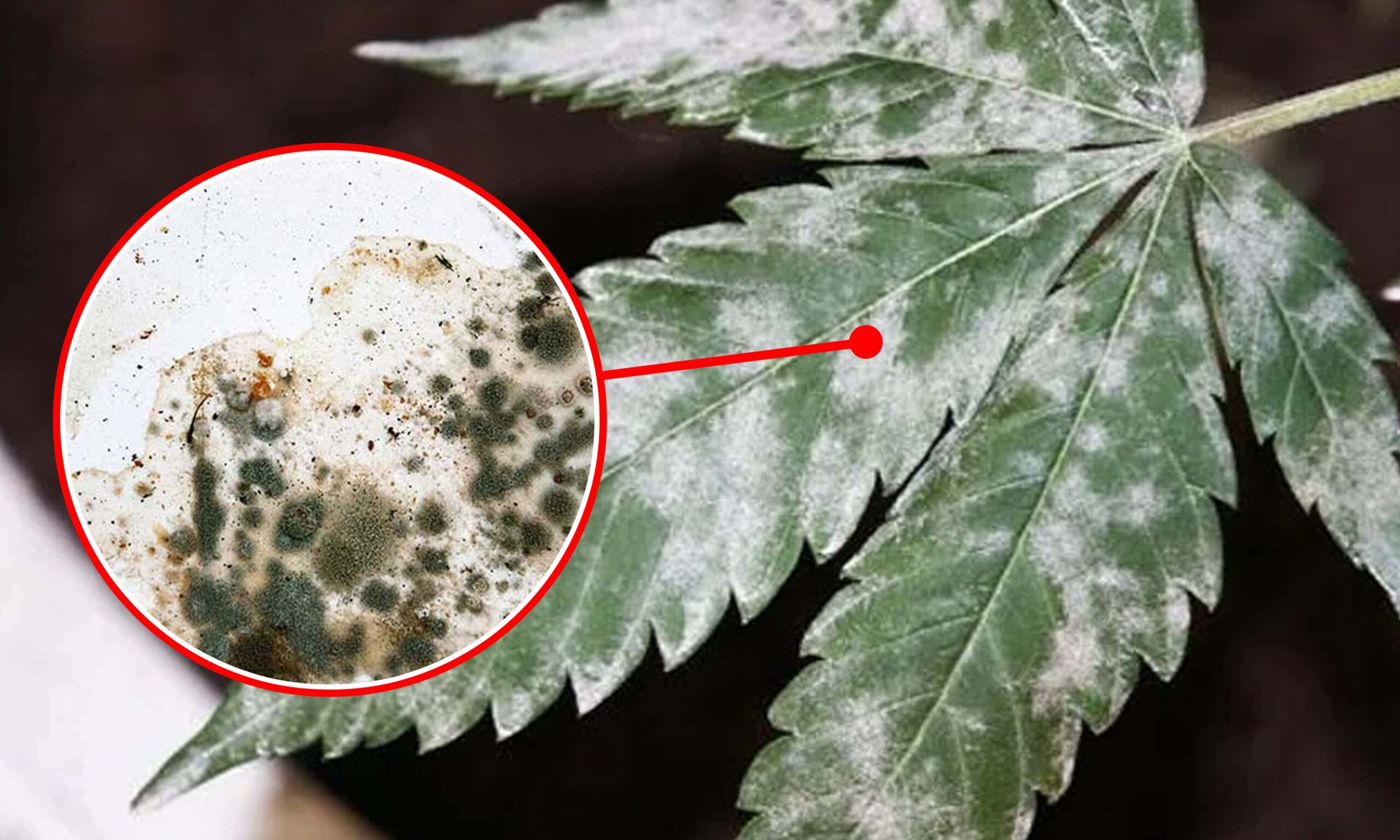
A: To prevent mold and mildew, ensure proper airflow and ventilation in your growing space, maintain moderate humidity levels, and avoid overcrowding plants. Additionally, consider using preventative treatments such as sulfur burners or fungicides.

Q: Can I grow weed indoors without grow lights?
A: While natural sunlight is ideal for outdoor cultivation, indoor growers can achieve successful harvests using supplemental lighting such as LED or HPS grow lights. However, it’s essential to ensure adequate light intensity and duration to support healthy growth and flowering.

Peat Moss Cannabis: Make Your Own Potting Mix


Attention to detail is needed when growing cannabis, focusing on things like soil and watering. Among many choices, peat moss cannabis cultivation is a natural option that can help your cannabis plants grow. Peat moss isn’t just for growing; it’s important for keeping your cannabis plants healthy and strong.

Understanding Peat Moss

Peat moss, also known as sphagnum peat moss, comes from plants breaking down in wet places like bogs or swamps. It’s made mostly of partly broken-down sphagnum moss. This makes it great for growing cannabis because it can hold water, help soil breathe, and make roots grow strong. That’s why growers everywhere like using it.

Types of Peat Moss

  • Sphagnum Peat Moss: This type of peat moss is very popular among cannabis growers. It can soak up a lot of water, which helps keep cannabis plants consistently hydrated.

peat moss cannabis

  • Sedge Peat Moss: Sedge peat moss has more fibrous material, which makes it great for giving soil mixes strong support. Its fibers help air move well in the soil, which helps roots grow strong.

peat moss cannabis

  • Reed-Sedge Peat Moss: This type, made from a mix of reed and sedge mosses, balances holding water and letting air in. It’s perfect for growing cannabis because it keeps just enough moisture without making the soil too wet.

peat moss cannabis

Peat Moss – Homemade Potting Mix

Adding peat moss to your cannabis growing methods can really make your plants better. Whether you’re getting soil ready or making potting mixes, peat moss helps in many ways for cannabis growers. When you’re getting soil ready for planting, mixing peat moss with other natural stuff like compost or perlite can make the soil better for your plants. Also, using potting mixes with peat moss is great for young plants, helping their roots grow well and making them grow better overall.

Pros and Cons

  • Advantages of Peat Moss for Cannabis: Peat moss brings many benefits to growing cannabis, like making soil better, keeping moisture in, and giving plants more nutrients. Because it creates a good place for cannabis plants to grow, they become healthier, stronger, and give bigger yields.
  • Disadvantages of Peat Moss for Cannabis: Although peat moss has many advantages, growers need to think about its downsides too. One big issue is its impact on the environment. Getting peat moss can harm habitats and add to carbon emissions. Also, peat moss isn’t something that can be replaced quickly, as it takes hundreds of years to form. This means it’s not a good long-term option.

Peat Moss Alternatives

Even though peat moss is still liked for growing cannabis, there are other options that are more sustainable. One of them is coco coir, which comes from coconut shells and does similar things to peat moss, like holding water well and letting air in. Perlite and vermiculite are other choices used in potting mixes to make soil better without the same worries about the environment that come with peat moss.

Environmental Impact

Although peat moss works well for growing, using it can cause big environmental problems. Peatlands, where peat moss comes from, are important for storing carbon and protecting different plants and animals. But getting peat moss can mess up these places, making animals lose their homes, letting out carbon, and ruining the soil. Because of this, many growers are looking for other options that are better for the environment, so they can help protect nature.

Peat Moss Cannabis Care Tips

  • pH Level Management: Keeping the right pH level is important for making sure plants get the right nutrients and stay healthy. Peat moss makes soil more acidic, so it’s best to aim for a pH of about 6.0 to 6.5 when growing cannabis.
  • Moisture Control: Making sure plants get the right amount of water is important to help them grow well. Peat moss holds onto water well, but it’s still important to check the soil often and give water only when needed. Too much water can drown the plants, while too little can make them dry out and stress.
  • Fertilization: Although peat moss has some nutrients that plants need, it might not have everything cannabis plants require to grow well all the time. Using organic fertilizers with lots of nitrogen, phosphorus, and potassium can make sure plants get all the nutrients they need to grow strong and flower well.

Conclusion

Peat moss remains a valuable resource for cannabis cultivators, offering numerous benefits for plant health and growth. However, it’s essential to consider its environmental impact and explore sustainable alternatives to ensure the long-term viability of cannabis cultivation practices. By understanding the properties of peat moss and implementing best practices for its use, growers can nurture healthy, thriving cannabis plants while minimizing their ecological footprint.

FAQs

Q: Is Peat Moss Sustainable for Cannabis?
A: Peat moss usage raises sustainability concerns due to its extraction impact on peatlands.

Q: How Often Should I Water Cannabis with Peat Moss?
A: Water cannabis when the top soil layer feels dry; avoid overwatering.

Q: Can I Reuse Peat Moss for Cannabis?
A: Yes, reuse peat moss by mixing it with fresh soil or compost after harvesting.

Q: What pH Should Peat Moss be for Cannabis?
A: Adjust peat moss pH to 6.0-6.5 for optimal cannabis nutrient uptake.

Q: Are There Any Risks of Using Peat Moss?
A: Risks include environmental impact and potential pathogens or pests.

Q: How Much Peat Moss Should I Use for Cannabis?
A: Use 30-50% peat moss in soil mix; adjust based on pot size and moisture levels.

Reggie Weed: The Affordable Cannabis


The term “Reggie weed” is often used to describe a category of cannabis that is affordable and readily accessible. This budget-friendly option appeals to many cannabis enthusiasts due to its cost-effectiveness. However, it’s essential to understand what Reggie weed truly entails, where it originated, and why it continues to have a dedicated following.

What Is Reggie Weed, and Where Did It Come From?

reggie weed

Reggie weed, also known as regular weed, is a term used in the cannabis community to refer to cannabis that is affordable and widely available. Unlike high-end strains with premium price tags, Reggie weed offers an accessible entry point into the world of cannabis consumption. But let’s dig deeper into its origins and history.

The Origins of Reggie Weed

reggie weed

The history of Reggie weed dates back several decades, rooted in the days when cannabis cultivation was less regulated. It emerged as a response to the growing demand for cannabis among individuals who sought an economical alternative. Reggie weed, in many ways, embodies the grassroots spirit of the cannabis culture, having thrived outside the boundaries of formal legality.

What Does Reggie Weed Look Like?

For those new to the world of Reggie weed, it’s essential to know what to expect in terms of its appearance. While Reggie weed may not boast the visual appeal of premium strains, it possesses its own distinct characteristics.

  • Green Buds: Reggie weed typically features green-colored buds, though the shade may vary depending on factors like strain and cultivation methods.
  • Amply Covered in Trichomes: Although it may not be as densely coated in trichomes as top-shelf strains, Reggie weed still contains a fair share of these resinous glands.
  • Moderate Density: The buds of Reggie weed strike a balance between being too dense or too airy, providing a middle ground that many find appealing.

Understanding the visual aspects of Reggie weed helps consumers identify it in the market and manage their expectations.

Smoking Reggie – What to Expect

The Reggie Smoke Experience

Smoking Reggie weed offers a unique experience that sets it apart from high-end strains. When you light up a joint filled with Reggie, you can anticipate several key characteristics.

  • Mild High: Reggie weed typically provides a milder high compared to premium strains. This makes it an excellent choice for individuals seeking a more relaxed and subtle cannabis experience.
  • Smooth Hits: Due to its moderate potency, Reggie weed often delivers a smoother and less harsh smoking experience compared to potent strains.

In essence, Reggie weed offers a laid-back high that’s perfect for unwinding after a long day or for those who prefer a less intense cannabis experience.

Reggie Seeds – A Glimpse into the Future

Growing Your Reggie Plants

For those who aspire to cultivate their Reggie weed, obtaining Reggie seeds is the first step. These seeds are relatively easy to find and serve as the foundation for your cannabis-growing endeavors. Let’s explore this further.

  • Affordability: Reggie seeds are known for being budget-friendly, making them an excellent choice for novice growers who don’t want to invest heavily in their first cannabis cultivation project.
  • Resilience: Reggie plants exhibit resilience and adaptability, making them suitable for various growing conditions. This resilience is a valuable trait for growers looking for a forgiving strain to work with.

Growing Reggie plants can be a rewarding experience, and Reggie seeds offer an accessible entry point into the world of cannabis cultivation.

What Is Smoking Reggie All About?

The Culture of Reggie Smoking

Smoking Reggie weed goes beyond mere consumption; it’s deeply intertwined with a unique cannabis culture. Enthusiasts of Reggie often appreciate certain aspects of this culture.

  • Community: The Reggie smoking community is diverse and welcoming, making it easy to connect with fellow enthusiasts. Sharing tips, experiences, and knowledge is a fundamental part of this community.
  • Affordability: Reggie weed aligns with the spirit of inclusivity by offering cannabis enjoyment at a more affordable price point, ensuring that a broader range of individuals can partake in the culture.

In a world where premium cannabis strains can come with hefty price tags, Reggie weed keeps the ethos of inclusivity and accessibility alive.

Reggie Weed Seeds – Starting Your Journey

Growing Your Own Reggie Plants

If the idea of cultivating your cannabis plants intrigues you, Reggie seeds can serve as an ideal starting point. Here, we delve further into the advantages of using Reggie seeds for your cannabis-growing journey.

  • Low Cost: Reggie seeds are budget-friendly, making them an ideal choice for those looking to dip their toes into cannabis cultivation without a significant financial commitment.
  • Low Maintenance: Reggie plants are renowned for their hardiness and adaptability, making them particularly suitable for novice growers. Their ability to thrive with minimal fuss is a significant advantage for those new to cultivation.

So, if you’ve ever dreamed of tending to your cannabis garden, Reggie seeds might just be the answer to your horticultural aspirations.

The Versatility of Reggie Weed

Reggie Weed – A Blank Canvas

One remarkable aspect of Reggie weed is its versatility. Whether you prefer to roll it up in a joint, bake it into edibles, or brew it into tea, Reggie weed is up for the challenge. Its mild flavor and moderate potency make it an excellent choice for various consumption methods.

  • Edibles: Reggie weed can be utilized to create homemade edibles, offering a budget-friendly way to enjoy cannabis-infused treats. From brownies to gummies, the possibilities are extensive.
  • Tea: Brewing Reggie weed into a soothing cup of tea is a popular choice among cannabis enthusiasts. The mild and soothing effects complement the ritual of tea-drinking.

Reggie weed’s adaptability allows consumers to explore different consumption methods, making it a versatile and budget-conscious choice.

Conclusion

In conclusion, Reggie weed may not possess the glamour of high-end strains, but it holds a unique charm of its own. Its affordability, accessibility, and distinct culture have endeared it to a wide range of cannabis enthusiasts. So, whether you’re a seasoned cannabis consumer or a curious beginner, don’t underestimate Reggie weed—it has the potential to surprise and satisfy your cannabis cravings.

Cannabis Topping vs. Fimming: What Is The Difference?


The precision and care are paramount for achieving healthy and bountiful yields. Among the various cultivation techniques, two popular methods have gained prominence: cannabis topping vs. fimming. Both are employed to enhance plant growth and maximize yields, but they differ in their approaches and outcomes. In this comprehensive guide, we’ll delve deeper into the nuances of cannabis topping vs. fimming, their advantages, disadvantages, and when to use each method for optimal results.

Understanding Cannabis Topping

cannabis topping vs fimming

What is Cannabis Topping?

Cannabis topping is a pruning technique that involves strategically cutting off the top part of the main stem or the dominant shoot of a cannabis plant. The primary objective is to encourage the plant to divert its energy and resources towards the growth of multiple branches and secondary shoots. This action results in a bushier and more productive plant overall.

The Process of Topping

To successfully top a cannabis plant, it’s essential to follow a few key steps:

  1. Timing is Crucial: Wait until the plant has developed a few sets of true leaves and is at least a few weeks old. Topping too early can stress the plant.
  2. Locate the Dominant Stem: Identify the main stem or the tallest shoot, as this is the part you will be cutting.
  3. Precise Cutting: Using clean scissors or pruning shears, carefully cut the main stem just above the desired node, which is usually situated below a set of leaves.
  4. Stimulating Growth: This pruning action stimulates the plant to grow two new shoots from the node where you made the cut, effectively creating a “Y” shape in the growth pattern.


Advantages of Topping

  • Increased Bushiness: One of the most notable advantages of topping weed plants is that it encourages lateral growth. This lateral branching creates a bushier plant, which can be highly beneficial, especially in indoor setups with limited space.
  • Improved Light Distribution: Bushier plants allow for better light distribution throughout the canopy. This optimization of light exposure is vital for the process of photosynthesis and ensures that all parts of the plant receive adequate light.
  • Enhanced Yield Potential: With more branches and potential bud sites, topping plants can lead to significantly higher yields during the flowering stage. This makes it a popular choice among experienced growers aiming for maximum harvests.


Disadvantages of Topping

  • Slower Recovery: After cannabis topping, the plant needs time to recover and redirect its energy towards the new growth. This may result in a slight delay in flowering compared to unpruned plants.
  • Increased Maintenance: Bushier plants may require more attention and pruning to prevent overcrowding and ensure proper air circulation. It’s essential to stay vigilant to avoid potential issues like mold or mildew.


The Art of Fimming

cannabis topping vs fimming

What is Fimming?

Fimming, an abbreviation for “F**k, I Missed,” is a pruning technique that takes a less aggressive approach compared to cannabis fimming. With fimming weed palnts, you’ll be pinching off the top growth of the main stem or dominant shoot, but you’ll leave a small portion behind. This subtle modification encourages the development of multiple shoot tips and contributes to a bushier growth pattern.

The Process of Fimming

Fim Cannabis requires a delicate touch, and the process can be broken down into the following steps:

  1. Locate the Tip: Begin by identifying the tip of the main stem or dominant shoot, which is the part you’ll be modifying.
  2. Precise Pruning: Instead of cutting off the tip entirely, pinch or snip off approximately 75% of it, leaving a small portion behind. This remaining portion will go on to develop into multiple new shoot tips.


Advantages of Fimming

  • Extensive Branching: Fimming takes the concept of lateral growth to the next level. It encourages even more lateral branching than cannabis topping, resulting in a plant that resembles a lush bush.
  • Reduced Stress: Fimming plants is considered less stressful for the plant compared to topping. The smaller cut and the retention of some growth at the tip enable faster recovery.
  • Ideal for Limited Spaces: Fim Cannabis is an excellent choice for growers with confined vertical spaces. It helps maintain a compact and manageable plant size while still maximizing yield potential.


Disadvantages of Fimming

  • Less Predictable: While fimming can lead to extensive branching, it’s somewhat less predictable than cannabis fimming vs. topping. The outcomes may vary from plant to plant, making it essential to monitor the response of each individual.
  • Strain Variability: Some cannabis strains respond more favorably to cannabis topping than fimming, while others thrive with fimming. Understanding your specific strain’s characteristics can help you choose the right technique.


When to Choose Topping or Fimming

Making the Right Decision

Selecting the appropriate pruning technique, whether it’s topping vs. fimming, involves careful consideration of several factors:

  1. Strain Selection: Different cannabis strains may respond better to one technique over the other. Researching the characteristics of your chosen strain can provide valuable insights into the best approach.
  2. Grow Space: Assess your available cultivation space. If you have limited vertical space, fimming may be the more practical choice, as it maintains a compact plant structure.
  3. Experience Level: Consider your level of experience as a grower. Fimming is generally considered more forgiving and suitable for beginners, while topping vs. fimming requires a bit more precision and experience.
  4. Cultivation Goals: Define your cultivation goals. Are you looking to maximize yields, manage plant size, or experiment with different techniques? Your objectives will influence your choice.


Conclusion

In cannabis cultivation, the decision between cannabis topping vs. fimming should align with your specific needs and circumstances. Topping encourages lateral growth and is well-suited for maximizing yields in spacious grow areas. In contrast, fimming is a more forgiving method that thrives in compact spaces. Always remember to consider your strain’s characteristics and your level of experience when determining which technique to employ.

FAQs

1. Is topping or fimming better for increasing yields?
Both cannabis topping and fimming can enhance yields, but topping is often favored for achieving larger yields in more spacious grow environments.

2. Can I use both topping and fimming on the same plant?
Yes, some growers employ a combination of both techniques to strike a balance between a bushy structure and increased bud sites.

3. How long does it take for a plant to recover after topping or fimming?
Recovery times can vary but generally range from a few days to a couple of weeks. Keep a close eye on your plants during this critical period.

4. Are there strains that don’t respond well to topping or fimming?
Yes, some strains may not exhibit favorable responses to these techniques, so researching your strain’s specific traits beforehand is advisable.

5. Can I use these techniques in outdoor cultivation?
Absolutely, both cannabis topping and fimming can be applied to outdoor cannabis plants to enhance growth and yield, provided you consider the unique conditions of outdoor cultivation.

Why Does Weed Make Me Sneeze?


Sneezing, a common bodily reaction, can sometimes be triggered by unexpected factors. For those who indulge in cannabis, it’s not uncommon to wonder: why does weed make me sneeze? In this guide, we discover the science behind why weed make me sneeze, exploring various factors that may contribute to sneezing after smoking weed and can you be allergic to certain strains of weed?

The Science Behind Cannabis and Sneezing

Why Does Weed Make Me Sneeze

Sneezing is the body’s way of clearing irritants from the nasal passages. When it comes to cannabis, several factors can stimulate the sneeze reflex. One possible explanation is the presence of allergens in marijuana, such as pollen or plant matter, which can trigger allergic reactions in sensitive individuals.

Allergens in Marijuana

Marijuana plants produce pollen as part of their reproductive process. This pollen can contain allergenic proteins that may elicit an immune response in susceptible individuals. Additionally, other components of the cannabis plant, such as terpenes and cannabinoids, could also contribute to allergic reactions and sneezing.

Understanding Individual Sensitivities

Why Does Weed Make Me Sneeze

Not everyone experiences sneezing when using cannabis, indicating that individual sensitivities play a significant role. Factors such as genetics, immune system function, and past exposure to allergens can influence how the body reacts to marijuana.

Genetics and Allergic Reactions

Genetic predispositions can make certain individuals more prone to allergic reactions to cannabis. Variations in genes related to immune function and histamine response may increase the likelihood of experiencing sneezing or other allergic symptoms when exposed to marijuana.

Immune System Response

The body’s immune system plays a crucial role in identifying and neutralizing foreign substances. In some cases, the immune system may perceive components of cannabis as threats, leading to the release of histamines and other chemicals that trigger sneezing and other allergic symptoms.

Environmental Factors and Sneezing

In addition to individual factors, environmental elements can also influence whether cannabis induces sneezing. Factors such as pollen count, air quality, and exposure to other allergens can exacerbate allergic reactions in susceptible individuals.

Pollen Count and Allergies

During certain times of the year, pollen levels in the environment may be higher, increasing the likelihood of allergic reactions in sensitive individuals. For those prone to pollen allergies, exposure to cannabis during peak pollen seasons could lead to more frequent sneezing episodes.

Air Quality and Irritants

Poor air quality, such as exposure to smoke or pollutants, can irritate the nasal passages and exacerbate sneezing. When smoking or vaping cannabis, individuals may inhale irritants along with the active compounds, potentially triggering sneezing and discomfort.

Tips for Minimizing Sneezing While Using Cannabis

While sneezing due to cannabis consumption may be unavoidable for some individuals, there are steps that can be taken to minimize discomfort and reduce the likelihood of allergic reactions.

Choose High-Quality Products

Opt for cannabis products that have been tested for purity and potency, and avoid products that may contain contaminants or allergens.

Consider Alternative Consumption Methods

If sneezing is a persistent issue when smoking or vaping cannabis, consider alternative consumption methods such as edibles or tinctures, which bypass the respiratory system.

Pay Attention to Environmental Factors

Be mindful of environmental factors such as pollen levels and air quality, and try to consume cannabis in environments where exposure to allergens is minimized.

Consult with a Healthcare Professional

If sneezing and allergic reactions persist or become severe, consult with a healthcare professional for personalized advice and treatment options.

FAQs

Q: Can smoking weed make me sneeze even if I’m not allergic to it?
A: Yes, smoking weed can sometimes irritate the nasal passages, leading to sneezing, even in individuals who are not allergic to cannabis.

Q: Is it possible to develop a tolerance to sneezing from smoking weed?
A: While some individuals may become accustomed to the irritation caused by smoking weed and experience less frequent sneezing over time, it’s essential to be mindful of potential allergic reactions that can develop with repeated exposure.

Q: Can secondhand marijuana smoke make me sneeze?
A: Yes, inhaling secondhand marijuana smoke can irritate the nasal passages and trigger sneezing, similar to exposure to other types of smoke or pollutants.

Q: Are there any home remedies to relieve sneezing caused by smoking weed?
A: Drinking water or herbal teas, using saline nasal sprays, and practicing nasal irrigation with a neti pot can help soothe irritated nasal passages and reduce sneezing discomfort.

Q: Should I be concerned if I sneeze frequently after smoking weed?
A: While occasional sneezing after smoking weed is usually harmless, frequent or persistent sneezing could be a sign of underlying allergies or sensitivities that may warrant further evaluation by a healthcare professional.

How to Decarb Rosin for Maximum Potency and Flavor


Decarbing rosin is an essential process for cannabis enthusiasts aiming to optimize the potency and flavor of their concentrates. This comprehensive guide will walk you through everything you need to know on how to decarb rosin, from the science behind it to practical tips for achieving the best results. Whether you’re a seasoned extractor or a curious newcomer, mastering this technique will elevate your cannabis experience to new heights.

How to Decarb Rosin

How to Decarb Rosin

Decarbing rosin is a simple yet crucial step that involves heating the concentrate to activate its cannabinoids, making them readily available for consumption. Follow these steps for optimal results:

Preparing Your Rosin

How to Decarb Rosin

Before decarbing, ensure your rosin is of high quality and free from impurities. Start by gathering your supplies: high-quality rosin, parchment paper, an oven-safe dish, and an oven or heat source.

Selecting Quality Rosin
The key to a successful decarb process lies in starting with premium rosin. Choose a product that is solvent-free and derived from top-shelf cannabis flower for the best results. Solvent-free rosin ensures a purer end product without any unwanted residues that may affect the flavor or potency.

Gathering Supplies
Having the right tools on hand is essential for a smooth decarbing process. Parchment paper provides a non-stick surface, while an oven-safe dish ensures even heating. Additionally, using high-quality parchment paper can prevent the rosin from sticking and make the transfer process easier.

Decarboxylation Process

Decarbing rosin involves applying low heat over a period to activate the cannabinoids without degrading them. Follow these steps for a flawless decarboxylation process:

Setting the Temperature
Preheat your oven to 240°F (116°C). This temperature allows for efficient decarbing without risking degradation of the cannabinoids. Consistency in temperature is crucial to ensure that all cannabinoids are fully activated without overheating the rosin.

Preparing the Rosin
Place your rosin on a sheet of parchment paper and spread it evenly to ensure uniform heating. Avoid clumping to promote consistent decarboxylation. Evenly spread rosin ensures that heat is distributed evenly, resulting in a more thorough decarb process.

Decarbing in the Oven
Transfer the parchment paper with the rosin to the oven-safe dish and place it in the preheated oven. Allow it to decarb for 30-45 minutes, depending on the desired potency. Keep the oven door closed during the decarb process to maintain a consistent temperature and prevent heat loss.

Monitoring the Process

While the rosin decarbs, monitor the process closely to prevent overheating or burning. Keep an eye on the color and texture, aiming for a golden-brown hue and a smooth consistency. It’s essential to check the rosin periodically to ensure that it is decarbing evenly and without any signs of burning.

Checking for Doneness
To ensure complete decarboxylation, observe the rosin for signs of activation, such as bubbling and releasing CO2. Once these reactions subside, your rosin is ready for consumption. Additionally, the rosin should have a uniform golden-brown color throughout, indicating that all cannabinoids have been fully activated.

Cooling and Storing

After decarbing, allow the rosin to cool before handling or storing it. Once cooled, transfer it to an airtight container to preserve its freshness and potency. Store the decarbed rosin in a cool, dark place away from direct sunlight and heat sources to prevent degradation of cannabinoids.

Importance of Proper Storage
Proper storage is crucial for maintaining the potency and flavor of decarbed rosin. Exposure to light, heat, and air can degrade cannabinoids over time, resulting in a loss of potency and flavor. By storing the rosin in an airtight container in a cool, dark place, you can prolong its shelf life and preserve its quality for longer.

FAQs

Q: Can I decarb rosin using a slow cooker?
A: Yes, decarbing rosin in a slow cooker is possible. Set the slow cooker to a low temperature (around 220°F) and decarb the rosin for 1-2 hours, stirring occasionally for even heating.

Q: Is it necessary to decarb rosin before making edibles?
A: Yes, decarbing rosin is essential before using it in edibles. Decarboxylation activates the cannabinoids, making them psychoactive and ready for consumption.

Q: Can I use a hair straightener to decarb rosin?
A: While it’s technically possible to decarb rosin using a hair straightener, it’s not recommended due to the difficulty in controlling temperature and achieving consistent results.

Q: How long can I store decarbed rosin?
A: Decarbed rosin can be stored for several months if properly sealed and stored in a cool, dark place away from heat and light sources.

Q: Can I decarb rosin without parchment paper?
A: While parchment paper is recommended for easy transfer and to prevent sticking, you can decarb rosin without it by using an oven-safe dish or tray lined with aluminum foil. However, parchment paper provides the best results and ease of handling.

Fact or Myth: Does Weed Make Your Eyes Red


Are you wondering does weed make your eyes red? Many people, whether they’re experienced with cannabis or thinking about trying it, are curious about this. Marijuana is used more and more around the world, for both medical reasons and just for fun. But with its popularity comes lots of questions and wrong ideas, like whether your eyes always get red after using it. It’s important to understand why this happens so we can share accurate information and break down any stereotypes about weed.

Understanding the Link: Does Weed Make Your Eyes Red?

Does Weed Make Your Eyes Red

Ever wondered why your eyes go red after smoking weed? Let’s dig into why this happens. When you consume cannabis, it causes a temporary drop in blood pressure, which makes blood vessels, including those in your eyes, widen. This widening increases blood flow to your eyes, making them look red – a common sight after using marijuana.

It’s important to know that the redness is mainly caused by THC, the part of weed that makes you feel high. THC interacts with receptors in your body, including those in your eyes, causing the blood vessels to widen and the redness to occur. How red your eyes get can depend on things like how strong the THC is, how sensitive you are to it, and how you consume it.

Dispelling Myths: Debunking Common Misconceptions

Does Weed Make Your Eyes Red

There are several misconceptions surrounding red eyes and marijuana use. Let’s debunk some of the most prevalent myths:

Marijuana Quality Determines Eye Redness

Despite what many people think, how red your eyes get isn’t just because of how strong the weed is. While some types of weed with more THC might make your eyes redder, other things like how much you’re used to it, how you use it, and how hydrated you are also make a big difference.

Red Eyes Indicate Intoxication

Lots of folks link red eyes with being high or drunk. But really, red eyes just happen when you use cannabis, and they don’t always mean you’re impaired. It’s crucial to tell apart the physical signs from how well you can think when figuring out if someone’s high.

The Science Behind Red Eyes: Vasodilation and Cannabis

Understanding why weed makes your eyes red means getting what vasodilation is all about. When THC gets into your blood, it hooks up with cannabinoid receptors all over your body, including the ones in your eyes. This hookup tells your blood vessels to get wider, which means more blood flows through them, making your eyes go red.

Studies show that cannabinoids, like THC, can control how neurotransmitters and other signaling stuff work to manage how tight or loose your blood vessels are. This control leads to vasodilation, which is why your eyes get red when you smoke weed.

Does Weed Make Your Eyes Red? Exploring Variations

While red eyes are a common side effect of marijuana use, their severity can vary depending on various factors:

THC Content

How red your eyes get after smoking weed can depend on how strong the weed is, especially how much THC it has. Usually, the more THC in the weed, the redder your eyes might get.

Method of Consumption

How you use cannabis can also affect how likely you are to get red eyes. Smoking or vaping it usually makes your eyes get red faster and more intensely than eating or putting it on your skin.

Individual Sensitivity

How much your eyes get red after using marijuana can vary from person to person, depending on how sensitive you are to THC and other stuff in it. Things like how fast your body breaks it down, how used to it you are, and how healthy you are can all affect how your body reacts to weed.

Addressing Concerns: Red Eyes and Social Stigma

Even though we know why eyes get red after using marijuana, some people still judge others for it. It’s important to help people understand that red eyes are harmless and normal after using weed. Talking openly about it and correcting misunderstandings can help break down stereotypes and make people more understanding.

The stigma around marijuana comes from old-fashioned ideas and wrong information. By sharing the right facts backed by science, we can fight these wrong ideas and have more caring conversations about weed.

FAQs

Q: Does smoking marijuana always cause red eyes?
A: No, not everyone who smokes marijuana experiences red eyes. Factors like individual sensitivity, strain potency, and method of consumption can affect whether red eyes occur.

Q: Can red eyes from smoking marijuana be a sign of a serious health issue?
A: Generally, red eyes from marijuana use are harmless and temporary. However, persistent redness or other concerning symptoms should be evaluated by a healthcare professional.

Q: Are there any ways to prevent red eyes when using marijuana?
A: While it’s challenging to completely prevent red eyes, staying hydrated, using eye drops, and opting for lower-THC strains may help minimize redness.

Q: Do eye drops specifically designed for red eyes work for marijuana-induced redness?
A: Yes, over-the-counter eye drops can help alleviate redness temporarily by constricting blood vessels. However, they may not fully address the underlying cause.

Q: Can frequent marijuana use lead to long-term eye health problems?
A: Research on the long-term effects of marijuana on eye health is ongoing. While occasional use is unlikely to cause significant issues, heavy or prolonged use may have implications for eye health over time.

Understanding Cannabis Side Lighting


Understanding how to use lighting is important. Having the right kind of light helps plants grow well and produce good buds. Light gives plants the energy they need to make food, which keeps them healthy and helps them grow. Some growers use lights that shine down from above, which works okay for many people. But there are newer methods that can give even better results. One of these is called under-canopy lighting, where lights are placed beneath the plant’s leaves. Another is cannabis side lighting, where lights come from the sides. These methods help make sure all parts of the plant get enough light. In this guide, we’ll talk about under-canopy and grow tent side lighting for growing cannabis. We’ll explain how to use them, why they’re good, and what to think about when using them.

Understanding Under-Canopy and Side Lighting Dynamics

Cannabis Side Lighting

Enhancing Light Distribution for Growth

Under-canopy lighting means putting lights under the leaves of the plants to make sure the light reaches everywhere evenly. This helps solve the problem of not enough light getting through, especially in thick or tall cannabis plants. When the lower parts of the plant get light, it helps the buds grow evenly. This reduces the number of small, low-quality buds and makes sure you get as many good buds as possible.

Optimizing Light Coverage with Side Lighting

Side lighting for grow tent involves putting lights next to the plants to add extra light to the top-down light they already get. This helps light reach all parts of the plant better, including the lower leaves. It also helps the plant absorb nutrients and make food more efficient. Side grow lights are especially useful for tall or wide cannabis plants because it make sure the whole plant gets enough light as it grows.

Advantages of Supplemental Lighting

Cannabis Side Lighting

Enhanced Yield Potential

The main reason why under-canopy and side lighting are so attractive is because they can greatly increase how much cannabis you can grow. By fixing any problems with not enough light and helping buds grow evenly, these methods let growers get bigger, denser buds. Even though setting up under-canopy and side lighting might cost a bit at first, the extra cannabis you can grow and the better quality buds make it worth it for growers who are serious about growing.

Better Light Distribution and Plant Development

Extra lighting options help spread light evenly across the plants, which makes them grow stronger and better. When all parts of the plant get enough light, they grow healthier and make bigger, more even buds. And when light is spread out well, it also helps plants stay strong against pests and diseases.

Improved Bud Uniformity and Quality

A big benefit of using under-canopy and side lighting is that it helps buds grow more evenly and look better. Instead of having some buds that are big and dense while others are small and airy, using these lighting methods helps all the buds on the plant grow more consistently. This means you end up with a product that looks better and is easier to sell because it’s all the same high quality. Having consistent buds also shows that you’re good at growing cannabis and that you pay attention to the little things.

Considerations and Best Practices for Implementing Additional Lighting

Selecting the Right Lighting Fixtures

Choosing the right lights for under-canopy or side lighting in your cannabis growing setup is really important. Many growers like using high-quality LED lights because they’re efficient, last a long time, and don’t produce much heat, which is good for indoor growing. Another option is CFL tubes, which are cheaper and use less energy while still giving enough light for side lighting.

Strategic Installation and Adjustment

Getting the installation and placement of extra lighting right is key to making sure it works well. For under-canopy lighting, it’s important to put the lights in the right spots under the leaves so they cover everything well but don’t get in the way of the plants growing. Likewise, with side lighting, you need to make sure the lights are at the right distance from the plants so they don’t get too much light and burn, but still get enough light to grow evenly.

Timing of Light Application

The timing of adding extra lighting is really important during the cannabis growth cycle. Even though you might want to add more light early, it’s better to wait until the plants are in the later vegetative or flowering stage. This helps avoid messing up the natural way the plants grow. When you add extra light at the right time, according to where the plant is in its growth cycle, you get the most benefits from it without causing any problems.

Conclusion

To sum up, using under-canopy and side lighting methods is really helpful for cannabis growers who want to get the most out of their plants in terms of how much they produce, the quality of the buds, and how healthy the plants are. These techniques help overcome the limitations of just using lights from above by spreading light around better and making sure buds grow evenly. Even though it might cost more at first and need some extra planning, the extra cannabis you can grow and the better quality buds make it worth it for growers who are serious about growing. By using smart lighting strategies, growers can make sure their cannabis plants reach their full potential and take their growing skills to the next level.

FAQs

Q: Are under-canopy lights necessary for every cannabis grow?
A: No, under-canopy lights are not essential for every cannabis grow. They are most beneficial for dense or tall plants where light penetration to lower parts of the canopy may be limited.

Q: Will side lighting always increase yields in cannabis cultivation?
A: Side lighting can improve yields, but it’s not guaranteed to do so in every scenario. Factors like plant size, density, and overall grow environment also influence the effectiveness of side lighting.

Q: Are there alternatives to using additional lighting for cannabis cultivation?
A: Yes, there are alternatives such as using reflective materials to maximize light exposure or employing training methods like Low-stress training (LST), Topping, and SOG/ScrOG techniques.

Q: Can adding more lights to a grow space lead to heat management issues?
A: Yes, adding more lights can increase temperatures in the grow space, potentially causing heat-related problems. Proper ventilation and heat dissipation methods are necessary to manage this issue.

Q: Is it advisable to use additional lighting during all stages of cannabis growth?
A: It’s best to use additional lighting during the late vegetative stage and flowering stage, or solely during the flowering stage to avoid distorting plant growth patterns influenced by light-seeking phytohormones.

How Often To Foliar Feed Cannabis


Enhancing plant growth and ensuring optimal nutrient uptake are essential goals for every gardener or farmer. One effective technique to achieve these objectives is foliar feeding. But the question arises: how often to foliar feed cannabis for the best results? In this comprehensive guide, we will guide you into the careful way to cannabis foliar feed, providing expert insights and practical tips to help you maximize your plant’s potential.

Understanding Foliar Feeding

How Often To Foliar Feed

Understanding how often to foliar feed cannabis is easier when you know why it works. Plants have tiny openings called stomata on the bottom of their leaves. These openings help with breathing and let in water and nutrients when we spray the leaves. Instead of going through the roots, the nutrients go straight to the leaves. This method has benefits like making the plant take in nutrients quickly and use them better.

The Importance of Macronutrients and Micronutrients

Plants need a lot of macronutrients like nitrogen, phosphorus, and potassium to grow well. They also need smaller amounts of micronutrients like iron, zinc, and manganese. When you spray the leaves with nutrients, it’s important to have the right balance of both kinds. If a plant doesn’t get enough of any nutrient, it can’t grow properly and might have health problems.

Factors Influencing Foliar Feeding Frequency

The number of times you spray leaves with nutrients depends on different things like what kind of plant it is, how old it is, the weather, and what nutrients it needs. Usually, young plants or ones that are growing fast need to be sprayed more often to help them get all the nutrients they need. But older plants might not need to be sprayed as much because they’re not growing as fast and just need to maintain themselves.

Determining the Ideal Frequency

How Often To Foliar Feed

To figure out how often to spray leaves with nutrients, you need to watch the plants closely and try different things to see what works best. Start by testing the soil to see what nutrients are there and if anything’s missing. Then, keep a close eye on how the plants are growing and what their leaves look like. If they’re not getting enough of a certain nutrient, or if they’re getting too much of something, you might need to change how often you spray or what kind of nutrients you use. The goal is to make sure the plants have everything they need to grow well and have healthy leaves.

Guidelines for Foliar Feeding Frequency

1. Young Seedlings and Transplants

When plants are just starting to grow from seeds or are recently transplanted, they are more likely to lack certain nutrients, which can slow down their growth. To help them grow strong roots and leaves, it’s a good idea to spray them with a mix of balanced fertilizer and water every 7 to 10 days. Watch how they’re doing closely, and if they seem to be growing well, you can stick with that schedule. But if they’re not growing as fast as you’d like, you might need to spray them more often. Adjust the spraying schedule based on how the plants are doing and how quickly they’re growing.

2. Vegetative Stage

When plants are in the vegetative stage, they grow quickly and need a lot of nutrients to help their leaves grow big and strong. For plants like tomatoes and peppers that you grow every year, spraying them with a fertilizer that’s rich in nitrogen every 10 to 14 days can help their leaves get bigger and make the plants stronger overall. Keep an eye on the color and size of the leaves, and if they look healthy and are growing well, you can stick with that schedule. But if they start to look pale or small, you might need to spray them more often. Adjust how often you spray based on how the leaves look and how fast the plants are growing.

3. Flowering and Fruit Set

As plants start making flowers and fruits, they need different kinds of nutrients to help them grow. At this time, you might not need to spray them with fertilizer as often because they’re not growing leaves as much. Instead, focus on making sure they have the right balance of nutrients. Spray them with a balanced fertilizer every 14 to 21 days, making sure there’s enough phosphorus and potassium to help the flowers and fruits grow well. Keep an eye on how the plants are doing, and if the flowers and fruits look healthy, you can stick with that schedule. But if they’re not growing as well as you’d like, you might need to spray them more often. Adjust how often you spray based on how the flowers and fruits are developing.

4. Perennial Plants

Perennial plants like fruit trees and ornamental shrubs have specific needs for nutrients that change with the seasons as they grow and rest. In the early spring, it’s a good idea to spray these plants with a balanced fertilizer to help them grow new leaves and flowers. But as they start to go dormant in the fall, you don’t need to spray them with fertilizer as often. This helps prevent them from growing too much late in the season, which can be damaged by frost. Adjust how often you spray based on the time of year and what stage of growth the plants are in.

Expert Tips for Maximizing Foliar Feeding Benefits

1. Timing Is Key

To help plants absorb nutrients better and reduce stress on them, it’s best to spray them with foliar sprays either early in the morning or late in the afternoon. This way, they’re not dealing with the heat of the day, which can make their leaves burn and cause the sprayed solution to evaporate quickly. By spraying at these times, you give the plants the best chance to take in the nutrients they need without causing them harm.

2. Use High-Quality Products

To get the most out of foliar spraying without harming the leaves, it’s wise to use top-notch fertilizers made for this purpose. These fertilizers are designed to be sprayed on leaves and are less likely to cause damage. When choosing a product, opt for ones with chelated micronutrients. These are easier for plants to use and absorb effectively. It’s all about giving your plants the best nutrients in a way that’s safe and efficient.

3. Rotate Nutrient Sources

To keep your plants healthy and prevent them from lacking certain nutrients, switch between different kinds of fertilizers during the growing season. Try using both synthetic and organic options. Organic choices like compost tea or fish emulsion can add nutrients to the soil and help it stay healthy. By mixing things up, you give your plants a variety of nutrients they need to grow well.

4. Monitor Plant Response

Keep an eye on your plants and check them often for any signs that they might not be getting enough or too much of certain nutrients. Look out for things like leaves turning yellow, the plants not growing as much as they should, or the tips of the leaves getting burnt. If you notice any of these signs, change how often you spray them with nutrients or try a different mix to see if it helps. The goal is to make sure your plants have everything they need to be healthy and strong.

FAQs

Q: Can foliar feeding replace traditional soil fertilization methods?
A: No, foliar feeding supplements soil fertilization but cannot replace it entirely. While it provides a quick nutrient boost directly to the leaves, soil fertilization is essential for overall plant growth and development.

Q: Is foliar feeding suitable for all types of plants?
A: Foliar feeding benefits a wide range of plants, but leaf structure and sensitivity can affect its effectiveness and safety. Some plants, especially those with hairy or waxy leaves, may be less receptive or prone to leaf burn.

Q: Can foliar feeding harm plants if overdone?
A: Yes, excessive foliar feeding or using the wrong products can harm plants by causing nutrient imbalances, leaf burn, or toxicity. Following recommended application rates, diluting fertilizers, and avoiding spraying during hot, sunny conditions can minimize risks.

Q: How soon can I expect to see results from foliar feeding?
A: Results from foliar feeding vary depending on factors like plant type and environmental conditions. While some improvements may be visible within days, long-term benefits like increased yield may require consistent foliar feeding over weeks or months.

Q: Can I make my own foliar fertilizer at home?
A: Yes, homemade foliar fertilizers can be made using simple ingredients like compost or organic fertilizers. However, it’s crucial to research recipes carefully, follow proper dilution ratios, and test on a small area of plants before widespread use to ensure effectiveness and compatibility.

What Are Delta 8 Seeds?


Delta 8 seeds are fundamental in producing Delta 8 THC, a type of cannabis known for its milder effects. Unlike regular cannabis seeds that mainly grow plants with Delta 9 THC, Delta 8 THC seeds are specially crafted to boost Delta 8 THC levels. These seeds are carefully bred to ensure they produce plants with high-quality Delta 8 THC. They go through strict genetic selection processes to pick out traits that help in yielding more Delta 8 THC. Moreover, continuous improvements in seed breeding techniques are constantly enhancing the effectiveness and reliability of Delta 8 seeds for cannabis farming.

The Science Behind Delta 8 THC

delta 8 seeds

Delta 8 THC, also known as delta-8-tetrahydrocannabinol, is a natural compound found in cannabis plants. It’s similar to Delta 9 THC but has slight differences that affect how it interacts with the body’s endocannabinoid system. Delta 8 THC is produced when Delta 9 THC breaks down, showing how important Delta 8 seeds are in growing cannabis. Recent studies have looked closely at how Delta 8 THC is made in the body, revealing the enzymes and genes involved. Understanding these processes helps us see how Delta 8 THC is different from other cannabinoids, which is valuable for exploring its potential benefits and effects on the body.

Is Delta 8 THC Legal?

delta 8 seeds

The legality of Delta 8 THC and its seeds can be different depending on where you are. In the United States, it’s legal at the federal level because of the 2018 Farm Bill. This bill says hemp products with less than 0.3% Delta 9 THC are okay. But states might have their own extra rules. So, before you get Delta 8 seeds or start growing them, you need to make sure it’s legal where you are. To deal with these changing rules, experts and lawmakers are always talking about how to make the rules more consistent and fair for everyone.

Growing Delta 8 THC Seeds

Growing cannabis for Delta 8 THC needs careful planning. Since Delta 8 THC is not naturally found in large amounts, growers use special breeding techniques to increase its levels in cannabis plants. A crucial part of this process is using high-quality Delta 8 seeds and controlling the environment carefully. This includes making sure the plants have the right amount of light, the correct temperature, and getting the nutrients they need. New ways of growing, like hydroponics (growing plants without soil) and vertical farming (stacking plants vertically to save space), help make the most of resources and increase how much Delta 8 THC can be produced sustainably.

Extracting Delta 8 THC

Getting Delta 8 THC out of cannabis plants is a complex process. Since Delta 8 THC isn’t found in large amounts, we use advanced methods like CO2 extraction or fractional distillation. While Delta 8 seeds don’t directly affect how we get the THC out, their genes matter for the final THC levels. This shows how important it is to use the right seeds to make sure we get the best quality product. New technology and better equipment keep making the extraction process faster and cleaner. This helps us make Delta 8 THC extracts that are pure enough for medicine and research.

Benefits and Applications

Delta 8 THC is getting more attention because people say it might help with health problems. Users often feel calm, relaxed, and happier when they use it. Scientists are studying if it can help with things like pain, feeling sick, and making you hungry. This could make Delta 8 THC a good option for taking care of your whole body. Also, scientists, doctors, and people in the business are working together to turn what they learn into new Delta 8 THC products. They want to make products that suit different people’s needs and likes.

Delta 8 THC vs. Other Cannabinoids

Delta 8 THC is one of many cannabinoids found in cannabis. Unlike Delta 9 THC, it doesn’t make you feel high in the same way. Instead, it gives a more subtle feeling of clarity and relaxation. On the other hand, cannabidiol (CBD) doesn’t make you high at all but still has therapeutic benefits. Comparing how these cannabinoids work in the body helps us understand their different effects and how they can help with health problems. This helps people choose the right cannabis products for them.

FAQs

Q: Are Delta 8 seeds legal to purchase and grow anywhere?
A: The legality of Delta 8 seeds varies by location. While they are federally legal in the United States under certain conditions, it’s important to check local laws before buying or cultivating them.

Q: Can Delta 8 THC cause any side effects?
A: Like any cannabis product, Delta 8 THC may cause side effects such as dizziness, anxiety, or changes in heart rate, especially with overconsumption. It’s important to use it responsibly and start with a low dose.

Q: How do Delta 8 seeds differ from regular cannabis seeds?
A: Delta 8 seeds are specifically bred to produce high levels of Delta 8 THC, while regular cannabis seeds typically yield plants with higher concentrations of Delta 9 THC. This makes Delta 8 seeds ideal for those seeking milder psychoactive effects.

Q: Can Delta 8 THC be used for medical purposes?
A: Some users report experiencing benefits such as relaxation, mood improvement, pain relief, nausea reduction, and appetite stimulation with Delta 8 THC. However, more research is needed to fully understand its medical potential.

Q: Where can I buy Delta 8 seeds and products?
A: Delta 8 seeds and products can be purchased from specialized seed banks, online retailers, and dispensaries in areas where they are legal. It’s important to choose reputable suppliers to ensure quality and compliance with regulations.

How To Get Unhigh Quick


Consuming cannabis can sometimes lead to feeling uncomfortably high. Whether due to overconsumption or unexpected potency, finding the fastest way to get unhigh from cannabis becomes essential for many individuals. In this comprehensive guide, we’ll explore effective strategies and techniques to help you sober up quickly and regain control of your experience.

Fastest Way to Get Unhigh

get unhigh

Feeling overwhelmed by the effects of cannabis is a common experience, but there are several techniques you can employ to help you sober up swiftly. Let’s delve into some of the quickest methods to counteract the high and restore clarity.

Hydration and Nutrition

Proper hydration and nutrition play a crucial role in mitigating the effects of cannabis. Drinking water and consuming a light snack can help alleviate symptoms of being too high. Additionally, incorporating hydrating foods such as fruits and vegetables into your diet can aid in replenishing electrolytes and promoting overall wellness.

Physical Activity

Engaging in physical activity, such as taking a brisk walk or doing some light exercise, can help stimulate blood flow and metabolism, aiding in the detoxification process. Moreover, regular exercise has been shown to boost mood and reduce stress, which can contribute to a more positive sobering experience.

Deep Breathing and Meditation

Practicing deep breathing exercises and mindfulness meditation can help calm the mind and reduce anxiety associated with being too high. By focusing on your breath and staying present in the moment, you can cultivate a sense of inner peace and relaxation, facilitating the sobering process.

Fresh Air Exposure

Spending time in a well-ventilated area or stepping outside for some fresh air can help clear your head and provide a change of scenery, which may alleviate feelings of being overly high. Inhaling fresh air can also help regulate your breathing and oxygenate your body, promoting a sense of clarity and alertness.

CBD Consumption

Consuming CBD, a non-psychoactive compound found in cannabis, can help counteract the effects of THC and promote relaxation without intensifying the high. CBD interacts with the body’s endocannabinoid system to regulate various physiological functions, including mood, sleep, and appetite, making it a valuable tool for sobering up from cannabis.

Distraction Techniques

Engaging in activities that capture your focus, such as watching a movie, listening to music, or playing a game, can help divert your attention away from feeling too high. By immersing yourself in enjoyable and stimulating activities, you can shift your focus away from discomfort and anxiety, allowing the effects of cannabis to subside more quickly.

Rest and Relaxation

Taking a moment to rest and relax in a comfortable environment can help alleviate feelings of discomfort and allow your body to naturally metabolize the cannabis. Creating a calming atmosphere with soft lighting, soothing music, and cozy blankets can enhance your relaxation experience and promote a sense of tranquility.

Lemon or Black Pepper

Chewing on a slice of lemon or sniffing black pepper can help alleviate anxiety and paranoia associated with being too high, thanks to the terpenes present in these substances. Limonene, a terpene found in citrus fruits like lemon, has been shown to have mood-boosting and stress-relieving properties, while beta-caryophyllene, found in black pepper, acts as a natural anti-anxiety agent, helping to soothe frazzled nerves.

Time

Sometimes, the most effective way to sober up from cannabis is simply to give it time. The effects will gradually diminish as the cannabinoids are metabolized by your body. During this time, it’s important to practice self-care and patience, allowing yourself to rest and recover at your own pace.

Seek Support

If you’re feeling overwhelmingly anxious or uncomfortable, don’t hesitate to reach out to a friend or loved one for support. Talking about your experience can help alleviate stress and provide reassurance. Additionally, seeking professional help from a healthcare provider or counselor may be beneficial if you’re struggling to cope with the effects of cannabis.

Conclusion

Feeling too high from cannabis can be a daunting experience, but it’s important to remember that there are effective strategies to help you sober up quickly and safely. By staying hydrated, engaging in physical activity, practicing mindfulness, and seeking support when needed, you can navigate through the effects of cannabis with confidence. Remember to listen to your body and prioritize your well-being above all else.

FAQs

Q: Can using eye drops help sober you up from cannabis?
A: No, using eye drops does not directly sober you up from cannabis. Eye drops may alleviate redness or dryness in the eyes, which can be a common side effect of cannabis use, but they do not affect the intoxicating effects of the drug.

Q: Is eating a large meal before consuming cannabis a good way to prevent getting too high?
A: Eating a large meal before consuming cannabis may slow down the absorption of THC into the bloodstream, potentially reducing the intensity of the high. However, it does not guarantee that you won’t get too high, as individual tolerance and metabolism play significant roles in how cannabis affects each person.

Q: Can taking a cold shower help sober you up from cannabis?
A: Taking a cold shower may provide temporary relief from feeling too high by stimulating the body’s senses and promoting alertness. However, it does not directly counteract the effects of cannabis or speed up the sobering process.

Q: Does consuming caffeine help sober you up from cannabis?
A: Consuming caffeine, such as coffee or energy drinks, may temporarily increase alertness and energy levels, which could help mitigate feelings of lethargy or drowsiness associated with cannabis use. However, caffeine does not directly sober you up from cannabis or reduce its intoxicating effects.

Q: How long does it take to get unhigh?
A: The time it takes to sober up from cannabis can vary depending on factors such as dosage, individual tolerance, and metabolism. Typically, the effects will begin to diminish within an hour or two, but may last longer for some individuals. Factors such as hydration, physical activity, and mindset can also influence the sobering process.

Nutrient Burn Marijuana Symptoms


Nutrient burn marijuana is a common problem for cannabis growers. It can harm the plants and reduce how much they produce. This happens when plants get too much fertilizer, and the nutrients build up in their leaves. Too many nutrients can make the leaves change color and fall apart. They might turn yellow or brown at the ends, curl up, or droop. In serious cases, leaves can even die and fall off.

Causes of Nutrient Burn Plants

nutrient burn marijuana

Understanding what causes nutrient burn is important to prevent and manage it well. The main reason for this problem is giving plants too much nitrogen. Nitrogen is very important for plants to grow well. When cannabis plants are growing leaves during the vegetative stage, they need a lot of nitrogen. But if they get too much, it messes up the balance of nutrients in the plant. This makes it hard for the plant to take in other important nutrients, and that’s what causes nutrient burn. Also, using too much phosphorus and potassium, which are important for flowering and keeping the plant healthy, can lead to nutrient burn if not used carefully.

Identifying Nutrient Burn

nutrient burn marijuana

Accurately spotting the signs of nutrient burn is super important so you can fix the problem fast. Keep a close eye on your plants for any signs that something’s wrong, like the tips of the leaves turning yellow or brown, or the leaves curling or twisting. If you see these things happening, it means the nutrients in your plant are out of balance, and you need to do something about it right away to stop more damage.

Preventive Measures

Preventing nutrient burn requires a comprehensive approach that addresses various aspects of plant nutrition and management:

1. Proper Nutrient Dosage

Following the recommended amounts of nutrients is important to make sure you don’t give your plants too much and cause a nutrient burn. Each type of cannabis and each stage of its growth need different amounts of nutrients, so you have to be careful about how much fertilizer you give them. By following the instructions from the fertilizer maker and keeping an eye on how your plants are doing, you can adjust how much nutrients you give them to match exactly what they need.

2. pH Monitoring

Keeping the right pH levels in the soil or water where your cannabis plants grow is super important. This helps them soak up all the nutrients they need and makes sure they don’t get too much or too little of anything. Cannabis plants do best when the pH is a bit acidic, ideally between 6.0 and 7.0. Checking the pH regularly lets you know if it’s not right and helps you fix it by adjusting the pH or flushing out extra nutrients if necessary.

3. Adequate Watering Practices

Getting the watering just right is really important to keep your plants healthy and avoid nutrient burn. If you water them too much, it can make the soil too wet, and that stops the roots from taking in nutrients properly. But if you don’t water them enough, they might not get all the nutrients they need, and they could get stressed out. It’s best to stick to a regular watering schedule that matches how much water your plants need, so they stay hydrated but not drowned in water.

4. Vigilance for Symptoms

It’s really important to keep an eye on your plants regularly and look out for any signs that they might be getting too much or too little of certain nutrients. Check your cannabis plants often for any changes in how their leaves look, like if they change color or texture, or if they’re growing differently than usual. If you spot any signs of nutrient burn early on, you can do something about it quickly, like adjusting the nutrients you give them or fixing any problems to help them get back to normal and stop more damage.

5. Quality Nutrient Products

It’s also important to get good-quality nutrients for your plants to make sure they get all the nutrients they need and to avoid nutrient burn. Good fertilizers have the right mix of nutrients that cannabis plants need, so they can take them up easily and evenly. If you choose well-known brands and avoid cheap or low-quality products, you can protect your plants from nutrient problems and help them grow strong and healthy.

Addressing Nutrient Burn

When nutrient burn happens, it’s important to act quickly to help the plants recover. Flushing the growing medium with water that has the right pH can wash away extra nutrients and bring things back into balance for the plant. But if the nutrient burn is really bad, you might need to do more to help the plants. This could mean changing how you fertilize them, giving them extra nutrients, or letting them rest for a bit before you start their regular growing routine again.

Conclusion

Dealing with nutrient burn is a big deal for cannabis growers, but if you stay on top of things and follow the best ways to take care of your plants, you can keep it under control. Making sure you give the right amount of nutrients, checking the pH levels, watering the right way, watching out for signs of trouble, and using good-quality nutrients are all important steps to protect your plants from nutrient burn and help them grow well. The key is to stop problems before they get too bad and to look after your plants carefully to keep them healthy for a long time.

FAQs

Q: Can nutrient burn affect the overall health of cannabis plants?
A: Yes, nutrient burn can adversely impact the health of cannabis plants by inhibiting nutrient absorption, leading to stunted growth, reduced yield, and increased susceptibility to pests and diseases.

Q: How can I test the pH levels of my soil or hydroponic solution?
A: You can test pH levels using a pH testing kit or meter, readily available at gardening stores. Simply collect a small sample of soil or hydroponic solution, follow the kit’s instructions for testing, and adjust pH levels as needed to maintain optimal conditions.

Q: Is nutrient burn reversible, or will it permanently damage my plants?
A: In many cases, nutrient burn is reversible with prompt intervention. Flushing the growing medium with plain water to remove excess nutrients can help alleviate symptoms and facilitate plant recovery. However, severe cases of nutrient burn may cause irreversible damage, particularly if left untreated for an extended period.

Q: Can nutrient burn occur even if I follow recommended nutrient dosages?
A: Yes, nutrient burn can still occur if nutrient dosages are followed strictly. Factors such as variations in plant genetics, environmental conditions, and nutrient uptake rates can influence how plants respond to fertilization. It’s essential to monitor plants closely for signs of nutrient burn and adjust nutrient levels accordingly.

Q: Are there organic methods to prevent nutrient burn in cannabis plants?
A: Yes, several organic methods can help prevent nutrient burn in cannabis plants. These include using compost and organic fertilizers, maintaining healthy soil microbial activity, practicing crop rotation, and incorporating natural amendments like kelp meal and bone meal to enrich the soil with essential nutrients gradually.