500 NEW MARIJUANA SEEDS RELEASED

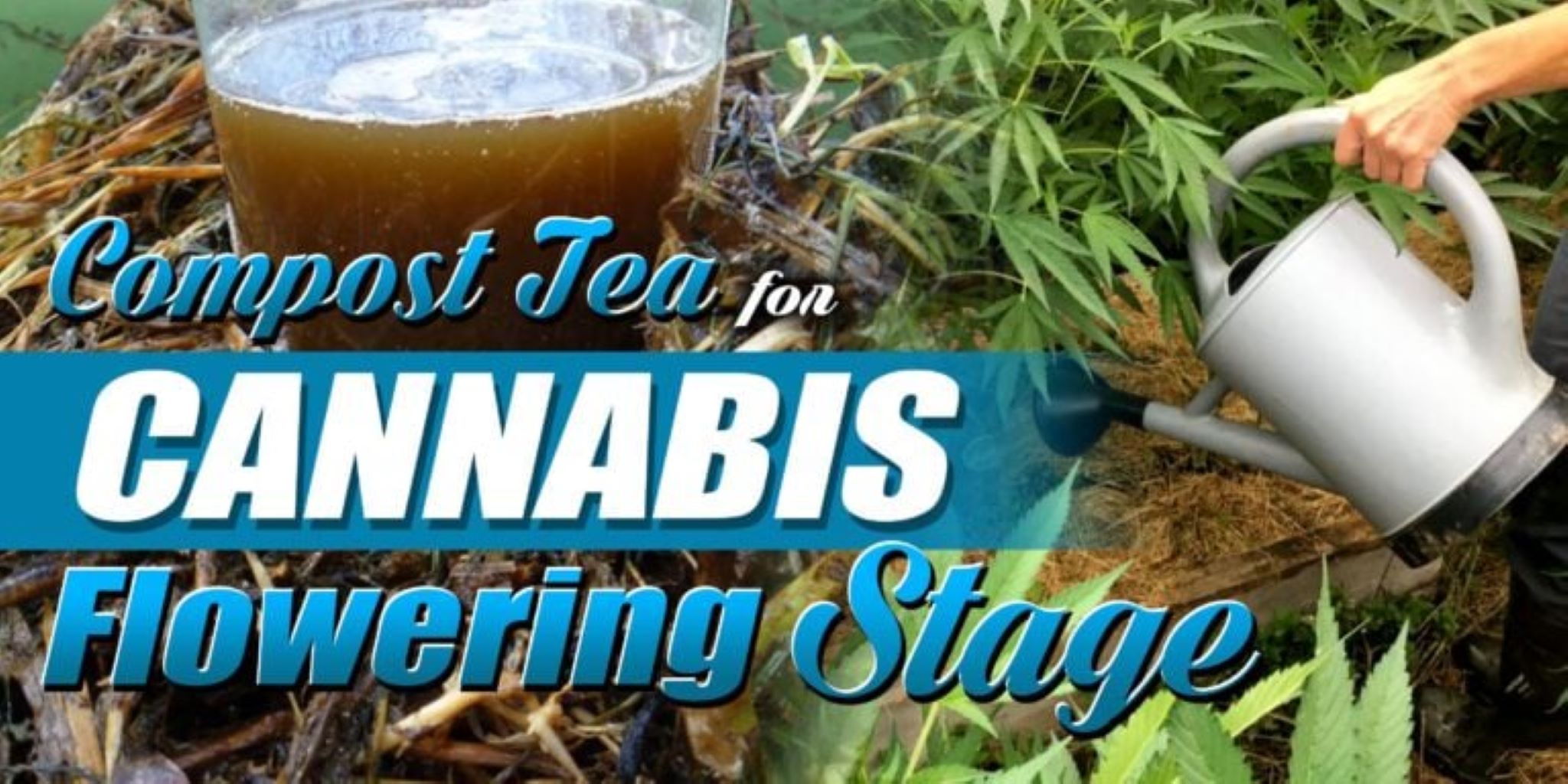
Compost Tea for Cannabis Flowering Stage


In the realm of cultivating cannabis, maximizing growth during the flowering stage is a top priority for growers. While various methods are available, one natural and effective approach gaining popularity is the use of compost tea. This article delves into the intricacies of compost tea application, its benefits, and how it can elevate your cannabis cultivation game.

The Power of Compost Tea

Compost tea is a nutrient-rich liquid fertilizer derived from compost steeped in water. This organic concoction teems with beneficial microorganisms, enzymes, and nutrients vital for plant health. When applied to cannabis plants during the flowering stage, compost tea acts as a potent elixir, fostering robust growth, improved nutrient uptake, and enhanced resistance to pests and diseases.

Understanding the Flowering Stage

Compost Tea for Cannabis Flowering Stage

The flowering stage is a pivotal phase in the cannabis growth cycle, marked by the development of buds rich in cannabinoids and terpenes. During this period, cannabis plants require specific nutrients and care to support vigorous bud formation and maximize yield. Compost tea serves as a natural supplement, providing the essential elements needed for optimal flowering.

Benefits of Using Compost Tea

Compost Tea for Cannabis Flowering Stage

  • Enhanced Nutrient Absorption: The diverse microbial community present in compost tea aids in breaking down organic matter, making nutrients more accessible to plants. This enhanced nutrient absorption leads to healthier, more robust plants with increased yield potential.
  • Improved Soil Health: Regular application of compost tea promotes soil biodiversity, enriches soil structure, and enhances moisture retention. Healthy soil is the foundation of a successful cannabis garden, providing plants with the necessary support and resources for optimal growth.
  • Natural Pest and Disease Control: Beneficial microbes present in compost tea help suppress harmful pathogens, reducing the risk of pest infestations and diseases. By enhancing the plant’s natural defenses, compost tea provides a proactive approach to pest and disease management, minimizing the need for harsh chemical interventions.
  • Environmentally Friendly: Compost tea is eco-friendly and sustainable, aligning with organic cultivation practices and minimizing environmental impact. By utilizing natural ingredients and biological processes, growers can cultivate cannabis in harmony with the environment, promoting biodiversity and soil health for future generations.

Application Methods

  • Soil Drench: Prepare compost tea by steeping compost in water for 24-48 hours, then strain and dilute before applying directly to the soil around the base of cannabis plants. This method ensures direct delivery of nutrients to the root zone, where they are readily absorbed by the plant’s root system.
  • Foliar Spray: Dilute compost tea and spray directly onto the foliage of cannabis plants during the early morning or late afternoon to avoid leaf burn. Foliar application allows for rapid nutrient uptake through the leaves, providing an additional nutrient boost during the flowering stage.
  • Root Drench: Apply compost tea directly to the root zone of cannabis plants to promote healthy root development and nutrient absorption. This method is especially beneficial for plants experiencing nutrient deficiencies or stress, providing targeted support where it is needed most.

Conclusion

Incorporating compost tea into your cannabis cultivation regimen during the flowering stage can yield bountiful rewards. By harnessing the power of nature’s nutrients, you can nurture healthier plants, improve yields, and contribute to a more sustainable growing environment. Embrace the natural approach with compost tea and watch your cannabis garden thrive.

FAQs (Frequently Asked Questions)

1. How often should I apply compost tea during the flowering stage?
Compost tea can be applied every 1-2 weeks during the flowering stage for optimal results. However, frequency may vary depending on environmental conditions, soil composition, and plant health.

2. Can I use homemade compost for making compost tea?
Yes, homemade compost is ideal for creating compost tea, ensuring a rich microbial diversity tailored to your specific growing conditions. However, it’s essential to use well-aged compost free from contaminants and pathogens to avoid potential issues.

3. Is compost tea suitable for all types of cannabis strains?
Yes, compost tea is suitable for all cannabis strains and can be customized to meet the unique nutrient requirements of different varieties. Whether you’re growing indicas, sativas, or hybrids, compost tea can provide the essential nutrients needed for healthy growth and flowering.

4. Does compost tea have a strong odor?
Compost tea may have a slight earthy odor due to the fermentation process but typically dissipates quickly after application. However, if the compost used is of poor quality or contains contaminants, it may produce unpleasant odors. Proper aeration and filtration during the brewing process can help mitigate any potential odor issues.

5. Can compost tea be used in hydroponic systems?
While compost tea is primarily designed for soil application, it can be adapted for use in hydroponic systems with proper filtration and dilution. However, it’s essential to monitor nutrient levels closely and avoid overfeeding, as hydroponic systems are more sensitive to nutrient imbalances.

6. Are there any risks of overusing compost tea?
Excessive application of compost tea can lead to nutrient imbalances or microbial overgrowth, so it’s essential to follow recommended dosage guidelines. Additionally, using compost tea made from uncomposted or contaminated materials can introduce harmful pathogens or toxins to your plants, leading to health issues or decreased yields.

How to Treat Nutrient Burn


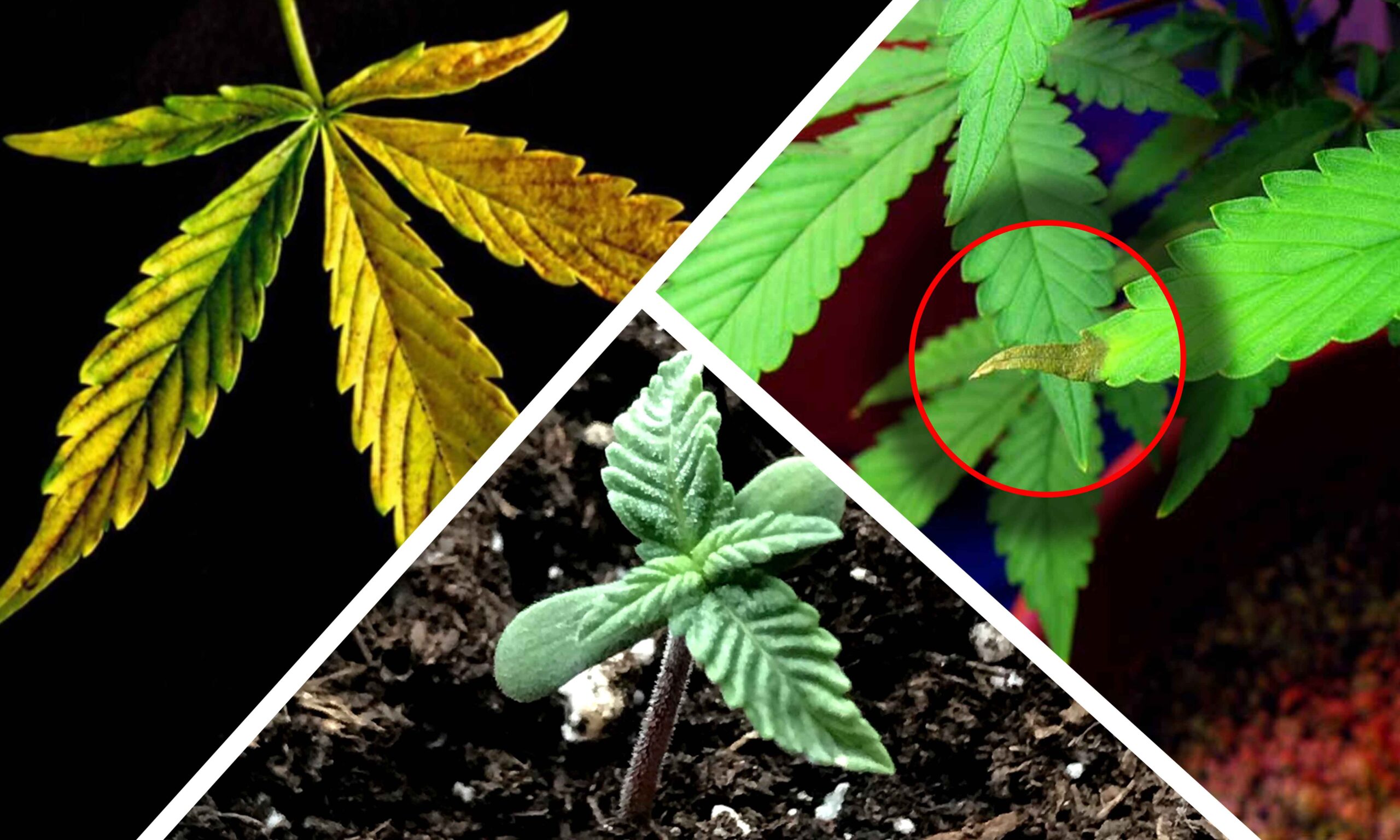
Nutrient burn is a common issue among plant enthusiasts, often resulting from over-fertilization or improper nutrient application. It manifests through various symptoms such as leaf discoloration, wilting, and stunted growth. However, with the right approach, it’s entirely manageable. In this detailed guide, we’ll explore proven methods to treat nutrient burn and revive your plants to their former glory.

Understanding Nutrient Burn

How to Treat Nutrient Burn

Nutrient burn occurs when plants receive an excess of nutrients, leading to chemical imbalances within their systems. This overabundance disrupts normal metabolic functions, resulting in visible damage. Symptoms may include yellowing or browning of leaves, leaf tip burn, and overall diminished vitality.

To effectively address nutrient burn, it’s crucial to identify the underlying causes and implement targeted solutions.

Identifying Symptoms of Nutrient Burn

How to Treat Nutrient Burn

Recognizing the signs of nutrient burn is the first step in addressing the issue. Common symptoms include:

  • Leaf Discoloration: Yellowing, browning, or darkening of leaves.
  • Leaf Tip Burn: Browning or necrosis starting from the tips of leaves.
  • Stunted Growth: Lack of new growth or reduced overall plant vigor.

Nutrient burn can also manifest differently depending on the type of plant and the specific nutrients involved. Some plants may exhibit symptoms more prominently than others, making it essential to closely monitor your plants’ health.

Understanding Nutrient Imbalances

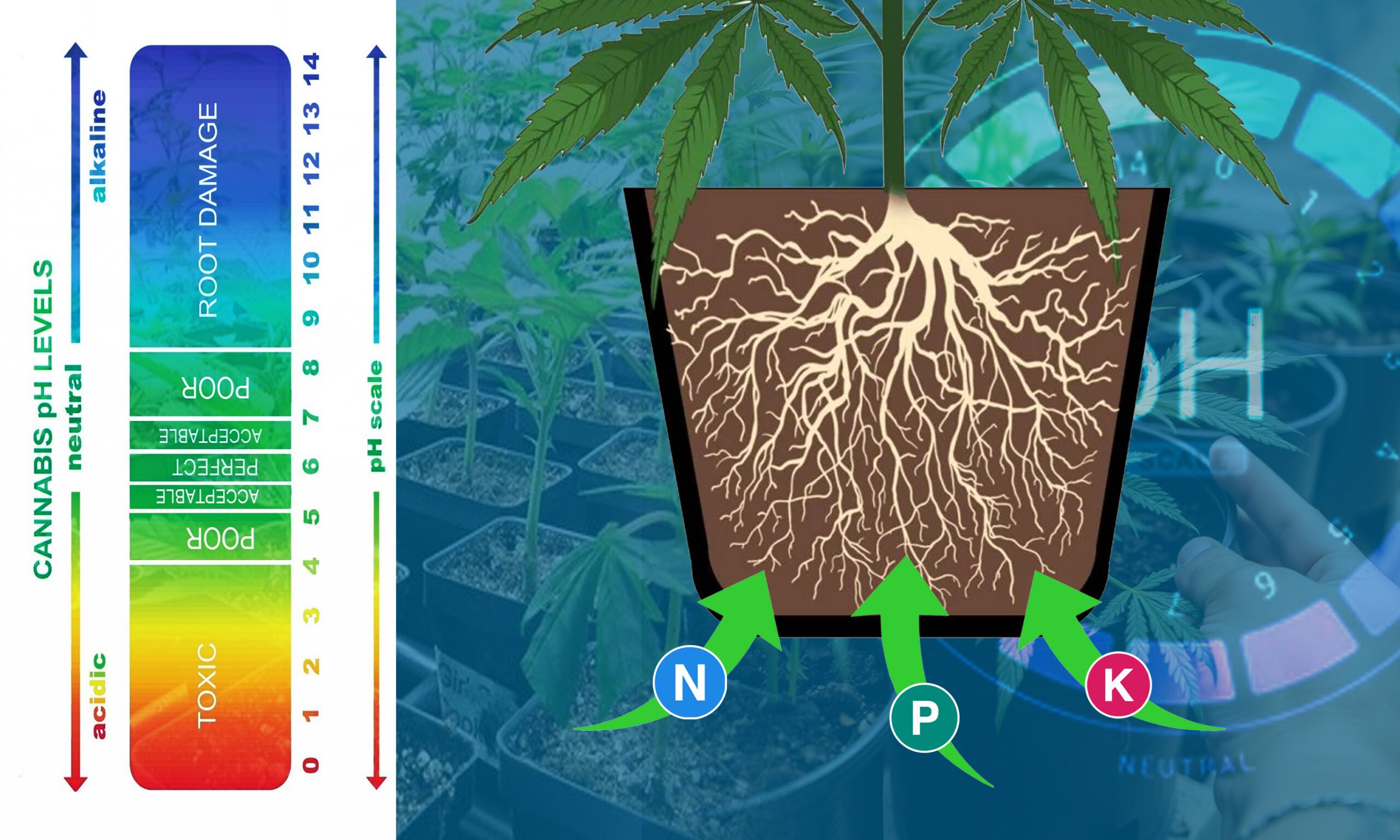
Nutrient burn often indicates an imbalance in essential macronutrients such as nitrogen (N), phosphorus (P), and potassium (K), as well as micronutrients like iron, magnesium, and calcium. These nutrients play crucial roles in plant growth and development, and an excess or deficiency can disrupt metabolic processes.

Nitrogen, for example, is essential for leafy green growth but can cause burn symptoms when overapplied. Phosphorus is vital for root development and flowering but can lead to toxicity if levels are too high. Potassium helps regulate water uptake and enzyme activation but can result in leaf scorch if present in excess.

By understanding the roles of different nutrients and their effects on plant health, you can better diagnose and treat nutrient burn effectively.

How to Treat Nutrient Burn

Addressing nutrient burn requires a multi-faceted approach tailored to the specific needs of your plants. Here’s a step-by-step guide on how to effectively treat nutrient burn:

1. Flush the Soil

Begin by flushing the soil with plain, pH-balanced water. This helps to remove excess salts and nutrients accumulated in the soil, restoring a healthier balance. Ensure thorough watering until runoff is clear.

2. Adjust Nutrient Levels

Review your fertilization regimen and adjust nutrient levels accordingly. Opt for a balanced fertilizer with an N-P-K ratio appropriate for your plant species. Gradually reintroduce nutrients to avoid further stress.

3. Monitor Watering Practices

Evaluate your watering schedule to prevent overhydration, which can exacerbate nutrient burn. Allow the soil to partially dry between watering sessions, ensuring proper drainage to prevent waterlogging.

4. Prune Affected Areas

Trim away damaged foliage to promote new growth and prevent the spread of stress signals throughout the plant. Use sterile pruning tools to minimize the risk of infection.

5. Provide Adequate Lighting

Ensure your plants receive sufficient light exposure suited to their specific requirements. Proper lighting encourages photosynthesis and enhances overall plant resilience.

6. Enhance Air Circulation

Improve air circulation around your plants to reduce humidity levels and minimize the risk of fungal infections. Use fans or natural ventilation to create a conducive growing environment.

7. Implement Foliar Feeding

Supplement soil nutrients with foliar feeding, applying a diluted fertilizer solution directly to the leaves. This facilitates rapid nutrient absorption and supports plant recovery.

8. Utilize Soil Amendments

Incorporate organic soil amendments such as compost or aged manure to improve soil structure and nutrient retention. These natural amendments provide a slow-release source of nutrients, promoting long-term plant health without the risk of burn.

9. Consider pH Adjustment

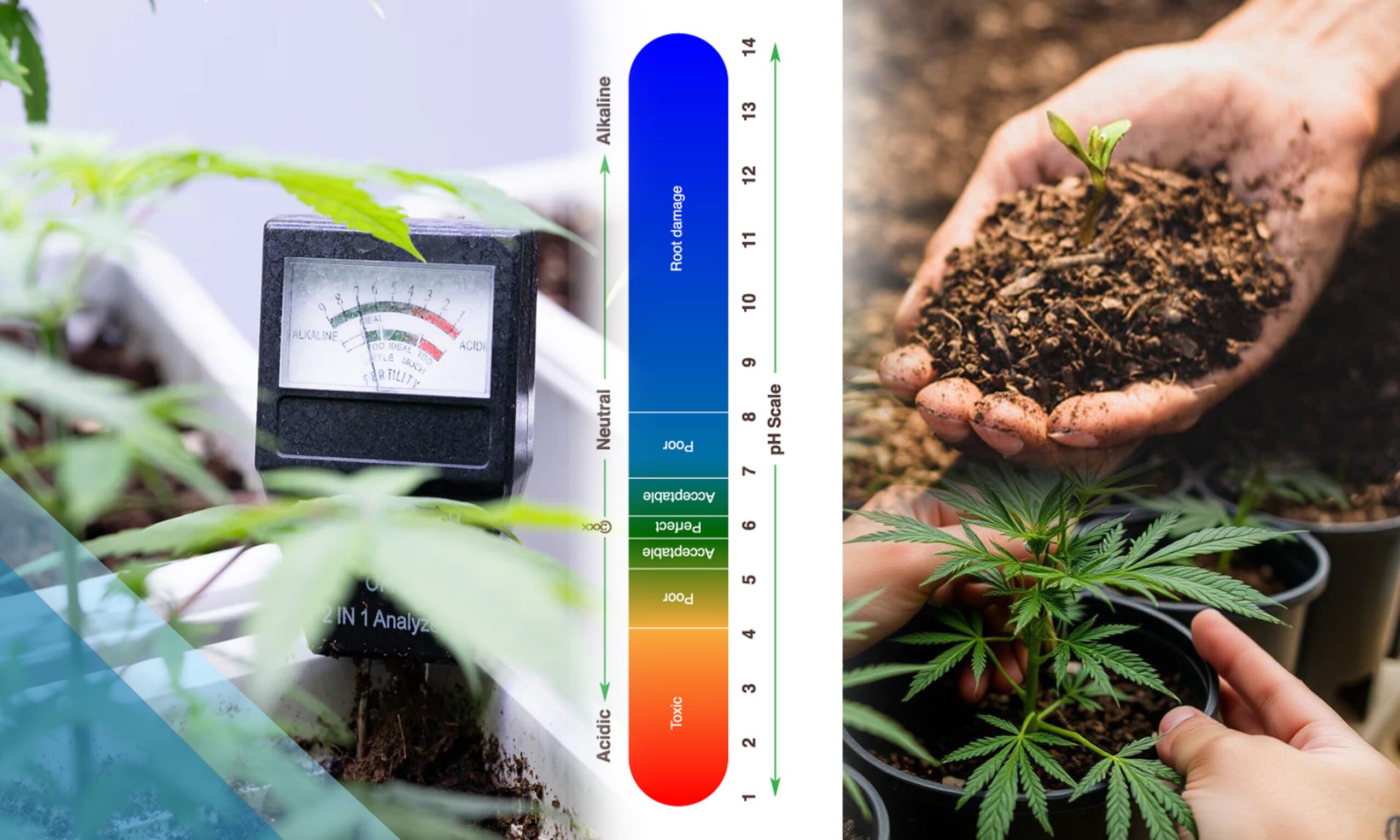
Monitor soil pH levels and make adjustments as needed to optimize nutrient availability. Most plants prefer slightly acidic to neutral soil conditions, so use pH testing kits to ensure the soil remains within the optimal range.

10. Practice Balanced Feeding

Avoid over-reliance on synthetic fertilizers and instead focus on balanced feeding with organic alternatives. Organic fertilizers release nutrients gradually, reducing the risk of nutrient burn while promoting soil health and microbial activity.

11. Seek Professional Advice

If nutrient burn persists despite your efforts, consider seeking advice from a professional horticulturist or agricultural extension service. They can provide personalized recommendations based on soil tests and plant observations, helping you address underlying issues effectively.

12. Preventative Measures

Once you’ve successfully treated nutrient burn, take preventative measures to avoid recurrence in the future. This includes maintaining proper fertilization practices, monitoring soil health, and regularly inspecting plants for signs of stress or nutrient deficiencies.

13. Continuous Monitoring

Continue to monitor your plants’ health and make adjustments as needed to ensure they remain vibrant and thriving. Regular observation allows you to detect early warning signs of nutrient imbalances or other issues, preventing future problems before they escalate.

Conclusion

In conclusion, nutrient burn is a manageable issue that requires proactive intervention and proper care. By following the outlined steps and implementing targeted solutions, you can effectively treat nutrient burn and restore your plants to optimal health and vitality. Remember to stay vigilant, prioritize plant health, and enjoy the rewarding experience of nurturing thriving greenery.

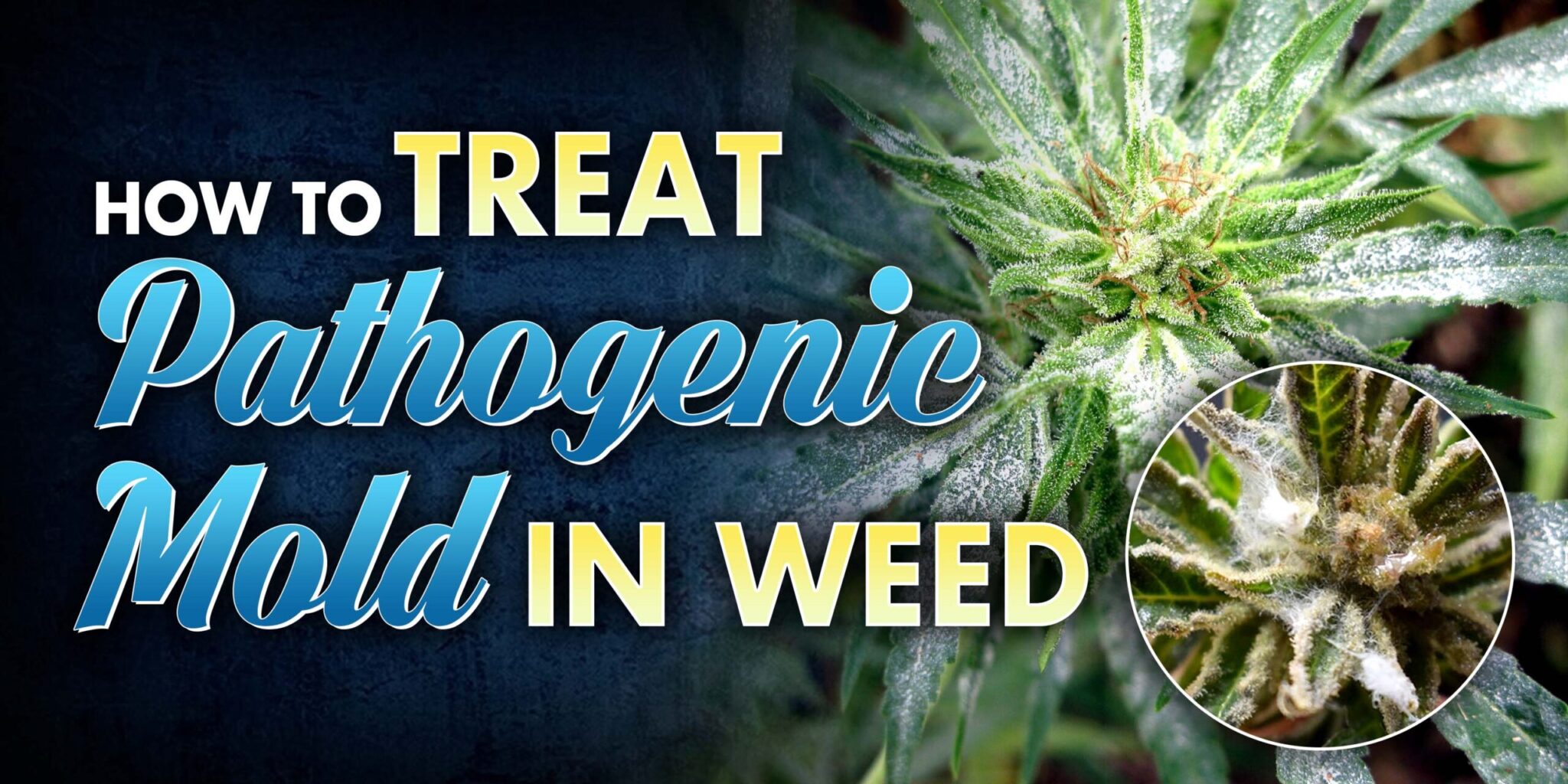
How to Treat Pathogenic Mold in Weed


Welcome to our complete guide to dealing with harmful pathogenic mold in cannabis. For those who grow cannabis, preventing mold is vital for keeping their harvest safe and top-notch. Mold not only ruins the taste and strength of cannabis but can also make people sick if they use it. In this guide, we’ll explore ways to fight mold in your cannabis plants so you can have a healthy and plentiful crop.

What is Pathogenic Mold

How to Treat Pathogenic Mold in Weed

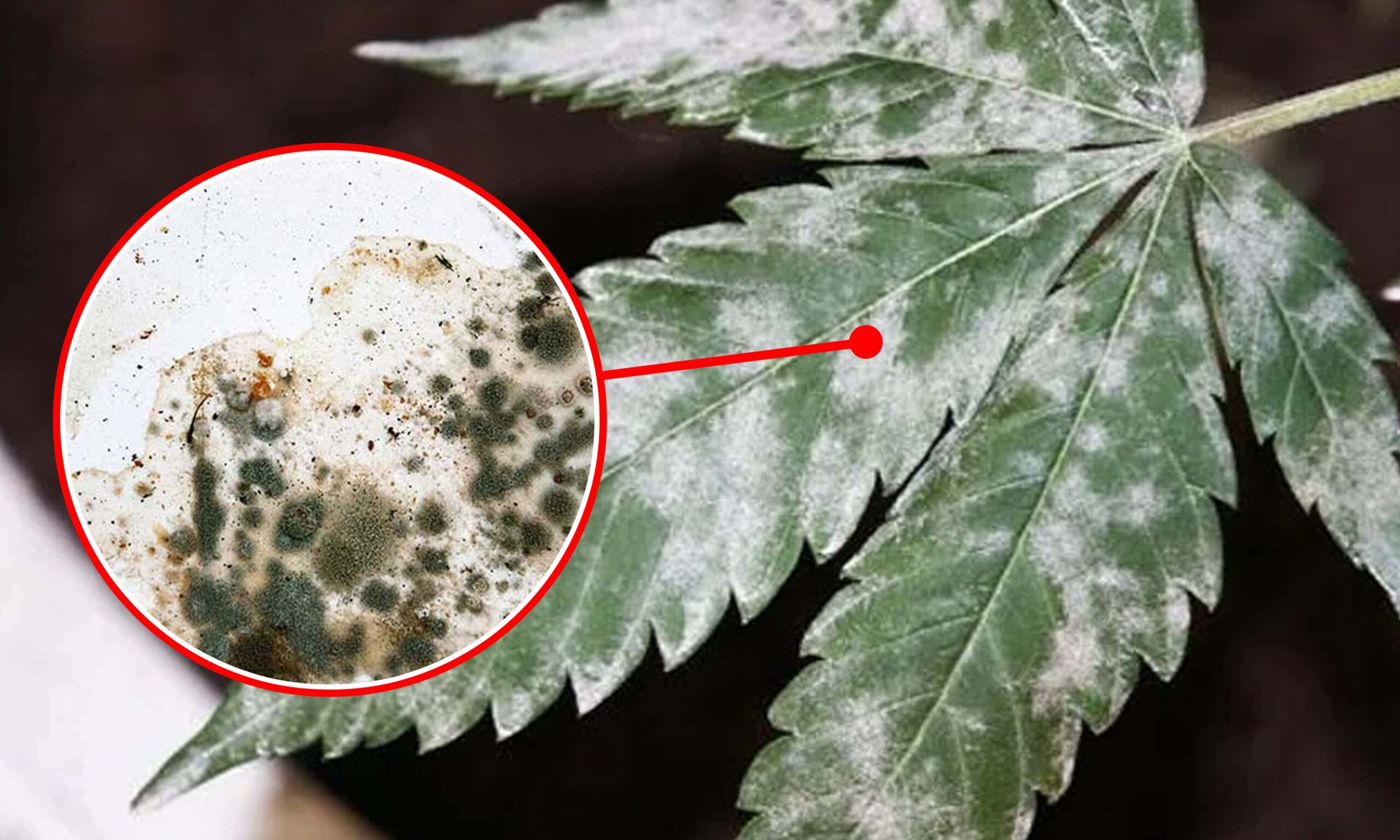
Pathogenic mold, also called toxic mold, encompasses different types of fungi that can grow in both indoor and outdoor environments, such as where cannabis is grown. These molds make mycotoxins, dangerous substances that can harm health if breathed in or eaten. Some common kinds of pathogenic mold in cannabis are Aspergillus, Penicillium, and Fusarium.

Identifying Pathogenic Mold in Weed

Spotting pathogenic mold in weed can be tough since it often looks like fuzzy, discolored spots on the plant or its buds. Also, moldy cannabis might smell musty or earthy. It’s crucial to check your plants often, especially during flowering, to catch mold early and deal with it.

Factors Contributing to Mold Growth

How to Treat Pathogenic Mold in Weed

Many factors can make pathogenic mold spread in cannabis crops, such as:

  • High Humidity: When humidity is high, mold can grow easily, especially in indoor growing.
  • Poor Air Circulation: If air doesn’t move well, moisture can stick around, making mold more likely.
  • Improper Drying and Curing: If you don’t dry and cure your cannabis properly after picking, mold spores can grow.
  • Contaminated Growing Medium: If the soil or other stuff you grow your plants in has mold spores, they can infect your cannabis.

Preventive Measures for Mold Control

  • Optimize Ventilation and Airflow: Make sure air moves well in your growing area by using fans and exhaust systems. Good ventilation helps control humidity and stops air from getting stuck, which can help mold grow.
  • Monitor Humidity Levels: Keep an eye on humidity levels in your grow room, aiming for between 40% and 60%. Use dehumidifiers or humidifiers if you need to keep conditions just right for your plants and to keep mold away
  • Practice Proper Sanitation: Keep things clean in your grow space by disinfecting equipment, surfaces, and containers regularly. Get rid of any old plant bits or stuff that mold might like to grow on.
  • Implement Integrated Pest Management (IPM) Strategies: Use integrated pest management to stop pests from wrecking your plants and giving mold a way in. Use things like natural predators, organic bug killers, and other methods to keep your garden healthy.

Effective Treatment Methods for Pathogenic Mold

  • Pruning and Removal of Infected Plant Parts: When you find mold on your plants, get rid of the infected bits right away using clean tools to stop spores from spreading. Cut off any moldy leaves, buds, or stems, and throw them out properly so they don’t infect anything else.
  • Application of Natural Antifungal Agents: You can use natural stuff like neem oil, hydrogen peroxide, or potassium bicarbonate to fight mold on your cannabis plants. These things stop mold from growing without hurting your plants or the environment around them.
  • Adjustment of Environmental Conditions: Change things up in your grow space for a bit to make it harder for mold to grow. Lower humidity and get more air moving to help your plants heal and stop mold from spreading.

Conclusion

Treating pathogenic mold in weed is crucial for keeping cannabis products top-notch and safe. By taking steps to prevent mold, dealing with it quickly when it shows up, and keeping everything clean, growers can protect their crops and have a good harvest. Always make sure your cannabis is safe for consumers and follows the rules when you grow and sell it.

FAQs

Q: Can moldy cannabis be safely consumed after treatment?
A: It is not advisable to consume cannabis that has been contaminated with mold, even after treatment. Mold spores and toxins can persist despite treatment efforts, posing health risks to consumers.

Q: How can I prevent mold recurrence in my cannabis crops?
A: Implementing rigorous sanitation practices, optimizing growing conditions, and regularly inspecting plants for signs of mold are essential for preventing recurrence. Additionally, maintaining proper airflow and humidity levels can help minimize mold risk.

Q: Are there any natural methods for controlling mold in cannabis cultivation?
A: Yes, several natural methods, such as using essential oils, beneficial microbes, and biological fungicides, can help control mold in cannabis cultivation. These methods offer effective alternatives to chemical treatments while promoting environmental sustainability.

Q: Can moldy cannabis be salvaged for extraction purposes?
A: Moldy cannabis should not be used for extraction purposes, as mold spores and toxins can contaminate the final product, posing health hazards to consumers. It is best to discard mold-infested material to ensure product safety.

Q: How does mold exposure affect cannabis plants’ yield and potency?
A: Mold infestations can significantly reduce cannabis plants’ yield and potency by inhibiting growth, compromising nutrient uptake, and producing stress responses. Additionally, mold-contaminated buds may exhibit decreased cannabinoid and terpene content.

Q: What are the legal implications of selling mold-contaminated cannabis products?
A: Selling mold-contaminated cannabis products is illegal in regulated markets, as it poses health risks to consumers and violates quality control standards. Cultivators and dispensaries are subject to regulatory penalties for distributing tainted products.

Debunking the Myth: Did Shakespeare Smoke Weed?

In recent years, there has been speculation about “did Shakespeare smoke weed?” This idea originates from a study by South African anthropologist Francis Thackeray and his team in 2001. They examined tobacco pipes discovered in and around Shakespeare’s home in Stratford-upon-Avon and claimed to find traces of 17th-century cannabis residue on some of them. However, upon closer examination, the evidence supporting the notion of Shakespeare’s cannabis use remains inconclusive.

Analyzing the Evidence

Did Shakespeare Smoke Weed

Thackeray’s research is interesting, but some people doubt it because it guesses a lot. Finding cannabis leftovers on a few pipes doesn’t mean Shakespeare smoked it. Maybe other people, like his wife or neighbors, used those pipes. So, saying Shakespeare definitely smoked cannabis is a big guess, not a proven fact.
Moreover, there’s not enough proof from people who lived at the same time as Shakespeare to back up the idea that he used cannabis. Hemp was around a lot in the 1600s for things like making paper and clothes, but there’s no old writing or stories from that time saying Shakespeare liked to smoke weed. Since there’s no real evidence connecting Shakespeare to cannabis, saying he used it is just guessing.

Interpreting Shakespeare’s Sonnets

Did Shakespeare Smoke Weed

Literary Analysis

Some people who support this idea say that certain parts of Shakespeare’s sonnets suggest he used drugs. Like in Sonnet 118, where he talks about a “eager compound,” which some think means he was high on drugs. But these ideas are mostly guesses and don’t have solid proof that Shakespeare used cannabis.

Alternative Explanations

Additionally, there are different ways to understand Shakespeare’s sonnets. Some think that when he mentions “compounds strange” and “noted weed,” he might not be talking about drugs. Shakespeare is known for using fancy language with hidden meanings. This makes it hard to say for sure what he meant without knowing more about the situation.

Conclusion

To sum up, the notion of Shakespeare smoking weed might spark interest, but there’s no solid proof from history to support it. Thackeray’s study is based on guesswork, and the unclear meanings in Shakespeare’s sonnets show we should be careful before believing such claims. When it comes to historical puzzles like this, we have to be smart and rely on facts we can check, not just guesses.

FAQs

Q: Is there concrete evidence proving that William Shakespeare smoked weed?
A: No, there is no concrete evidence directly linking Shakespeare to cannabis consumption.

Q: What is the basis for the speculation about Shakespeare’s cannabis use?
A: The speculation arises from a study that found traces of 17th-century cannabis residue on tobacco pipes excavated near Shakespeare’s residence.

Q: Were the tobacco pipes found exclusively on Shakespeare’s property?
A: No, the tobacco pipes were found in and around Shakespeare’s residence, leaving open the possibility that they were used by other individuals as well.

Q: Are there references in Shakespeare’s sonnets explicitly mentioning cannabis use?
A: While some interpretations suggest references to drugs in Shakespeare’s sonnets, such as “compounds strange,” these references remain subject to debate and interpretation.

Q: What cautionary approach should we take when discussing Shakespeare’s alleged cannabis use?
A: It’s essential to approach the topic with skepticism and rely on verifiable evidence rather than speculation or ambiguous interpretations of literary works.

Marijuana Root System: The Underground World


Welcome to the hidden world beneath the soil – the inside of the marijuana root system. While the vibrant leaves and resinous flowers of cannabis plants grab attention, it’s the roots that toil away unseen, delivering vital support and nourishment. In this detailed guide, we’ll delve into the structure, purpose, and nurturing of the cannabis tap root system, equipping you to cultivate stronger plants and boost your yields.

Understanding the Weed Root System

Marijuana Root System

The Marijuana Root System, often overlooked yet vital for plant health, comprises several key components:

  • Root Types and Structures: Below the surface, marijuana plants develop a complex network of roots, including primary, secondary, and tertiary roots. The primary root, known as the taproot, extends vertically downward, providing stability and absorbing water and nutrients. Secondary and tertiary roots spread horizontally, exploring the soil for essential resources.
  • Root Functions: The roots perform various crucial functions, such as anchoring the plant in the soil, absorbing water and nutrients, and storing reserves for future use. They also interact with beneficial microbes, promoting nutrient uptake and defending against harmful pathogens.
  • Rhizosphere Interaction: The rhizosphere, the area of soil influenced by root secretions, plays a crucial role in nutrient cycling and plant vitality. Root exudates, composed of sugars, amino acids, and organic acids, attract beneficial microorganisms, fostering symbiotic relationships that improve nutrient availability and resistance to diseases.

Nurturing a Healthy Root System

Marijuana Root System

To achieve robust cannabis growth and maximize yields, it’s crucial to prioritize optimal root health. Here are some tips for nurturing a thriving marijuana root system:

  • Proper Watering: Maintain a consistent watering schedule to avoid overwatering or underwatering, both of which can harm the roots. Allow the soil to dry slightly between watering sessions to encourage healthy root development.
  • Soil Quality: Opt for well-draining, nutrient-rich soil or consider using a hydroponic system to create an ideal environment for root growth. Avoid compacted or waterlogged soil, as these conditions can restrict root expansion and oxygen uptake.
  • Temperature and Humidity: Ensure the growing environment maintains optimal temperature and humidity levels to support root health. Excessive heat or cold can stress the roots, while high humidity levels may increase the risk of fungal diseases.
  • Nutrient Management: Implement a balanced nutrient regimen tailored to the specific needs of cannabis plants at each growth stage. Regularly monitor pH levels to prevent nutrient imbalances that could hinder root uptake and overall plant health.

Conclusion

The marijuana root system acts as a foundation, upholding plant health and productivity. Through comprehension of its anatomy, functions, and care needs, cultivators can unleash the complete potential of their cannabis crops, nurturing sturdy root systems and abundant harvests.

FAQs (Frequently Asked Questions)

Q: How deep do marijuana roots grow?
A: Marijuana roots can penetrate the soil to depths of up to several feet, with the taproot extending deepest during the seedling stage.

Q: What are the signs of root problems in cannabis plants?
A: Symptoms of root issues include wilting, yellowing leaves, stunted growth, and an overall decline in plant vigor.

Q: Can I prune marijuana roots?
A: While root pruning can be beneficial during transplanting or to control rootbound growth, it should be done with care to avoid damaging the plant.

Q: How can I improve root development in cannabis plants?
A: Promote root growth by providing adequate moisture, oxygen, and nutrients, along with beneficial microbial inoculants.

Q: Do marijuana roots need darkness?
A: While roots prefer darkness, they also require oxygen, so it’s essential to maintain a balance between soil moisture and aeration.

Q: Can I reuse soil from previous cannabis grows?
A: Yes, but it’s crucial to amend the soil with fresh organic matter and nutrients to replenish depleted resources and prevent disease buildup.

The Rich Heritage of Landrace Sativas


Landrace Sativas stand as pure cannabis strains that have naturally developed over centuries in their original habitats. Unlike hybrid strains, which arise from mixing different varieties, Landrace Sativas maintain their genetic purity and authenticity, representing the fundamental origins of cannabis cultivation.

Origins of Landrace Sativas

The roots of Landrace Sativas stretch back millennia to ancient civilizations in Central Asia, the Middle East, and beyond. Early growers carefully bred these plants to thrive in their local climates and customs, leading to the emergence of distinct regional types.
Indigenous to particular areas worldwide, Landrace Sativas showcase the individual environmental settings and cultivation methods of each region. From the Ethiopian highlands to the Jamaican mountains, these strains have thrived in a variety of landscapes and microclimates.

Characteristics of Landrace Sativas

Landrace Sativas usually display tall, slender growth patterns with spacious internodal spacing and sparse leaves. They excel in outdoor growing conditions, where they can achieve remarkable heights and flourish under natural sunlight.
What’s particularly fascinating about Landrace Sativas is their wide range of aromas and flavors, which mirror their geographical roots and terroir. Whether it’s the fruity and floral scents of Thai Sativa or the earthy and spicy hints of Malawi Gold, each strain delivers a distinct sensory journey.

Cultivation of Landrace Sativas

Growing Landrace Sativas successfully necessitates a subtropical to tropical climate with steady warmth, sunlight, and humidity. These plants flourish in areas with lengthy growing seasons and minimal temperature swings, making equatorial regions ideal.
Because of their tall and slender growth tendencies, Landrace Sativas might need extra support and training methods to boost yields and safeguard against wind or rain damage. Techniques like trellising, topping, and low-stress training can help control plant height and encourage uniform canopy growth.

Popular Landrace Sativa Strains

Thai Sativa

landrace sativas

Originating in Thailand, Thai Sativa is celebrated for its invigorating and uplifting effects, earning it a following among daytime consumers. It commonly yields elongated buds that carry a sweet and spicy fragrance, accompanied by a euphoric and cerebral high.

Malawi Gold

landrace sativas

Coming from the African country of Malawi, Malawi Gold is cherished for its strong psychoactive impact and unique citrus taste. It’s famous for bringing on sensations of euphoria, creativity, and mental sharpness, making it a favored option among artists and musicians.

Colombian Gold

landrace sativas

Originating from the mountainous areas of Colombia, Colombian Gold has deep roots in the cultivation practices of indigenous tribes and local farmers for generations. This strain, dominantly sativa, is known for its compact, resinous buds and its earthy, woody scent, offering a balanced and mood-lifting high.

Benefits of Landrace Sativas

Landrace Sativas present a diverse array of therapeutic advantages, including pain alleviation, mood enhancement, and appetite stimulation. They’re frequently employed to relieve symptoms of medical ailments like chronic pain, depression, anxiety, and nausea, devoid of the sedative traits typically linked with indica strains.

For recreational users, Landrace Sativas offer an uplifted and cerebral sensation that boosts creativity, sociability, and sensory awareness. They’re perfect for daytime pursuits and social occasions, providing an invigorating and stimulating encounter without the heaviness or immobilization often associated with indica strains.

Challenges in Cultivating Landrace Sativas

Like all cannabis plants, Landrace Sativas are prone to pests such as spider mites, aphids, and caterpillars, as well as fungal diseases like powdery mildew and botrytis. Integrated pest management (IPM) methods, like using natural predators, organic pesticides, and good cultivation practices, can help prevent and control infestations without resorting to harmful chemicals.
Extreme weather conditions, such as high temperatures, heavy rains, and strong winds, can present challenges for outdoor cultivation of Landrace Sativas. Protective measures like growing in greenhouses, using shade structures, and setting up windbreaks can help reduce the impact of harsh weather and keep growing conditions optimal.

Preservation Efforts in Landrace Dispensary

As globalization and industrialization threaten the genetic diversity of cannabis strains, As globalization and industrialization pose risks to the genetic variety of cannabis strains, safeguarding Landrace Sativas becomes more vital for future generations. These original cultivars act as genetic reservoirs for breeding programs, research endeavors, and the preservation of cultural heritage.
Numerous organizations and initiatives are committed to protecting Landrace Sativas and advocating for biodiversity in the cannabis sector. Through seed banks, germplasm collections, and collaborative research projects, these initiatives strive to guarantee the continued existence of these valuable genetic resources and traditional farming methods.

Conclusion

Landrace Sativas offer a window into the cultural heritage and botanical diversity of cannabis strains worldwide. With their unique flavors, effects, and medicinal properties, these ancient cultivars continue to captivate enthusiasts and inspire conservation efforts to preserve their legacy for future generations.

FAQs

Q: Are Landrace Sativas suitable for indoor cultivation?
A: While Landrace Sativas can be grown indoors with proper lighting and climate control, they tend to thrive best in outdoor environments with abundant sunlight and space.

Q: Do Landrace Sativas have higher THC levels compared to hybrids?
A: THC levels vary among different cannabis strains, including Landrace Sativas and hybrids. Some Landrace Sativas may have high THC content, while others may be lower in potency.

Q: How can I acquire seeds or clones of Landrace Sativa strains?
A: Seeds and clones of Landrace Sativa strains can often be obtained from reputable seed banks, breeders, or cannabis dispensaries specializing in heirloom varieties.

Q: What are the typical flowering times for Landrace Sativas?
A: Landrace Sativas generally have longer flowering periods compared to indica or hybrid strains, often ranging from 10 to 14 weeks or more depending on the specific variety and growing conditions.

Q: Are Landrace Sativas more resistant to pests and diseases?
A: While Landrace Sativas may possess some natural resistance to pests and diseases due to their adaptation to specific environments, they are still susceptible to infestations and infections without proper care and management.

Understanding PMDD and Weed


Welcome to a detailed look at how weed, also known as marijuana, might help ease symptoms of PMDD (Premenstrual Dysphoric Disorder). In this article, we’ll explore what PMDD is, how it affects people, how weed could be a natural solution, and how PPMD and weed are related.

Understanding PMDD

PMDD and Weed

Premenstrual Dysphoric Disorder, or PMDD for short, is a serious type of premenstrual syndrome (PMS). It affects a small number of people who menstruate, causing intense changes in mood, physical symptoms, and disruptions to daily life. PMDD symptoms usually show up in the time between ovulation and the start of menstruation, and they usually go away once menstruation begins.

Identifying PMDD Symptoms

PMDD and Weed

PMDD symptoms can differ in how severe they are, but they often include:

  • Strong mood swings
  • Extreme irritability or anger
  • Feelings of sadness or hopelessness
  • Tiredness or low energy
  • Trouble focusing
  • Changes in appetite or strong cravings for food
  • Physical symptoms like bloating, tender breasts, and pain in joints or muscles

Impact on Daily Life

PMDD doesn’t just cause physical discomfort—it affects many parts of life, like work, relationships, and mental health. People with PMDD might find it hard to stay productive, have trouble with relationships, and struggle to handle everyday tasks.

Exploring Weed as a Remedy

PMDD and Weed

In the search for better ways to manage PMDD, some people are trying marijuana. Although scientists are still studying this, stories from individuals suggest that marijuana might help with PMDD symptoms for some people. Marijuana has cannabinoids like THC and CBD, which work with the body’s endocannabinoid system. This system helps control many things in the body, like mood, pain, and swelling.

PMDD and Weed Potential Benefits

While scientific proof is scarce, some people claim to notice these advantages when using weed to handle PMDD symptoms:
Mood Stability: Some types of weed might help keep mood swings in check and ease feelings of anxiety or sadness linked to PMDD.
Pain Reduction: Weed’s ability to ease pain could offer relief from physical symptoms like cramps and muscle soreness.
Enhanced Sleep: Certain weed varieties that induce relaxation might assist in achieving better sleep, which PMDD symptoms often disrupt.

Conclusion

PMDD presents significant challenges for those affected by it. While weed holds potential as a solution for certain PMDD symptoms, it’s crucial to approach its usage cautiously. Seeking guidance from healthcare providers and being mindful of legal and personal considerations is essential. With informed decision-making and empathy, individuals with PMDD can explore treatment options and work towards improving their quality of life.

Frequently Asked Questions (FAQs)

Q: How does weed alleviate PMDD symptoms?
A: Weed may alleviate PMDD symptoms through its interactions with the endocannabinoid system, which regulates mood, pain perception, and inflammation.

Q: Is weed legal for treating PMDD?
A: The legal status of weed varies by region. It’s essential to research and adhere to local laws and regulations regarding its use.

Q: What are the potential risks of using weed for PMDD?
A: Risks associated with weed use include legal implications, variability in individual responses, and potential adverse effects on mental health.

Q: Can weed worsen PMDD symptoms?
A: While some individuals report benefits from using weed for PMDD, others may experience adverse effects or exacerbation of symptoms. It’s essential to monitor your response carefully and seek professional guidance if needed.

Q: Are there alternative treatments for PMDD?
A: Yes, alternative treatments for PMDD include lifestyle modifications, therapy, hormonal interventions, and other medications. It’s essential to explore various options and find what works best for you.

Q: How can I find reliable information about weed and PMDD?
A: Seek information from credible sources, such as healthcare professionals, reputable websites, and scientific publications. Be cautious of misinformation and anecdotal claims.

Can You Smoke Distillate?


Different cannabis products give different feelings. One popular product is distillate because it’s strong and can be used in many ways. People often wonder if you can smoke distillate. Let’s talk about this learn more about distillate and answer the question can you smoke distillate, so everyone can understand it better.

What is Distillate?

Distillate, sometimes called “the pure,” is one of the strongest cannabis extracts you can find. Making it is a careful process that takes out anything that’s not needed, leaving a very strong and pure product. People like distillate because it can be used in many different ways. It’s used to make things like edibles, creams, and liquid drops, giving a consistent and strong effect every time.

Can You Smoke Distillate?

Can You Smoke Distillate

Certainly, distillate can be smoked, providing a special experience for those who love cannabis. Because distillate is very strong, it can be used in different ways, like vaping, dabbing, and yes, smoking. When you smoke distillate, you get a strong and quick high because it has a lot of THC in it. But if you’re new to it, be careful because it might be too strong for you.

Exploring Smoking Distillate

Can You Smoke Distillate

1. How to Smoke Distillate

Smoking distillate can be done in different ways, each giving its own special feeling and strength. One way is using a dab rig or vaporizer made for concentrates. This way, the distillate is vaporized efficiently, keeping its strength and flavor. It makes inhaling smooth and intense. Another way is mixing distillate with cannabis flower or rolling papers to make a joint or blunt. This gives a more usual smoking feeling, mixing the strong distillate with the flavors of cannabis flower. Whether you vaporize it or burn it, smoking distillate lets you choose what you like best.

2. Benefits of Smoking Distillate

Smoking distillate has many benefits besides being strong. One big advantage is that it’s discreet, so you can use it without people noticing. This makes it great for using when you’re out and about or when you need to keep things quiet. Also, smoking distillate gives you quick effects, which is good if you need fast relief from things like pain, stress, or trouble sleeping. Plus, because distillate is so strong, you get a powerful and reliable feeling every time you inhale, so you don’t have to use it often.

3. Considerations Before Smoking Distillate

Before you start smoking distillate, it’s important to think about a few things to make sure you have a safe and good time. First, it’s important to know how much you’re taking and how strong it is, especially if you’re new to it. Starting with a small amount and slowly using more helps you understand how much you can handle and reduces the chance of bad effects. Also, getting distillate from trusted makers is really important to make sure it’s pure and strong. When you focus on quality, you get the most out of smoking distillate while avoiding any possible problems from things that shouldn’t be there. Lastly, being responsible when you use it, like drinking water and not using too much, helps make sure you have a good time and take care of yourself.

Conclusion

To sum up, the answer to whether you can smoke distillate is a definite yes. This strong extract gives cannabis fans a flexible and powerful way to enjoy it, whether by vaping, dabbing, or smoking. If you know how to use it right and are careful, you can get the most out of distillate and have a good time safely.

FAQs

Q: How potent is distillate?
A: Distillate boasts high potency, often surpassing other cannabis products in THC concentration.

Q: Can you vape distillate?
A: Absolutely! Vaping is one of the most popular methods of consuming distillate, offering a clean and discreet experience.

Q: Is smoking distillate safe?
A: When consumed responsibly, smoking distillate is considered safe. However, excessive consumption may lead to adverse effects.

Q: Can you mix distillate with flower?
A: Yes, blending distillate with flower enhances the smoking experience, providing a balanced high and robust flavor profile.

Q: What’s the difference between distillate and other extracts?
A: Unlike other extracts, distillate undergoes extensive purification, resulting in a product with unparalleled purity and potency.

Q: How do you store distillate?
A: To preserve its potency and flavor, store distillate in a cool, dark place away from direct sunlight and heat sources.

How to Make Cannabutter with Coconut Oil


In becoming skilled at crafting cannabutter with coconut oil is like finding a hidden treasure of taste and strength. Cannabutter is the base for many recipes, from old-fashioned brownies to fancy sauces, giving a flexible base for blending the unique flavor and impact of cannabis into lots of dishes. This guide wants to clarify the process, giving beginners and experienced chefs how to make cannabutter with coconut oil.

Benefits of Coconut Oil Cannabutter

Choosing the Right Ingredients

how to make cannabutter with coconut oil

Choosing the best ingredients sets the stage for making outstanding cannabutter. When getting cannabis flowers, go for organic types that are pesticide-free and clean, guaranteeing a pure and tasty infusion. Similarly, virgin coconut oil, taken from fresh coconut meat, gives a rich and fragrant foundation for blending with cannabis, adding a hint of tropical taste to your creations. By focusing on top-notch ingredients, you can enhance the flavor and strength of your cannabutter while reducing any possible health hazards from chemical residues.

Understanding the Infusion Process

how to make cannabutter with coconut oil

During the infusion process, the magic of cannabutter truly happens as the cannabinoids from the cannabis flower mix with the fats in coconut oil, creating a powerful and versatile ingredient. To get the best results, it’s important to grasp the main principles of decarboxylation and infusion. Decarboxylation, or “activating” the cannabinoids, means heating the cannabis flower to change non-psychoactive compounds like THCA into THC, the main psychoactive part. This step ensures that your cannabutter gives the effects you want when you eat it. Then, the infusion process involves gently simmering the decarboxylated cannabis in coconut oil over low heat, letting the cannabinoids dissolve and attach to the fats in the oil. By mastering these basic techniques, you can unlock all the power of your cannabutter, getting the best potency and flavor every time you make it.

How to Make Infused Coconut Oil Cannabutter

Supplies Needed

  • Organic Cannabis Flower
  • Virgin Coconut Oil
  • Baking Sheet and Parchment Paper
  • Grinder
  • Double Boiler or Saucepan
  • Cheesecloth
  • Airtight Container

Step 1 – Decarboxylation

Decarboxylation is the vital first step in activating the cannabinoids in the cannabis flower, making sure your cannabutter gives the effects you want when you eat it. To start, heat your oven to 240°F (115°C) and line a baking sheet with parchment paper. Then, roughly grind your cannabis flower using a grinder, making sure the pieces are all about the same size. Spread the ground cannabis evenly on the prepared baking sheet, making sure not to put too much or let the pieces overlap. Put the baking sheet in the preheated oven and bake for 40-60 minutes, until the cannabis turns lightly golden and smells good. During decarboxylation, the cannabis is gently heated, changing non-psychoactive compounds like THCA into THC, the main psychoactive part that gives cannabis its effects. When decarboxylation is done, take the baking sheet out of the oven and let the cannabis cool before moving on to the next step of infusion.

Step 2 – Infusion

Now that your cannabis is decarboxylated, it’s time to turn it into cannabutter by infusing it into coconut oil. Start by melting the virgin coconut oil in a double boiler or saucepan over low heat, making sure not to let it boil or burn. Once the coconut oil is melted, add the decarboxylated cannabis to the pot, stirring gently to spread it evenly. Let the mixture simmer on low heat for 2-3 hours, stirring occasionally to keep it from sticking or burning. During this time, the cannabinoids from the cannabis will dissolve into the coconut oil, giving it their beneficial properties and unique flavor. Keep a close eye on the temperature as it simmers, adjusting if needed to keep it gently bubbling. After 2-3 hours, take the pot off the heat and let the mixture cool a bit before straining it.

Step 3 – Straining and Storing

After the infusion is finished, it’s time to strain the mixture to get rid of any leftover plant bits and sediment, giving you smooth and strong cannabutter. To do this, put a piece of cheesecloth over a clean container or bowl, making sure it covers the opening completely. Slowly pour the infused coconut oil through the cheesecloth, letting it strain into the container below. Use a spatula or spoon to press gently on the cheesecloth, squeezing out as much infused oil as you can while leaving behind any solids or sediment. Once it’s strained, put the cannabutter in an airtight container and store it in the fridge. If you store it right, cannabutter can stay fresh and potent for a few months, ready to use in lots of different recipes.

Tips for Success

Dosage Considerations

Getting the right dose for your cannabutter is key to getting the effects you want without having too much. Things like how strong the cannabis is, how long you infused it for, and your own tolerance all matter when figuring out the dose. Begin with a small amount of cannabutter, like a teaspoon, and wait at least two hours before having more to see how it affects you. Keep a journal to record your dose and how you feel, so you can change things up next time if needed.

Experimenting with Flavors

Creating cannabutter at home offers the chance to play around with various flavors, tailoring your creations to match your taste buds. Coconut oil adds a gentle tropical taste to cannabutter, blending well with the earthy notes of cannabis and giving a subtle sweetness. If you want a stronger coconut flavor, think about using toasted coconut oil or adding coconut extract while infusing. Or, you can spice up your cannabutter with herbs, spices, or other flavors, letting you make special infusions that fit your cooking style perfectly.

Conclusion

Becoming skilled at making cannabutter coconut oil is a fulfilling venture that lets you dive into a world of culinary adventures. By following our detailed guide and expert advice, you’ll have everything you need to whip up tasty and potent cannabis-infused treats right in your own kitchen. Whether you’re a seasoned cook or just starting out, trying out cannabutter lets you delve into the connection between cannabis and cooking, adding therapeutic benefits and unique flavors to your dishes. So, gather your ingredients, get ready to cook, and set off on a culinary journey with cannabutter leading the way.

FAQs (Frequently Asked Questions)

Q: Can I use trim or shake instead of cannabis flower?
A: Yes, trim or shake can be used to make cannabutter, but keep in mind that potency may vary compared to using flower buds.

Q: How long does infused coconut oil last?
A: When stored properly in an airtight container in the refrigerator, infused coconut oil can last for several months.

Q: Can I use cannabutter in savory dishes?
A: Absolutely! Cannabutter adds a unique flavor and potency to a variety of savory recipes, including pasta sauces, sautés, and marinades.

Q: Can I freeze cannabutter for long-term storage?
A: Yes, freezing cannabutter is an excellent way to extend its shelf life. Simply portion it into individual servings and store in an airtight container in the freezer.

Q: How do I calculate the potency of my cannabutter?
A: To determine the potency of your cannabutter, consider factors such as the THC percentage of your cannabis, the amount used in the recipe, and the serving size.

Q: Can I use store-bought coconut oil for making cannabutter?
A: While store-bought coconut oil can be used, opting for virgin coconut oil ensures a purer flavor and higher quality infusion.

What To Do With Cannabis Stems?


In growing cannabis, people usually pay attention to the flower buds, forgetting about the stems. But, these parts of the plant also have some good stuff. Even though they don’t have as many of the active ingredients as the buds do, cannabis stems still have some helpful things in them so, what to do with weed stems? This guide wants to talk about how we can use cannabis stems better, giving ideas on how to get the most out of them.

Crafting Unique Cannabis Jewelry

Turning cannabis stems into wearable art is a crafty project that blends nature with skill. Artisans can dry and mold the stems, shaping them into beads, pendants, or detailed designs. Adding materials like hemp cord or wooden touches enhances the beauty of the final jewelry. Crafting with cannabis stems not only provides a sustainable option compared to regular jewelry-making materials but also lets people express their bond with nature in a special and individualized manner.

Brewing Cannabis Stem Tea

what to do with cannabis stems

For those wanting a relaxing and healing time, cannabis stem tea gives a milder option compared to usual ways of using it. Simply steeping cleaned and finely chopped stems in hot water, along with favorite herbs or tea leaves, makes a soothing drink with a hint of cannabis flavor. This process lets out various compounds from the stems, like cannabinoids and terpenes, making a gentle yet tasty tea. Whether for unwinding or as part of a wellness habit, cannabis stem tea offers a holistic way to include cannabis in everyday routines.

Creating Infused Cannabis Stem Butter

what to do with cannabis stems

Take your cooking skills up a notch with cannabis stem-infused butter, a flexible ingredient that gives recipes an extra kick. Like regular cannabutter, this infusion includes simmering finely chopped stems with butter over low heat to get out the good stuff. Once strained, the butter can be used in many different dishes, both sweet and savory, like baking or making sauces and spreads. Using cannabis stem butter not only boosts the taste and smell of your dishes but also adds a subtle touch of cannabis that makes them even more enjoyable.

Building Eco-Friendly Cannabis Stem Structures

Considering innovative ideas, cannabis stems can be reused as eco-friendly building materials, providing a sustainable option compared to regular construction methods. Constructors can make strong and environmentally friendly designs by compacting stems into blocks or using them as natural supports in buildings. The natural strength and toughness of cannabis stems make them perfect for things like insulation, soundproofing, and even supporting weight. Using cannabis for building not only cuts down on waste but also encourages the growth of eco-friendly architecture methods.

Enhancing Skincare with Cannabis Stem Extracts

Unlocking the skincare advantages of cannabis stems, beauty lovers can add stem extracts to their daily routines for glowing and healthy skin. Packed with antioxidants and anti-inflammatory properties, cannabis stem extracts provide a natural remedy for different skin issues, like irritation, redness, aging, and dryness. When added to skincare products like serums, creams, and masks, these extracts moisturize, nourish, and shield the skin, giving it a youthful look and a radiant shine

Conclusion

Cannabis stems aren’t just leftovers from growing cannabis. With some creativity and cleverness, these adaptable plant parts can become valuable assets for many different uses. Whether you’re making jewelry, brewing tea, cooking fancy meals, constructing eco-friendly buildings, or improving your skincare routine, cannabis stems open up endless opportunities for trying new things and coming up with innovative ideas. By recognizing what cannabis stems can do, we not only reduce waste but also discover fresh ways to live sustainably and stay healthy in mind and body.

FAQs (Frequently Asked Questions)

Q: Can I smoke cannabis stems?
A: While smoking cannabis stems is technically possible, it’s generally not recommended due to the harsh taste and minimal cannabinoid content.

Q: How should I store cannabis stems?
A: To preserve their freshness and potency, store cannabis stems in an airtight container in a cool, dry place away from direct sunlight.

Q: Can I compost cannabis stems?
A: Yes, cannabis stems are compostable and can enrich the soil with nutrients as they break down over time.

Q: Are there any safety concerns with using cannabis stems?
A: When handling cannabis stems, it’s essential to exercise caution and avoid ingesting raw stems, as they may contain harsh compounds.

Q: Can I make cannabis stem oil?
A: Absolutely! Cannabis stem oil can be extracted by infusing carrier oils with finely ground stems, offering a versatile ingredient for topical applications.

Q: How long do cannabis stems last?
A: When stored properly, cannabis stems can retain their quality for several months to a year, although their potency may diminish over time.

Maximizing Growth: Foliar Feeding Cannabis


Growing marijuana requires careful attention to many details to make sure the plants grow strong and healthy. Among the different methods available, foliar feeding cannabis is a standout technique. In this detailed guide, we’ll explore foliar feeding weed, its amazing benefits, and the best ways to use it on marijuana plants to help them grow better and stay healthy.

What is Cannabis Foliar Feeding

foliar feeding cannabis

Foliar feeding is a groundbreaking way to give plants nutrients by putting them directly onto the leaves. This method takes advantage of how plants can absorb nutrients through tiny pores called stomata, which helps them take in the nutrients quickly and use them right away. By going straight to the leaves, foliar feeding skips any problems in the soil that might stop the plant from getting enough nutrients, making it a fast and efficient way to give plants what they need to grow.

Benefits of Foliar Feeding for Marijuana Plants

foliar feeding cannabis

Enhanced Nutrient Utilization

Marijuana plants need a lot of nutrients, and foliar feeding is a great way to give them what they need quickly and effectively. By putting nutrients right onto the leaves, foliar feeding helps the plants absorb them fast without any delays. This means the plants grow better, stay healthy, and in the end, produce more buds.

Targeted Nutrient Delivery

Foliar feeding gives growers the power to focus on certain nutrients exactly where they’re needed, fixing any shortages or helping with different stages of growth very precisely. Whether it’s giving more nitrogen for leafy growth in the vegetative stage or adding extra phosphorus to encourage lots of flowers during flowering, foliar feeding lets growers customize how they help marijuana plants grow, making sure they develop in the best way possible.

Immediate Response and Corrective Measures

Foliar feeding gets quick reactions from marijuana plants, which means growers can fix nutrient problems right away if they show up. This fast action helps avoid any issues and makes sure the plants keep growing really well in an environment that’s always changing and helping them do their best.

Application of Foliar Feeding for Marijuana Plants

Strategic Timing for Maximum Impact

Timing is key to getting the most out of foliar feeding. It’s best to do it early in the morning when the stomata, tiny pores on the leaves, are most open and ready to take in nutrients. Also, focusing on foliar feeding during the vegetative stage, when plants need a lot of nitrogen for growing lots of leaves and stems, is a smart move. This helps the plants develop strong and healthy right from the start.

Selecting the Right Nutrients

The success of foliar feeding depends on choosing the right nutrients that fit the needs of marijuana plants. Using balanced mixes that have lots of important nutrients, both big ones and tiny ones, gives the plants everything they need to grow well. Chelated nutrients, which are nutrients bound to molecules to help them get absorbed better, can also help make sure the plants take in and use as much of the nutrients as possible.

Precision in Application Techniques

To get the best outcomes from foliar feeding, it’s important to apply it carefully. Using fine mist sprayers helps spread the nutrients evenly all over the leaves, making sure they’re all covered and none of it runs off. Coating both the top and bottom of the leaves really well makes sure the plants get all the nutrients they need, which helps them grow really strong and healthy.

Precautions and Considerations for Optimal Results

Ensuring Compatibility with Other Treatments

It’s really important not to mix foliar feeding with other treatments or stuff that might make it not work as well or cause problems. Thinking about what products can go together and talking to experts can help avoid any risks and keep marijuana plants healthy and strong.

Avoiding Potential Risks

While foliar feeding is usually safe if done right, it’s important to be careful to avoid any risks. Using too much or strong solutions can hurt the leaves, so it’s important to follow the recommended amounts and dilute the nutrients carefully. Also, making sure the environment is right can help prevent any damage to the leaves and make sure foliar feeding works the best it can.

Conclusion

Foliar feeding is a crucial method in marijuana growing, providing unmatched benefits in giving nutrients to the plants and making them grow their best. By using this new way of growing, growers can make their crops reach their full potential, bringing in a new era of success and plenty in cannabis growing.

FAQs

Q: Can foliar feeding harm my marijuana plants?
A: When done correctly, foliar feeding is safe, but using too much or doing it in extreme weather can damage leaves.

Q: Is foliar feeding the same as watering my marijuana plants?
A: No, foliar feeding involves spraying nutrients directly onto the leaves, while watering is giving water to the soil.

Q: Can I use any fertilizer for foliar feeding?
A: It’s best to use a fertilizer specifically made for foliar feeding and designed for marijuana plants.

Q: Will foliar feeding make my marijuana plants grow faster?
A: Yes, foliar feeding can help plants grow faster by giving them nutrients they need right away.

Q: Is foliar feeding better than giving nutrients through the soil?
A: Both methods are important, but foliar feeding can be quicker and more direct, especially in emergencies.

Cannabis Nutrient Requirements: A Comprehensive Guide


Growing cannabis requires careful attention, especially when it comes to giving them the right cannabis nutrient requirements. How well your cannabis plants grow depends a lot on making sure they get the right mix of nutrients. In this guide, we’ll talk about the weed nutrients for beginners that are super important for growing strong cannabis plants. We’ll look at what they do, where they come from, and how to give them to your plants.

Understanding Key Nutrients

cannabis nutrient requirements

Nitrogen (N)

Nitrogen is super important for cannabis plants, especially when they’re growing lots of leaves and stems. Usually, they get nitrogen from the soil, but if you’re growing them in water, you might need to add extra nitrogen. When cannabis plants are in the stage where they’re growing a lot, called the vegetative stage, they need a bunch of nitrogen to make all those leaves. But when they start flowering, too much nitrogen can cause problems, so it’s important to keep the right balance of nutrients.
Nitrogen does more than just help plants grow—it also helps make enzymes and proteins, which keeps the plant healthy and strong. When growers understand all the different things nitrogen does, they can make sure their cannabis plants grow really well.

Phosphorus (P)

Phosphorus is really important for cannabis because it helps them grow faster, especially when they’re making flowers. If you’re growing cannabis in water, you’ll need special fertilizers with phosphorus in them. Not having enough phosphorus can make it hard for the plant to grow properly and make flowers, which is a big deal when you’re growing cannabis.
But phosphorus does more than just help with flowers—it also helps move energy around in the plant. This affects how the roots grow, how well the plant makes food from sunlight (photosynthesis), and how it takes in nutrients. By making sure there’s enough phosphorus all through the plant’s life, growers can make sure their cannabis plants make lots of flowers and grow really well.

Potassium (K)

Potassium is super important for keeping cannabis plants healthy. You can get potassium from different places, like special fertilizers or stuff like compost. If you’re growing cannabis in water, you’ll need to add extra potassium to make sure the levels are just right. But adding too much potassium can cause problems, so it’s important to keep an eye on it.
Potassium does more than just help with getting nutrients—it also helps balance how much water is in the plant, helps activate enzymes, and helps the plant use carbohydrates. This is really important for making sure the plant can handle tough situations and fight off diseases. When growers make sure there’s enough potassium, they help their cannabis plants stay strong, grow well, and make lots of good stuff.

Magnesium (Mg)

Magnesium is really important for cannabis plants because it helps make chlorophyll, which is what plants use to turn sunlight into food (photosynthesis). If a plant doesn’t have enough magnesium, its leaves might turn yellow, which makes it hard for the plant to make food and stay healthy.

But magnesium does more than just help with photosynthesis—it also helps activate enzymes, move nutrients around the plant, and make DNA, which is important for growing. When growers fix magnesium problems quickly, they help their plants stay healthy and grow well, making sure they produce a lot of good stuff.

Calcium (Ca)

Calcium is super important for cannabis plants because it helps roots grow and makes the walls of their cells strong, especially when they’re growing in water. Adding extra calcium is really important to make sure the plant’s structure stays strong and it can use nutrients well.

But calcium doesn’t just help with making the plant strong—it also helps cells talk to each other, activates enzymes, and helps the plant handle tough situations. When growers make sure there’s enough calcium, they help their plants stay healthy, avoid not having enough nutrients, and make a lot of good stuff.

Non-Mineral Elements

Apart from the main nutrients, cannabis also needs elements that come from water and air, like carbon, oxygen, and hydrogen, which are really important for basic body functions.

  • Carbon dioxide is what plants use to get carbon for making food from sunlight (photosynthesis), which helps them grow and make a lot of plant material.
  • Oxygen helps cells in the plant breathe, which gives them energy to do all the things they need to grow and develop.
  • Hydrogen is part of water molecules and it’s really important for moving nutrients around the plant, helping enzymes work, and making sure the plant stays strong and healthy.


Nutrition Management Basics

For cannabis to grow well, it’s really important to understand the basics of nutrition. The main nutrients plants need are nitrogen, phosphorus, and potassium (NPK), along with other important minerals like calcium, magnesium, and sulfur. Making sure the plant gets the right mix of nutrients, tailored to its specific needs and the environment it’s growing in, is key to helping it grow as much as possible.
Managing nutrition well means getting the right nutrients from good sources, applying them in the right way, and keeping an eye on how the plant is doing to make sure it stays healthy and productive. By following the best ways of doing things and using high-quality nutrients, growers can grow really strong, high-yielding cannabis plants, making sure they have the best chance to grow well.

Nutrient Solution Application

Throughout different stages of cannabis growth, it’s important to adjust how often and how much nutrient solution is given, paying close attention to keeping the right balance of nitrogen, phosphorus, and potassium (NPK). Testing the pH of the soil regularly helps make sure it’s just right for cannabis to grow well, ideally between 5.8 and 6.2.

Different techniques can be used to give plants the nutrients they need, like spraying them on the leaves, putting them in the water, or pouring them directly onto the roots. Choosing the right method and following the recommended amounts helps make sure the plant gets enough nutrients without getting too much, which can cause problems. This helps the plant grow strong and healthy, making sure it grows well without any issues.

Organic vs. Mineral Nutrition

cannabis nutrient requirements

Growers have to decide between using organic or mineral nutrients, each with its own benefits. Organic sources, like compost, release nutrients slowly, while mineral nutrients are quickly absorbed, which is great for hydroponic systems and LED grow lights. It’s important to balance the right mix of nutrients and fix any problems like not enough or too much of something.

Organic growing focuses on being sustainable and taking care of the environment by using natural stuff to make the soil better and help good microbes grow. Mineral nutrition gives more control and lets growers customize nutrients to fit exactly what the plant needs. By thinking about the good and bad parts of each way, growers can pick the one that works best for what they want to do.

Sourcing Nutrients

Choosing the right nutrients is really important for growing cannabis successfully. There are special stores, online shops, and garden supply places that sell nutrients made just for cannabis, which are great for helping the plants grow well. Or, growers can pick and choose individual nutrients to make their own custom mix, making sure they give the plants exactly what they need for where they’re growing.
It’s crucial to check that the nutrients are good quality by looking at things like nutrient analysis, certifications, and the reputation of the brand or supplier. By spending money on trustworthy brands and suppliers, growers can lower the risk of the plants not getting enough nutrients, making sure they have what they need to grow consistently and well from start to finish.

FAQs

Q: What nutrients are essential for marijuana cultivation?
A: Nitrogen, phosphorus, potassium, calcium, magnesium, and sulfur are indispensable for marijuana growth.

Q: Can cannabis be grown without soil?
A: Yes, cannabis can thrive hydroponically without soil.

Q: How can I supply nutrients to my cannabis plants?
A: Nutrients can be supplied through liquid fertilizers or by incorporating dry fertilizers into the soil.

Q: What type of manure is suitable for cannabis plants?
A: Various types of manure, including chicken, cow, horse, or rabbit manure, can be utilized.

Q: How much fertilizer solution and water do cannabis plants require?
A: Cannabis plants typically require a fertilizer solution at a rate of 1-2 teaspoons per gallon of water, with watering frequency of at least thrice every two weeks.